20 Cheeseburger Soup Recipe Tips I Wish I Knew Sooner

20 real lessons from years of making this cheeseburger soup recipe, from stopping curdled cheese to getting perfectly tender potatoes every time. If you love cheeseburger soup inspiration, start with our Cheeseburger Soup collection, then browse the full Cozy Soups & Chili hub for more.

Save this for later 📌
Pin this article to your Pinterest board so the full list is one tap away when you need it.
Save on PinterestCozy Soups & Chili
Beginner
Kitchen Journal
7 steps
Table of Contents
- Take the Pot Off the Heat Before the Cheese Goes In
- Cut the Potatoes to the Same Size or Some Will Turn to Mush
- Grate the Carrot Instead of Dicing It
- Drain the Beef Fat or the Soup Turns Greasy
- Cook the Roux Until It Smells Nutty, Not Just Combined
- Add the Sour Cream Last, Off the Heat
- Block Cheese Melts Better Than Bags of Shredded
- Taste Before You Salt, Because Stock Cubes Are Already Salty
- Leftovers Need a Splash of Milk and a Gentle Reheat
- Leave the Potatoes Out If You're Freezing a Batch
- Fry the Bacon Separately and Add It at the End
- Good Stock Makes a Noticeable Difference
- Whisk the Roux In Gradually, Not All at Once
- Double the Recipe in a Bigger Pot, Not the Same One
- Fresh Herbs Go In at the End, Dried Herbs Go In Early
- Cheddar Works as a Substitute, But Expect a Thinner Soup
- Simmer the Potatoes Covered, Not Uncovered
- Thin It Out with Warm Milk, Not Cold
- Keep Toppings Separate for Better Leftovers
- This Soup Doesn't Actually Need a Slow Cooker to Taste Great
- What I'd Tell a Friend Trying This
- The Recipe I Used
Take the Pot Off the Heat Before the Cheese Goes In

The first three times I made this, I kept the burner running while stirring in the Velveeta, and the soup turned grainy with little flecks of separated fat floating on top. Cheese sauces break when they get too hot too fast, so now I always slide the pot off the burner completely before adding the cubes. I stir in small handfuls at a time, letting each batch melt fully before adding the next, and the soup stays glossy and smooth every single time.
Cut the Potatoes to the Same Size or Some Will Turn to Mush

I used to chop potatoes roughly, eyeballing the pieces, and ended up with a pot full of both underdone chunks and disintegrated mush that thickened the broth unevenly. Now I dice every potato into roughly 1cm (½ inch) cubes, and they all finish cooking within the same 12-15 minute window. Consistent sizing is the single easiest fix for a soup that tastes half-raw in one spoonful and mashed in the next.
Grate the Carrot Instead of Dicing It

Diced carrot never seemed to soften properly in the short simmer time this soup needs, and I'd bite into hard little cubes even after 20 minutes on the stove. Switching to a box grater solved it instantly, since grated carrot breaks down in the same 5 minutes it takes the onion to turn translucent. It also disappears into the soup's texture rather than standing out, which my kids appreciate more than they'll admit.
Drain the Beef Fat or the Soup Turns Greasy

My early batches had an oily sheen on top that no amount of stirring fixed, and it came straight from skipping the draining step after browning the mince. I now tip the browned beef into a sieve for 30 seconds and wipe the pot with a paper towel before building the soup base. It sounds fussy, but that one step is the difference between a rich soup and a greasy one.
Cook the Roux Until It Smells Nutty, Not Just Combined

I used to whisk the butter and flour together for maybe 15 seconds and call it done, and the finished soup had a faint raw, pasty aftertaste I couldn't place. Now I keep whisking over medium heat for a full minute until the roux turns pale gold and smells toasty rather than floury. That extra 45 seconds cooks out the starchy flavour completely and the soup tastes noticeably cleaner for it.
Add the Sour Cream Last, Off the Heat

Stirring sour cream into a simmering pot seemed harmless until I watched it split into curds right in front of me. Sour cream has less fat stabilising it than processed cheese, so it can't handle direct heat the same way. I now stir it in only after the pot is off the burner and has cooled for a minute, which keeps it silky instead of grainy.
Block Cheese Melts Better Than Bags of Shredded

I once swapped the processed cheese for a bag of pre-shredded cheddar to save time, and the soup came out thin and slightly grainy instead of thick and glossy. Bagged shredded cheese is coated in anti-caking starch that stops it melting smoothly into liquid. If I don't have Velveeta on hand, I now buy a block of mild cheddar and grate it myself, which melts far more evenly into the broth.
Taste Before You Salt, Because Stock Cubes Are Already Salty

The first time I followed a recipe's salt measurement exactly, the soup ended up too salty because my stock cubes were concentrated. Now I hold back on the salt until the very end and taste the soup once the cheese has melted in, since both the stock and the cheese already carry plenty of sodium. It's a small habit that's saved more than one pot from being ruined by oversalting.
Leftovers Need a Splash of Milk and a Gentle Reheat

Microwaving leftover cheeseburger soup on full power used to leave me with a broken, stringy mess the next day. Cheese-based soups thicken considerably in the fridge and can split if reheated too fast, so I now warm it on the stovetop over low heat with a splash of milk stirred in every couple of minutes. It brings the texture right back to how it was the night I made it.
Leave the Potatoes Out If You're Freezing a Batch

I froze a full pot once, potatoes and all, and thawed it to find the potatoes had gone waterlogged and grainy. Potatoes just don't hold their texture through a freeze-thaw cycle in a creamy soup. Now when I'm making a batch specifically for the freezer, I stop before adding the potatoes, freeze the beef-and-broth base, then cook fresh potatoes in it when I reheat.
Fry the Bacon Separately and Add It at the End

Cooking bacon in the same pot before the beef sounded efficient, but the rendered fat made the whole soup taste heavy and one-note. I now cook bacon separately in a frying pan until crisp, about 8 minutes, and crumble it over each bowl as a topping instead of a base ingredient. It gives a much better contrast of smoky crunch against the creamy soup underneath.
Good Stock Makes a Noticeable Difference

Using water with a cheap bouillon cube gave the soup a flat, one-dimensional flavour that no amount of extra cheese could rescue. Switching to a proper chicken stock, even just a good carton brand, gave the broth actual depth before the cheese ever went in. It's the base the entire soup builds on, so it's not the place to cut corners.
Whisk the Roux In Gradually, Not All at Once

Dumping the whole roux into the pot in one go left me chasing lumps around with a whisk for five frustrating minutes. Now I add it a spoonful at a time, whisking each addition smooth before the next, which takes maybe 90 seconds longer but guarantees a perfectly silky thickener. Patience at this one step saves a lot of aggravation later in the cook.
Double the Recipe in a Bigger Pot, Not the Same One

I tried doubling the recipe in my usual pot and ended up with soup simmering over the sides and a roux that never fully incorporated. Now anything beyond the standard batch goes into my largest stockpot, giving the potatoes room to simmer evenly and the cheese room to melt without scorching on the bottom. The extra space also makes stirring in the roux far less messy.
Fresh Herbs Go In at the End, Dried Herbs Go In Early

I once swapped dried basil and parsley for fresh without adjusting when I added them, and the fresh herbs turned bitter and dull after 15 minutes of simmering. Dried herbs need the simmer time to release their flavour, so they still go in with the vegetables at the start. If I use fresh herbs instead, I stir them in during the final two minutes so they stay bright and aromatic.
Cheddar Works as a Substitute, But Expect a Thinner Soup

The first time I ran out of processed cheese and used sharp cheddar instead, I was surprised the soup came out noticeably thinner and slightly less glossy. Cheddar doesn't contain the emulsifying salts that keep processed cheese smooth and thick when melted into liquid. It still tastes great, so now I just add an extra teaspoon of flour to the roux to compensate for the lost thickness.
Simmer the Potatoes Covered, Not Uncovered

Leaving the lid off during the potato simmer meant too much broth evaporated, leaving the soup thicker and saltier than intended by the time the potatoes were tender. Covering the pot traps the steam and keeps the liquid level consistent through the full 12-15 minutes. If I want a thicker finished soup, I now adjust that with the roux instead of relying on evaporation.
Thin It Out with Warm Milk, Not Cold

Adding cold milk straight from the fridge to loosen up a too-thick pot used to shock the cheese sauce and make it seize slightly. Now I warm whatever extra milk or stock I'm using for about 30 seconds before stirring it in. The soup stays smooth instead of clumping when the temperature difference is that small.
Keep Toppings Separate for Better Leftovers

Stirring the bacon, shredded cheese, and chopped pickles straight into the pot before storing leftovers made day-two soup soggy and the toppings limp. I now store toppings in a separate container in the fridge and add them fresh to each bowl at serving time. The soup reheats better and the toppings keep their crunch.
This Soup Doesn't Actually Need a Slow Cooker to Taste Great

I tried a slow cooker version expecting to save time, but the potatoes turned mushy over the long cook and the cheese never got as smooth as it does on the stovetop. The stovetop version takes about an hour start to finish anyway, so now I just make the time for it rather than reaching for the slow cooker. If I do use one, I add the cheese and sour cream only in the last 15 minutes on the warm setting.
What I'd Tell a Friend Trying This

If you take away just one thing, it's this: pull the pot off the heat before the cheese and sour cream go in, because that single habit prevents almost every texture problem people run into with this cheeseburger soup recipe. Dice your potatoes evenly, cook your roux until it smells nutty, and taste for salt right at the end rather than trusting any recipe blindly. It's genuinely forgiving once you know these small timing tricks, and it's become one of the meals my family asks for by name. Give yourself the full hour the first time you make it, because once you've got the rhythm down, it goes much faster after that.
The Recipe
The Recipe I Used
20 min
40 min
1 hr
6
Beginner
Ingredients 6 Person(s)
Directions
Step 1: Brown the beef
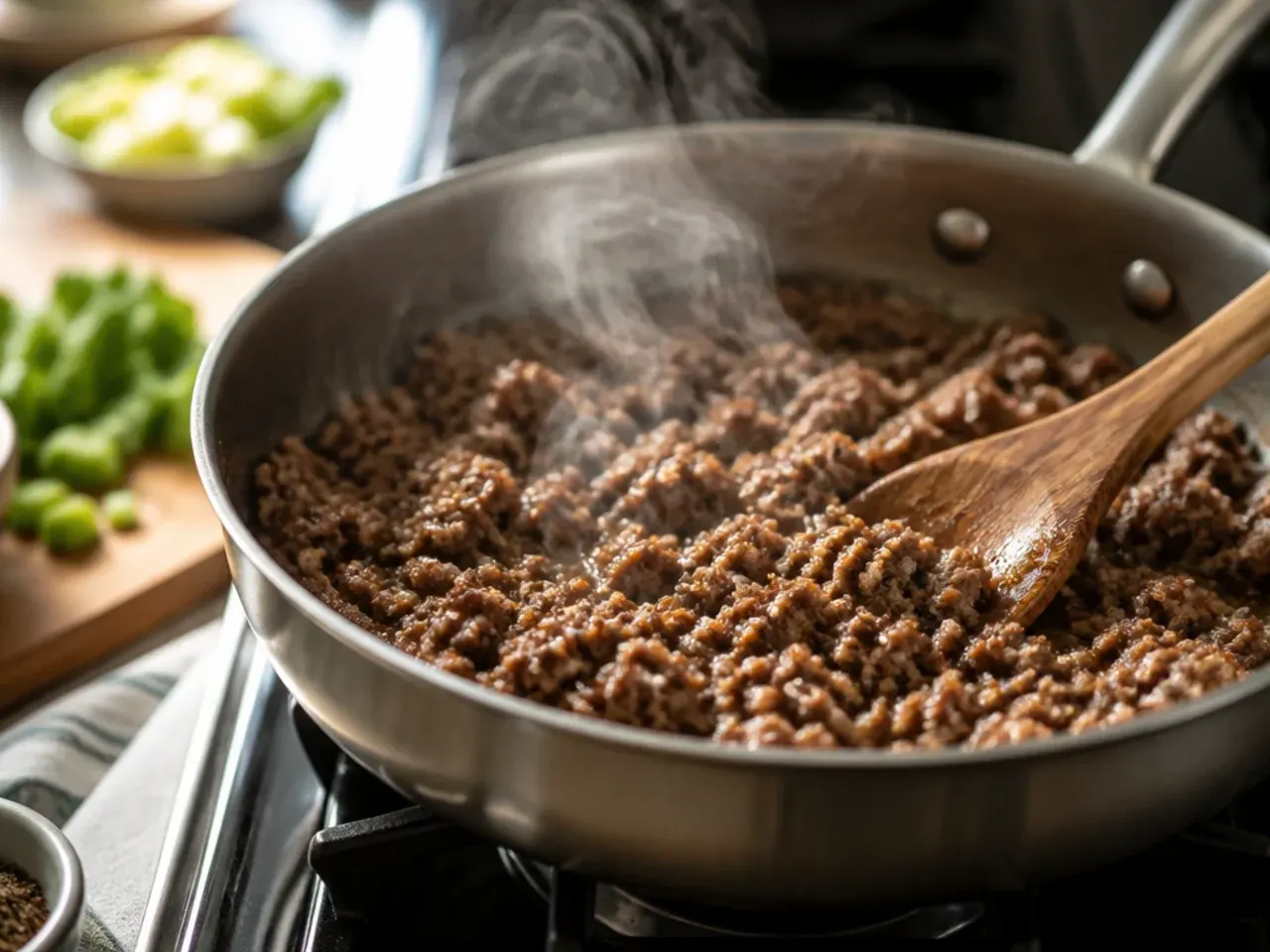
In a large pot or Dutch oven, brown 450g (1 lb) minced beef over medium-high heat for 6-8 minutes, breaking it into small crumbles with a wooden spoon, until no pink remains and the internal temperature reaches 71°C (160°F). Drain off the excess fat and set the beef aside on a plate.
Step 2: Soften the vegetables
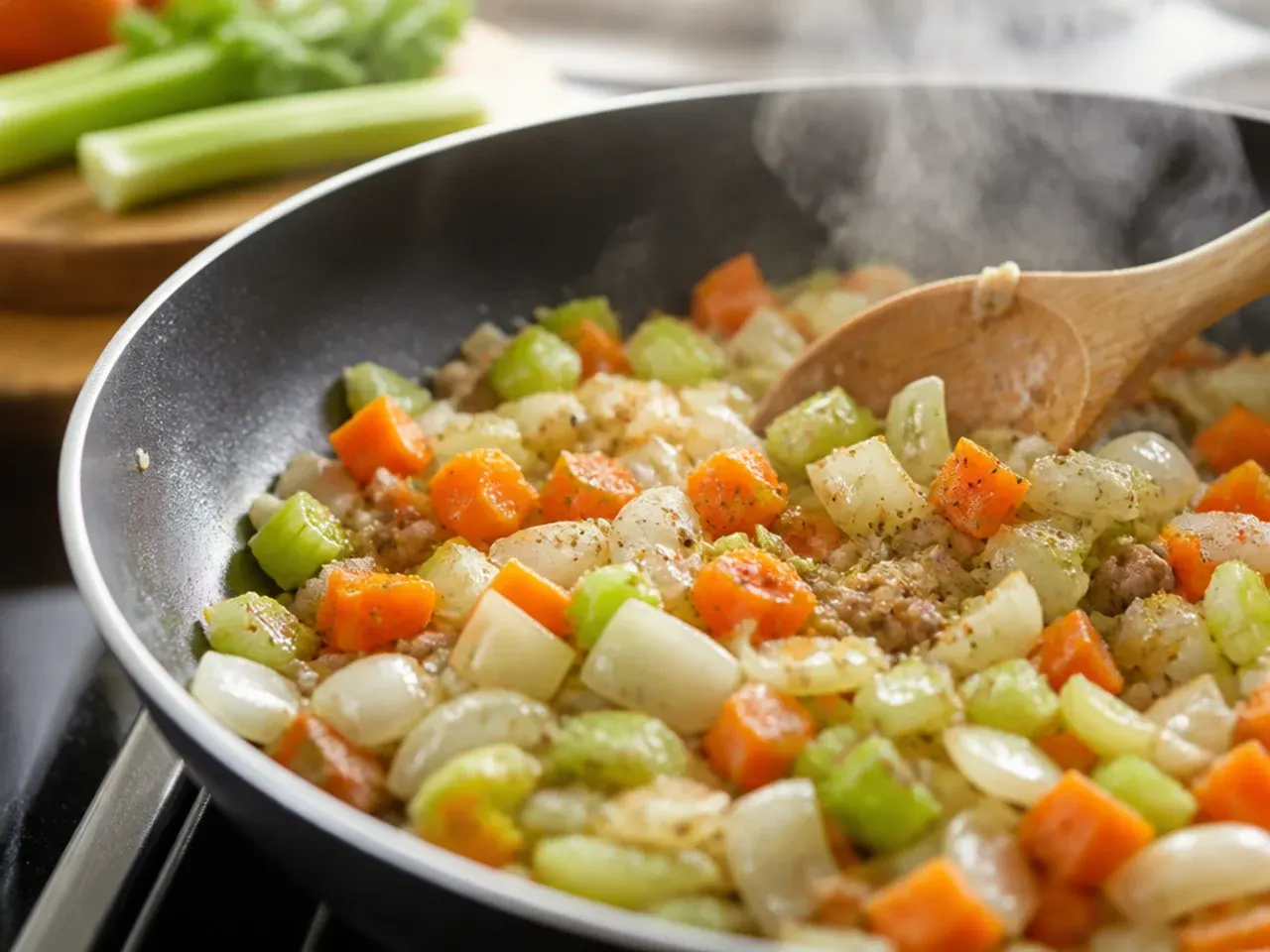
Melt 30g (2 tbsp) of the butter in the same pot over medium heat. Add the chopped onion, grated carrot, and diced celery along with 1 tsp dried basil and 1 tsp dried parsley, and cook for 5 minutes, stirring occasionally, until the onion turns translucent and fragrant.
Step 3: Simmer the potatoes
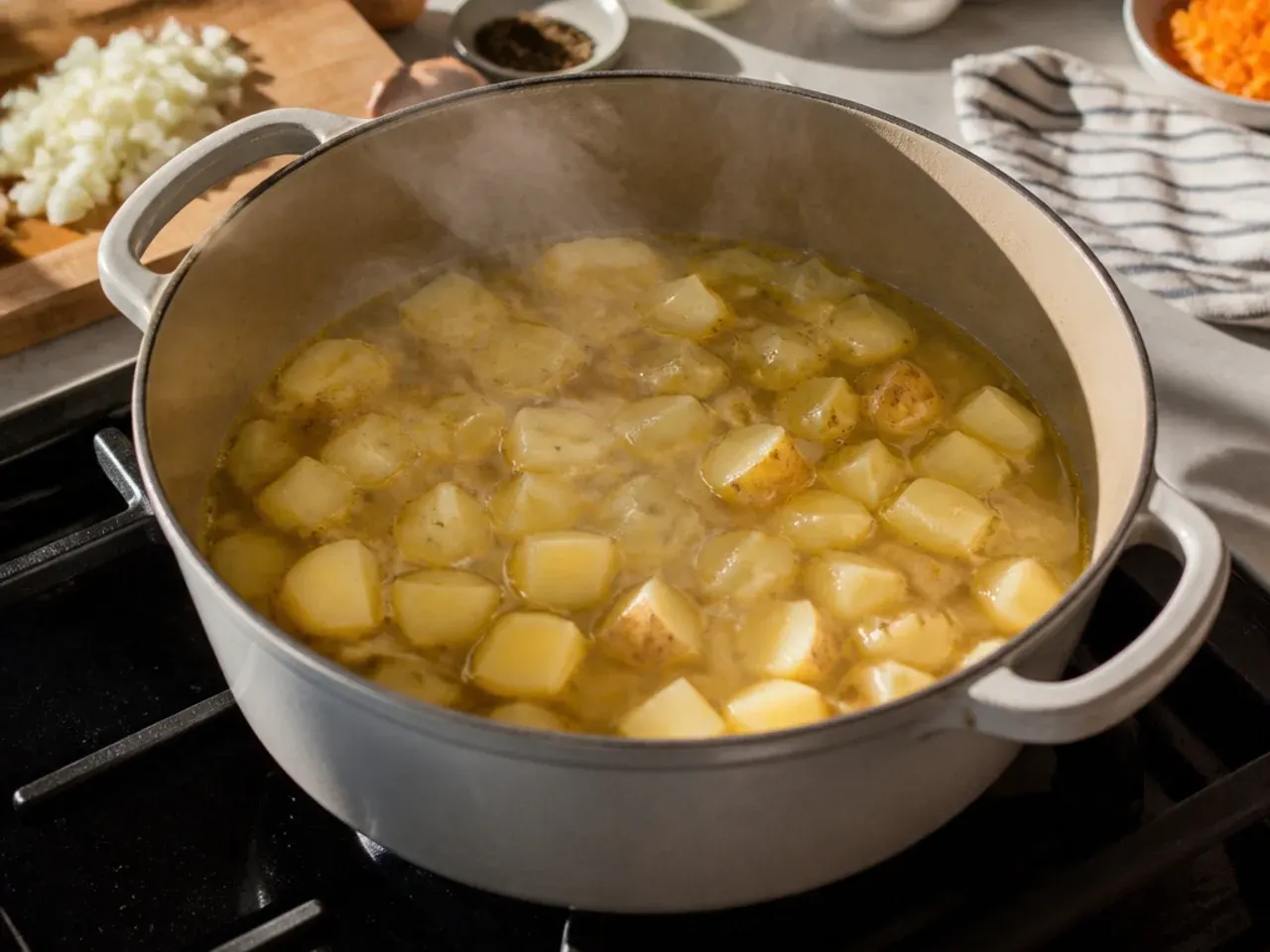
Pour in 750ml (3 cups) chicken stock and add the 700g (1½ lb) diced potatoes along with the browned beef. Bring to a gentle boil, then reduce the heat to medium-low, cover, and simmer for 12-15 minutes until the potatoes are fork-tender.
Step 4: Make a quick roux
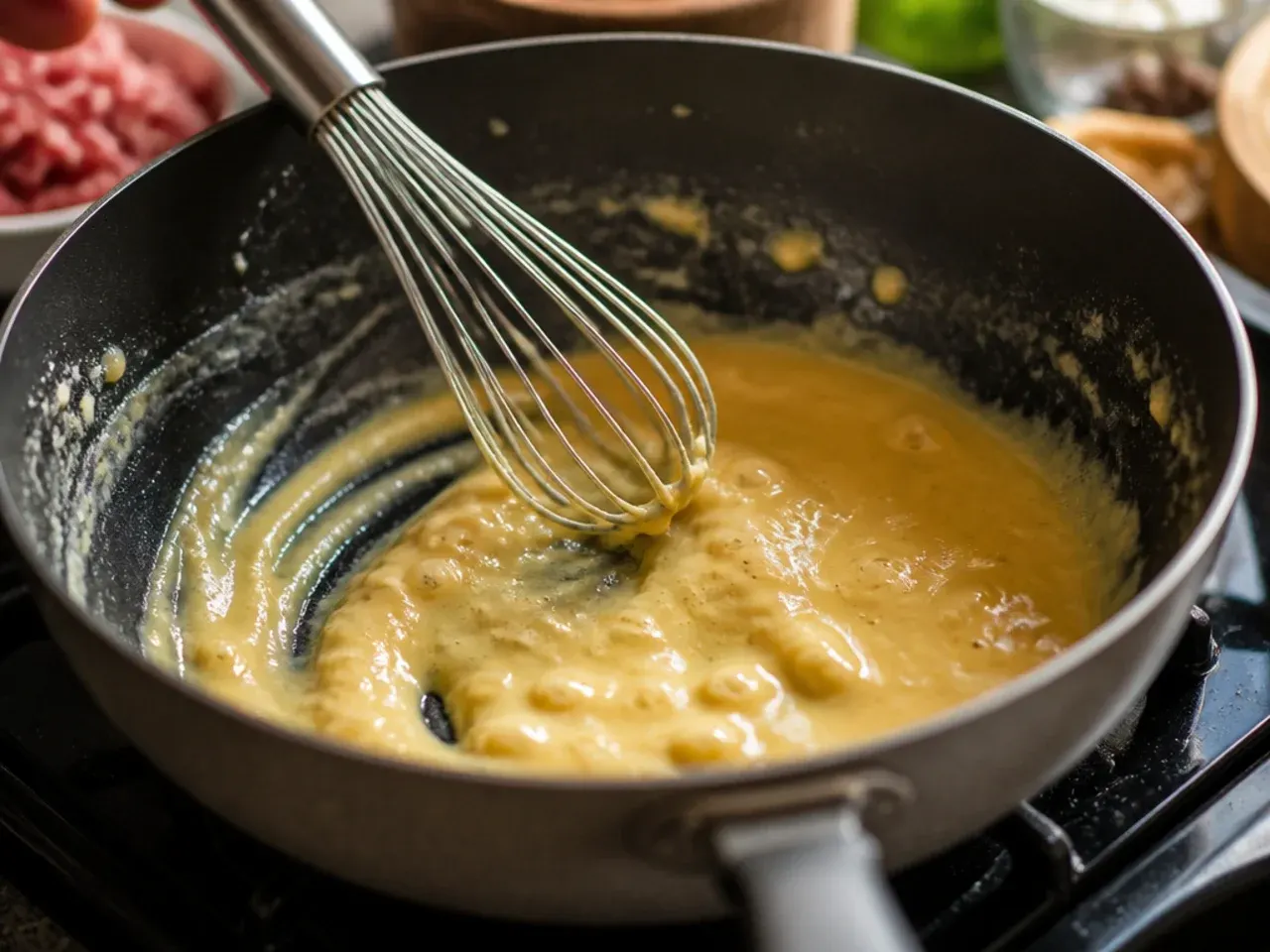
While the soup simmers, melt the remaining 30g (2 tbsp) butter in a small saucepan over medium heat. Whisk in 30g (¼ cup) plain flour and cook for 1 minute, stirring constantly, until it turns pale gold and smells nutty rather than raw.
Step 5: Thicken the soup

Stir the roux into the simmering soup a spoonful at a time, whisking to prevent lumps. Continue cooking for 2-3 minutes until the soup visibly thickens and coats the back of a spoon.
Step 6: Melt in the cheese

Remove the pot from the heat, then add 350g (12 oz) cubed processed cheese and 360ml (1½ cups) milk. Stir gently and continuously for 3-4 minutes off the burner until the cheese is fully melted and the soup is smooth and creamy - do not let it boil or the cheese may separate.
Step 7: Stir in the sour cream and serve

Once the soup has cooled for a minute, stir in 60g (¼ cup) sour cream, 1 tsp salt, and ¼ tsp black pepper, tasting and adjusting the seasoning as needed. Ladle into bowls and serve immediately with extra shredded cheese, crispy bacon bits, or diced pickles on top.
Frequently Asked Questions
Yes, you can make the soup up to 3-4 days ahead and store it covered in the fridge, though the texture is at its absolute best the day it's made. Reheat it gently on the stovetop over low heat with a splash of milk stirred in, since it thickens considerably once chilled. Avoid microwaving on full power, as the cheese sauce can separate if it heats too quickly. If you're prepping further ahead, brown the beef and chop the vegetables a day early and finish the soup fresh.
Save this for later 📌
Pin this article to your Pinterest board so the full list is one tap away when you need it.
Save on Pinterest