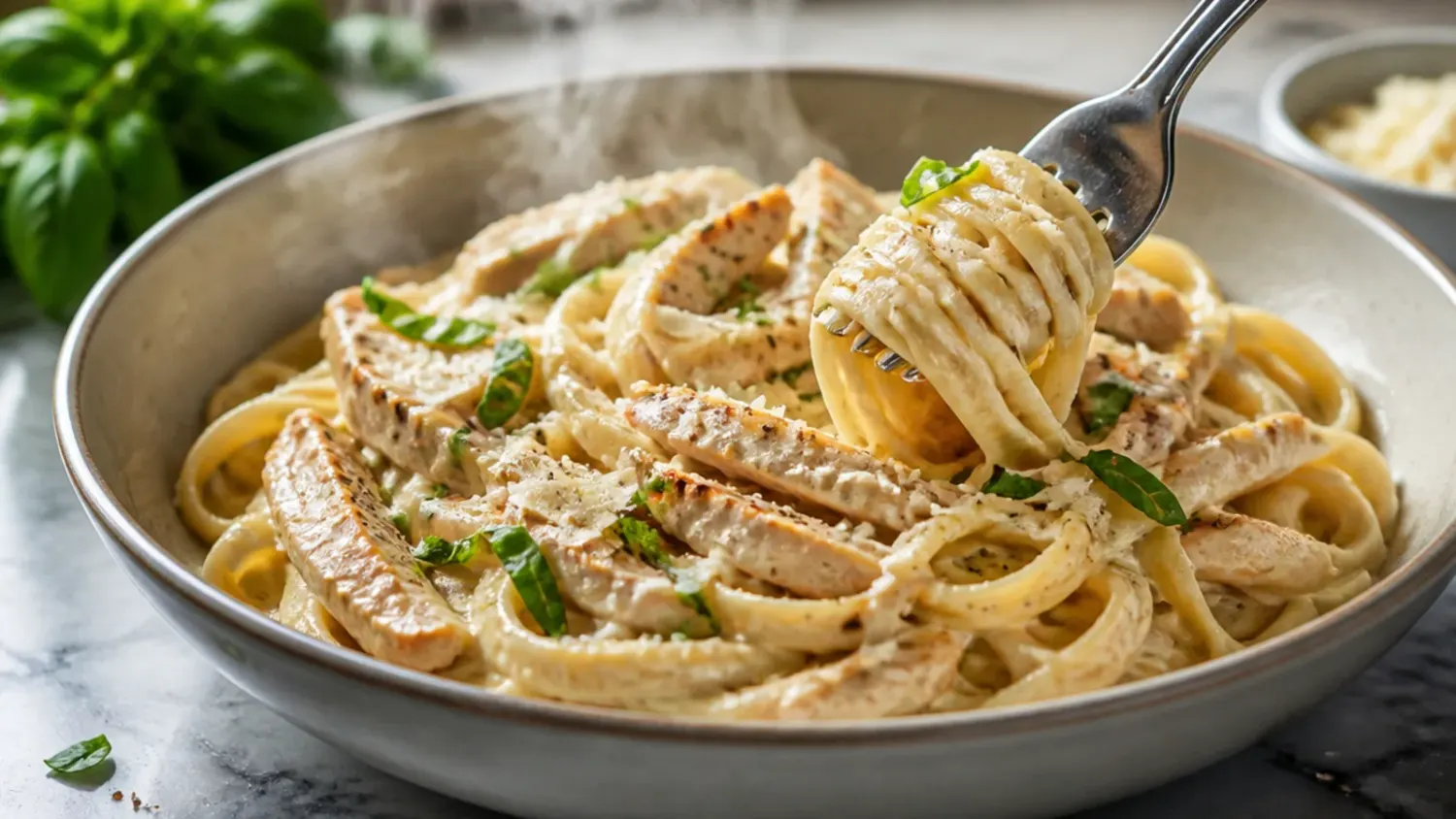
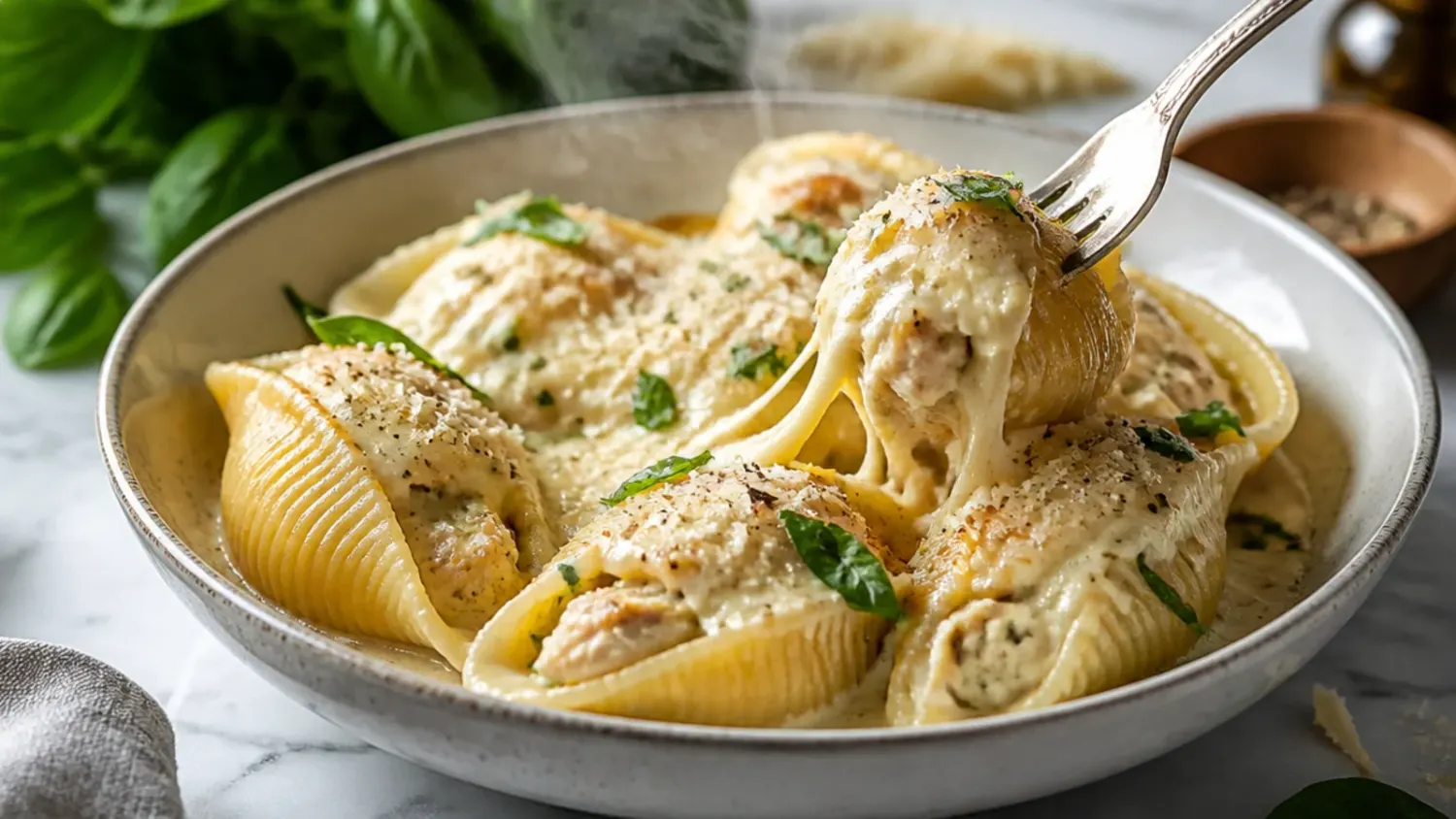
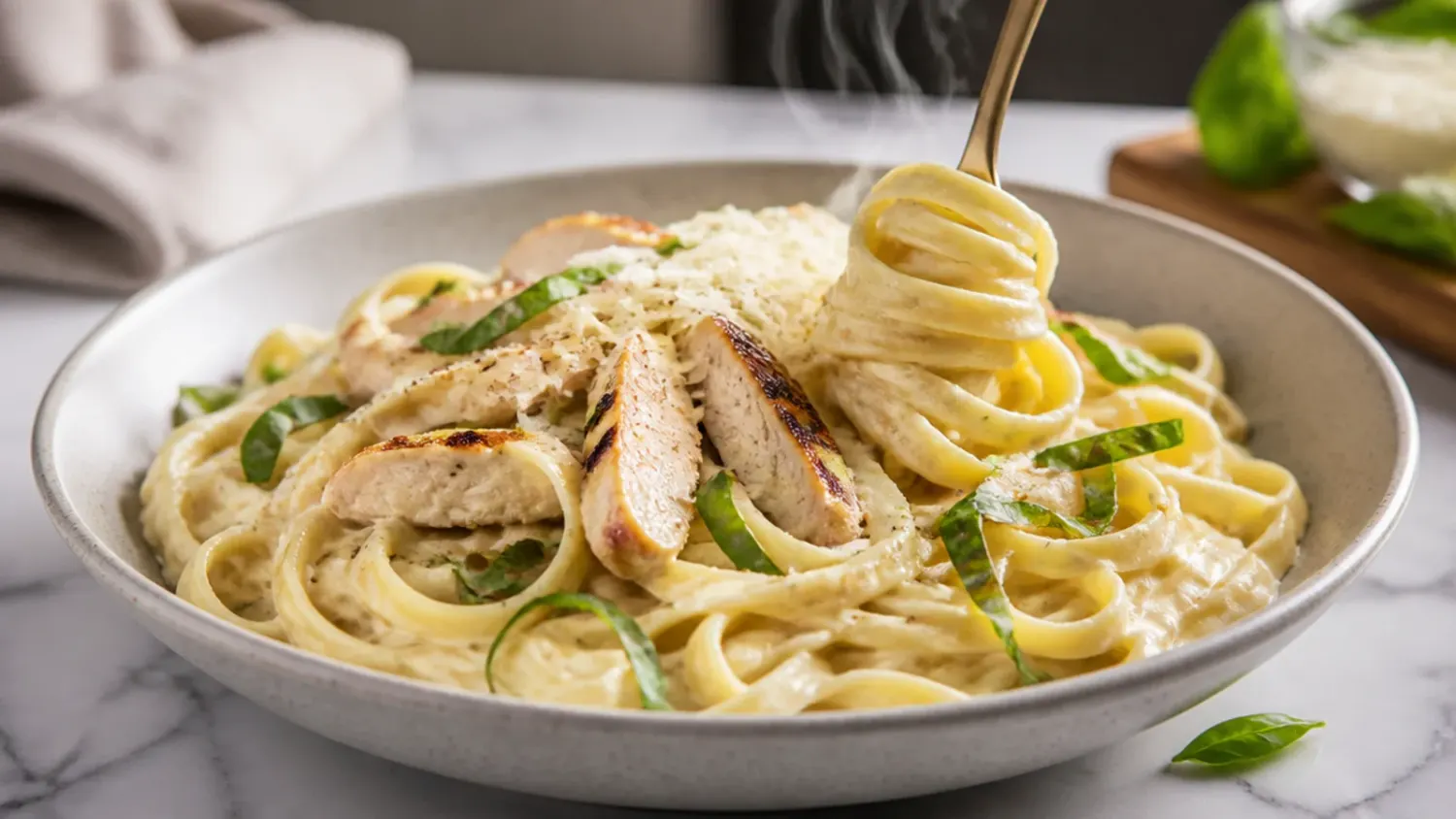
30 Chicken Alfredo Casserole Tips I Wish I Knew Sooner
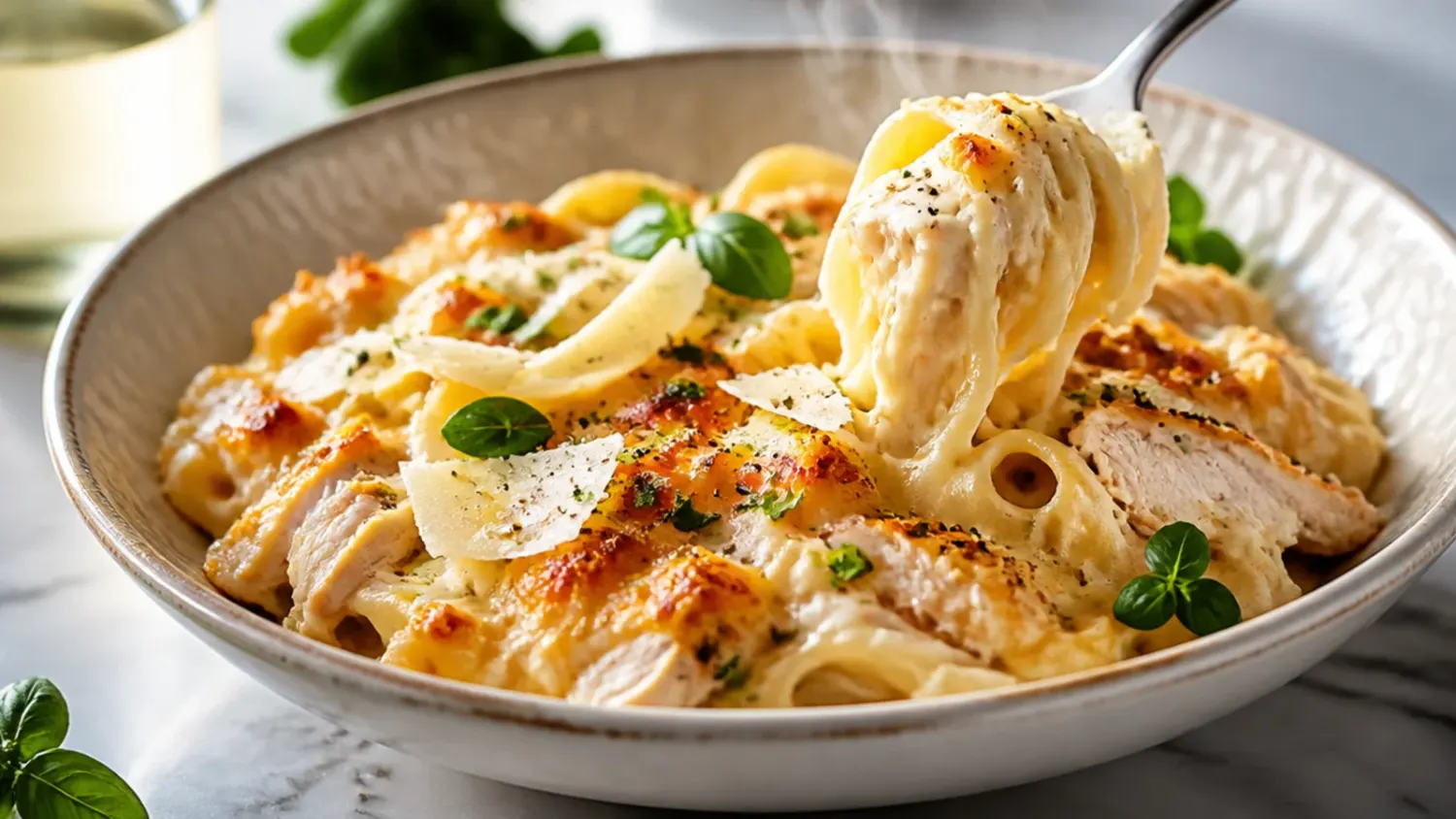
30 real lessons from making chicken alfredo casserole again and again — the mistakes, the fixes, and the tweaks that made it consistently creamy. If you love chicken alfredo inspiration, start with our Chicken Alfredo collection, then browse the full Comfort Dinners hub for more.

Save this for later 📌
Pin this article to your Pinterest board so the full list is one tap away when you need it.
Save on PinterestComfort Dinners
Beginner
Kitchen Journal
7 steps
Table of Contents
- I Stopped Boiling the Pasta All the Way
- Pre-Shredded Cheese Was Sabotaging My Sauce
- Raw Chicken Breast Was Drying Out in the Oven
- My Sauce Kept Breaking Until I Added Cream Cheese
- I Skipped the Resting Time and Regretted It
- The Wrong Dish Size Threw Off My Bake Time
- Foil Saved My Cheese Topping From Burning
- I Wasn't Seasoning at Every Stage
- Cold Cream Cheese Left Lumps I Couldn't Stir Out
- Too Much Sauce Made It Soupy, Not Creamy
- Not Enough Sauce Left It Dry After Baking
- Saving a Splash of Pasta Water Fixed My Sauce Twice
- Burnt Garlic Ruined an Entire Batch of Sauce
- The Sauce Was Too Thick the Moment It Left the Stove
- Uncovered Fridge Time Dried Out My Make-Ahead Batch
- I Tried Freezing It After Baking — Never Again
- Rotisserie Chicken Changed My Weeknight Timeline Completely
- Jarred Alfredo Sauce Was Saltier Than I Expected
- Broiling for a Golden Top Needs Constant Watching
- I Forgot to Grease the Dish and Lost Half the Bottom Layer
- A Pinch of Nutmeg Made It Taste Restaurant-Made
- Adding Vegetables Watered Down My Sauce
- Doubling the Recipe Needed a Longer, Slower Bake
- Microwaved Leftovers Went Dry Until I Added Liquid
I Stopped Boiling the Pasta All the Way
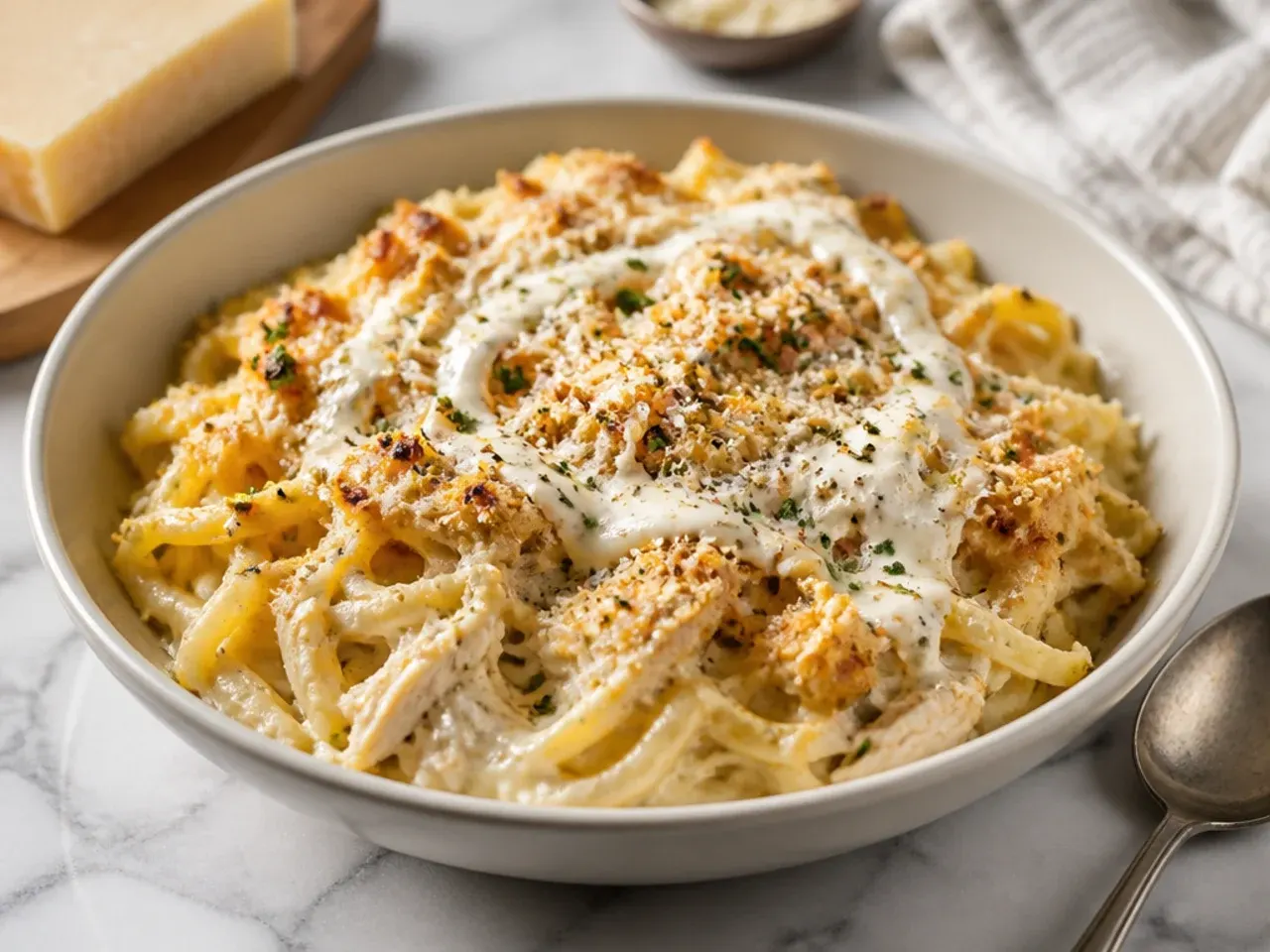
The first few times I made this, I cooked the penne until it was fully tender, and by the time it came out of a 190°C (375°F) oven it had gone soft and gluey. Now I pull the pasta about 2 minutes before the packet says it's done, while it still has a bit of bite in the centre. It finishes cooking in the sauce as the casserole bakes, so it ends up perfectly tender rather than mushy. If you're not sure, taste a piece straight out of the colander — it should still resist slightly when you bite it.
Pre-Shredded Cheese Was Sabotaging My Sauce
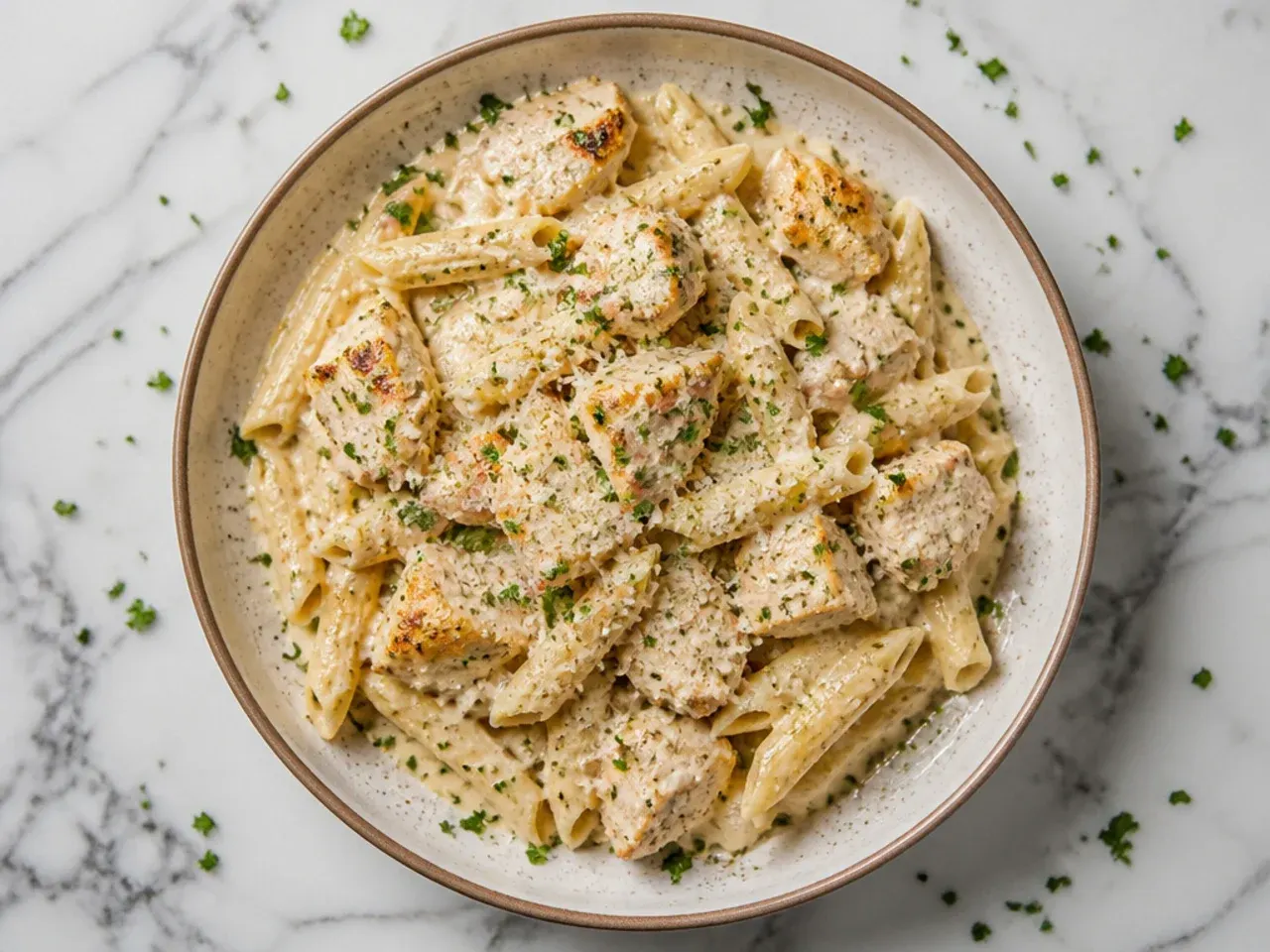
I used to grab bags of pre-shredded mozzarella and Parmesan because they're convenient, but they're coated in anti-caking starch that stops them melting smoothly. My sauce kept turning grainy and slightly oily no matter how carefully I stirred it. Once I switched to grating a block of mozzarella and a wedge of Parmesan myself, the sauce went silky every single time. It only takes an extra five minutes and it's genuinely the difference between a good casserole and a great one.
Raw Chicken Breast Was Drying Out in the Oven
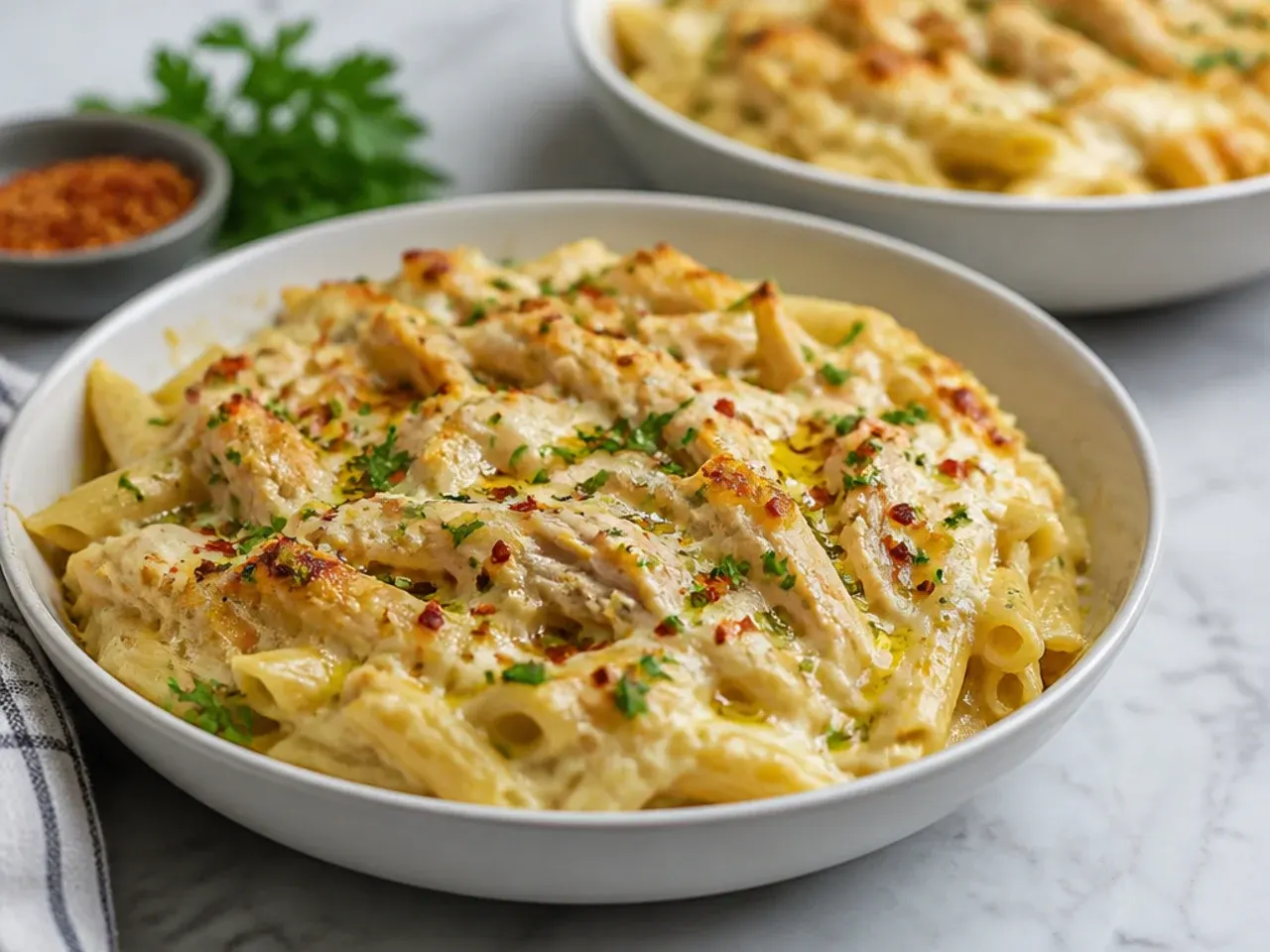
Early on I tossed raw, diced chicken breast straight into the casserole dish, and by the time the pasta was cooked through the chicken had turned rubbery and dry. Now I either poach or pan-sear the chicken separately first, or use shredded rotisserie chicken, so it's already cooked and juicy before it goes near the oven. The chicken only needs to warm through and pick up flavour in the bake, not cook from scratch. About 350 g (12 oz) of shredded cooked chicken is the right amount for this size of dish.
My Sauce Kept Breaking Until I Added Cream Cheese
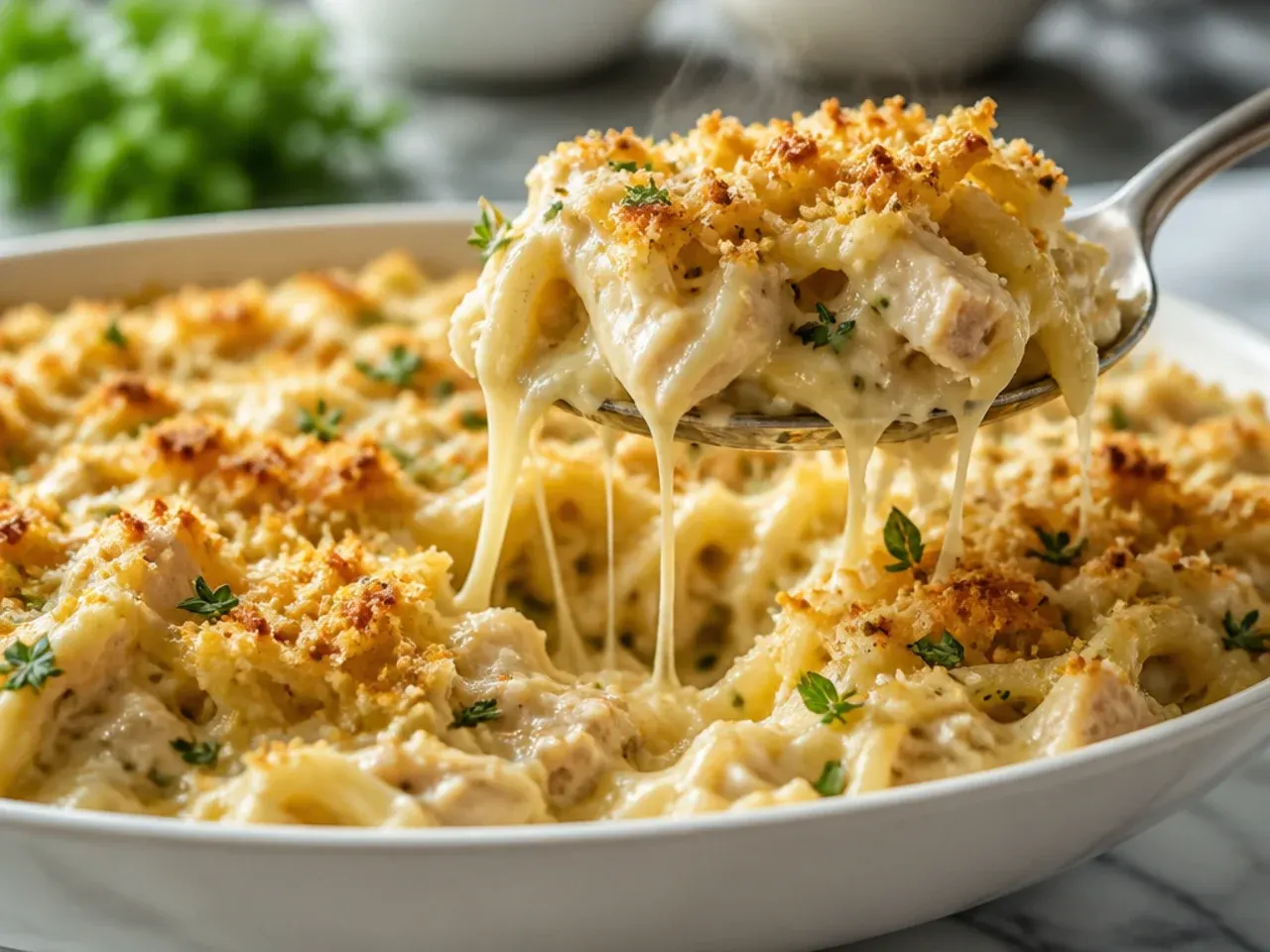
A classic butter-cream-Parmesan alfredo sauce looked glossy on the stove but turned oily and separated after 25-30 minutes in the oven. Stirring in 115 g (4 oz) of softened cream cheese along with the double cream stabilises the whole sauce, because the proteins hold the fat and moisture together under heat. It also gives the finished bake a noticeably richer, tangier flavour. I now consider cream cheese non-negotiable for any alfredo that's going into the oven rather than straight onto pasta.
I Skipped the Resting Time and Regretted It
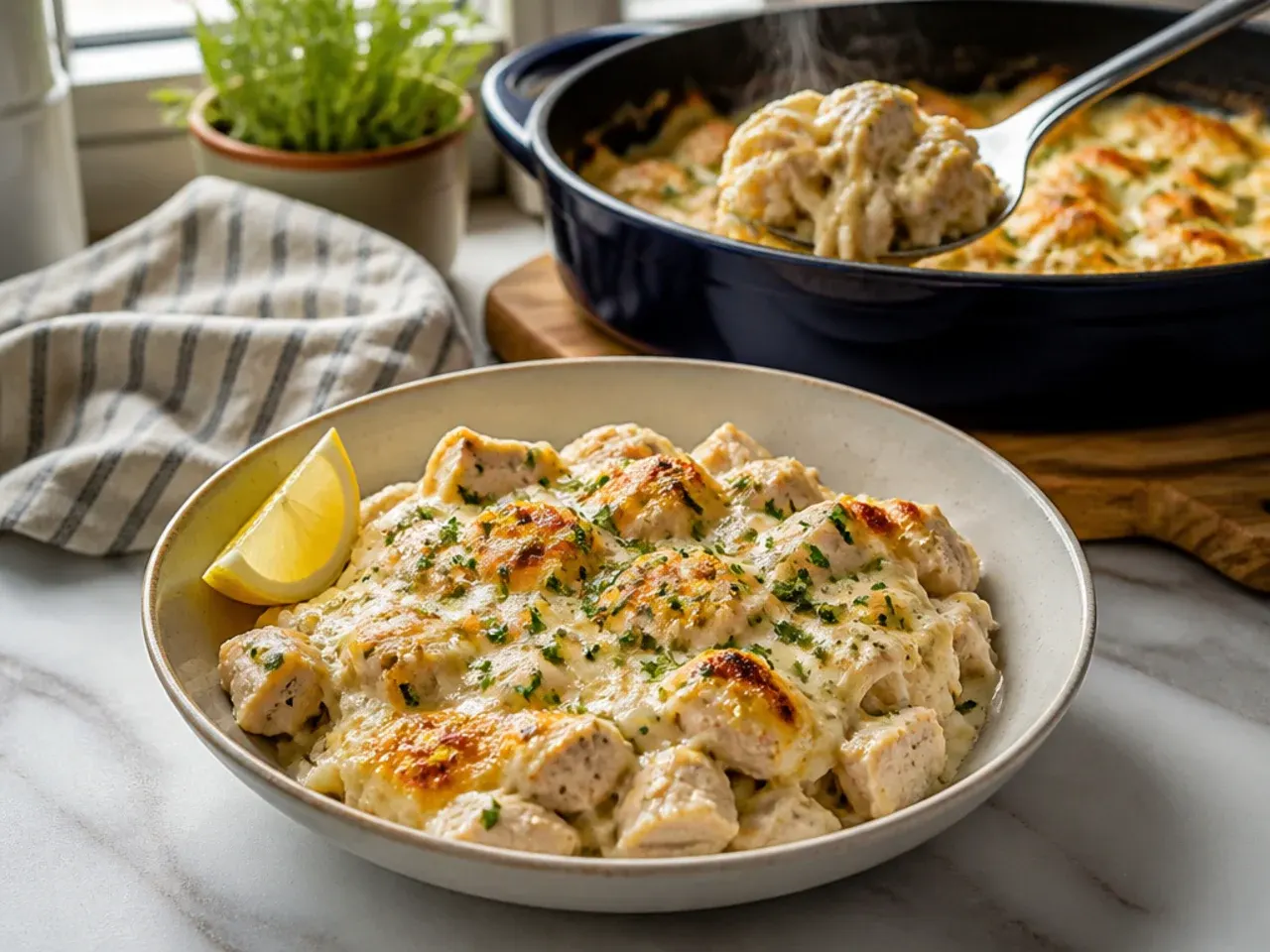
Straight out of the oven, the sauce looks loose and almost soupy pooling around the edges of the dish, and I used to panic and put it back in for another 10 minutes. That was a mistake — the sauce actually thickens as it sits, so now I let the casserole rest for 5-10 minutes on the counter before serving. During that time the pasta finishes absorbing the extra liquid and everything settles into a scoopable, creamy consistency. Serve it the second it comes out and you'll end up with far more sauce on the plate than in the pasta.
The Wrong Dish Size Threw Off My Bake Time
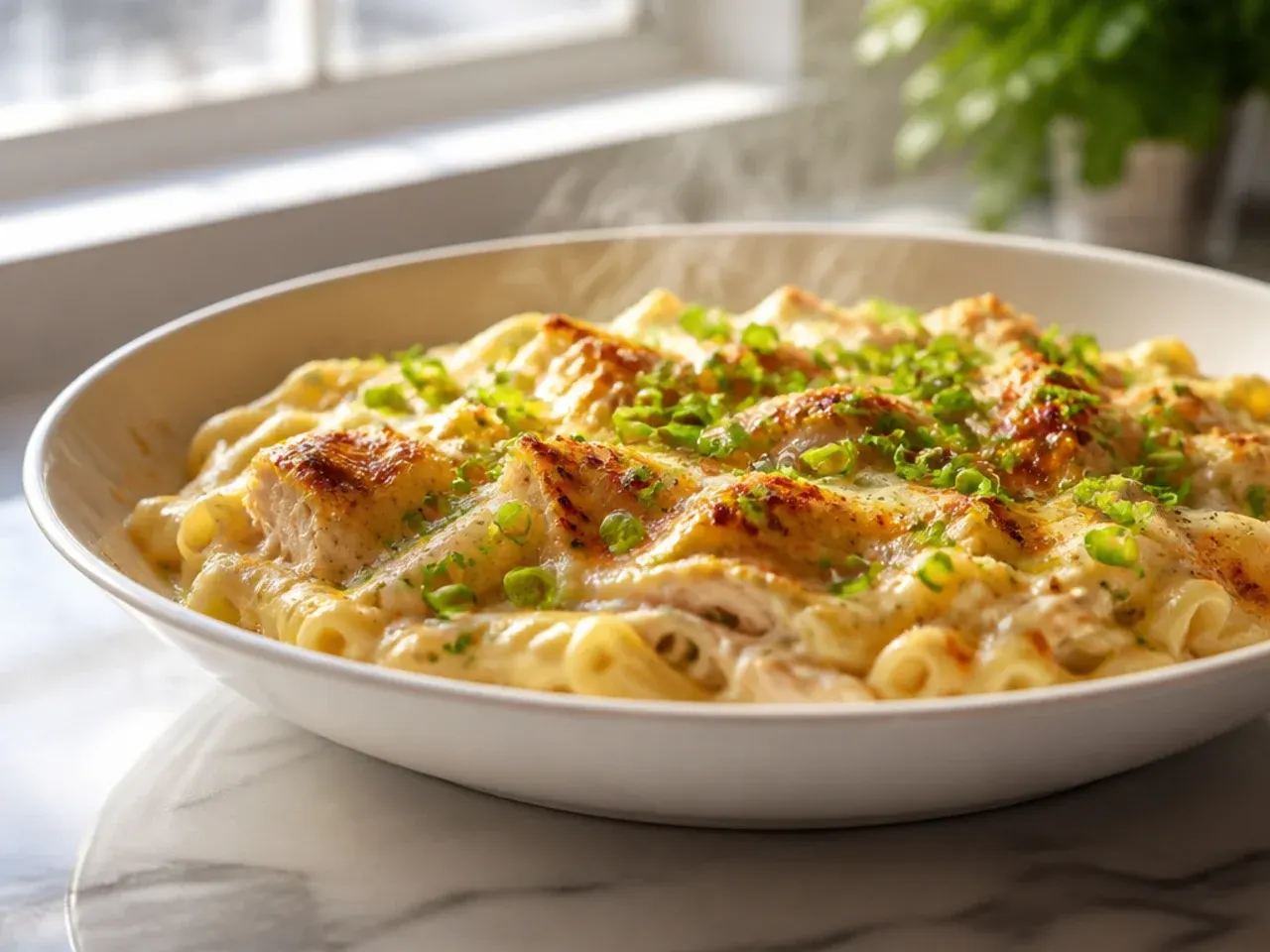
I once used a deep 20 cm (8 in) square dish instead of a shallow 23x33 cm (9x13 in) baking dish, and the centre was still cold while the edges had turned crisp. A wide, shallow dish lets heat reach the middle evenly and gives more surface area for that golden, bubbling top everyone actually wants. Now I always reach for the 9x13 dish for this amount of pasta and sauce. If your dish is deeper than usual, add another 5-10 minutes to the bake and check the centre with a knife before pulling it out.
Foil Saved My Cheese Topping From Burning
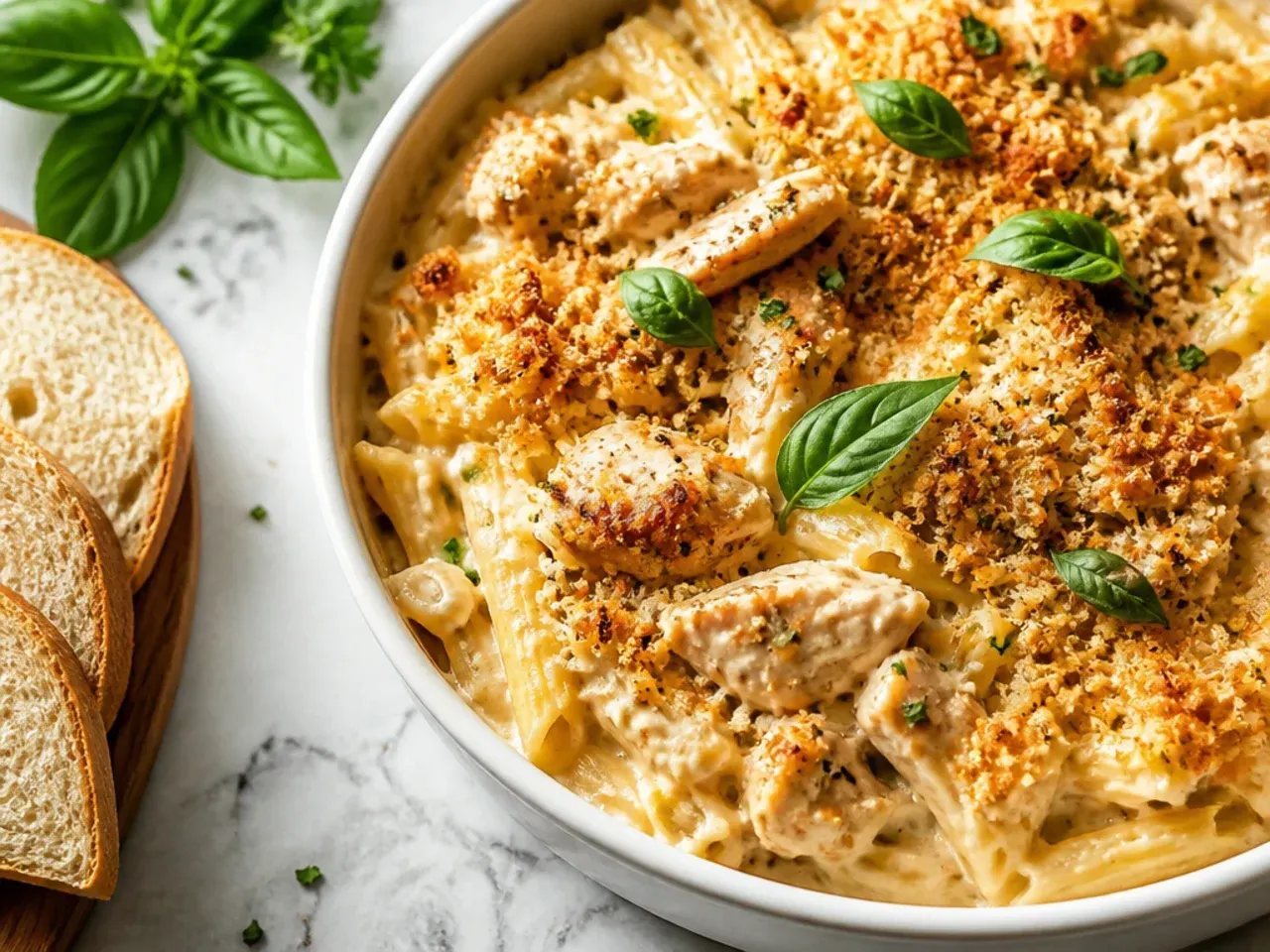
The first time I baked this uncovered the whole way through, the mozzarella on top turned dark brown and slightly bitter well before the centre was hot. Now I cover the dish loosely with foil for the first 15-18 minutes at 190°C (375°F), then remove it for the final 10-12 minutes so the cheese can brown properly. That gives the inside time to heat through gently while the top still gets a golden, bubbling finish. It's a small step but it's saved more than one dinner from looking scorched.
I Wasn't Seasoning at Every Stage

I used to season the sauce once at the end and wonder why the finished casserole still tasted flat, even with all that cream and cheese. Now I salt the pasta water properly, season the chicken as it cooks, and taste the sauce on the stove before it ever touches the pasta. Each layer needs its own seasoning because baking mutes flavours slightly, and Parmesan's saltiness varies a lot between brands. A pinch of black pepper and a small pinch of nutmeg at the sauce stage makes a bigger difference than most people expect.
Cold Cream Cheese Left Lumps I Couldn't Stir Out
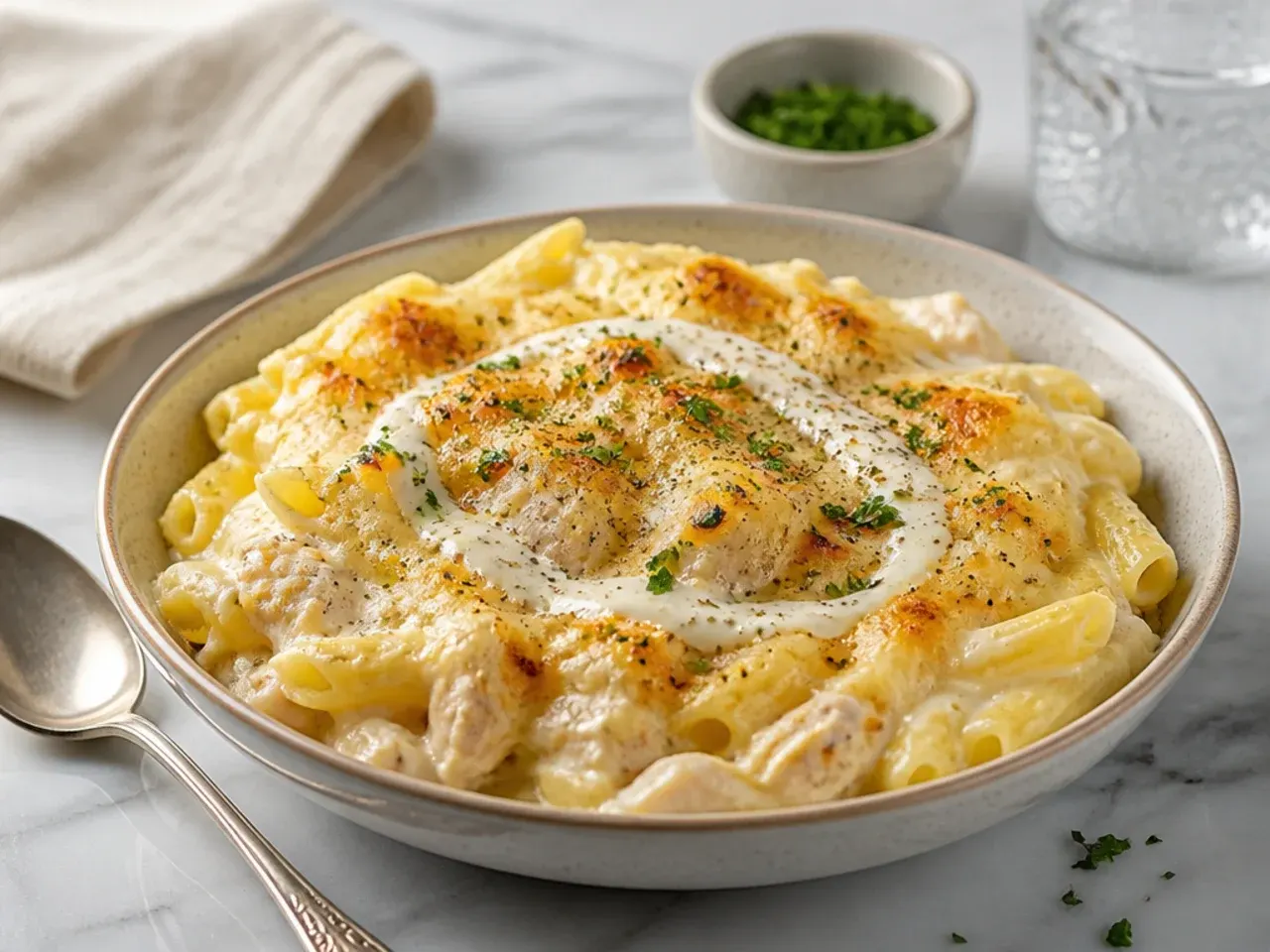
Dropping cold cream cheese straight from the fridge into hot cream never worked for me — it just sat there in stubborn little lumps no matter how hard I whisked. Now I either leave it out for 30 minutes to soften or cut it into small 2 cm cubes so it melts in almost immediately over low heat. Microwaving it for 15-20 seconds works too if I'm short on time. A smooth sauce at this stage means a smooth sauce in the finished bake, so it's worth the extra few minutes.
Too Much Sauce Made It Soupy, Not Creamy
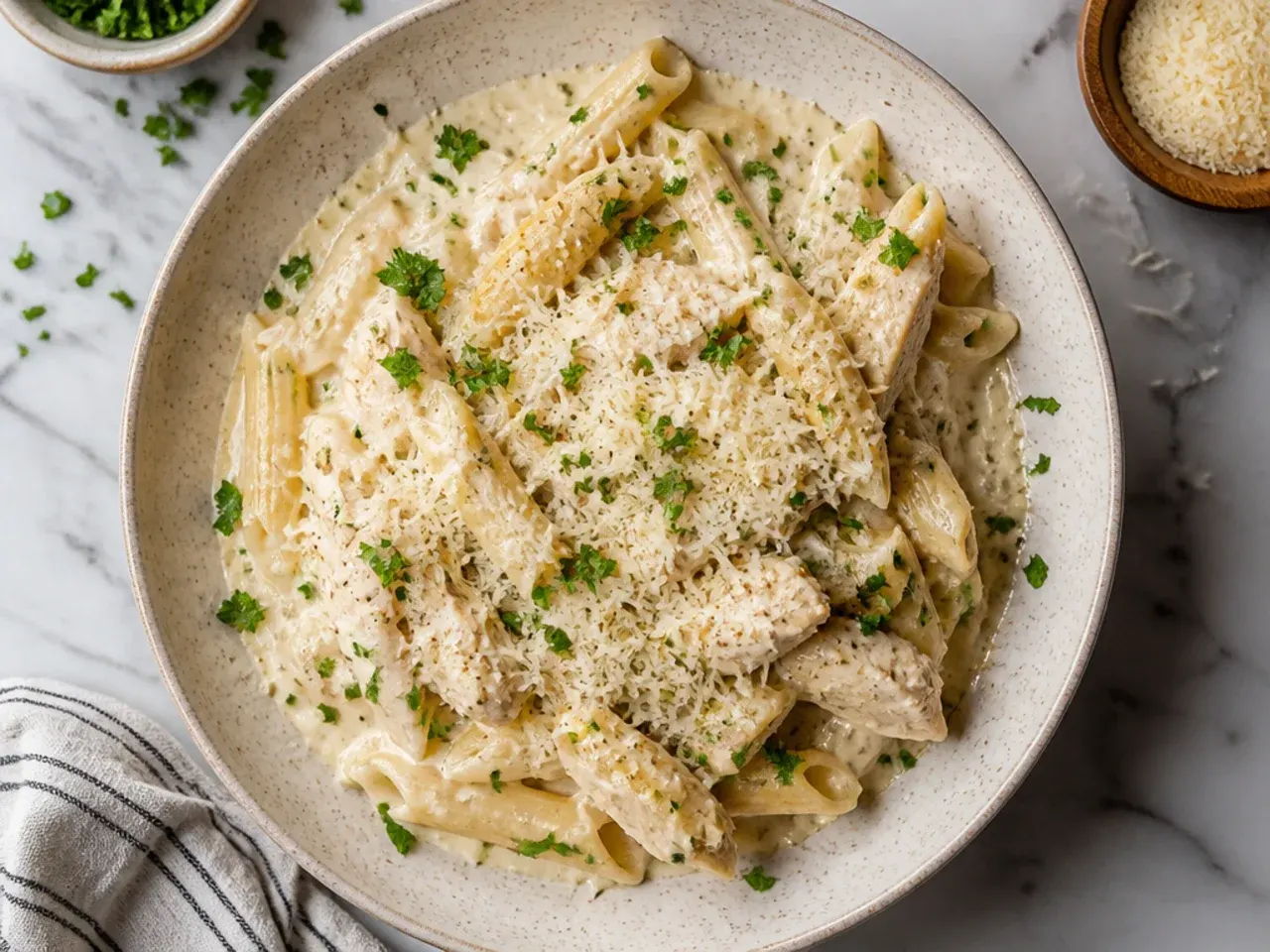
Chasing extra creaminess, I once doubled the sauce for the same amount of pasta and ended up with something closer to soup than casserole. The right ratio is roughly 480 ml (2 cups) of cream-based sauce to 450 g (16 oz) of dry pasta, which coats every piece without drowning it. If you want it richer, add more cheese rather than more liquid — it thickens the sauce instead of thinning it further. I learned this one the hard way at a dinner where everyone needed a spoon instead of a fork.
Not Enough Sauce Left It Dry After Baking
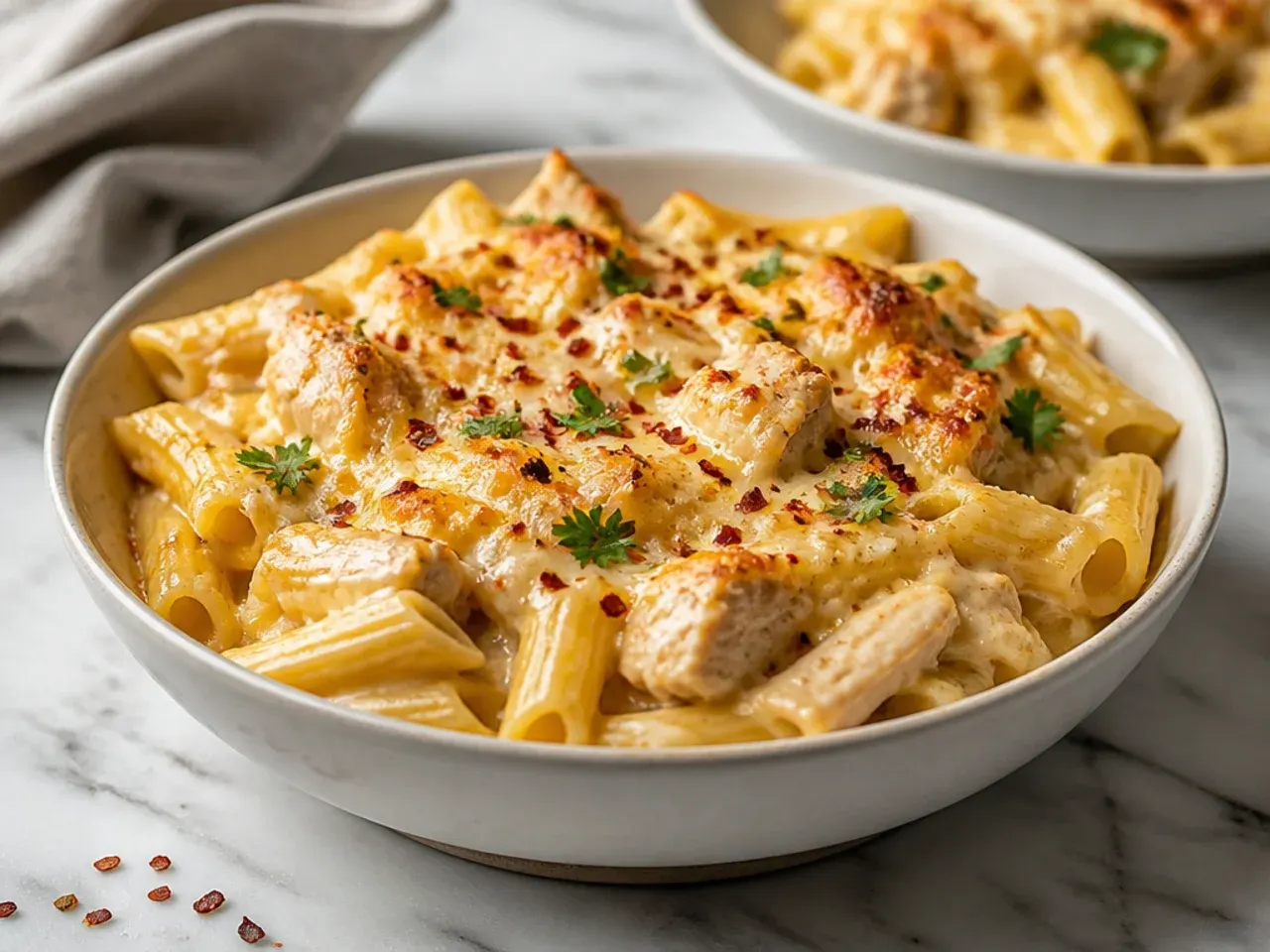
The opposite mistake happens just as easily — pasta soaks up liquid as it bakes, so a sauce that looks perfectly loose going into the oven can turn thick and pasty by the time it comes out. Now I add about 120 ml (1/2 cup) more chicken stock or milk than feels necessary at the mixing stage, specifically to account for what the pasta will absorb in the oven. It's a small buffer that keeps the finished casserole creamy instead of stodgy. If your mixture looks thick going in, trust that instinct and loosen it a little more.
Saving a Splash of Pasta Water Fixed My Sauce Twice
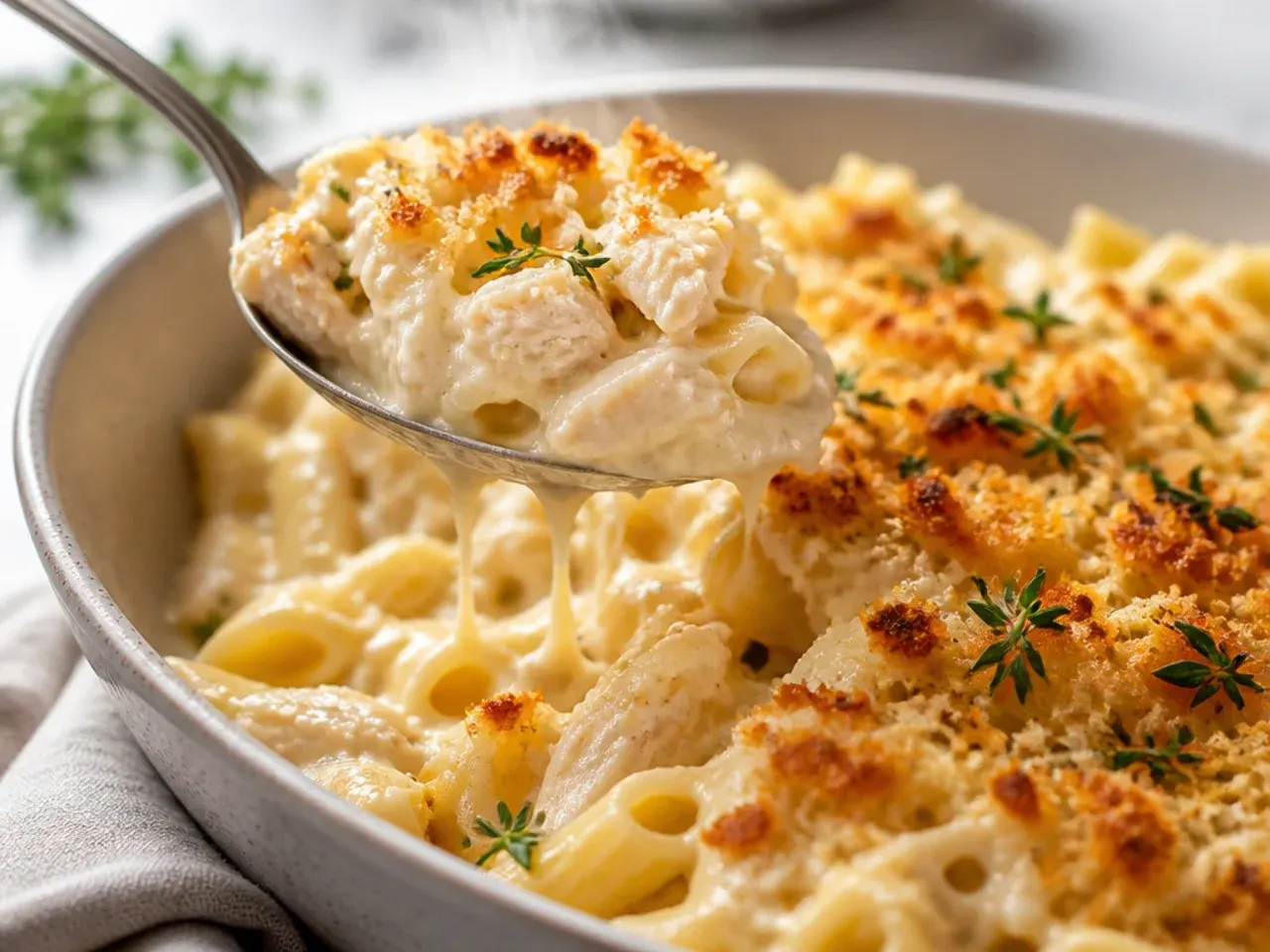
I never used to bother reserving pasta water, until I realised it's the easiest way to loosen a sauce that's gone too thick without watering down the flavour. Now I scoop out about 120 ml (1/2 cup) before draining the pasta, just in case the sauce needs adjusting on the stove or again after mixing everything together. The starch in that water actually helps the sauce cling to the pasta rather than sliding off. It costs nothing and takes five seconds, so there's no excuse to skip it now.
Burnt Garlic Ruined an Entire Batch of Sauce
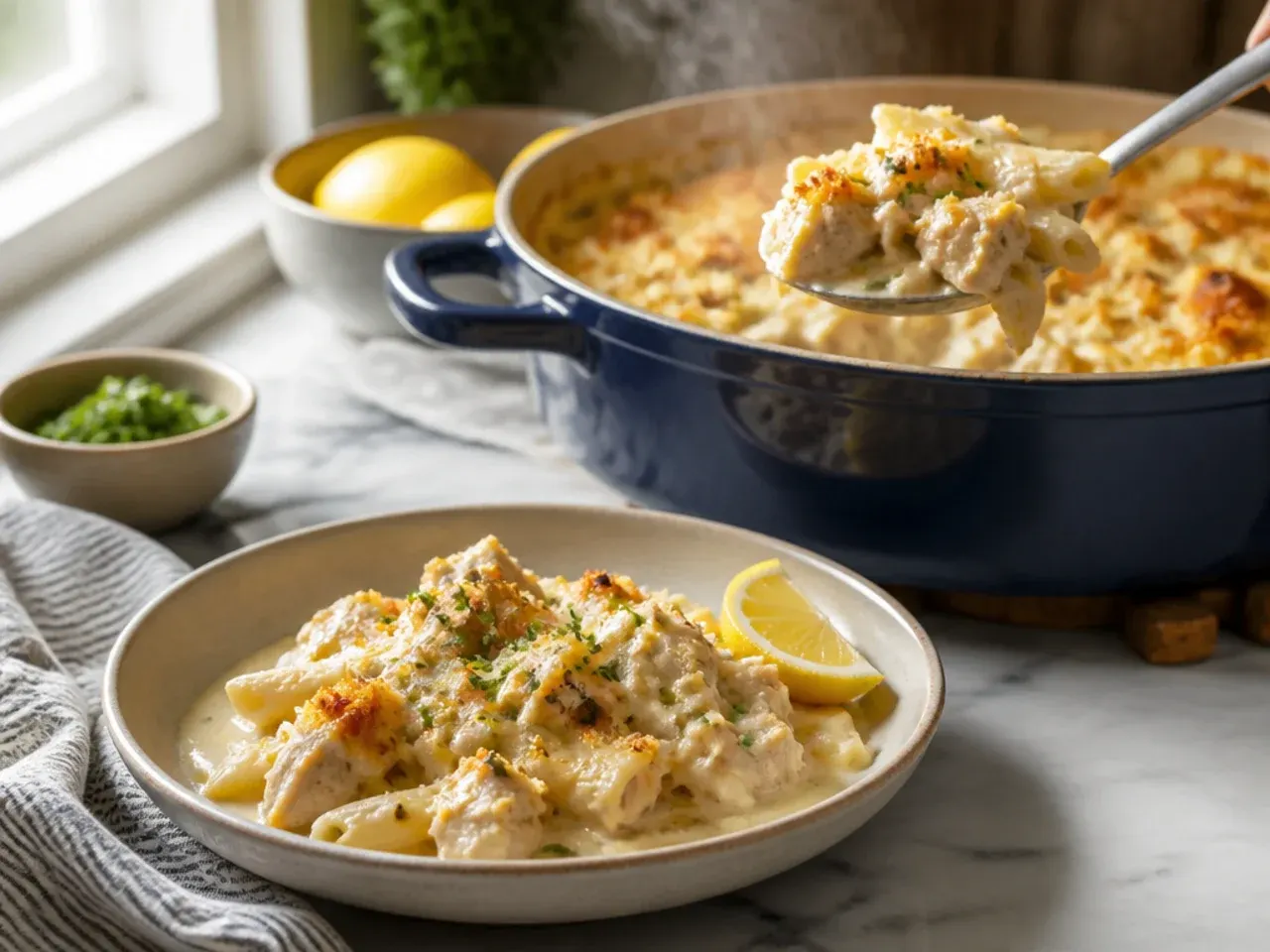
Throwing minced garlic into a hot pan the moment the butter melted turned it bitter and dark within about 30 seconds, and that bitterness spread through the whole sauce. Now I melt the butter over medium-low heat first, then add 3 cloves of minced garlic and stir constantly for no more than 30-45 seconds, just until it's fragrant. As soon as I can smell it, the cream goes in immediately to stop the cooking. Garlic burns faster than most people expect, especially in a small amount of butter, so it needs your full attention for that half a minute.
The Sauce Was Too Thick the Moment It Left the Stove
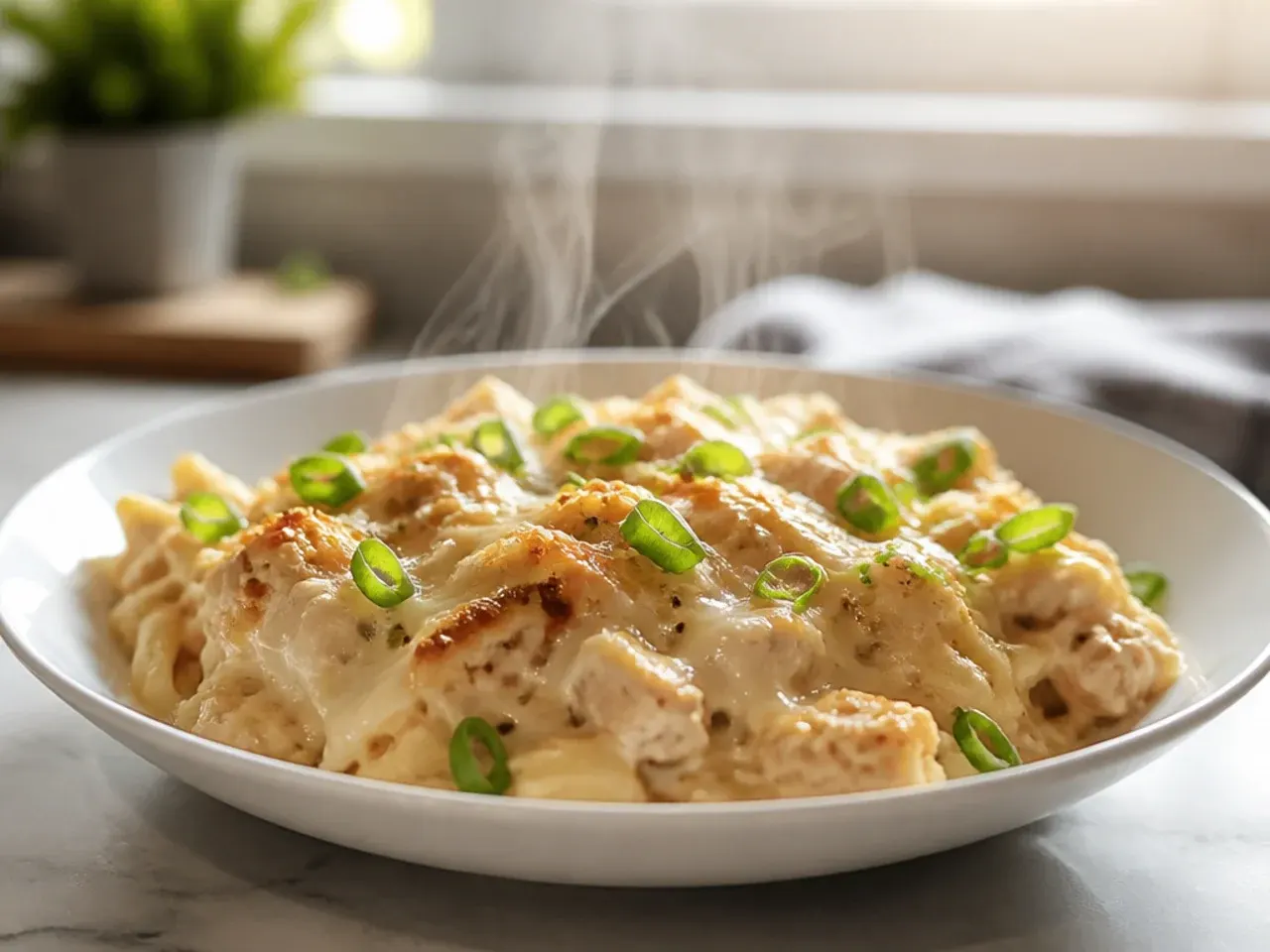
Made purely with double cream and cheese, my sauce would set up almost like a paste while I was still assembling the casserole. Whisking in 240 ml (1 cup) of warm milk or chicken stock at the end thins it back to a pourable consistency without losing any of the richness. That extra liquid also gives the pasta room to keep absorbing sauce in the oven without the whole thing seizing up. I always warm that milk or stock slightly first so it doesn't shock the sauce and cause it to separate.
Uncovered Fridge Time Dried Out My Make-Ahead Batch
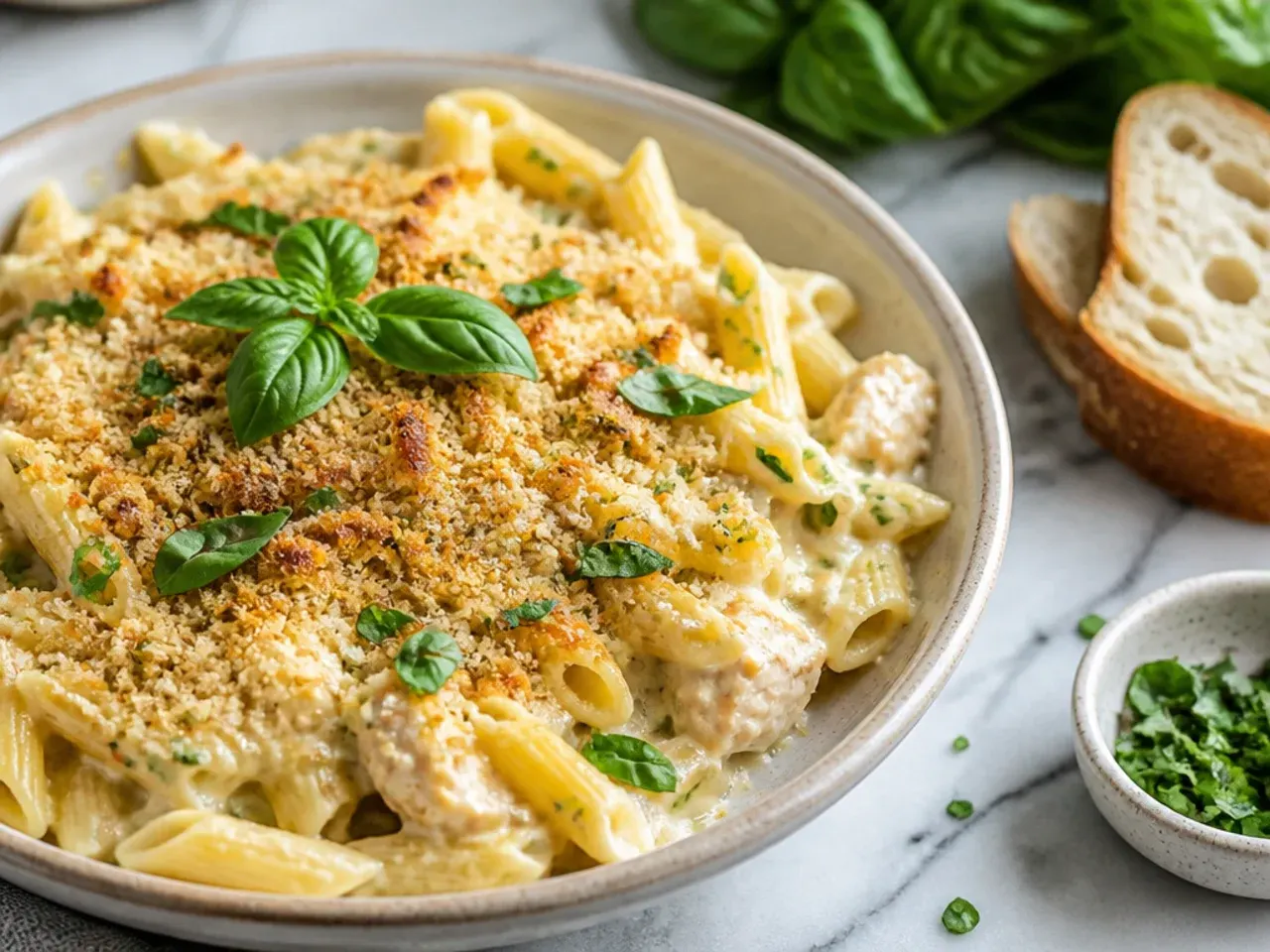
The first time I assembled this a day ahead, I left the dish uncovered in the fridge overnight and the top layer of pasta had gone hard and crusty by the next evening. Now I press cling film directly onto the surface before covering the whole dish with foil, which keeps everything moist for up to 24 hours in the fridge. When I'm ready to bake, I let it sit at room temperature for 20-30 minutes first so it heats through evenly rather than staying cold in the middle. Skipping that resting step means adding an extra 10-15 minutes to the covered bake time.
I Tried Freezing It After Baking — Never Again
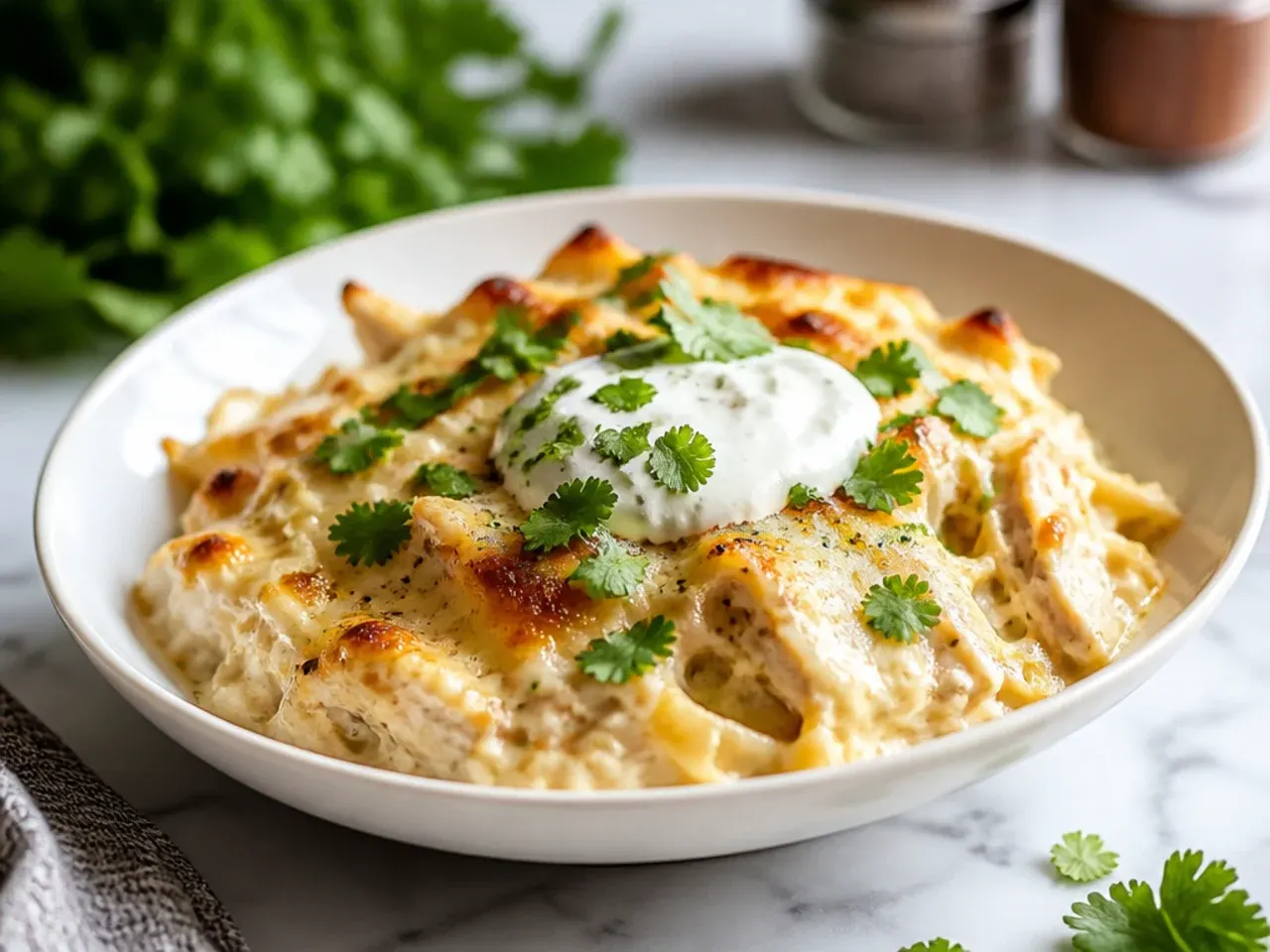
Freezing a fully baked casserole seemed like an obvious time-saver, but when I reheated it the pasta had gone soft and grainy and the sauce had split into an oily mess. Cream-based sauces just don't freeze and thaw cleanly once they've already been cooked once. Now if I want a freezer meal, I assemble everything unbaked, undercook the pasta by an extra 1-2 minutes, and freeze it before it ever sees the oven. It bakes from frozen, or thawed overnight in the fridge, far more successfully than a casserole that's already been through a full bake cycle.
Rotisserie Chicken Changed My Weeknight Timeline Completely
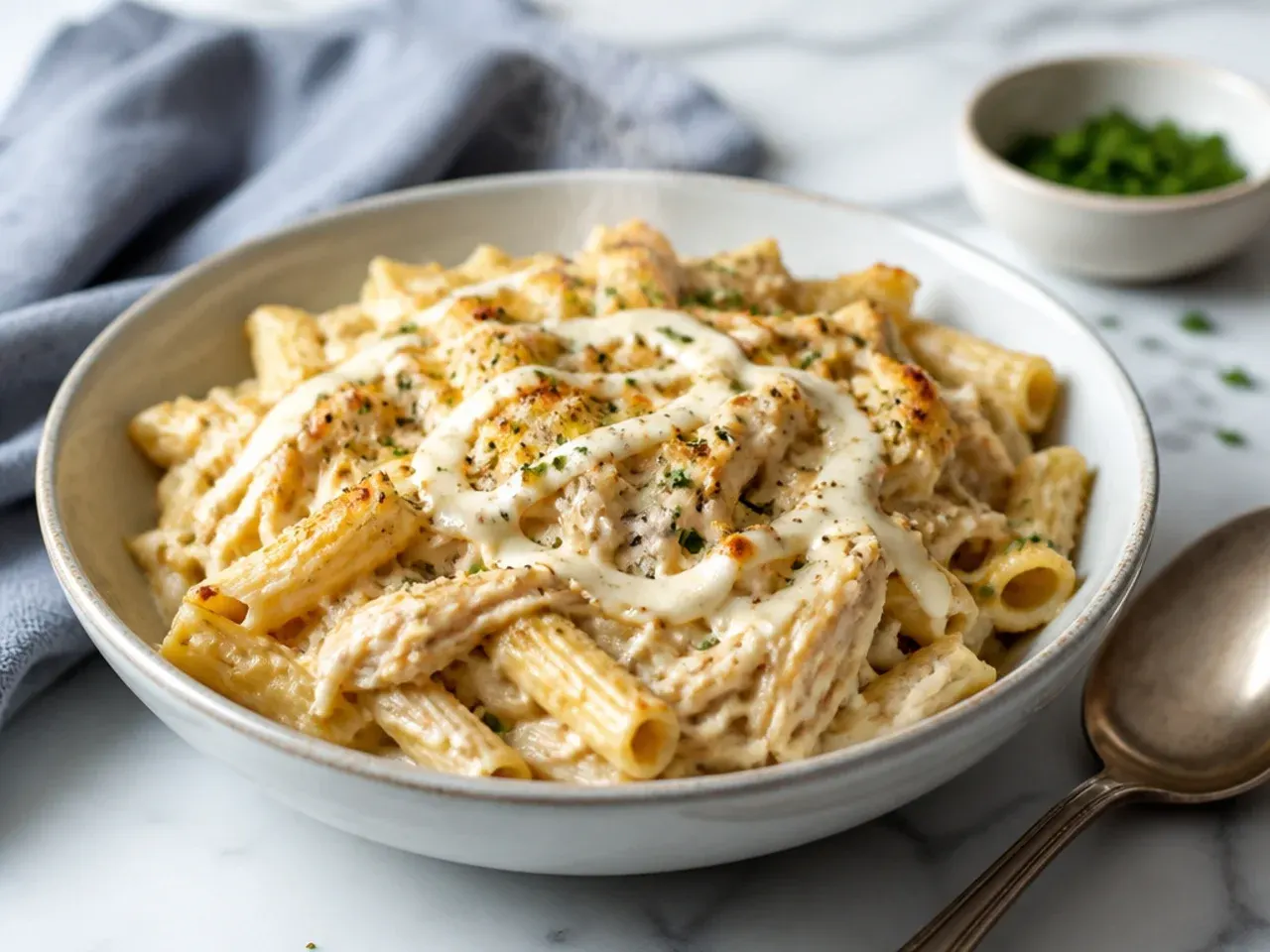
Poaching and shredding my own chicken breast added a good 20 minutes to the whole process, which is a lot on a weeknight. Switching to shredded rotisserie chicken — about 350 g (12 oz), roughly two cups — cut that prep time down to almost nothing and actually tasted better, since it's already well seasoned. I still season the casserole itself, but it needs less salt overall because the rotisserie chicken brings some with it. It's now my default unless I'm specifically cooking chicken breast for another meal at the same time.
Jarred Alfredo Sauce Was Saltier Than I Expected
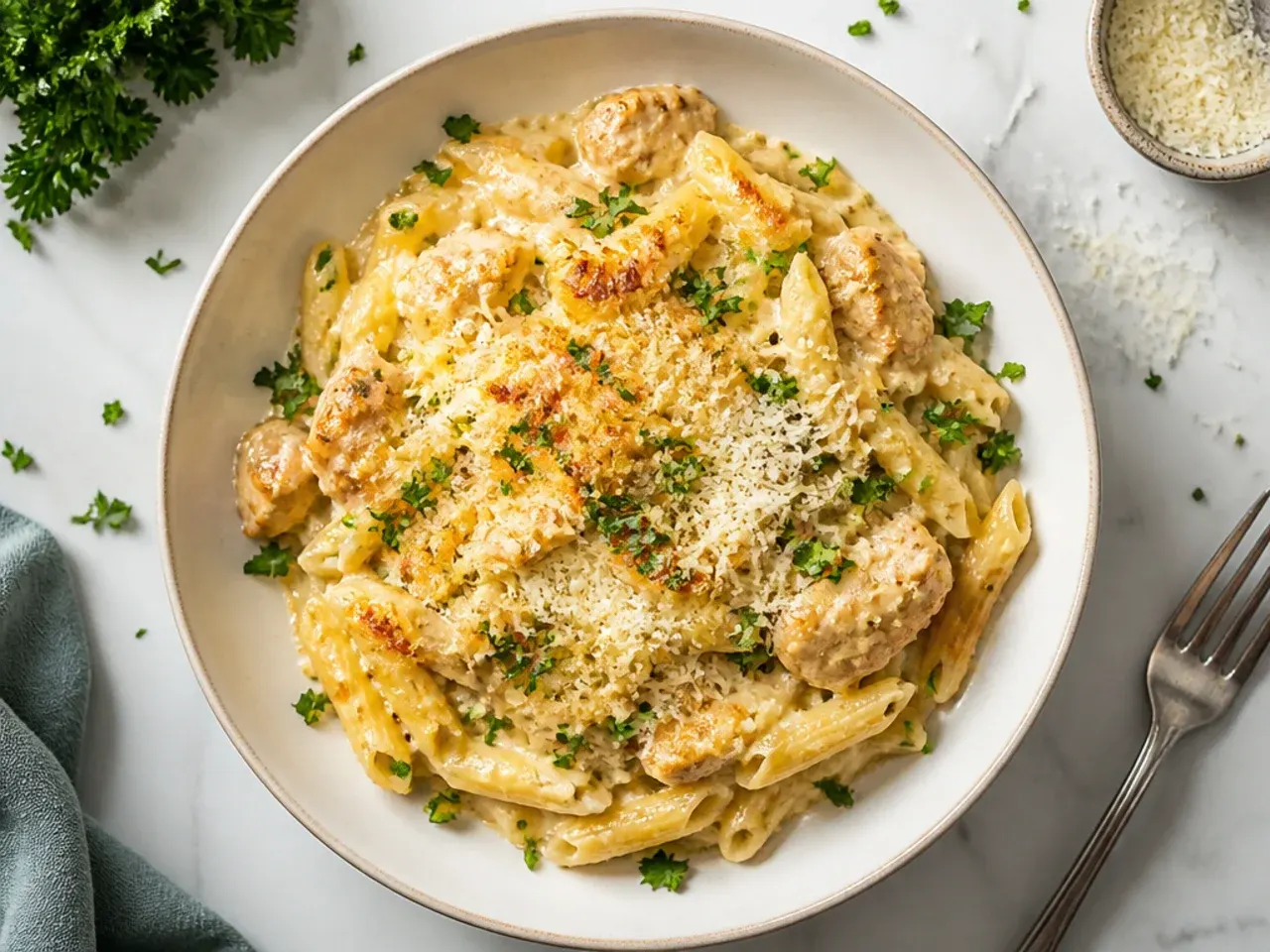
On a night I used a jar of shop-bought alfredo sauce instead of making it from scratch, I salted the dish exactly the way I normally do and it came out far too salty to eat comfortably. Jarred sauces vary a lot in sodium, and layering my usual seasoning on top pushed it over the edge. Now, whenever I use a shortcut sauce, I taste it straight from the jar first and hold back on extra salt until everything is combined and I can taste the full mixture. It's a small habit that's saved more than one casserole from the bin.
Broiling for a Golden Top Needs Constant Watching
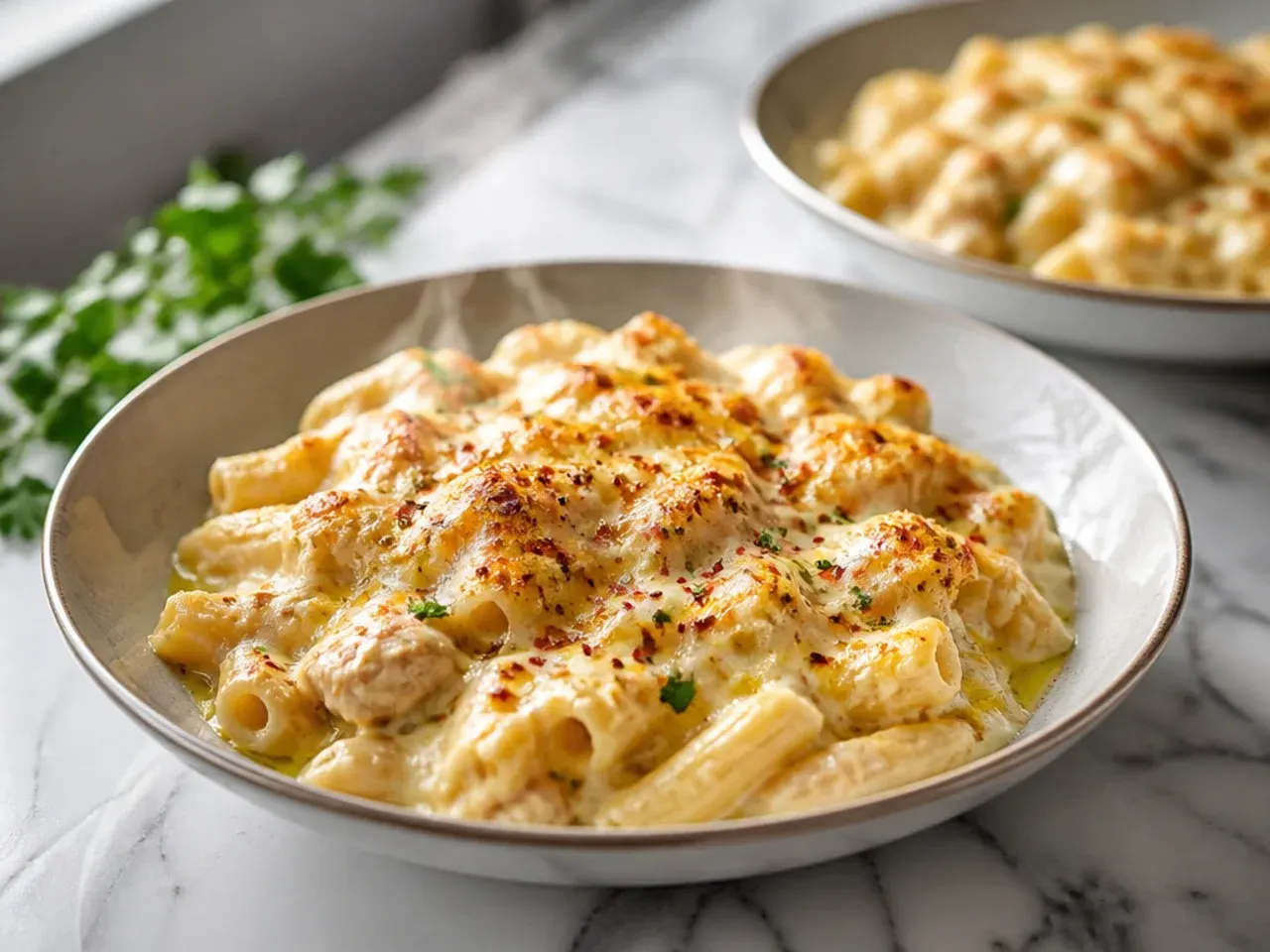
I finished this under the grill once to get extra colour on the cheese, walked away for a minute to set the table, and came back to a blackened, smoking top. Broilers work fast — usually 1-2 minutes is all it takes to go from pale to perfectly golden to burnt. Now I stand right at the oven door the entire time it's under the grill, and I pull it the moment the cheese turns bubbly and lightly browned at the edges. If your oven runs hot, keep the dish on the middle rack rather than the top shelf to slow that down slightly.
I Forgot to Grease the Dish and Lost Half the Bottom Layer
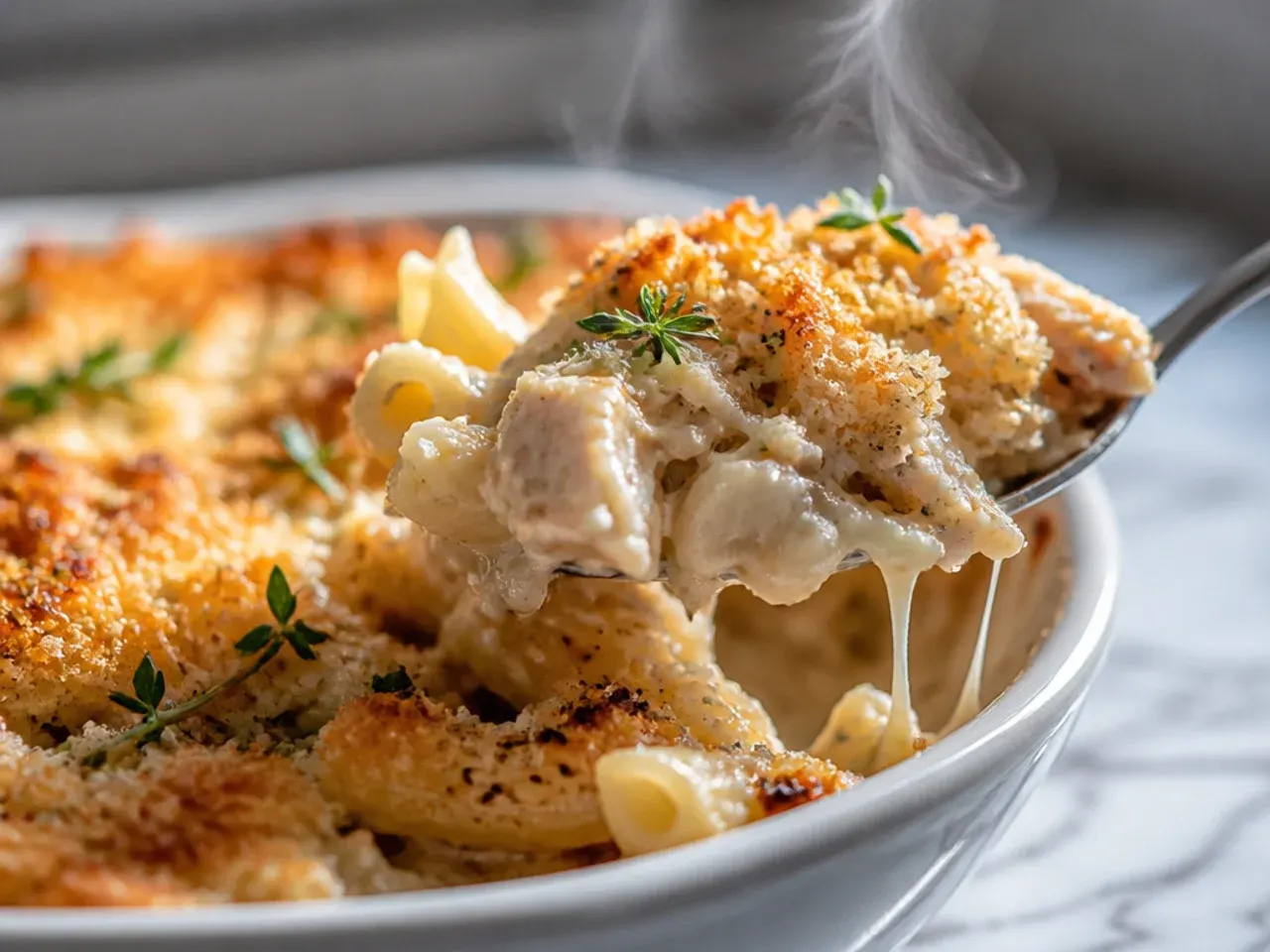
The first time I skipped greasing the baking dish, thinking a rich cream sauce would keep everything from sticking, half the bottom layer of pasta fused to the dish and tore apart the moment I tried to serve it. A cream sauce isn't a non-stick barrier, especially once the pasta closest to the dish browns slightly during the bake. Now I rub a thin layer of butter or a quick spray of oil across the bottom and sides before the pasta mixture ever goes in, even in a nonstick pan. It takes ten seconds and it's the difference between clean, intact portions and a dish that fights you at serving time.
A Pinch of Nutmeg Made It Taste Restaurant-Made
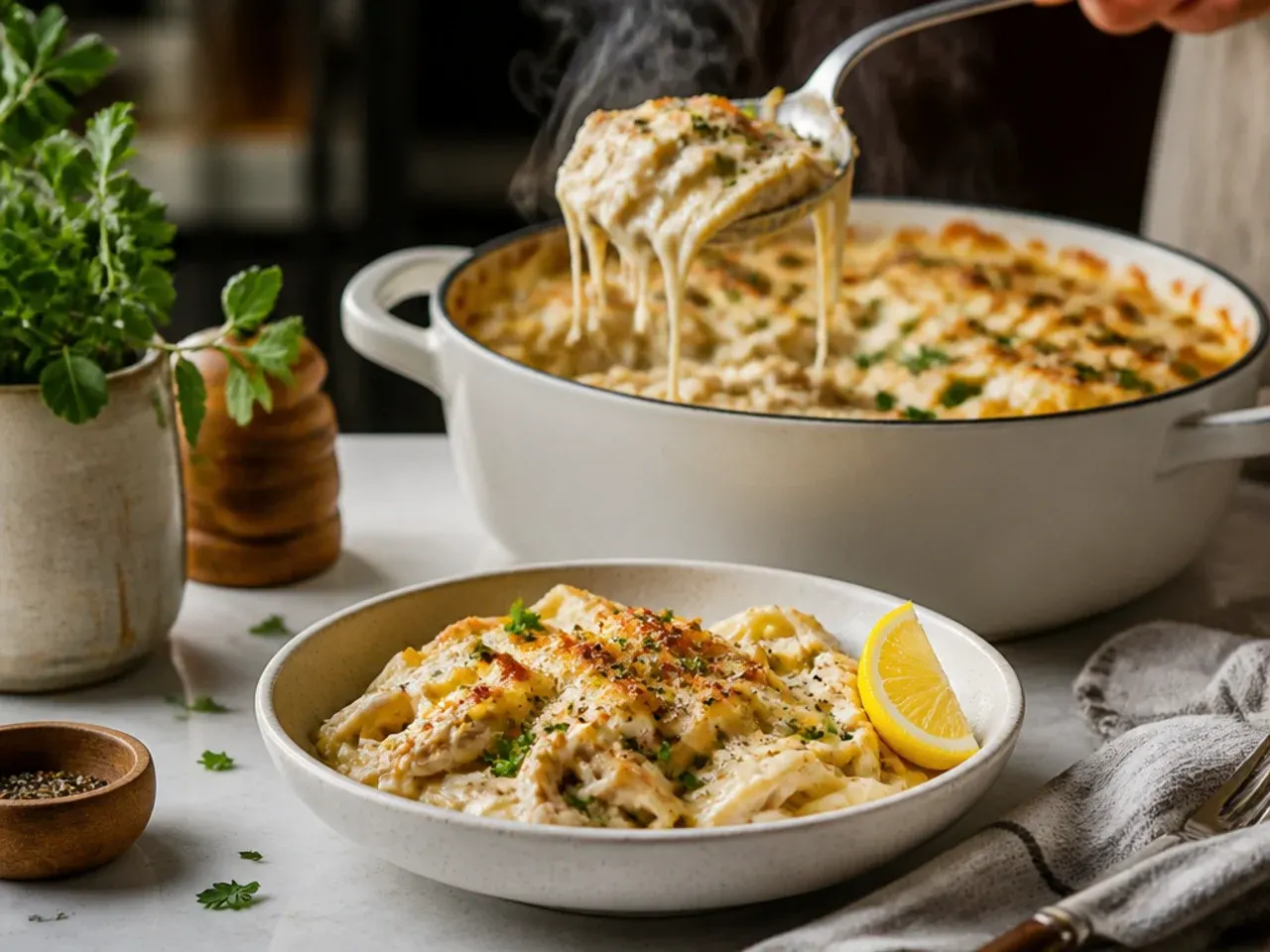
For years I left nutmeg out entirely because it felt like an odd addition to a chicken dish, until a friend who'd trained as a chef told me it's actually classic in a béchamel-based alfredo. Just 1/4 teaspoon of freshly grated nutmeg stirred into the sauce rounds out the richness without tasting like nutmeg at all — you'd only notice if it were missing. It's subtle, but it's the one ingredient people ask about most when they can't quite place what makes this version different. I keep a small jar just for this recipe now.
Adding Vegetables Watered Down My Sauce
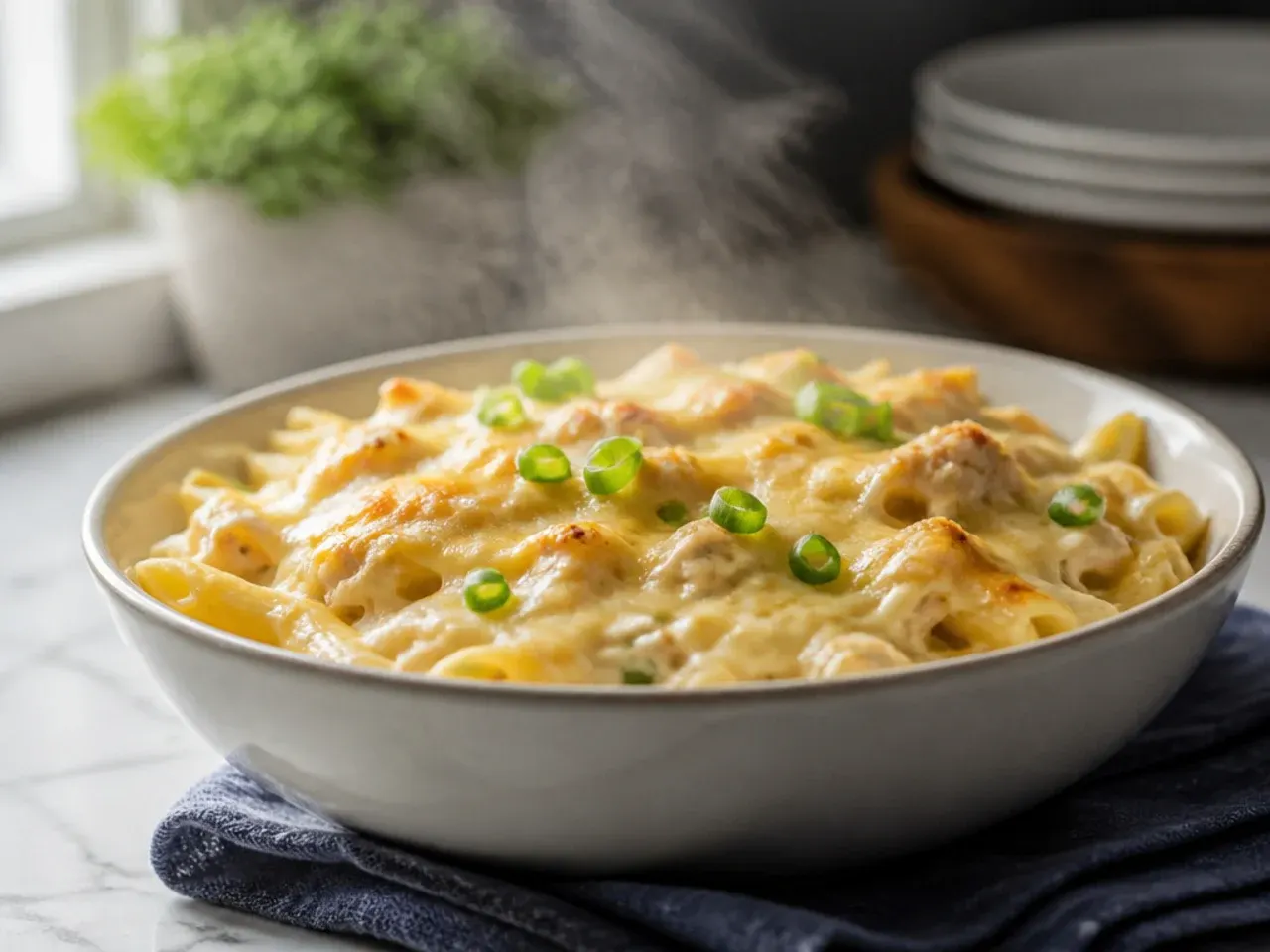
Stirring in raw chopped spinach or sliced mushrooms straight into the mix released so much water during baking that the sauce turned thin and slightly grey. Now I sauté mushrooms separately until their liquid has evaporated, and I wilt spinach in a dry pan and squeeze out the excess moisture before it goes anywhere near the casserole. Broccoli gets a quick 2-minute blanch first for the same reason. It's an extra step, but it means the vegetables add flavour without diluting the whole point of a creamy bake.
Doubling the Recipe Needed a Longer, Slower Bake
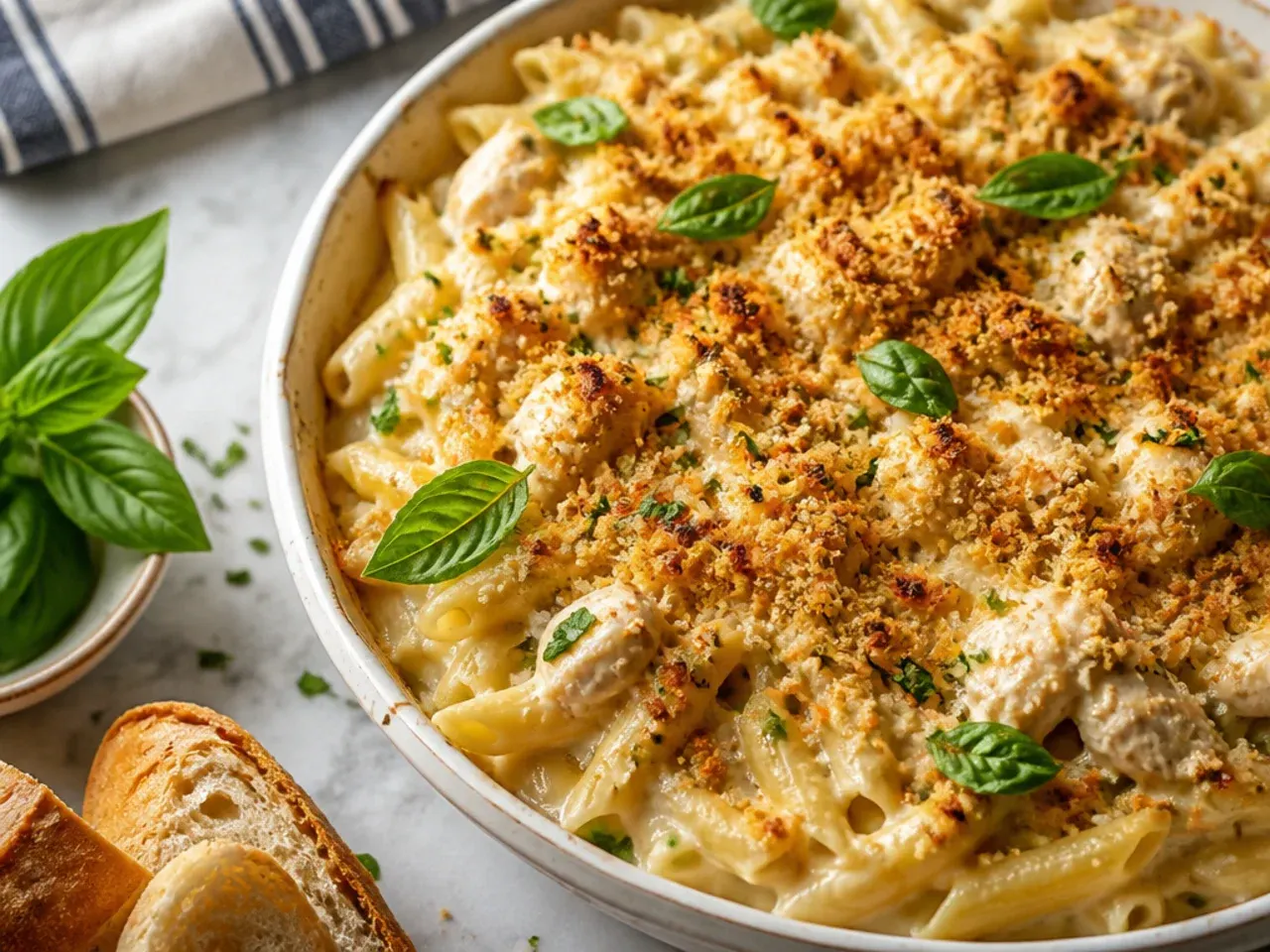
The first time I doubled this for a larger gathering, I kept the same 25-30 minute bake time and pulled out a dish that was cold in the centre despite a golden top. A deeper layer of pasta and sauce needs more time for heat to reach the middle, so now I add roughly 10-15 minutes to the covered portion of the bake whenever I'm making a double batch. I also check the centre temperature with a thermometer, looking for at least 74°C (165°F), rather than judging by the top alone. Bigger batches are worth the extra patience if you're feeding a crowd.
Microwaved Leftovers Went Dry Until I Added Liquid

Reheating a cold portion straight in the microwave used to leave it noticeably drier and stiffer than the day it was made, because the sauce loses moisture in the fridge overnight. Now I add a splash — about 1-2 tablespoons — of milk or chicken stock over the top before reheating, covered, in 30-second bursts. In the oven, I do the same thing at 160°C (325°F) for about 15 minutes, covered with foil. Either way, that little bit of extra liquid brings the sauce right back to its original creamy texture.
Spaghetti Was the Wrong Shape for This Dish
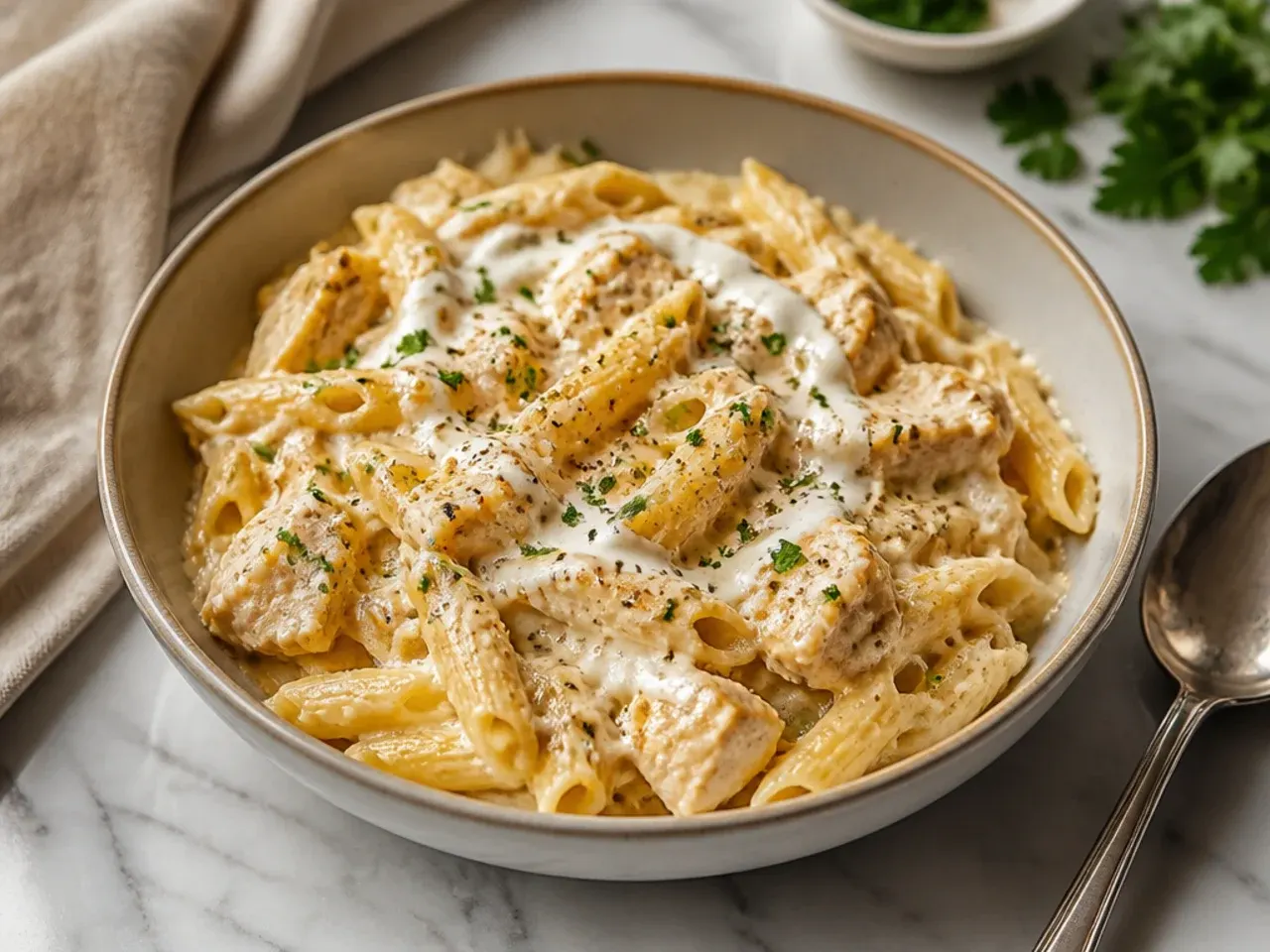
Early on I used whatever pasta was in the cupboard, including spaghetti once, and it clumped into dense strands that didn't hold sauce well at all. Short tube shapes like penne or rotini have ridges and hollow centres that trap sauce inside and out, which is exactly what a baked casserole needs. Now I stick to penne, rigatoni, or rotini every time and skip long pasta shapes entirely for this recipe. It's a small choice that makes a noticeably bigger difference to texture than I expected.
Mixing Cheese Throughout Beat Piling It All on Top
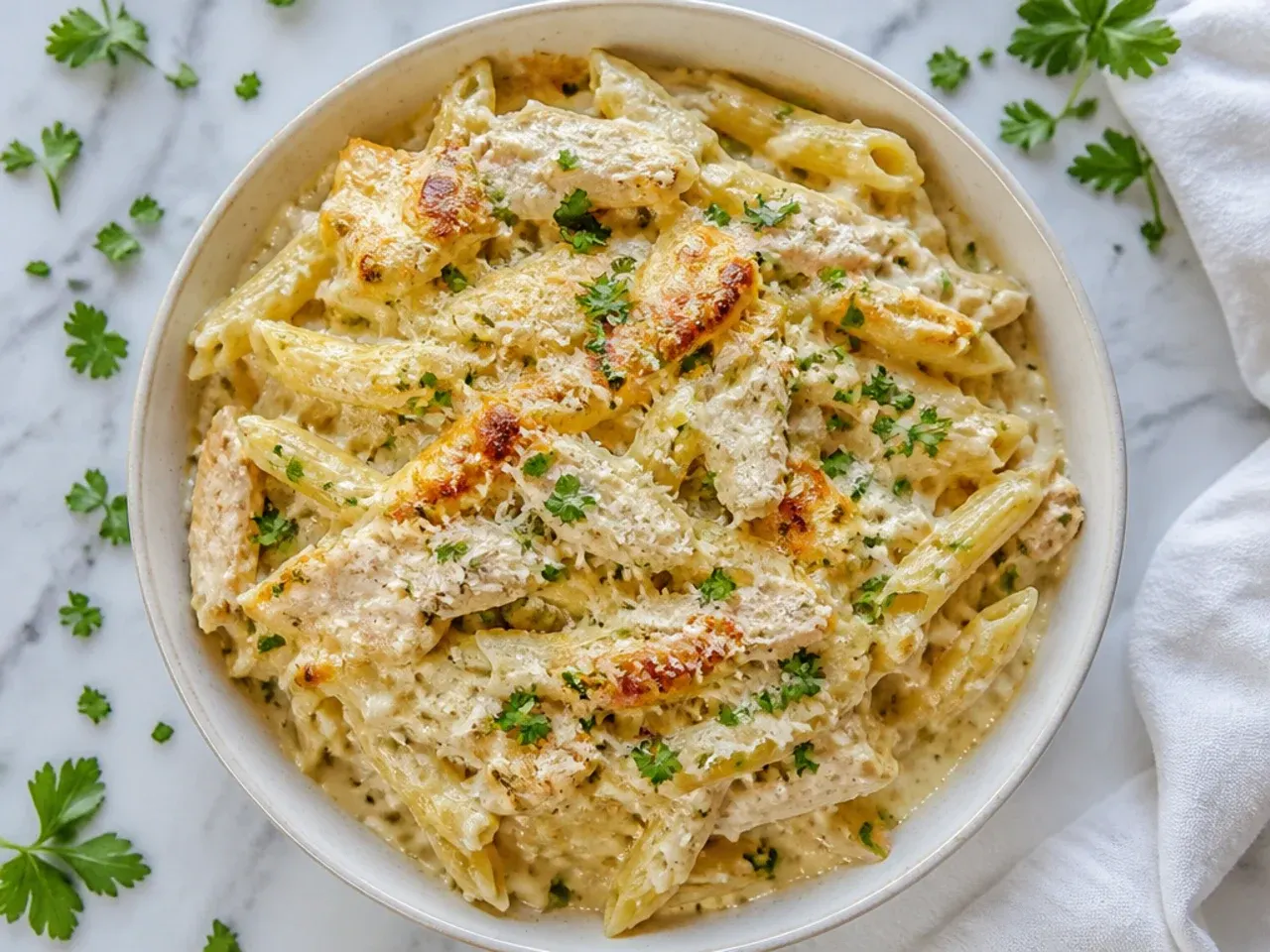
I used to save all the cheese for the topping, thinking it would give the best golden layer, but the inside of the casserole ended up noticeably less creamy than the top. Now I mix half the mozzarella and Parmesan directly into the pasta and sauce before it goes in the dish, and save the other half purely for topping. That way every bite has melted cheese running through it, not just the top layer. The topping still browns beautifully — it just isn't doing all the work anymore.
Cheap Pre-Grated Parmesan Never Melted the Same Way
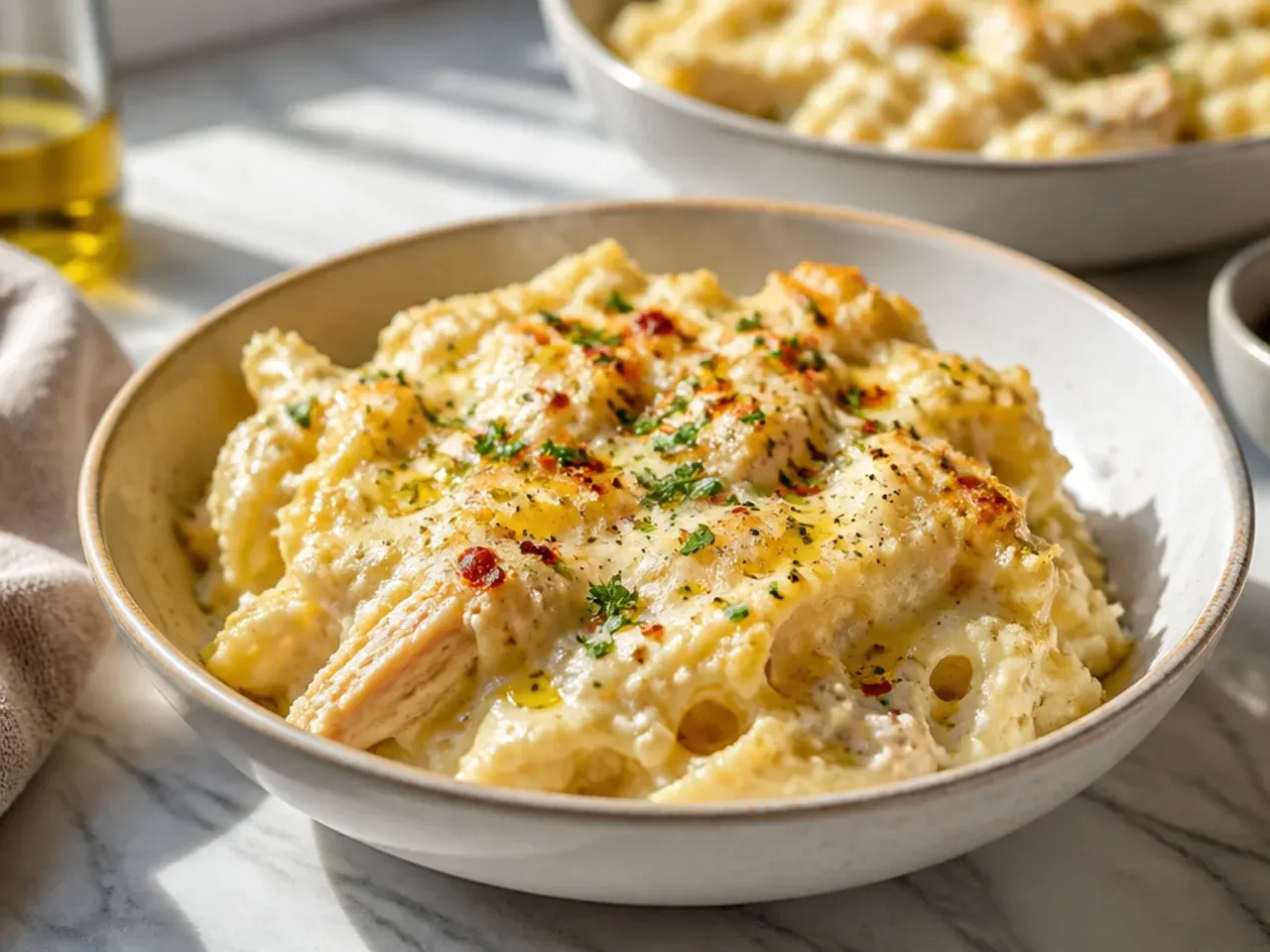
The powdery, shelf-stable Parmesan in the green shaker tub has almost no moisture left in it and barely melts, leaving gritty little flecks through the sauce instead of blending in. Freshly grated Parmesan from a block — about 100 g (1 cup) — melts smoothly and has a sharper, nuttier flavour that actually holds up against the cream. It costs a little more, but the difference in both texture and taste is obvious side by side. I only use the shaker tub for pasta at the table now, never in the sauce itself.
Too High a Bake Temperature Split My Sauce
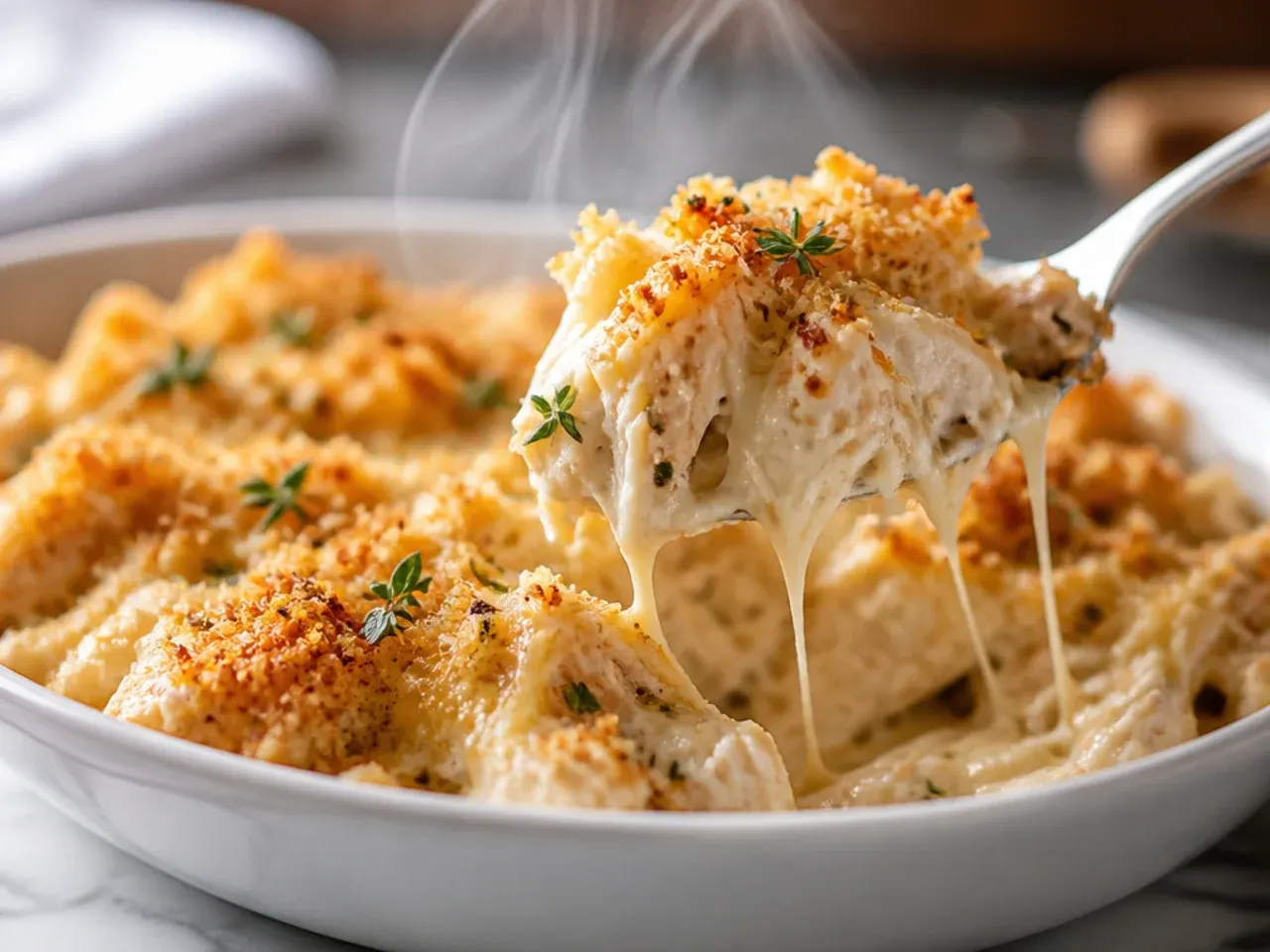
Baking at 220°C (425°F) to speed things up seemed like a good idea until the cream sauce separated into a greasy layer on top with dry pasta underneath. Cream-based sauces are sensitive to high heat, and anything above about 200°C (400°F) pushes them past the point where they stay smooth. Now I bake at 190°C (375°F), which is gentle enough to melt the cheese and heat everything through without breaking the sauce. If I want extra colour on top, I add a short 1-2 minute blast under the grill at the very end instead of raising the oven temperature.
I Learned to Taste the Sauce Before It Ever Meets the Pasta
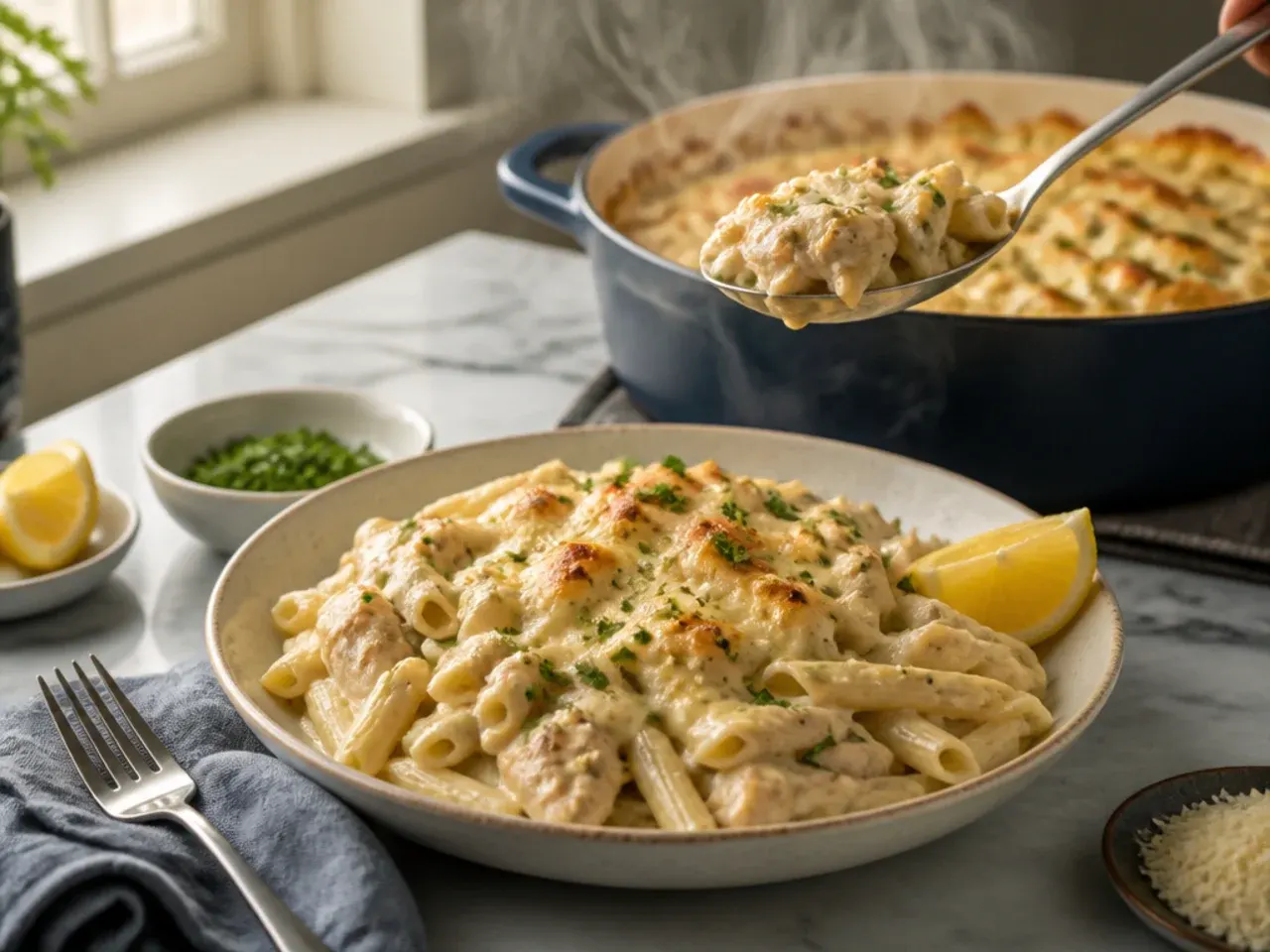
More than once I assembled the whole casserole, baked it, and only then realised the sauce needed more salt or garlic — by which point there was no easy way to fix it. Now I always taste the sauce on the stove, while it's still just cream, cheese, and seasoning in a pan, and adjust it there. It's far easier to add a pinch of salt to a saucepan than to a fully assembled, baked dish. This one habit alone has cut down on bland or over-salted batches more than any other change I've made.
Getting the Servings Right Saved Me From Wasted Leftovers
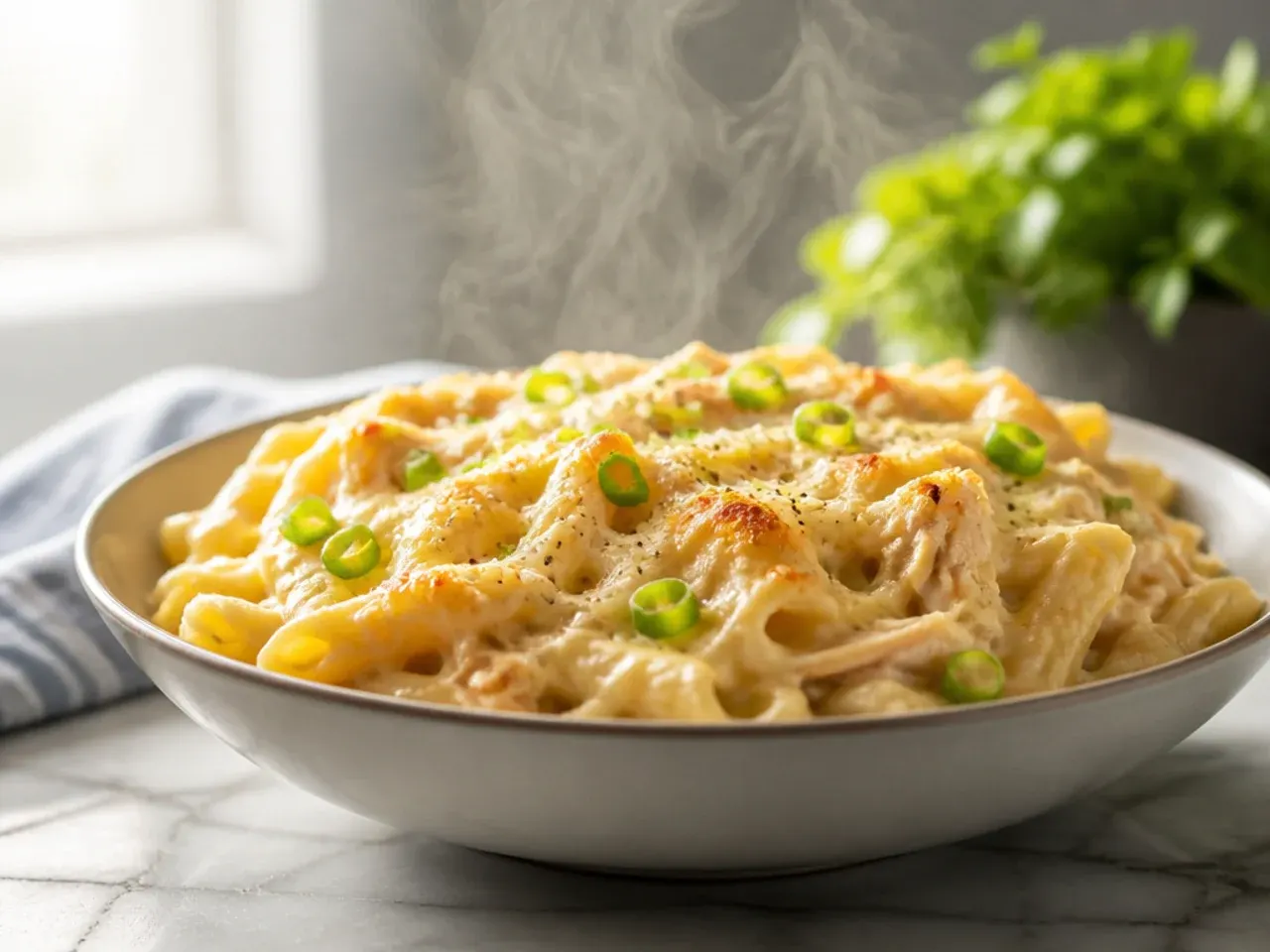
I used to guess portion sizes and either run short with hungry guests or end up with more leftovers than my fridge containers could handle. This recipe comfortably serves 6 as a main course, so now I plan for roughly 300-350 g (about 1.5 cups) per adult portion when I'm dishing it up. If I'm meal-prepping, I portion it into individual containers right after that 5-10 minute rest, while it's still easy to scoop cleanly. Knowing the real serving size ahead of time means less waste and a lot less last-minute recalculating.
What I'd Tell a Friend Trying This
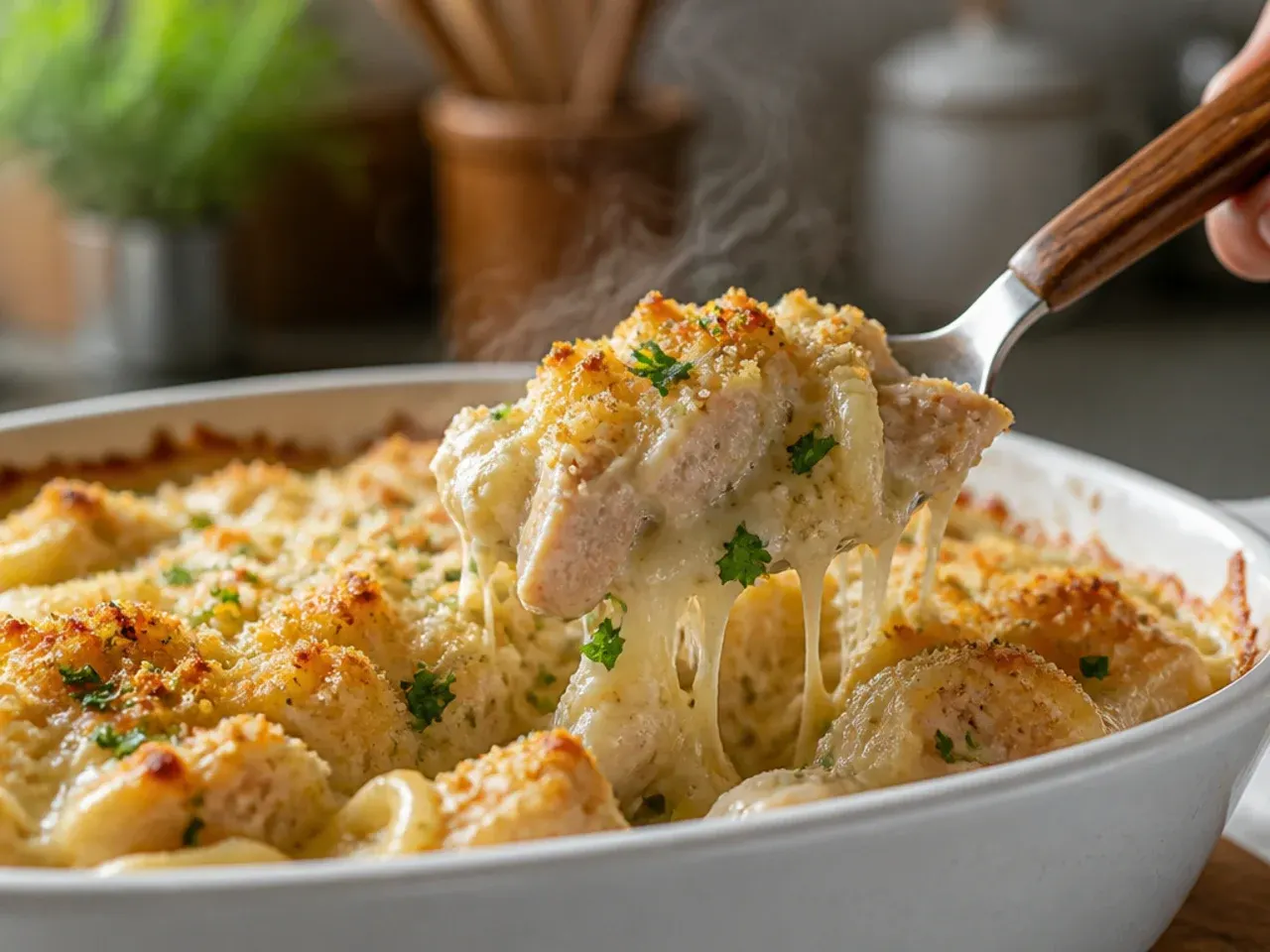
If you take nothing else from this list, undercook your pasta slightly, build your sauce with real cream cheese and freshly grated cheese, and let the finished casserole rest for 5-10 minutes before you serve it — those three things fix almost every problem I ran into over dozens of batches. Don't be afraid of rotisserie chicken; it's genuinely the smarter choice most weeknights. Once you've made it two or three times and know how your own oven behaves, you'll stop measuring so carefully and just know when it looks right. This is a forgiving dish once you understand what it actually needs, and I hope these lessons save you a few of the batches that taught me the hard way.
The Recipe
The Recipe I Used
20 min
30 min
55 min
6
Beginner
Ingredients 6 Person(s)
Directions
Step 1: Cook the pasta just shy of done
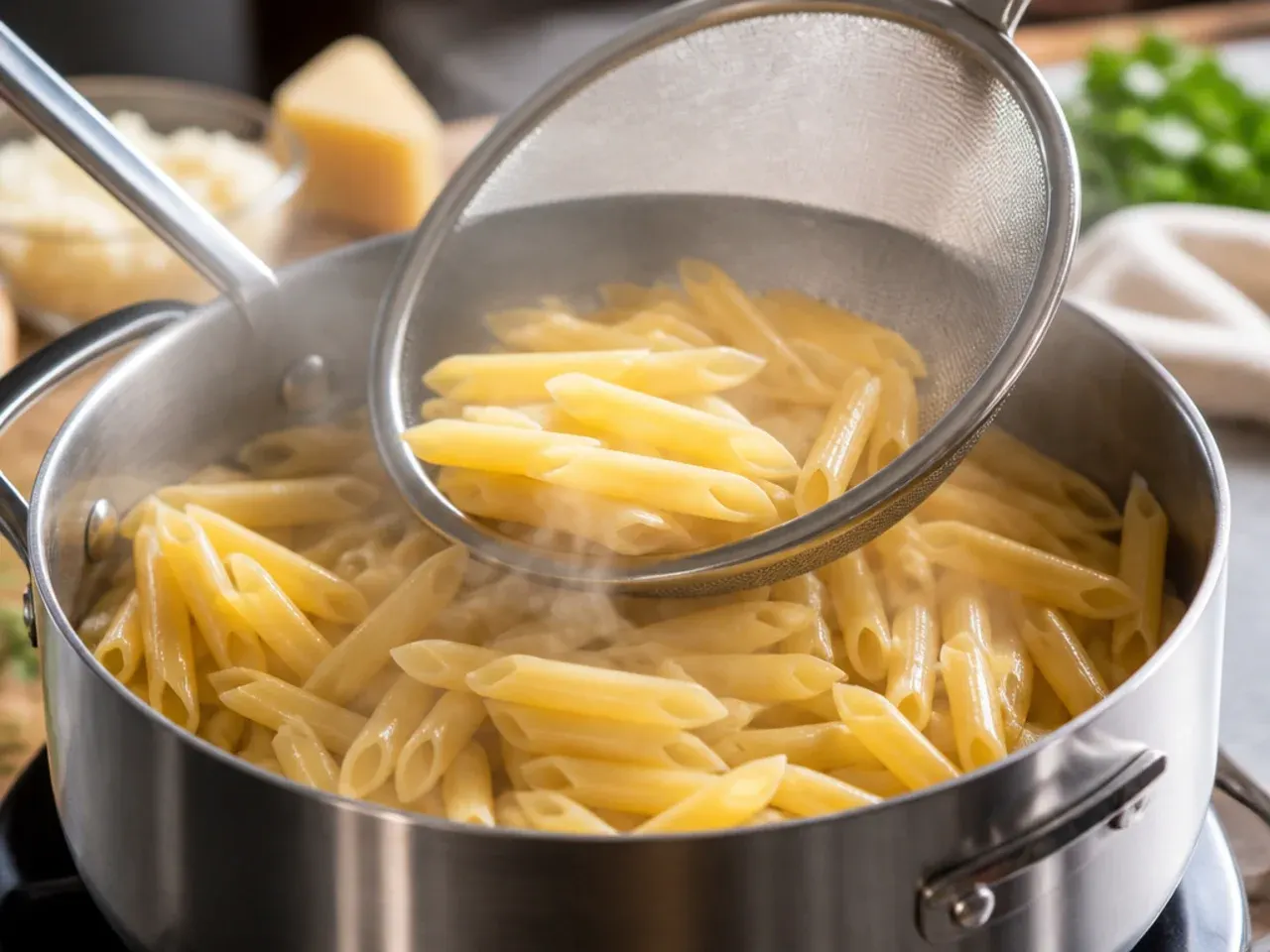
Bring a large pot of well-salted water to the boil and cook 450 g (16 oz) penne for about 2 minutes less than the packet's al dente time, so it still has a firm bite in the centre. Reserve 120 ml (1/2 cup) of the starchy pasta water, then drain the pasta and set it aside. It will finish cooking in the sauce once it's in the oven, so slightly underdone here is exactly right.
Step 2: Build the alfredo base
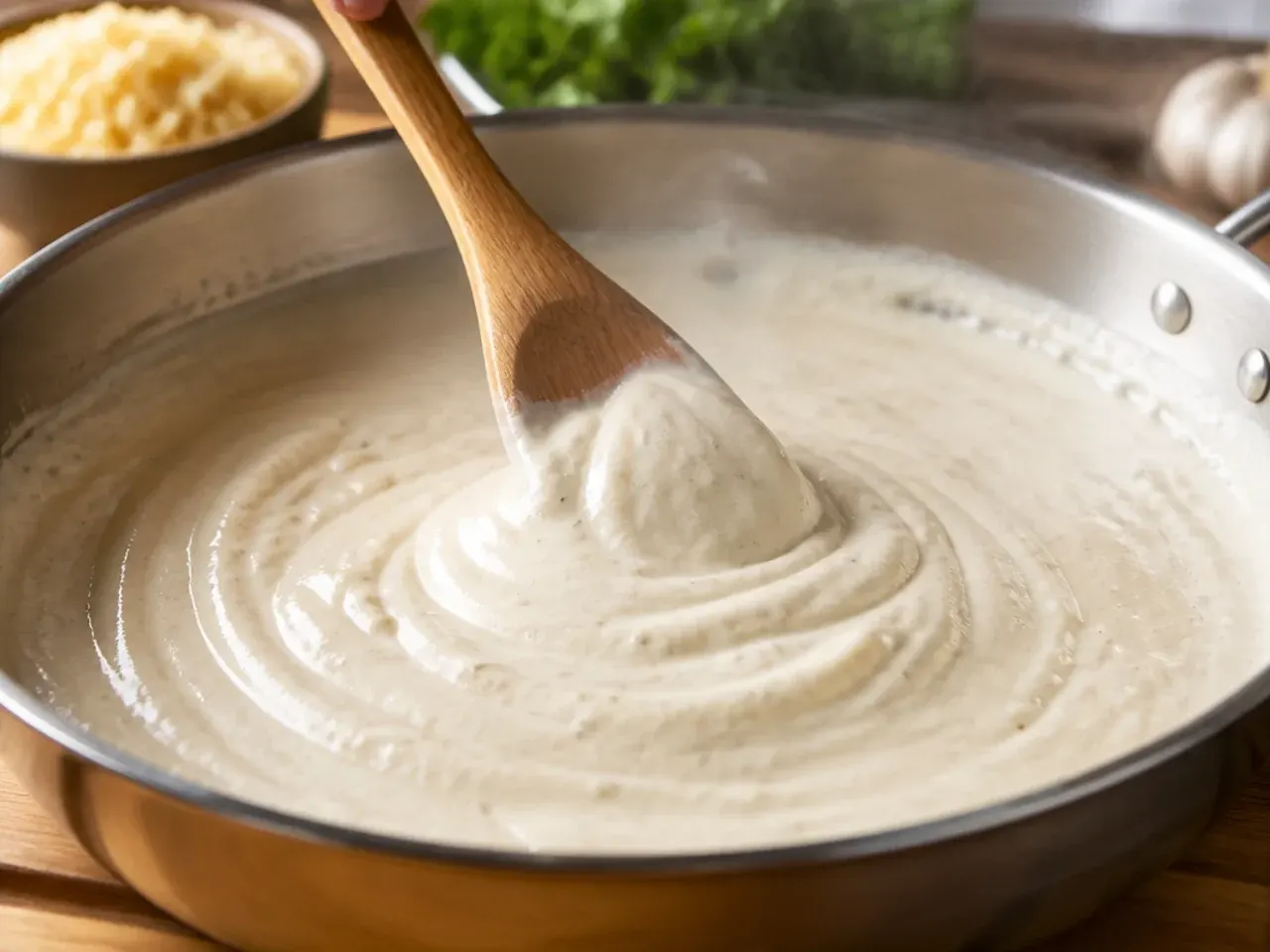
Melt 30 g (2 tbsp) butter in a large saucepan over medium-low heat, then add 3 cloves minced garlic and stir for 30-45 seconds until fragrant but not browned. Pour in 480 ml (2 cups) double cream and bring to a gentle simmer, whisking occasionally. Add 115 g (4 oz) cubed cream cheese and whisk until fully melted and smooth, about 2-3 minutes.
Step 3: Finish and season the sauce
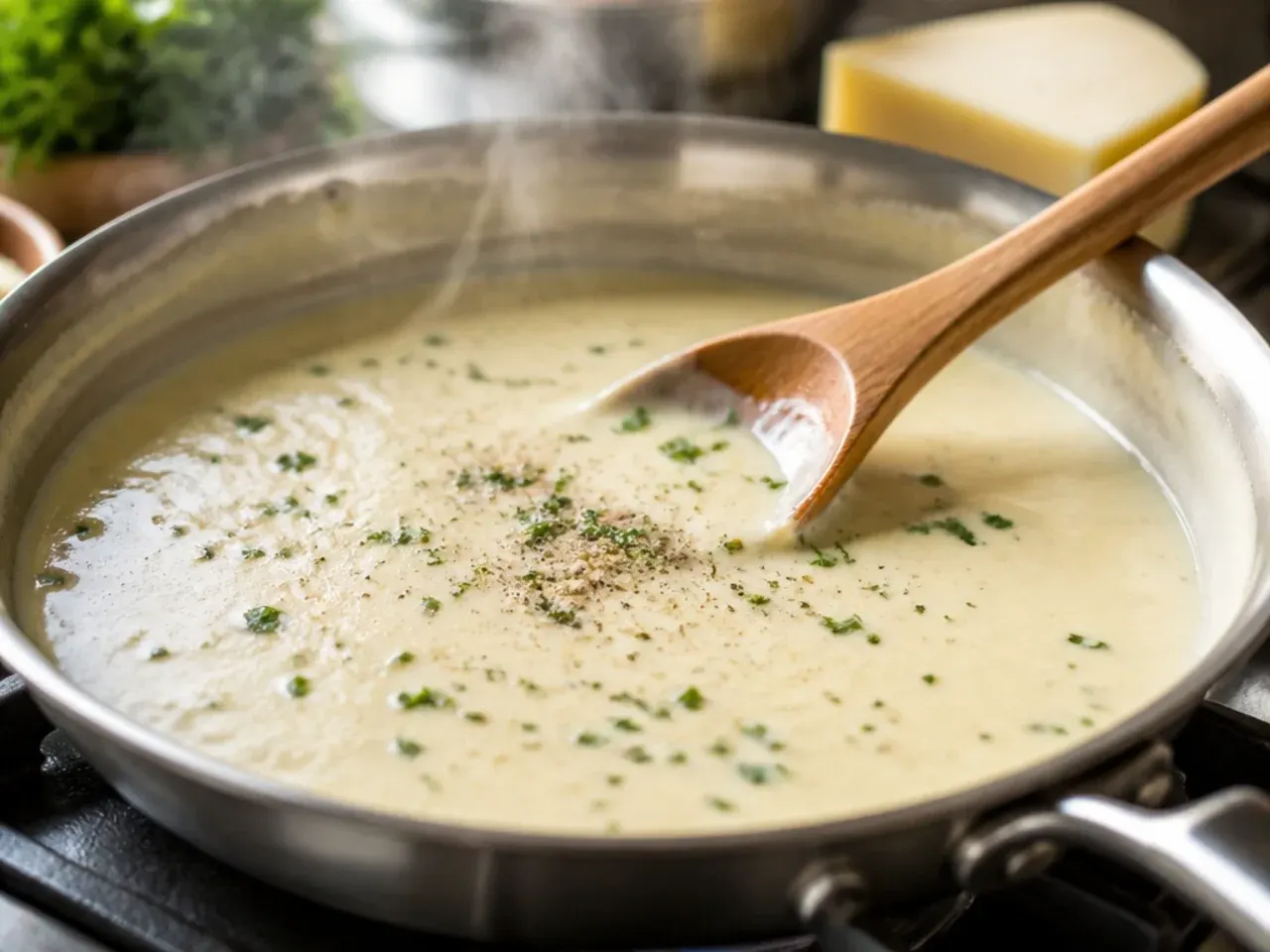
Whisk in half the Parmesan (about 50 g / 1/2 cup) until melted, then stir in 1/2 tsp salt, 1/4 tsp black pepper, and 1/4 tsp nutmeg. Pour in 240 ml (1 cup) chicken stock or milk to loosen the sauce to a pourable consistency, thinner than you think you need. Taste and adjust the seasoning now, while it's easy to fix.
Step 4: Combine pasta, chicken, and sauce
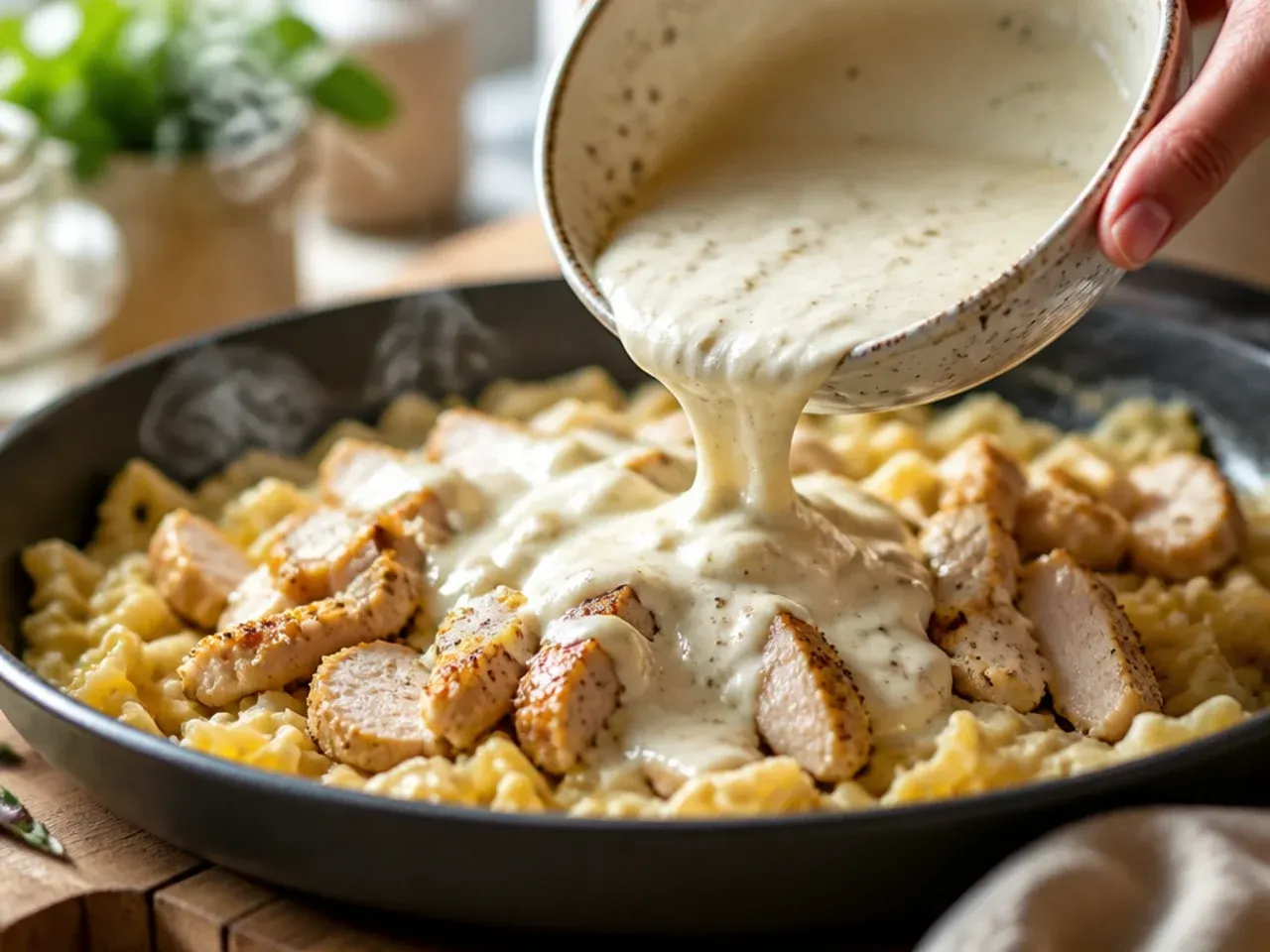
In a large bowl, toss the drained pasta with 350 g (12 oz) shredded cooked chicken and half the mozzarella (about 100 g / 1 cup). Pour the warm alfredo sauce over the top and mix well until every piece of pasta is coated. If the mixture looks thick, stir in a splash of the reserved pasta water until it loosens slightly.
Step 5: Assemble in the baking dish
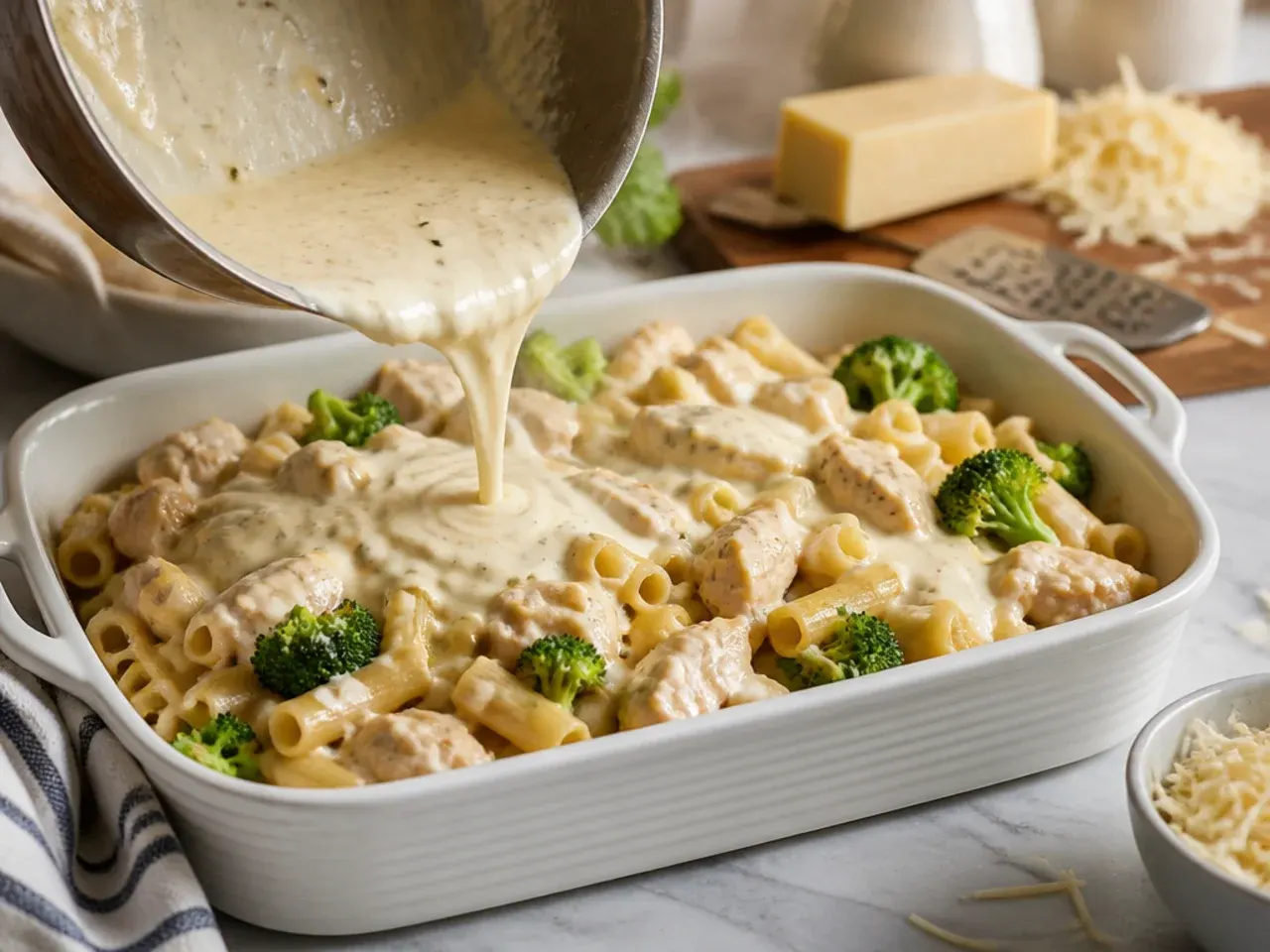
Preheat the oven to 190°C (375°F) and lightly grease a 23x33 cm (9x13 in) baking dish. Spread the pasta mixture evenly into the dish, then scatter the remaining mozzarella and Parmesan evenly over the top. Cover the dish loosely with foil.
Step 6: Bake covered, then uncovered until golden
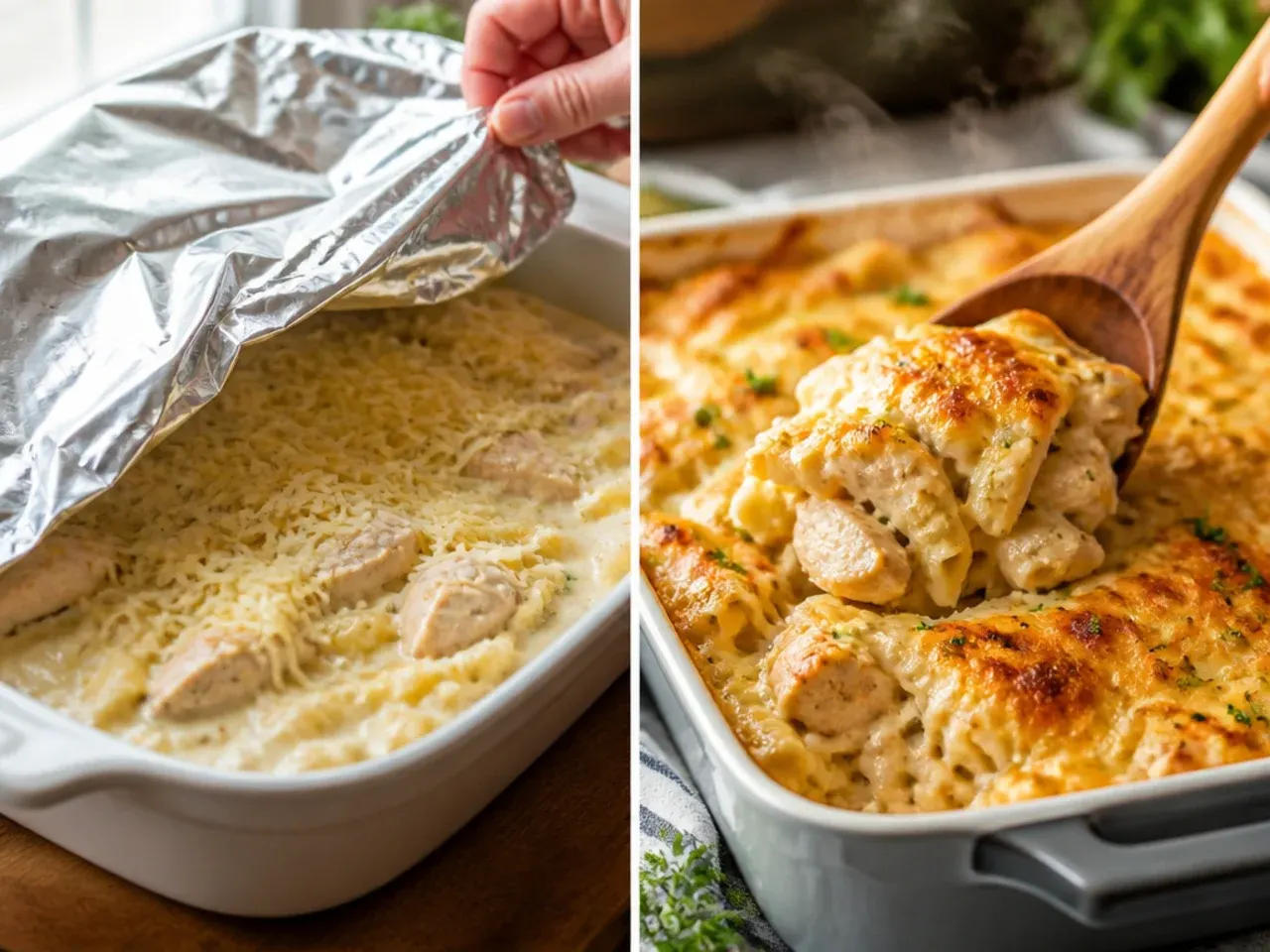
Bake covered for 15-18 minutes, then remove the foil and bake uncovered for a further 10-12 minutes, until the cheese is melted, golden at the edges, and the sauce is bubbling. For extra colour, finish under the grill for 1-2 minutes, watching closely so it doesn't burn. The centre should reach at least 74°C (165°F) on a food thermometer.
Step 7: Rest and serve
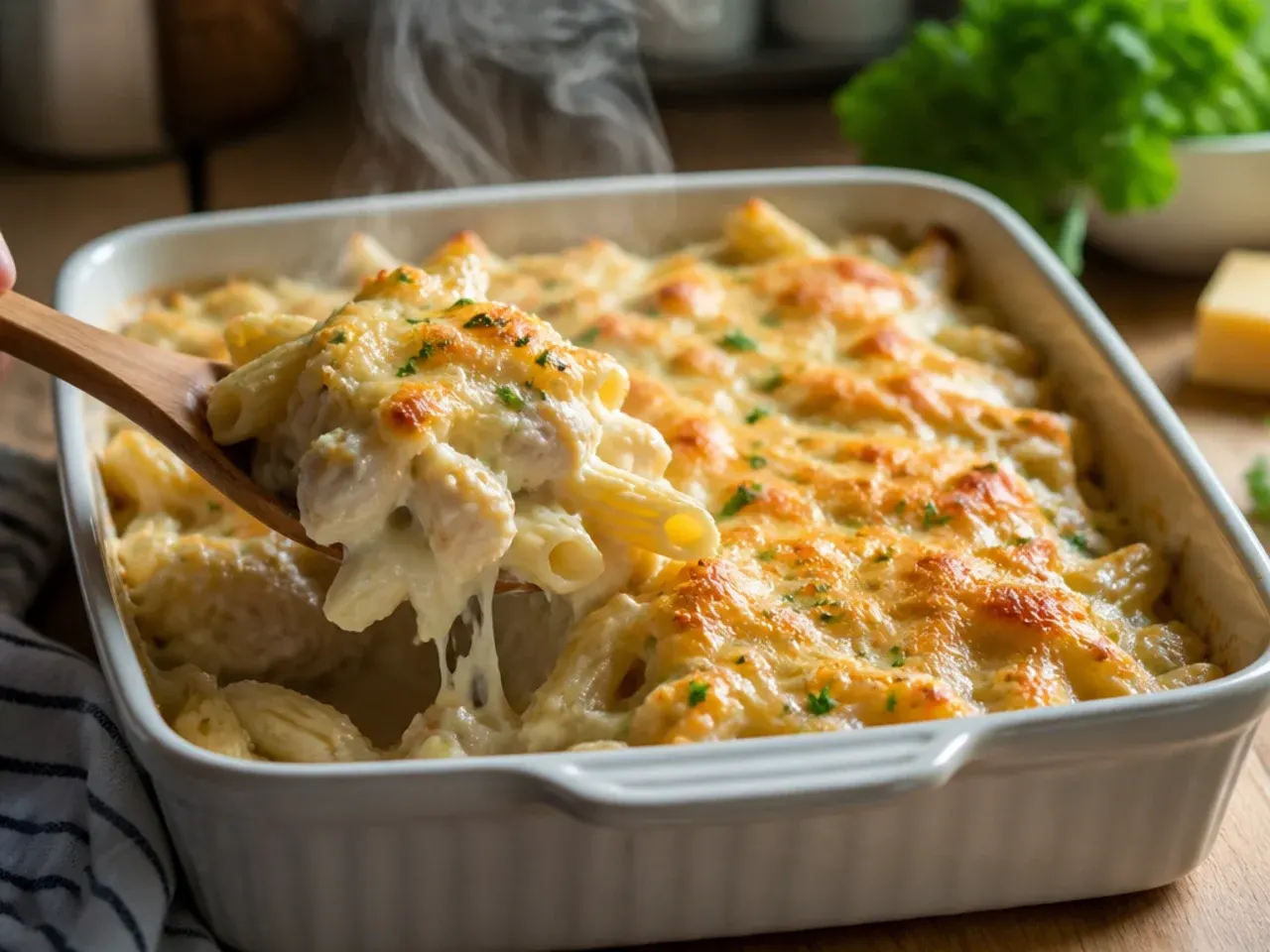
Let the casserole rest for 5-10 minutes before serving — the sauce will thicken from loose and bubbling to creamy and scoopable as it sits. Scatter over 2 tbsp chopped parsley and serve warm, straight from the dish. Store any leftovers covered in the fridge for up to 4 days.
Frequently Asked Questions
Yes — assemble the casserole completely, up to the point of baking, then press cling film onto the surface and cover tightly with foil before refrigerating for up to 24 hours. Let it sit at room temperature for 20-30 minutes before baking so it heats through evenly, and add an extra 10-15 minutes to the covered bake time if it's still cold from the fridge. This makes it an easy dish to prep the morning of a busy day or the night before a gathering. Avoid assembling more than a day ahead, as the pasta will keep absorbing sauce and can turn soft.
Save this for later 📌
Pin this article to your Pinterest board so the full list is one tap away when you need it.
Save on Pinterest