15 Hawaiian Roll Bakes vs Classic French Toast
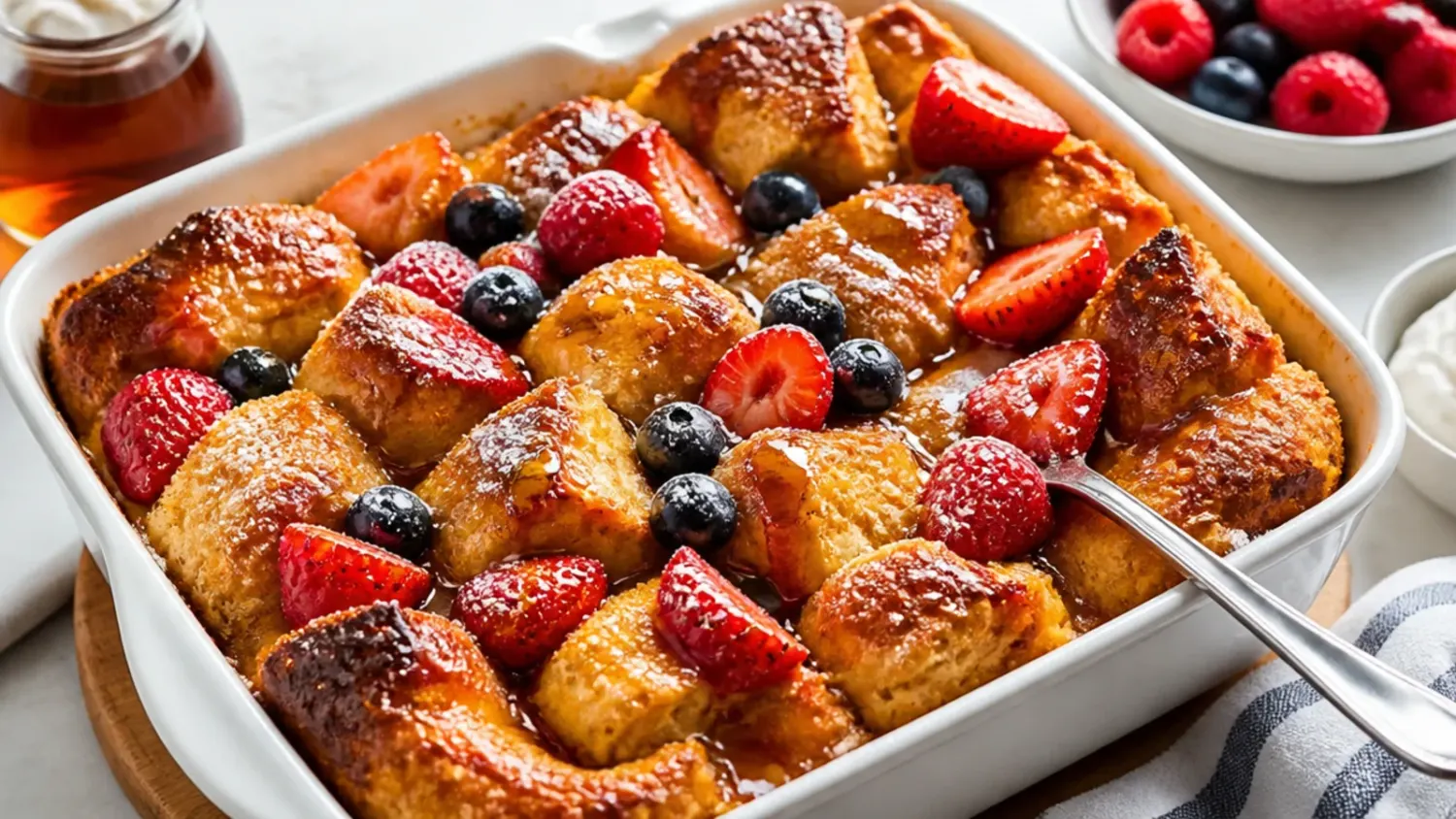
Hawaiian roll french toast casserole vs the classic bake: real costs, textures and times compared so you know exactly which one to make. If you love french toast casserole inspiration, start with our French Toast Casserole collection, then browse the full Comfort Dinners hub for more.

Save this for later 📌
Pin this article to your Pinterest board so the full list is one tap away when you need it.
Save on PinterestComfort Dinners
Beginner
Comparison
compared
Table of Contents
Option 1: Hawaiian Roll French Toast Casserole
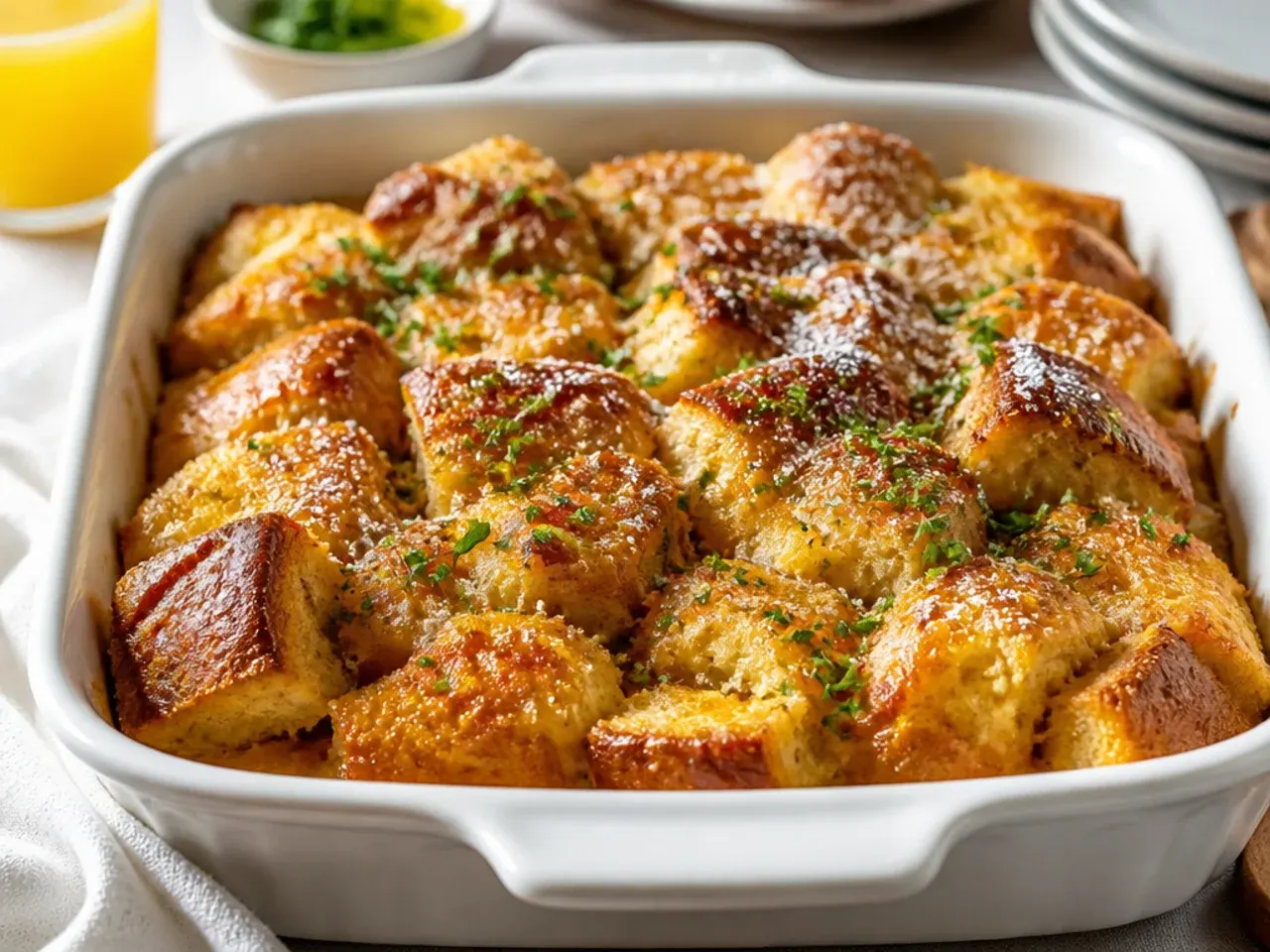
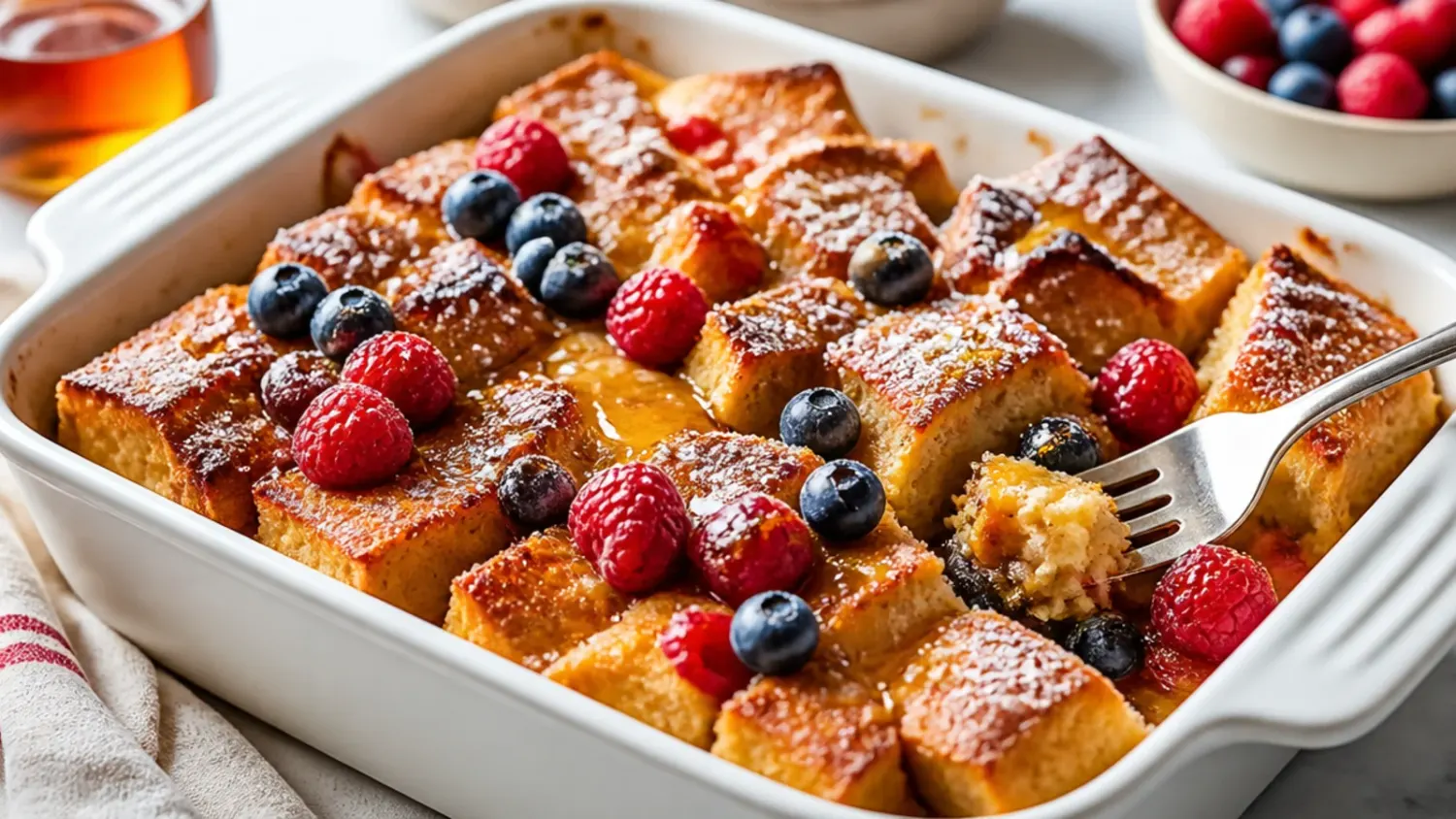
This version uses one 340 g (12 oz) tray of King's Hawaiian sweet rolls, torn into chunks and soaked in a custard of eggs, milk, cream and vanilla. Because the rolls are already soft and slightly sweet, they soak up the custard in as little as 2 hours, so you don't have to plan a night ahead. Baked at 180°C (350°F) for 30-40 minutes, the top turns deep golden while the inside stays custardy rather than dry. The rolls' natural sweetness means you can dial back the added sugar and still get a pudding-like bake.
Option 2: The Classic Version
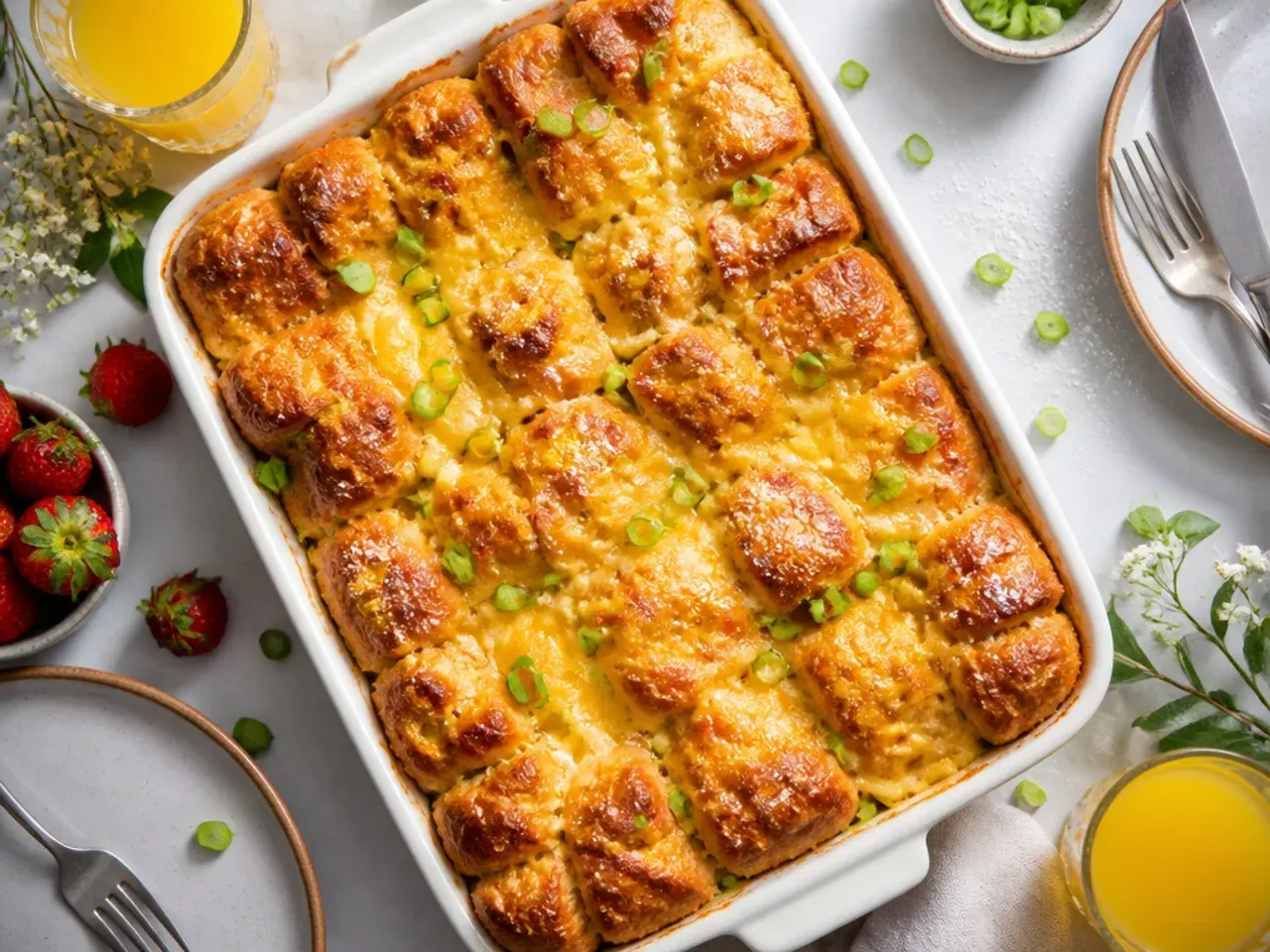
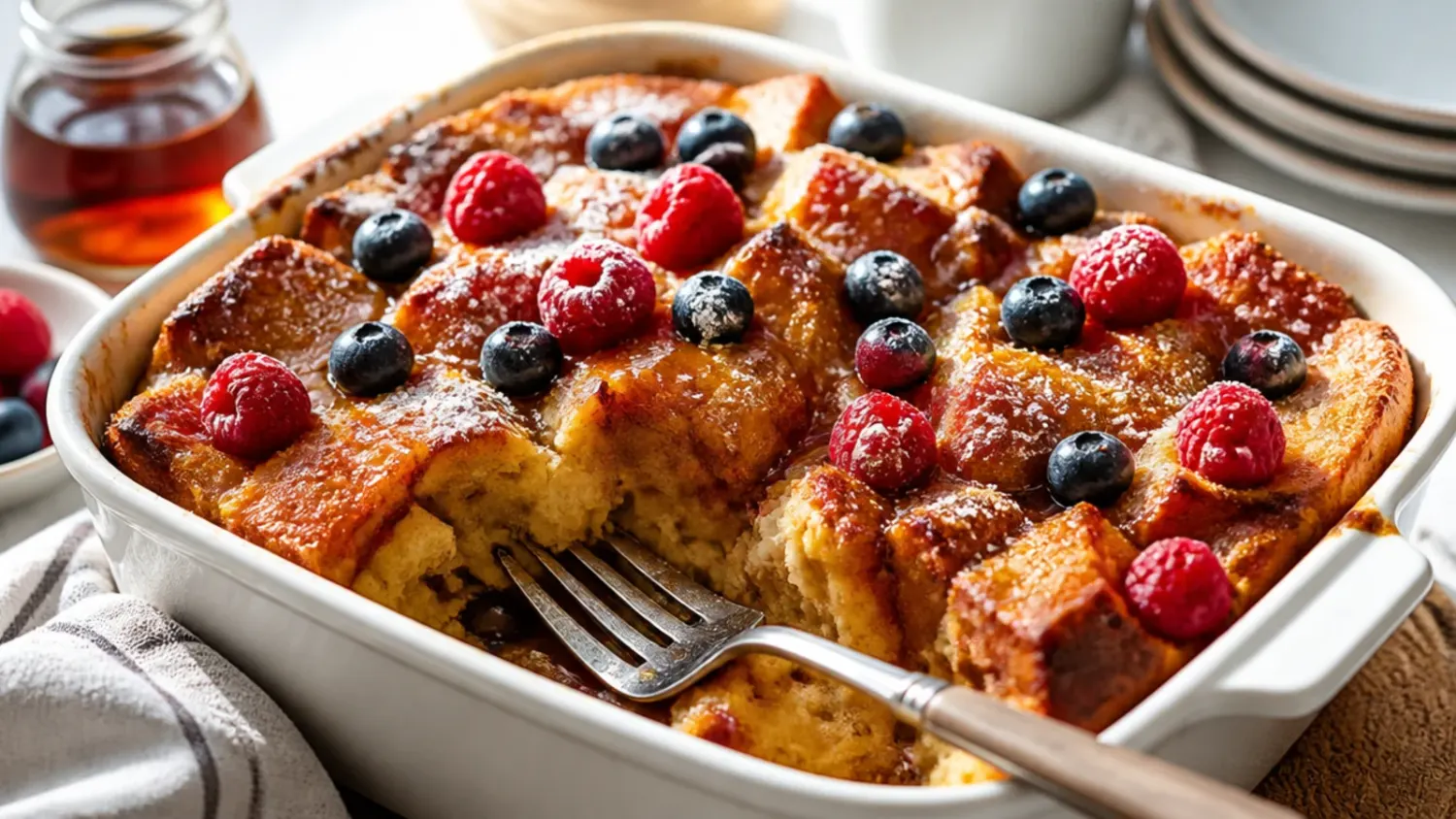
The classic bake uses about 450-500 g (1 lb) of day-old French bread, brioche or challah, cut into 2.5 cm (1 in) cubes. Because this bread is drier and denser, most recipes call for an overnight soak of at least 8 hours, or a quick 15-20 minute dry-out in a 150°C (300°F) oven if you're short on time. The same 180°C (350°F) oven and similar 30-40 minute bake time apply, but the crumb comes out closer to a firm bread pudding than a soft, fluffy one. Classic loaves also carry less built-in sweetness, so the custard usually needs an extra tablespoon or two of sugar.
Cost Comparison
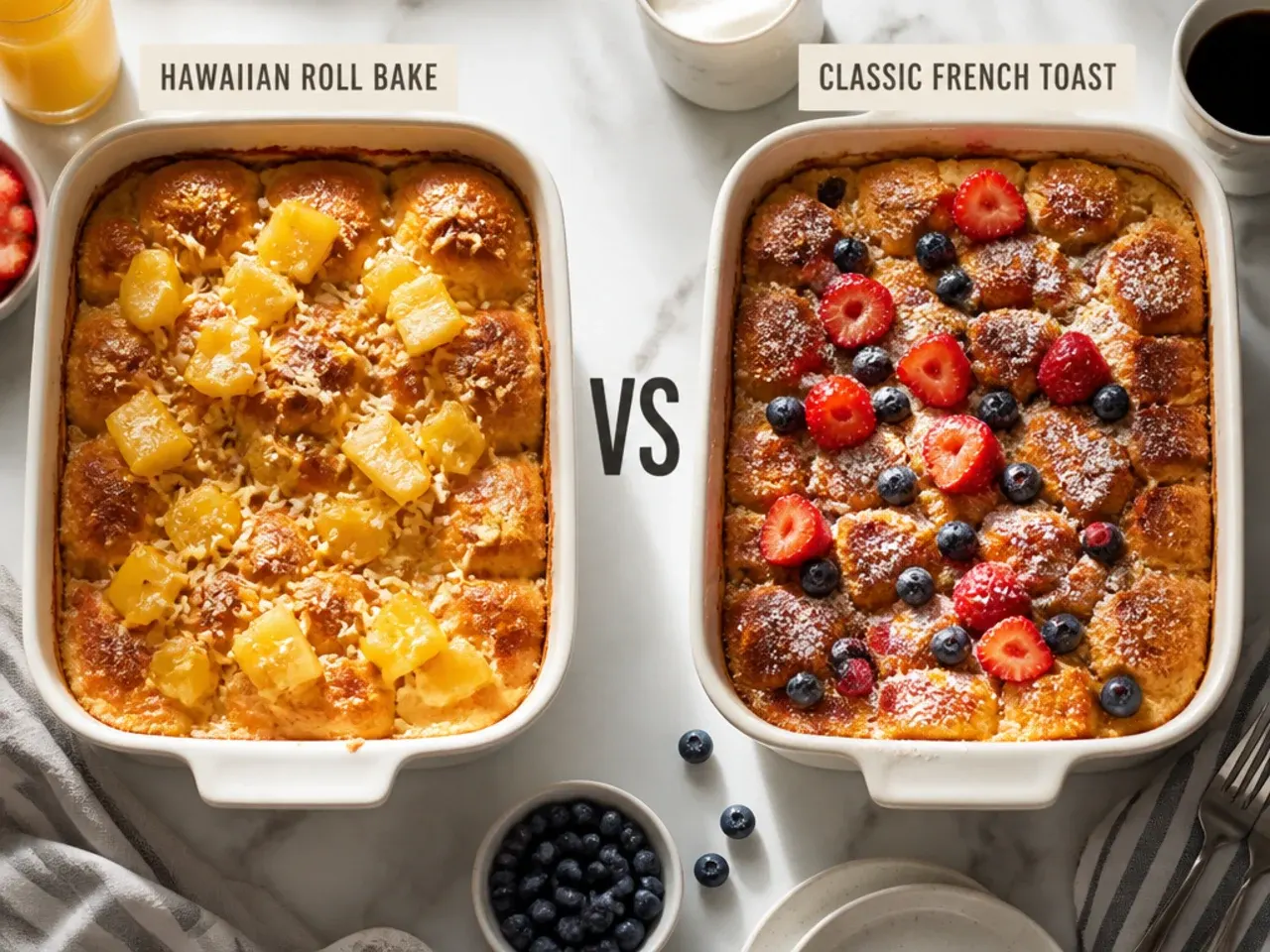
A 12-count tray of Hawaiian sweet rolls costs roughly £3-£3.50 in most UK supermarkets and gives you exactly the right amount for a 23 x 33 cm (9 x 13 in) dish with no waste. A loaf of brioche or challah for the classic version runs closer to £2.50-£3.50, but you'll often buy more than you need and end up with dry heels leftover. Eggs, milk, cream, sugar and spices add roughly £2 either way, so the real difference comes down to the bread: Hawaiian rolls cost slightly more per bake but leave nothing wasted.
Taste and Texture
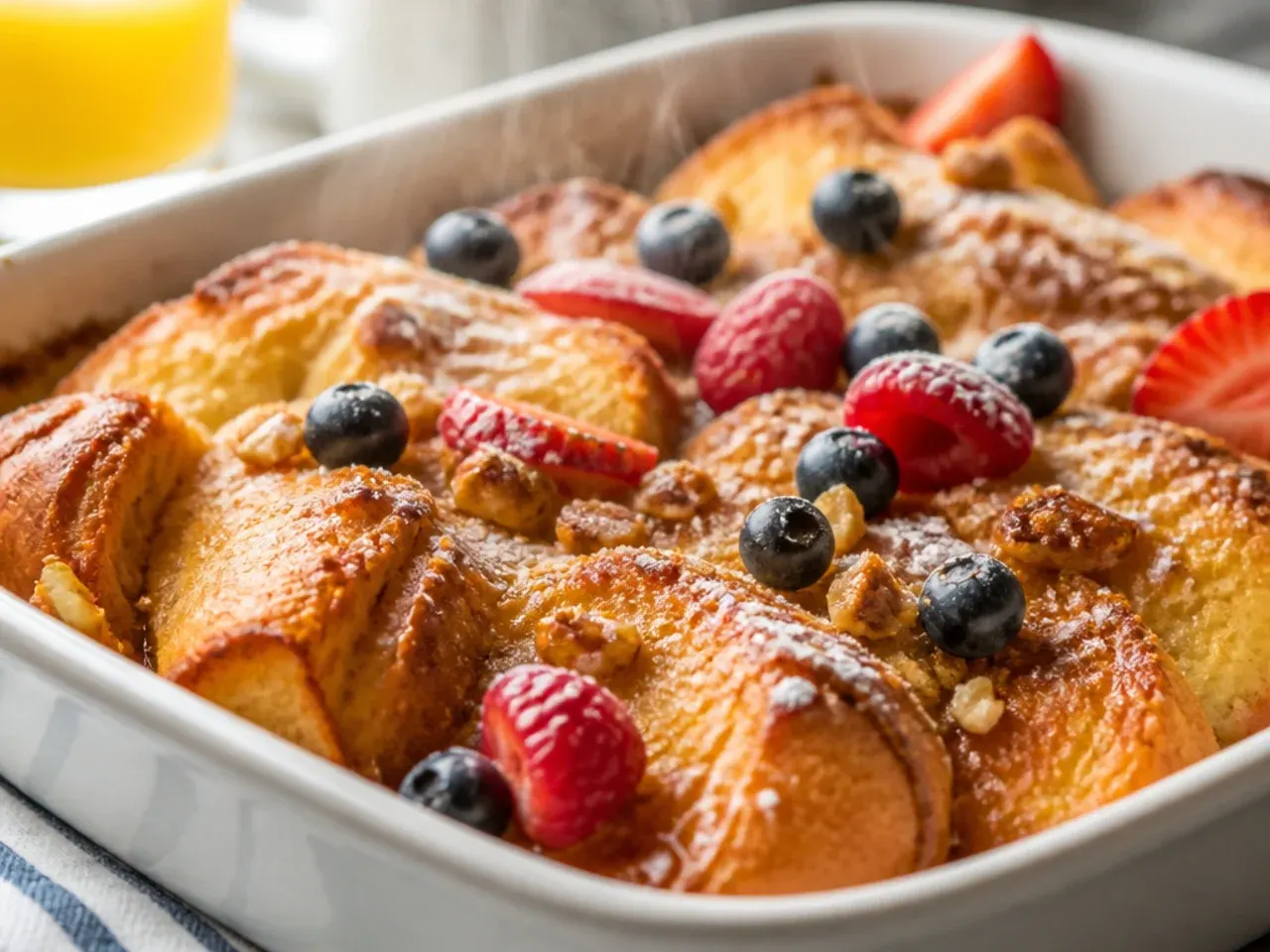
Hawaiian rolls bake up soft, pillowy and faintly tropical-sweet, with a texture closer to bread pudding than crisp French toast. The classic version, especially made with stale French bread, holds its shape better and gives you distinct cubes with a slightly chewier bite and crisp edges where the custard caramelises. If you want a dessert-like brunch bake that needs little extra sugar, Hawaiian rolls win; if you want something that tastes unmistakably like French toast, the classic loaf is closer to the diner original.
Time and Effort
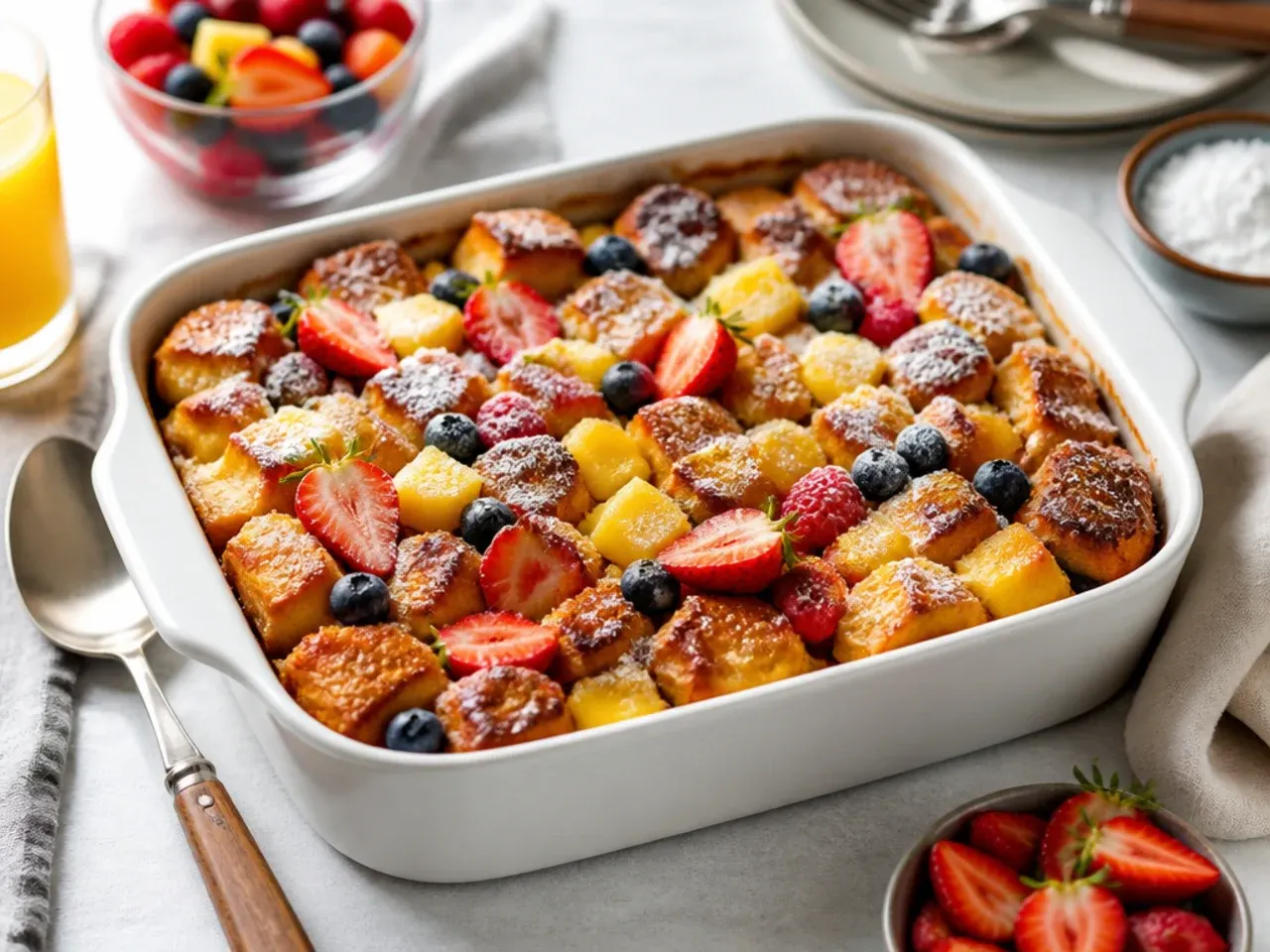
The Hawaiian roll casserole is the faster option: rolls can go from fridge to table with as little as 2 hours of chilling, since the soft crumb absorbs custard quickly and doesn't need drying out first. The classic version generally needs its bread dried out first, either left out overnight or toasted for 15-20 minutes, then a full 8-hour soak for the best texture. Both versions bake for a similar 30-40 minutes, so nearly all the time difference between them comes down to how long the bread needs to sit before it goes in the oven.
Best Choice by Situation
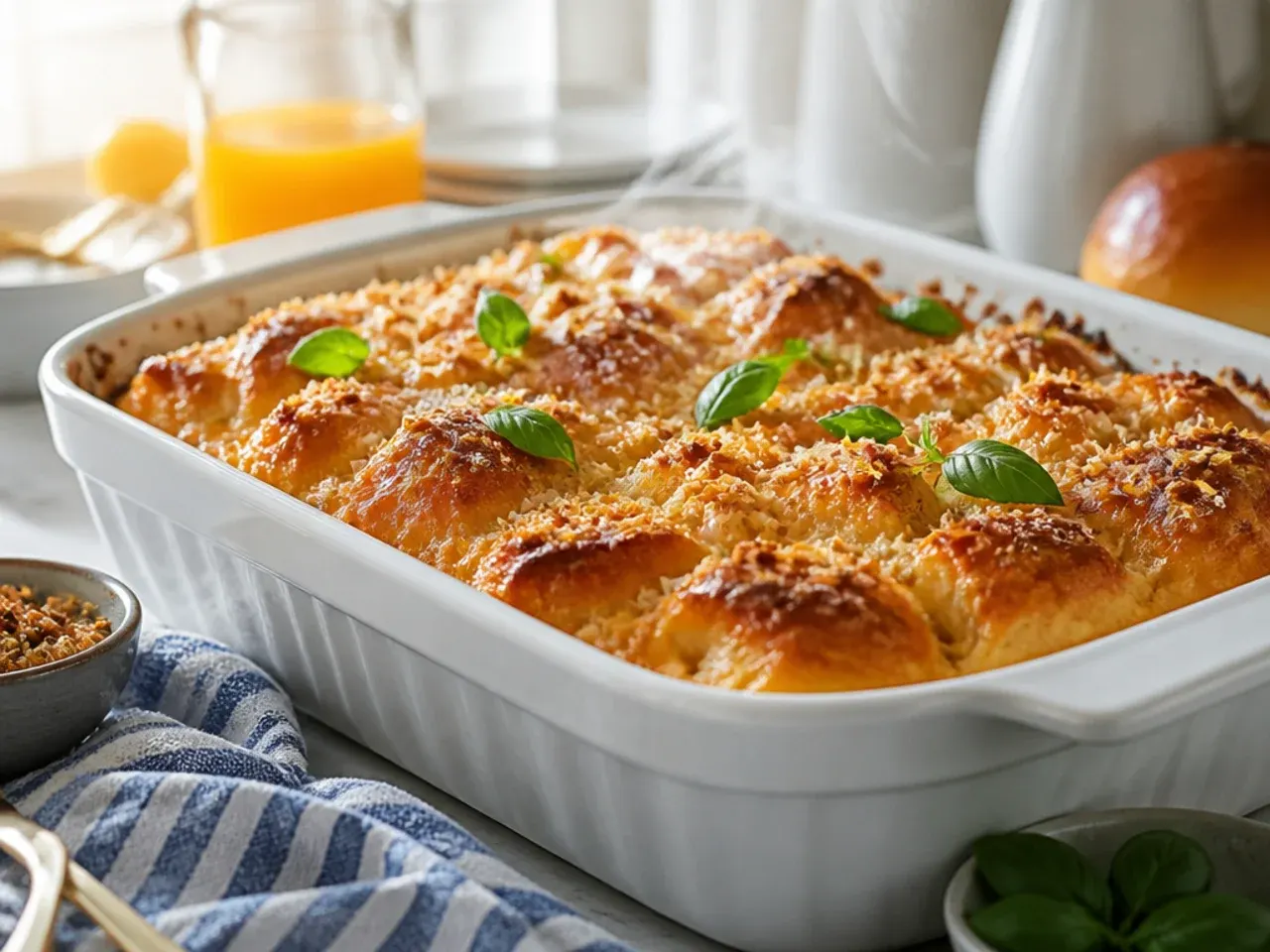
Pick the Hawaiian roll french toast casserole for a last-minute brunch, a kids' breakfast, or whenever you want a sweeter, softer bake without overnight planning. Choose the classic version when you're feeding a crowd that wants a more traditional French toast texture, or when you already have stale bread that needs using up. For make-ahead entertaining where you want to prep the night before and bake in the morning, both work equally well, so it really comes down to whether you prefer a fluffy, sweet crumb or a firmer, more classic bite.
The Recipe
The Recipe We Recommend
20 min
35 min
8 hr 55 min
8
Beginner
Ingredients 8 Person(s)
Directions
Step 1: Prepare the dish and rolls
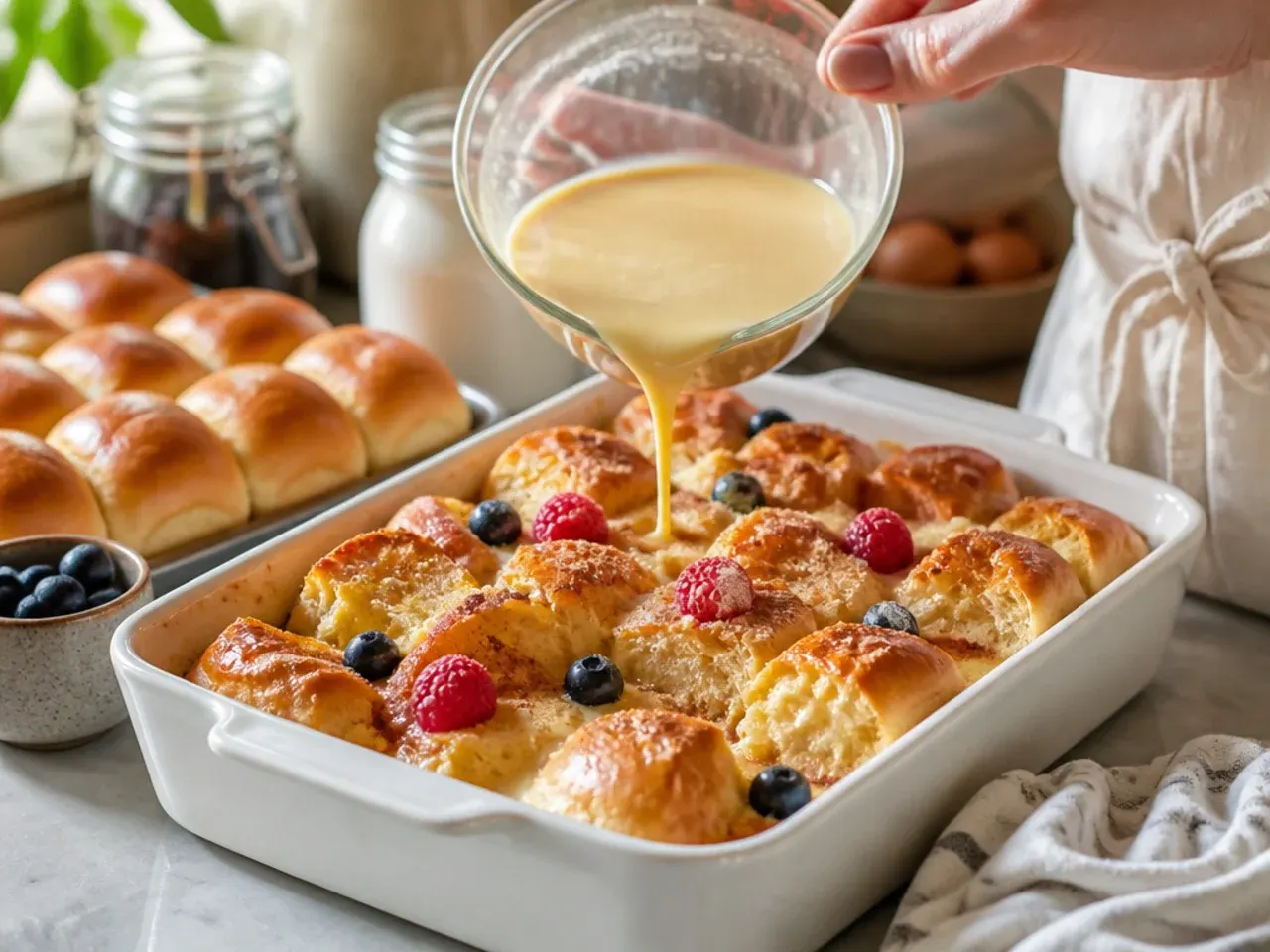
Butter a 23 x 33 cm (9 x 13 in) baking dish. Tear the Hawaiian rolls into large chunks, about 4 pieces per roll, and scatter them evenly across the dish so there are no big gaps.
Step 2: Whisk the custard
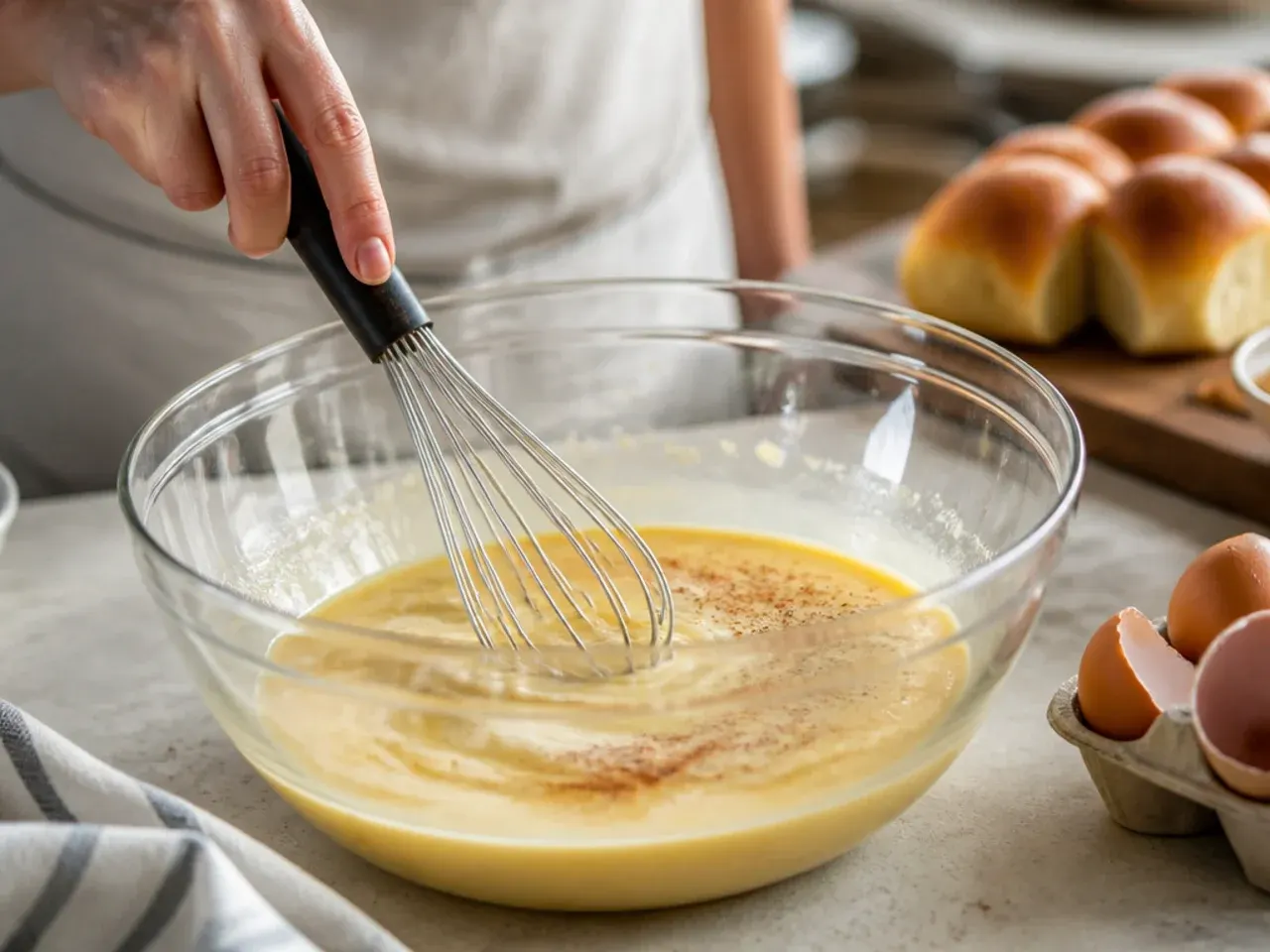
In a large bowl, whisk the eggs until smooth, then whisk in the milk, cream, sugar, vanilla, cinnamon, nutmeg and salt until fully combined with no streaks of egg remaining.
Step 3: Soak the rolls
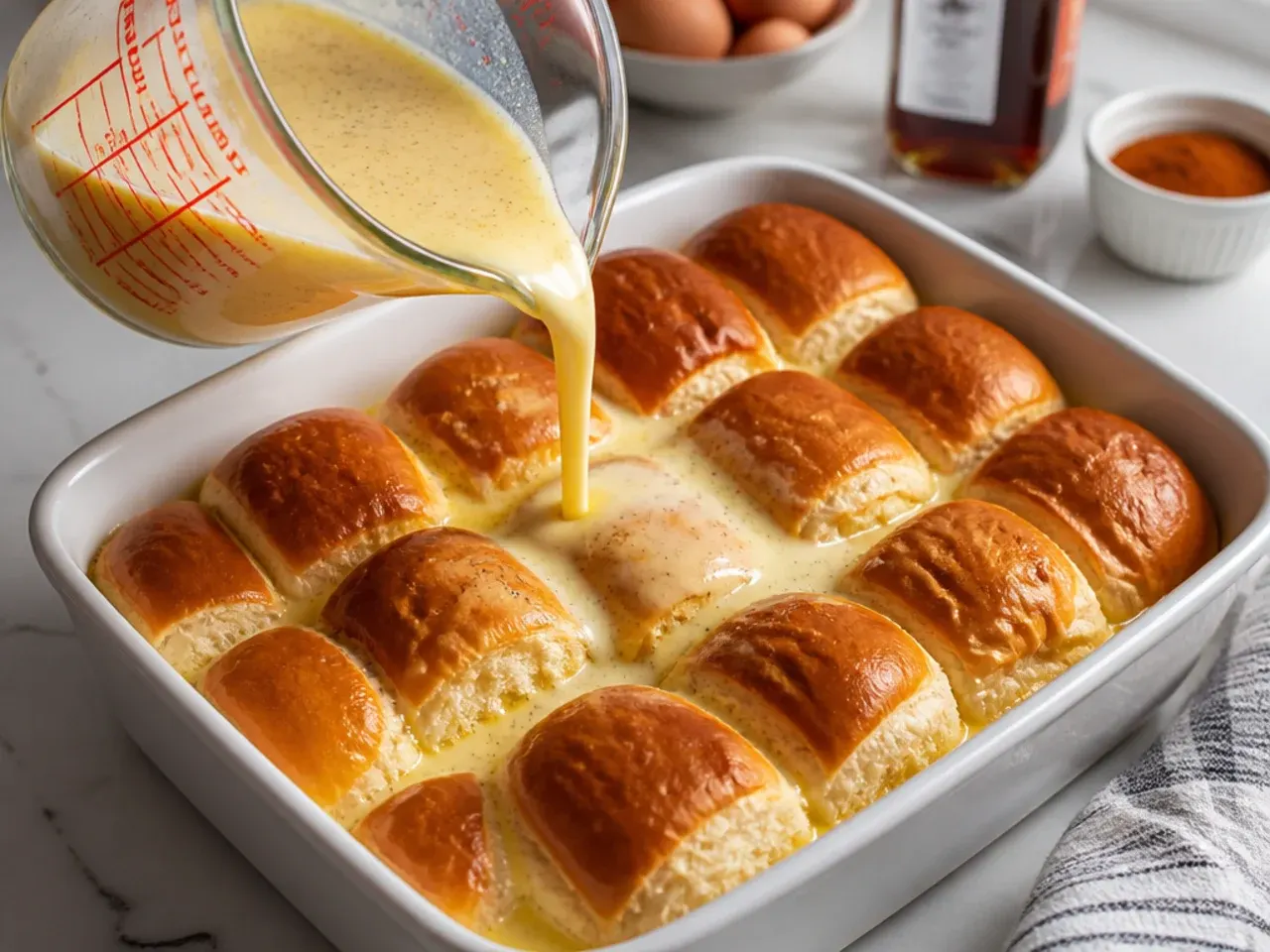
Pour the custard evenly over the torn rolls, pressing down gently with a spatula so every piece is coated and starts to soften. Cover the dish and refrigerate for at least 2 hours, or overnight for the deepest flavour.
Step 4: Bring to room temperature and preheat
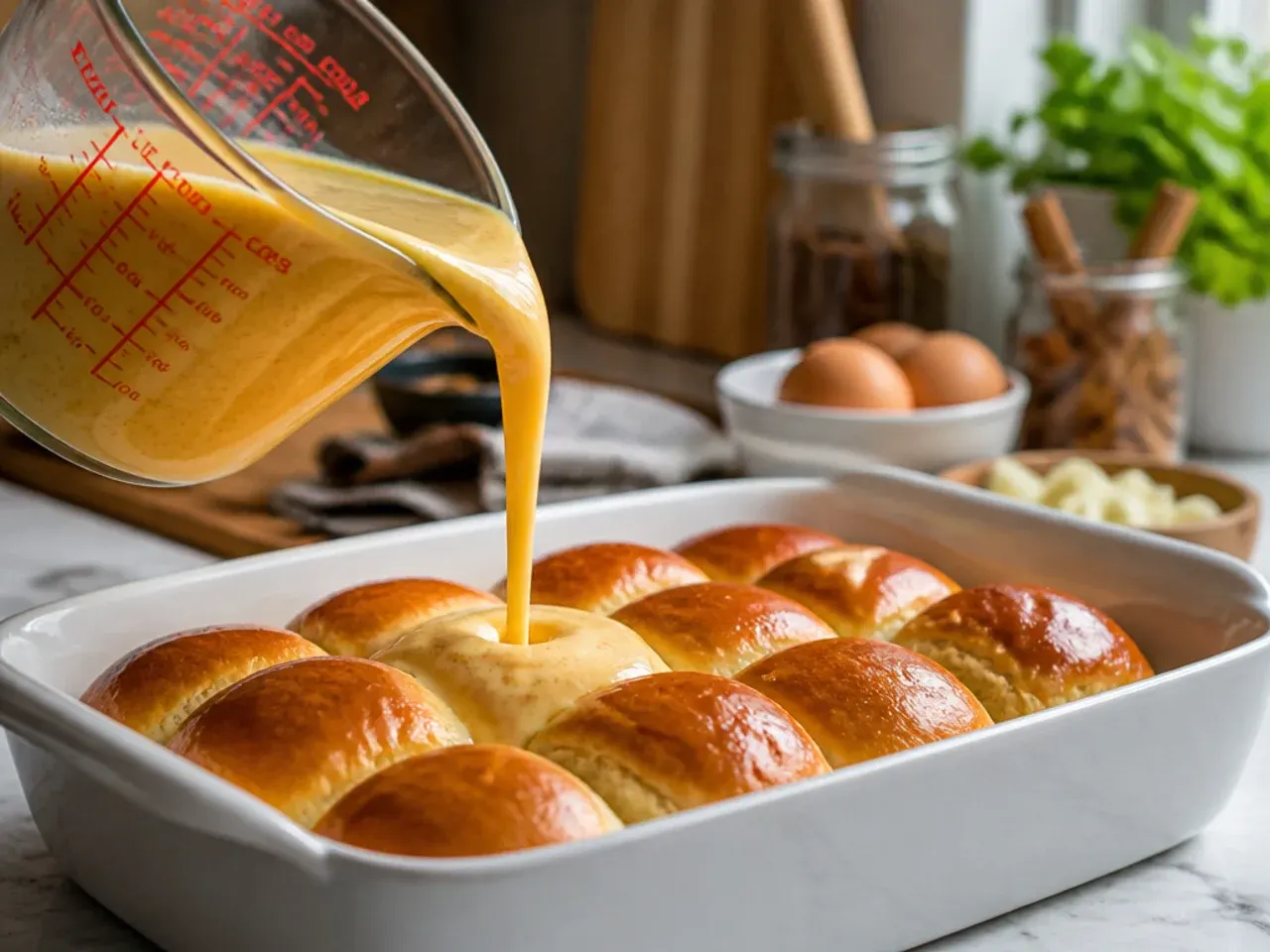
Take the dish out of the fridge about 20 minutes before baking so it isn't ice-cold going into the oven, and preheat the oven to 180°C (350°F).
Step 5: Add the topping and bake covered
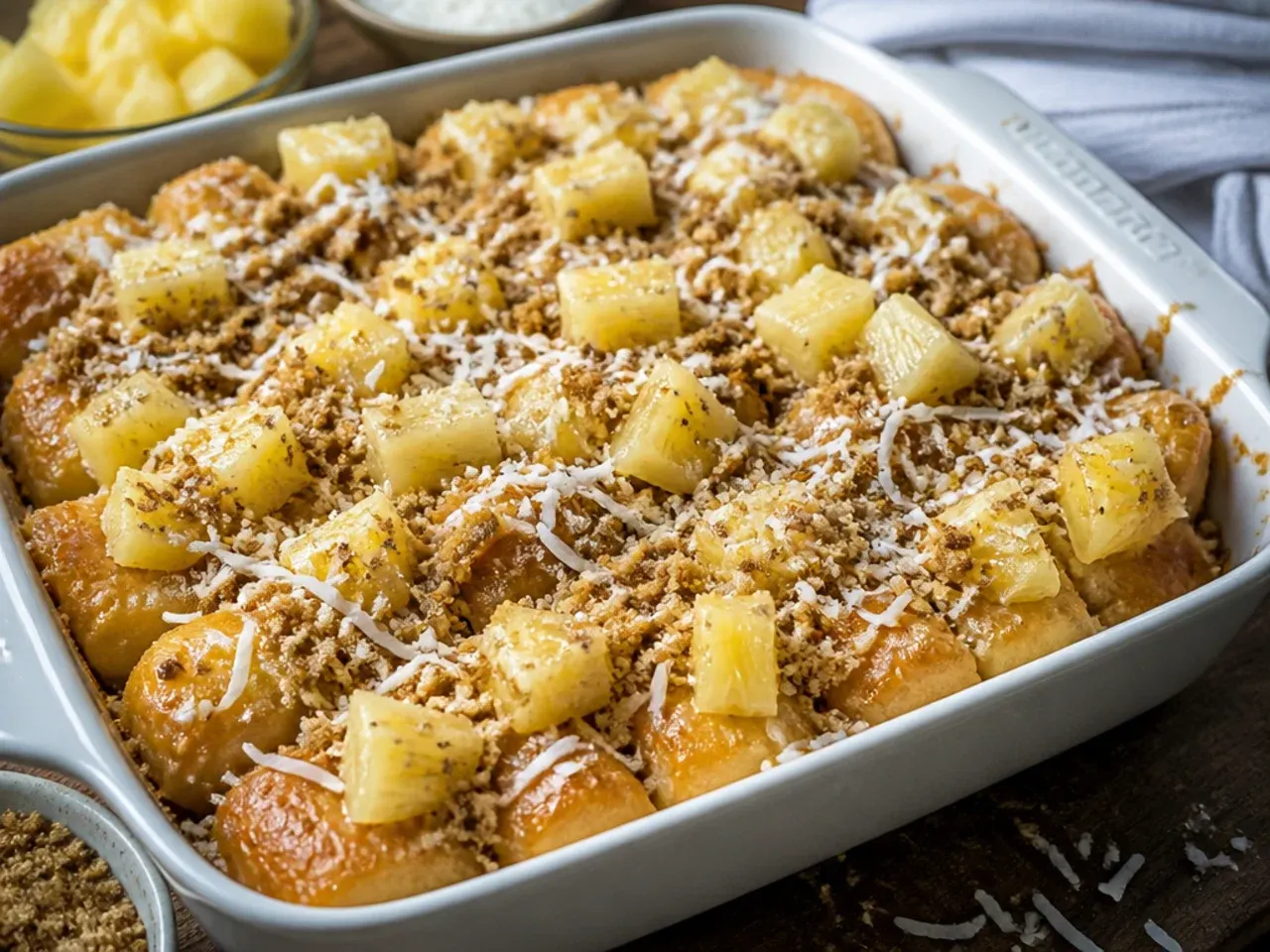
Drizzle the melted butter over the top and scatter over the pecans if using. Cover the dish loosely with foil and bake for 15-20 minutes so the inside can set before the top browns too fast.
Step 6: Uncover and finish baking
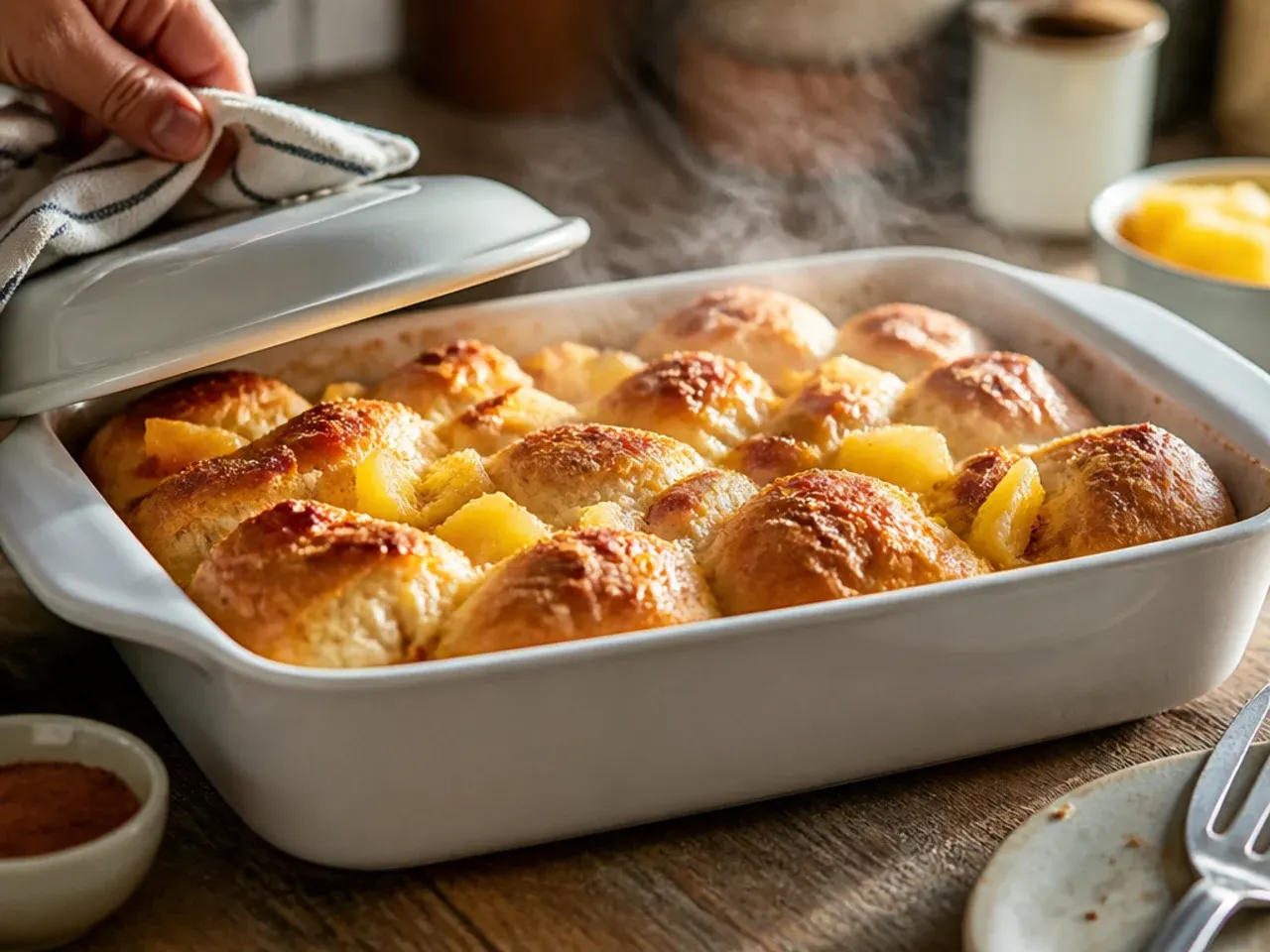
Remove the foil and bake for a further 15-20 minutes, until the top is deep golden and the centre no longer wobbles when you gently shake the dish - this is the same "jiggle test" bakers use to check bread pudding.
Step 7: Rest and serve
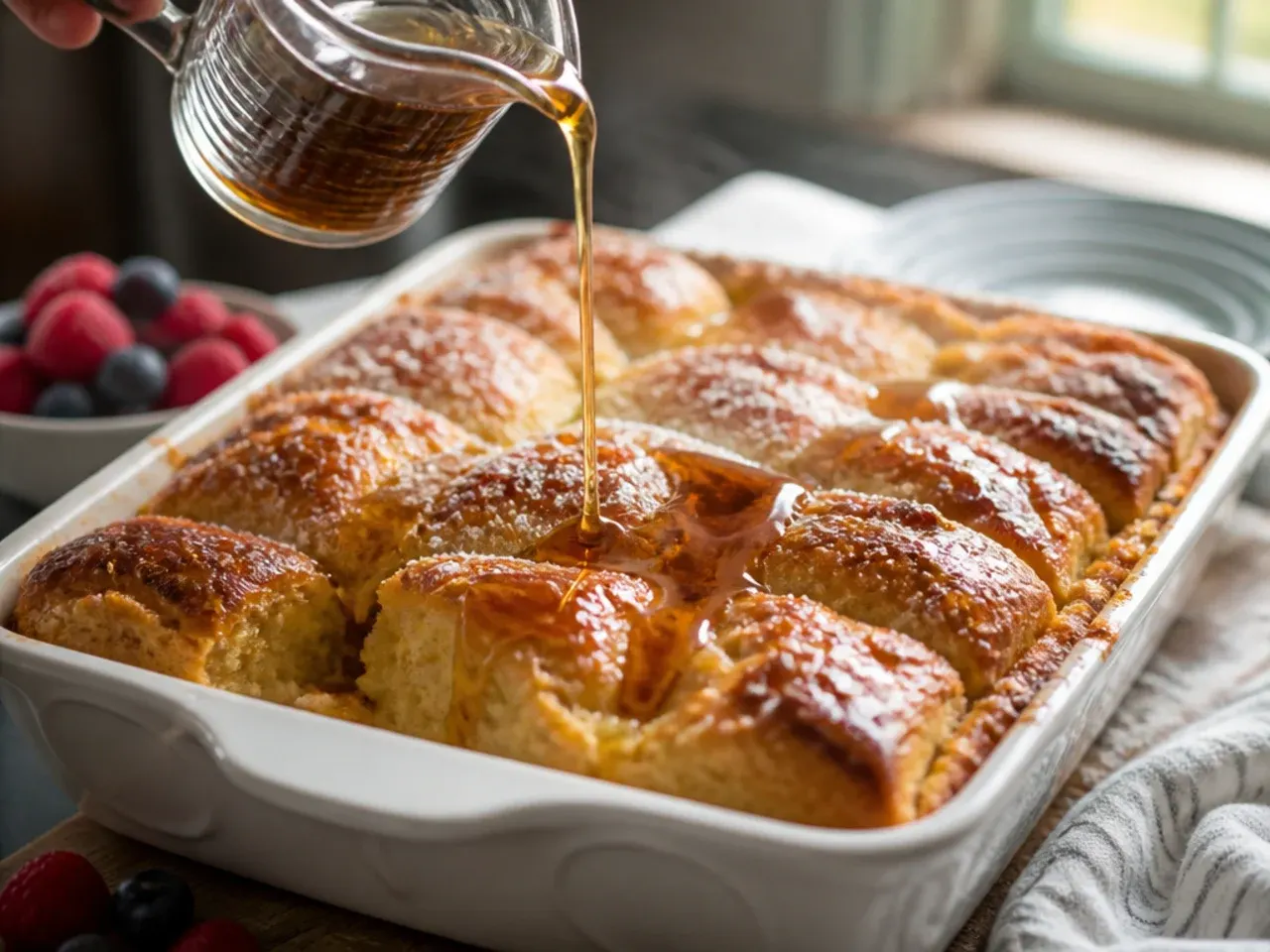
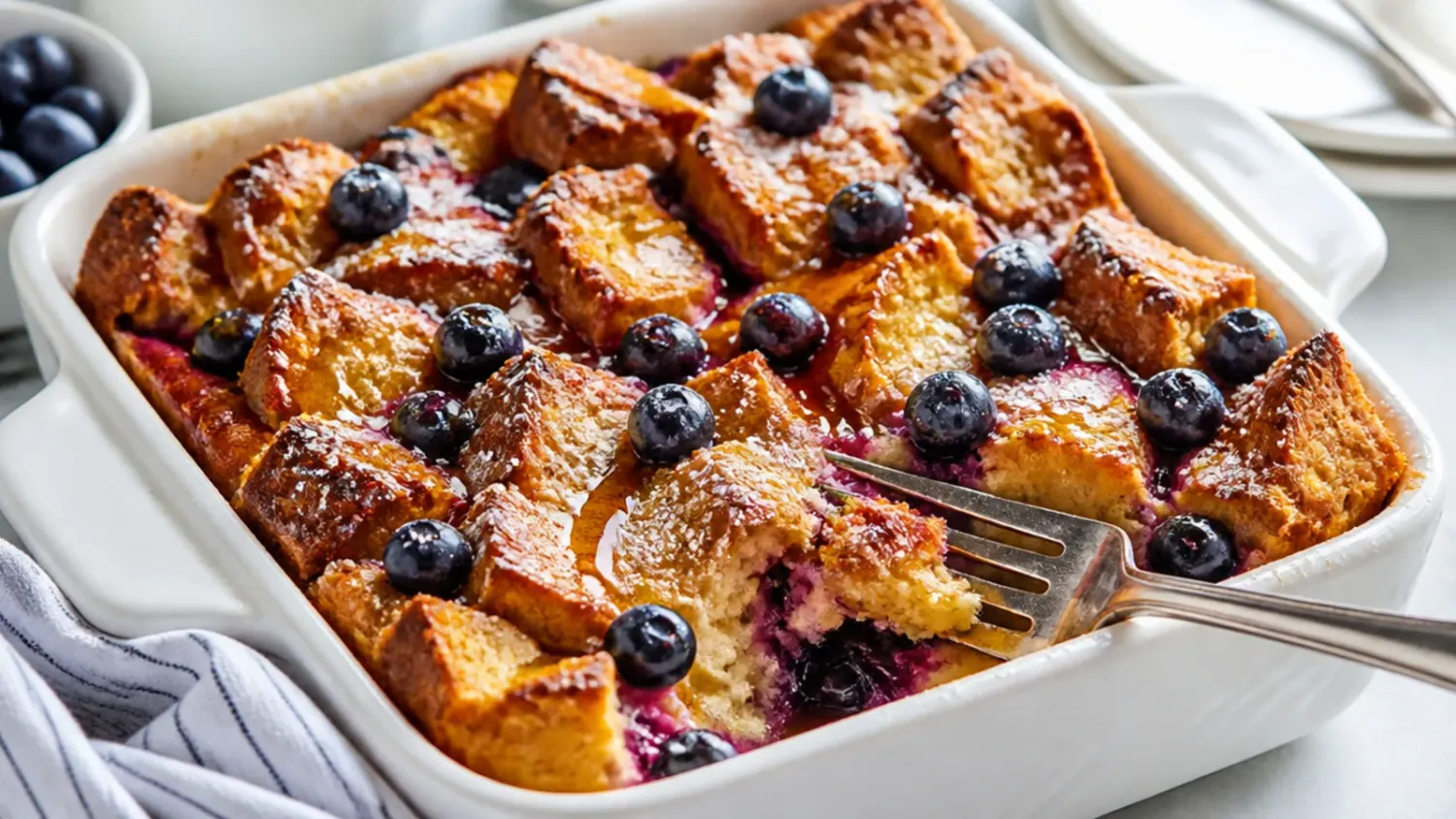
Let the casserole rest for 5 minutes so the custard fully sets before slicing. Serve warm with maple syrup and, if you like, extra pecans or fresh berries on top.
Frequently Asked Questions
Yes, and it's actually the better option. Slightly stale or day-old Hawaiian rolls absorb the custard more evenly than fresh ones, so you get a set, custardy bake rather than a soggy centre. If your rolls are fresh, you can still use them - just cut the fridge time to closer to 2 hours so they don't turn to mush.
Save this for later 📌
Pin this article to your Pinterest board so the full list is one tap away when you need it.
Save on Pinterest