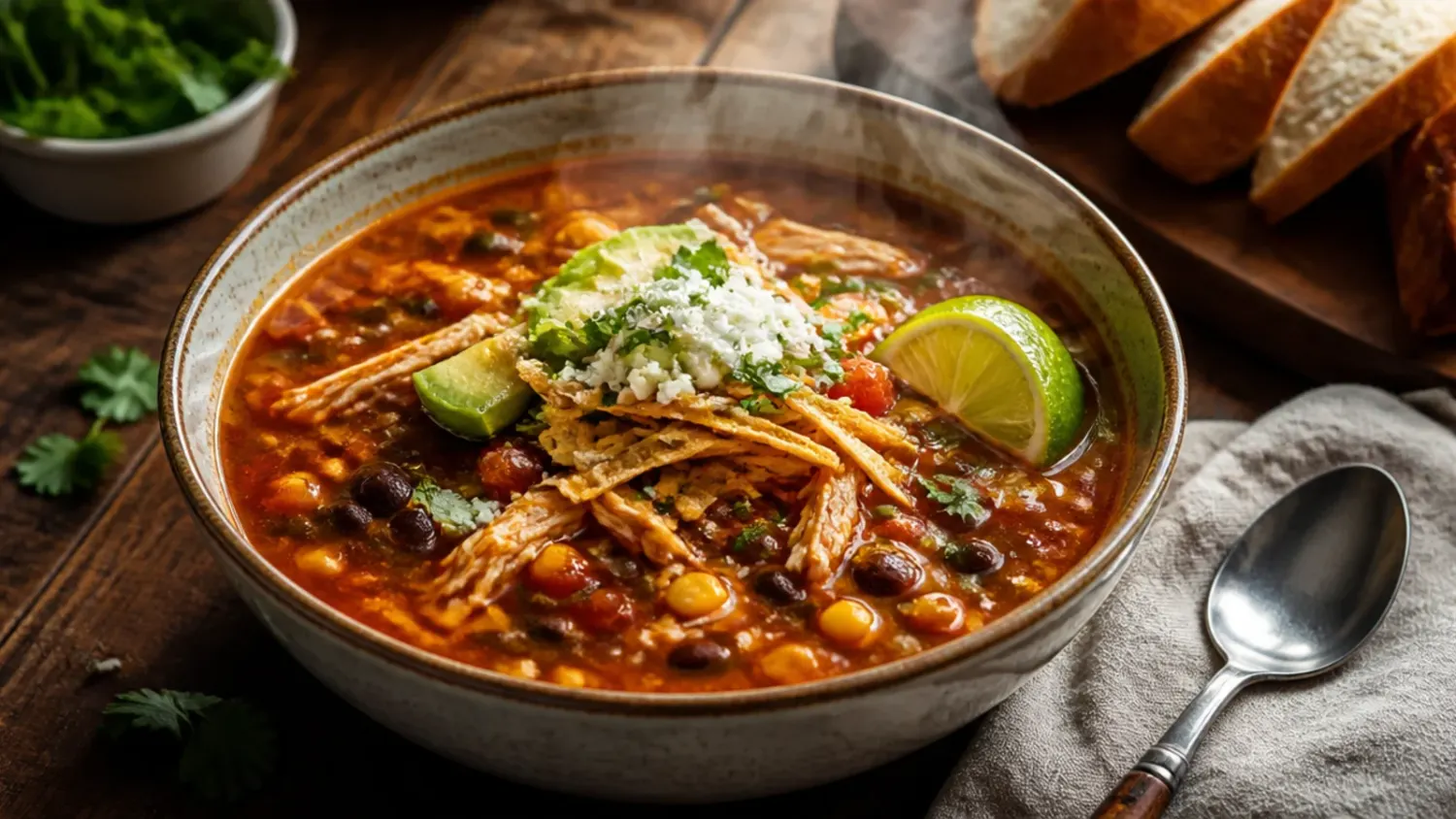
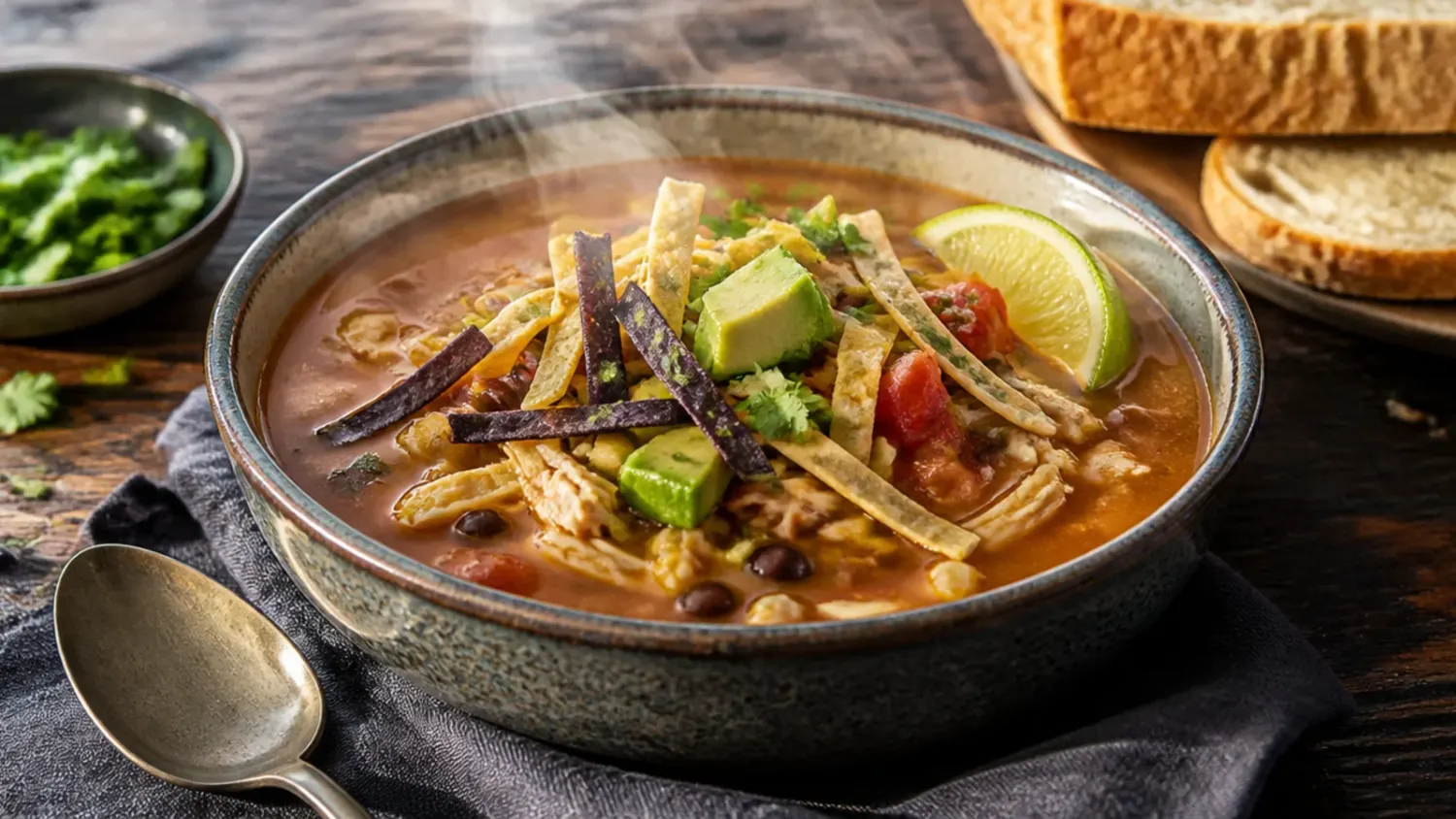
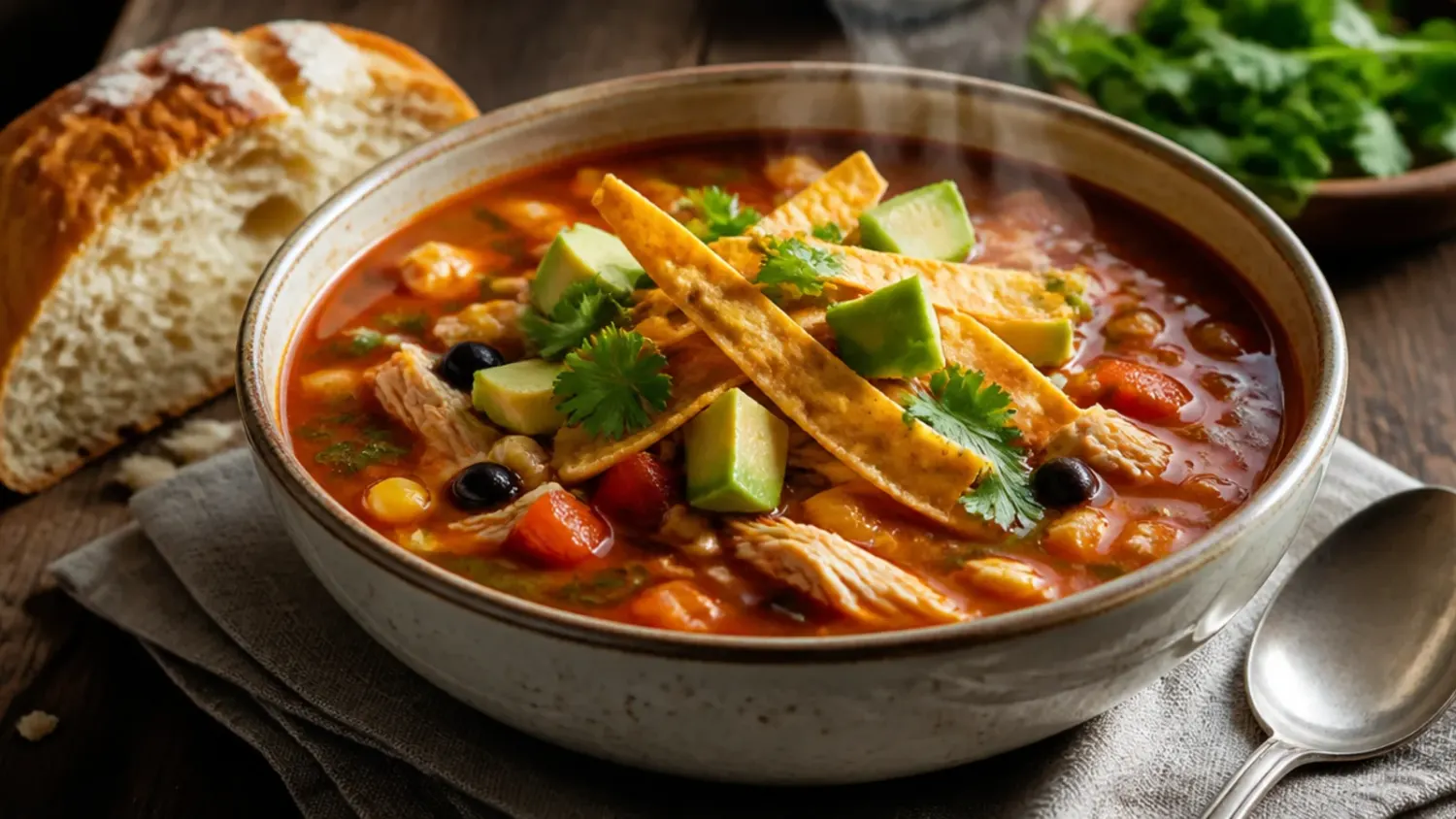
20 Healthy Chicken Tortilla Soup Before and After Upgrades
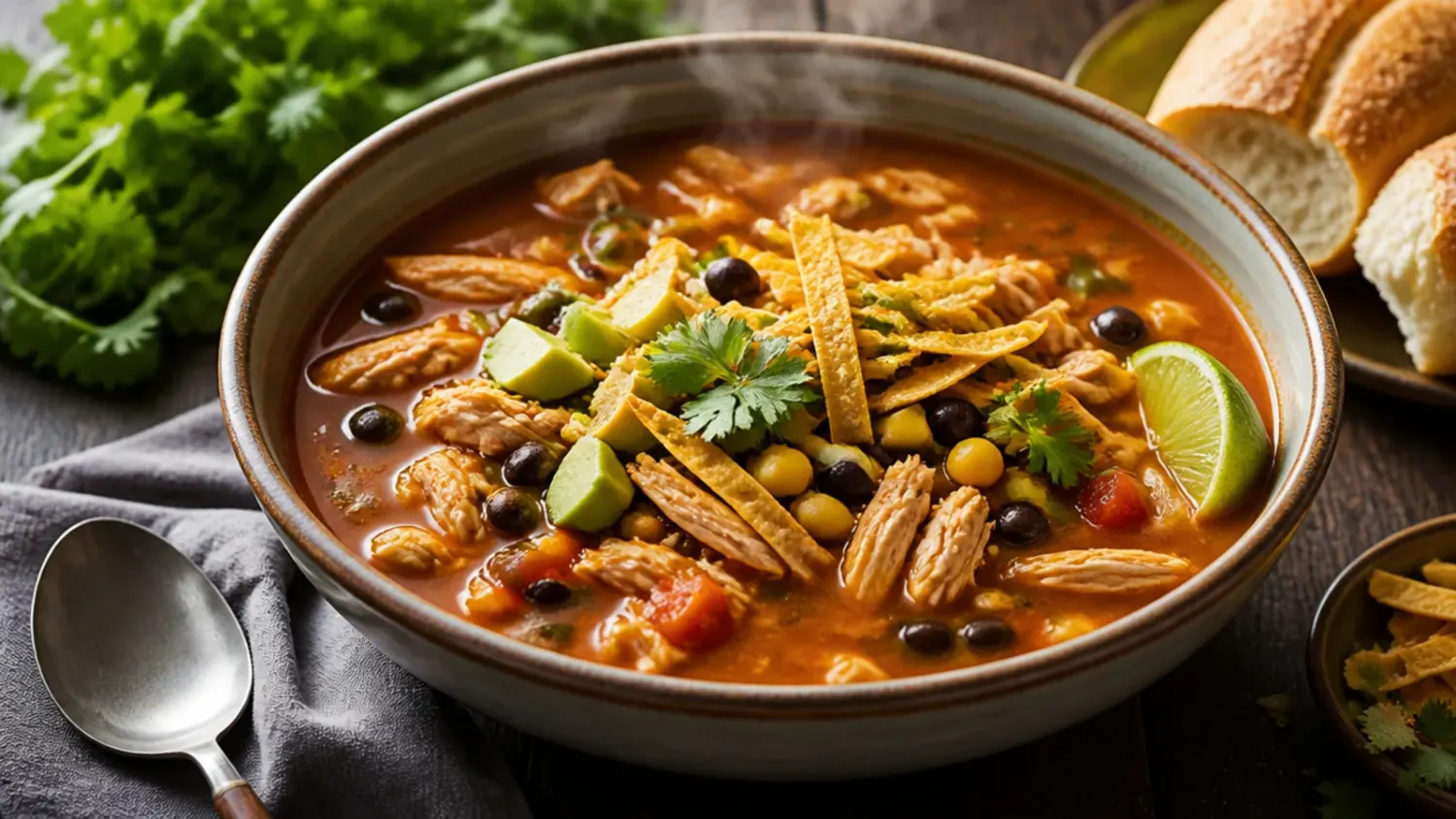
20 real lessons from making healthy chicken tortilla soup again and again, from blooming spices to baking crisp tortilla strips instead of frying. If you love chicken tortilla soup inspiration, start with our Chicken Tortilla Soup collection, then browse the full Cozy Soups & Chili hub for more.
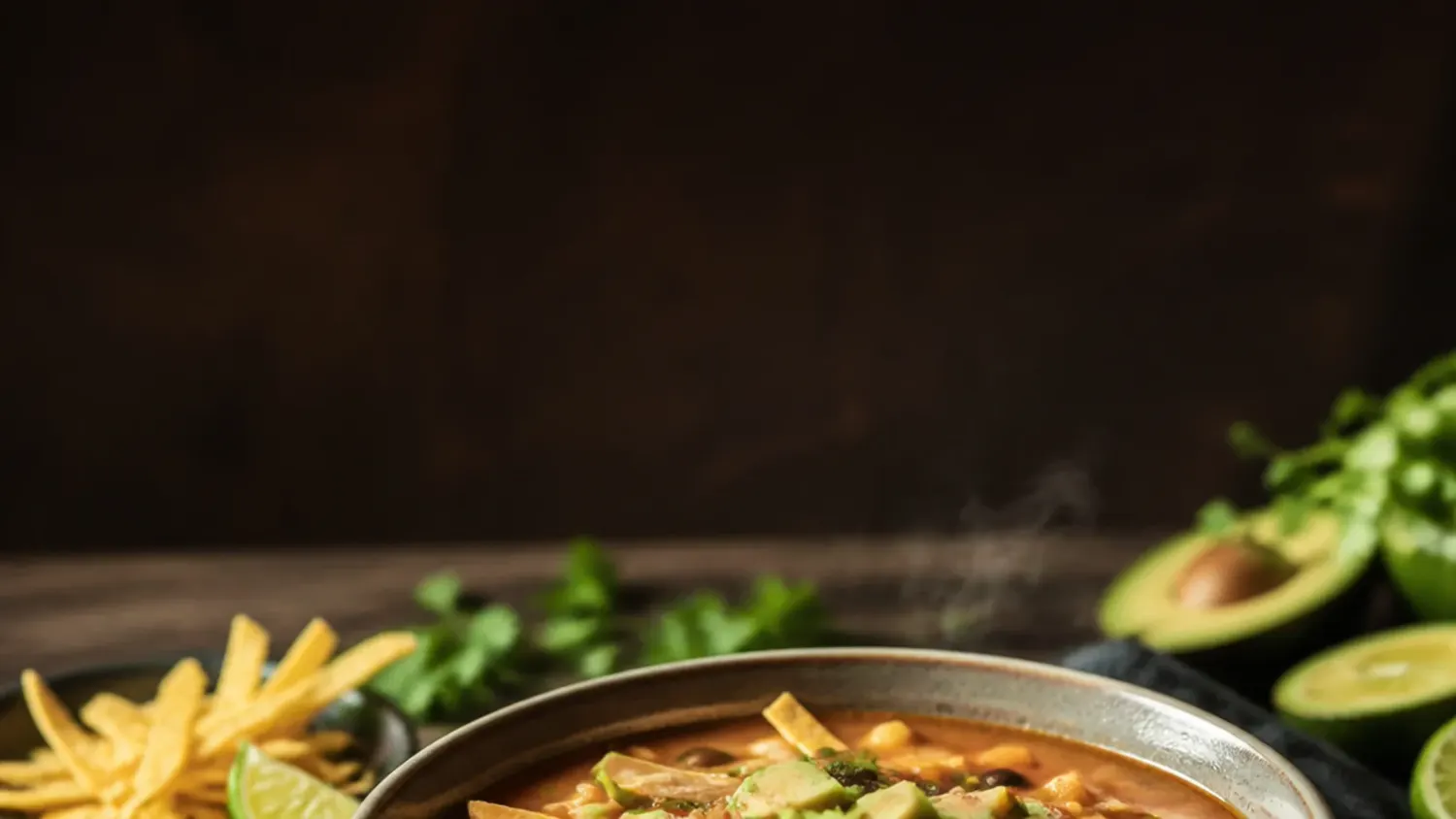
Save this for later 📌
Pin this article to your Pinterest board so the full list is one tap away when you need it.
Save on PinterestCozy Soups & Chili
Beginner
Kitchen Journal
7 steps
Table of Contents
- Lesson 1: Poaching Chicken in the Broth Beats Rotisserie Every Time
- Lesson 2: Baking the Tortilla Strips Instead of Frying Changed Everything
- Lesson 3: Blooming the Spices in Oil Makes the Broth Taste Deeper
- Lesson 4: Fire-Roasted Tomatoes Are Worth Seeking Out
- Lesson 5: Lime Juice Goes in at the End, Never During Simmering
- Lesson 6: A Meat Thermometer Stops the Chicken Drying Out
- Lesson 7: Salt in Stages, Because Broth, Beans and Corn All Add Their Own
- Lesson 8: Store Tortilla Strips Separately or They Turn to Mush
- Lesson 9: Blending a Cup of the Base Thickens It Without Cream
- Lesson 10: Dicing Vegetables to the Same Size Actually Matters Here
- Lesson 11: Charring Corn in a Dry Pan Beats Adding It Straight from the Bag
- Lesson 12: Removing the Jalapeño Seeds and Ribs Is How I Control the Heat
- Lesson 13: Chicken Thighs Reheat Better Than Breast for Meal Prep
- Lesson 14: A Hard Boil Makes the Broth Cloudy and the Chicken Tough
- Lesson 15: I Freeze the Base Without Avocado, Dairy or Tortilla Strips
- Lesson 16: Reheating Gently on the Stove Beats the Microwave
- Lesson 17: Too Many Beans Turns This Into Chilli, Not Soup
- Lesson 18: Avocado Goes on Right Before the First Bite
- Lesson 19: Layering Toppings Instead of Stirring Them In Makes Every Bite Better
- Lesson 20: Writing Down the Exact Amounts Was the Real Upgrade
- What I'd Tell a Friend Trying This
- The Recipe I Used
Lesson 1: Poaching Chicken in the Broth Beats Rotisserie Every Time
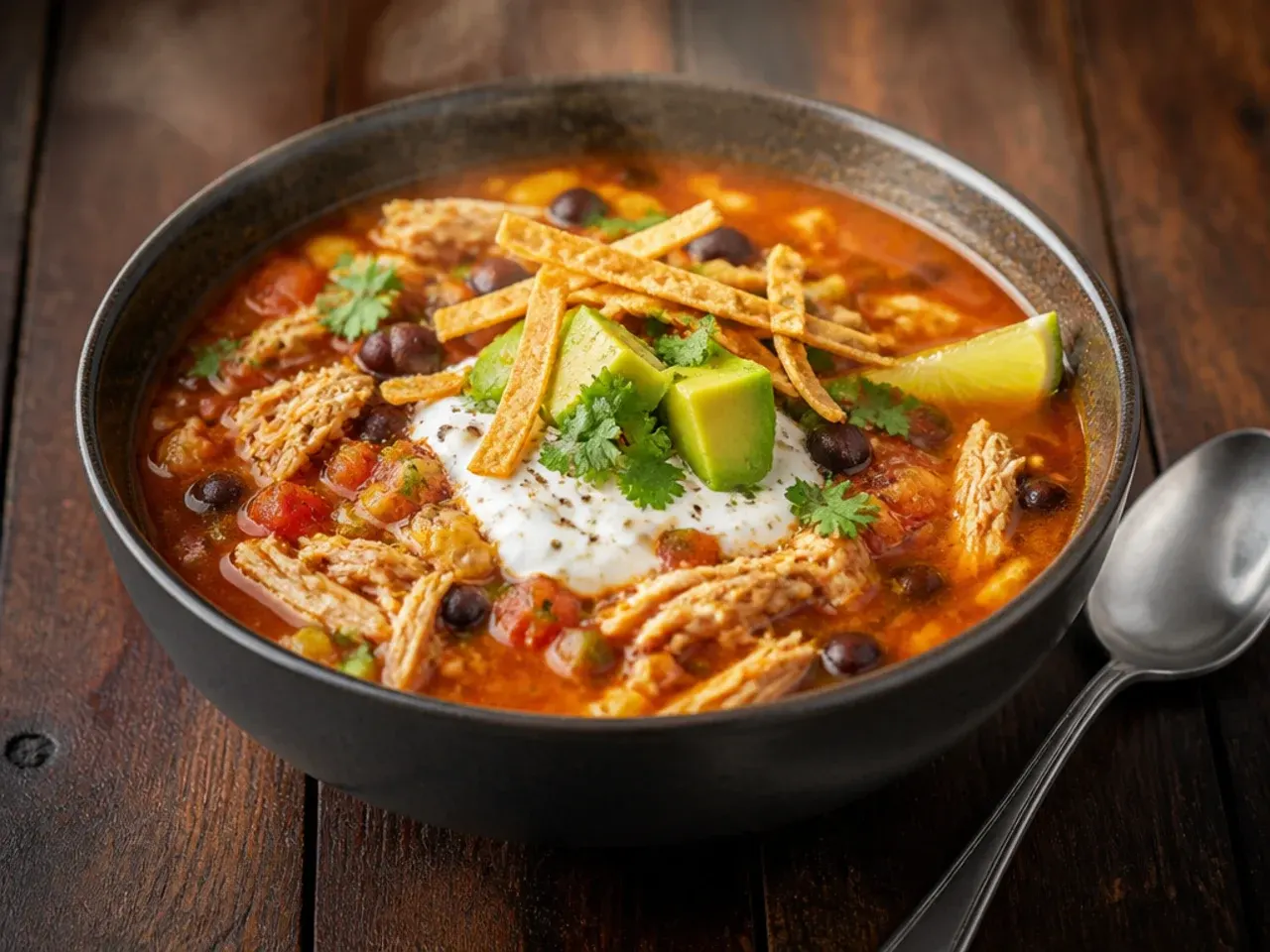
The first dozen times I made this soup I stirred in shredded rotisserie chicken because it felt like the shortcut. It works in a pinch, but the meat never tastes like it belongs in the pot, it just sits there. Now I poach 450 g (1 lb) of chicken breast directly in the simmering broth for 18-20 minutes, so it picks up the cumin and chilli while the broth gets richer from the juices left behind. Shredding it warm, straight from the pot, gives noticeably better texture than cold rotisserie meat ever does.
Lesson 2: Baking the Tortilla Strips Instead of Frying Changed Everything
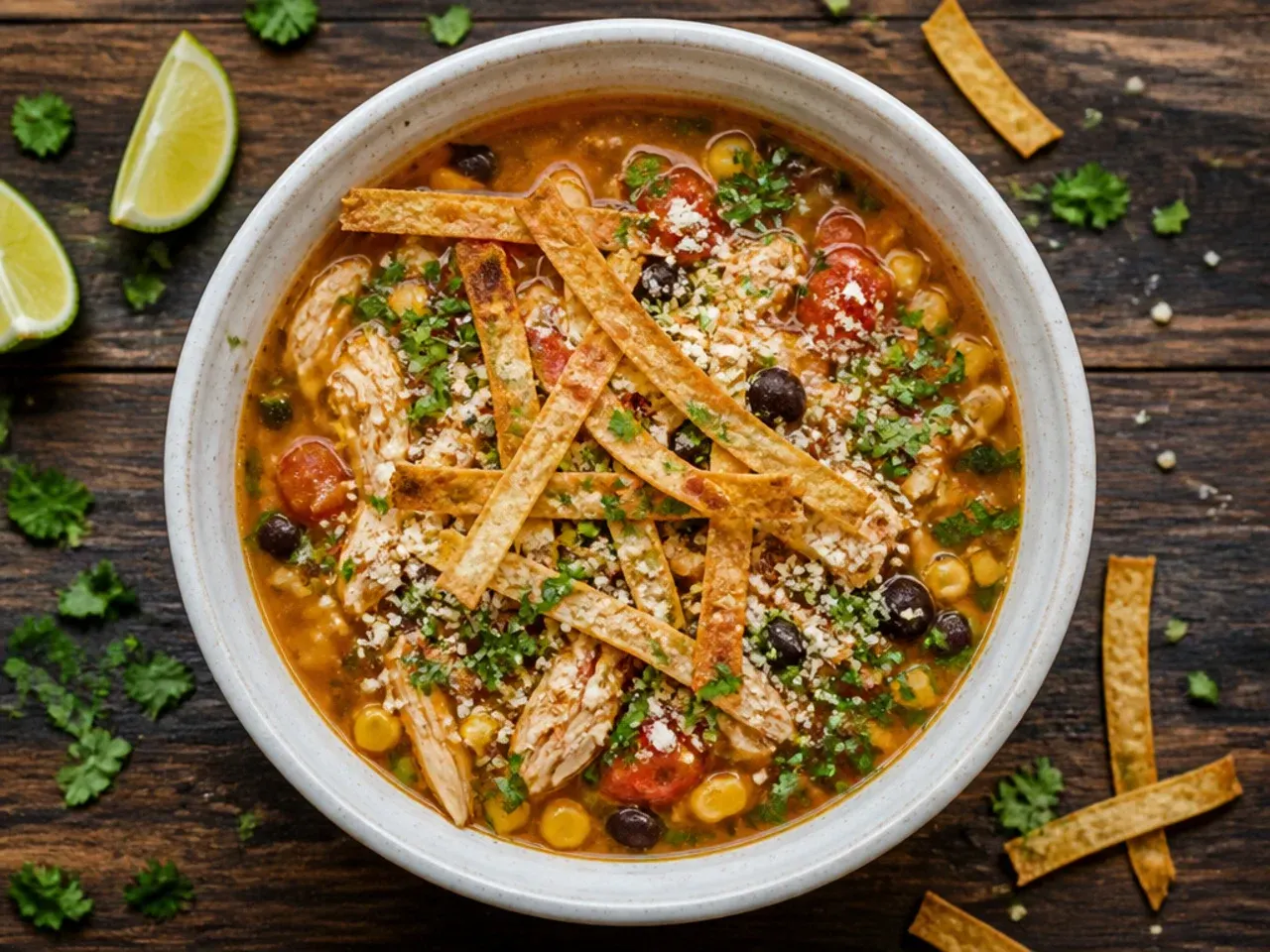
I used to shallow-fry my tortilla strips because that's what every restaurant does, but it added a layer of grease I didn't want in a soup I was trying to make healthier. Now I toss strips cut from four corn tortillas with a light spray of oil and bake them at 200°C (400°F) for 8-10 minutes, flipping halfway. They come out just as crisp and golden as fried ones, with a fraction of the fat. The only trick is spreading them in a single layer so they crisp instead of steam.
Lesson 3: Blooming the Spices in Oil Makes the Broth Taste Deeper
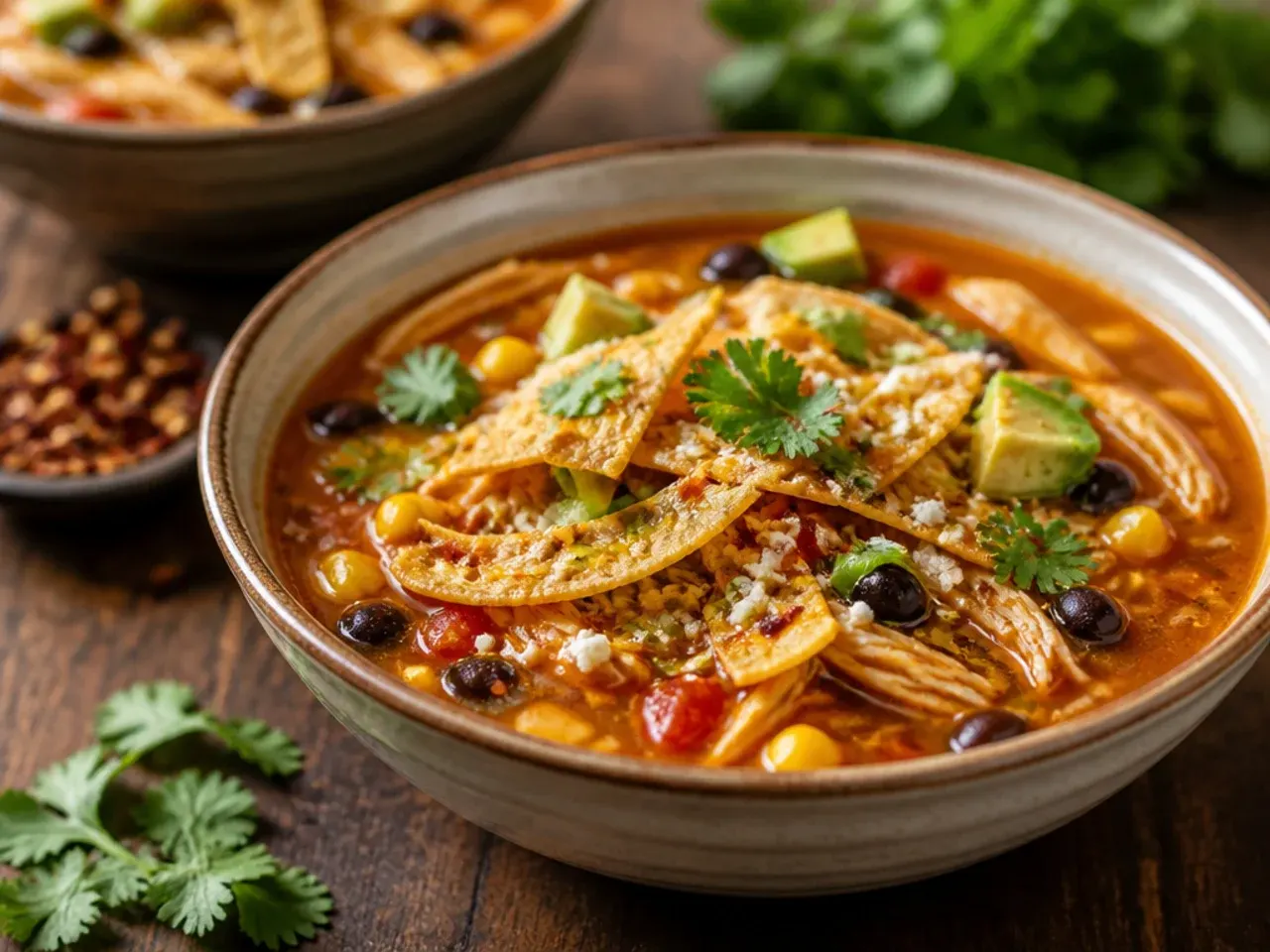
For a long time I dumped the ground cumin and chilli powder straight into the broth and wondered why the soup tasted flat no matter how much I added. Spices are fat-soluble, so stirring them into the pan with the sautéed onion and pepper for 30-60 seconds before any liquid goes in wakes up their flavour. You'll know it's working when the kitchen smells toasty rather than raw. Skipping this step is the single biggest reason a homemade tortilla soup tastes thin compared to a restaurant's.
Lesson 4: Fire-Roasted Tomatoes Are Worth Seeking Out
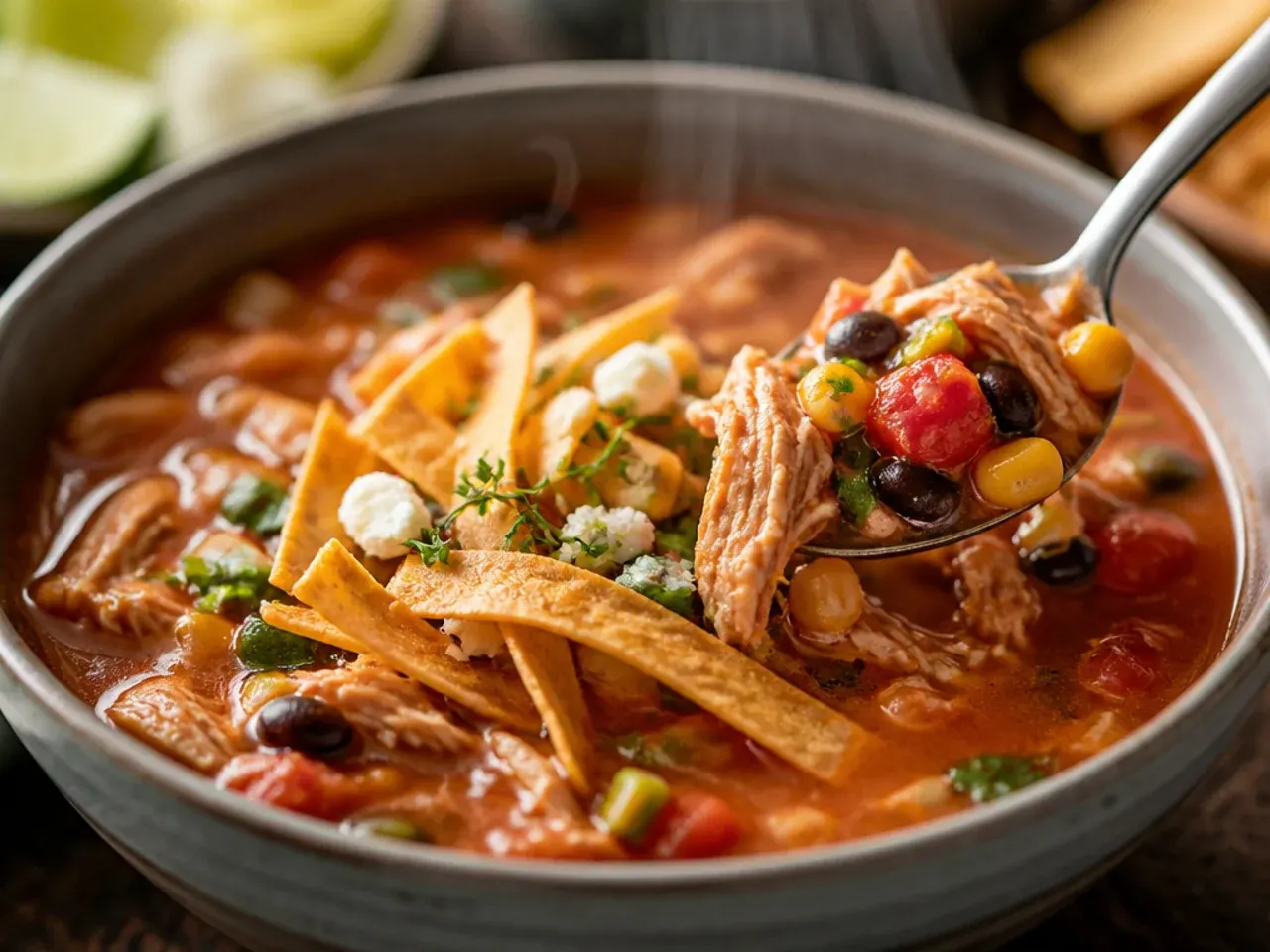
Swapping a standard 400 g tin of chopped tomatoes for a fire-roasted version was a small change that made a bigger difference than I expected. The charred edges add a smoky depth that mimics hours of simmering, even in a 35-minute soup. If your shop doesn't stock fire-roasted tins, I now char regular tomatoes for 2-3 minutes under a hot grill first. It's an extra step, but the smokiness is what separates a good tortilla soup from a forgettable one.
Lesson 5: Lime Juice Goes in at the End, Never During Simmering
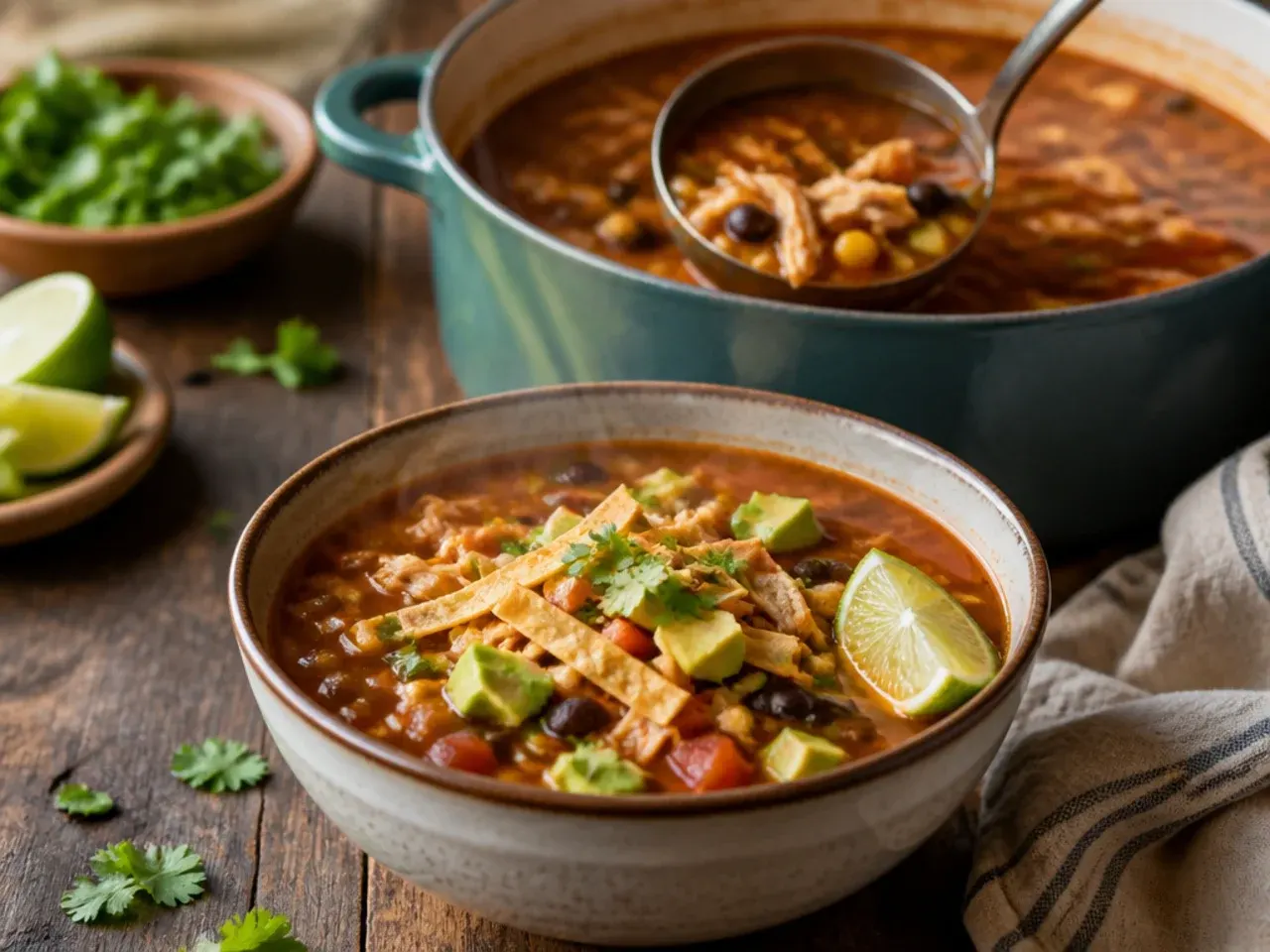
Early on I added lime juice with the tomatoes and let it simmer for 30 minutes, which turned the bright citrus flavour bitter and dull. Acid needs heat to develop other flavours, but it needs to stay off heat to stay fresh-tasting. Now I stir in 30 ml (2 tbsp) of fresh lime juice right at the end, off the heat, and taste before adding more. That last-minute squeeze is what makes the soup taste alive instead of just warm and savoury.
Lesson 6: A Meat Thermometer Stops the Chicken Drying Out
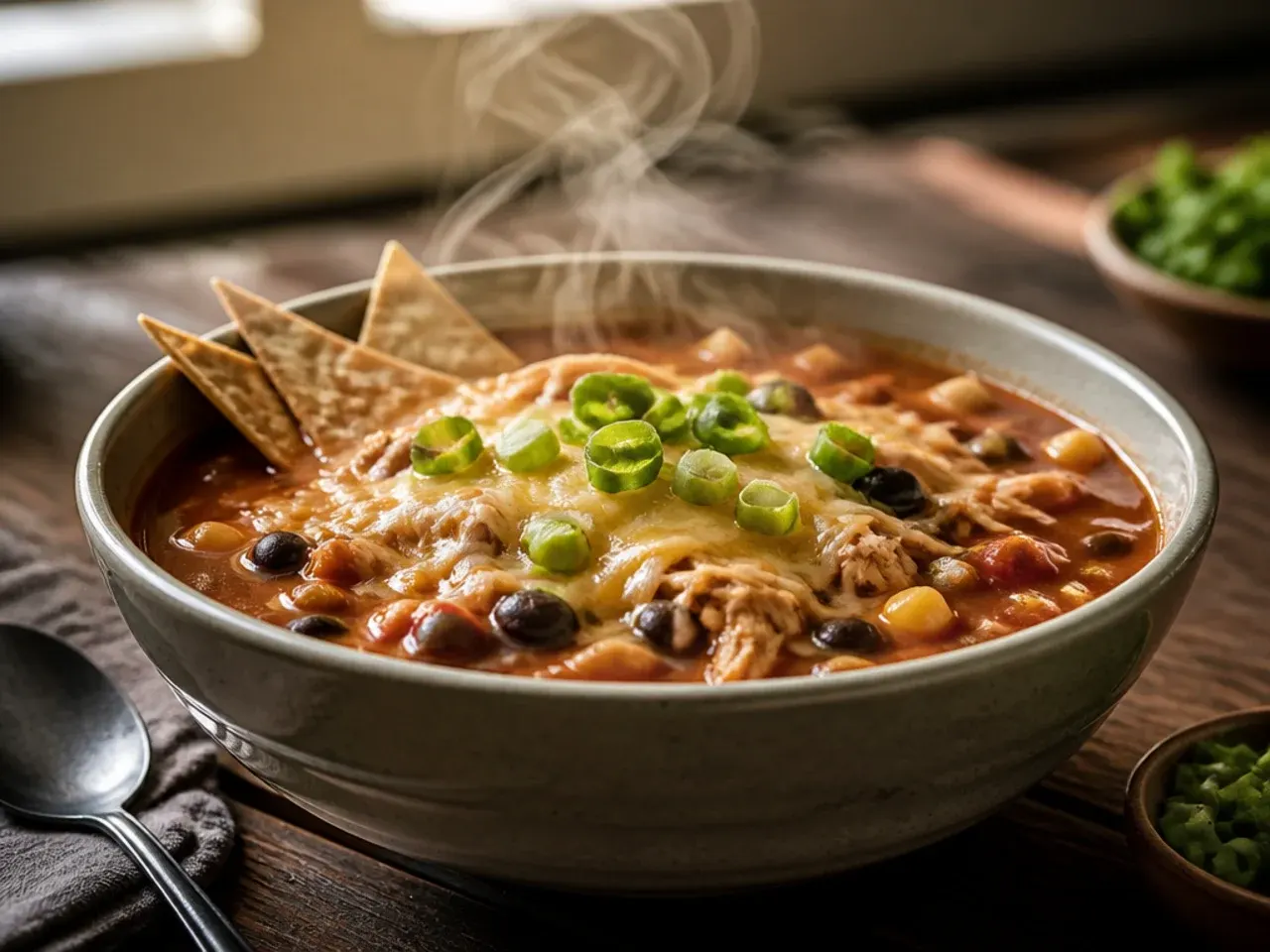
Simmering chicken breast in broth seems foolproof, but I've pulled out plenty of stringy, overcooked pieces by guessing instead of checking. Chicken breast is done the moment it hits 74°C (165°F) internally, which usually takes 18-20 minutes at a gentle simmer, not a rolling boil. A cheap probe thermometer takes the guesswork out completely. Once I started checking instead of estimating, my chicken went from chalky to genuinely tender.
Lesson 7: Salt in Stages, Because Broth, Beans and Corn All Add Their Own
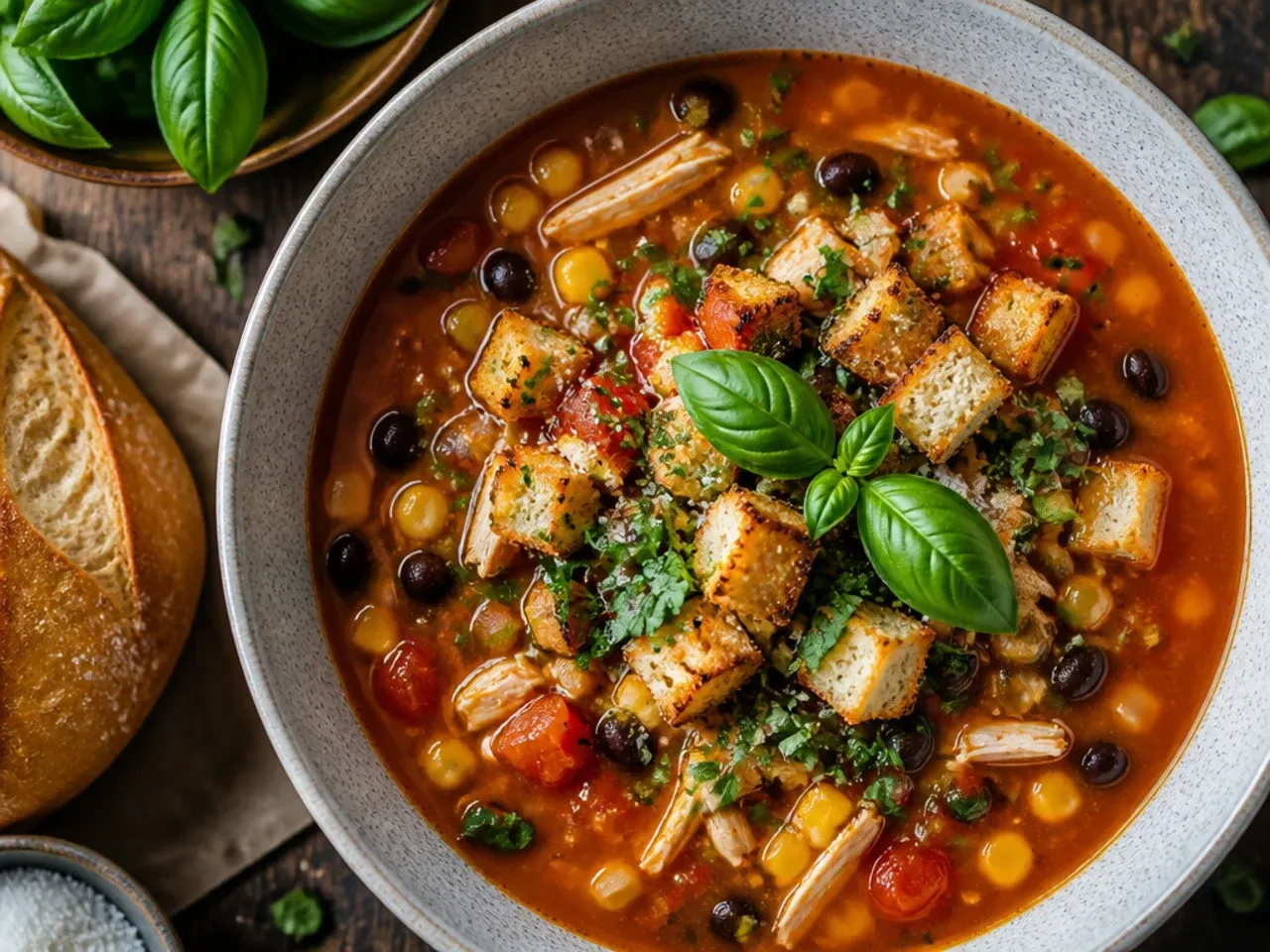
I oversalted this soup more than once by seasoning generously at the start and forgetting that tinned black beans, sweetcorn and store-bought stock all carry their own sodium. Now I season lightly while sautéing, then taste again after the beans and corn have simmered in for 8-10 minutes, and adjust only at the very end. Using low-sodium chicken stock gives me far more control over the final flavour. It's a small habit that keeps the soup tasting balanced rather than salty.
Lesson 8: Store Tortilla Strips Separately or They Turn to Mush
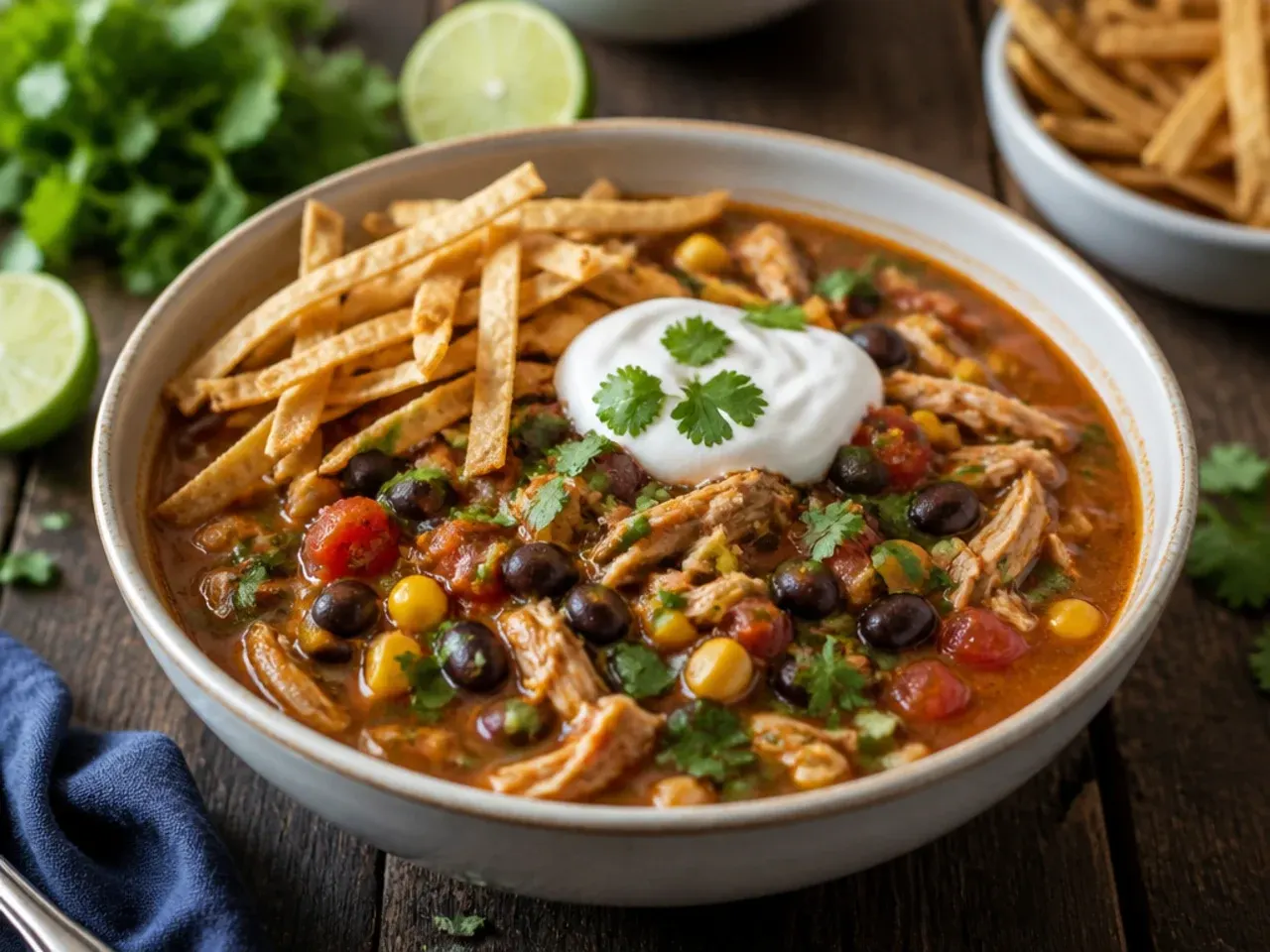
The first time I packed leftovers with the crispy tortilla strips already in the bowl, I opened the fridge the next day to soggy, soft strips that had absorbed all the steam. Now I always keep the strips in a separate airtight container at room temperature and add them only when serving. This one habit is the difference between leftovers that taste freshly made and leftovers that taste like wet cereal. The soup itself keeps beautifully in the fridge for up to 4 days either way.
Lesson 9: Blending a Cup of the Base Thickens It Without Cream
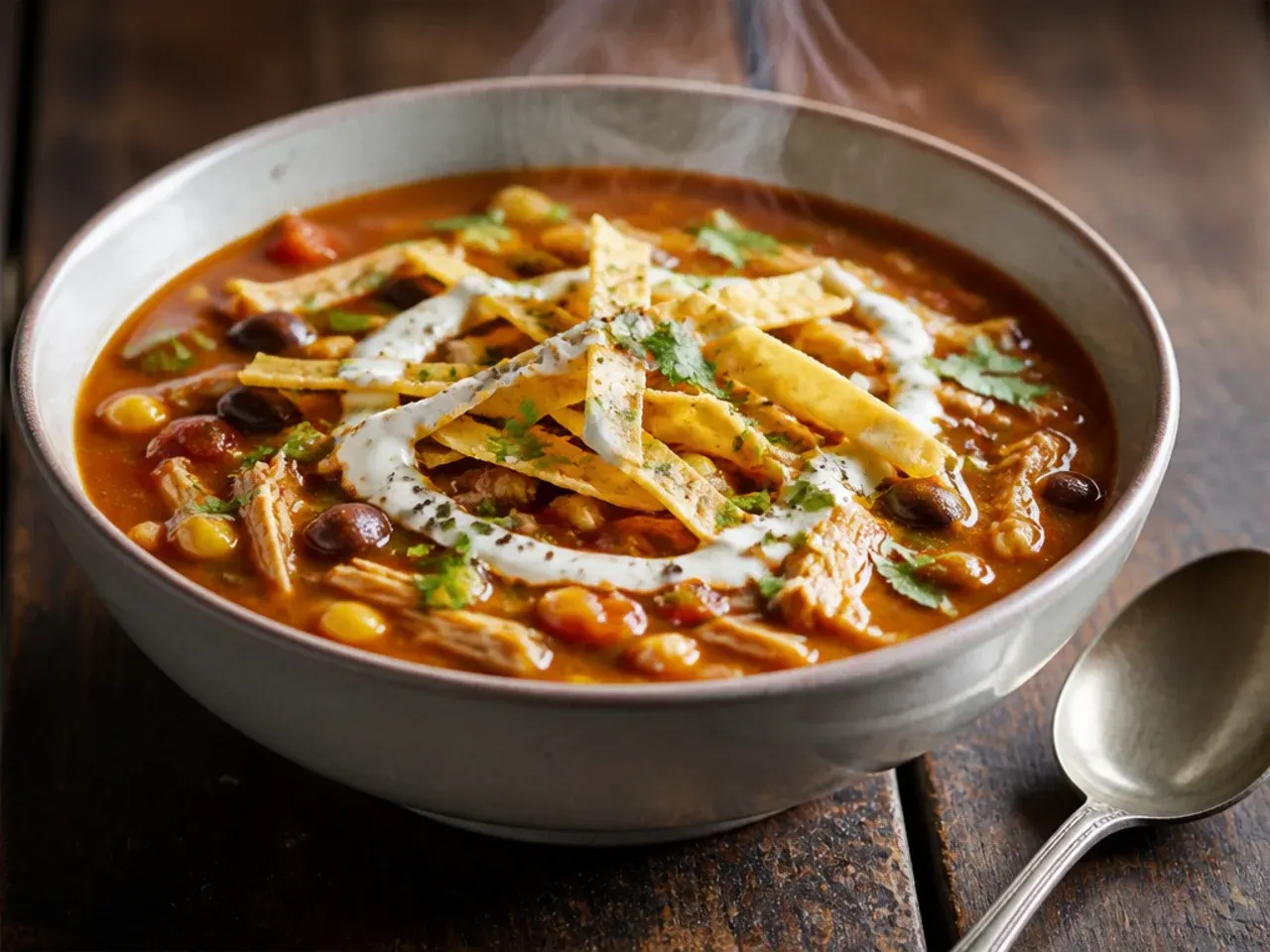
I wanted a soup that felt hearty without stirring in cream or sour cream, so I started ladling about 240 ml (1 cup) of the broth, tomatoes and a portion of the black beans into a blender and pureeing it smooth before returning it to the pot. It thickens the whole batch just enough to feel substantial while staying completely dairy-free. An immersion blender pulsed directly in the pot for a few seconds does the same job with less washing up. Either way, it's the trick that makes this a genuinely healthy tortilla soup rather than a thin broth.
Lesson 10: Dicing Vegetables to the Same Size Actually Matters Here
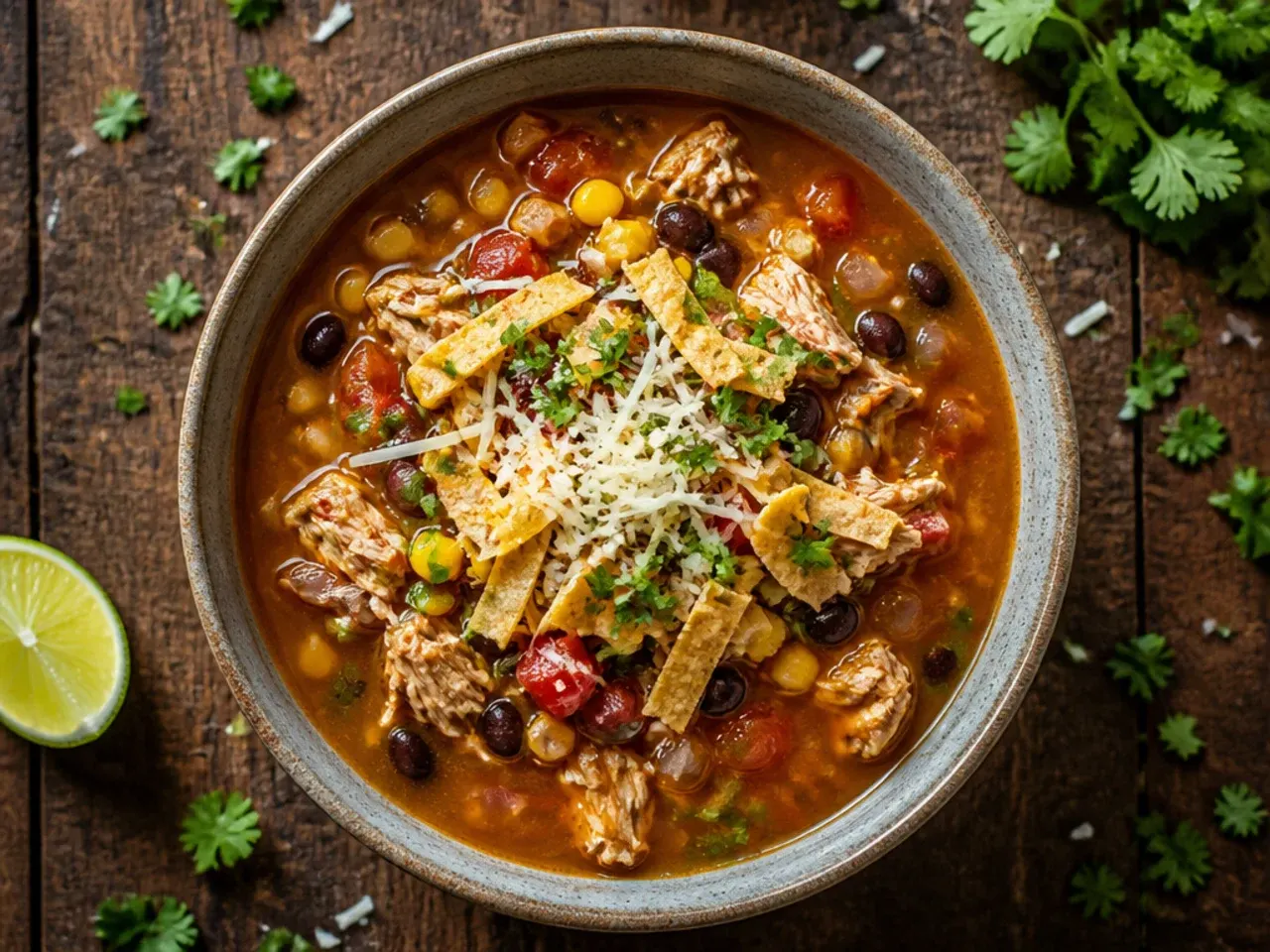
I used to chop the onion, pepper and jalapeño roughly and unevenly, and ended up with some pieces mushy and others still crunchy by the time the soup was done. Cutting everything into a consistent 1 cm dice means the onion turns translucent at the same rate the pepper softens, usually 4-5 minutes over medium heat. It sounds fussy for a rustic soup, but the texture difference is obvious once you taste it side by side. Two extra minutes with a knife saves an inconsistent pot.
Lesson 11: Charring Corn in a Dry Pan Beats Adding It Straight from the Bag
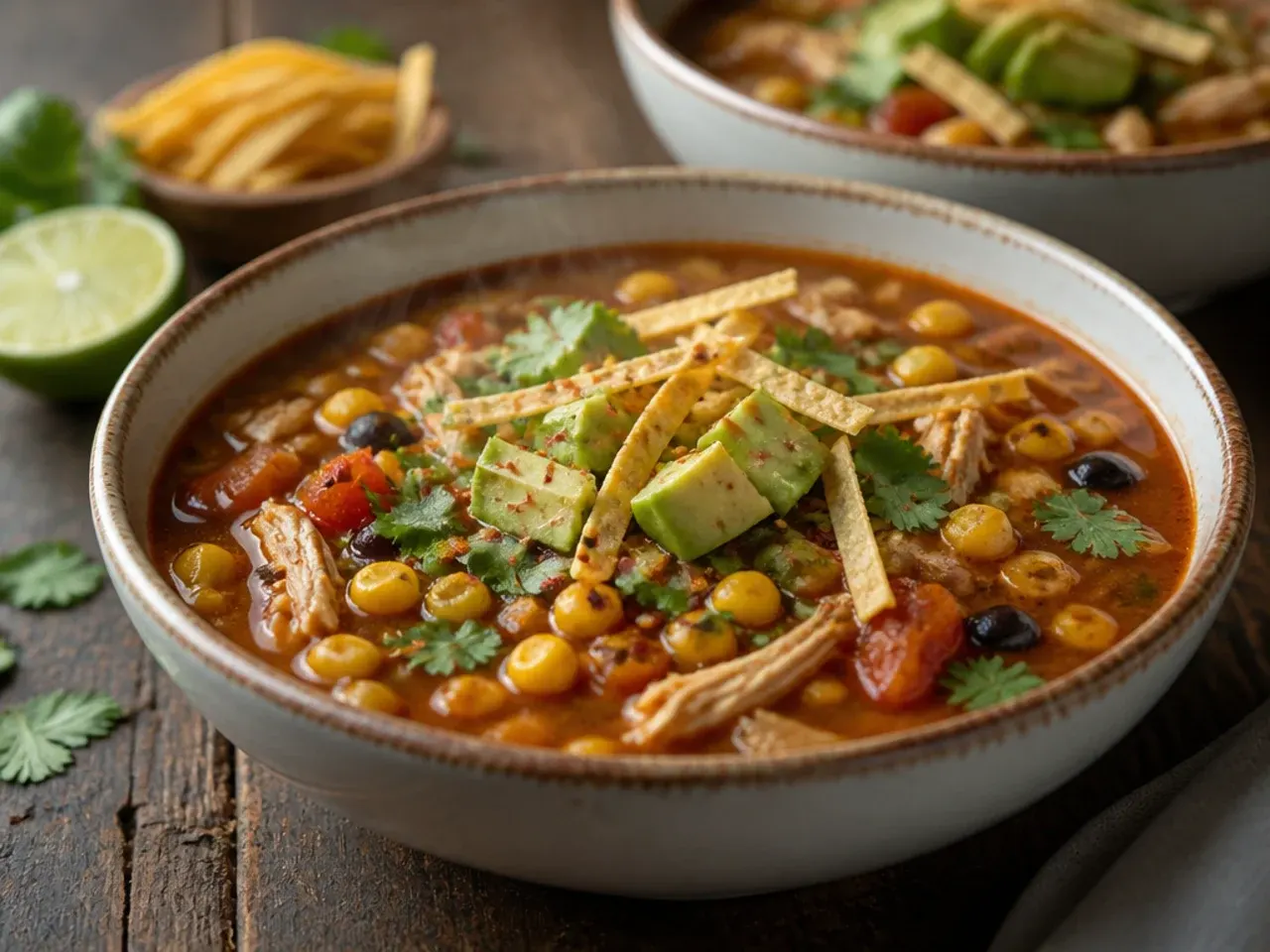
Tipping frozen sweetcorn straight into the simmering soup works, but I noticed the corn tasted noticeably sweeter and more complex once I started charring 150 g of kernels in a dry, hot pan for 3-4 minutes before it goes anywhere near the broth. The little blistered, browned spots add a smoky sweetness that plain simmered corn doesn't have. It only takes a few extra minutes while the broth simmers, so there's no real cost to doing it properly. It's now a non-negotiable step for me.
Lesson 12: Removing the Jalapeño Seeds and Ribs Is How I Control the Heat
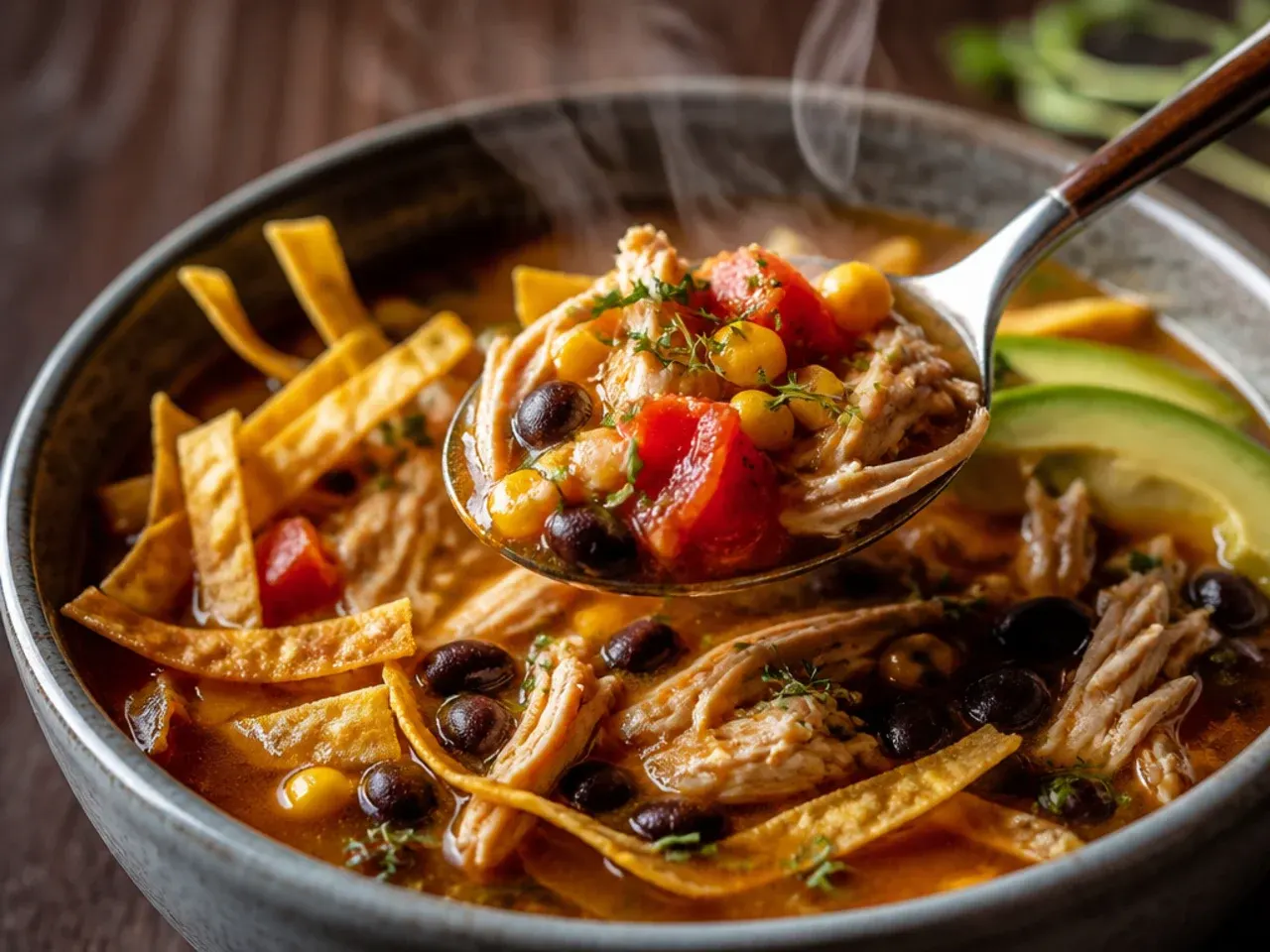
Early batches of this soup were either too fiery for guests or too mild for me, because I was inconsistent about how much of the jalapeño's seeds and white ribs I left in. Almost all of a chile's heat lives in those ribs, not the seeds themselves, so scraping them out with a small spoon gives a mild, flavourful base every time. If I want more heat, I add it back gradually, or leave a few slices of raw jalapeño as a garnish so everyone can adjust their own bowl. That one habit made the soup consistent across dozens of batches.
Lesson 13: Chicken Thighs Reheat Better Than Breast for Meal Prep
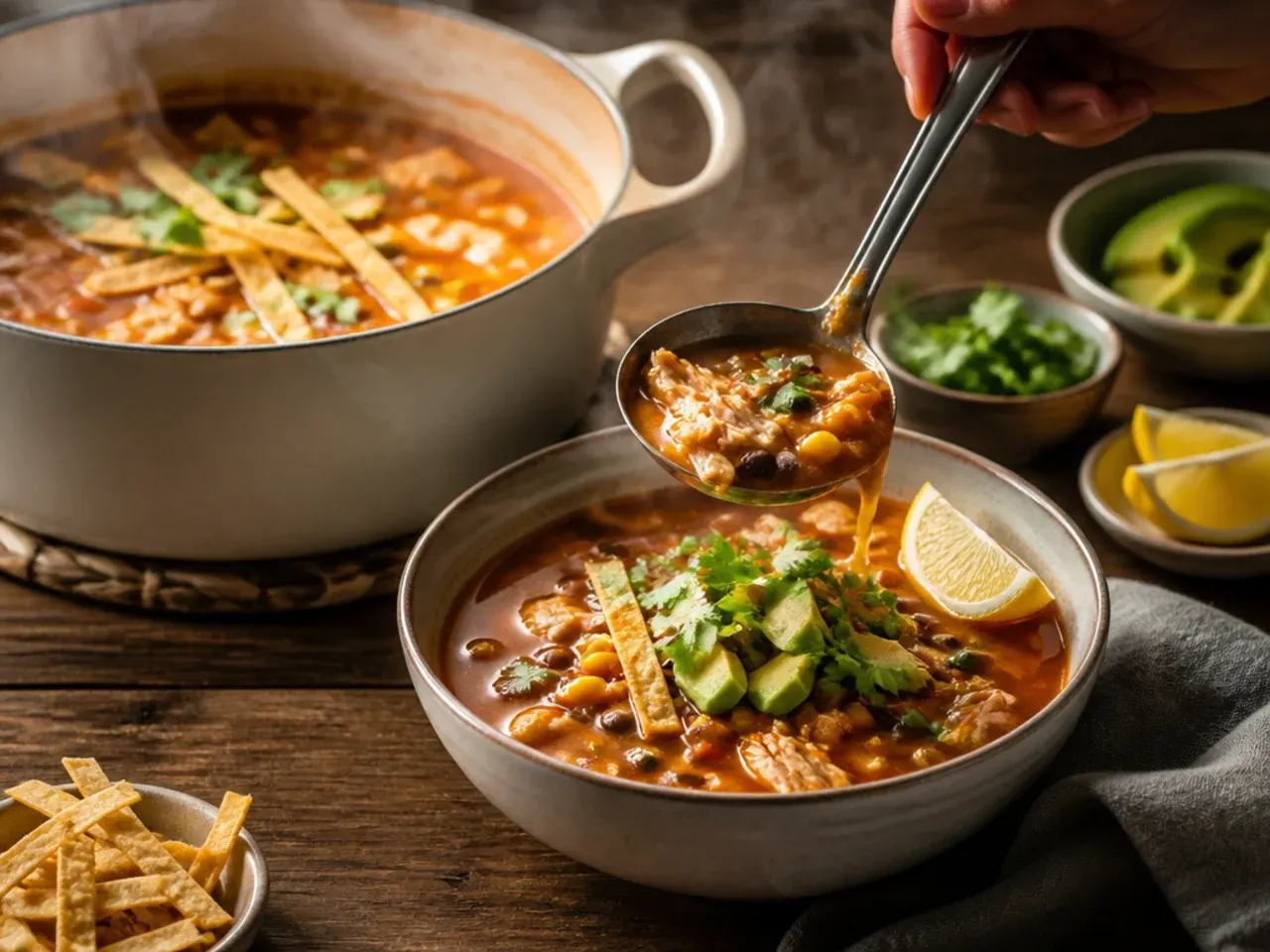
When I'm making this soup specifically for a week of lunches, I've switched from chicken breast to 450 g of boneless, skinless thighs, because breast meat turns noticeably tougher and stringier after a second and third reheat. Thighs have more fat marbled through them, so they stay tender even on day four out of the fridge. The cook time barely changes, still around 18-20 minutes at a gentle simmer to reach 74°C (165°F) internally. For a same-day dinner I still prefer breast for its cleaner flavour, but thighs win for meal prep.
Lesson 14: A Hard Boil Makes the Broth Cloudy and the Chicken Tough
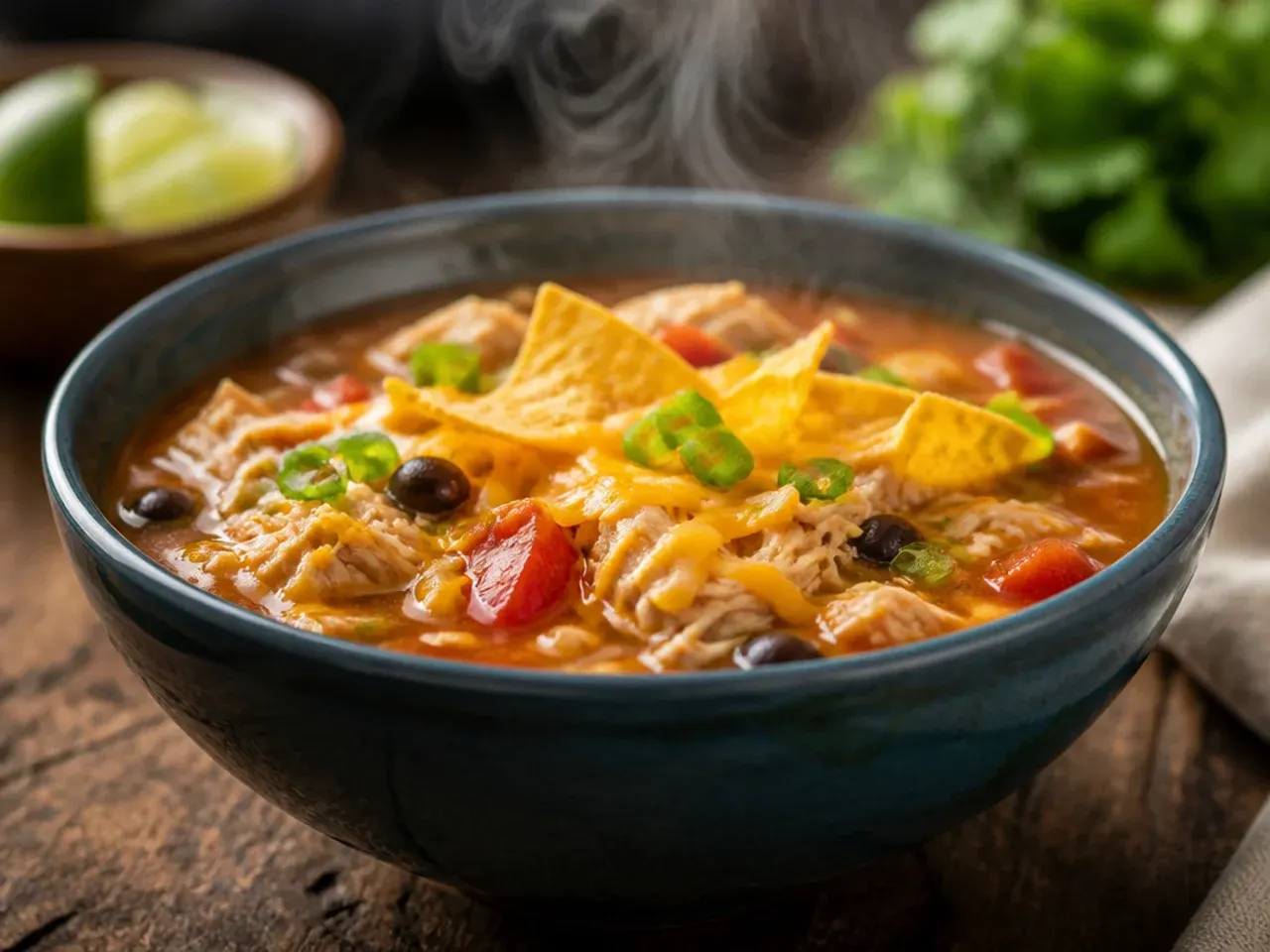
I used to crank the heat to get the soup done faster, and ended up with a cloudy, slightly greasy-looking broth and chicken that had turned rubbery on the outside before the centre was cooked. Chicken poached at a gentle simmer, small bubbles breaking the surface rather than a rolling boil, cooks more evenly and keeps the broth clear. It only adds a few extra minutes to the total cook time. Patience here pays off in both texture and how appetising the finished bowl looks.
Lesson 15: I Freeze the Base Without Avocado, Dairy or Tortilla Strips
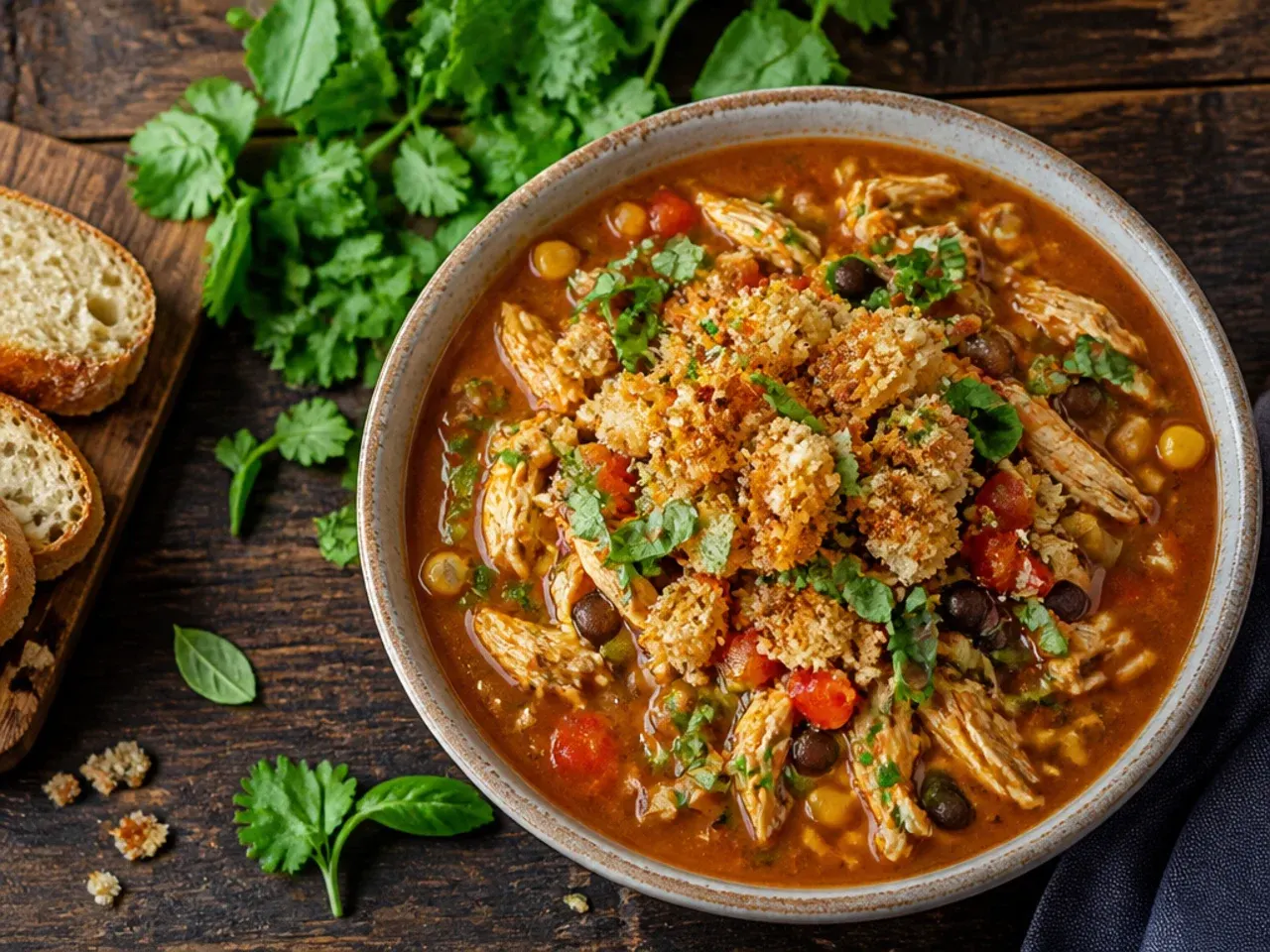
The first time I froze a full batch, garnishes and all, the avocado turned brown and mushy and the texture of the whole thing suffered after thawing. Now I only freeze the soup base, the broth, tomatoes, chicken, beans and corn, in 500 ml portions, and leave every fresh topping for the day I actually eat it. Frozen this way it keeps well for up to 3 months and tastes just as good as the day I made it. Thawing overnight in the fridge before reheating on the stove keeps the texture from separating.
Lesson 16: Reheating Gently on the Stove Beats the Microwave
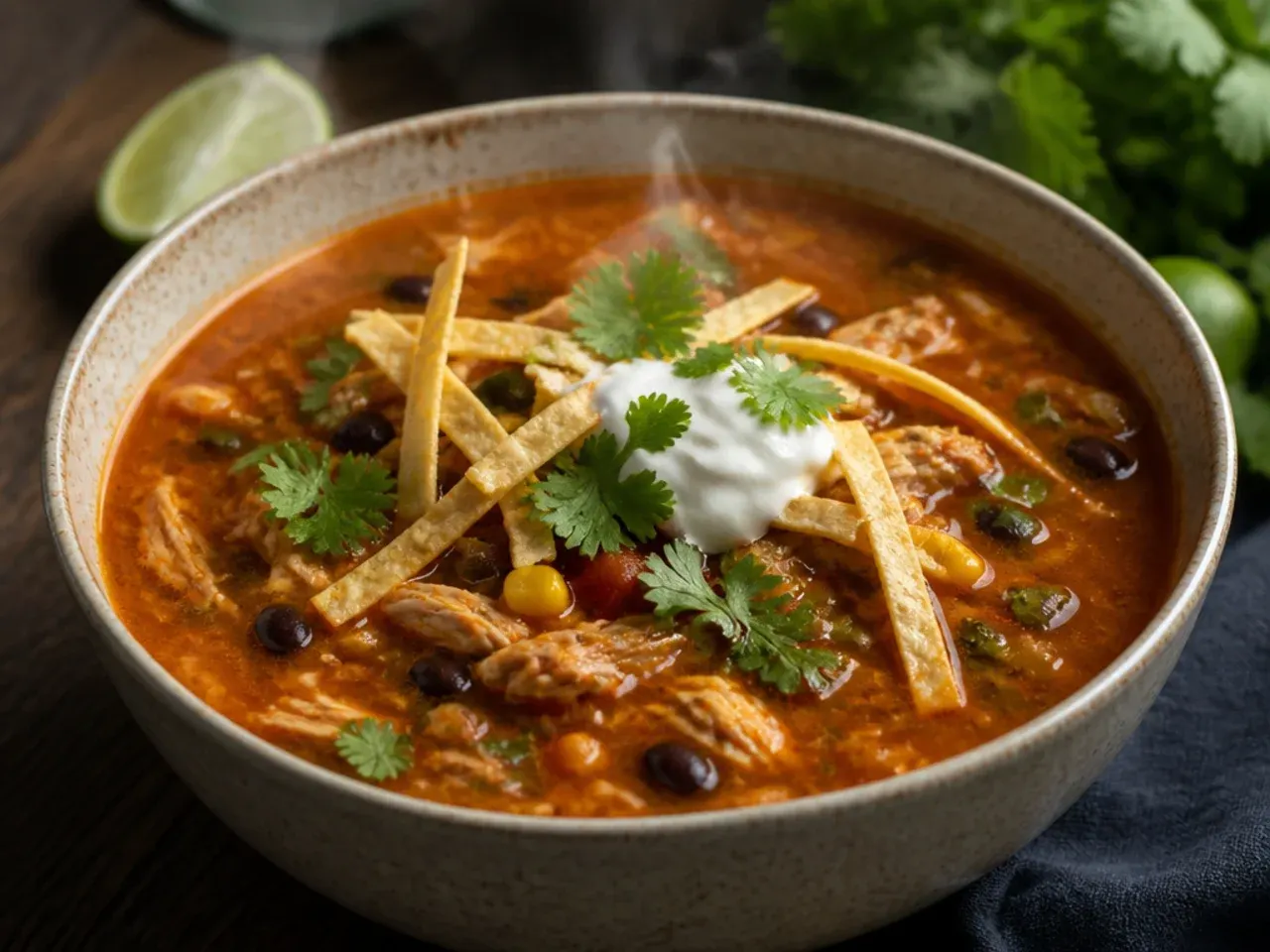
Microwaving leftover soup in short bursts always left me with a bowl that was scalding in some spots and lukewarm in others, and the chicken often turned chewy. Reheating on the stove over medium-low heat for 5-6 minutes, stirring occasionally, warms everything evenly without overcooking the chicken further. If the soup has thickened in the fridge, a splash of extra stock loosens it back to the right consistency. It takes a few extra minutes, but the texture is worth it every time.
Lesson 17: Too Many Beans Turns This Into Chilli, Not Soup
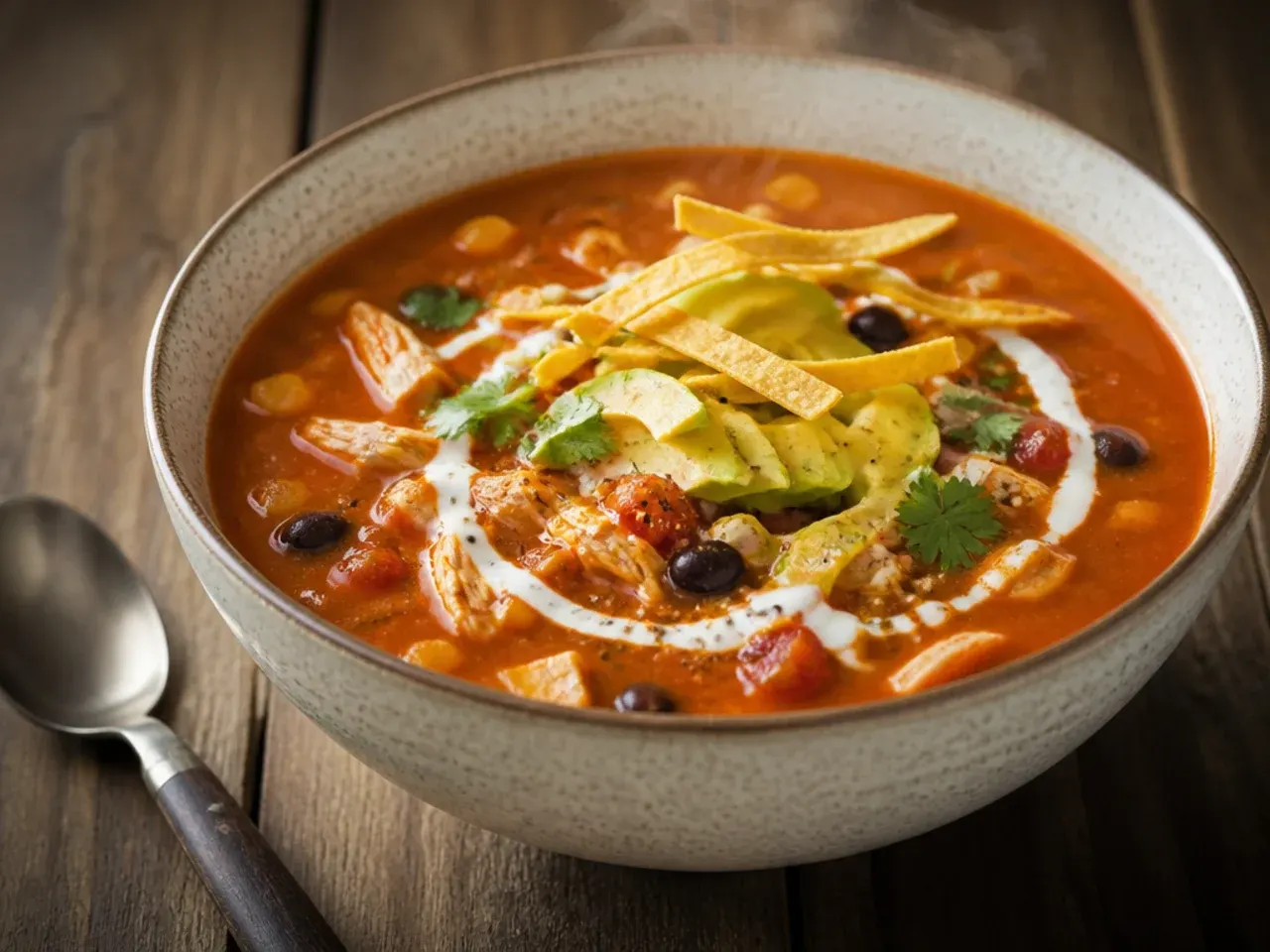
Chasing extra protein and fibre, I once doubled the black beans to nearly 850 g in one batch, and the result was closer to a chilli than a brothy tortilla soup. One standard 425 g tin, drained and rinsed, is the right amount to add heartiness without crowding out the broth. If I want more protein I add extra shredded chicken instead, which keeps the soup's identity intact. It's a reminder that healthy doesn't mean piling in more of everything.
Lesson 18: Avocado Goes on Right Before the First Bite
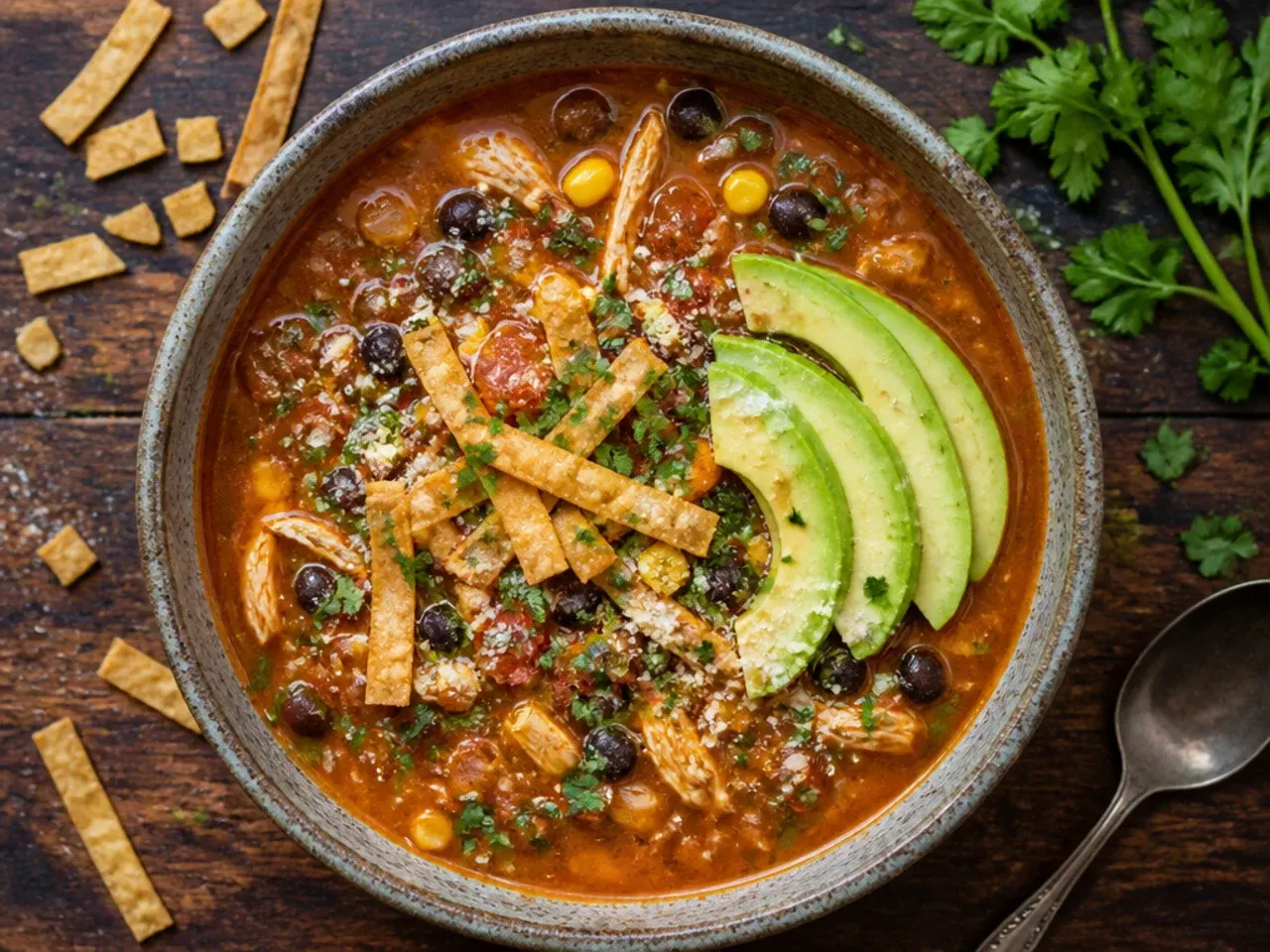
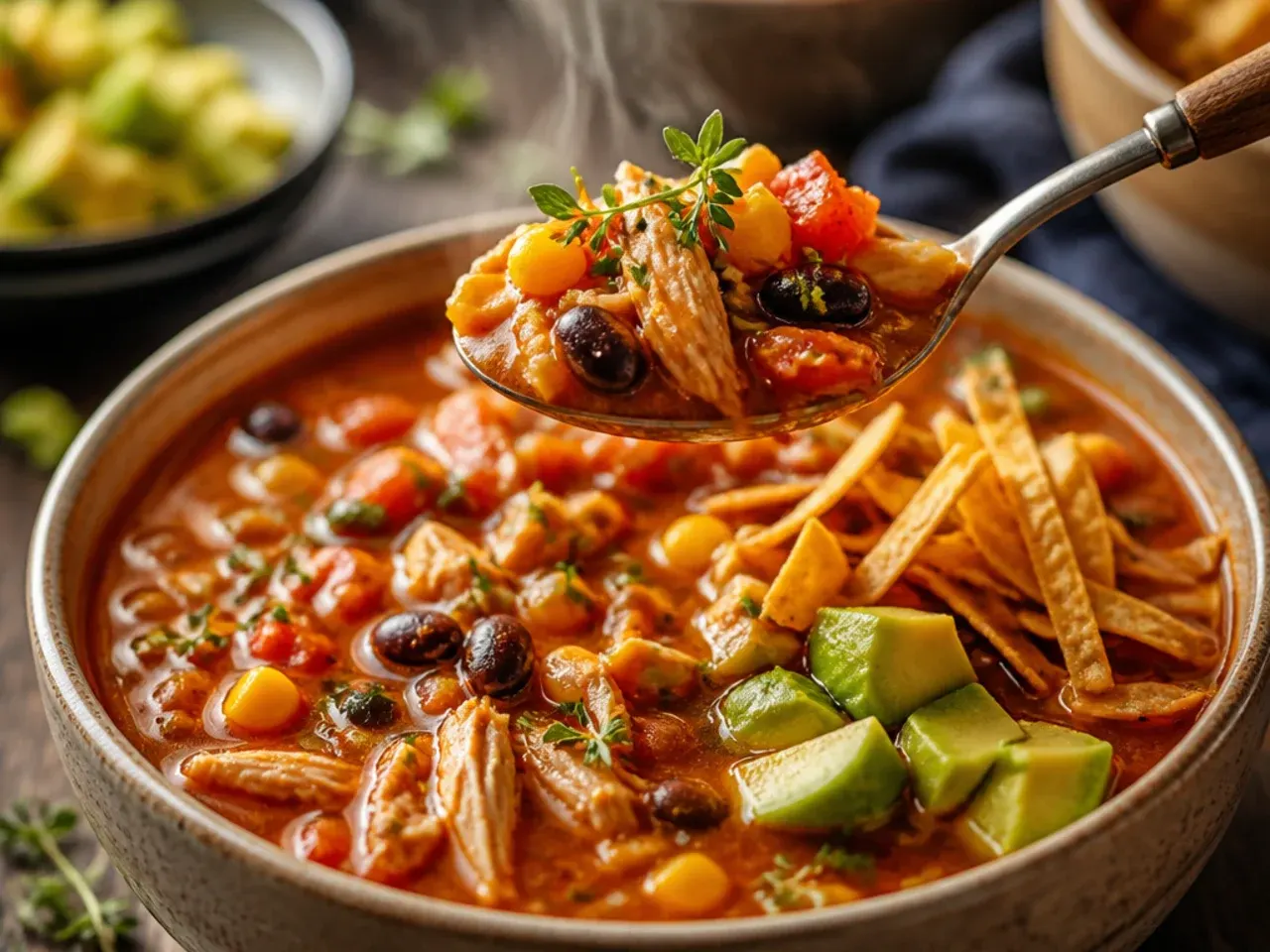
I learned the hard way that sliced avocado sitting in a hot bowl of soup for even 10 minutes starts to soften and discolour, losing the fresh contrast it's supposed to add. Now I keep avocado whole until the moment I'm ladling soup into bowls, then slice and add it last, along with the tortilla strips. That order, hot soup first, cool toppings last, keeps every texture distinct instead of everything blending into mush. It's a small sequencing change that makes a real difference to the eating experience.
Lesson 19: Layering Toppings Instead of Stirring Them In Makes Every Bite Better
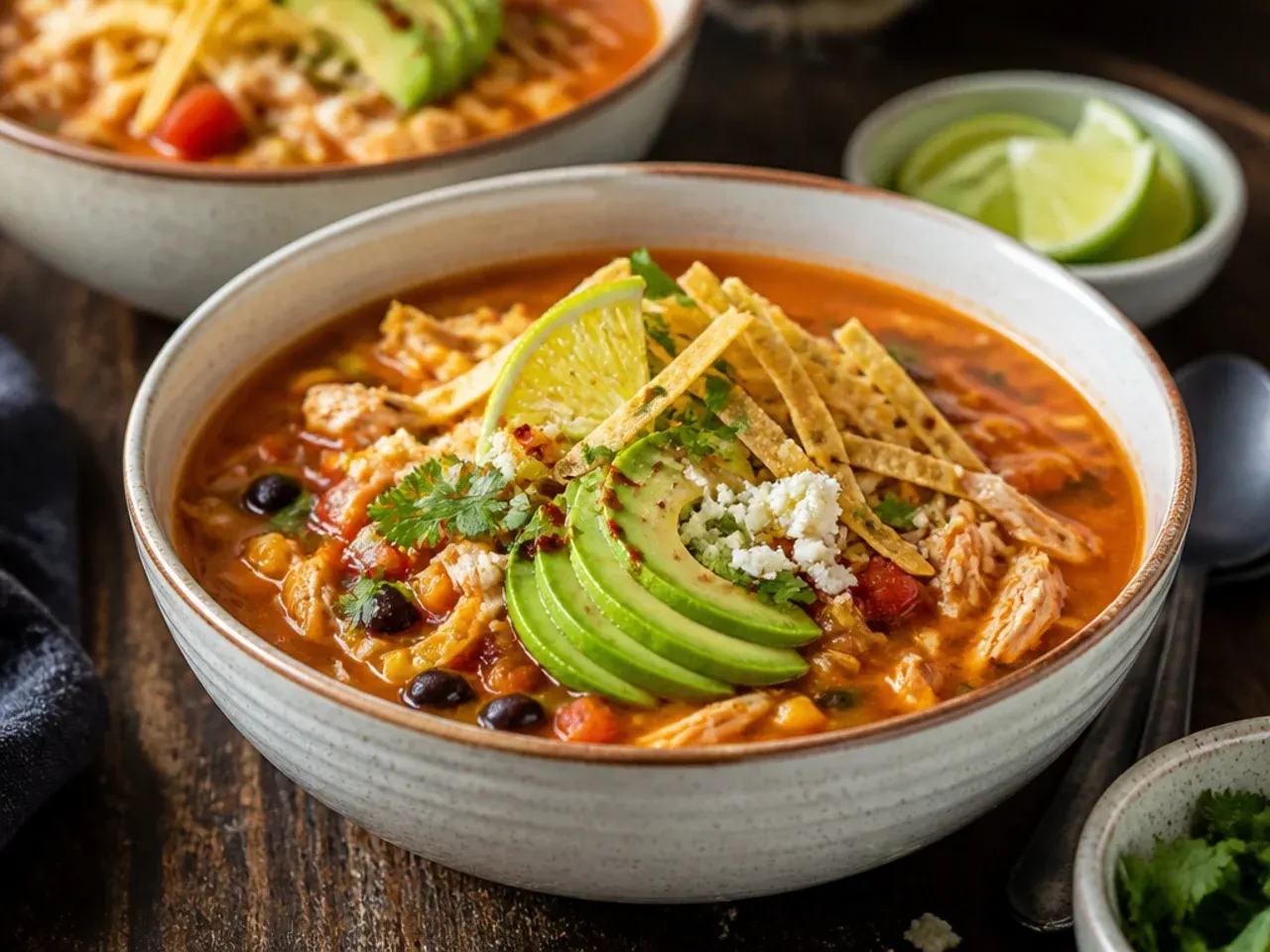
Stirring all the toppings, cheese, cilantro, tortilla strips and lime, into the pot seemed efficient, but it meant the crunch disappeared within minutes and every bowl tasted the same. Now I ladle plain soup into bowls first and let each person build their own top layer of strips, cilantro, a squeeze of lime and a few avocado slices. It keeps the textures distinct, crunchy strips against silky broth, right up until the last spoonful. It also means everyone can adjust their own heat and garnish level.
Lesson 20: Writing Down the Exact Amounts Was the Real Upgrade
For the first year of making this soup I cooked entirely by eye, which meant every batch tasted slightly different and I could never repeat the good ones on purpose. Once I started measuring, 1.2 L of stock, 450 g of chicken, 5 g of cumin, and writing it down after each attempt, the recipe finally became consistent and repeatable. That habit is honestly what turned a decent soup into one I'd confidently serve to guests. The lesson isn't really about tortilla soup at all; it's that precision is what lets you actually improve a recipe instead of just repeating the same mistakes.
What I'd Tell a Friend Trying This
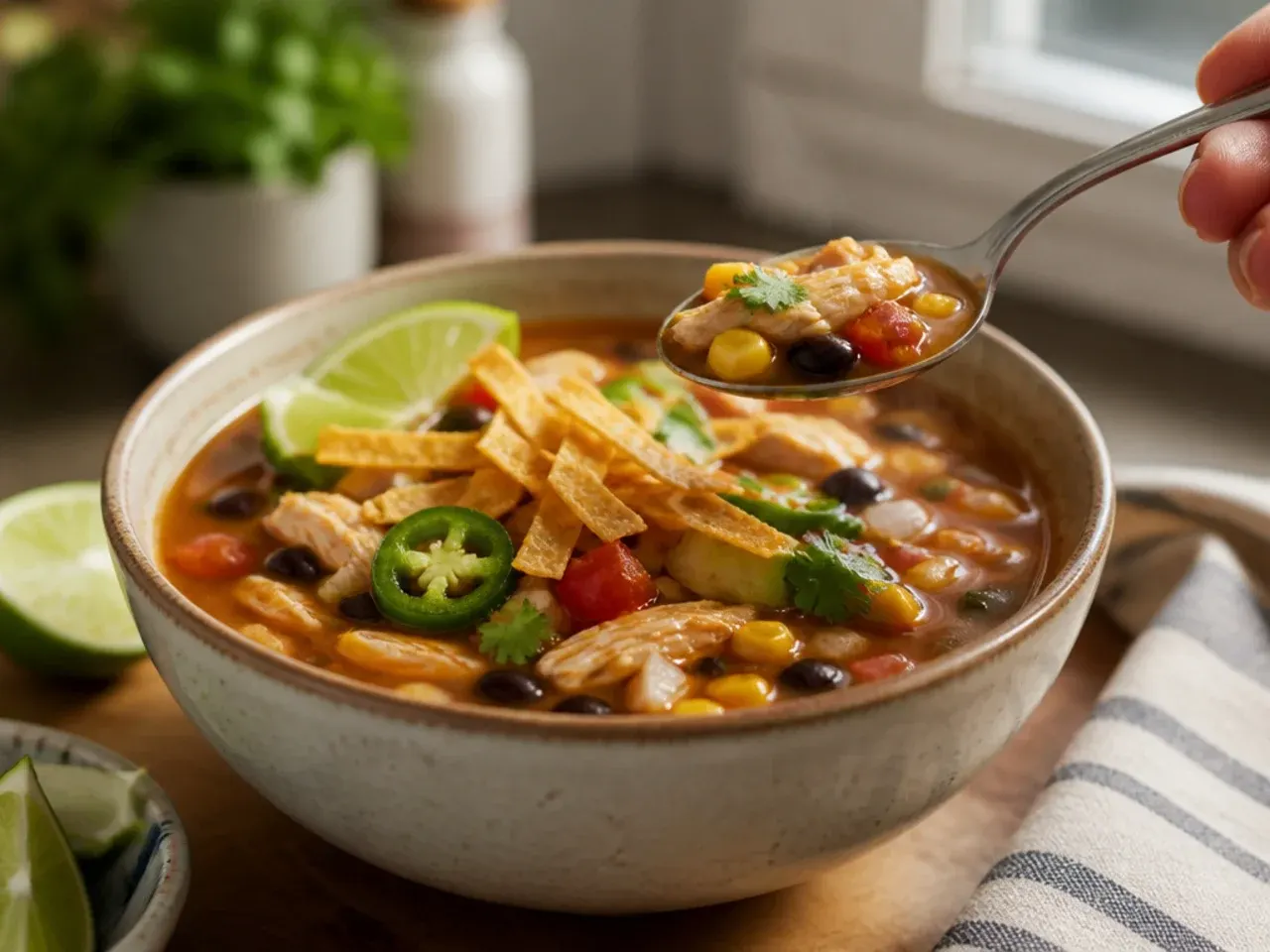
Start with fire-roasted tomatoes and low-sodium stock, bloom your cumin and chilli powder in oil before adding any liquid, and don't add the lime juice until the very last minute off the heat. Bake your tortilla strips instead of frying them, they crisp up at 200°C (400°F) in under 10 minutes, and keep them stored separately from the soup. Poach the chicken gently to 74°C (165°F) rather than boiling it hard, and taste for salt only after the beans and corn have had time to simmer in. Get those handful of details right and this healthy chicken tortilla soup will taste like it took a lot more effort than it actually did.
The Recipe
The Recipe I Used
15 min
35 min
50 min
6
Beginner
Ingredients 6 Person(s)
Directions
Step 1: Sauté the aromatics
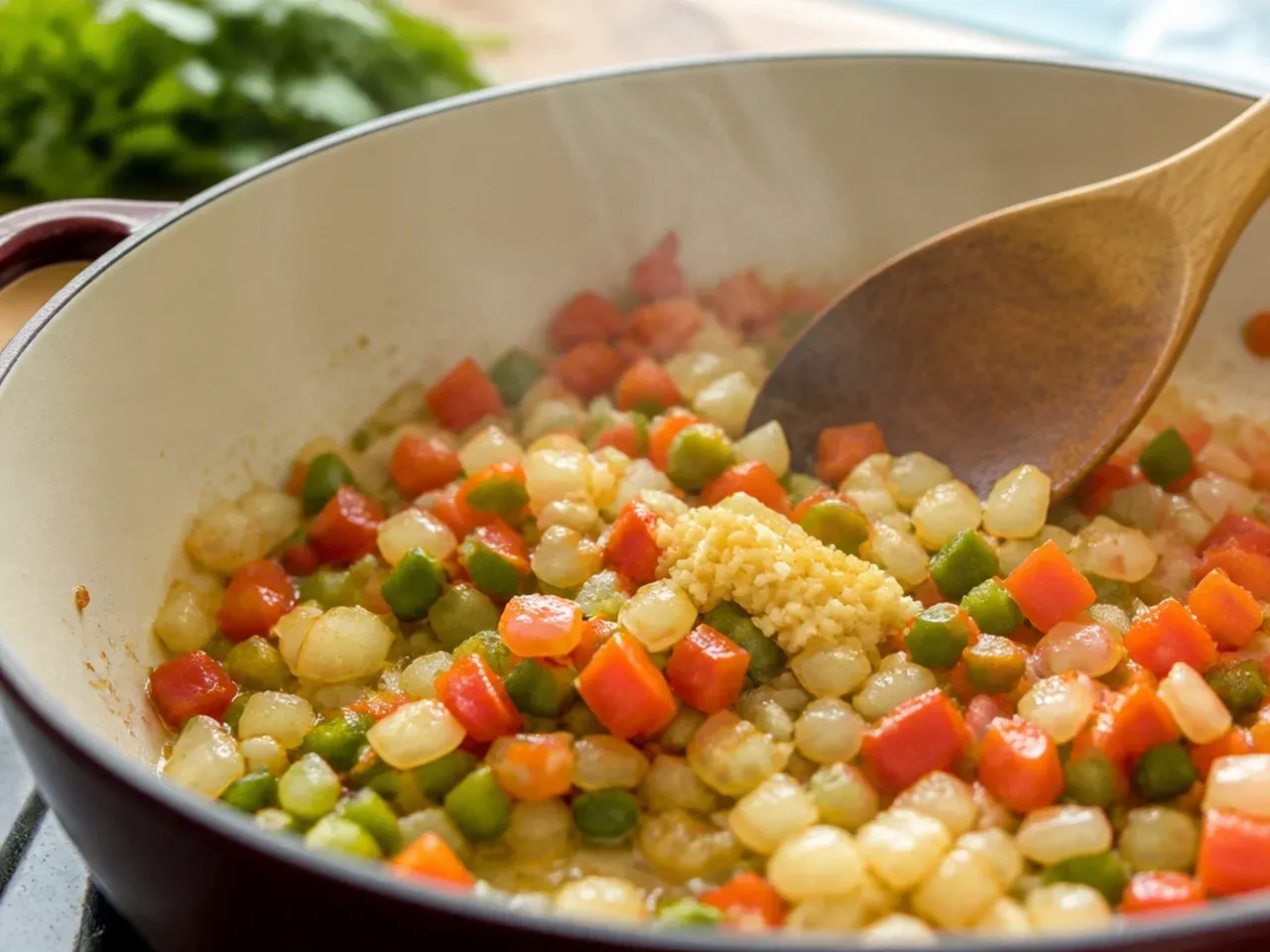
Heat 15 ml (1 tbsp) olive oil in a large pot or Dutch oven over medium heat. Add the diced onion and cook for 4-5 minutes until soft and translucent, then stir in the garlic, jalapeño and red bell pepper and cook for another 2-3 minutes until fragrant and just softened.
Step 2: Bloom the spices
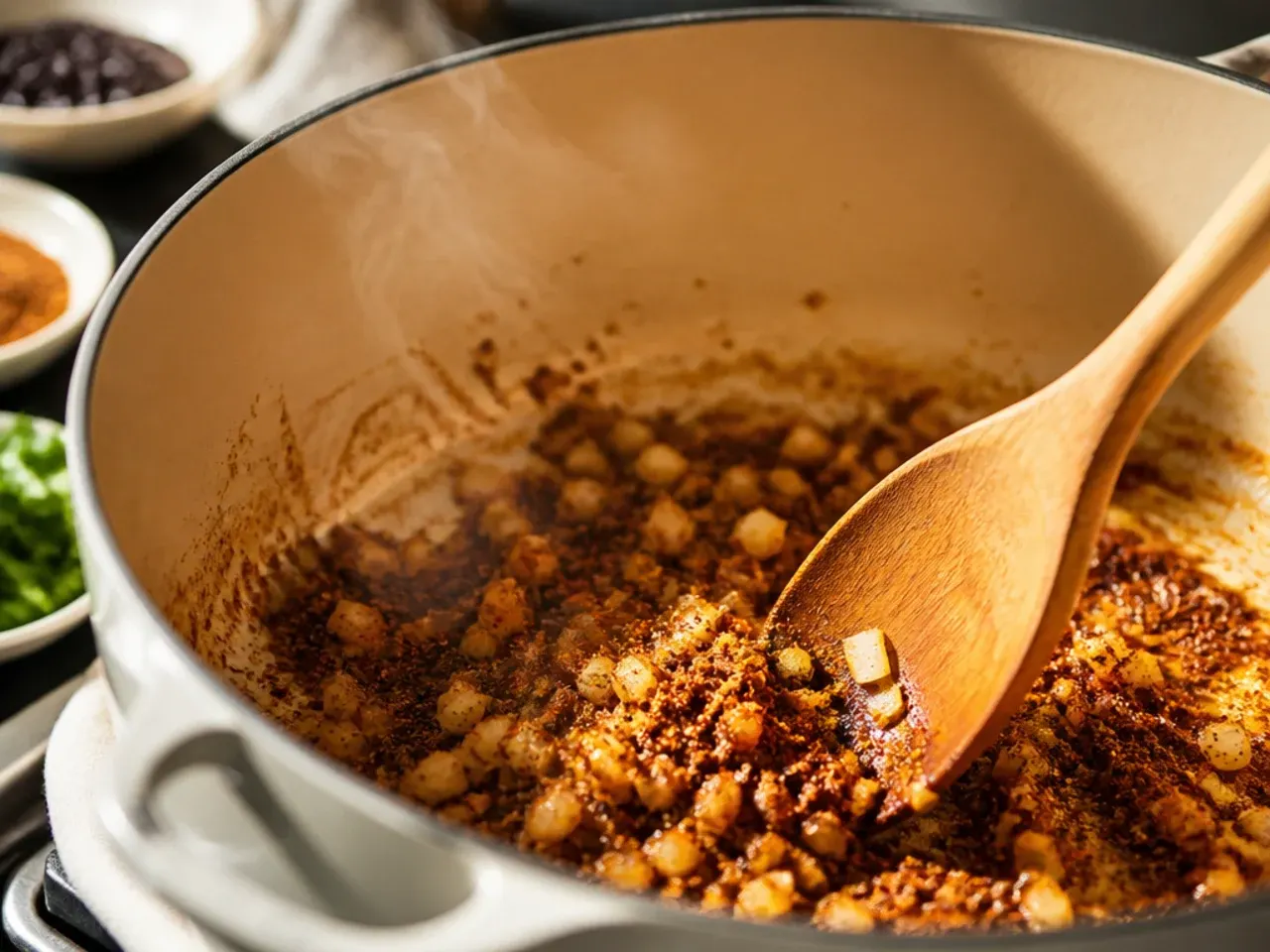
Sprinkle in the ground cumin and chilli powder and stir constantly for 30-60 seconds until the spices smell toasty rather than raw. Watch closely so they don't catch and burn on the bottom of the pot.
Step 3: Build the broth
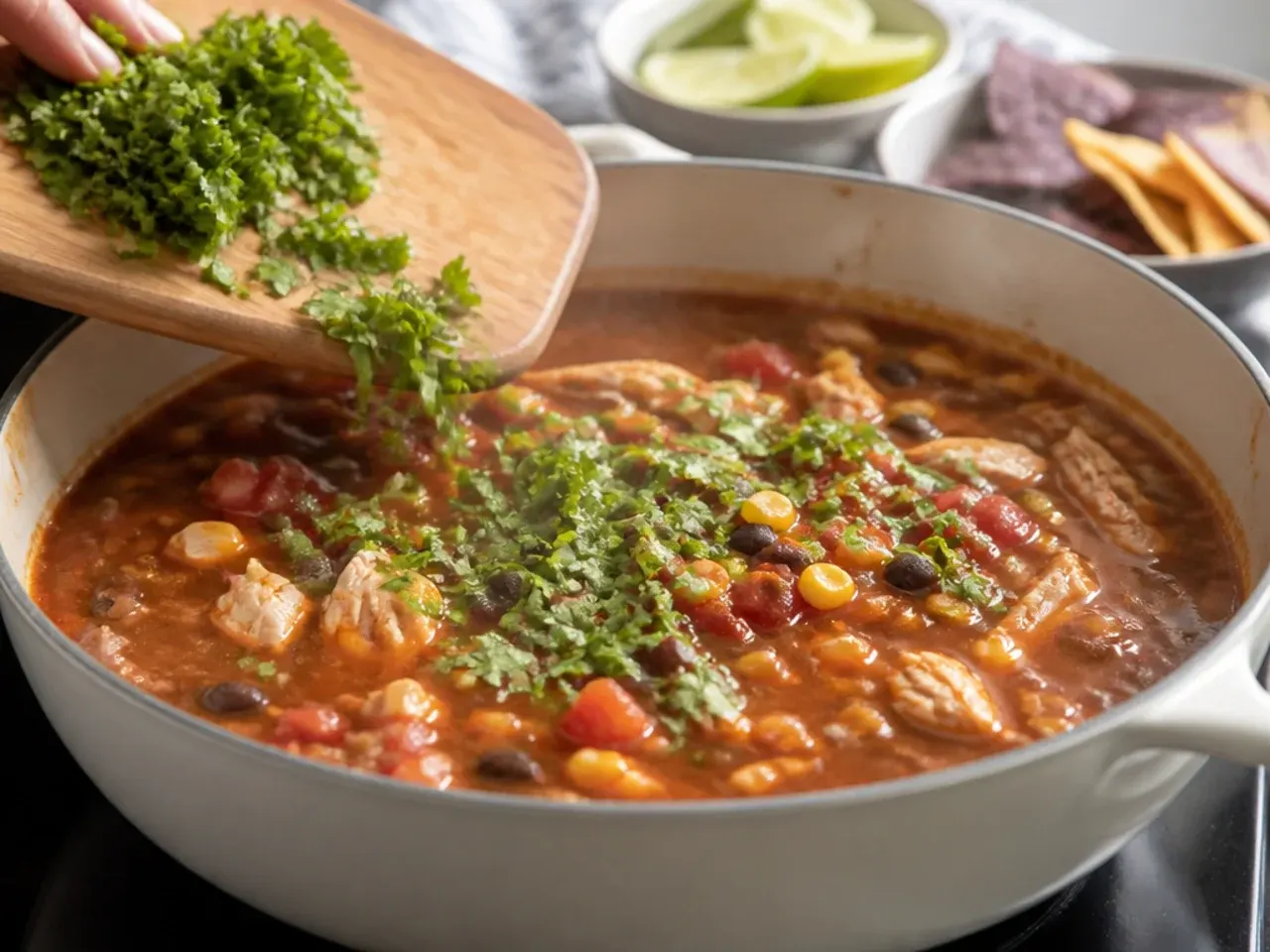
Pour in the fire-roasted tomatoes and 1.2 L (5 cups) low-sodium chicken stock, scraping up any browned bits from the bottom of the pot. Bring to a boil over high heat, then reduce to a gentle simmer.
Step 4: Poach the chicken
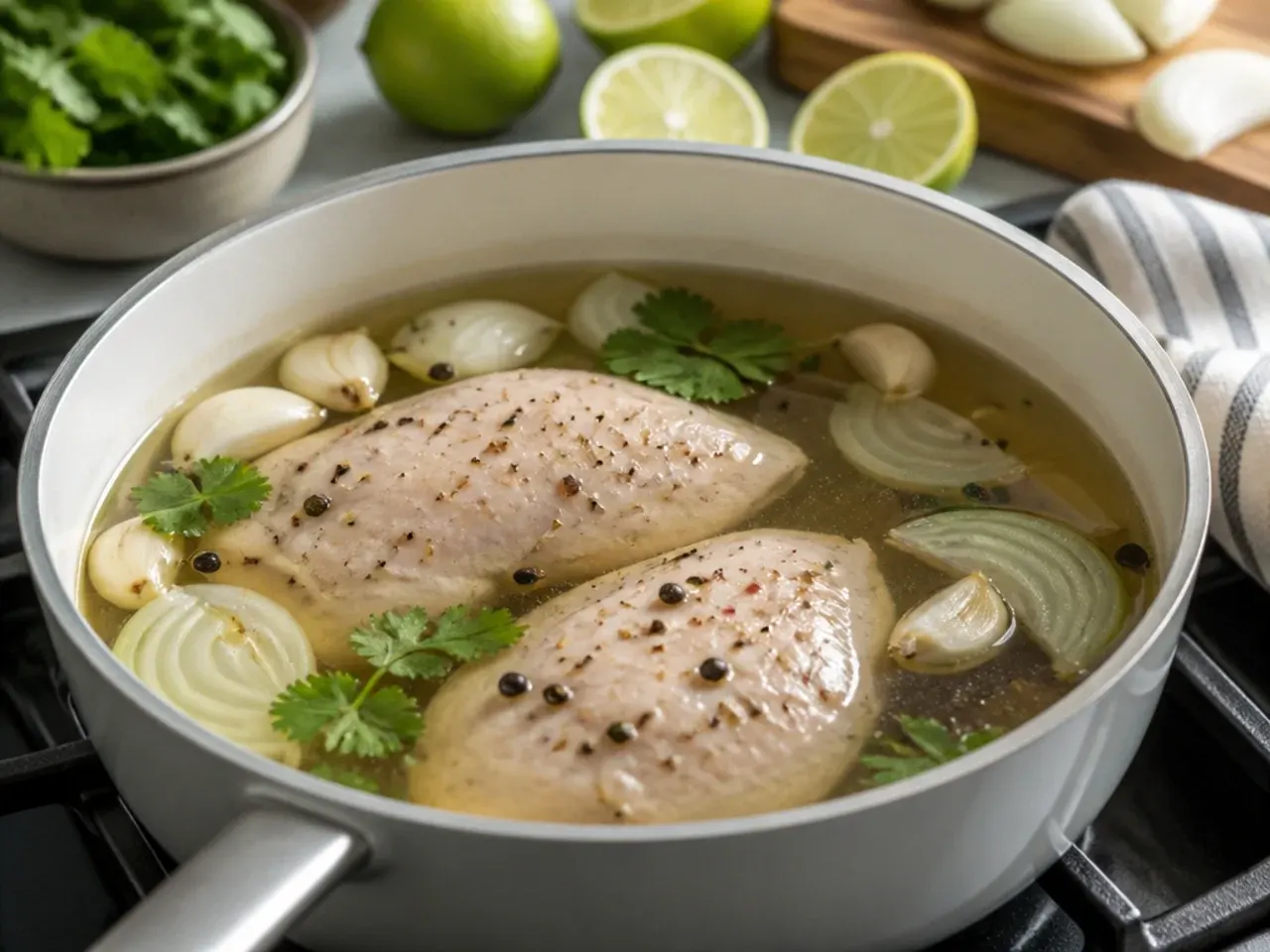
Nestle the chicken breasts into the simmering broth, cover, and poach for 18-20 minutes until the internal temperature reaches 74°C (165°F) and the meat is no longer pink in the centre. Keep the heat at a gentle simmer rather than a rolling boil so the broth stays clear.
Step 5: Shred the chicken, char the corn and blend for body
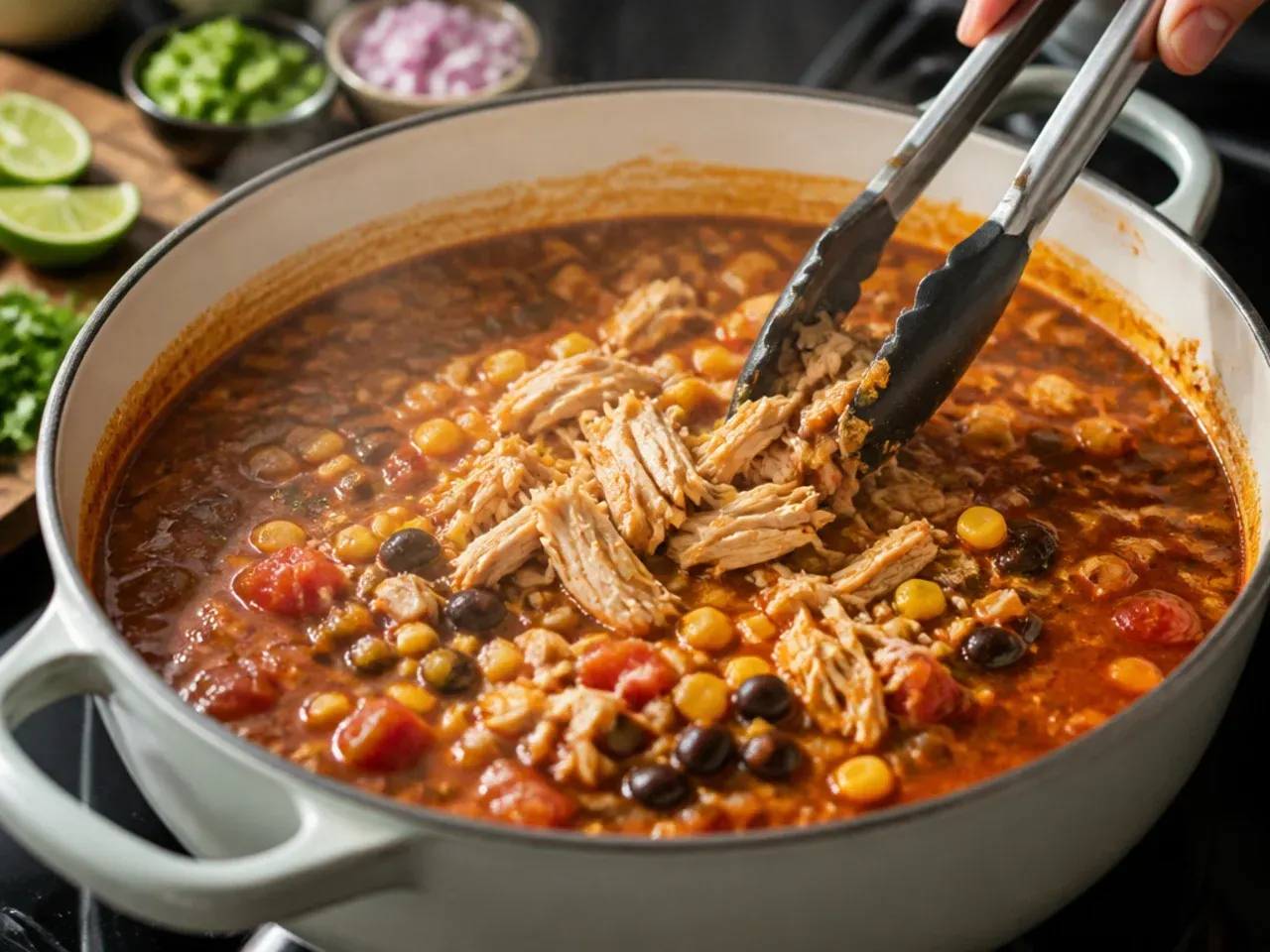
Lift the chicken onto a board and shred with two forks. Meanwhile, char the sweetcorn in a dry, hot pan for 3-4 minutes until blistered, then return the shredded chicken, charred corn and black beans to the pot. Ladle about 240 ml (1 cup) of the broth, tomatoes and beans into a blender (or use an immersion blender directly in the pot) and puree until smooth, then stir it back in to thicken the soup. Simmer uncovered for 8-10 minutes so the flavours meld and the beans warm through.
Step 6: Finish with lime and season
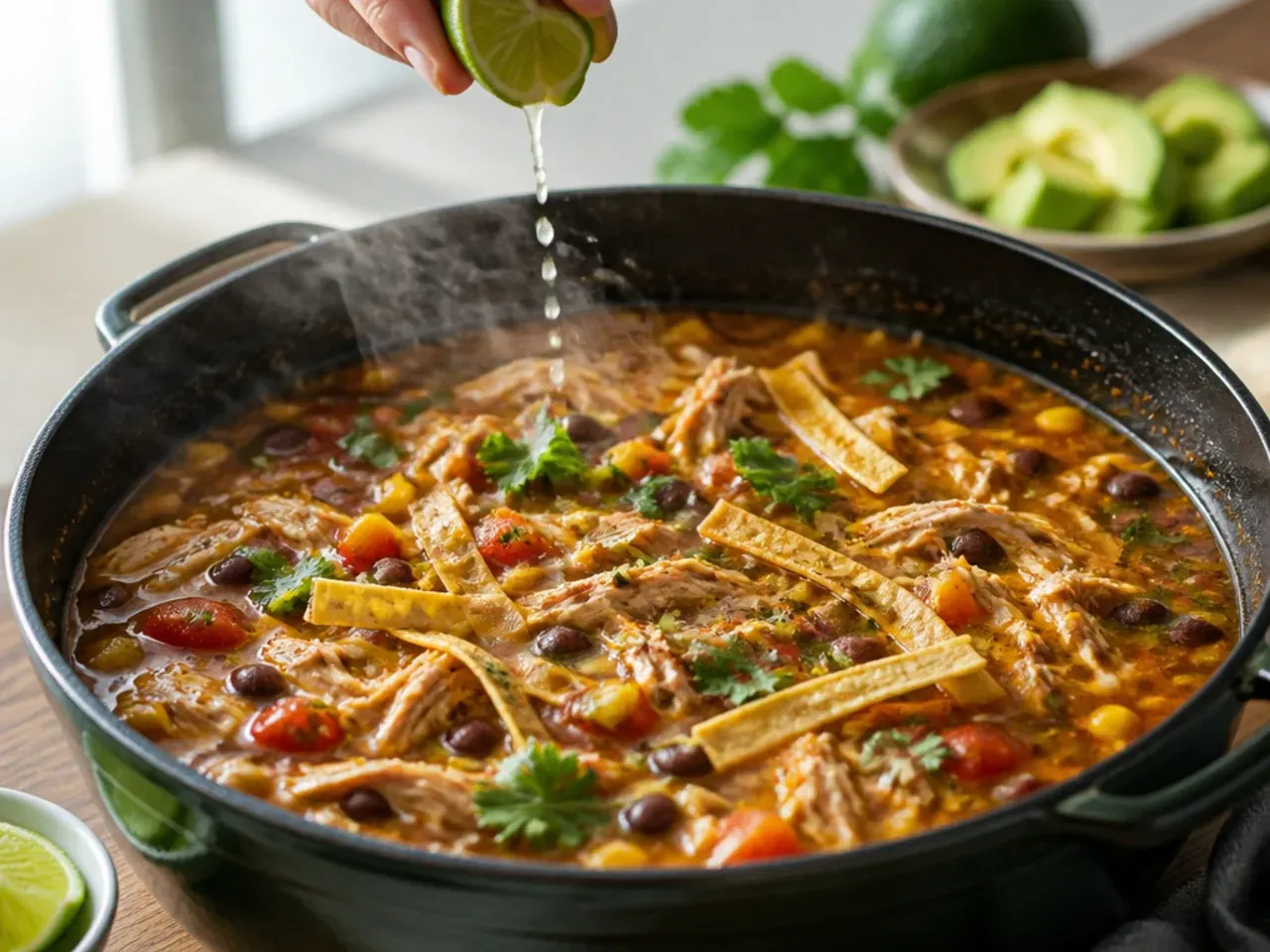
Remove the pot from the heat and stir in 30 ml (2 tbsp) fresh lime juice. Taste and season with salt and pepper as needed, remembering the stock and beans already carry some sodium.
Step 7: Crisp the tortilla strips and serve
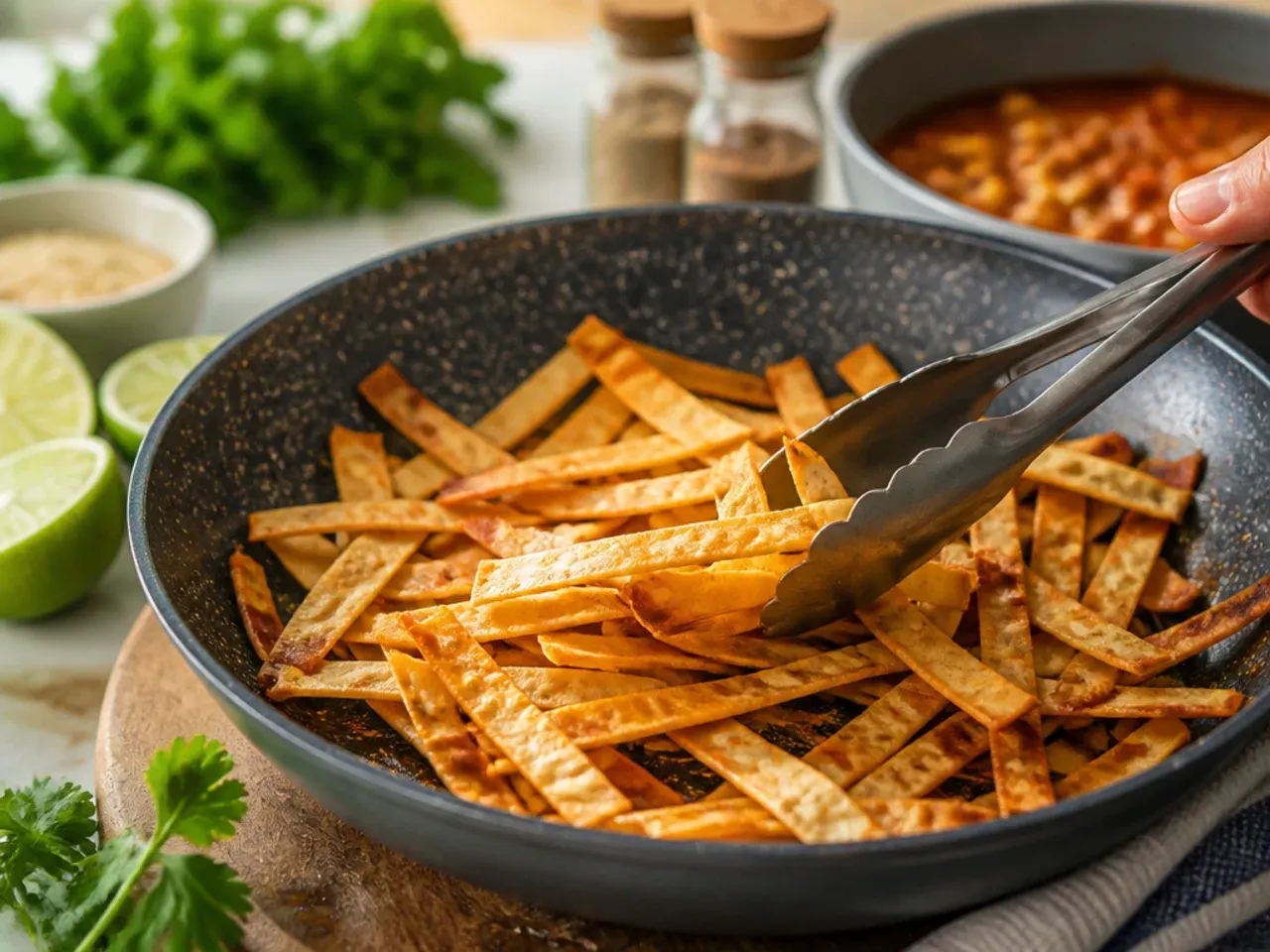
While the soup simmers, toss the tortilla strips with a light spray of oil and bake at 200°C (400°F) for 8-10 minutes, flipping halfway, until golden and crisp. Ladle the soup into bowls and top with the baked strips, along with cilantro, avocado or lime wedges as you like.
Frequently Asked Questions
Yes, the soup base freezes and reheats better than almost any other stage of the recipe. Make the broth, chicken, beans and corn up to 2 days ahead and store in the fridge, or freeze it in 500 ml portions for up to 3 months. Add fresh toppings, lime, avocado, cilantro and tortilla strips, only when you're ready to serve so they keep their texture. Reheat gently on the stove over medium-low heat rather than microwaving, so the chicken doesn't turn rubbery.
Save this for later 📌
Pin this article to your Pinterest board so the full list is one tap away when you need it.
Save on Pinterest