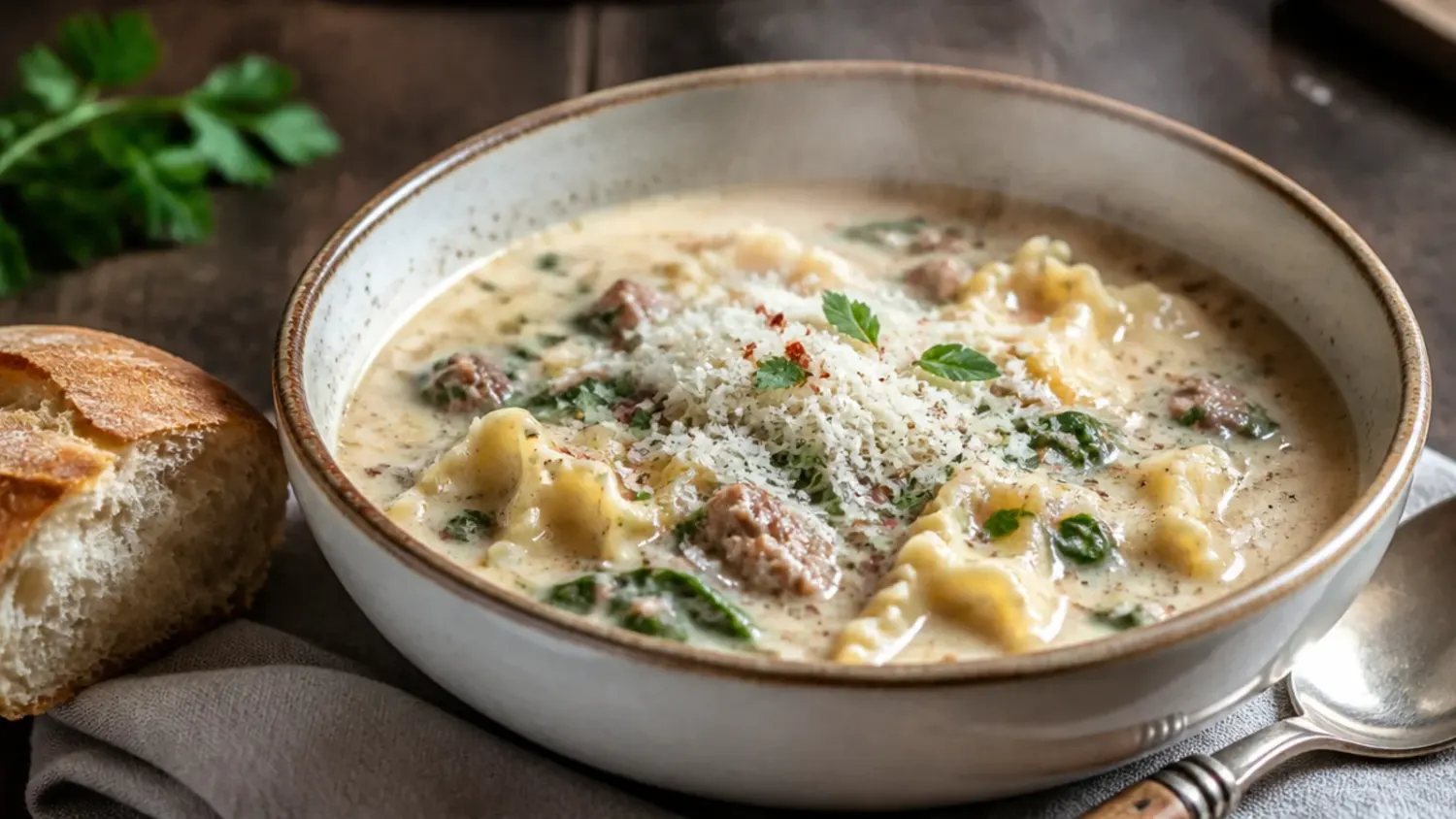
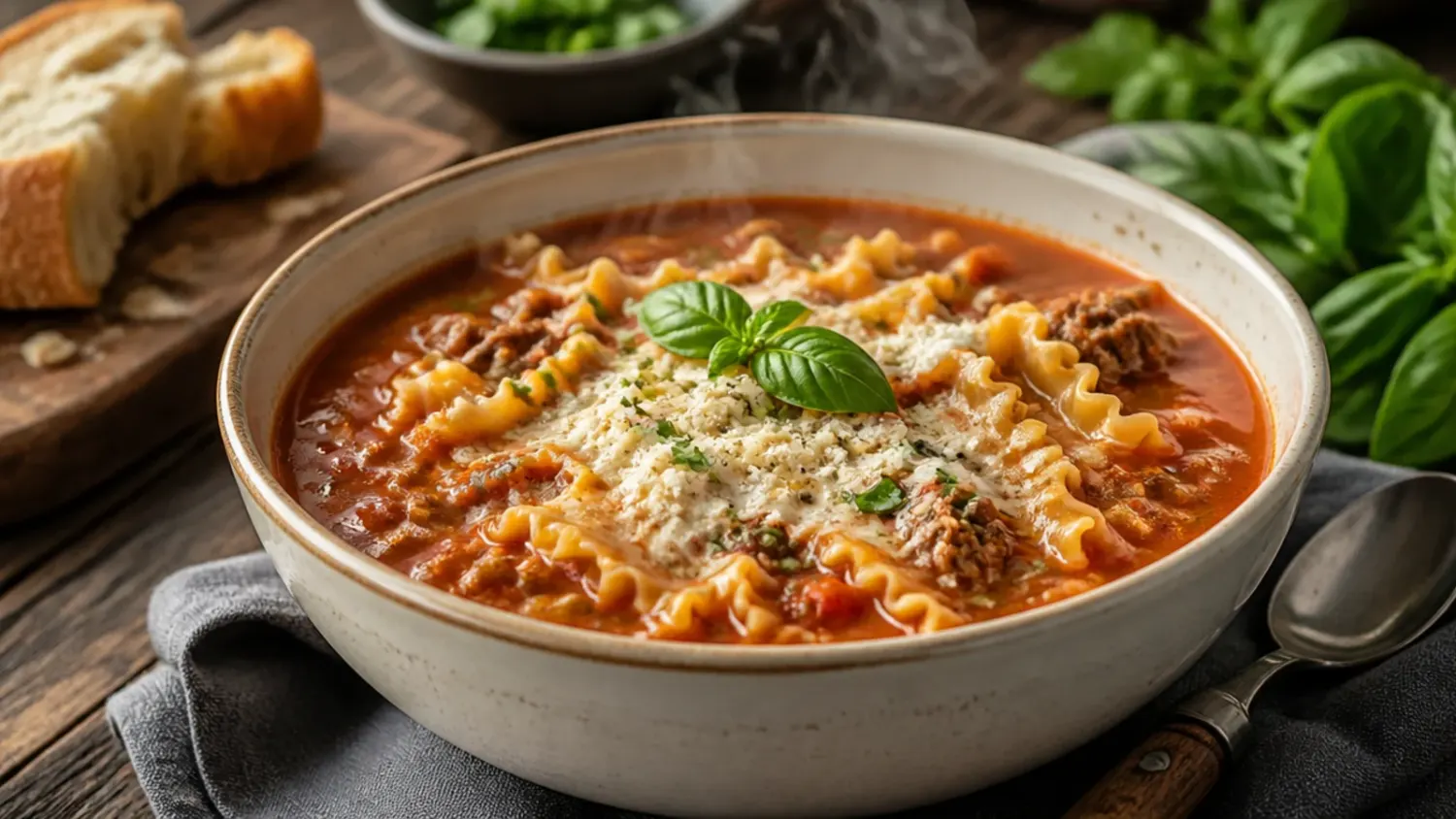
20 Lasagna Soup Recipe Tips I Wish I Knew Sooner
Twenty honest lessons from years of testing my lasagna soup recipe — what I'd fix about browning, noodles, timing and the ricotta topping. If you love lasagna soup inspiration, start with our Lasagna Soup collection, then browse the full Cozy Soups & Chili hub for more.

Save this for later 📌
Pin this article to your Pinterest board so the full list is one tap away when you need it.
Save on PinterestCozy Soups & Chili
Beginner
Kitchen Journal
7 steps
Table of Contents
- Lesson 1: Break the Noodles Before They Go In
- Lesson 2: The Timing Every Good Lasagna Soup Recipe Gets Right
- Lesson 3: Half Sausage, Half Beef Changed Everything
- Lesson 4: Don't Overcrowd the Pot When Browning
- Lesson 5: Fry the Tomato Paste Before Anything Else Goes In
- Lesson 6: Drain the Fat or You'll Regret It
- Lesson 7: Stale Dried Herbs Ruin the Broth Quietly
- Lesson 8: Never Stir the Ricotta Straight Into the Pot
- Lesson 9: Season the Broth Before You Add the Cheese
- Lesson 10: Freeze the Base, Never the Noodles
- Lesson 11: Save Extra Stock for Leftovers
- Lesson 12: Size Up Your Pot Before You Start
- Lesson 13: Skip the Bag of Pre-Shredded Mozzarella
- Lesson 14: Always Fish Out the Bay Leaf
- Lesson 15: Don't Rush the Simmer Before the Pasta Goes In
- Lesson 16: A Pressure Cooker Shortcut Isn't Worth It
- Lesson 17: Scaling Up Needs More Than Just Doubling
- Lesson 18: Fresh Basil Goes on at the Very End
- Lesson 19: The Cheese Pull Comes From Mozzarella, Not Parmesan
- Lesson 20: Taste Before You Add the Chilli Flakes
- What I'd Tell a Friend Trying This
- The Recipe I Used
Lesson 1: Break the Noodles Before They Go In
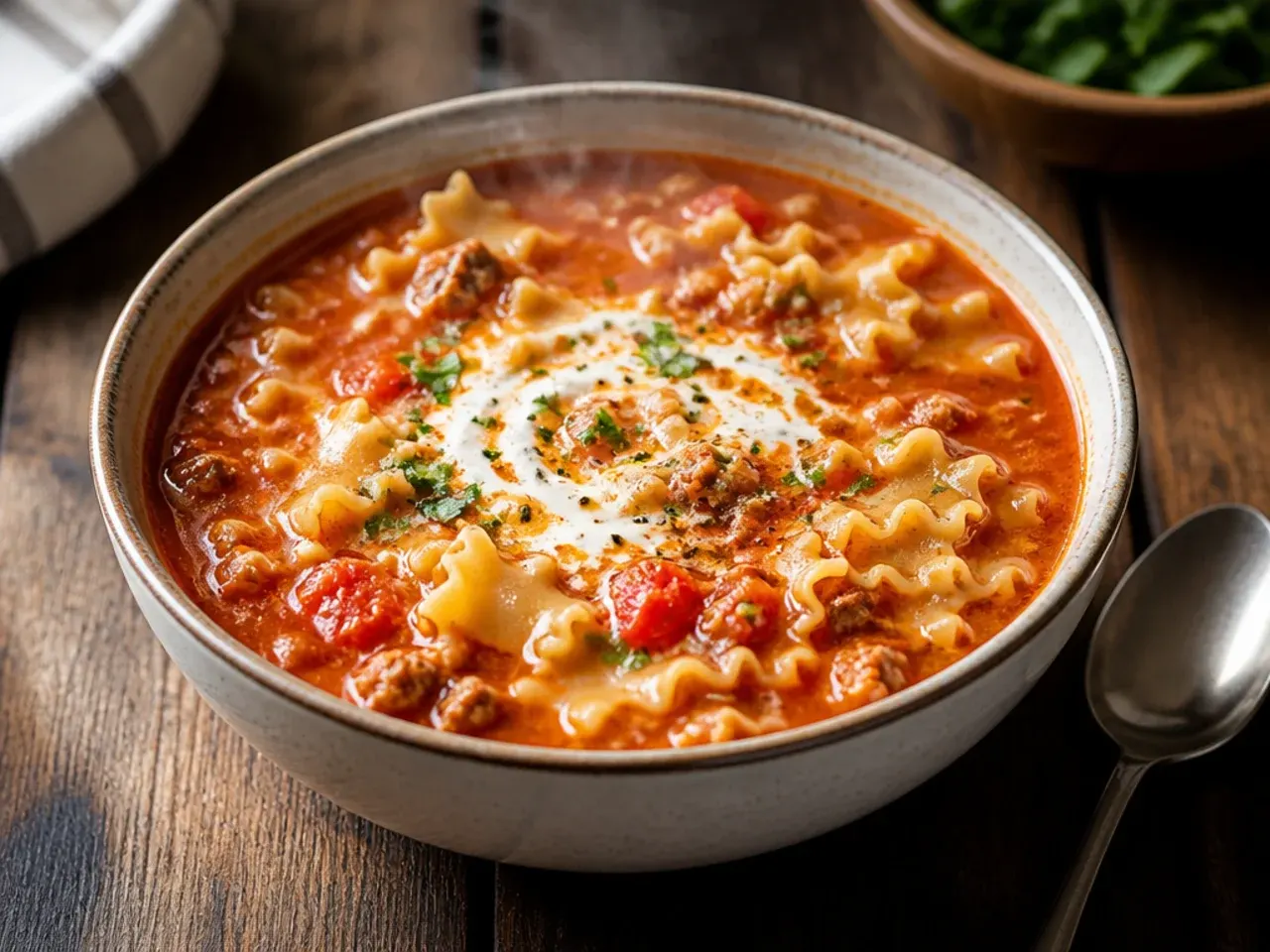
The first time I made this soup I dropped three whole lasagna sheets straight into the pot, and twenty minutes later I was cutting apart one giant, stuck-together noodle raft with kitchen scissors. Now I snap dried lasagna noodles into rough 3 cm (1 in) pieces before they touch the broth, so every ladleful gets an even mix of pasta, meat and sauce. It costs ten seconds at the chopping board and turns the soup from a wrestling match into something you can actually eat with a spoon.
Lesson 2: The Timing Every Good Lasagna Soup Recipe Gets Right
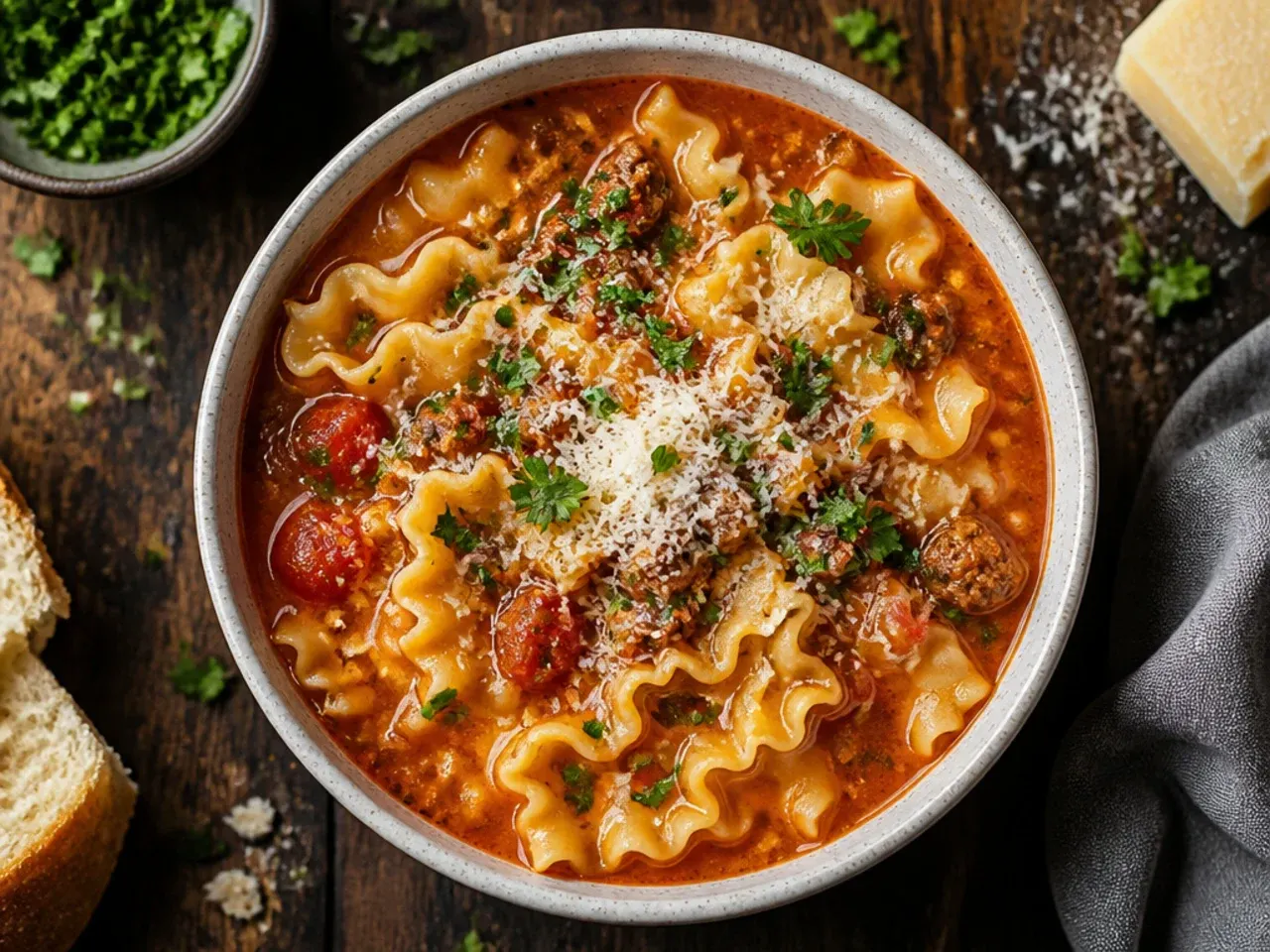
My early batches had the noodles simmering for a full 30 minutes because I stirred them in with the stock right at the start, and by serving time they'd swollen into pale, starchy mush. Getting a lasagna soup recipe right really comes down to sequencing: I build the whole broth first, then add the broken noodles for only the last 10-12 minutes of cooking. They come out with a proper bite instead of dissolving, which is the entire point of using pasta shaped like lasagna.
Lesson 3: Half Sausage, Half Beef Changed Everything
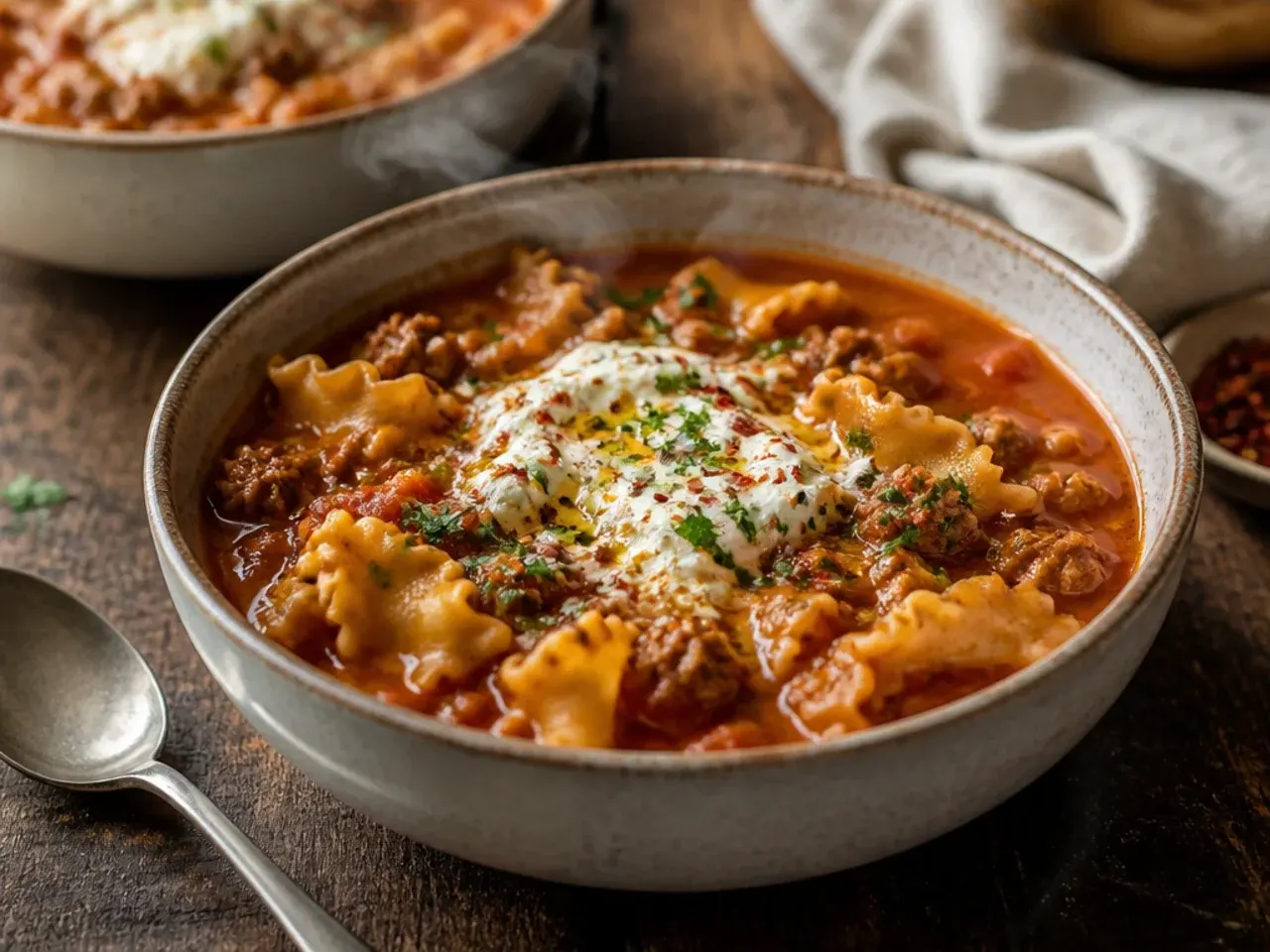
I used plain lean ground beef for the first dozen batches because I assumed it was the safe choice, but the broth tasted flat and closer to a bolognese than a lasagna. Swapping half the meat for mild Italian sausage, casings removed, brought back the fennel and garlic notes that actually taste like lasagna filling. Now I never make it without at least some sausage in the mix.
Lesson 4: Don't Overcrowd the Pot When Browning
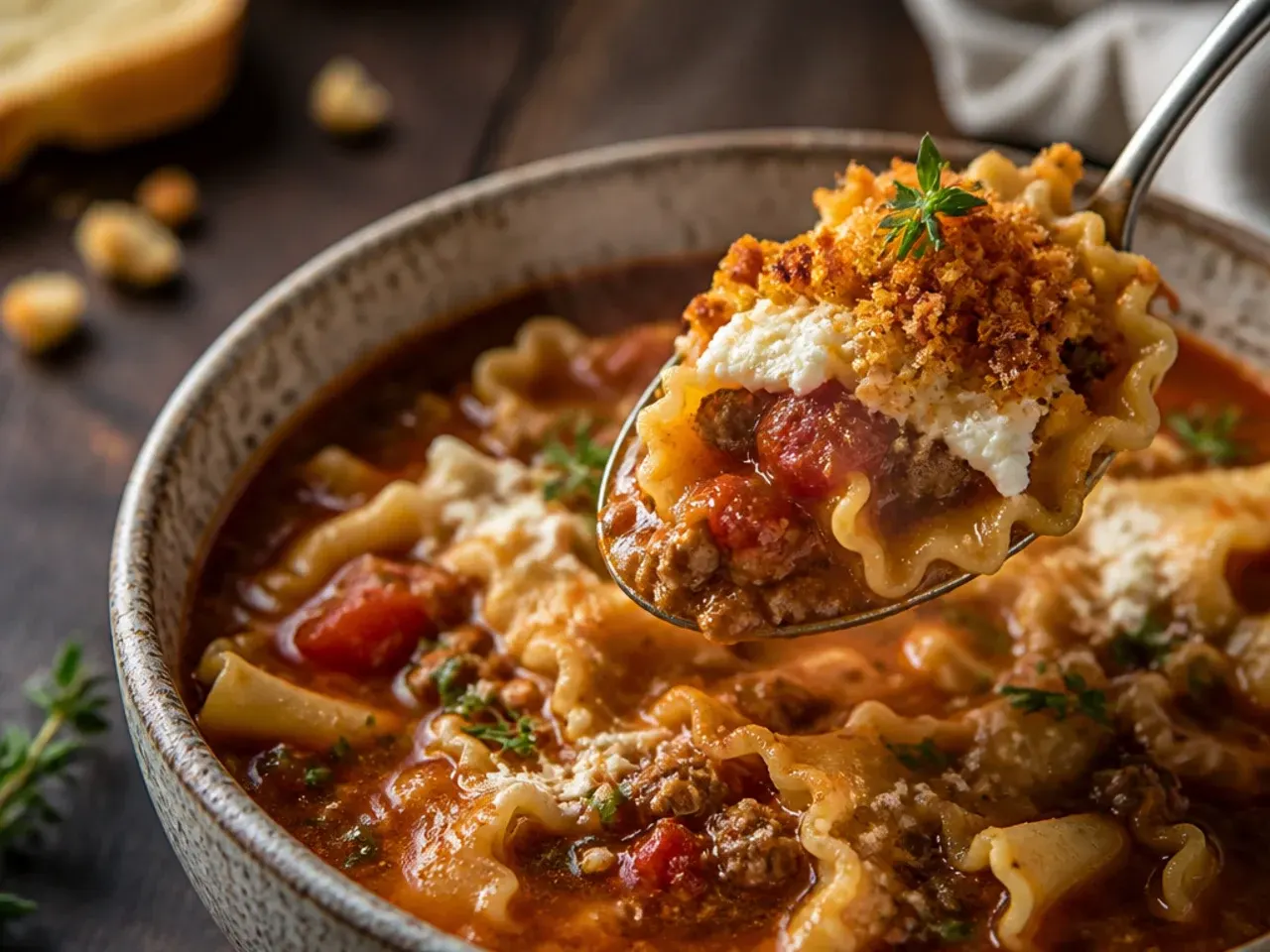
I used to dump all the meat into a narrow saucepan at once, and it steamed grey instead of browning, which left the whole soup tasting one-dimensional. Switching to a wide 6-litre Dutch oven gave the meat room to actually crisp at the edges, and that caramelisation is what gives the finished broth its depth. If your pot is crowded, the meat is boiling, not browning, and you'll taste the difference by the last spoonful.
Lesson 5: Fry the Tomato Paste Before Anything Else Goes In
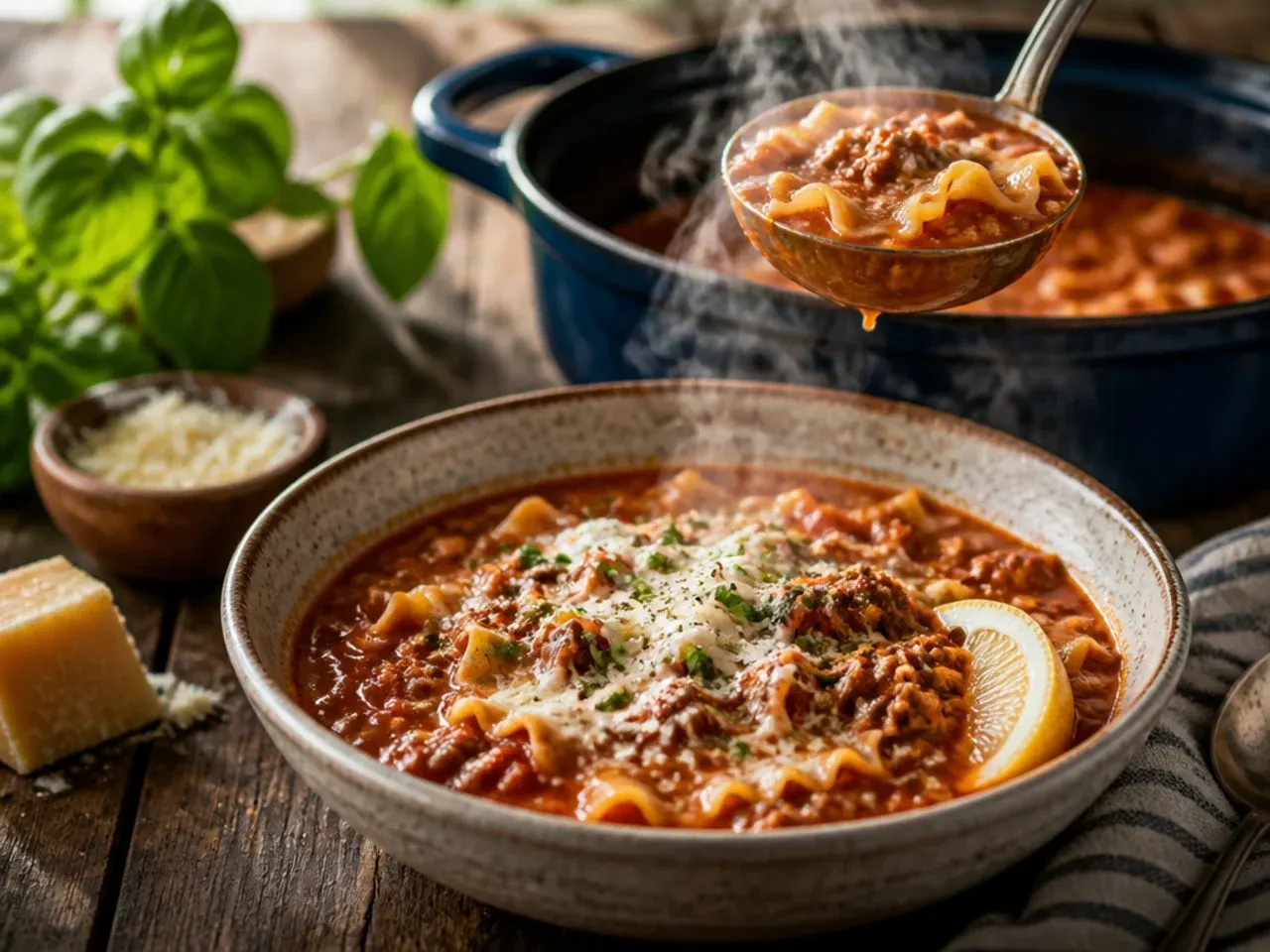
For ages I stirred the tomato paste in with the crushed tomatoes and stock all at once, and the sauce tasted raw and slightly sour no matter how long it simmered. Now I fry the tomato paste alone in the fond left by the meat for about 90 seconds, until it darkens and smells sweet, before building the rest of the soup around it. That one step does more for flavour than any extra herb I've ever added.
Lesson 6: Drain the Fat or You'll Regret It
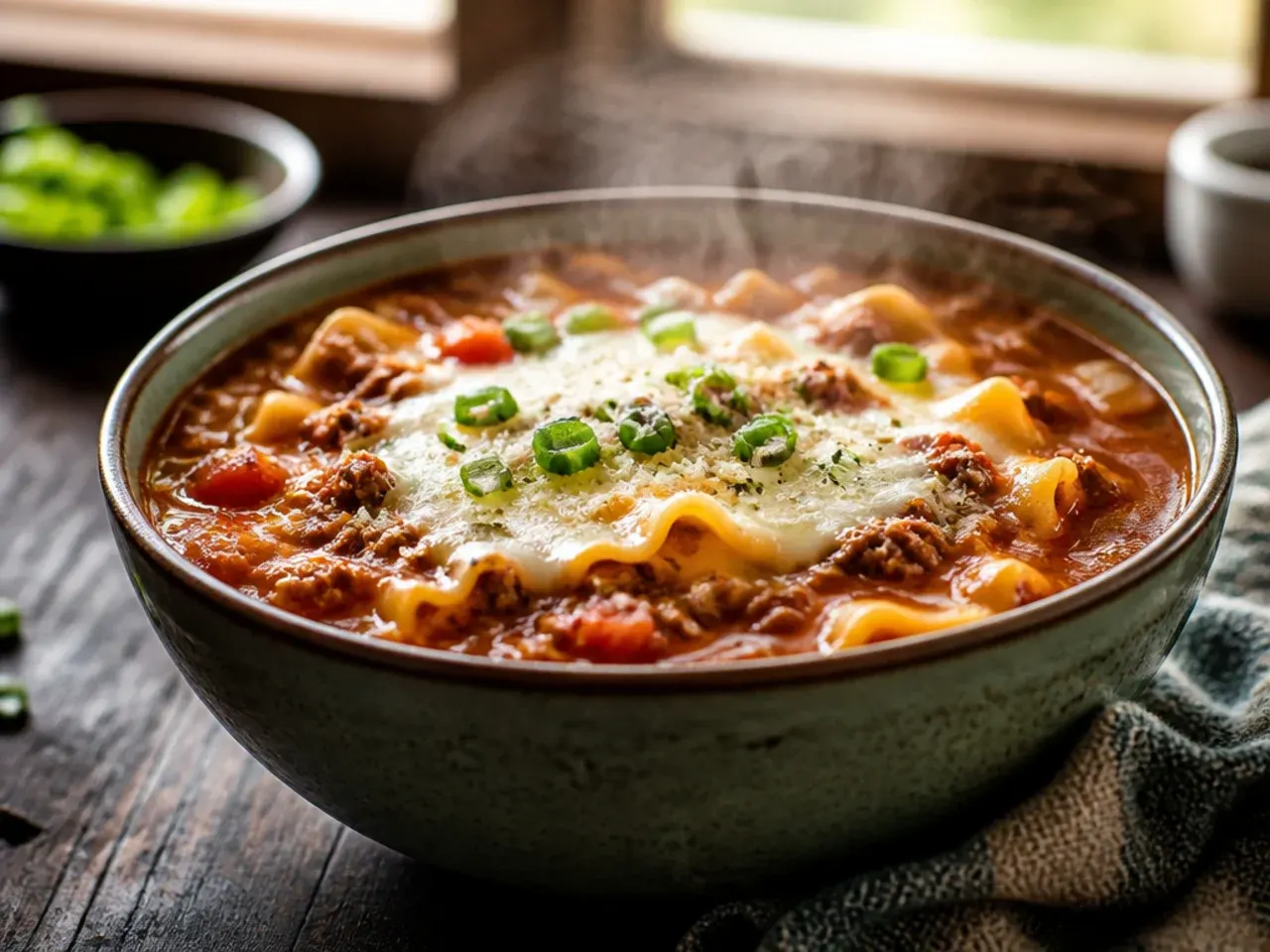
After browning a full 450 g (1 lb) of meat I used to leave every drop of rendered fat in the pot, which left an oily film pooling on top of every bowl. I now tip the pot slightly and spoon off the excess before adding the onion, leaving just enough to sauté in. The soup still tastes rich, it's just rich from cheese and broth rather than a slick of grease.
Lesson 7: Stale Dried Herbs Ruin the Broth Quietly
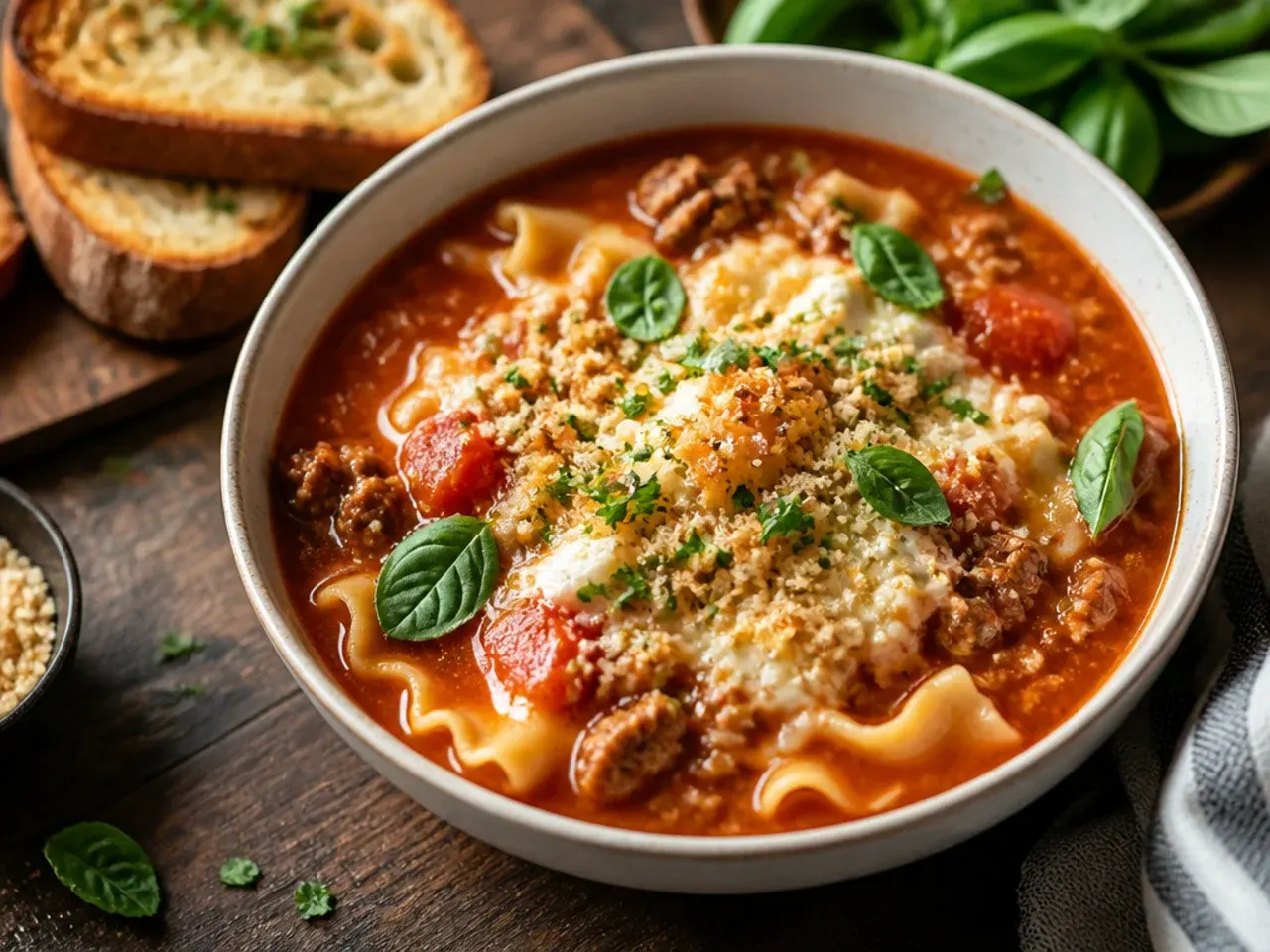
I kept using the same jar of Italian seasoning for over a year without noticing it had gone flavourless, and I couldn't work out why my soup tasted dull even with good tomatoes. Dried herbs lose their punch within about six months, so now I crush a pinch between my fingers before using it — if I can't smell oregano and basil immediately, it goes in the bin. Fresh seasoning made a bigger difference to the final flavour than any extra ingredient I tried adding.
Lesson 8: Never Stir the Ricotta Straight Into the Pot
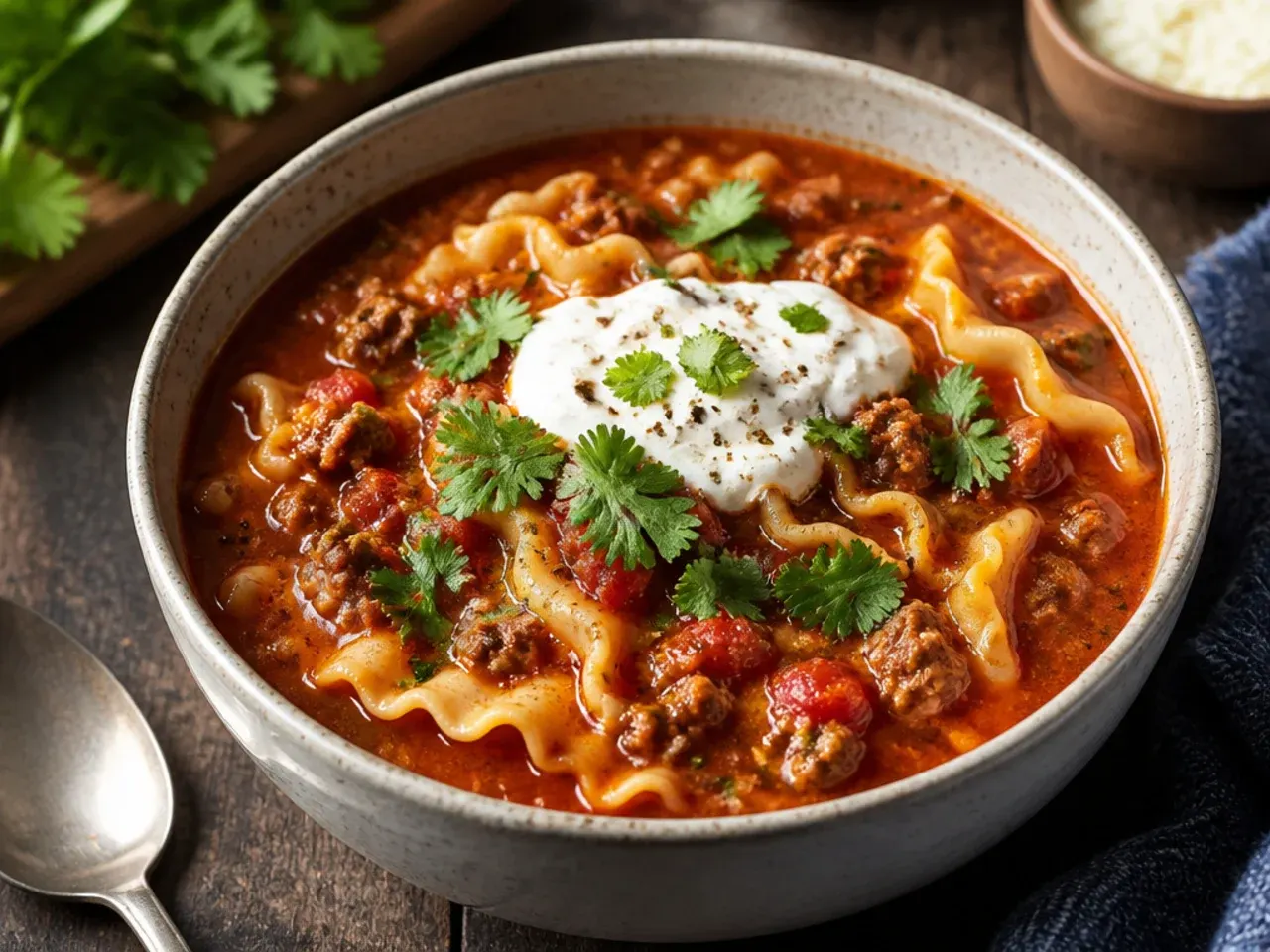
The first time I stirred a full tub of ricotta directly into the hot soup, it split into grainy little curds and looked more like cottage cheese than lasagna filling. Ricotta needs gentle heat, not a rolling simmer, so now I mix 250 g (1 cup) of it with a little parmesan and black pepper in a separate bowl and dollop a spoonful onto each bowl at the table instead. It stays creamy, looks like an actual lasagna layer, and everyone can add as much or as little as they want.
Lesson 9: Season the Broth Before You Add the Cheese
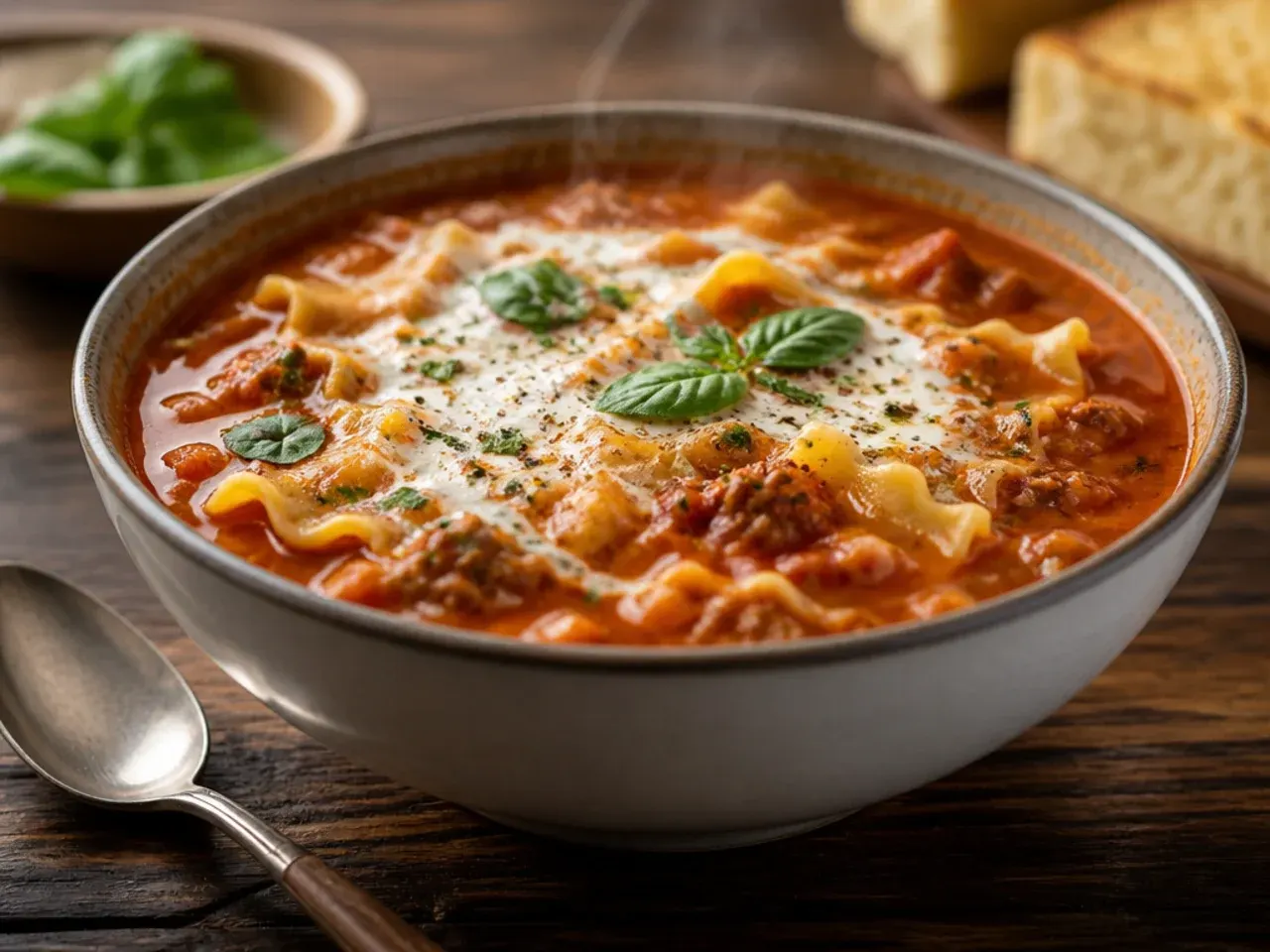
I used to taste the broth, decide it needed more salt, add a big pinch, then top the bowl with salty parmesan and ricotta and end up with an overseasoned mess. Now I under-salt the broth slightly while it simmers, knowing the parmesan, mozzarella and ricotta will all add their own saltiness on top. I do one final taste right before ladling it out, once the cheese is ready to go on, and adjust only then.
Lesson 10: Freeze the Base, Never the Noodles
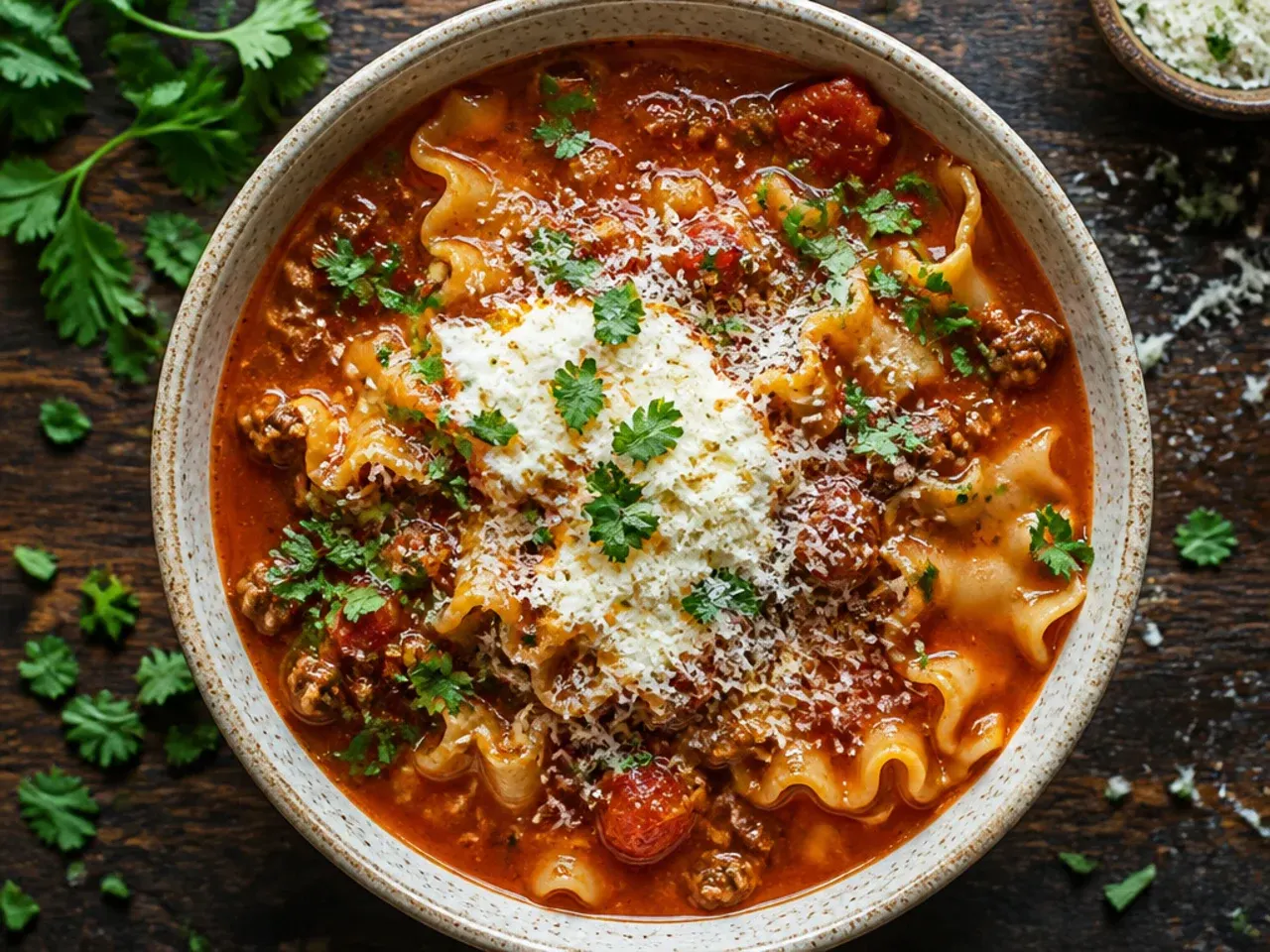
I once froze a full pot, noodles and all, and thawed it a month later to find the pasta had disintegrated into a gluey paste that ruined the whole batch. Now I only ever freeze the soup base — meat, tomatoes and stock — in an airtight container for up to 3 months, and cook fresh noodles in it after thawing. It takes an extra 12 minutes on the day but saves the whole pot from being wasted.
Lesson 11: Save Extra Stock for Leftovers
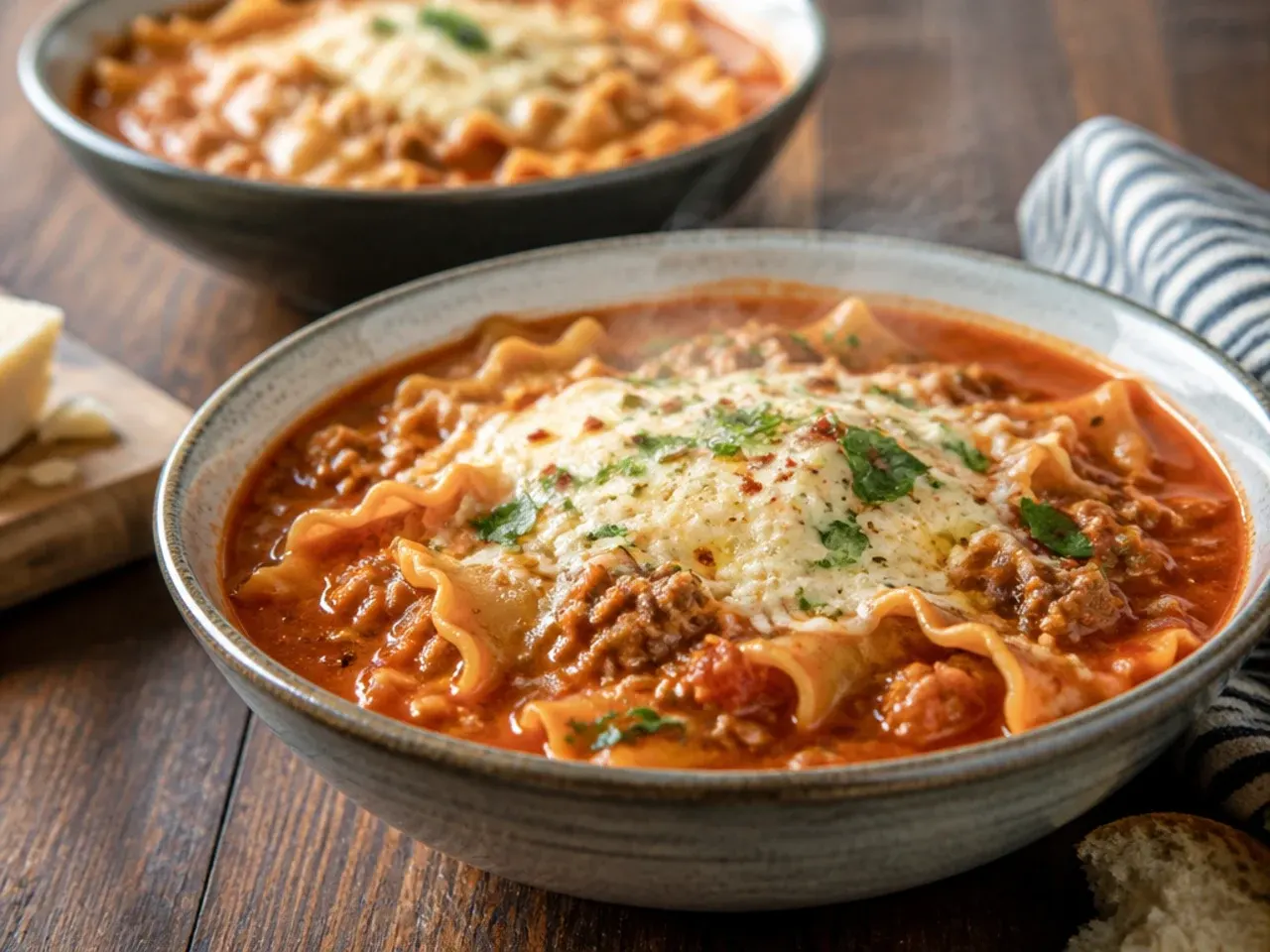
Leftover lasagna soup looked more like a noodle casserole than a soup by day two, because the pasta kept drinking up the broth in the fridge. I now keep an extra 240 ml (1 cup) of stock on hand and splash it in while reheating gently on the stove, stirring until the consistency loosens back up. Without it, reheated leftovers taste thick and starchy instead of brothy.
Lesson 12: Size Up Your Pot Before You Start
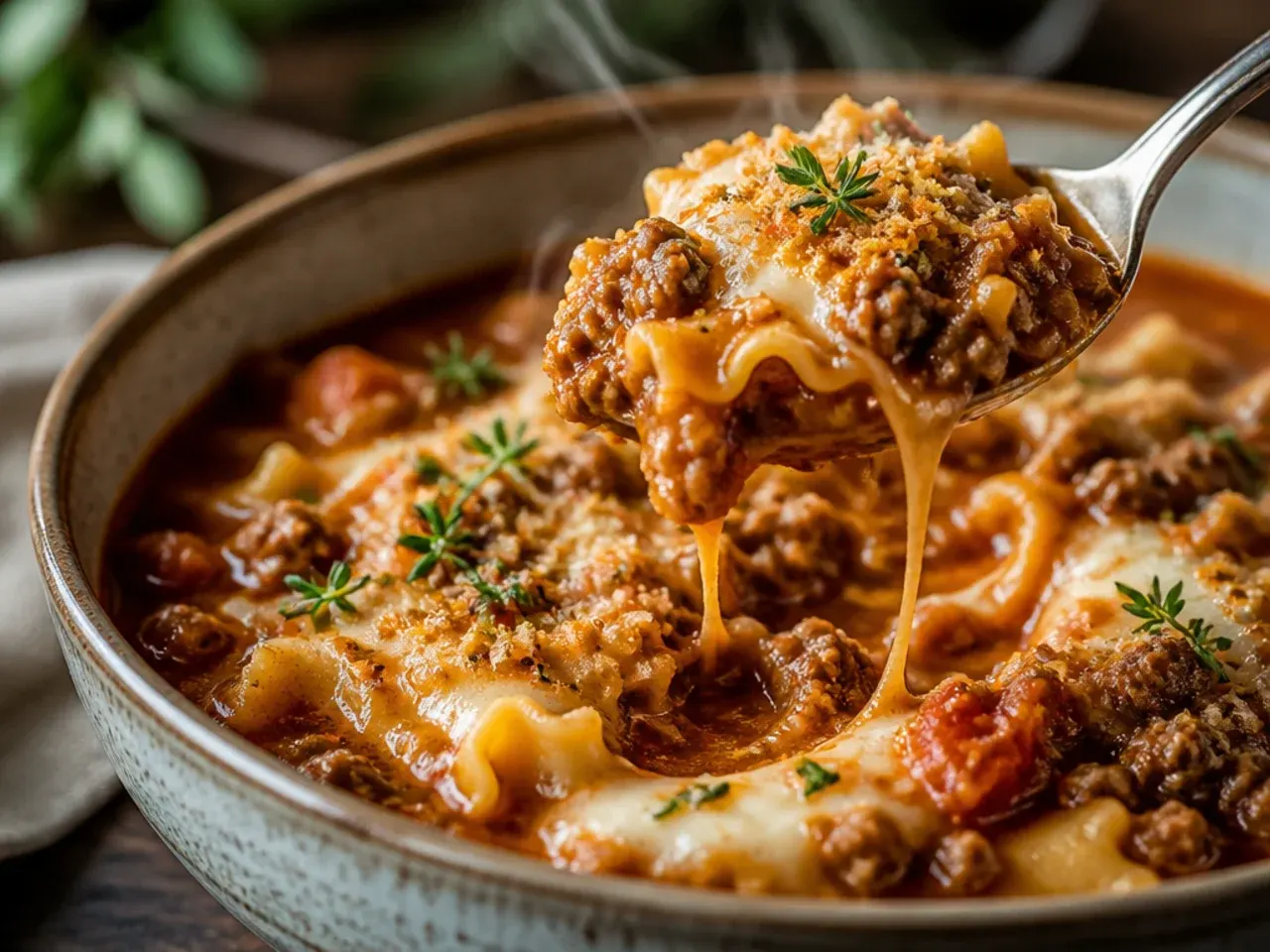
I tried making this in a 3-litre saucepan once and had a rolling tomato boil-over across my hob within minutes of adding the noodles, which is not a mess you want to clean twice. This recipe needs at least a 6-litre Dutch oven or stockpot, since the noodles expand and the broth needs room to bubble without spitting over the rim. Sizing up before you start saves you from a mid-cook scramble for a bigger pot.
Lesson 13: Skip the Bag of Pre-Shredded Mozzarella
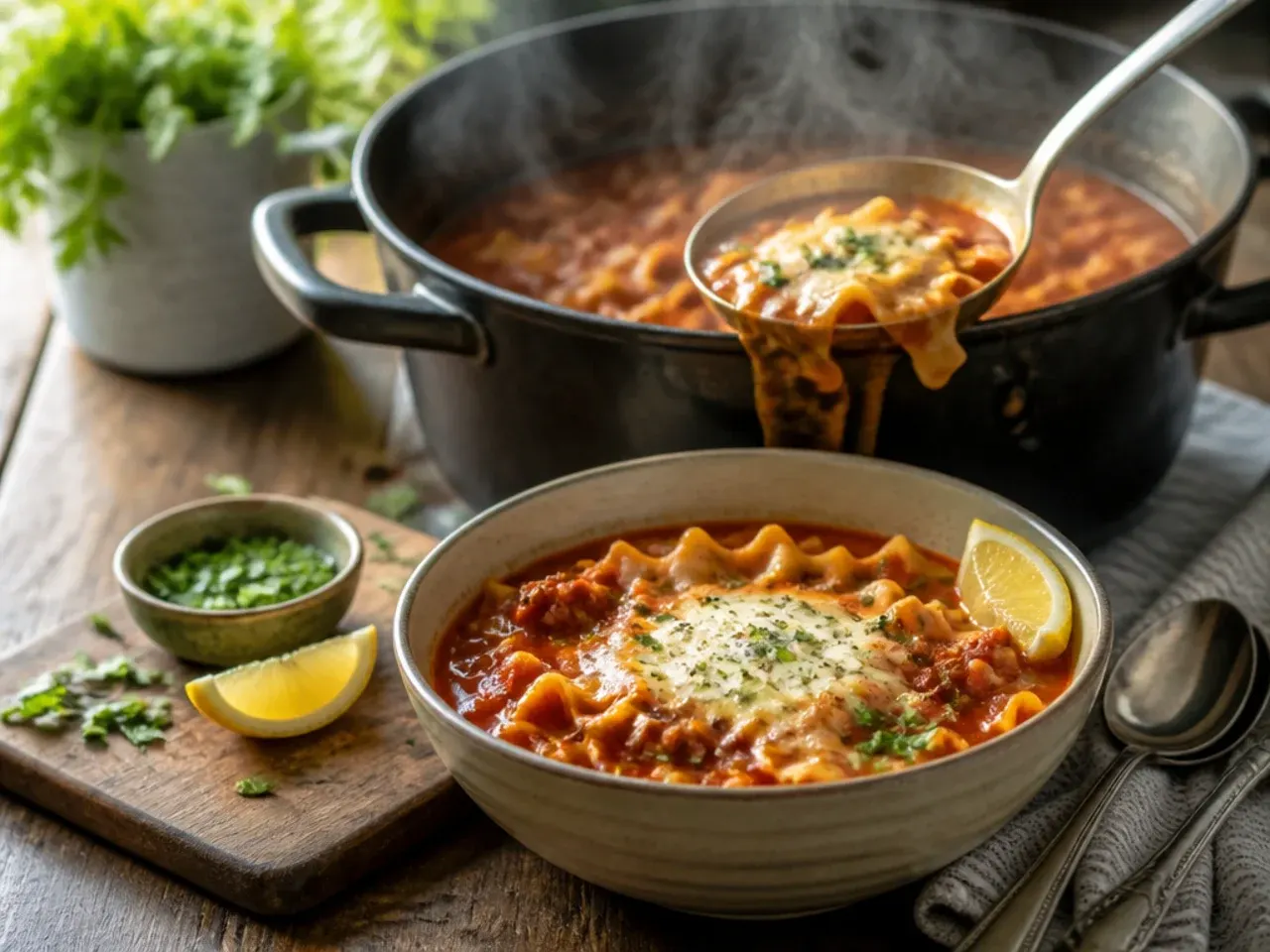
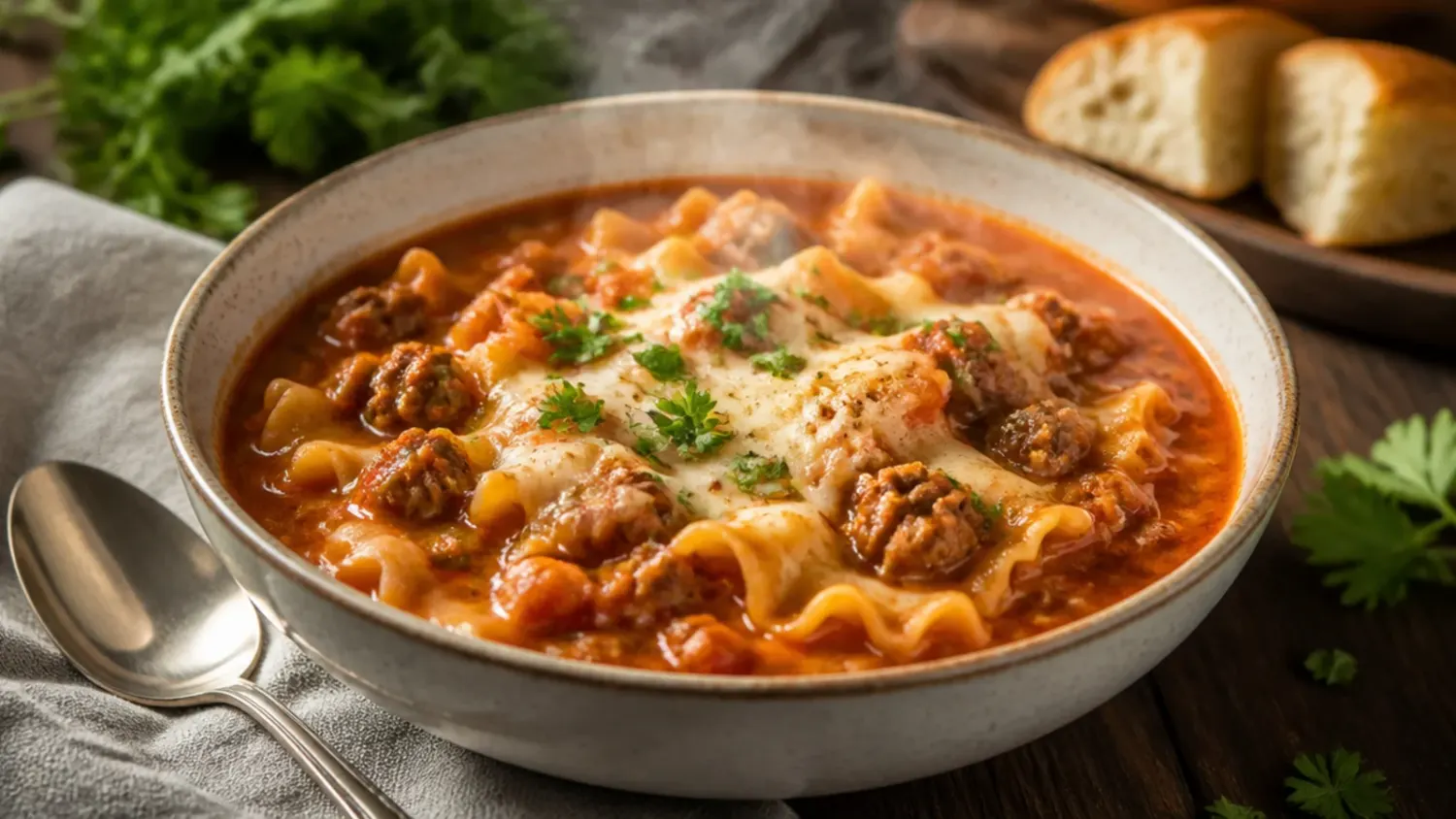
Pre-shredded mozzarella is coated in anti-caking starch, and I noticed it never fully melted into the soup — it just sat there in slightly gritty clumps on top. Buying a 120 g (1 cup) block and shredding it myself right before serving gives a much smoother, stretchier melt that actually pulls like a lasagna layer should. It's an extra two minutes with a box grater that genuinely changes the texture of every bowl.
Lesson 14: Always Fish Out the Bay Leaf
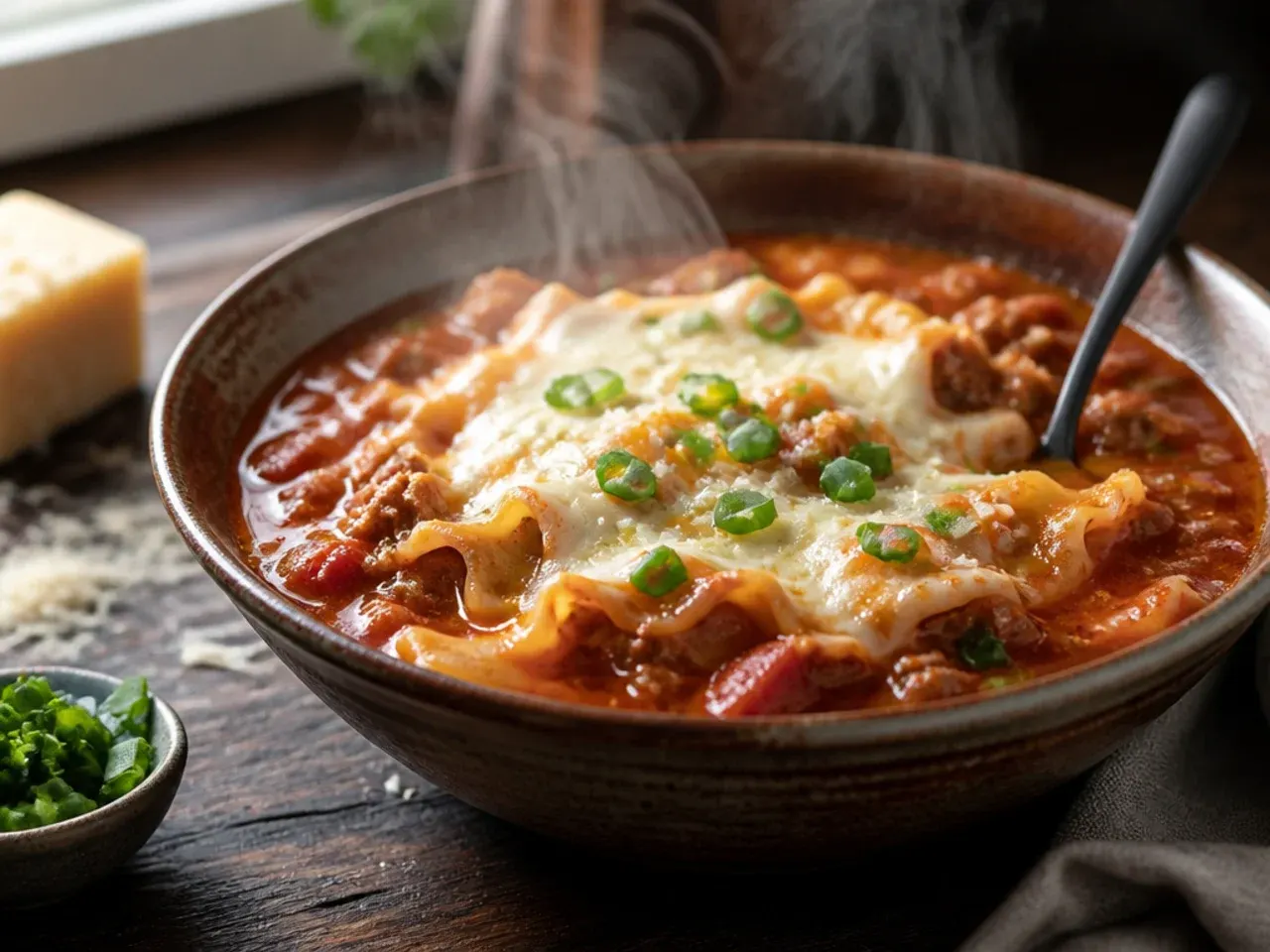
I forgot to remove the bay leaf once and a dinner guest bit straight into it, which is an experience nobody needs at the table. Now I balance the ladle on the pot lid as a visual reminder to fish the bay leaf out before serving. It's such a small step, but it's saved me from an awkward apology more than once.
Lesson 15: Don't Rush the Simmer Before the Pasta Goes In
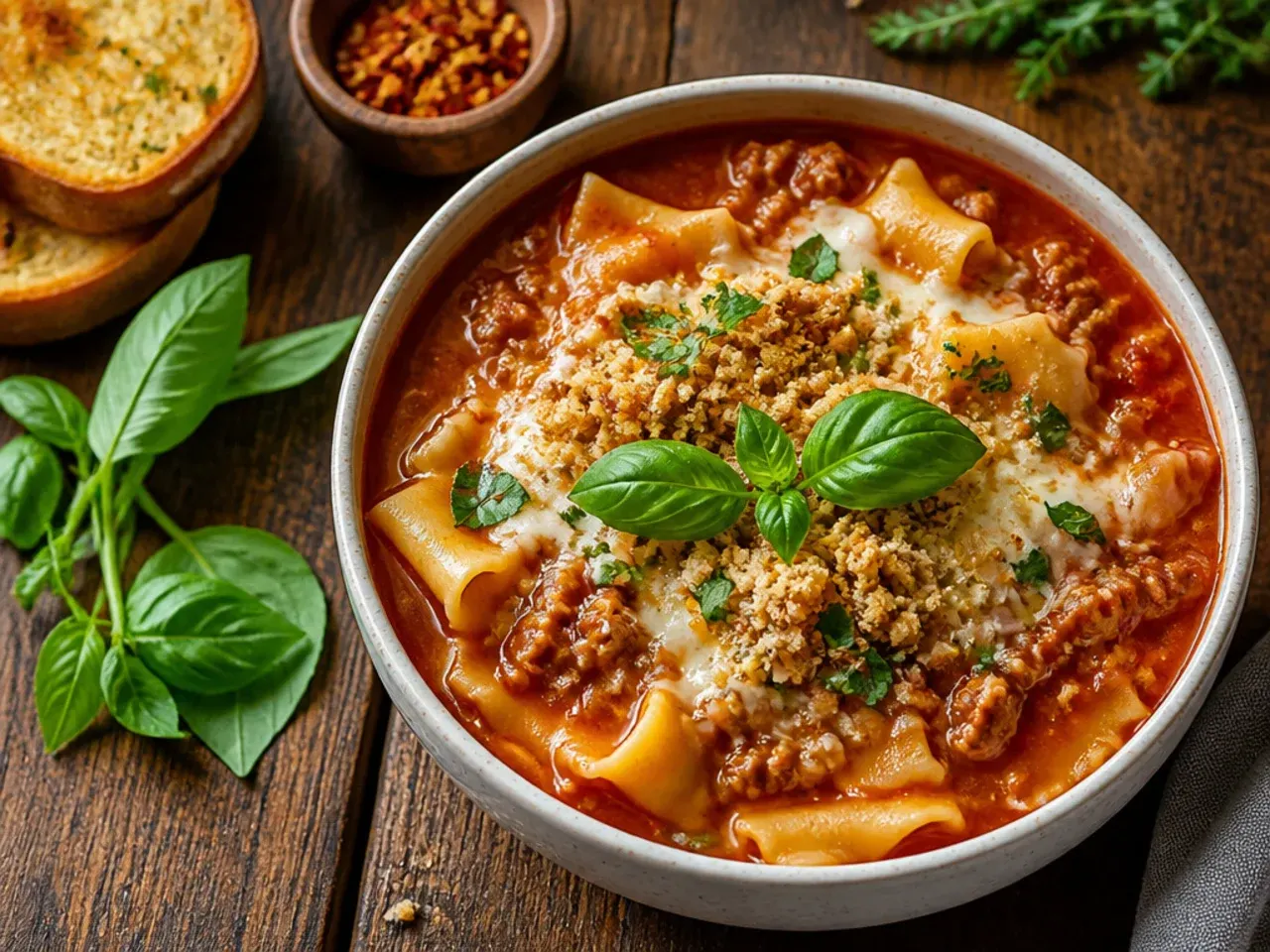
In a hurry one evening I added the noodles only five minutes after the stock went in, and the broth tasted thin and one-note because the flavours hadn't had time to come together. I now let the tomatoes, stock and herbs simmer uncovered for a full 20 minutes before the noodles ever go near the pot, which lets the sauce reduce slightly and deepen. Those 20 minutes matter more than any extra ingredient I could throw in.
Lesson 16: A Pressure Cooker Shortcut Isn't Worth It
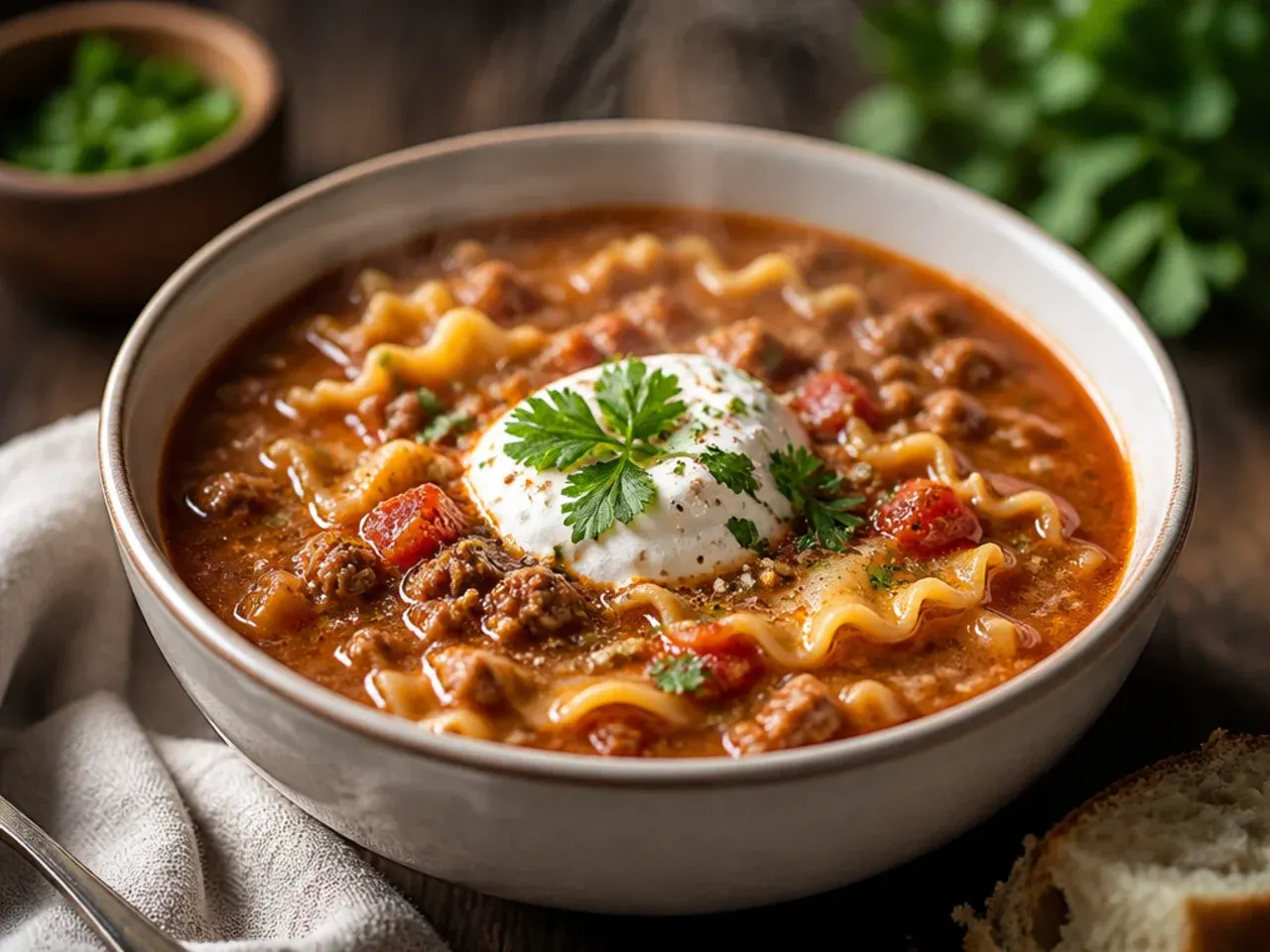
I tried cooking the whole thing, noodles included, in an electric pressure cooker to save time, and the pasta came out completely waterlogged and shapeless under pressure. Lasagna noodles need visual, hands-on control to catch the exact moment they turn al dente, which a sealed pot doesn't give you. I've gone back to the stovetop version every time since, even though it takes a bit longer.
Lesson 17: Scaling Up Needs More Than Just Doubling
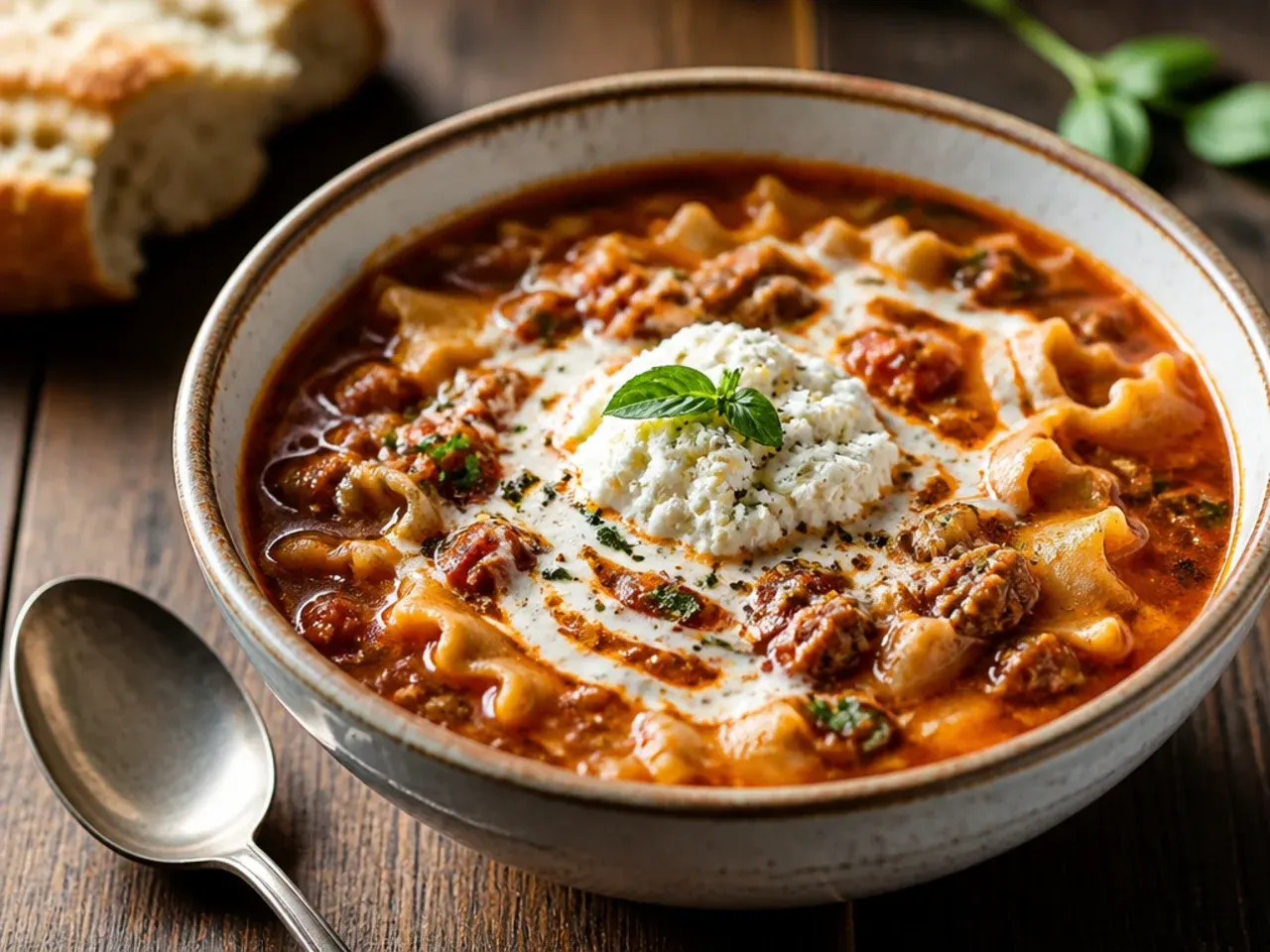
The first time I doubled this recipe for a dinner party, I doubled every ingredient exactly, but the noodles still soaked up the same proportion of liquid and the leftovers turned thick within an hour. Now when I scale up, I add roughly 20% extra stock beyond the straight doubled amount to account for how much the pasta keeps absorbing as it sits. It's a small adjustment that keeps a big batch pourable instead of stew-like by the time everyone's served.
Lesson 18: Fresh Basil Goes on at the Very End
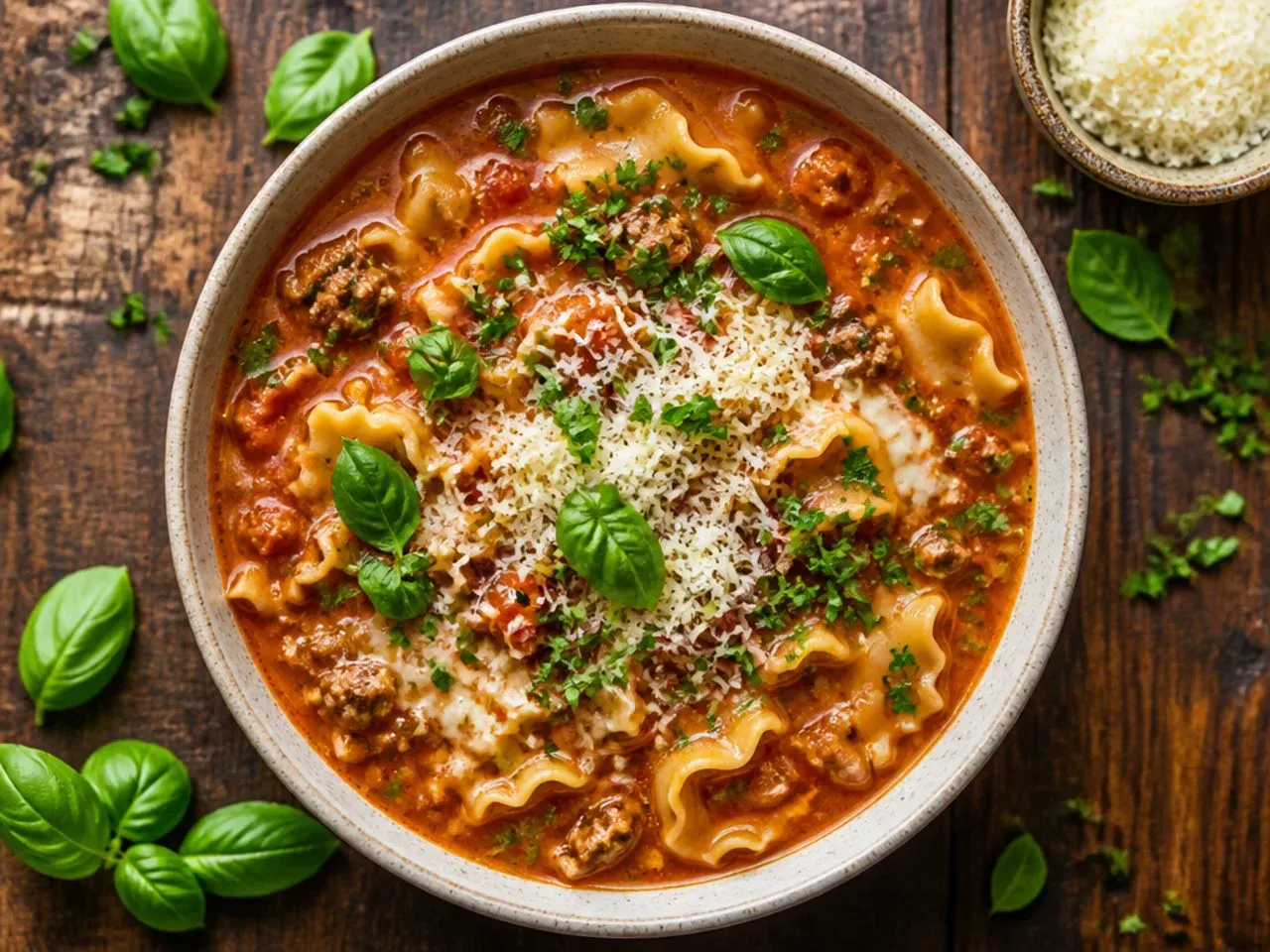
I used to stir dried basil in early and skip fresh herbs entirely, thinking it wouldn't make much difference to a soup this rich. Adding a small handful of torn fresh basil right before serving, instead of during cooking, brightens the whole bowl in a way dried basil in the pot never manages. It's the last 30 seconds of prep and the easiest upgrade on this list.
Lesson 19: The Cheese Pull Comes From Mozzarella, Not Parmesan
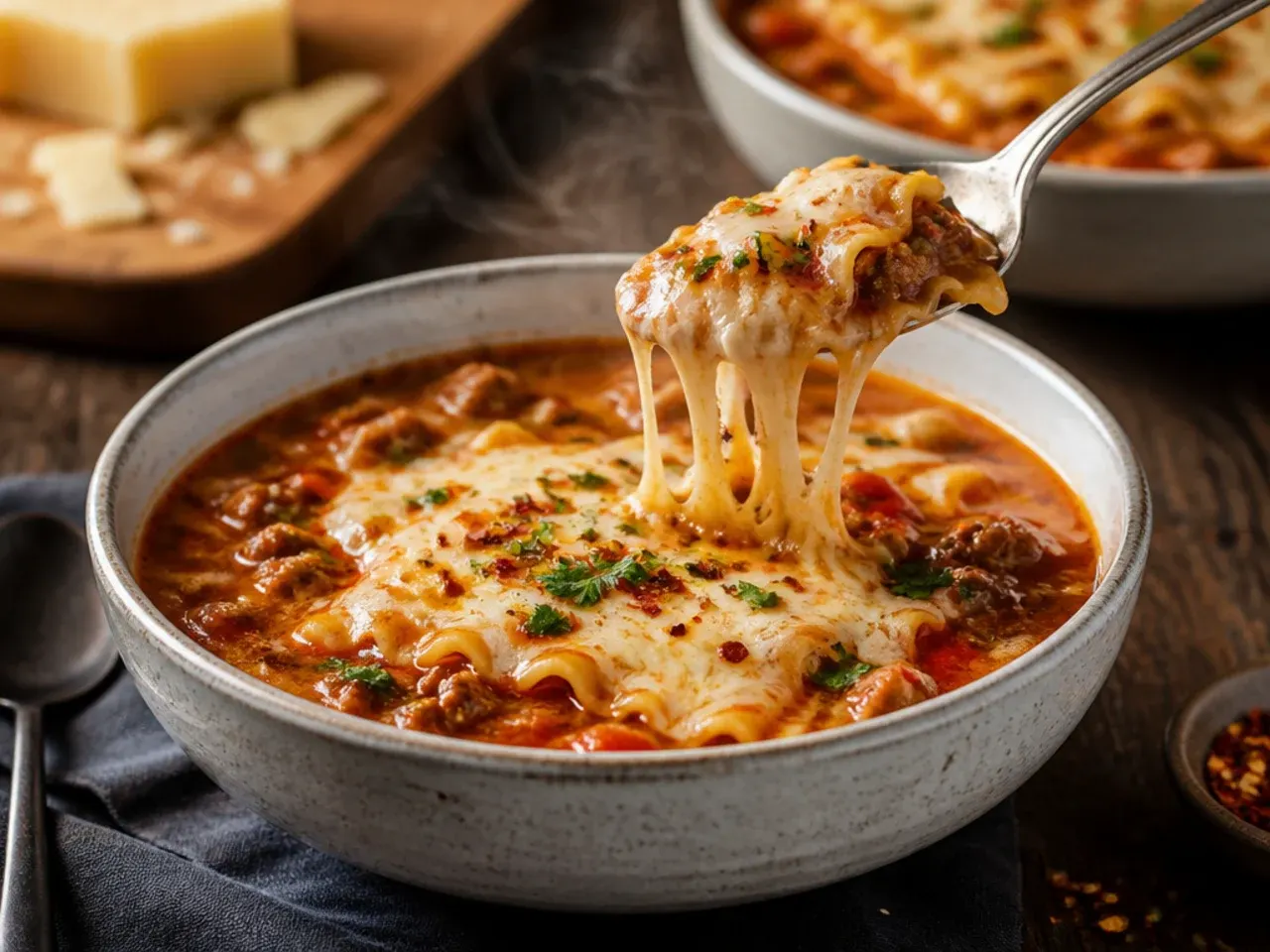
I once made a batch with only parmesan on top, thinking more cheese was more cheese, and it tasted good but never had that stretchy, melty pull that makes lasagna feel like lasagna. Now the mozzarella goes on in a proper handful, melted slightly by the heat of the soup, with the parmesan used more sparingly for salt and sharpness. Both cheeses matter, but they're doing different jobs in the bowl.
Lesson 20: Taste Before You Add the Chilli Flakes
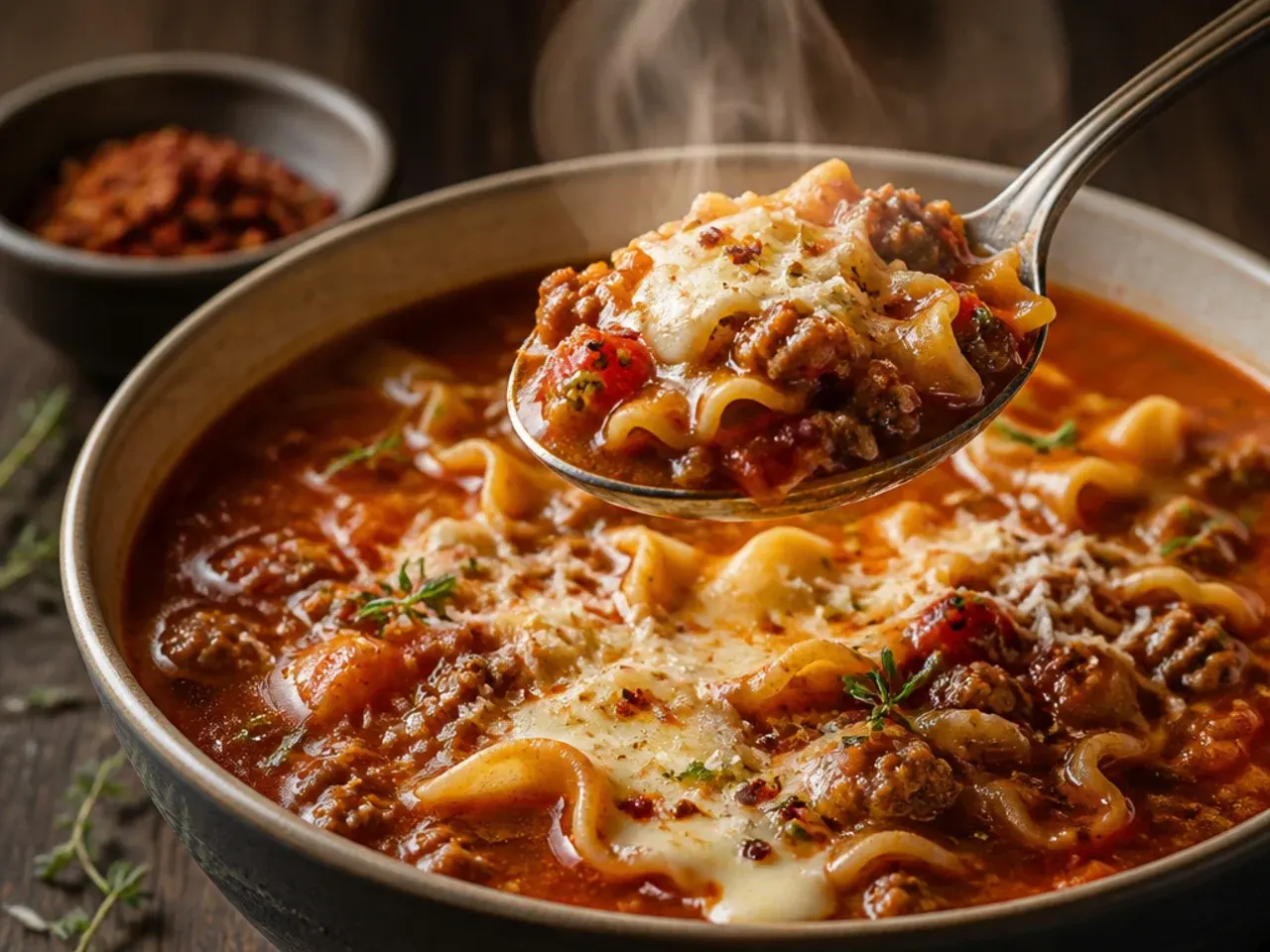
I used to add red pepper flakes automatically because a recipe I once read called for it, without checking how spicy my sausage already was. Some Italian sausages are already hot, and stacking chilli flakes on top made the broth uncomfortably sharp for guests who don't love spice. Now I add chilli flakes right at the end, a pinch at a time, tasting as I go instead of guessing upfront.
What I'd Tell a Friend Trying This
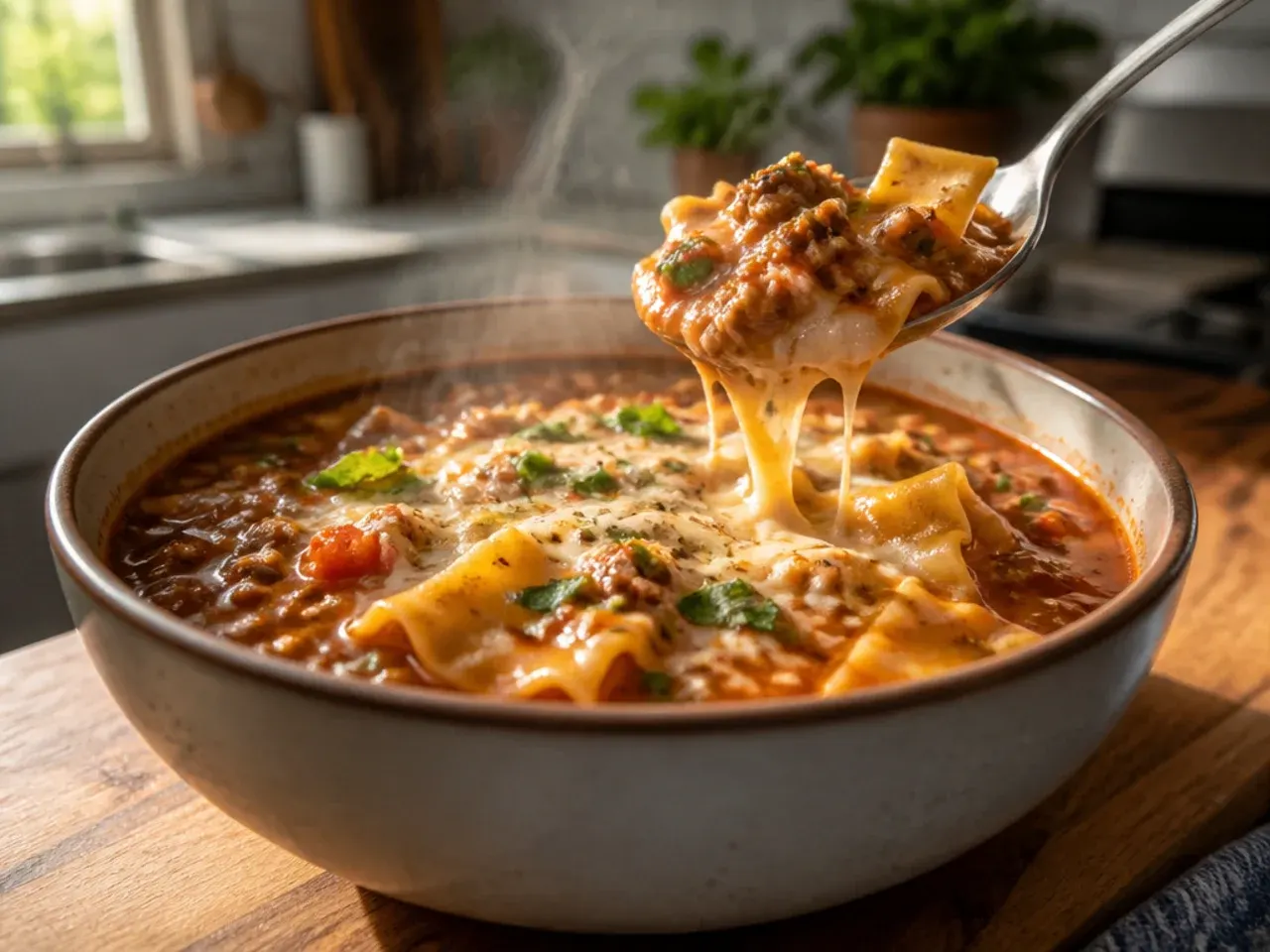
If you take away just three things from all of this: brown your meat properly, add the noodles last, and never let the ricotta touch a rolling boil. Everything else — the fresh basil, the extra stock for leftovers, the right size pot — is fine-tuning you can pick up as you go. Start with a decent Dutch oven and good sausage, taste as you cook, and you'll have a lasagna soup recipe worth repeating from your very first attempt.
The Recipe
The Recipe I Used
15 min
45 min
1 hr
6
Beginner
Ingredients 6 Person(s)
Directions
Step 1: Brown the sausage and beef
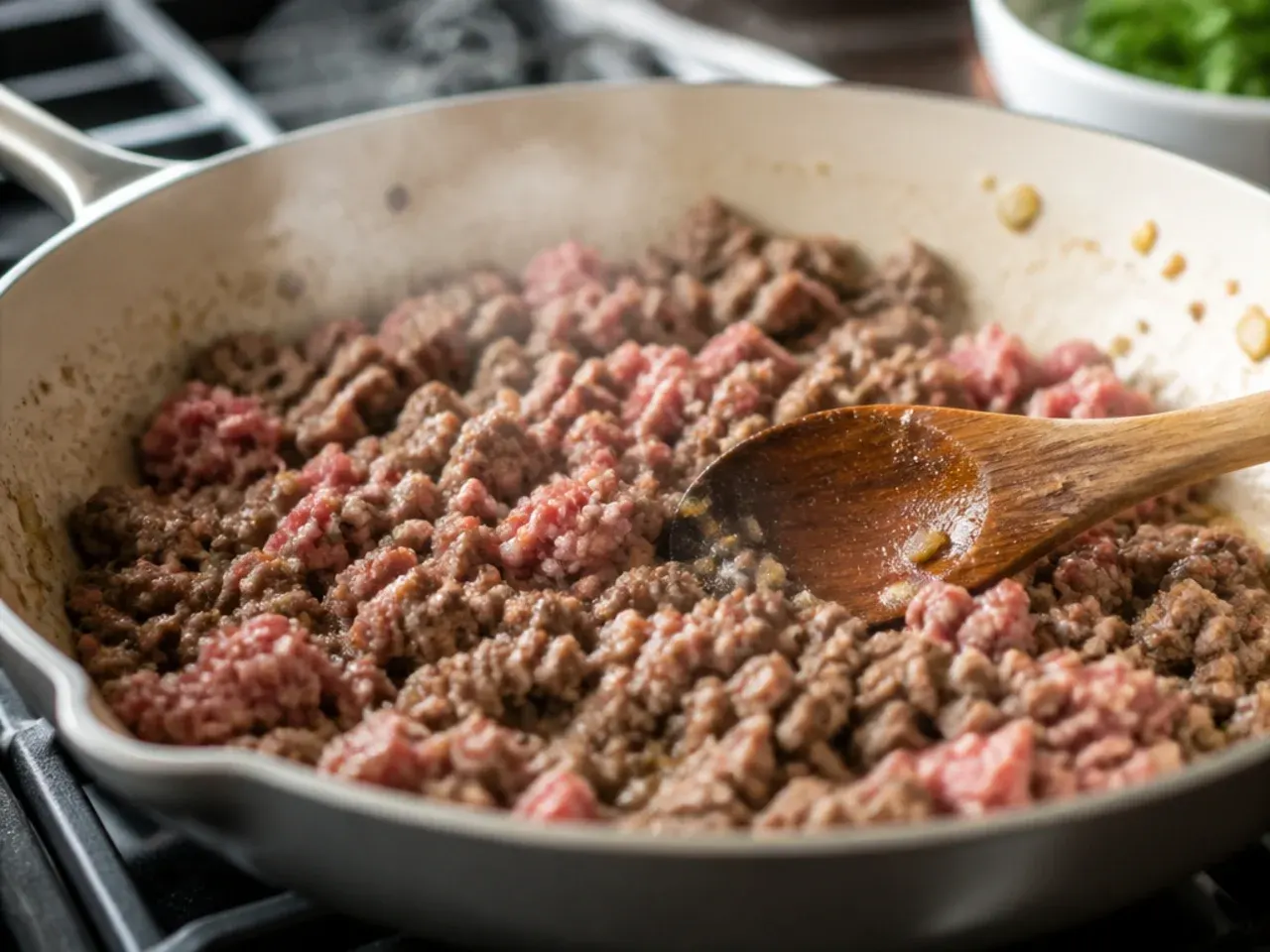
Heat the 15 ml (1 tbsp) of olive oil in a wide 6-litre Dutch oven or stockpot over medium-high heat. Add the 450 g (1 lb) of mixed sausage and beef, breaking it up with a wooden spoon, and cook for 7-8 minutes without crowding the pot until it's deeply browned with crisp edges, not just grey. Check with a meat thermometer that the mixture has reached a safe internal temperature of 74°C (165°F) before you move on to build the broth — this matters because the sausage starts out as raw pork. Tip the pot slightly and spoon off any excess fat, leaving just a thin coating behind.
Step 2: Sauté the onion and garlic
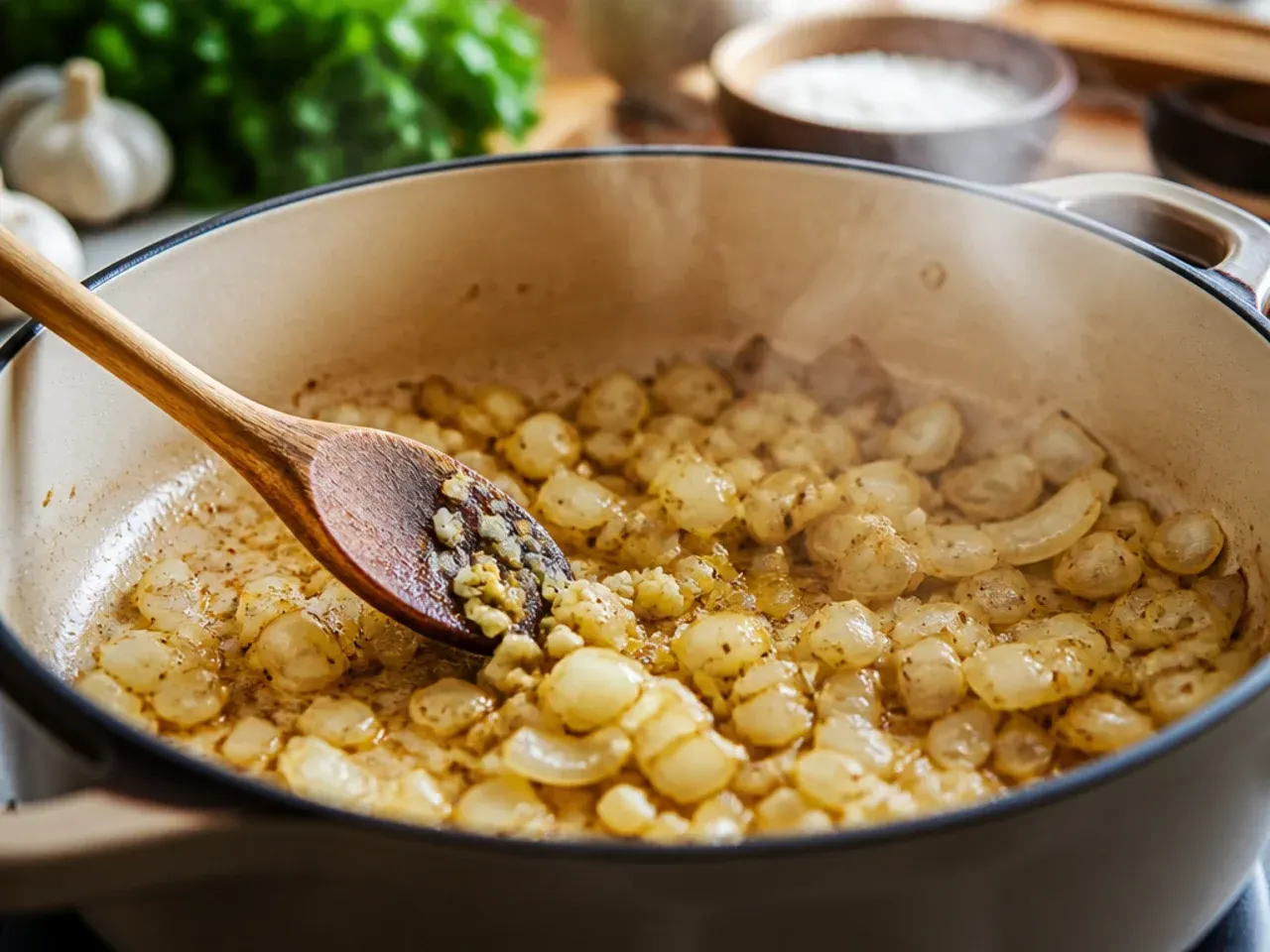
Add the 150 g (1 medium) diced onion to the same pot and cook for 4-5 minutes over medium heat until softened and translucent. Stir in the 3 minced garlic cloves for the final minute, just until fragrant, taking care not to let it catch and burn.
Step 3: Bloom the tomato paste
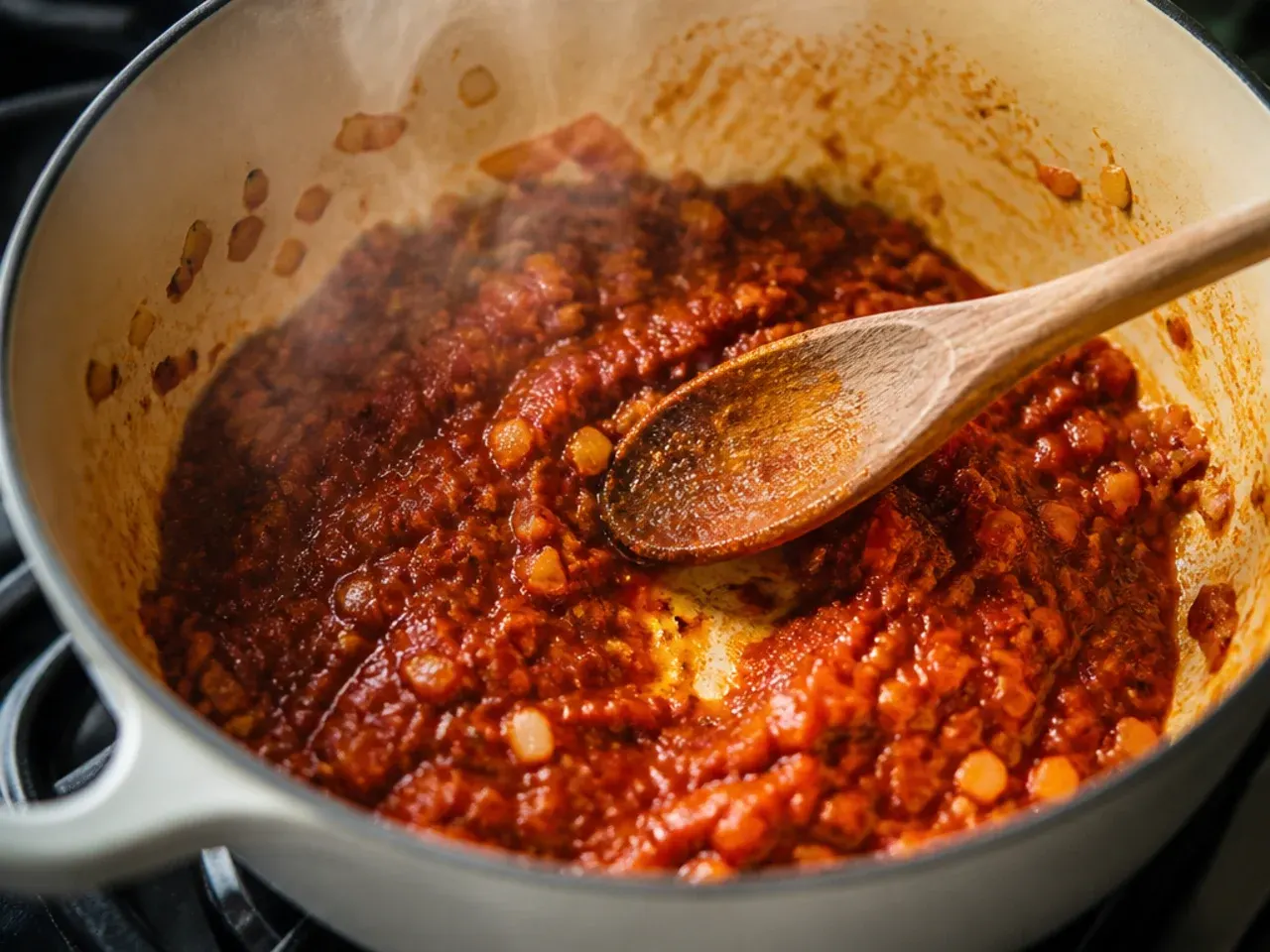
Push the meat and onion to one side of the pot and add the 45 g (3 tbsp) of tomato paste directly onto the hot base. Fry it alone for about 90 seconds, stirring, until it darkens slightly and smells sweet rather than sharp, then stir it through everything else in the pot.
Step 4: Build and simmer the broth
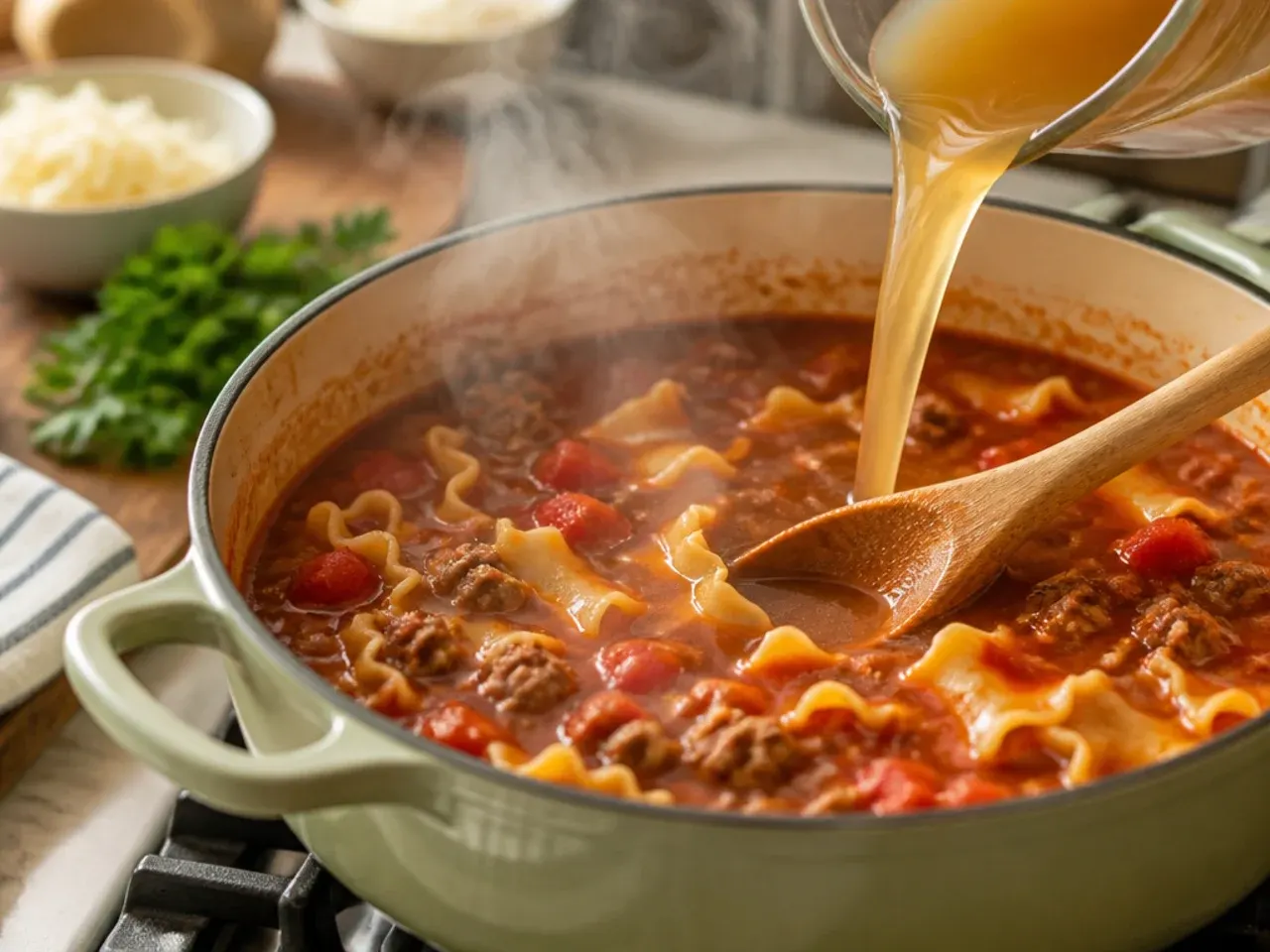
Pour in the 800 g (28 oz) tin of crushed tomatoes and the 1 litre (4 cups) of beef stock, then add the 2.5 g (2 tsp) Italian seasoning, bay leaf and 1.5 g (1/2 tsp) red pepper flakes if using. Bring to a boil, then reduce to a gentle simmer, partially cover, and cook for 20 minutes to let the flavours deepen and the sauce reduce slightly.
Step 5: Cook the noodles in the pot
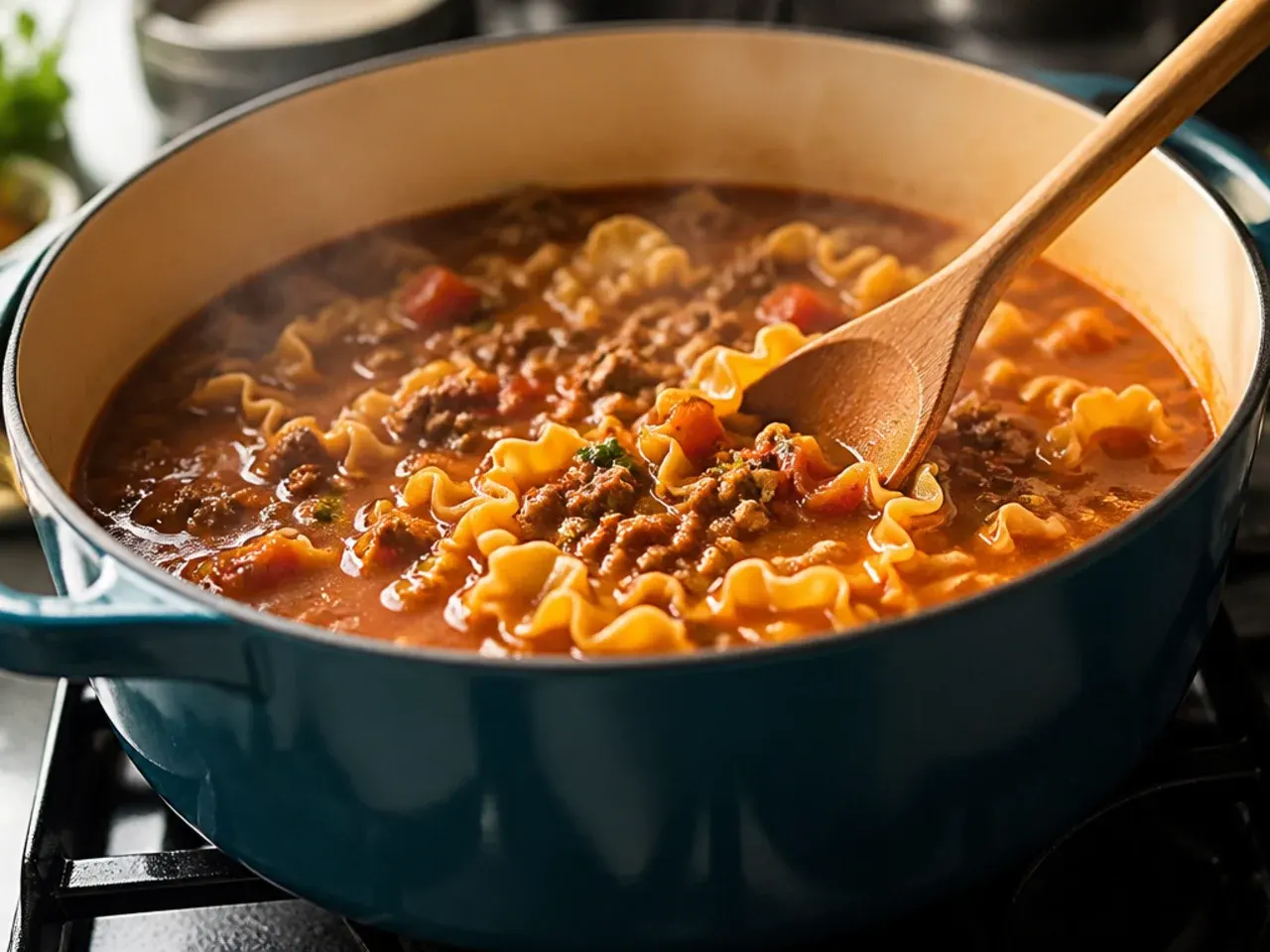
Stir in the 200 g (7 oz) of broken lasagna noodle pieces and keep the soup at a steady simmer. Cook uncovered for 10-12 minutes, stirring every couple of minutes so the noodles don't stick to the base, until they're tender with a slight bite (al dente). Add an extra splash of stock if the soup looks thicker than you'd like, since the noodles keep absorbing liquid as they sit.
Step 6: Make the ricotta topping
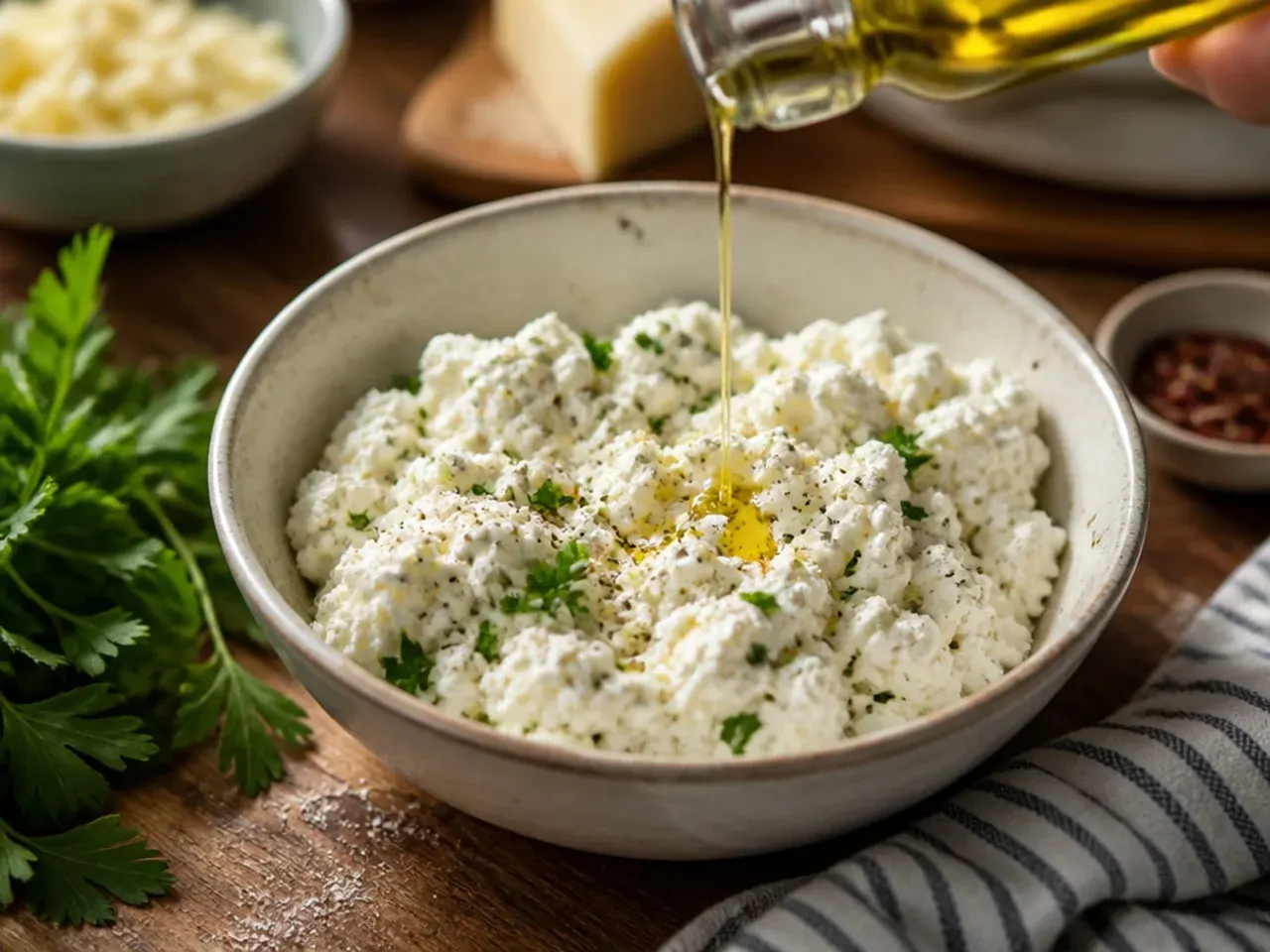
While the noodles cook, stir the 250 g (1 cup) of ricotta in a small bowl with half of the 50 g (1/2 cup) parmesan and a good pinch of black pepper until smooth. Keep this separate from the pot — stirring ricotta straight into the hot broth will split it into grainy curds instead of staying creamy.
Step 7: Assemble and serve
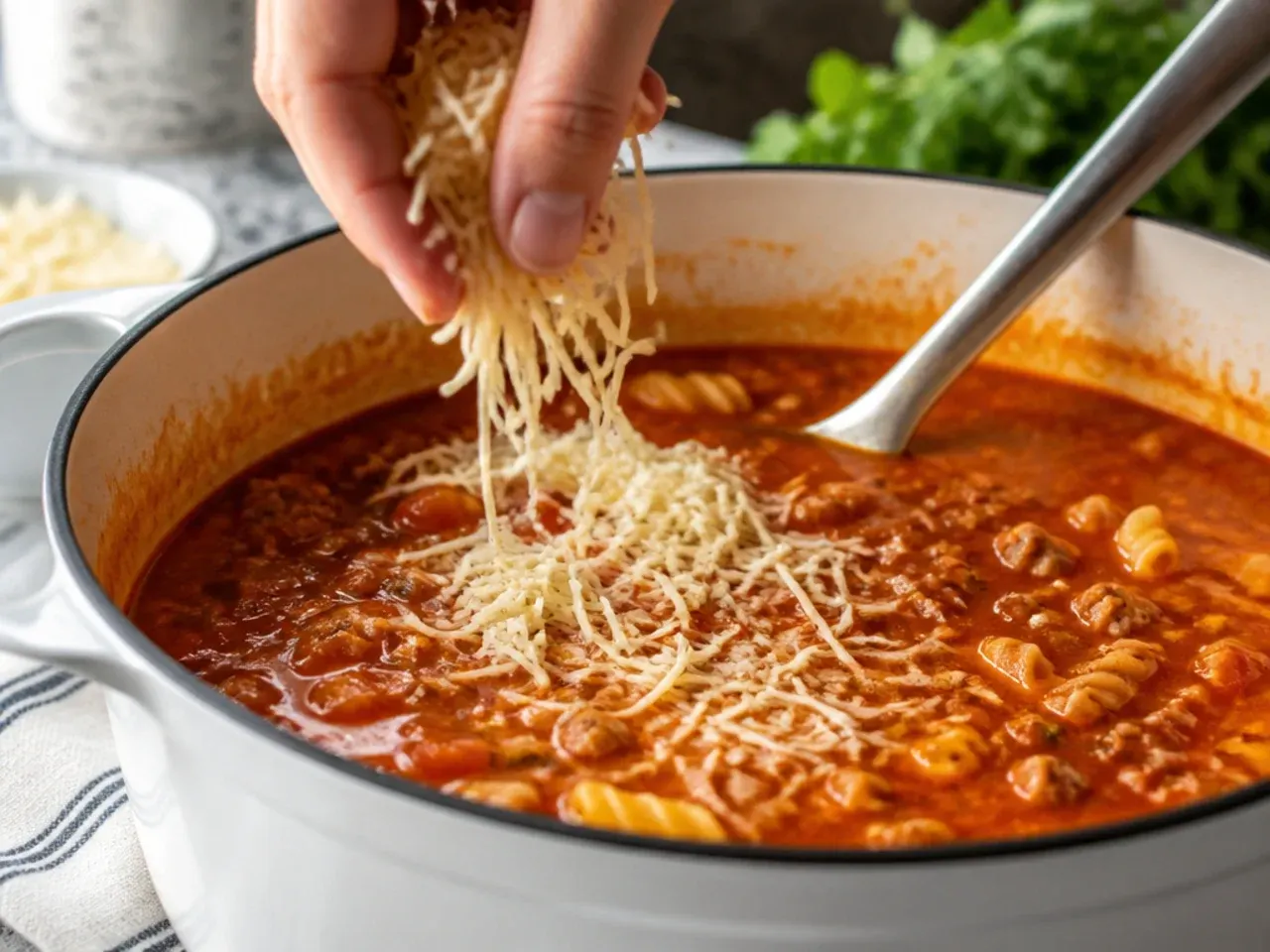
Remove the bay leaf, then ladle the soup into bowls. Top each with a generous dollop of the ricotta mixture, a handful of the 120 g (1 cup) freshly grated mozzarella, the remaining parmesan and torn fresh basil. Serve immediately while the cheese is just starting to melt into the hot broth.
Frequently Asked Questions
Yes — make the recipe through step 4, the broth simmering with meat, tomatoes and stock, then refrigerate it in an airtight container for up to 2 days without the noodles. When you're ready to eat, bring it back to a boil, stir in the broken lasagna noodles, and simmer for the usual 10-12 minutes so they're freshly cooked rather than mushy. Keep the ricotta topping mixed separately in its own container and add it fresh at serving time. This staged approach keeps both the pasta and the cheese in far better shape than reheating a fully assembled pot.
Save this for later 📌
Pin this article to your Pinterest board so the full list is one tap away when you need it.
Save on Pinterest