20 Potato Soup Recipe Tips I Wish I Knew Sooner

20 real lessons from making this potato soup recipe again and again, with the exact fixes that finally made it thick, creamy and properly seasoned. If you love potato soup inspiration, start with our Potato Soup collection, then browse the full Cozy Soups & Chili hub for more.

Save this for later 📌
Pin this article to your Pinterest board so the full list is one tap away when you need it.
Save on PinterestCozy Soups & Chili
Beginner
Kitchen Journal
7 steps
Table of Contents
- Choosing the right potato made every potato soup recipe I tried after this one better
- Uneven potato pieces gave me uneven soup
- I season three times now, not once at the end
- A rolling boil was wrecking the texture
- Adding stock too early skipped a flavour step
- Skipping the roux made for a watery pot
- Cold cream straight from the fridge made the soup split
- Cooking the bacon in the pot the whole time crowded everything
- I keep a mug of stock aside before I thicken the pot
- Blending the whole pot made it gluey
- The cream muted the seasoning every time
- Adding cheese to a boiling pot made it greasy
- A splash of vinegar fixed the flat richness
- Stock cubes made the soup too salty before the bacon even went in
- Adding the milk too early stopped the base thickening properly
- Freezing the finished soup with cream in it ruined the texture
- Reheating on high heat split the soup and caught the bottom
- Peeling every single potato lost some texture I actually liked
- I stopped trusting the clock and started trusting a knife tip
- Stirring all the toppings into the pot lost their crunch
- What I'd tell a friend making this for the first time
- The Recipe I Used
Choosing the right potato made every potato soup recipe I tried after this one better

My first batches used whatever potatoes were in the cupboard, usually salad potatoes, and the soup stayed thin and slightly waxy no matter how long I simmered it. Floury varieties like Maris Piper or King Edward break down as they cook, releasing starch that thickens the pot naturally. Now I only reach for those two, and I rarely need extra flour to get a properly creamy base. It's the single biggest difference between a soup that coats the spoon and one that just tastes like potato water.
Uneven potato pieces gave me uneven soup

I used to rough-chop the potatoes by eye, and I'd end up with mushy little corners next to firm, undercooked centres in the same ladleful. Now I dice every piece to roughly 2 cm (¾ in) cubes, and the whole pot turns tender within the same 18-20 minute simmer. It sounds fussy for a rustic soup, but consistent sizing is what gives you a pot that's uniformly creamy instead of half-broken-down and half-crunchy.
I season three times now, not once at the end

Salting only at the very end left the soup tasting flat no matter how much I added afterwards, because the potatoes had already cooked in unseasoned stock. I now salt the vegetables as they sweat, salt the stock again once the potatoes go in, and taste a final time after the cream is stirred through. Each layer builds on the last instead of sitting on top of bland potatoes, and that's the difference between a soup that tastes seasoned and one that just tastes salty.
A rolling boil was wrecking the texture

Boiling the potatoes hard to save time knocked the pieces against each other and the sides of the pot until the edges sheared off, leaving a grainy, slightly gluey soup. I dropped the heat to a gentle simmer, just a few lazy bubbles breaking the surface, and the potatoes now cook evenly in 18-20 minutes without falling apart before the centres are done. Patience here matters more than almost any other single step in the recipe.
Adding stock too early skipped a flavour step

In my rush I used to tip the stock in as soon as the onion hit the pot, before it had any real chance to soften and turn sweet. Now I sweat the onion, celery and garlic in butter and bacon fat for a full 5-6 minutes until soft and translucent, not browned, before anything else goes in. That extra five minutes builds a savoury base the stock alone can't provide, and I can taste the shortcut whenever I skip it.
Skipping the roux made for a watery pot

I used to leave the flour out entirely, assuming the potatoes would thicken everything on their own, and ended up with a broth with potatoes floating in it rather than a soup. Now I sprinkle 40 g (1/3 cup) plain flour over the softened vegetables, cook it for a full minute to lose the raw taste, then whisk in the stock gradually so no lumps form. That one minute of cooking the flour is what turns a thin soup into one that properly coats the back of a spoon.
Cold cream straight from the fridge made the soup split

Pouring cold double cream straight into the hot pot used to shock the fats and leave little flecks of split dairy floating on top, no matter how gently I stirred. I now let the milk and cream sit out for ten minutes or warm them slightly in a jug first, and I only add them once the pot is off the boil. It's a small habit that's saved every batch since.
Cooking the bacon in the pot the whole time crowded everything

I used to leave the bacon lardons in the pot from start to finish, and by the end they'd gone from crisp to soggy after simmering in stock for 40 minutes. Now I fry 150 g (5 oz) of smoked lardons until crisp and golden, lift them onto kitchen paper, and only stir most of them back in as a topping at the very end. The rendered fat still flavours the onion and celery, but the bacon itself keeps its crunch instead of turning chewy.
I keep a mug of stock aside before I thicken the pot

More than once I've got the soup exactly right hot off the stove, only to find it had turned almost gluey by the next day because a starchy potato soup keeps thickening as it sits. I now ladle out about 240 ml (1 cup) of the stock before adding the roux and dairy, and keep it in the fridge alongside the soup. A splash whisked in over low heat brings leftovers straight back to the right consistency without watering down the flavour.
Blending the whole pot made it gluey

The first time I used a stick blender, I ran it through the entire pot until it was perfectly smooth, and the result had the slightly gluey, wallpaper-paste texture that overworked potato starch always gives. Now I scoop out about a third of the potatoes and stock into a jug, blend just that portion until smooth, then stir it back into the chunkier remainder. It gives the body of a creamy soup while still leaving plenty of soft potato pieces to bite into.
The cream muted the seasoning every time

I'd season the pot perfectly before the dairy went in, then wonder why the finished soup tasted flat once the milk and cream were stirred through. Dairy dulls both salt and pepper, so I now always taste again after the cream is in and adjust with an extra pinch of salt or a few more turns of the pepper mill. Skipping this step is the most common reason a potato soup recipe tastes underseasoned even when you salted it earlier.
Adding cheese to a boiling pot made it greasy

Stirring grated cheddar into a soup that was still bubbling away used to split the fat out of the cheese, leaving an oily film on top instead of a smooth melt. I now take the pot off the heat completely, let it sit a minute so it's no longer boiling, then stir in 100 g (1 cup) mature cheddar a handful at a time. Low and slow melting keeps the cheese silky instead of grainy or oily.
A splash of vinegar fixed the flat richness

For a long time my soup tasted heavy and one-note by the last spoonful, rich from butter, bacon and cream with nothing to cut through it. A teaspoon of cider vinegar stirred in right at the end brightens the whole pot without making it taste sharp or vinegary. It's the same trick that makes a good chowder or bisque taste balanced instead of just rich.
Stock cubes made the soup too salty before the bacon even went in

Using strong stock cubes at full strength, then adding salty bacon and cheese on top, left early batches nearly inedible without a lot of extra cream to dilute the salt. I now make the stock slightly weaker than the packet suggests, or use a low-sodium stock cube, and hold off on extra salt until after the bacon, cheese and cream are all in. Tasting before you salt matters even more when so many of the other ingredients already carry salt of their own.
Adding the milk too early stopped the base thickening properly

Pouring in the milk and cream at the same time as the stock used to leave the soup thin, because the roux and potato starch never got the chance to thicken a plain stock base first. I now let the potatoes simmer in stock alone until fork-tender and the liquid has visibly reduced and coats a spoon, and only then stir in the dairy. Building body before adding cream means I need far less of it to get a properly thick, spoon-coating soup.
Freezing the finished soup with cream in it ruined the texture

I once froze a full batch, cream and all, and thawed it to a grainy, slightly curdled mess that no amount of stirring could smooth back out. Dairy fat separates when frozen, so now I freeze the soup base, potatoes, stock and roux, without the milk, cream or cheese, in a freezer bag for up to 3 months. I stir the dairy in fresh once the base is reheated on the stove, and the texture comes out exactly as it did on day one.
Reheating on high heat split the soup and caught the bottom

Blasting leftover soup in a hot pan to save time used to scorch the potatoes on the bottom before the middle was even warm, and it often left the dairy looking slightly split. I reheat gently now, over medium-low heat, stirring every minute or two, and add a splash of reserved stock or a little extra milk if it's thickened up in the fridge. Ten minutes of patience gets the soup back to its original texture instead of a broken one.
Peeling every single potato lost some texture I actually liked

I used to peel every potato completely for a smooth, restaurant-style finish, but the soup ended up feeling a bit one-note. Now I leave the skins on roughly a quarter of the diced potatoes, scrubbed well, so a few flecks of skin and a slightly firmer bite come through in the final bowl. It gives the soup a homelier, more rustic character without any extra effort.
I stopped trusting the clock and started trusting a knife tip

Following the timer alone caught me out more than once, because potato size, pot size and even the age of the potatoes all change how long they actually take to soften. I now test at the 15-minute mark by sliding a knife tip into a piece from the centre of the pot; it should slide in with almost no resistance and fall off the knife on its own. If it doesn't, I give it another 3-5 minutes and test again rather than guessing.
Stirring all the toppings into the pot lost their crunch

Early on I'd stir the crispy bacon, cheese and spring onions straight into the simmering pot to save a step, and by the time it was served everything had gone soft and lost its contrast. Now every topping goes on at the table: a scoop of soup first, then bacon, a handful of cheddar and sliced spring onions on top of each bowl. The heat of the soup melts the cheese just enough while the bacon and spring onion stay crisp and fresh.
What I'd tell a friend making this for the first time

Buy floury potatoes, dice them evenly, and don't rush the simmer; those three things matter more than any fancy garnish. Season as you go, add the dairy off the boil, and taste again once the cream's in, because that's when most soups actually need the most fixing. If you only remember one thing, remember this: a good potato soup recipe rewards patience far more than extra ingredients, so slow down and let each stage do its job before moving to the next.
The Recipe
The Recipe I Used
20 min
40 min
1 hr
6
Beginner
Ingredients 6 Person(s)
Directions
Step 1: Prep the potatoes and vegetables
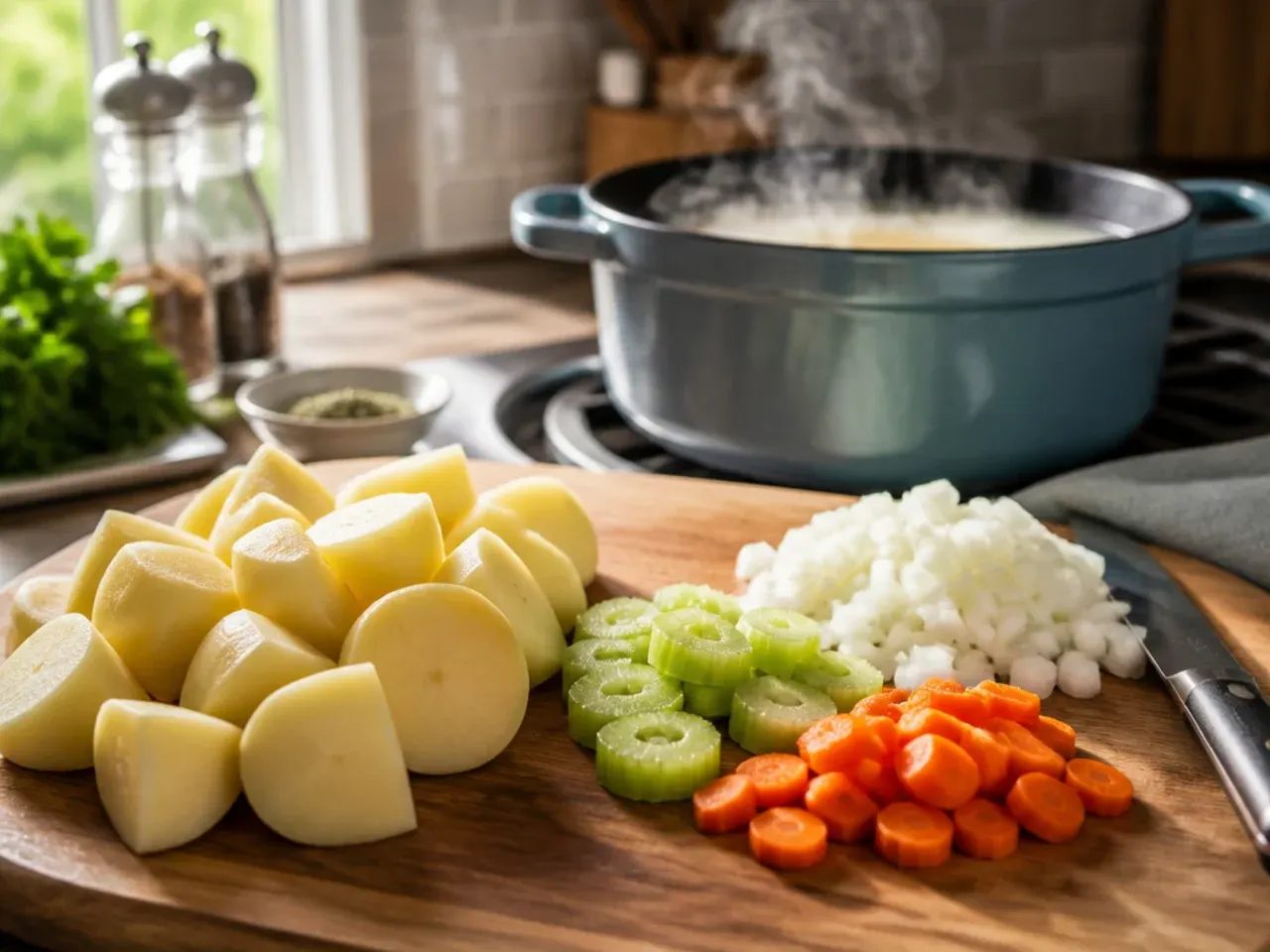
Peel about three-quarters of the potatoes, leaving the skins on the rest (scrubbed well), then cut them all into even 2 cm (¾ in) cubes so they cook at the same rate. Dice the onion and celery to a similar size and mince the garlic. Having everything prepped before the pot goes on the heat means the rest of the recipe moves quickly and nothing overcooks while you're still chopping.
Step 2: Crisp the bacon
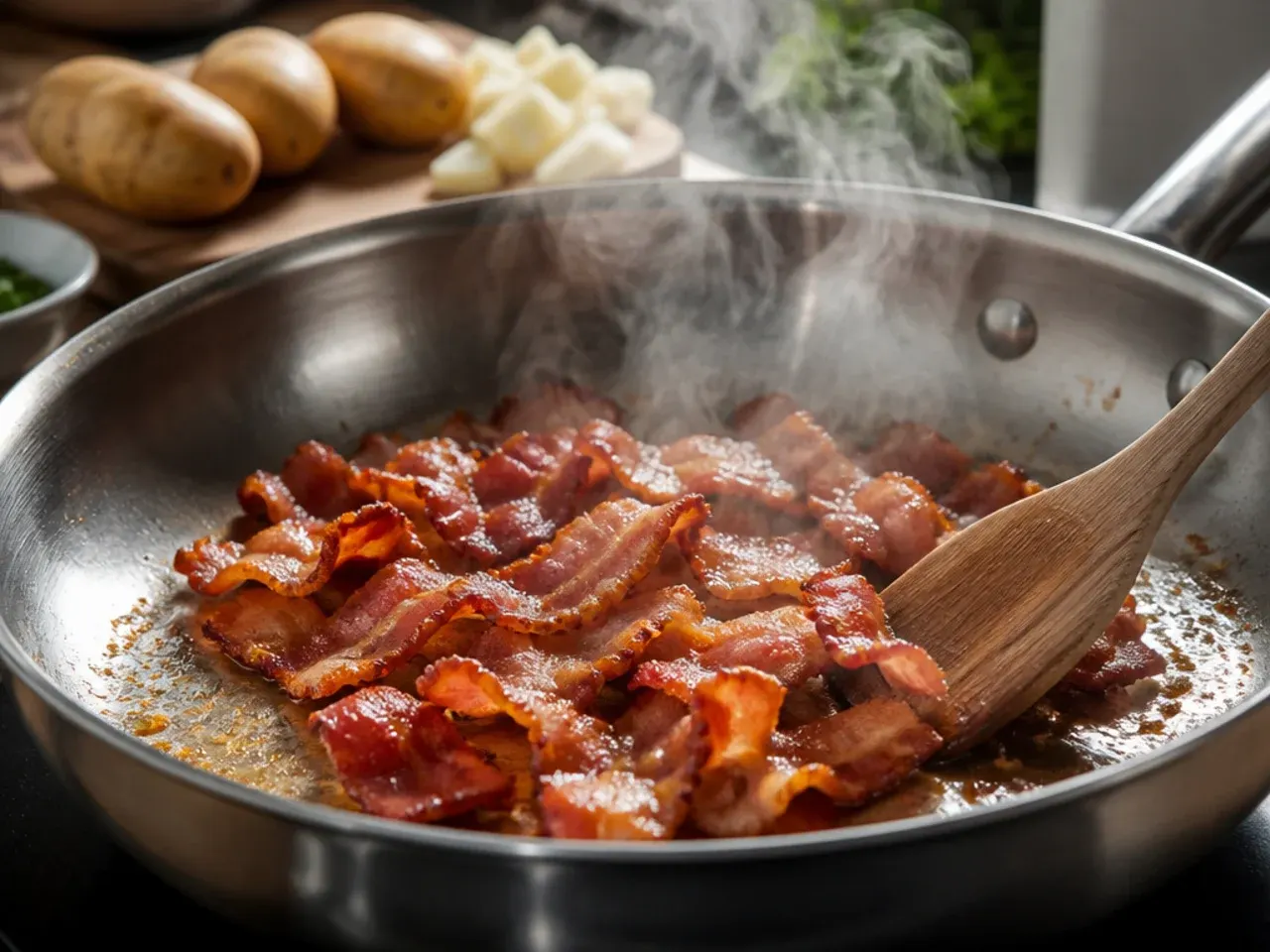
Melt half the butter in a large, heavy-based pot over medium heat and add the 150 g (5 oz) bacon lardons. Fry for 5-6 minutes, stirring occasionally, until crisp and golden, then lift out onto kitchen paper with a slotted spoon, leaving the fat behind in the pot.
Step 3: Sweat the onion, celery and garlic
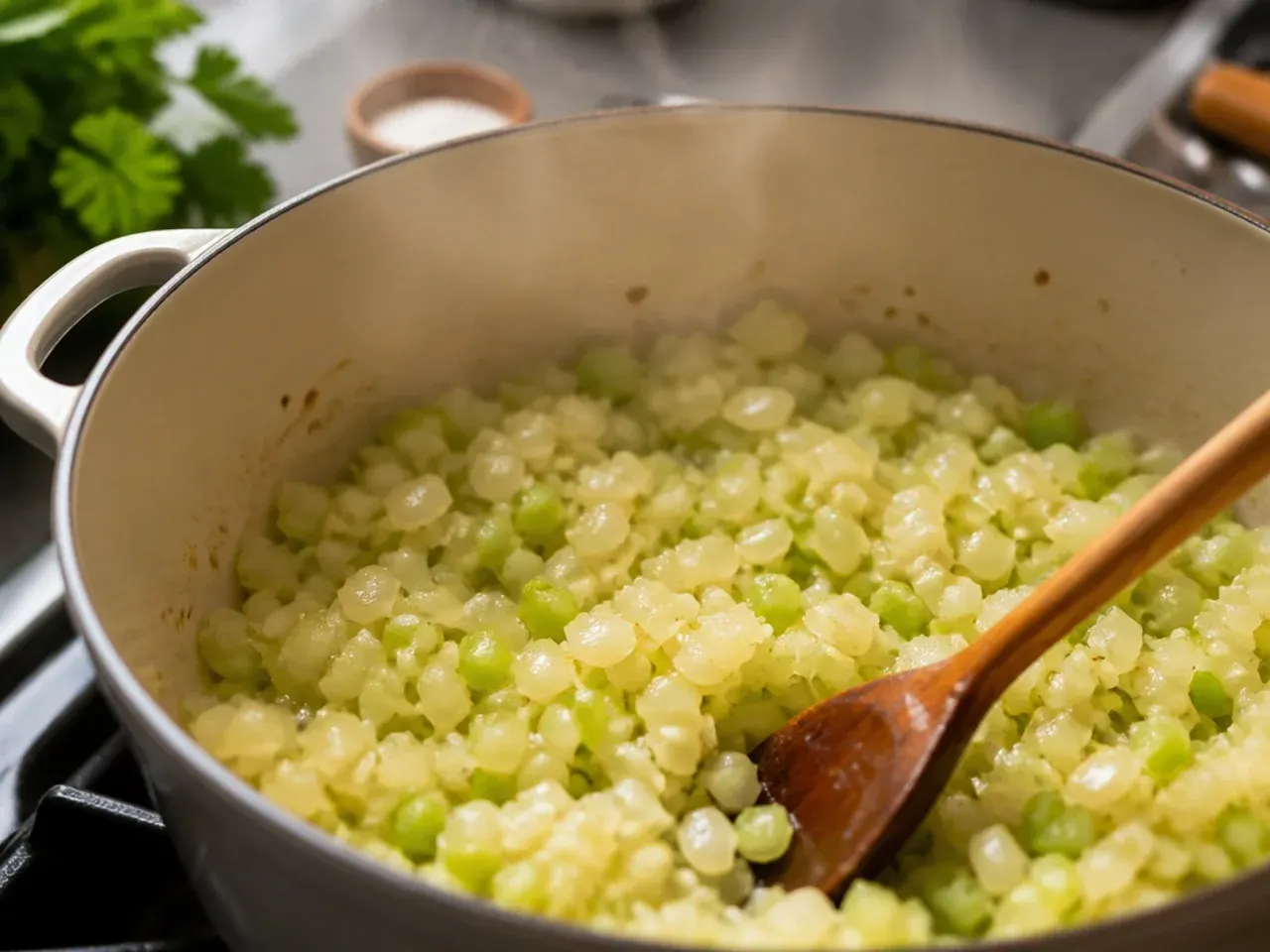
Add the remaining butter to the bacon fat in the pot, then tip in the onion and celery. Cook over medium-low heat for 5-6 minutes, stirring often, until soft and translucent but not browned. Stir in the garlic for the final 30 seconds, just until fragrant.
Step 4: Make the roux and add the stock
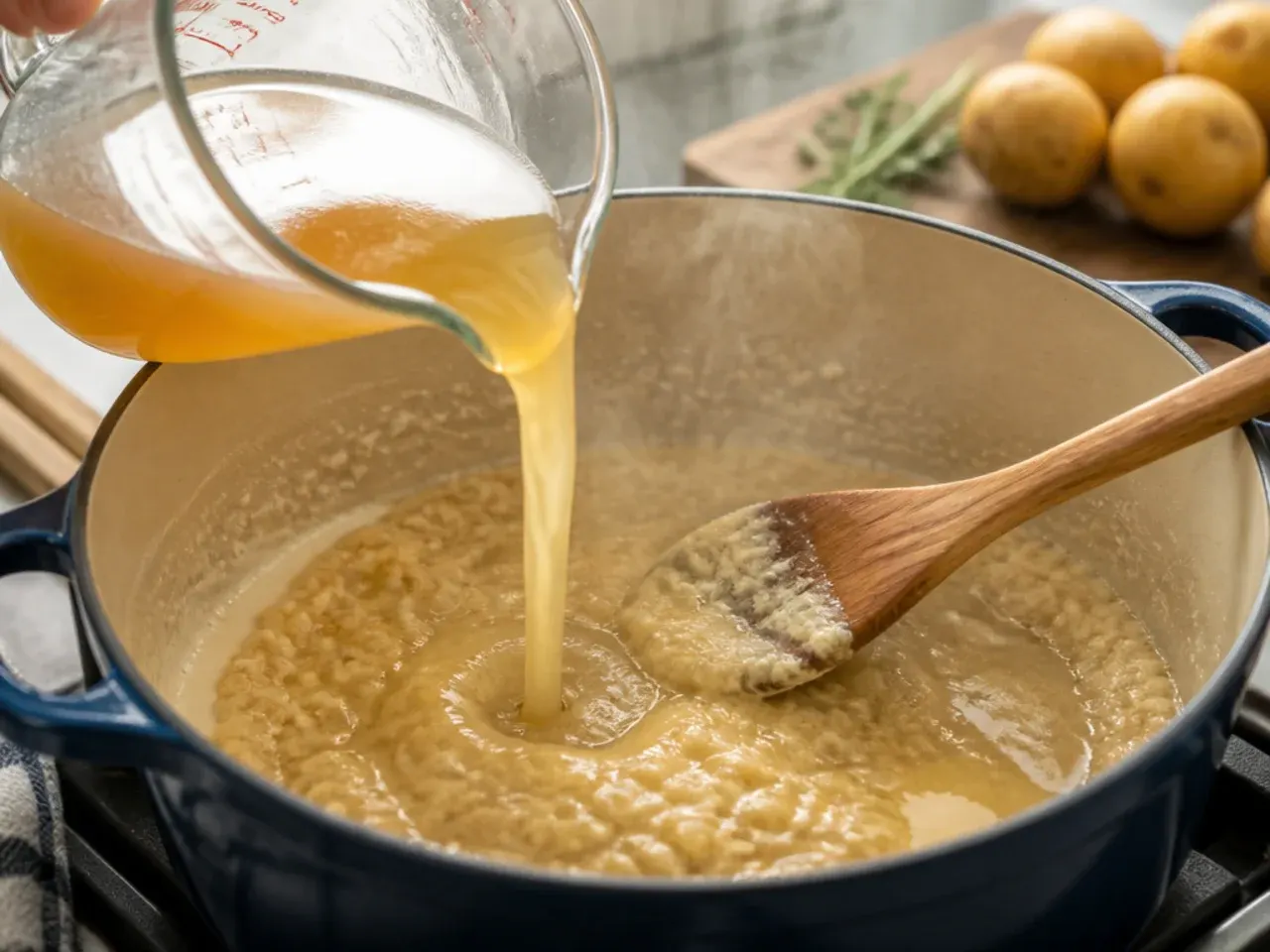
Sprinkle the 40 g (1/3 cup) flour over the softened vegetables and cook, stirring constantly, for 1 minute to lose its raw taste. Pour in the 1 litre (4 cups) chicken stock a little at a time, whisking as you go to keep the base smooth and lump-free, then bring to a simmer.
Step 5: Simmer the potatoes until tender
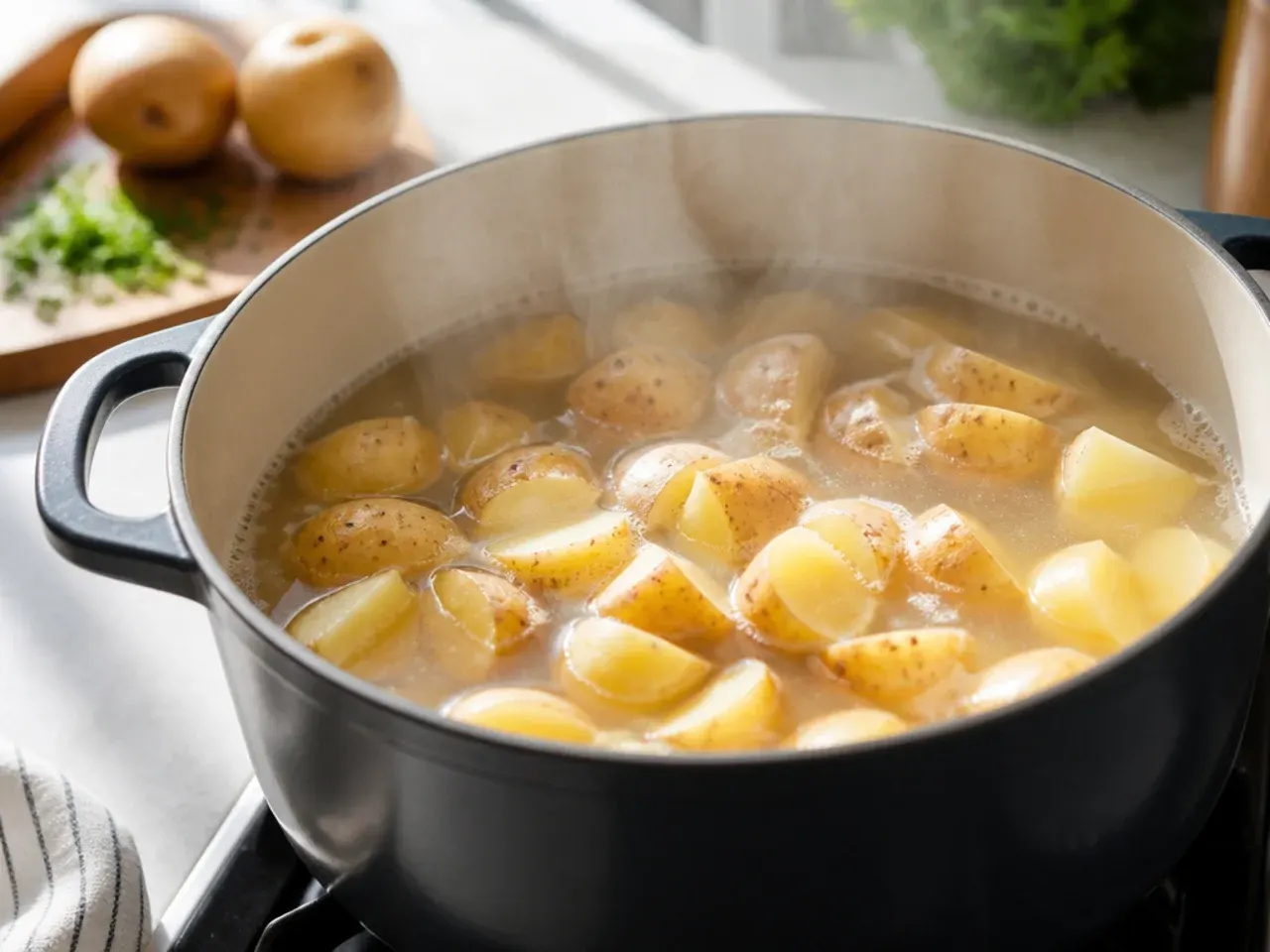
Add the diced potatoes to the pot and season with 1 tsp salt and a good grind of black pepper. Bring back to a gentle simmer, not a rolling boil, and cook for 18-20 minutes, until a knife tip slides into a potato piece with almost no resistance.
Step 6: Blend part of the soup and stir in the dairy
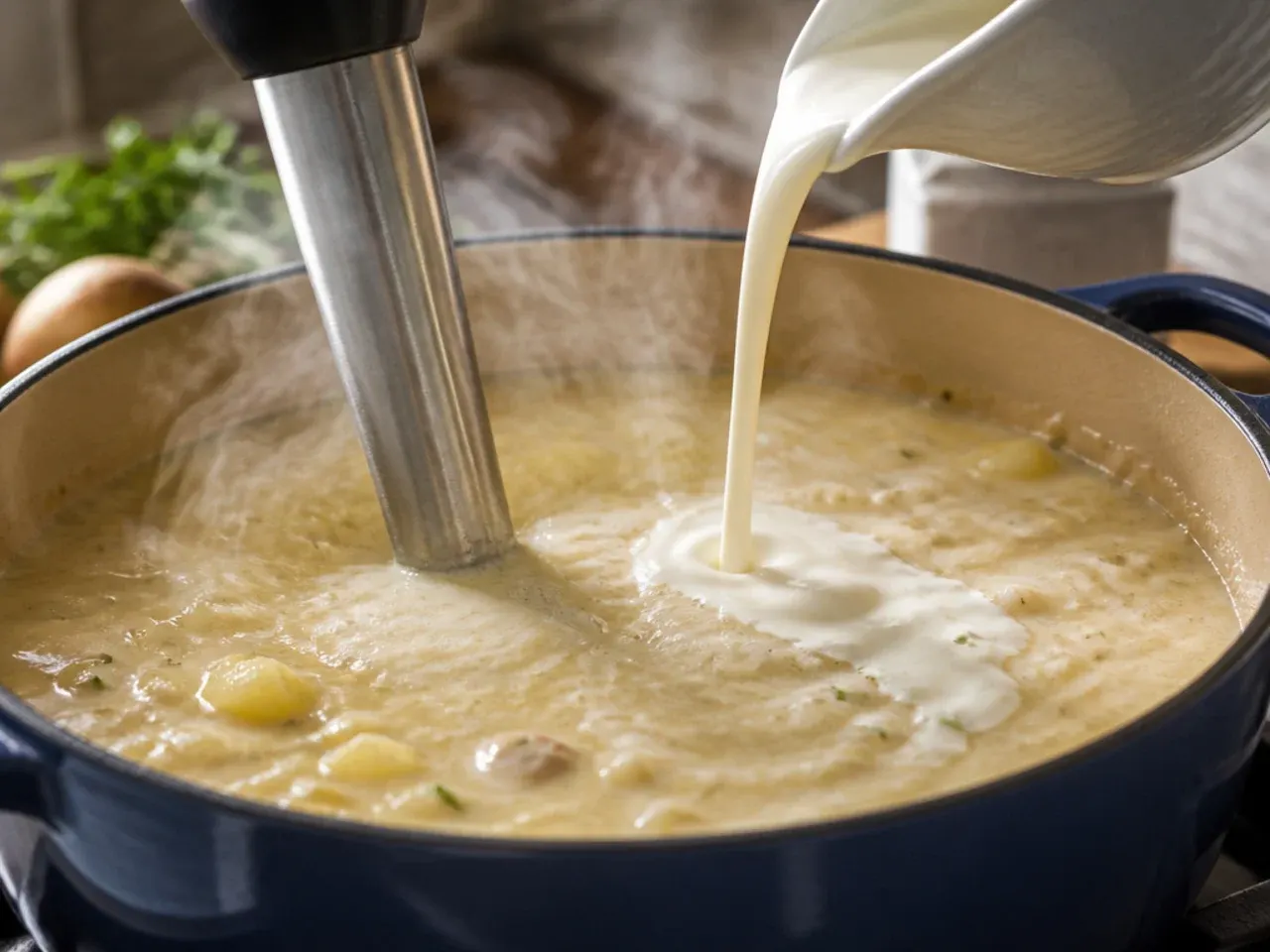
Ladle about a third of the soup into a jug and blend until smooth with a stick blender, then stir it back into the pot for a creamy body with plenty of potato pieces left intact. Take the pot off the heat, then stir in the warmed 240 ml (1 cup) milk and 120 ml (1/2 cup) double cream. Add the 100 g (1 cup) cheddar a handful at a time, stirring until melted and smooth.
Step 7: Season, garnish and serve

Stir in the 1 tsp cider vinegar and taste, adding more salt and pepper as needed since the dairy will have softened the seasoning. Ladle into bowls and top each one with the reserved crispy bacon, a scattering of sliced spring onions and extra cheddar. Serve immediately while hot.
Frequently Asked Questions
Yes, this soup actually tastes better the next day once the flavours have had time to settle. Make it up to the point just before adding the dairy, cool completely, and refrigerate the base for up to 4 days. Reheat gently over medium-low heat, then stir in warmed milk, cream and cheese fresh just before serving for the best texture.
Save this for later 📌
Pin this article to your Pinterest board so the full list is one tap away when you need it.
Save on Pinterest