30 Zucchini Recipes: What I Learned Making Them
Thirty batches taught me where easy zucchini recipes go wrong — soggy fritters, dense bread, mushy roasts — and exactly how to fix each one. If you love zucchini recipes inspiration, start with our Zucchini Recipes collection, then browse the full Fresh & Garden hub for more.

Save this for later 📌
Pin this article to your Pinterest board so the full list is one tap away when you need it.
Save on PinterestFresh & Garden
Beginner
Kitchen Journal
7 steps
Table of Contents
- Lesson 1: Salt the Zucchini Before Anything Else
- Lesson 2: Squeeze Harder Than Feels Necessary
- Lesson 3: Weigh Zucchini for Baking Instead of Using Cups
- Lesson 4: Give Roasted Zucchini Space on the Tray
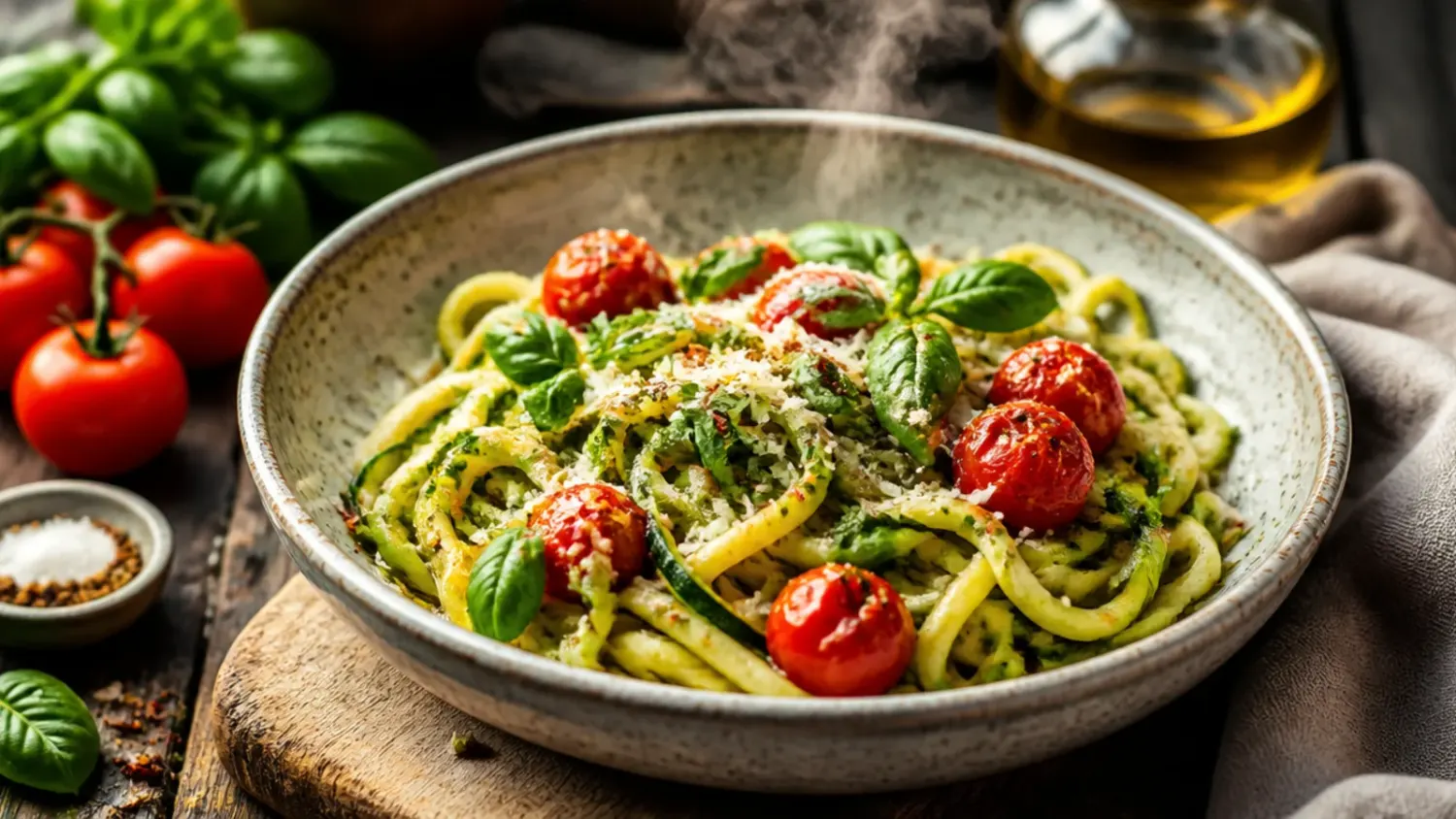
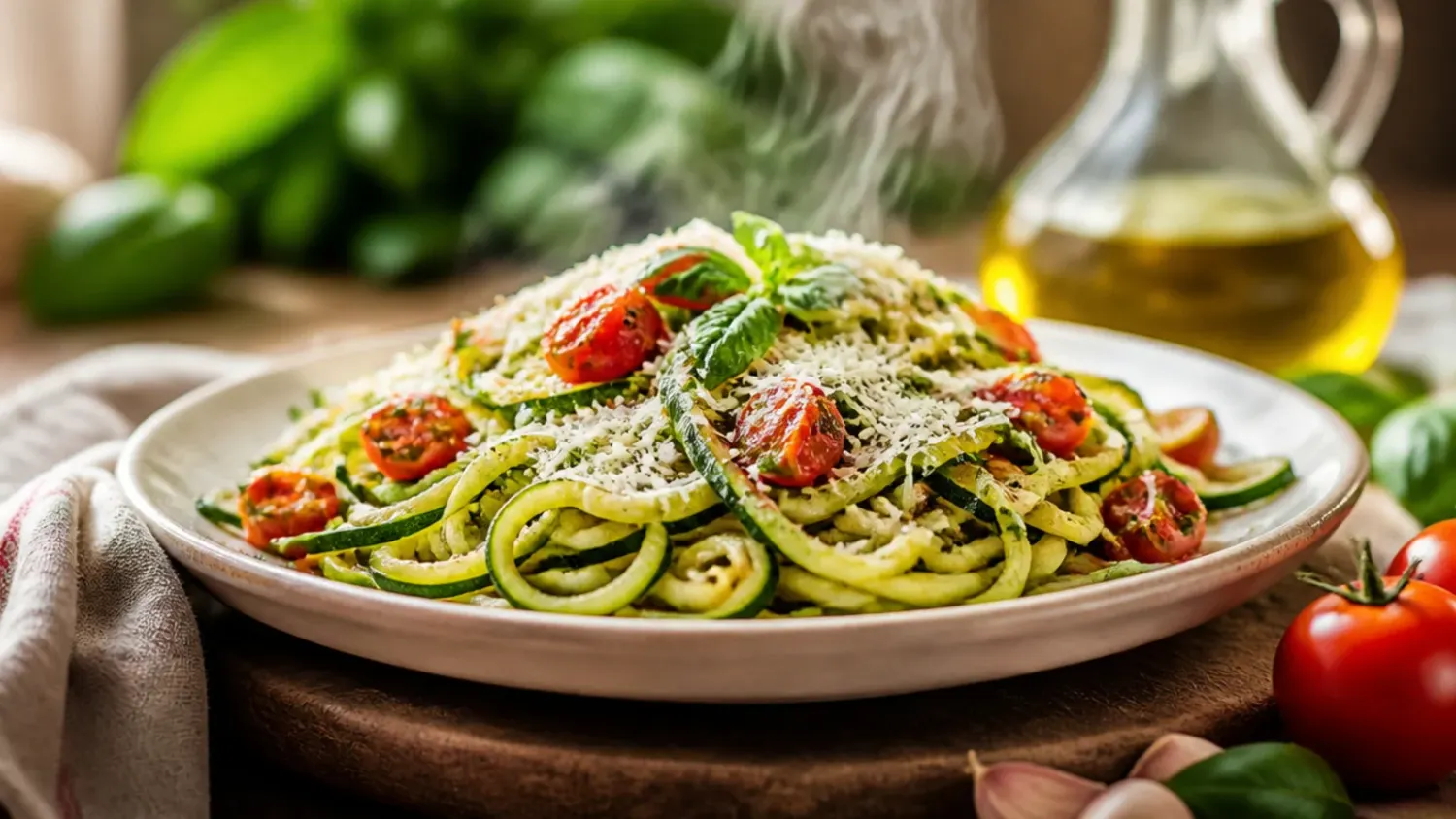
- Lesson 5: Salt and Drain Zoodles Before They Meet Any Sauce
- Lesson 6: Build Flavour Before You Add the Zucchini to Soup
- Lesson 7: Oil the Zucchini, Not Just the Grill
- Lesson 8: Coat Grated Zucchini in Flour Before Folding It Into Muffin Batter
- Lesson 9: Salt and Pre-Bake Zucchini Boats Before Stuffing
- Lesson 10: Dry the Sticks Completely Before Breading Zucchini Fries
- Lesson 11: Roast or Pre-Salt Zucchini Before Layering a Gratin
- Lesson 12: Add Zucchini to Pasta Sauce Late, Not Early
- Lesson 13: Slice Zucchini Chips Thin and Use a Rack, Not a Tray
- Lesson 14: Cook Ratatouille Vegetables Separately Before Combining Them
- Lesson 15: Keep the Heat Moderate for Zucchini Frittata
- Lesson 16: Measure Zucchini by Weight for Cakes, Then Squeeze Half the Water Out
- Lesson 17: Use Young Zucchini and a Short Brine for Crunchy Pickles
- Lesson 18: Never Crowd the Air Fryer Basket for Zucchini Fries
- Lesson 19: Dry the Batter and Oil the Iron for Savoury Zucchini Waffles
- Lesson 20: Chill Zucchini Patties Before They Hit the Pan
- Lesson 21: Cook Stir-Fried Zucchini Fast and Hot, in Batches
- Lesson 22: Pre-Roast Zucchini Slices Before Using Them as Lasagne Sheets
- Lesson 23: Roast or Grill Zucchini Before Blending It Into a Dip
- Lesson 24: Add Zucchini Later in a Curry, in Bigger Chunks
Lesson 1: Salt the Zucchini Before Anything Else

The first time I made fritters, I skipped salting and went straight to the batter, and I ended up with a wet, floppy mess that never crisped up. Now I toss 700 g of grated zucchini with a teaspoon of salt and let it sit in a colander for 10-15 minutes before I do anything else. That resting time pulls out a surprising amount of water on its own, long before I even squeeze it. Skipping this step is the single biggest reason fritters and gratins turn out soggy.
Lesson 2: Squeeze Harder Than Feels Necessary
I used to give the grated zucchini a light press and call it done, which left just enough water in there to thin out every batter I made. These days I pile the salted zucchini into a clean tea towel, twist it tight over the sink, and keep squeezing until my arms actually get tired. You should see close to 100-120 ml of liquid come out of 700 g of zucchini, and the pile should feel noticeably drier and lighter. If you're not surprised by how much comes out, you haven't squeezed enough yet.
Lesson 3: Weigh Zucchini for Baking Instead of Using Cups
My first zucchini bread was dense and gummy in the middle because a "cup" of grated zucchini from a fat courgette held way more water than the recipe writer's cup did. Now I weigh out 250 g of grated zucchini for a standard loaf rather than trusting a volume measurement, and I still blot it with paper towel first. The loaf bakes evenly all the way through when the moisture is consistent. Weighing takes ten extra seconds and has fixed every dense-centre loaf I used to get.
Lesson 4: Give Roasted Zucchini Space on the Tray
I once crammed two courgettes' worth of slices onto one small tray, and instead of roasting, they steamed themselves into grey, watery discs. Now I spread the pieces in a single layer with gaps between them on a large tray at 220°C (425°F), even if that means using two trays. Within 18-20 minutes the edges catch real colour and the centres stay tender instead of mushy. Overcrowding is the quiet reason so many people think they "don't like" roasted zucchini.
Lesson 5: Salt and Drain Zoodles Before They Meet Any Sauce
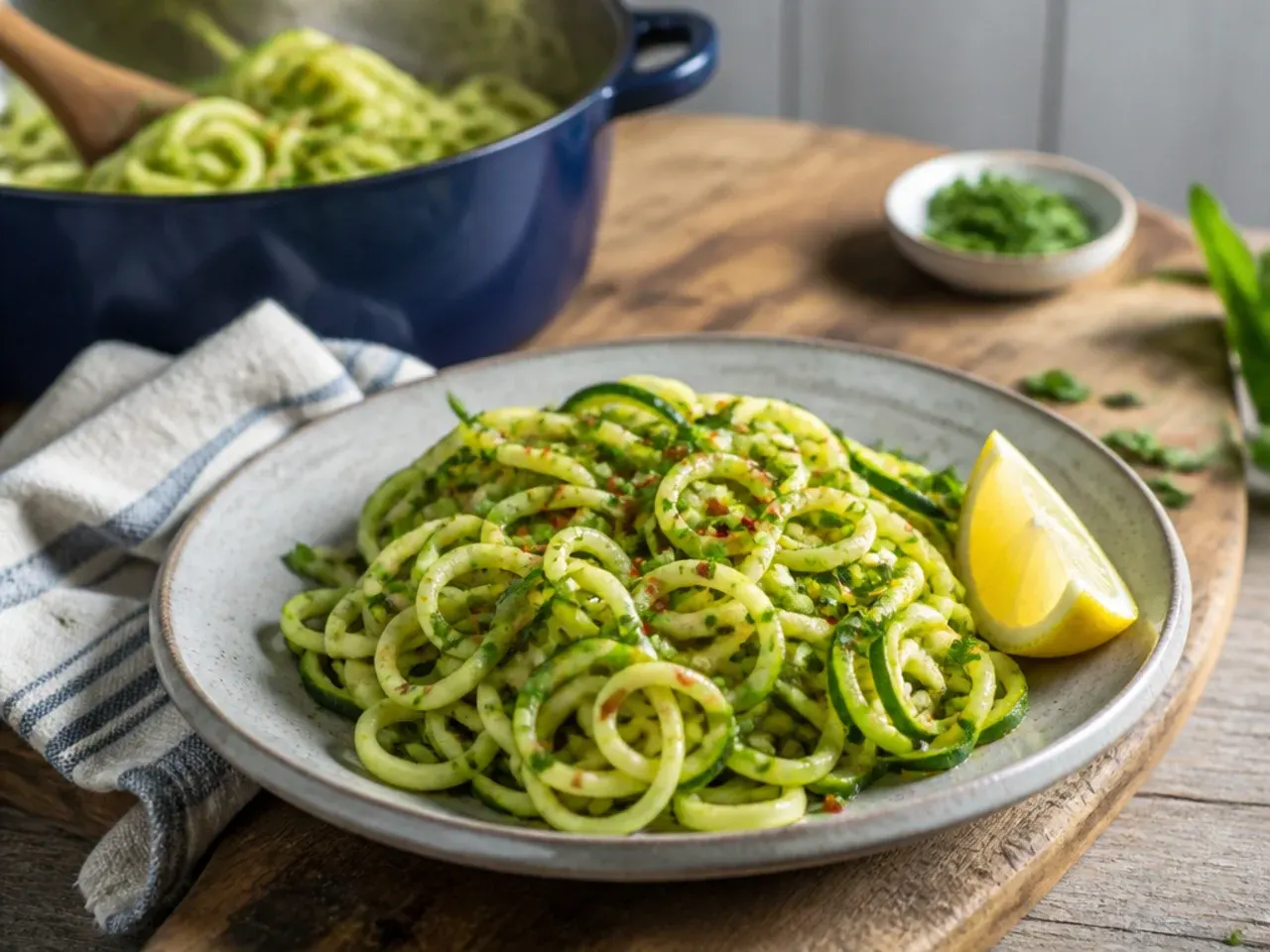
The first time I made zucchini noodles, I tossed them straight into hot sauce and watched the whole pan turn into soup within minutes. Now I salt the spiralised noodles lightly and let them sit in a colander for 10 minutes, then pat them dry with a tea towel before they go anywhere near heat. I also only cook them for 60-90 seconds in the hot sauce, just to warm through, since fully cooking zoodles is what breaks them down into mush. Treat them more like a garnish that needs warming than a pasta that needs boiling.
Lesson 6: Build Flavour Before You Add the Zucchini to Soup
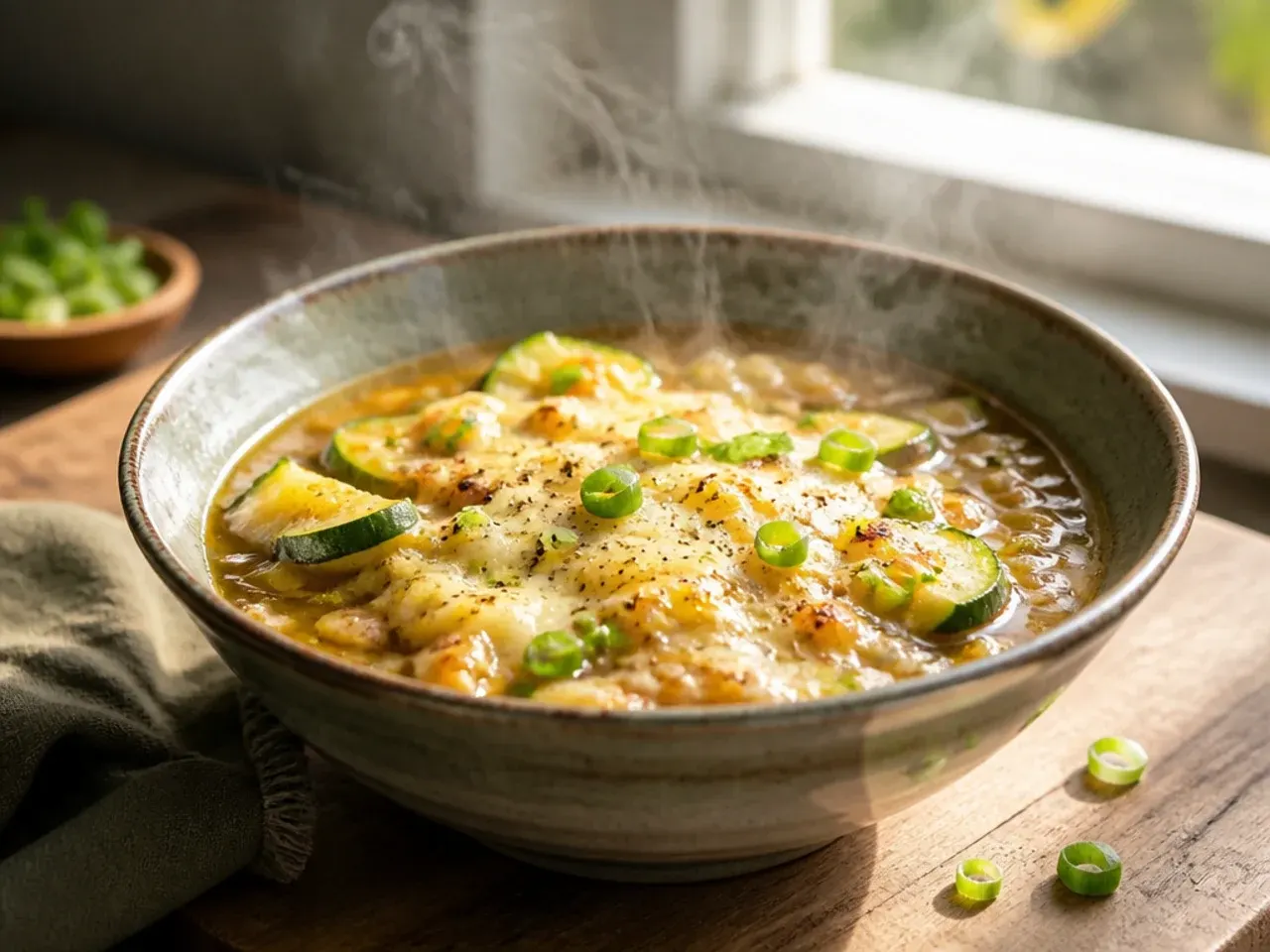
My early zucchini soups tasted like boiled water with vegetables floating in it, because I dropped everything into the pot at once. Now I sweat a chopped onion and two cloves of garlic in butter for 5 minutes until soft and fragrant before the zucchini or stock ever goes in. That base layer of cooked aromatics is what makes the final blended soup taste rounded instead of thin. A splash of cream or a swirl of crème fraîche at the end finishes the job.
Lesson 7: Oil the Zucchini, Not Just the Grill
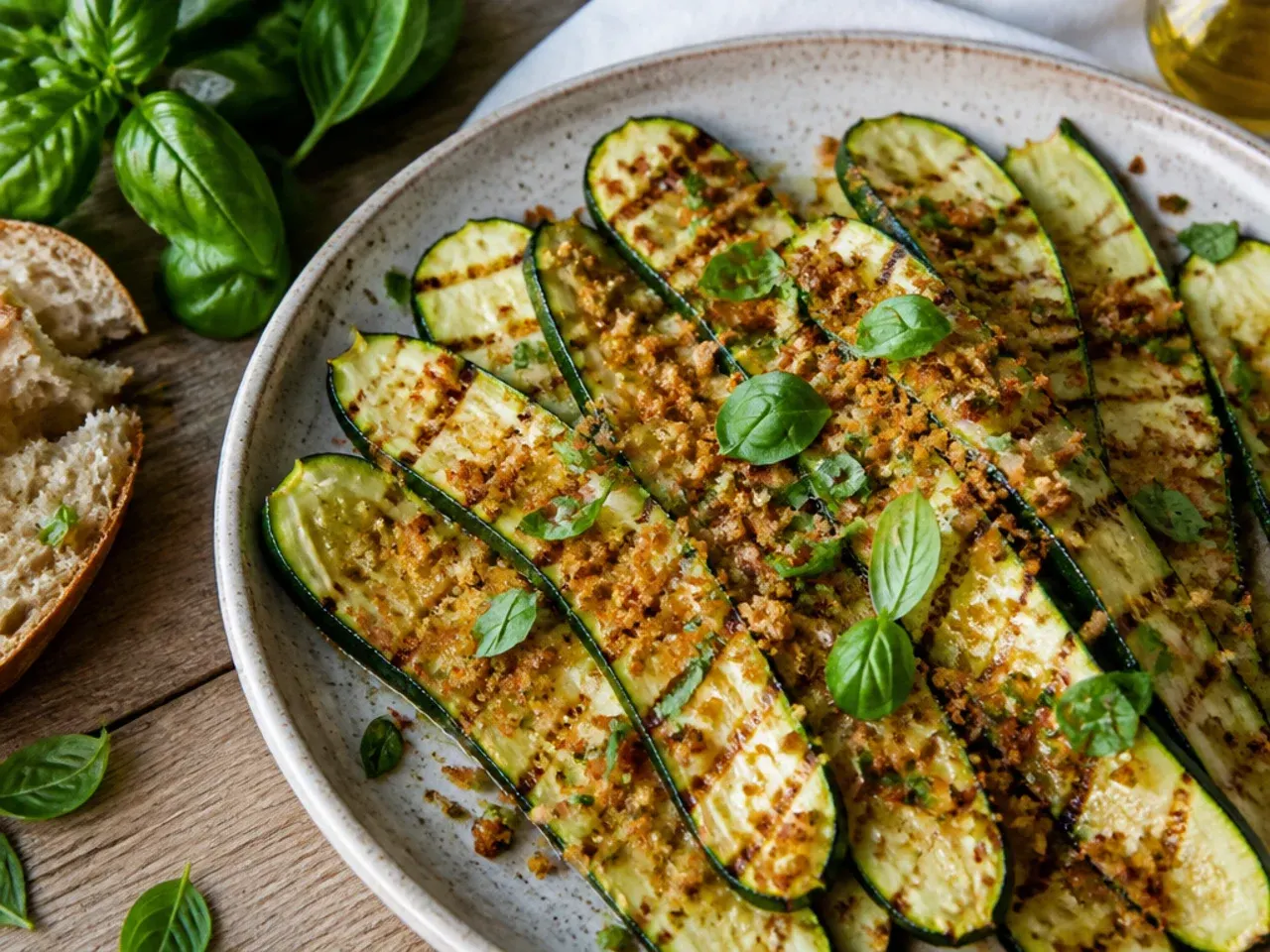
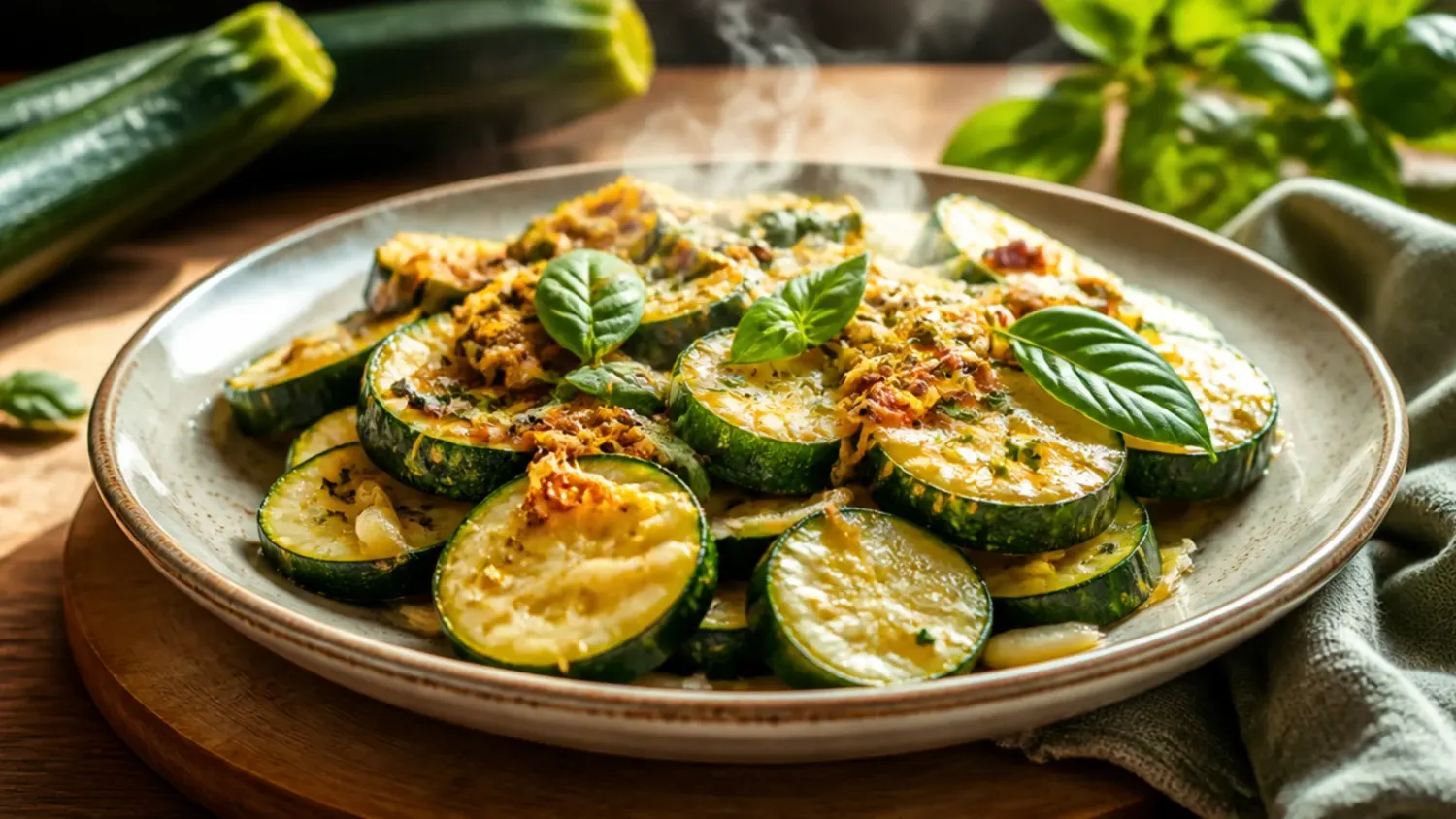
Grilled zucchini used to stick and shred apart on me constantly, no matter how well I thought I'd oiled the grates. The fix was embarrassingly simple: brush oil directly onto the cut 1 cm-thick slices rather than relying on the grill bars alone. Cooked over high heat for 3-4 minutes per side, the slices release cleanly once proper grill marks have formed, so resist the urge to move them early. Cutting the slices lengthwise and evenly also stops thin edges from cooking to mush while the middle stays raw.
Lesson 8: Coat Grated Zucchini in Flour Before Folding It Into Muffin Batter

My zucchini muffins kept sinking in the middle, and I blamed my oven for ages before I figured out the real problem. Folding wet, ungrated-in-flour zucchini straight into batter weighs down the centre and overworks the mixture as you try to distribute it evenly. Now I toss the squeezed, grated zucchini in a tablespoon of the recipe's flour first, which helps it suspend through the batter instead of sinking. Mixing everything only until just combined, with a few streaks of flour still visible, keeps the crumb light instead of gummy.
Lesson 9: Salt and Pre-Bake Zucchini Boats Before Stuffing
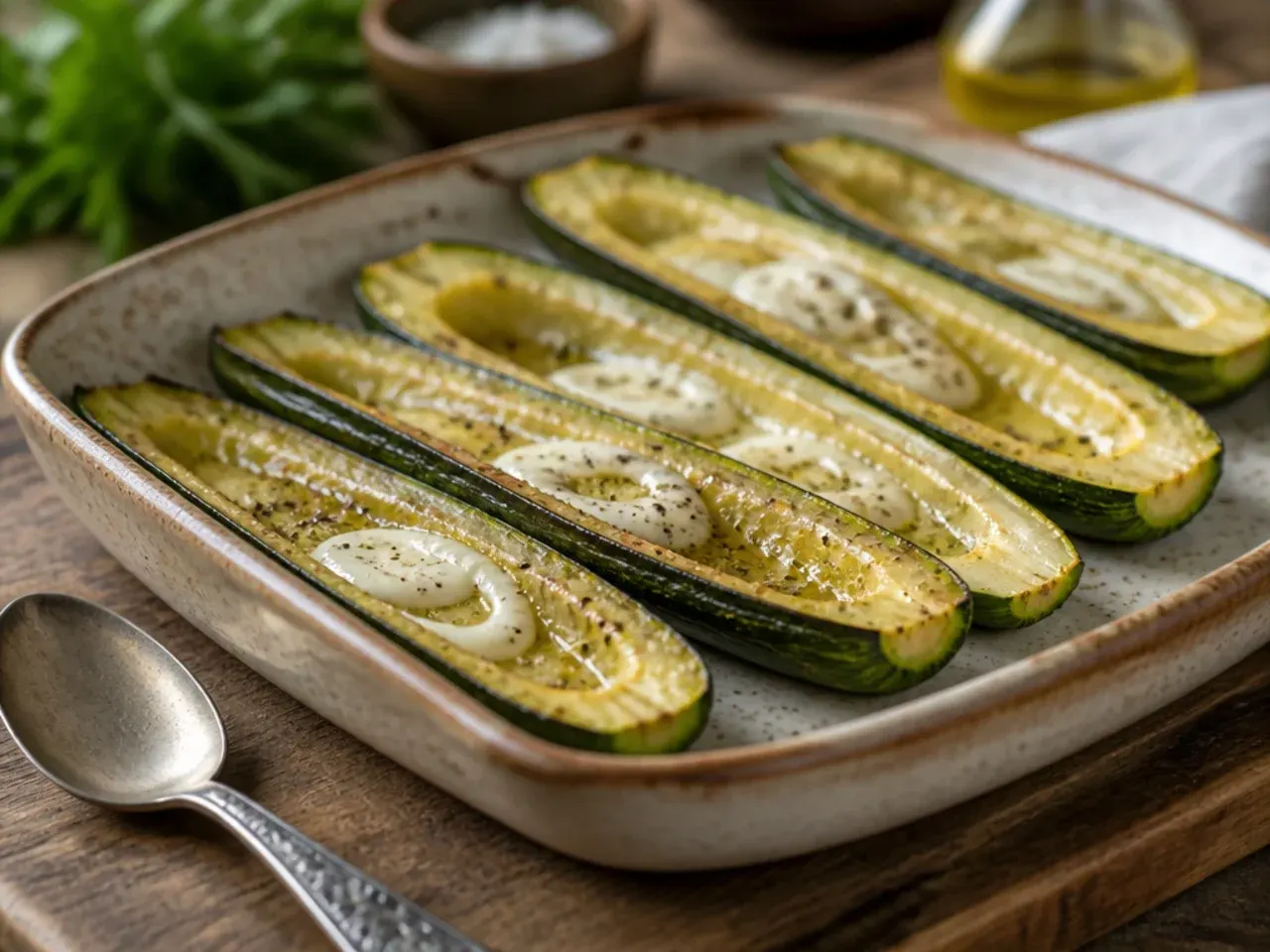
Stuffed zucchini boats used to leak so much liquid that the filling floated in a puddle by the time they came out of the oven. Now I scoop out the seeds, salt the inside of each shell, and let them sit cut-side down on paper towel for 10 minutes to drain before they see any filling. I also pre-bake the empty shells at 200°C (400°F) for 8-10 minutes so they've already released their worst moisture. Stuffing them after that step keeps the filling intact instead of swimming.
Lesson 10: Dry the Sticks Completely Before Breading Zucchini Fries
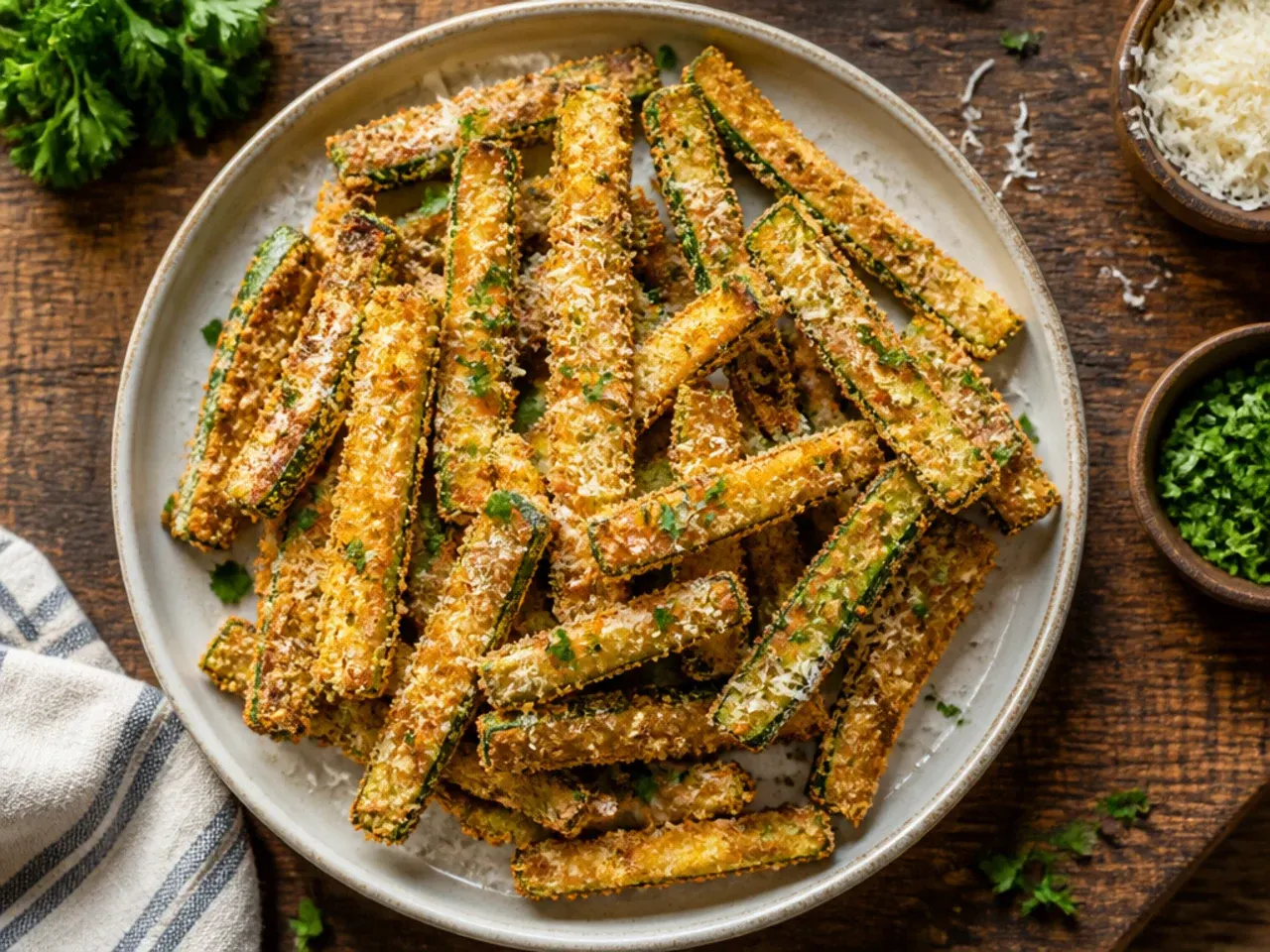
My breaded zucchini fries used to lose half their coating in the frying pan, leaving bald patches where the breadcrumbs had simply slid off. The moisture on the surface of the cut sticks was the culprit, so now I pat each one thoroughly dry with paper towel before it goes anywhere near flour. A proper three-step dredge of flour, then beaten egg, then breadcrumbs, with a firm press at each stage, gives the coating something dry to actually cling to. Baking them on a wire rack over a tray instead of directly on the tray keeps the underside crisp instead of steamed.
Lesson 11: Roast or Pre-Salt Zucchini Before Layering a Gratin
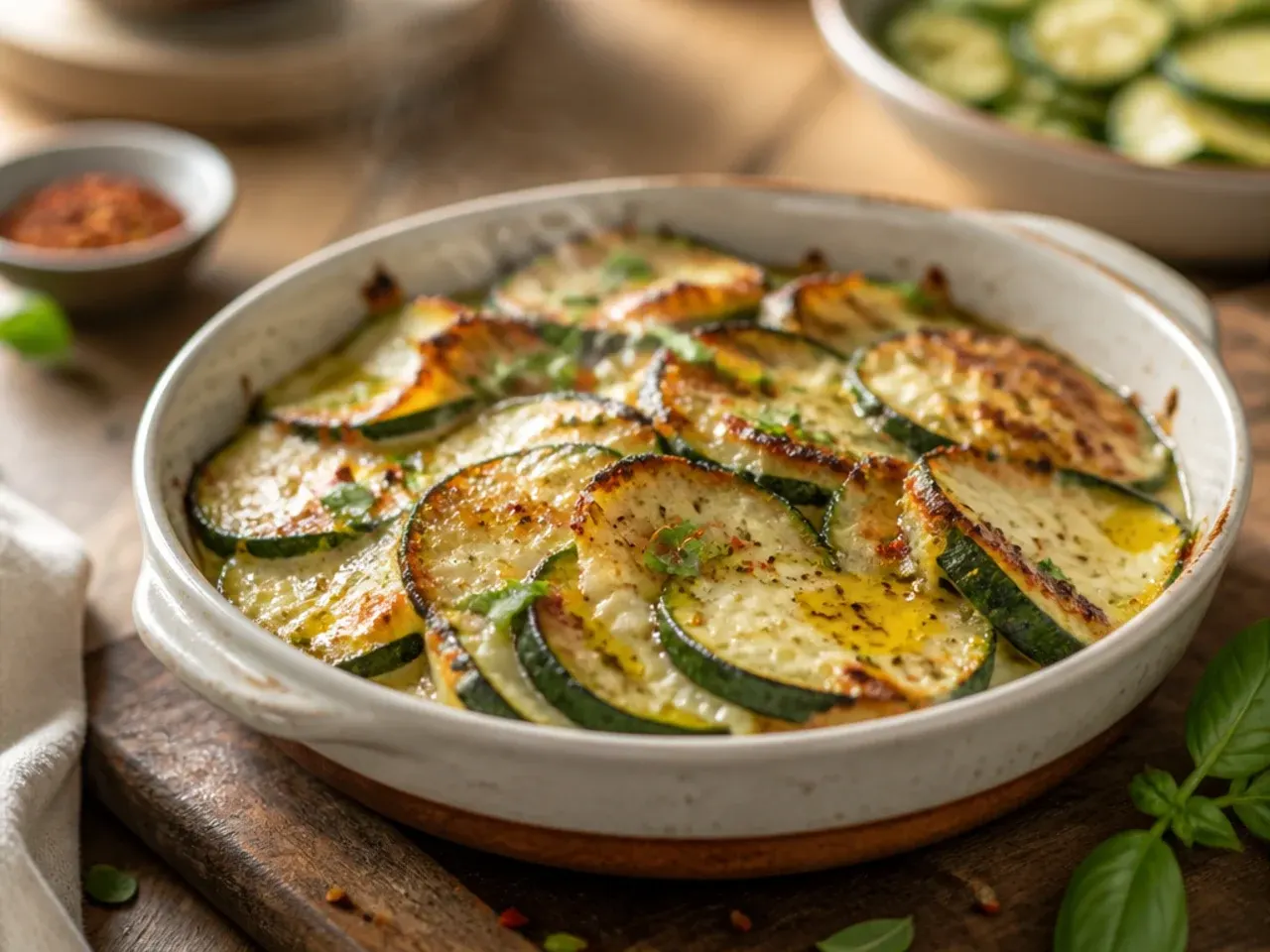
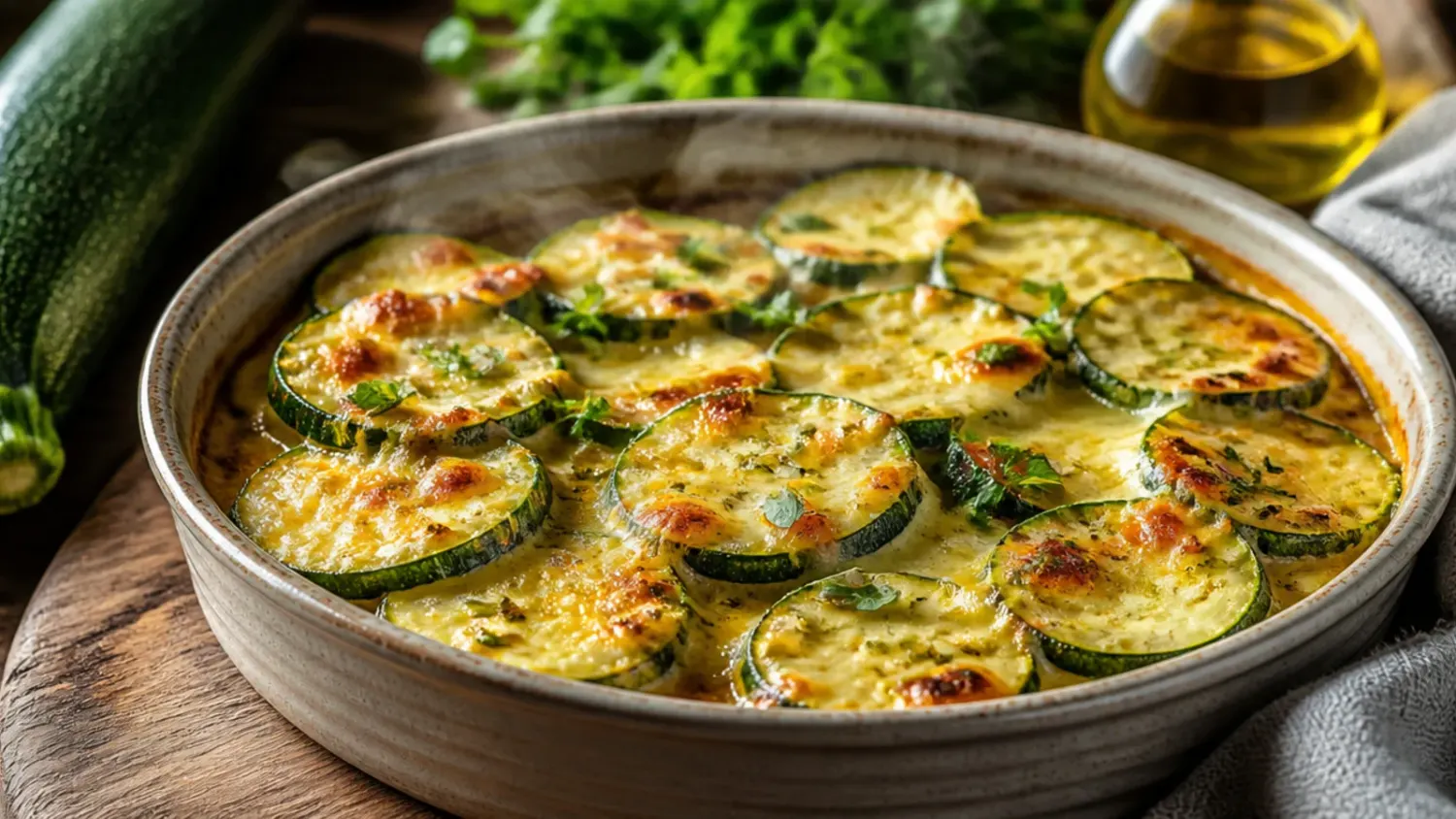
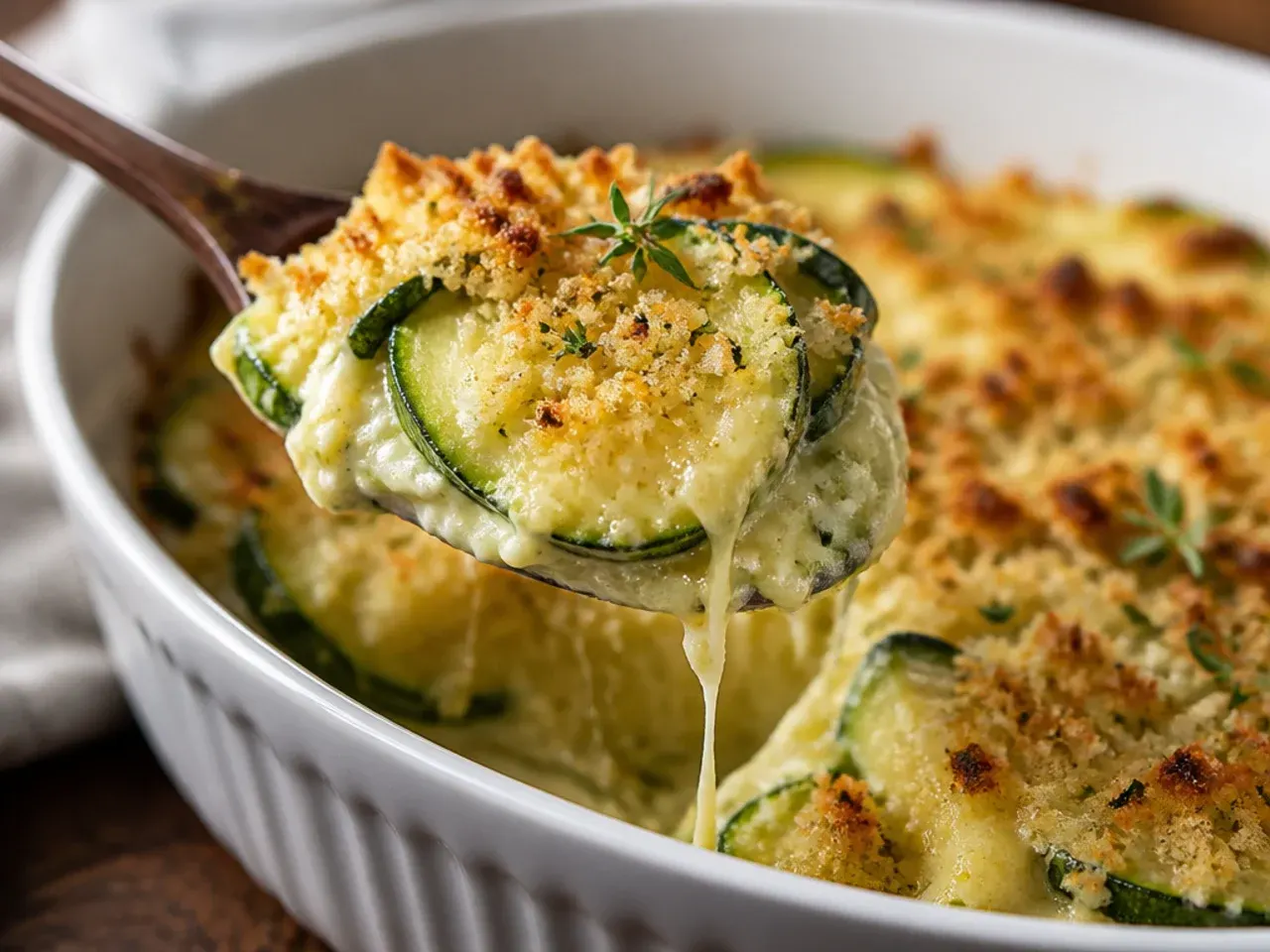
My first zucchini gratin was swimming in watery liquid under a soggy layer of cheese by the time it came out of the oven. Raw sliced zucchini releases a shocking amount of water as it bakes low and slow under a lid of cream and cheese. Now I either salt the slices and press them between towels for 15 minutes, or roast them at 200°C (400°F) for 10 minutes first to drive off moisture before they ever touch the baking dish. Either fix turns a watery bake into one where the sauce actually clings to the vegetables.
Lesson 12: Add Zucchini to Pasta Sauce Late, Not Early
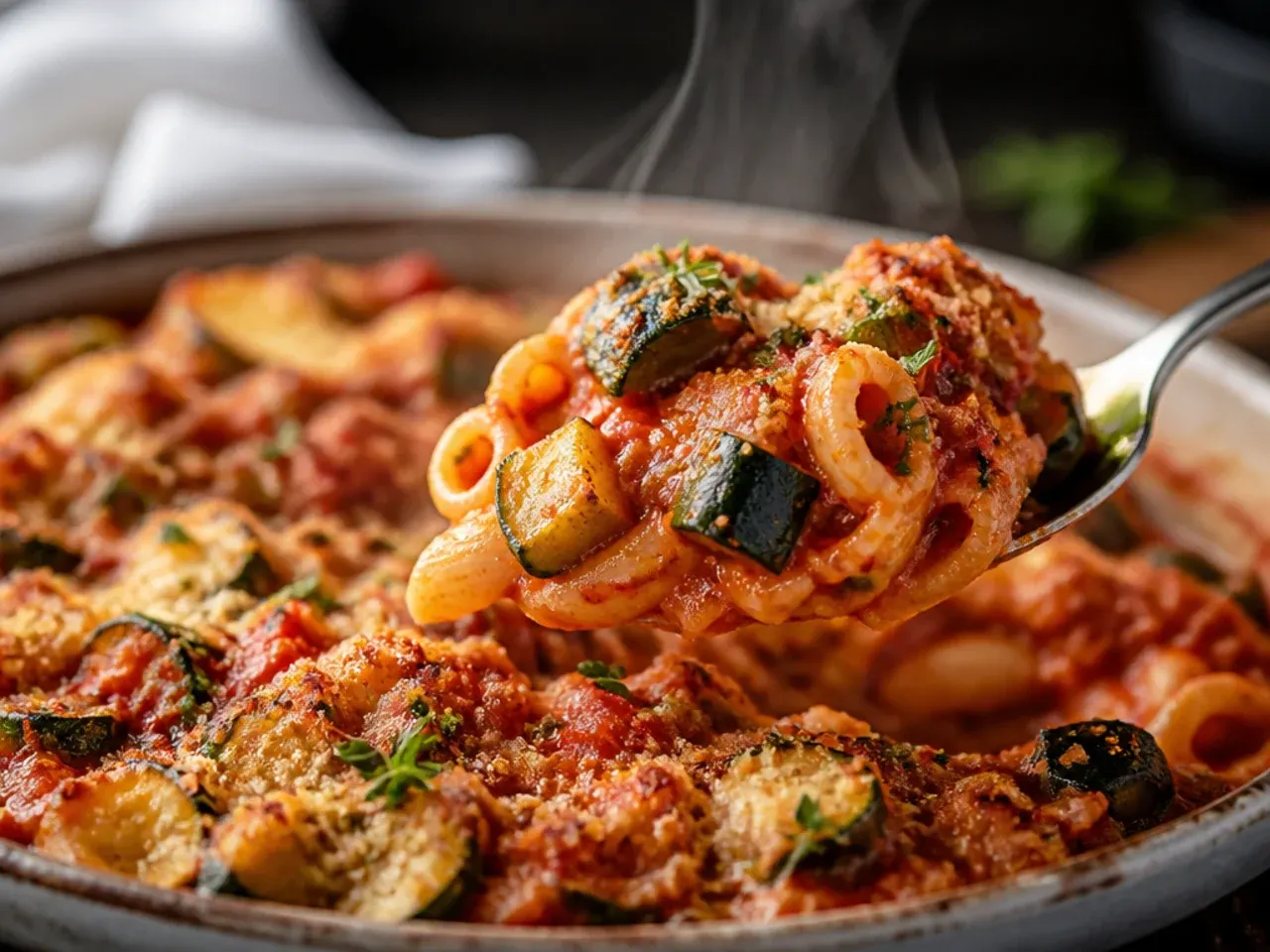
I used to throw diced zucchini into the sauce at the very start and simmer everything together for 20 minutes, which turned it into flavourless mush that disappeared into the sauce. Now I sauté the zucchini separately in a hot pan for just 4-5 minutes until it's golden at the edges but still has bite, then stir it through the finished sauce right before serving. Cooking it hot and fast instead of low and slow is what keeps the pieces distinct. Adding it last also means the sauce doesn't dilute with all the water zucchini sheds as it cooks.
Lesson 13: Slice Zucchini Chips Thin and Use a Rack, Not a Tray
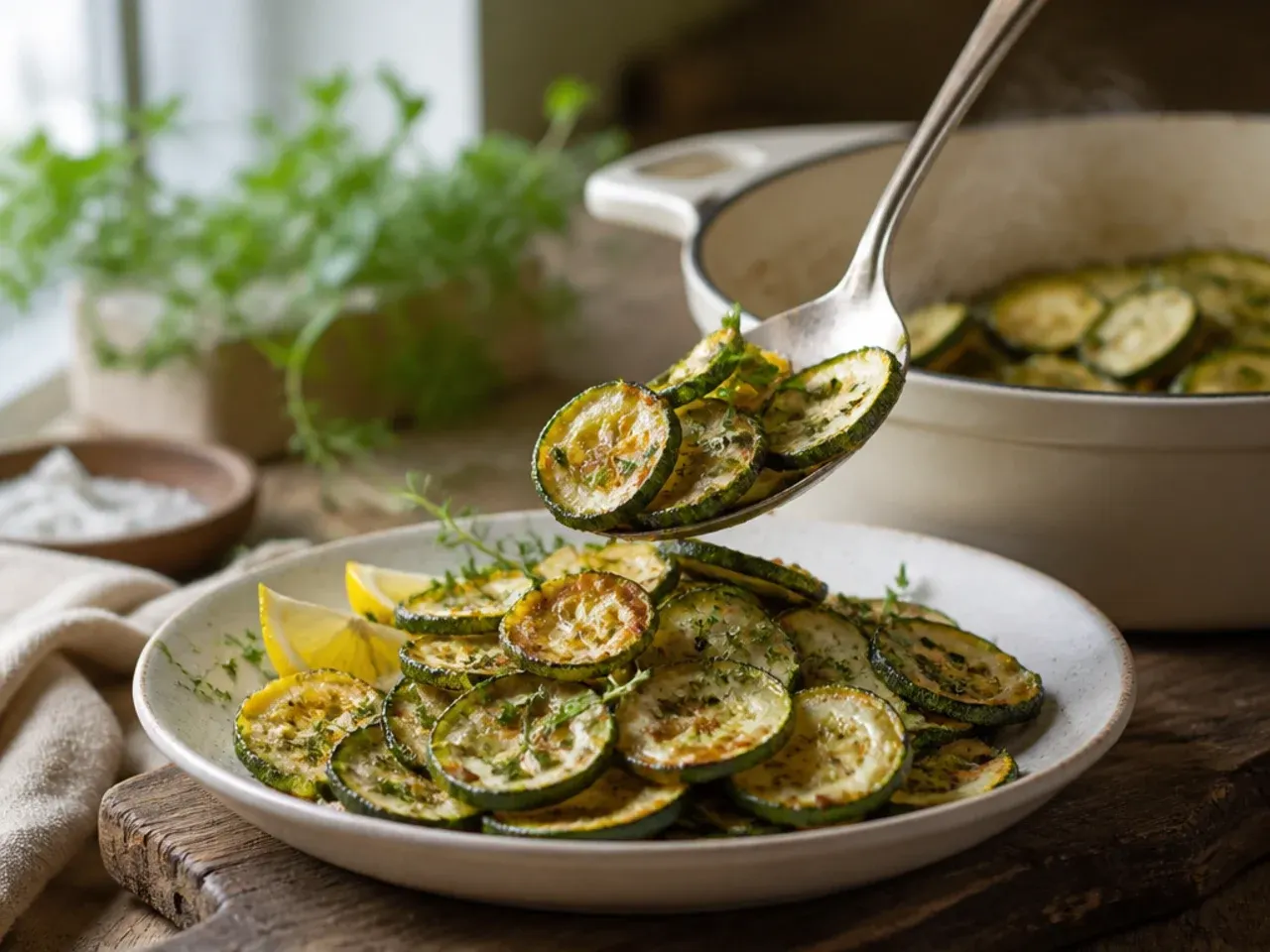
My oven-baked zucchini chips never crisped up; they just dried into leathery, floppy rounds no matter how long I left them in. Cutting the slices thicker than about 2-3 mm was part of the problem, since anything thicker traps too much moisture to ever go crisp. Now I slice thin with a mandoline, salt and pat the rounds dry first, then bake them on a wire rack set inside the tray at 120°C (250°F) for 60-90 minutes so air circulates underneath. Baking directly on a tray traps steam against the bottom of every single chip.
Lesson 14: Cook Ratatouille Vegetables Separately Before Combining Them
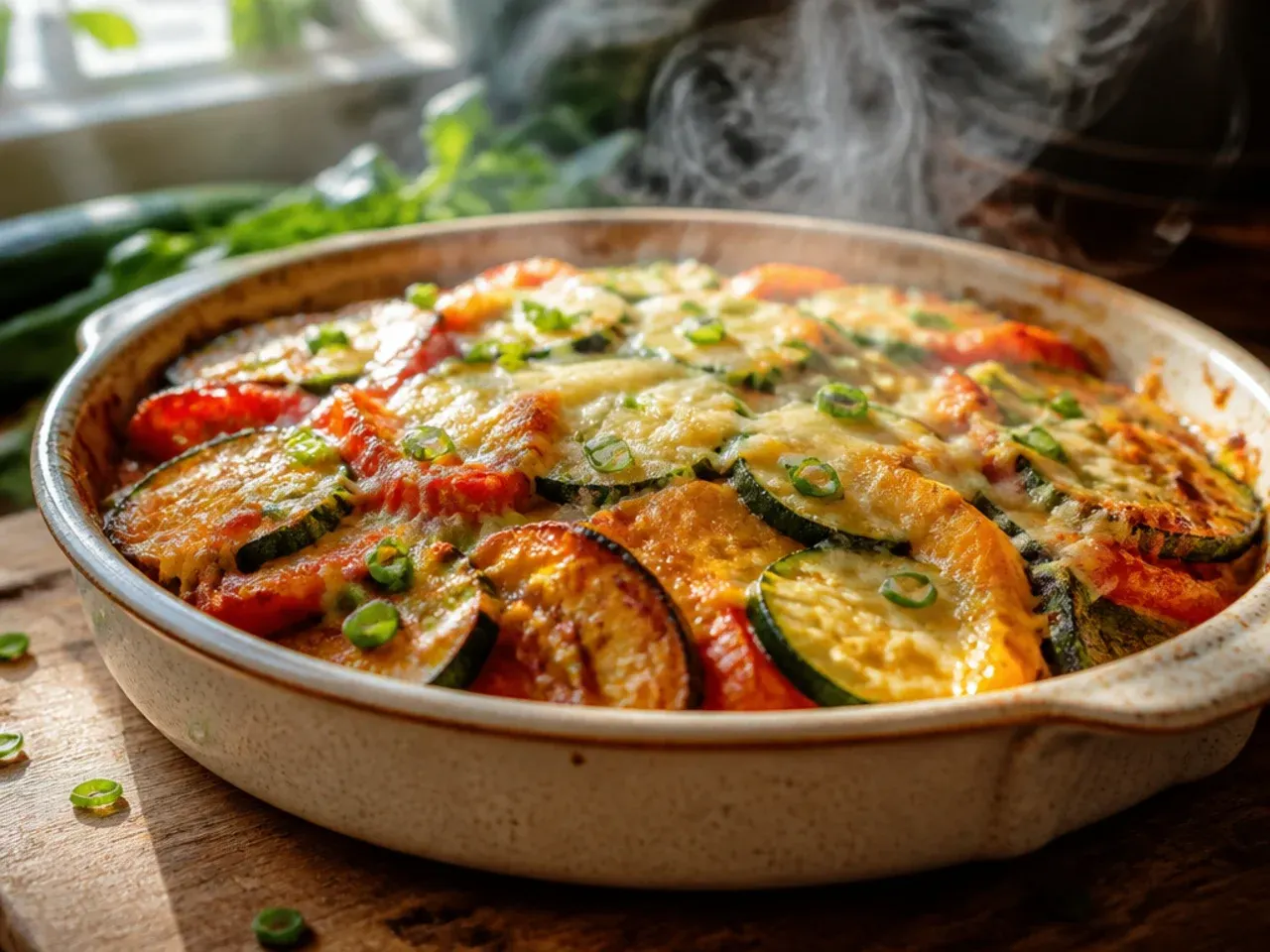
Every early ratatouille I made turned into one uniform, mushy stew because I threw all the vegetables into one pot at the same time. Zucchini cooks through in a fraction of the time that aubergine or peppers need, so combining them from the start means something is always overcooked. Now I sauté each vegetable separately in its own batch, just until lightly golden, before folding them all together with the tomato base for a final 10-minute simmer. Cutting the zucchini into larger chunks rather than small dice also helps it hold its shape.
Lesson 15: Keep the Heat Moderate for Zucchini Frittata
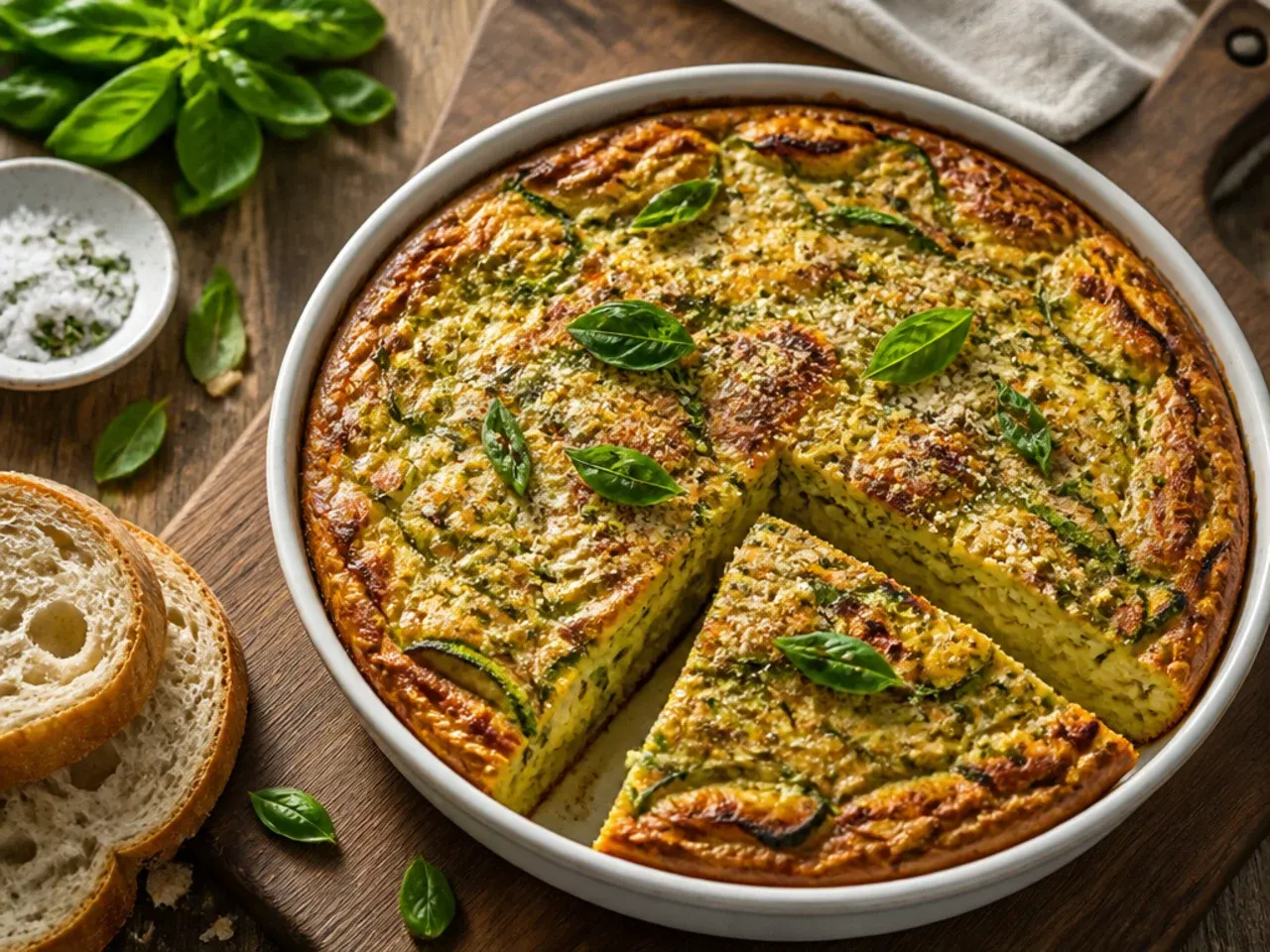
My zucchini frittatas kept turning rubbery around the edges while the centre stayed underset, because I was cooking them over heat that was too high for eggs. Now I cook the zucchini and onion filling first, then pour in the beaten eggs and cook over medium-low heat, pulling the pan off the heat once the edges just set. Finishing under a low grill for 3-4 minutes cooks the top gently without toughening the rest. Rubbery eggs are almost always a heat problem, not a timing problem.
Lesson 16: Measure Zucchini by Weight for Cakes, Then Squeeze Half the Water Out

Chocolate zucchini cake was the recipe that finally taught me to stop trusting cup measurements for anything watery. Too much liquid zucchini made the crumb gummy and slow to set even after extending the bake time. Now I weigh 200 g of grated zucchini, squeeze out roughly half its liquid by hand, and fold it through the batter while it's still a little damp rather than bone dry. That middle ground keeps the cake moist without tipping it into dense.
Lesson 17: Use Young Zucchini and a Short Brine for Crunchy Pickles
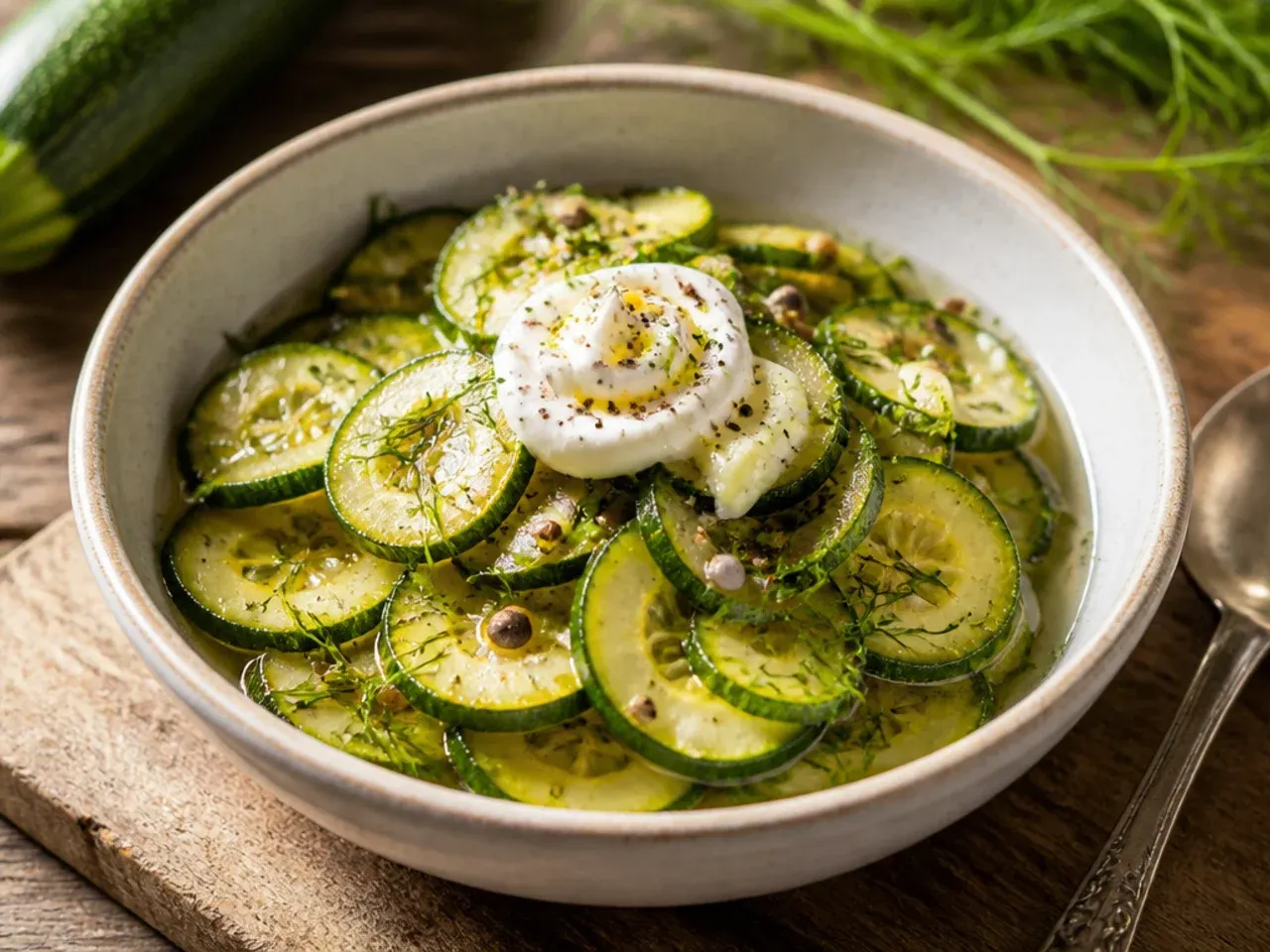
My first batch of quick-pickled zucchini went limp and lifeless within a day, which was disappointing after all the slicing. Older, larger zucchini simply don't have the crunch to survive pickling, so now I only pickle small, firm ones under about 15 cm long. Salting the thin slices for 30 minutes to draw out water before they meet the hot brine, and never boiling the slices themselves, keeps real crunch in the jar. A short 5-minute hot-brine pour over raw slices beats simmering the zucchini in the vinegar every time.
Lesson 18: Never Crowd the Air Fryer Basket for Zucchini Fries
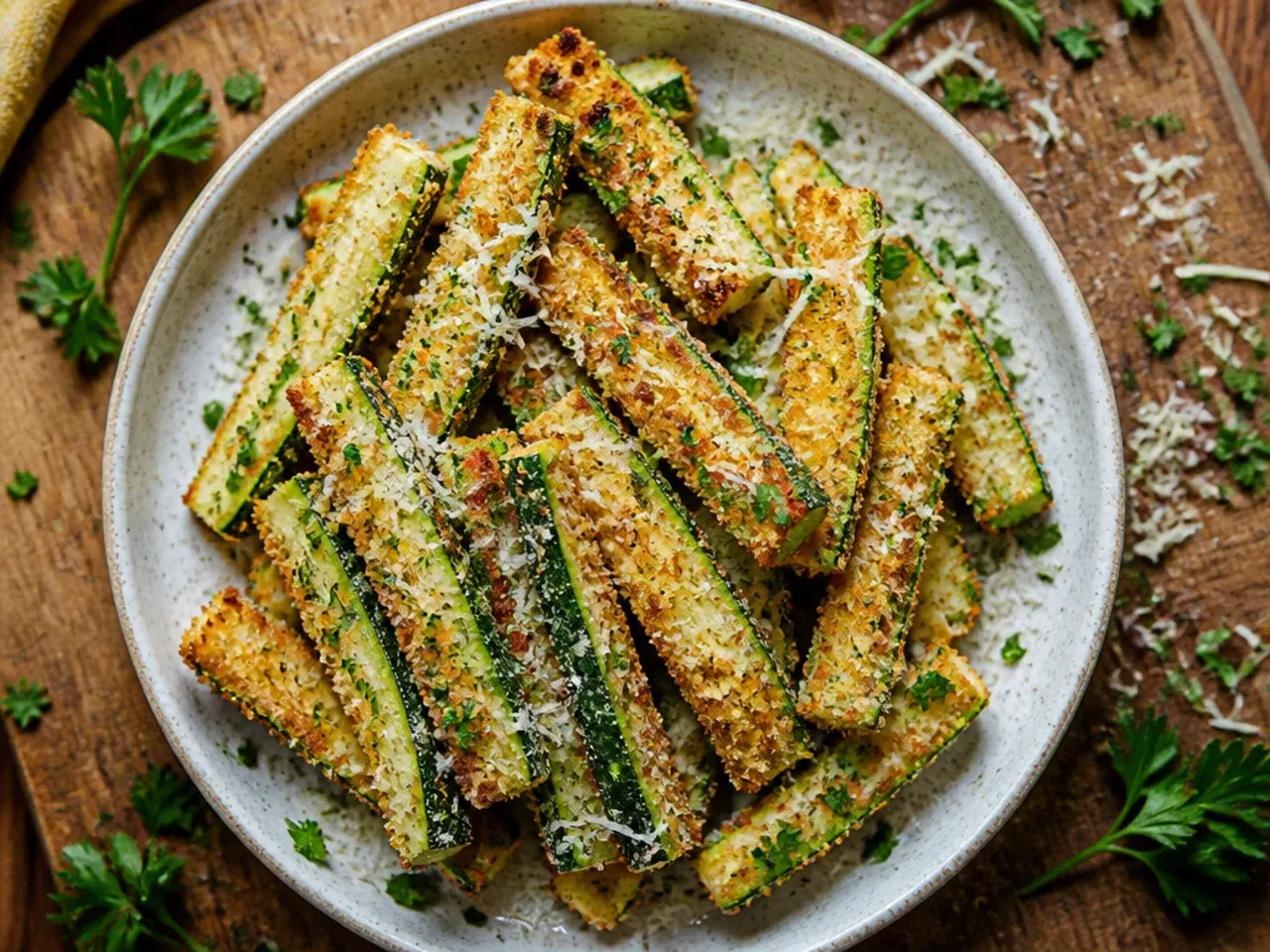
I tried to save time by cooking a full batch of breaded zucchini fries in one layer that was really two layers deep, and half of them came out pale and soft instead of crisp. Air fryers crisp food by circulating hot air around it, so any overlap just steams that section instead. Now I cook in batches of a single layer at 200°C (400°F) for 8-10 minutes, shaking the basket halfway through, even if that means three rounds instead of one. It takes longer overall, but every single fry comes out crisp instead of only some of them.
Lesson 19: Dry the Batter and Oil the Iron for Savoury Zucchini Waffles

My first attempt at savoury zucchini waffles stuck so badly to the iron that half the waffle stayed behind when I lifted the lid. Zucchini's water content makes the batter stickier than a standard waffle batter, so squeezing the grated zucchini dry beforehand matters even more here than in fritters. Brushing the iron with oil before every single waffle, not just the first one, and filling it only two-thirds full so it doesn't overflow and stick to the edges, solved the problem completely. Cooking a shade longer than a sweet waffle recipe suggests also helps the moisture cook off properly.
Lesson 20: Chill Zucchini Patties Before They Hit the Pan

My zucchini veggie burgers fell apart the moment I tried to flip them, scattering across the pan in loose pieces. The mixture needed both a proper binder and time to firm up, so now I make sure there's an egg and 3-4 tablespoons of breadcrumbs per batch, then chill the shaped patties in the fridge for at least 20 minutes before cooking. Cold patties hold their shape far better in a hot pan than ones straight from mixing. I also wait for a proper golden crust, about 4 minutes a side, before I even attempt the first flip.
Lesson 21: Cook Stir-Fried Zucchini Fast and Hot, in Batches
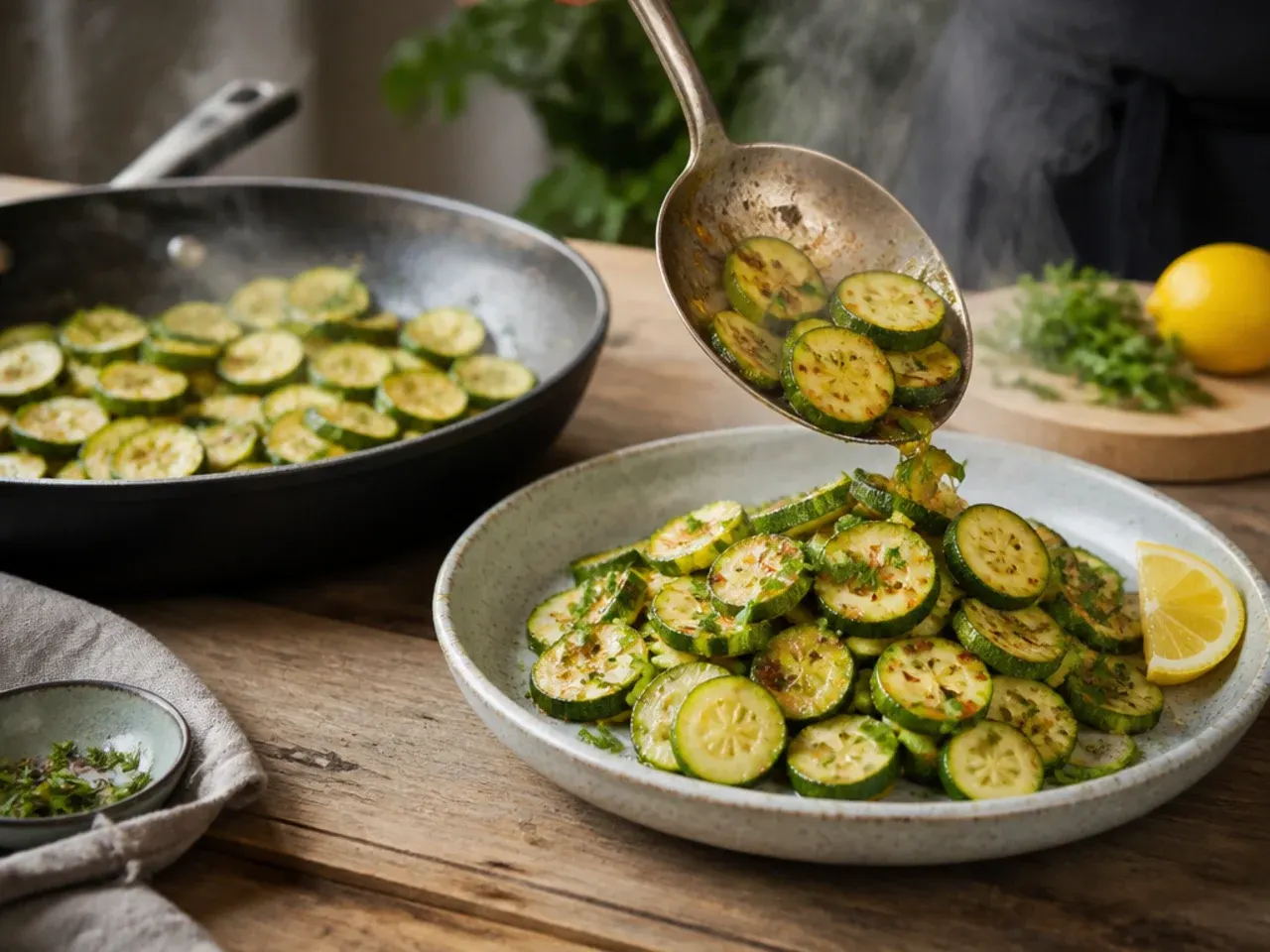
Stir-fried zucchini used to turn into a watery, grey puddle in my wok because I added too much at once over heat that wasn't nearly high enough. Now I cut it into even 1 cm half-moons, heat the wok until it's properly smoking, and cook in batches of no more than 300 g so each piece actually touches the hot surface. Just 3-4 minutes of fast tossing is enough to soften it while keeping a slight bite and real char at the edges. Overcrowding the wok is the stir-fry version of overcrowding a roasting tray, and it causes exactly the same soggy result.
Lesson 22: Pre-Roast Zucchini Slices Before Using Them as Lasagne Sheets
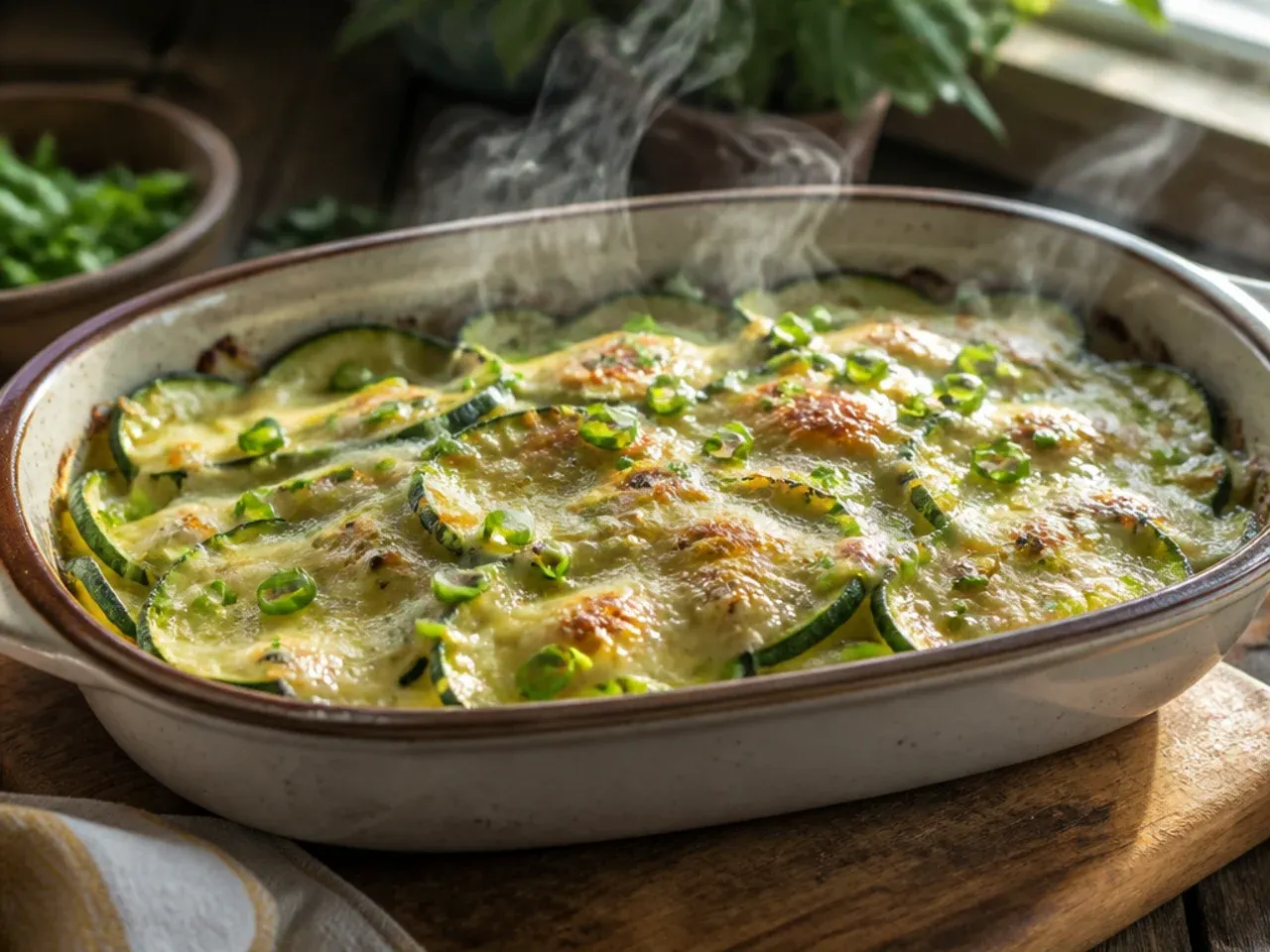
Using raw zucchini slices in place of pasta sheets sounded clever until my lasagne turned into a watery, sliding mess that wouldn't hold its layers. Now I salt 5 mm-thick slices, pat them dry, and roast them at 200°C (400°F) for 10 minutes before they ever meet the ricotta or sauce. That single step evaporates most of the water that would otherwise pool between the layers as it bakes. I also go easier on any extra sauce than a regular pasta lasagne needs, since the zucchini still releases a little more moisture even after roasting.
Lesson 23: Roast or Grill Zucchini Before Blending It Into a Dip
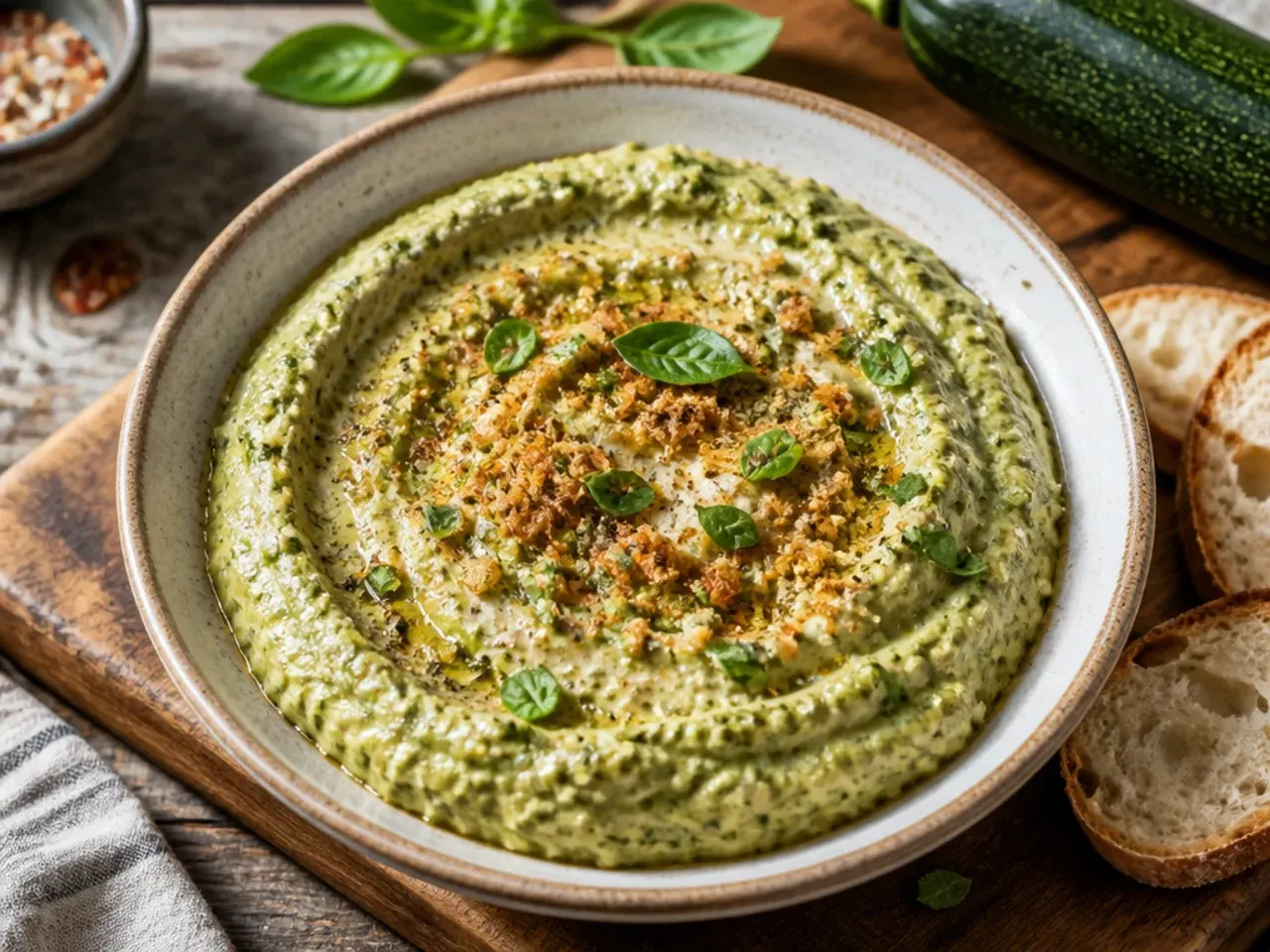
My first zucchini dip was thin and separated no matter how long I left it in the fridge to firm up. Raw zucchini blended straight into a dip carries too much water to ever set properly, so now I grill or roast the pieces first until they're soft and lightly charred, which drives off a good portion of that moisture. Straining the blended mixture through a fine sieve or cheesecloth for 15 minutes catches whatever is left. The result holds its shape on a cracker instead of running off it.
Lesson 24: Add Zucchini Later in a Curry, in Bigger Chunks

My zucchini curry used to disintegrate into the sauce, leaving nothing to actually bite into by the time it reached the table. Thin slices simmered from the start simply can't survive a proper curry simmer, so now I cut the zucchini into 2-3 cm chunks and stir it in only for the final 8-10 minutes of cooking. That's just long enough for it to soften and take on flavour from the sauce while still holding its shape on the spoon. Adding hardier vegetables first and zucchini last has fixed almost every mushy curry I used to make.
Lesson 25: Char Zucchini in a Dry, Hot Pan Before It Goes in a Taco
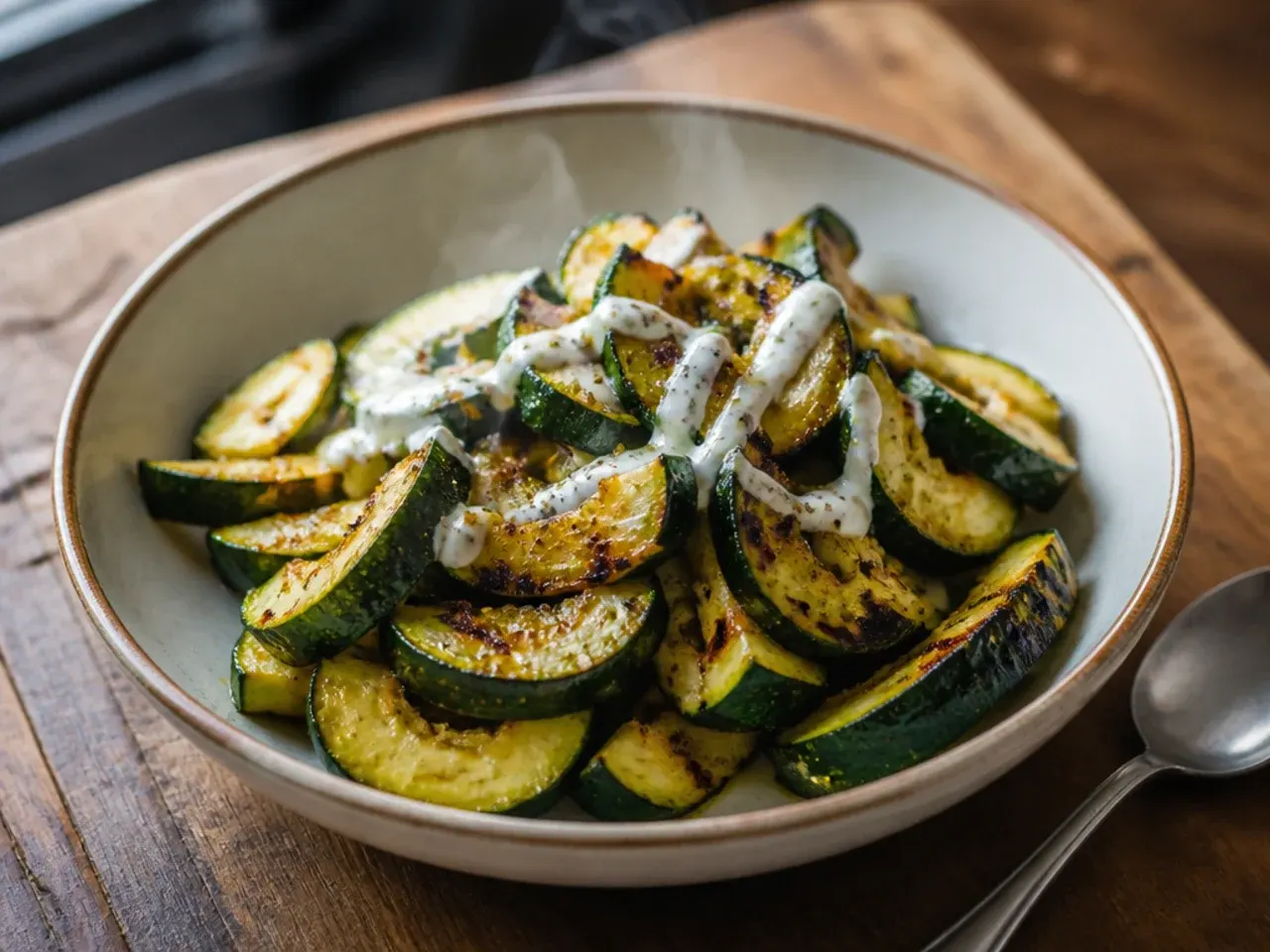
Zucchini taco filling used to turn out bland and watery, more like boiled vegetable than a proper taco filling. Now I cook the diced zucchini in a hot, dry pan or with just a touch of oil, without stirring constantly, so it actually develops some char instead of steaming in its own liquid. Seasoning generously with cumin, chilli, and a good pinch of salt only after it's browned, rather than before, keeps the seasoning from drawing out extra water too early. Draining any liquid that does collect in the pan before filling the tortillas keeps them from turning soggy.
Lesson 26: Squeeze Zucchini as Dry as Possible for a Pizza Crust
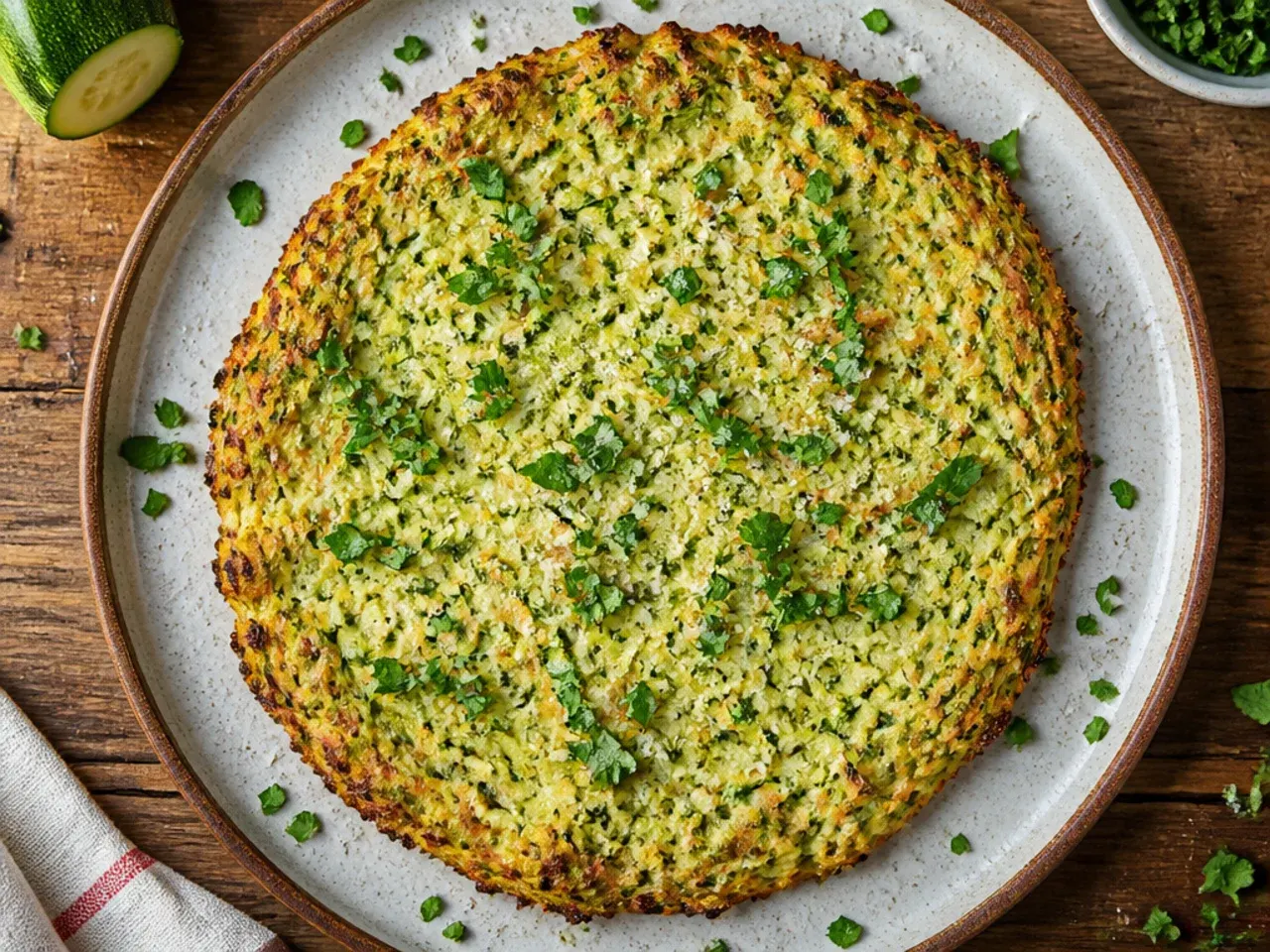
My zucchini pizza crust turned out soggy and see-through in the middle every single time until I realised how much drier the mixture needed to be compared with fritters. Squeezing the grated zucchini until almost no liquid remains at all, rather than just a light press, is non-negotiable here since there's no sauce-thickening flour to hide behind later. Pre-baking the pressed crust at 220°C (425°F) for 12-15 minutes before any toppings go on gives it a chance to firm up and brown. Skip that pre-bake and you're guaranteed a wet centre under the cheese.
Lesson 27: Bake Parmesan-Crusted Zucchini Rounds on a Rack, Not Straight on the Tray
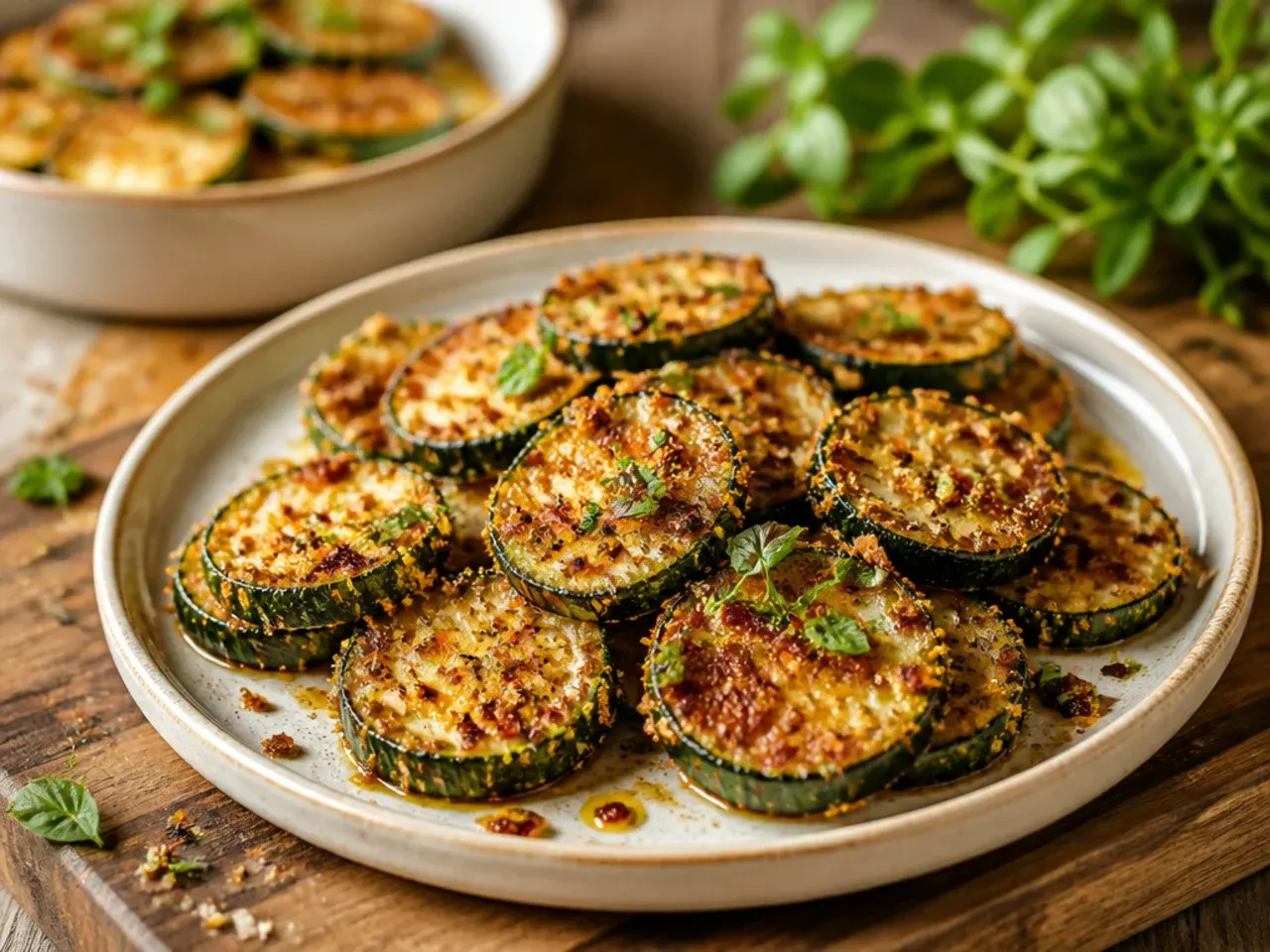
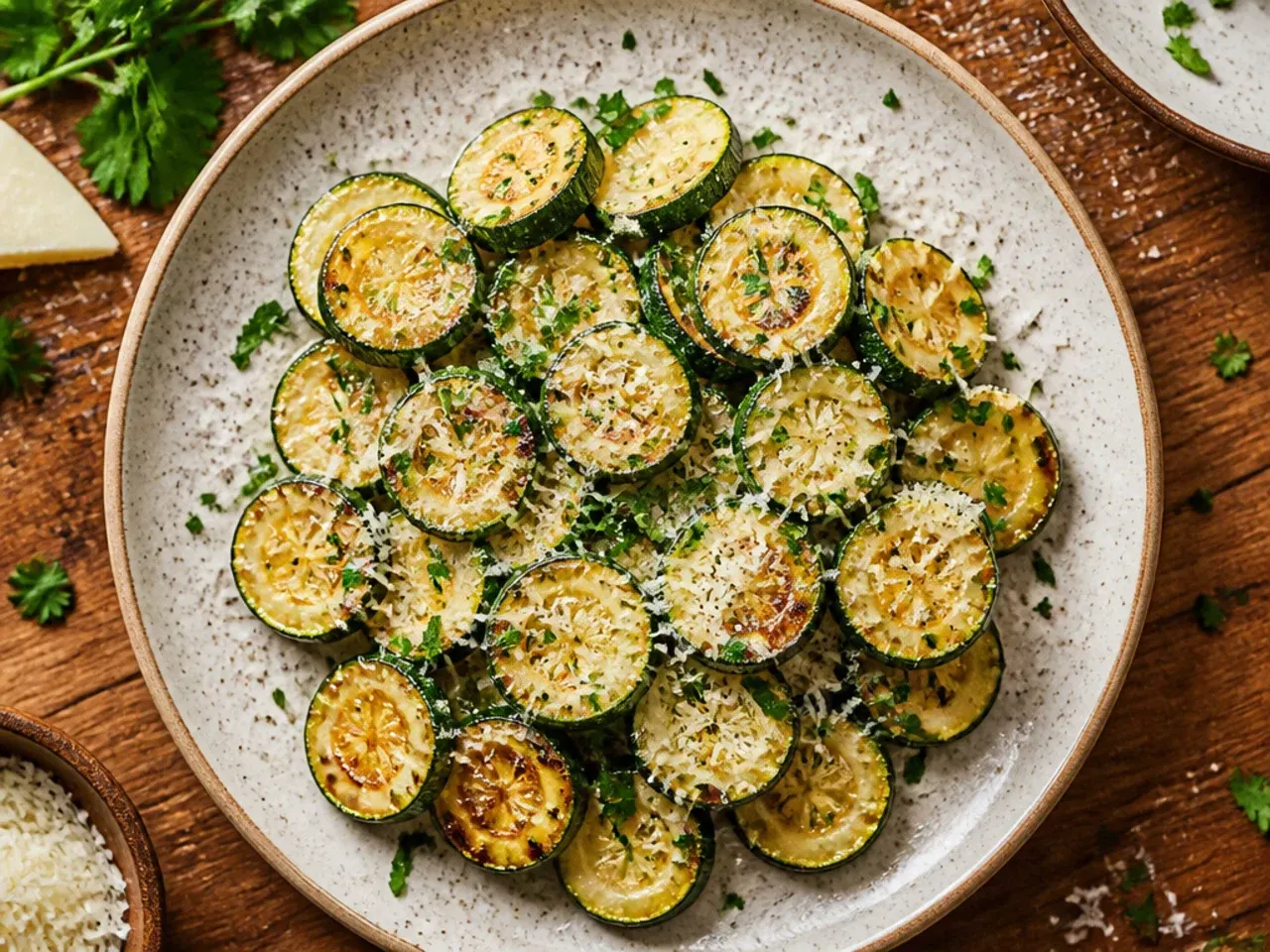
The breadcrumb-and-Parmesan coating on my baked zucchini rounds kept turning soft and slipping off before I figured out two separate problems at once. Patting the raw rounds completely dry before coating gave the crumbs something to stick to, and pressing the coating on firmly rather than just sprinkling it stopped it sliding off in the oven. Baking on a wire rack set over the tray, at 220°C (425°F) for 20-25 minutes, let hot air reach the underside so it crisped instead of steaming against the tray. I also stopped flipping them halfway through, since that's exactly when the still-soft coating tends to fall away.
Lesson 28: Cook Zucchini Succotash Just Before Serving, Not Ahead of Time

I tried making a zucchini and corn succotash a few hours ahead once, and by dinner it had turned grey, watery, and limp sitting in its own juices. Zucchini keeps releasing water even after it's off the heat, so now I prep every other component in advance and only cook the zucchini itself in the last 10 minutes before serving. If I do need to reheat leftovers, a quick minute in a hot dry pan works far better than the microwave, which just steams it further. Freshly cooked zucchini has a completely different texture from zucchini that's sat around, even briefly.
Lesson 29: Squeeze and Portion Grated Zucchini Before Freezing It

Freezing shredded zucchini for winter baking used to give me a solid block of icy, watery mush that ruined the texture of whatever I used it in later. Now I squeeze the grated zucchini dry first, exactly as I would for fritters, before portioning it into 250 g amounts in freezer bags, pressed flat for quick thawing. Labelling each bag with the weight saves me from guessing later when a recipe calls for a specific amount. Thawed this way, the zucchini behaves almost exactly like fresh once it's drained again after defrosting.
Lesson 30: Check Zucchini Bread Doneness by Time and a Skewer, Not by Colour Alone
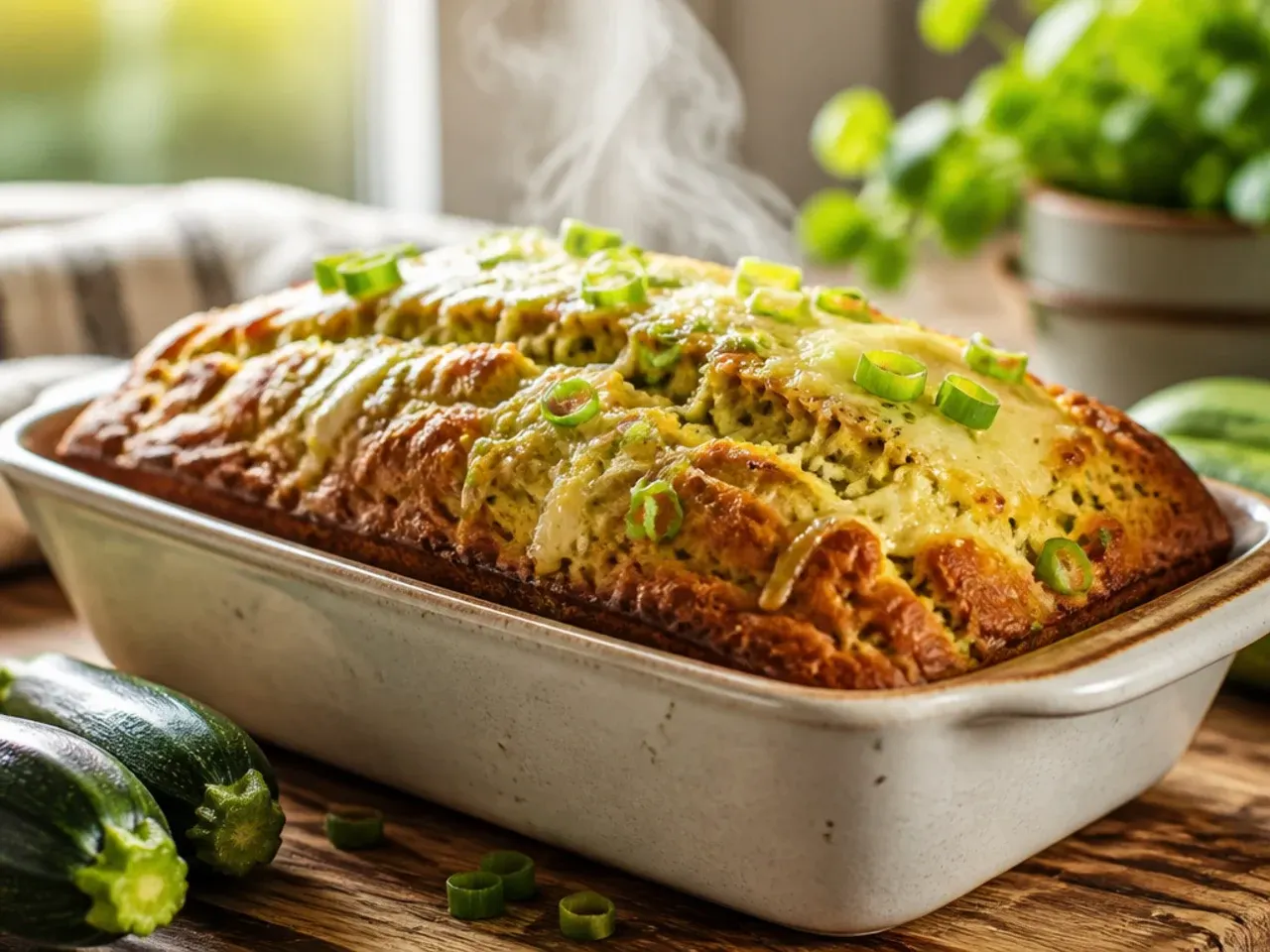
My zucchini loaf browned beautifully on top while the centre was still raw, and going by colour alone nearly had me serving underbaked bread more than once. Zucchini's moisture means the crust can catch and darken well before the middle sets, especially past the 45-minute mark at 180°C (350°F). Now I tent the loaf loosely with foil once the top is golden, usually around 35-40 minutes in, so it can keep baking without burning. A skewer inserted into the centre coming out clean, alongside a total bake time of 55-65 minutes, is what I actually trust over how the top looks.
What I'd Tell a Friend Trying This
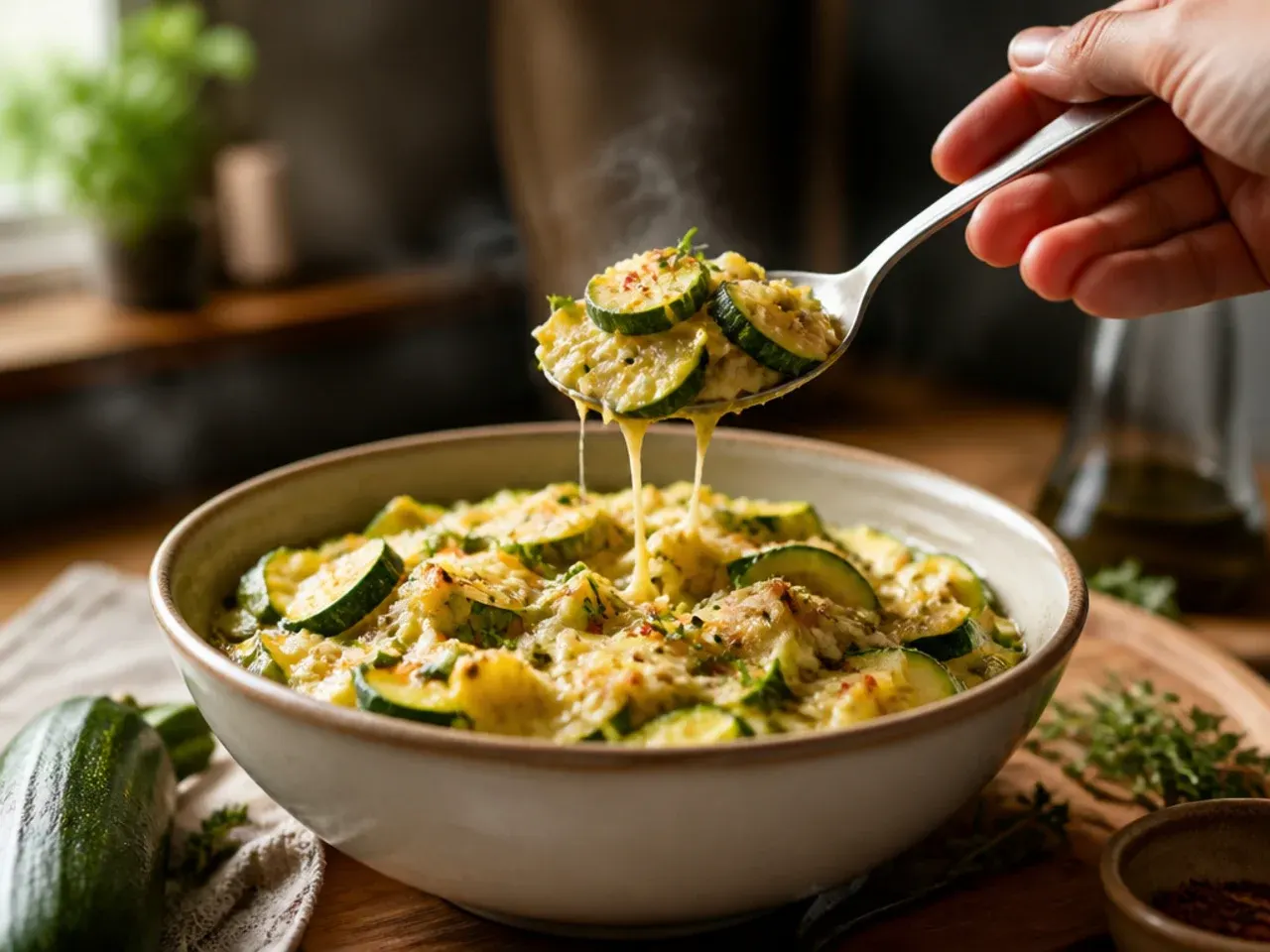
If you take nothing else from thirty batches of zucchini recipes, take this: salt it, drain it, and don't crowd the pan, because those three habits fix almost every problem you'll ever hit. Zucchini's whole personality is water, so every recipe is really a small negotiation with how much of that water you let stay in the dish. Start with the fritters below since they teach you the salt-and-squeeze technique fastest, then carry that same instinct into bread, roasting, or anything else you try next. Once you can feel when zucchini is properly dry, every other recipe on this list gets noticeably easier.
The Recipe
The Recipe I Used
25 min
20 min
45 min
4
Beginner
Ingredients 4 Person(s)
Directions
Step 1: Grate and salt the zucchini
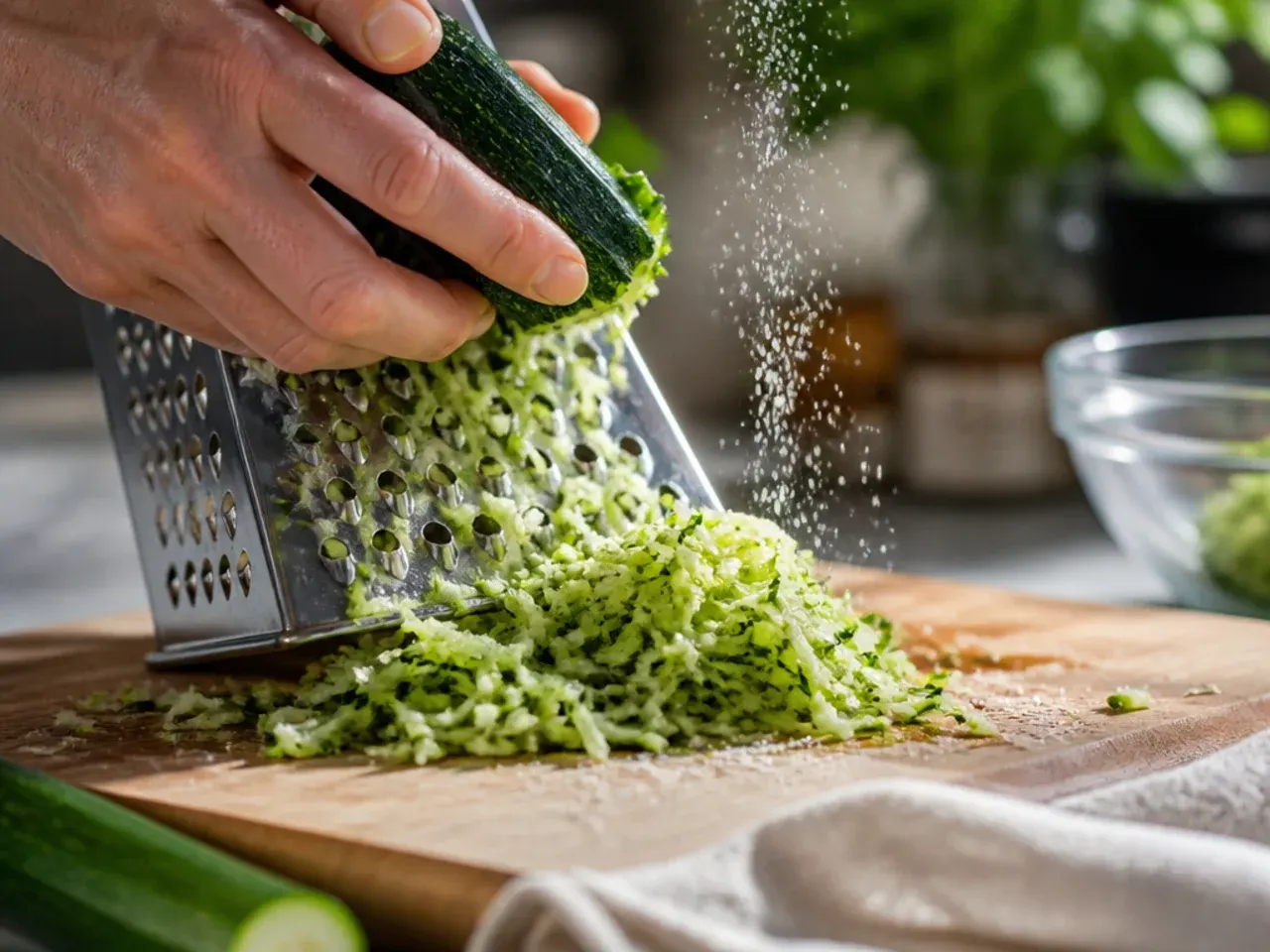
Coarsely grate 700 g (1.5 lb) zucchini and tip it into a colander set over a bowl. Toss it with 5 g (1 tsp) fine salt and leave it to sit for 10-15 minutes; you'll see liquid pooling in the bowl beneath as the salt draws water out.
Step 2: Squeeze out the moisture
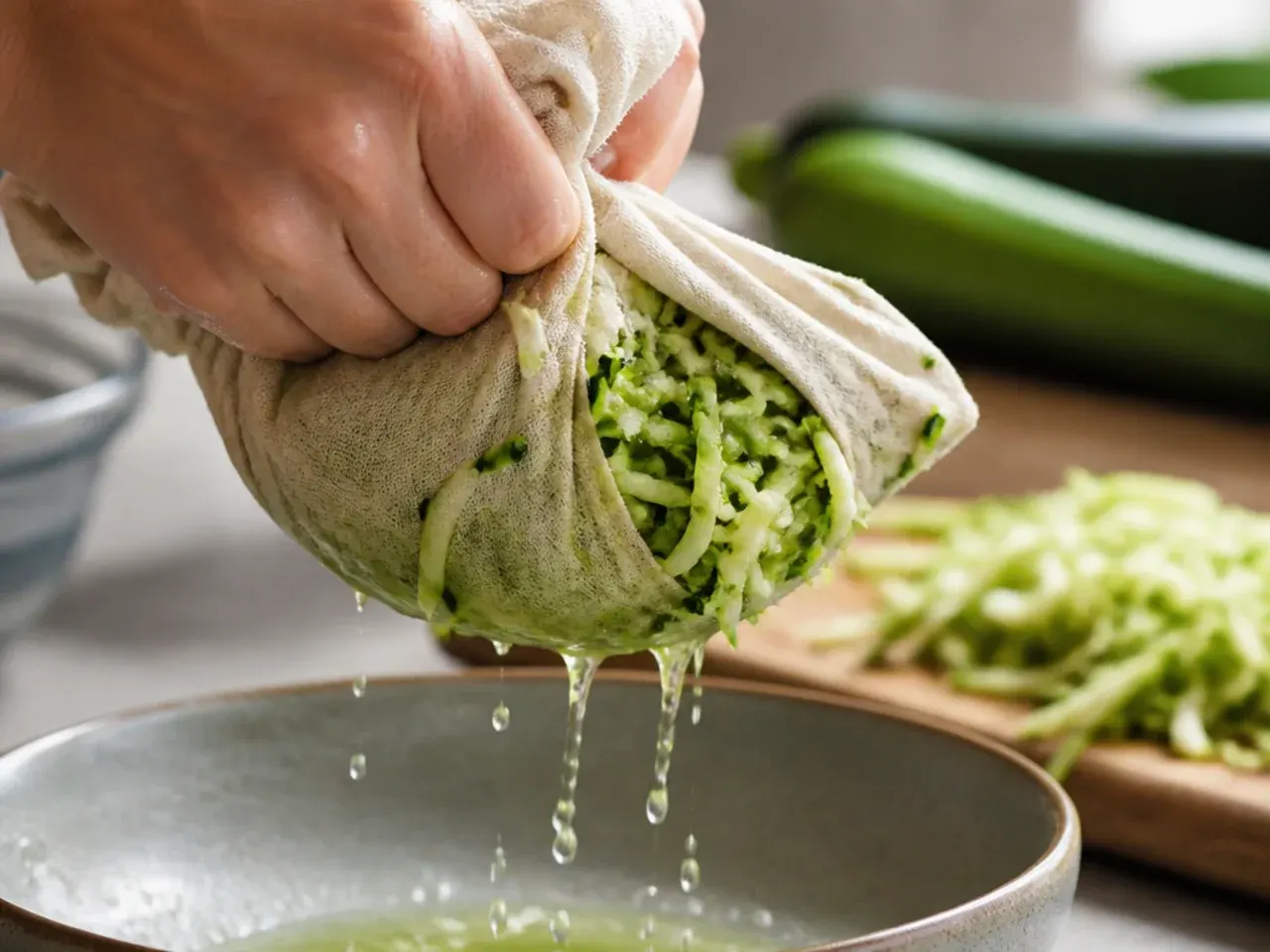
Pile the salted zucchini into the centre of a clean tea towel, gather the corners, and twist tightly over the sink until no more liquid drips out. You should remove roughly 100-120 ml of water and the pile should feel noticeably drier and lighter; if it still feels wet, keep squeezing.
Step 3: Mix the fritter batter
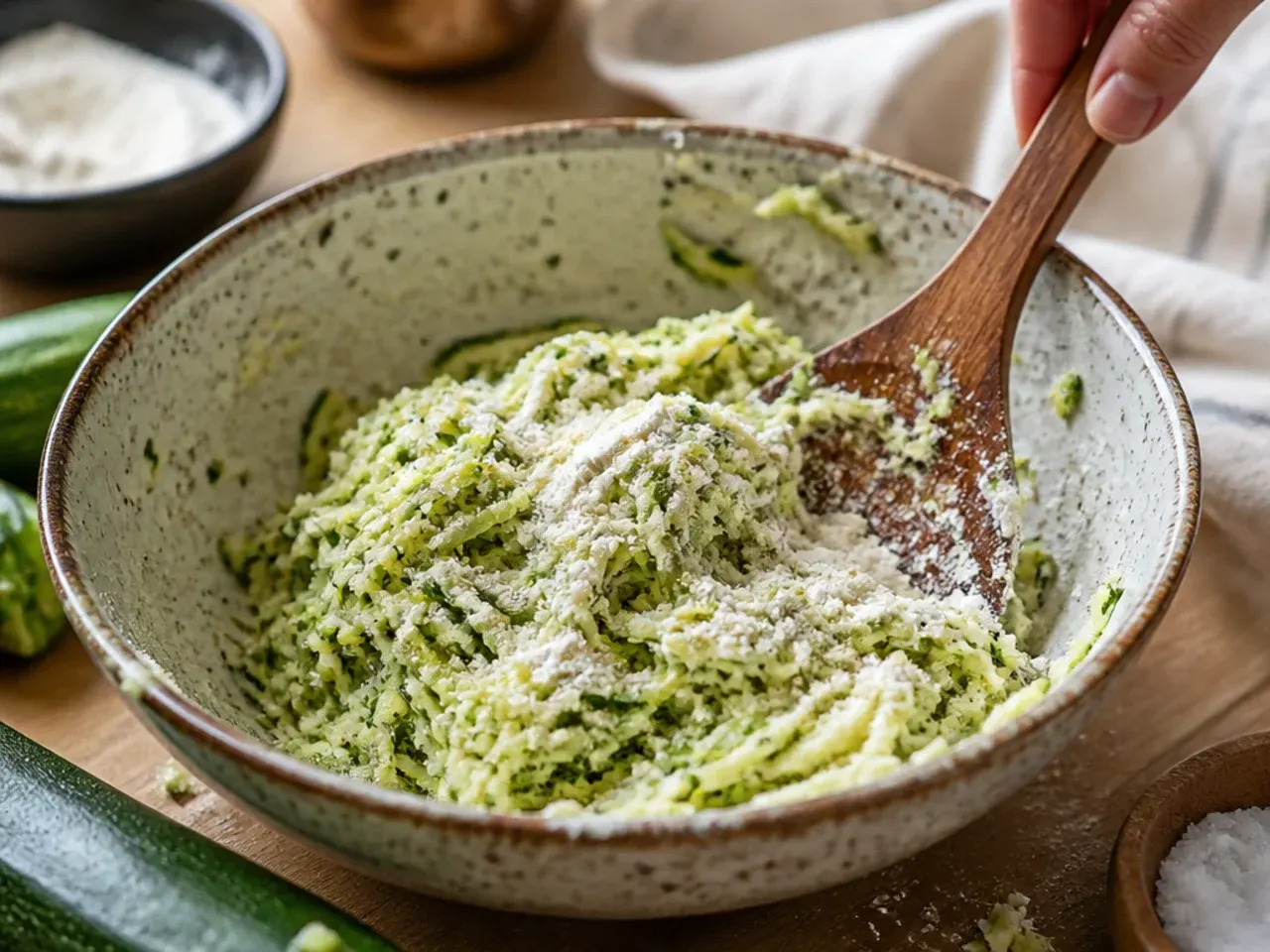
In a large bowl, combine the squeezed zucchini with the 2 beaten eggs, 60 g (1/2 cup) plain flour, 40 g (1/3 cup) Parmesan, chopped onion, garlic, dill, and black pepper. Stir until just combined; the mixture should hold together in a spoonful without any liquid pooling at the bottom of the bowl.
Step 4: Rest and portion the batter
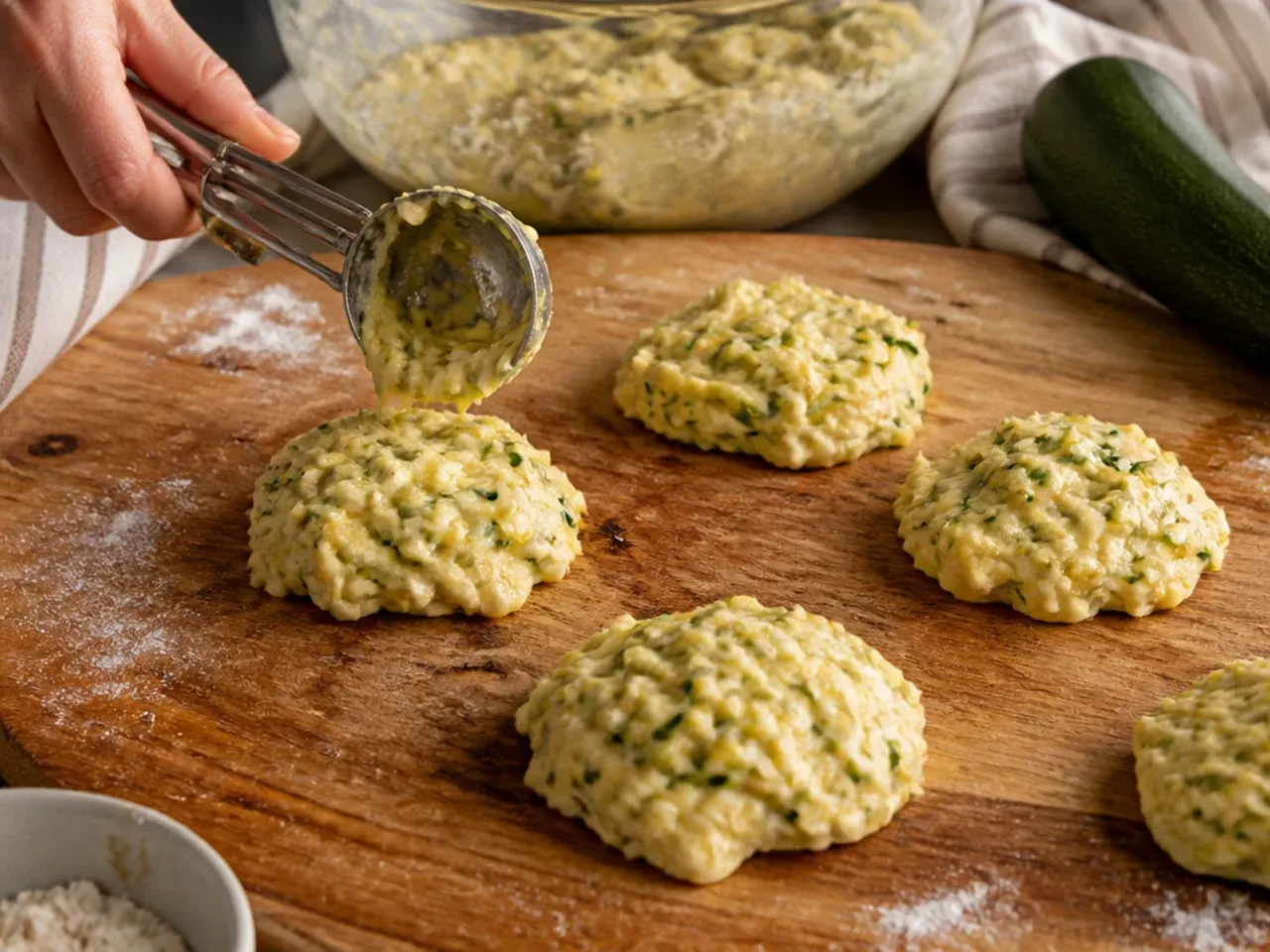
Let the batter rest for 5 minutes so the flour fully hydrates, then scoop it into 2-tablespoon portions. Flatten each one gently between your palms into a patty about 1 cm thick and 7-8 cm wide so it cooks through evenly.
Step 5: Heat the oil and fry in batches
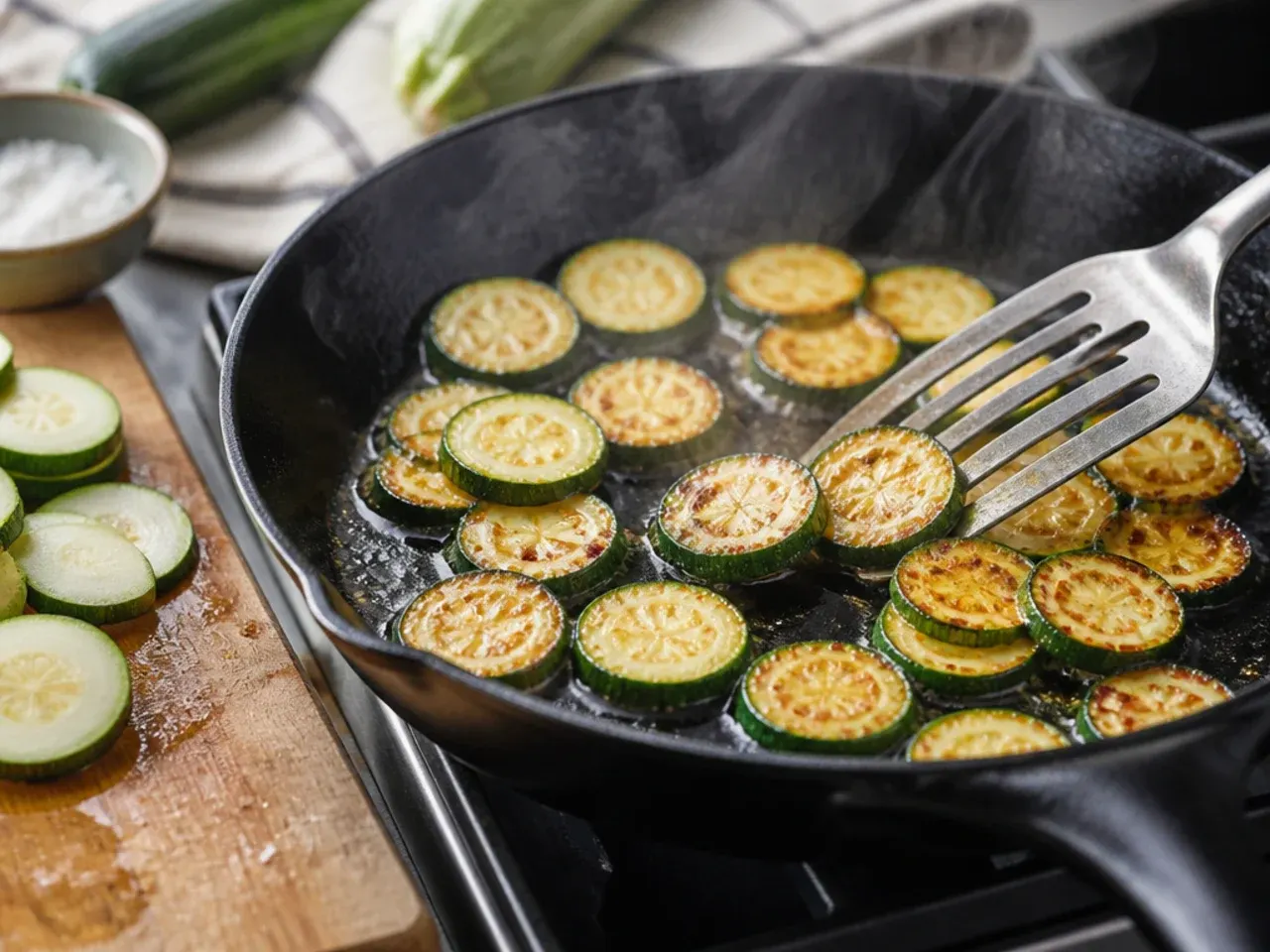
Heat 60 ml (1/4 cup) vegetable oil in a large non-stick frying pan over medium heat until it shimmers, around 170°C (340°F). Fry the fritters in batches of 4-5, leaving space between them, for 3-4 minutes per side until deep golden brown and crisp at the edges.
Step 6: Drain and keep warm
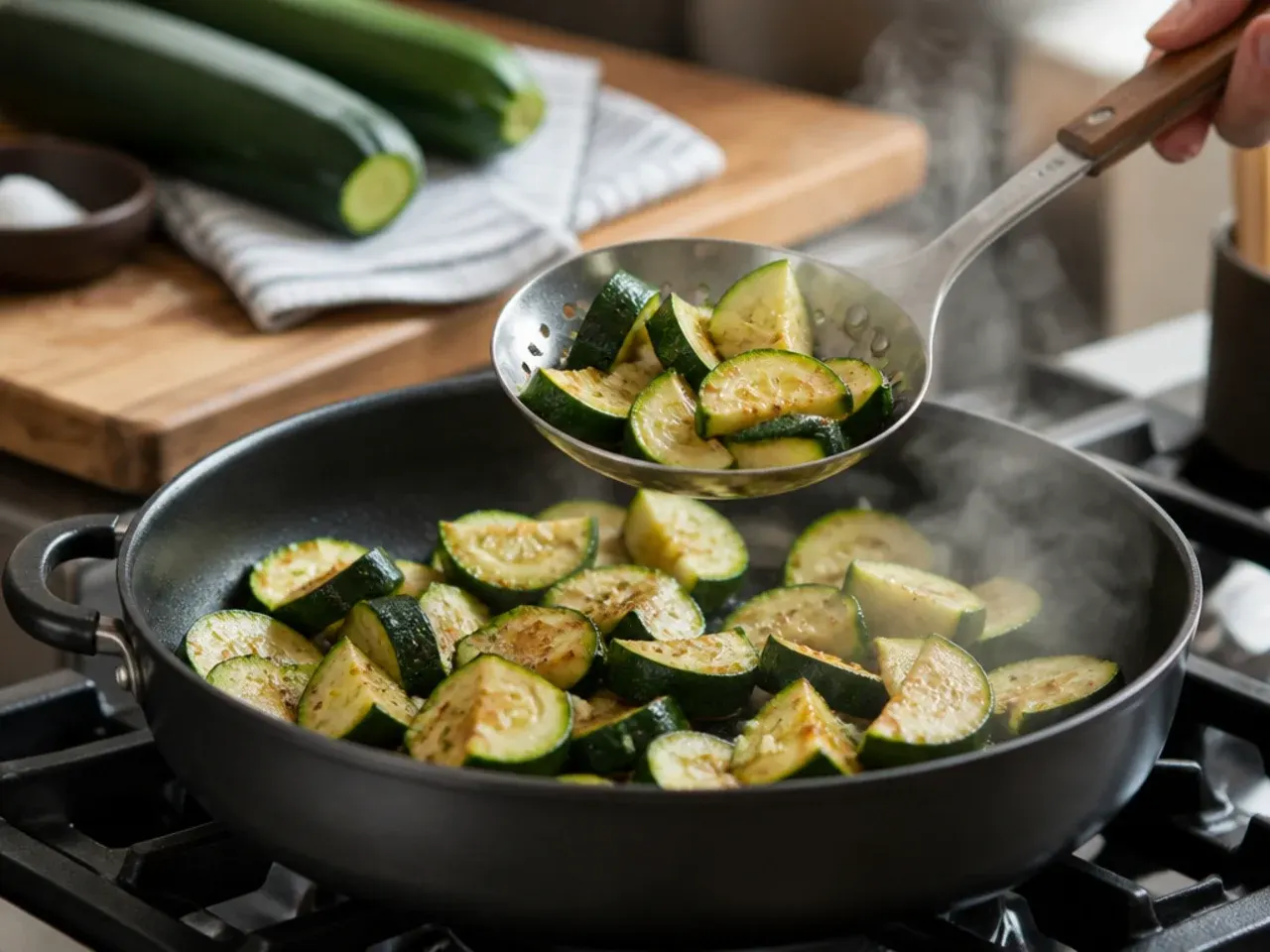
Transfer cooked fritters to a wire rack or paper-towel-lined plate to drain excess oil. If cooking in several batches, keep the finished fritters warm on a tray in a low oven at 90°C (200°F) so they stay crisp rather than steaming into softness while you fry the rest.
Step 7: Make the sauce and serve
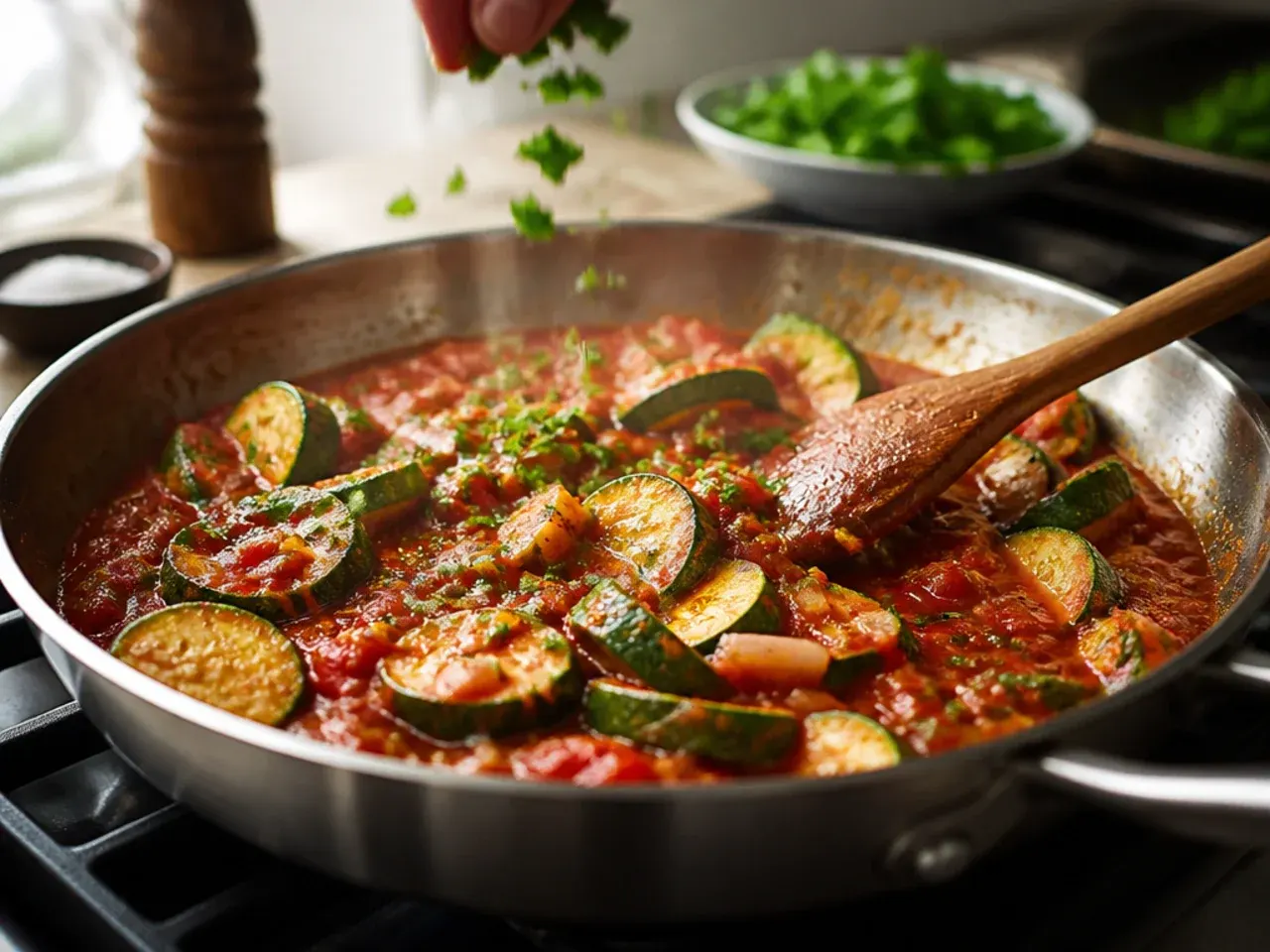
Whisk the 150 g (2/3 cup) Greek yoghurt with the juice of 1/2 a lemon and a small pinch of salt until smooth. Serve the fritters hot, topped with a dollop of the yoghurt sauce and a scattering of extra fresh dill.
Frequently Asked Questions
Yes, and it actually helps. Grate the zucchini, salt it, and let it drain in the fridge overnight in a colander set over a bowl; the extra time only draws out more water. Squeeze it dry just before mixing the batter rather than the night before, since squeezed zucchini can weep a little more liquid if it sits around too long. This makes fritter night much faster since the longest step is already done.
Save this for later 📌
Pin this article to your Pinterest board so the full list is one tap away when you need it.
Save on Pinterest