25 How to Cook Spaghetti Squash Recipes Ranked Best to Worst
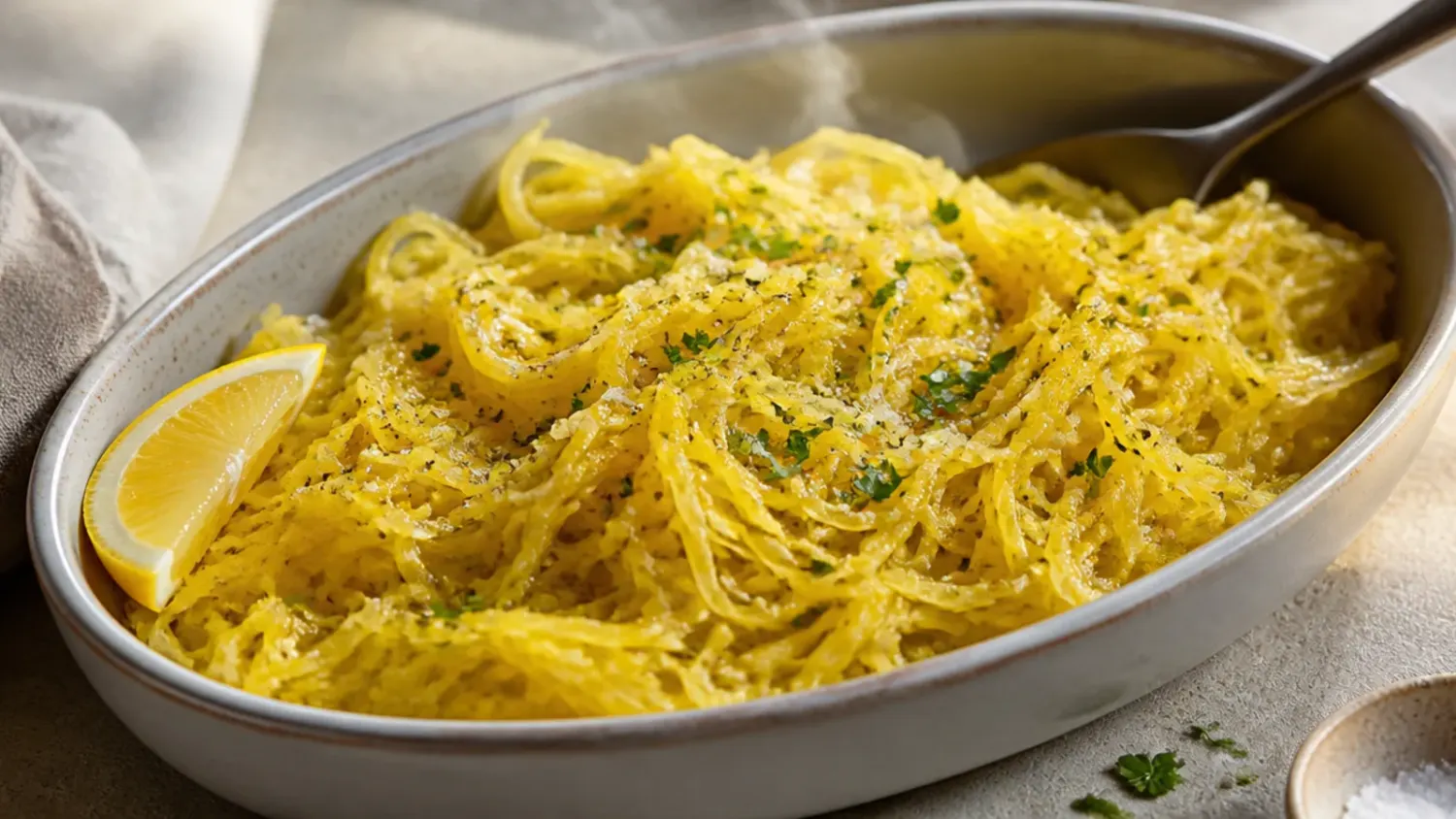
Learn how to cook spaghetti squash two proven ways — oven-roasted for deep caramelised flavour or microwaved in minutes — so the strands turn out tender, never watery. If you love spaghetti squash recipes inspiration, start with our Spaghetti Squash Recipes collection, then browse the full Comfort Dinners hub for more.
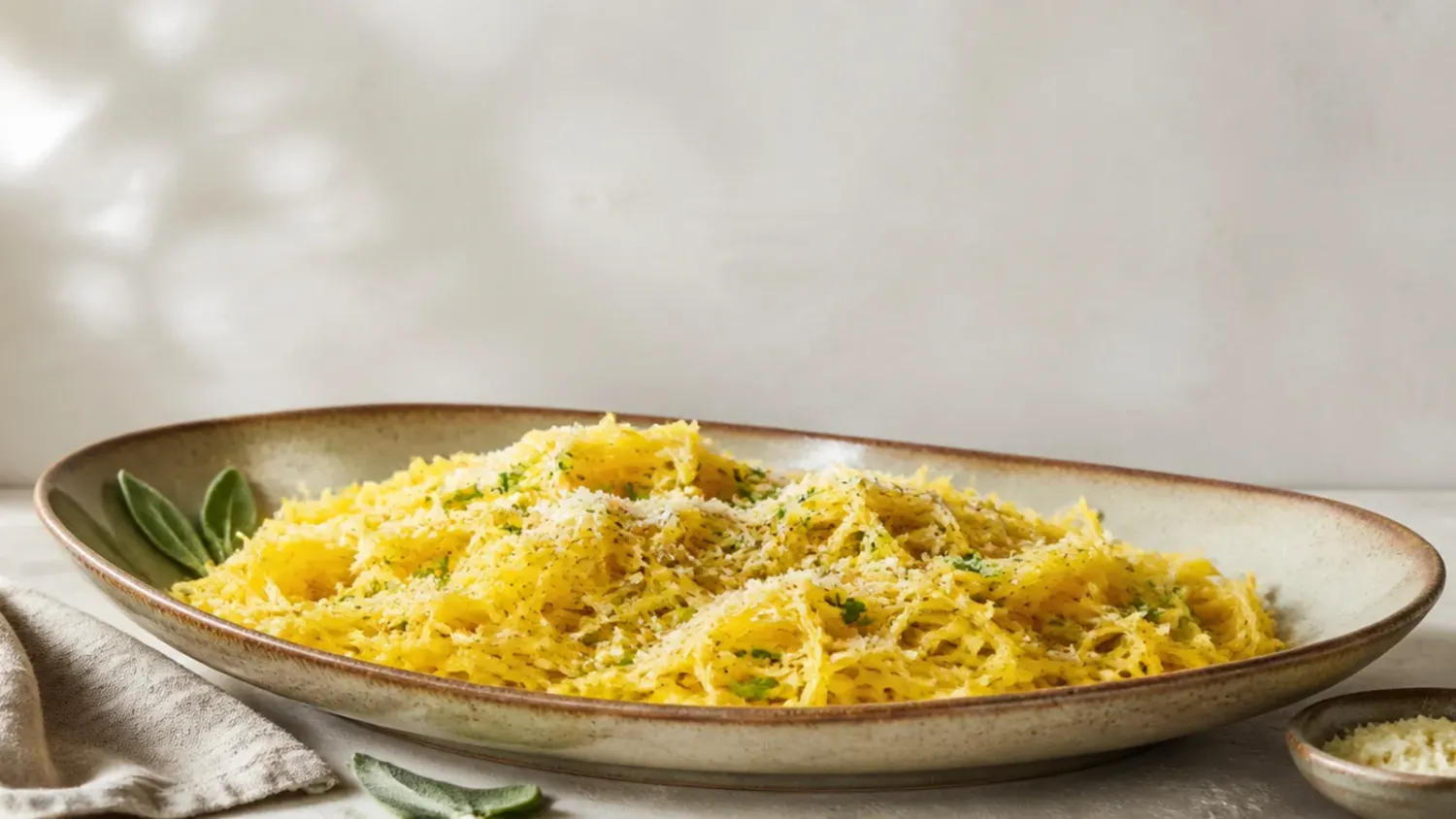
Save this for later 📌
Pin this article to your Pinterest board so the full list is one tap away when you need it.
Save on PinterestComfort Dinners
Beginner
Comparison
compared
Table of Contents
Option 1: Oven-Roasted Spaghetti Squash (Cut-Side Down)
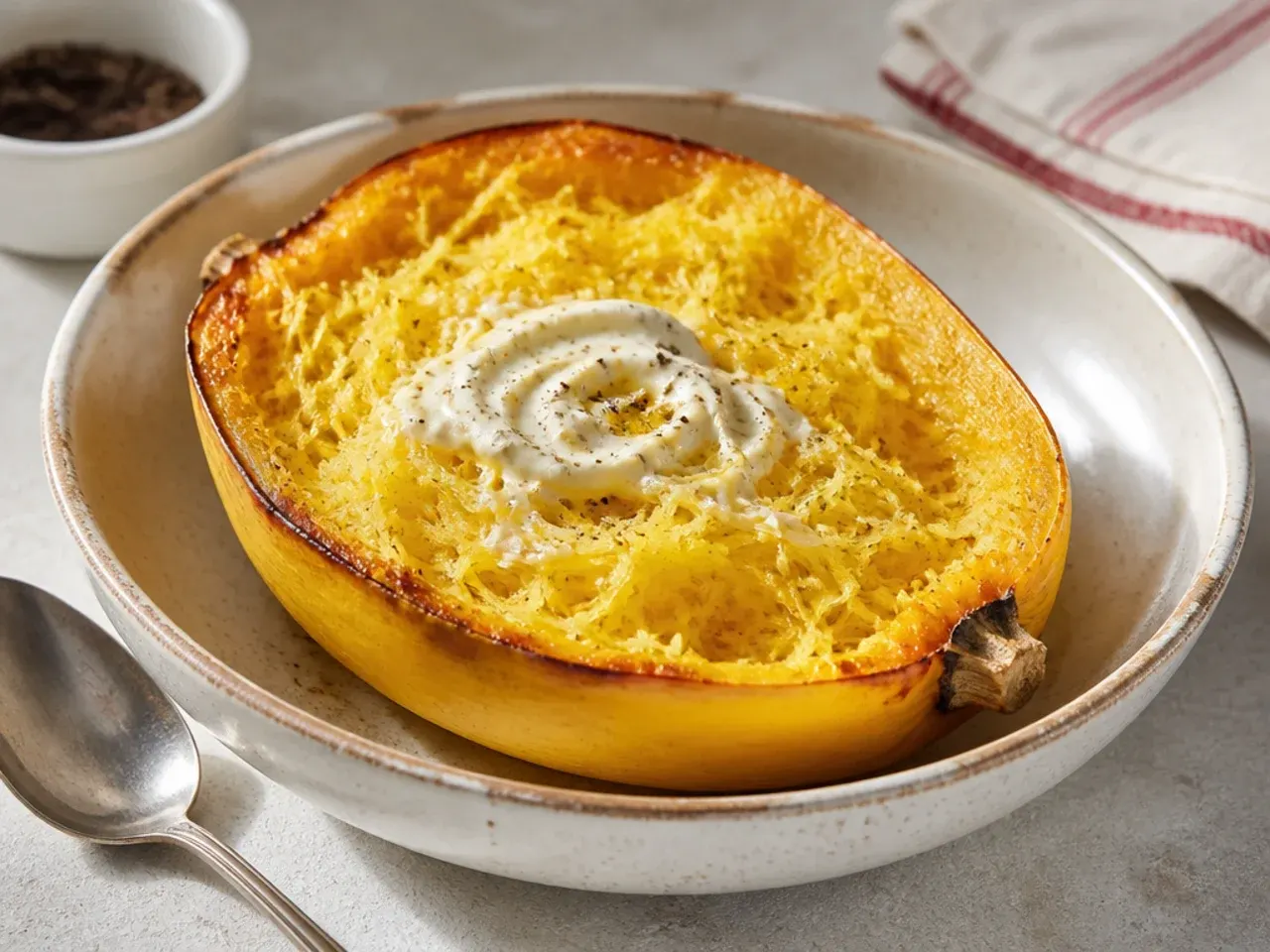
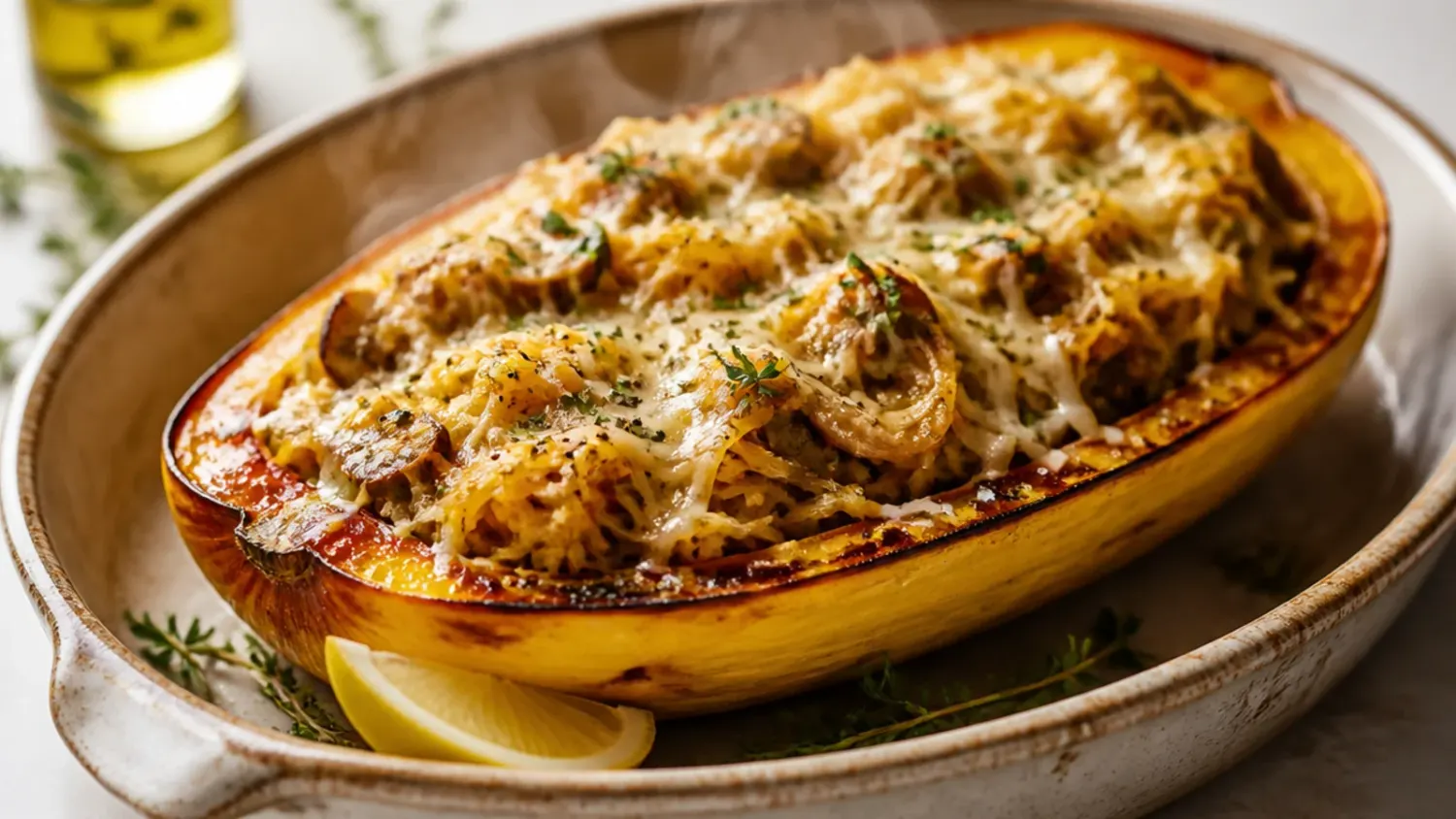
Halve a 1.4 kg (3 lb) squash lengthwise, scoop out the seeds, then salt the cut sides and let them rest for 15-20 minutes so the salt pulls excess moisture to the surface before you pat it dry. Brush with olive oil and roast cut-side down on a lined tray at 200°C (400°F) for 35-45 minutes, until a fork slides through the flesh with no resistance and the edges turn golden. Letting it cool for a few minutes before shredding keeps the strands intact instead of collapsing into mush. This is the method the full recipe below is built around, because it consistently produces firm, separate strands with real roasted flavour.
Option 2: The Classic Version (Microwave Method)
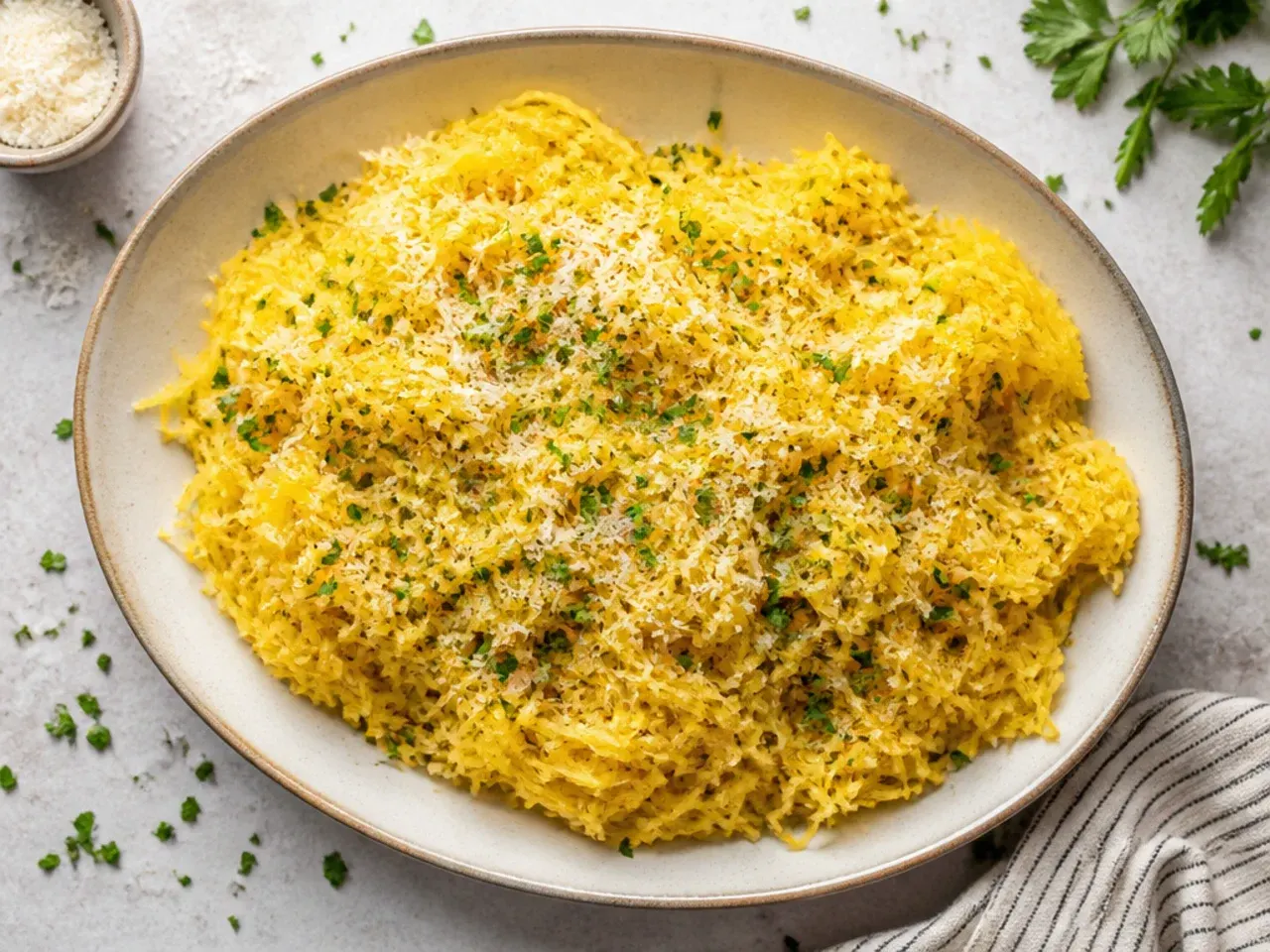
Pierce the whole squash several times with a knife, then either microwave it whole for 12-15 minutes or halve it, scoop the seeds, and microwave cut-side up for 10-12 minutes on high, turning it once partway through. There's no oil, no salting rest, and no baking sheet involved — just steam heat working through the flesh until a fork meets little resistance. The strands come out noticeably softer and slightly wetter, since the trapped moisture has nowhere to evaporate to and the skin never caramelises. It's the shortcut generations of home cooks have reached for whenever the oven wasn't an option.
Cost Comparison
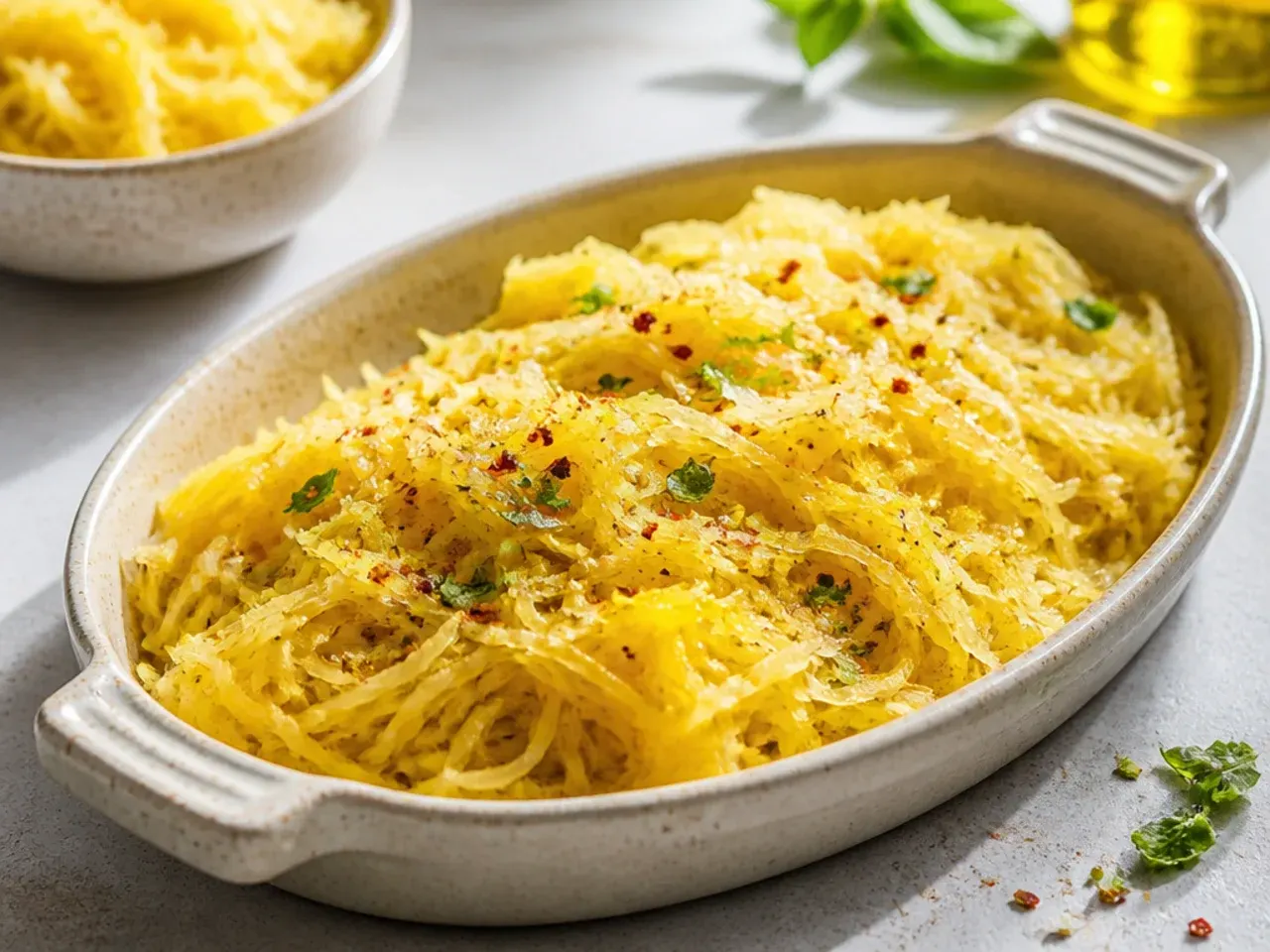
Both methods start from the same squash, so ingredient cost is identical — expect to pay around £1.20-£1.80 for a 1.4 kg (3 lb) spaghetti squash at a UK supermarket depending on the season. The real difference is energy: a 2.2 kW oven running for 40 minutes at 200°C (400°F) costs roughly 20-25p at typical UK electricity rates, while a 900 W microwave running for 12 minutes costs closer to 4-5p. Cooked once a week, that gap adds up to around £8-£10 more a year for the oven method, which is a small price for the flavour it adds. Neither method needs extra equipment beyond what most kitchens already have.
Taste and Texture
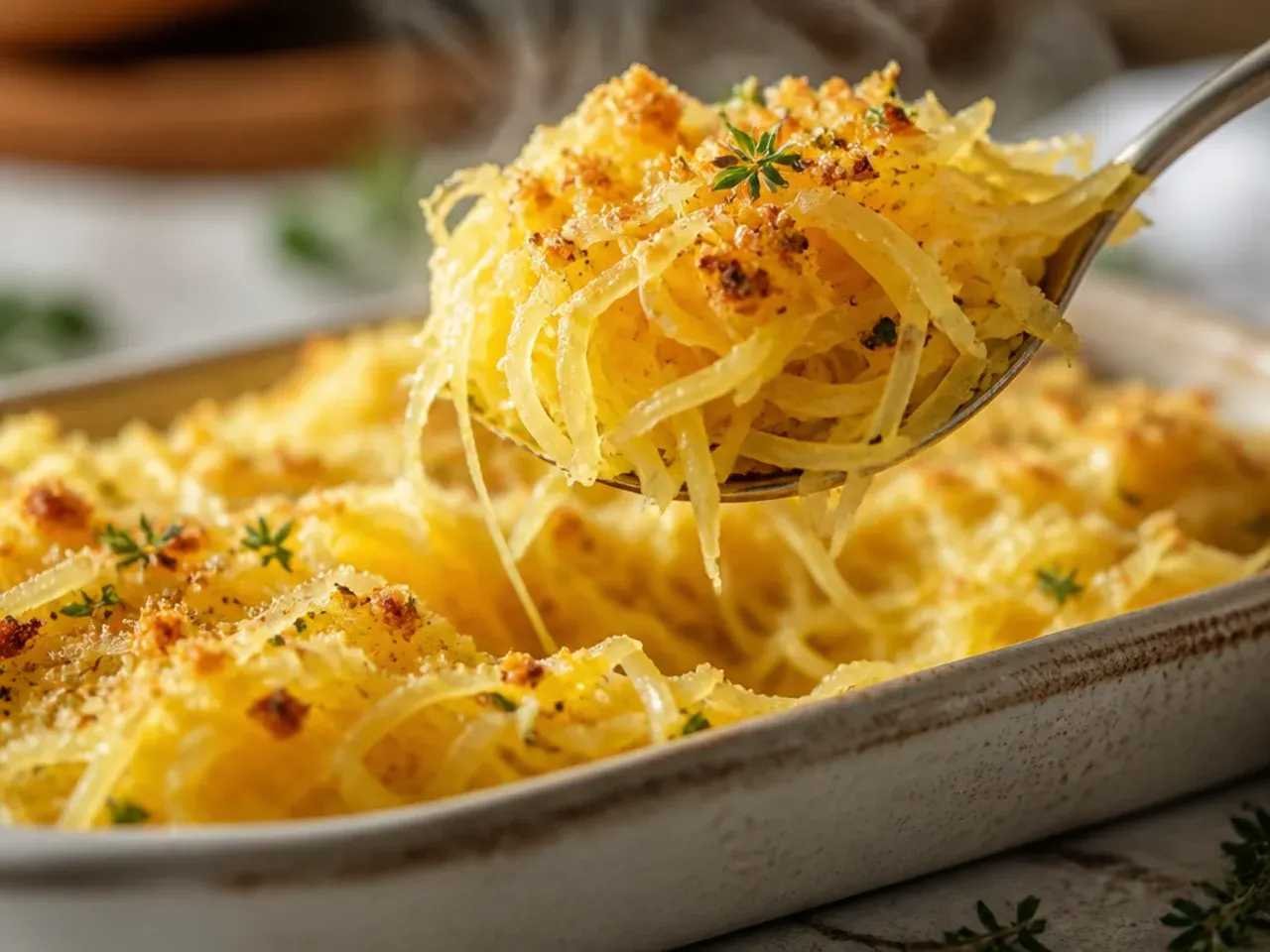
The oven method wins clearly on flavour — direct dry heat caramelises the natural sugars along the cut edges, giving a faint nuttiness that steam heat simply can't replicate. Roasted strands also hold their shape better, staying firm enough to twirl on a fork instead of clumping into a wet pile. Microwaved squash is perfectly edible and works fine once it's smothered in a bold sauce, but eaten plain it tastes noticeably blander and softer, closer to a boiled vegetable than a roasted pasta substitute. If texture is what you're after, roasting is worth the extra 45-50 minutes.
Time and Effort
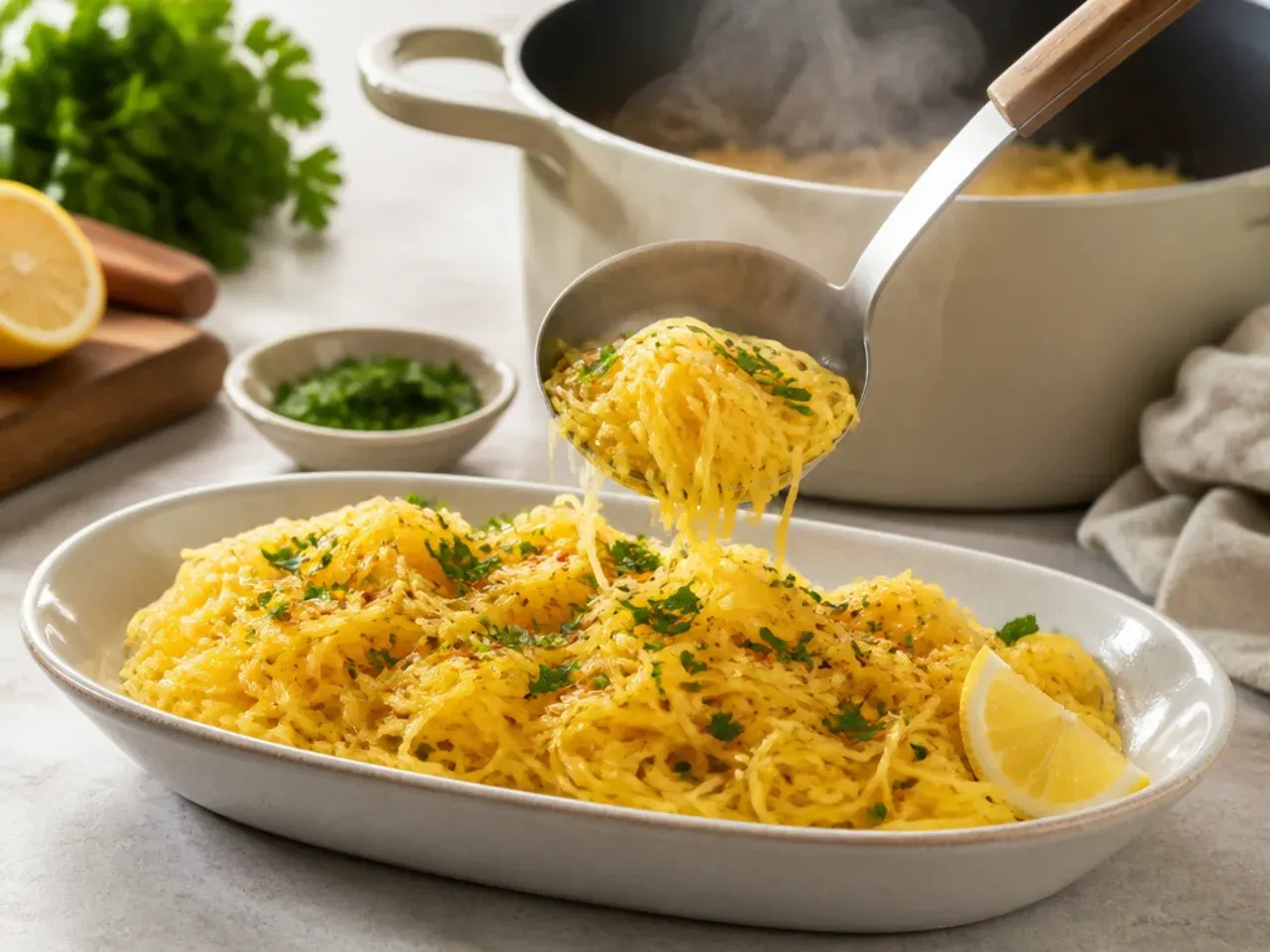
Oven-roasting takes about 1 hour total — 20 minutes of prep, including the salting rest, plus 35-45 minutes of roasting — but almost all of that time is hands-off once the tray goes in. The microwave method is done in 15-20 minutes start to finish, making it the obvious pick on a rushed weeknight, though it needs closer watching since squash can turn mushy fast if left even a couple of minutes too long. Neither method demands real skill; the trade-off is simply speed against flavour development. Effort-wise, the microwave method wins here too if you skip cutting altogether: piercing the whole squash and microwaving it whole sidesteps the fiddly job of halving raw squash, while the oven method and the cut-and-microwave option both still require wrestling a knife through it first.
Best Choice by Situation
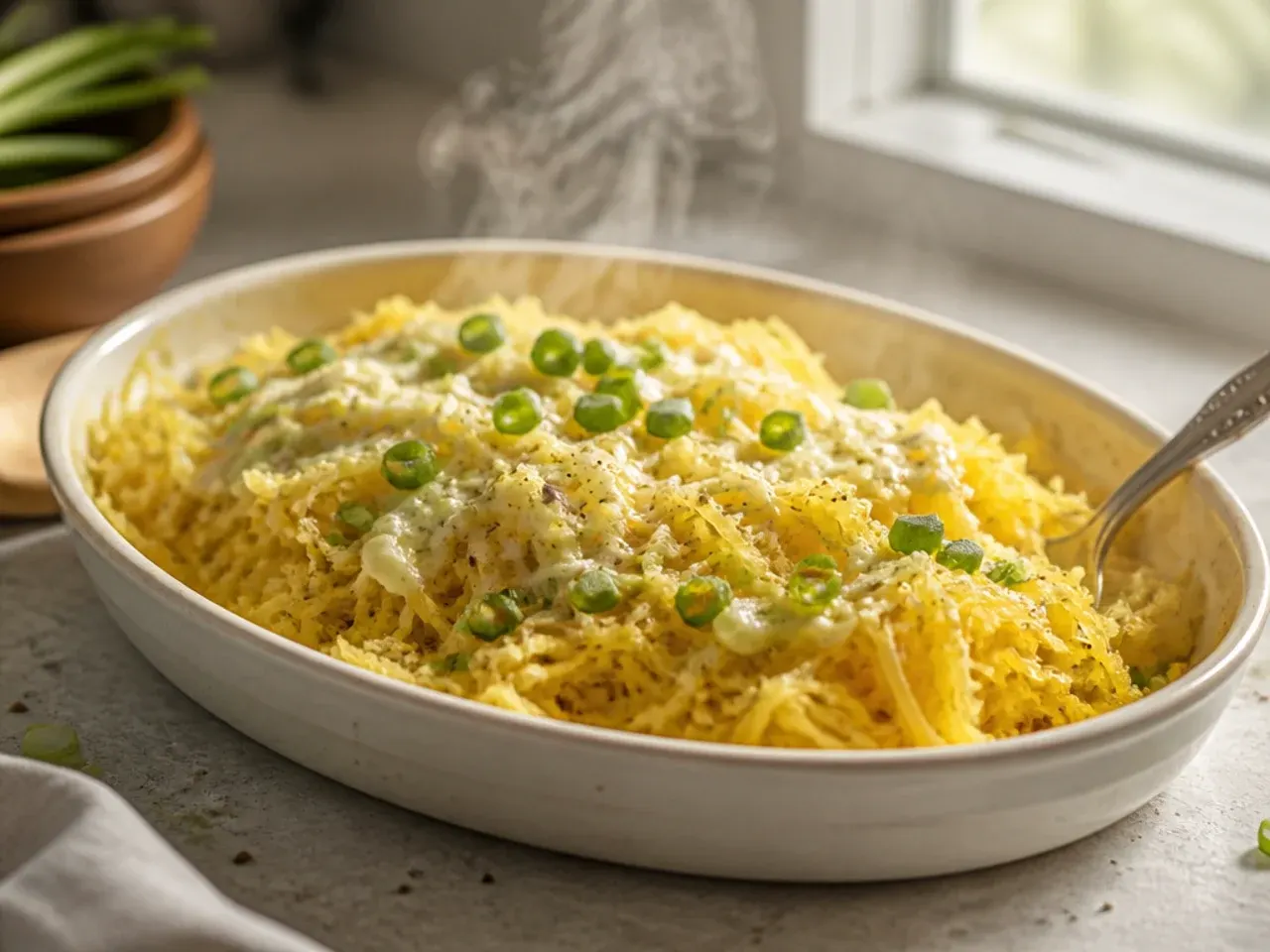
Reach for the oven method when you're meal-prepping for the week, feeding guests, or planning to freeze portions, since the drier, firmer strands hold up far better to reheating and freezing than their microwaved counterpart. Choose the microwave version on a weeknight when dinner needs to be on the table in 20 minutes, or whenever the oven is already busy with another dish. For a dinner-party centrepiece, a caramelised oven-roasted half plated whole looks far more impressive than a microwaved one ever will. When in doubt and you have the time, the oven is the better default.
The Recipe
The Recipe We Recommend
20 min
45 min
1 hr 5 min
4
Beginner
Ingredients 4 Person(s)
Directions
Step 1: Preheat the oven and halve the squash
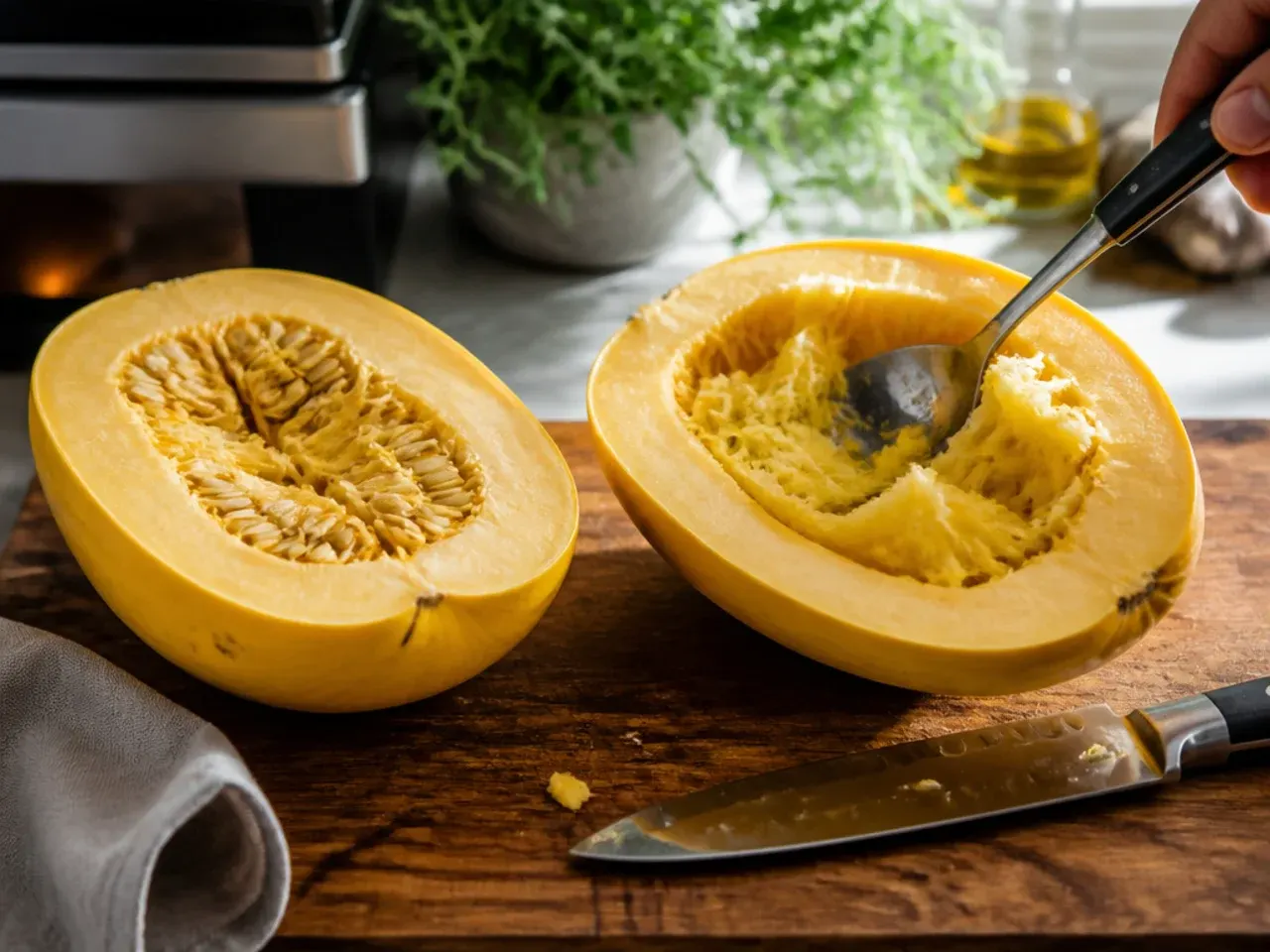
Preheat the oven to 200°C (400°F) and line a large baking sheet with parchment. Set the whole spaghetti squash (1.4 kg/3 lb) on a chopping board and cut it in half lengthwise with a sharp chef's knife, using a slow sawing motion through the tough skin. Scoop out the seeds and stringy pulp from the centre of each half with a spoon, leaving the firm flesh intact.
Step 2: Salt and rest the halves to draw out moisture
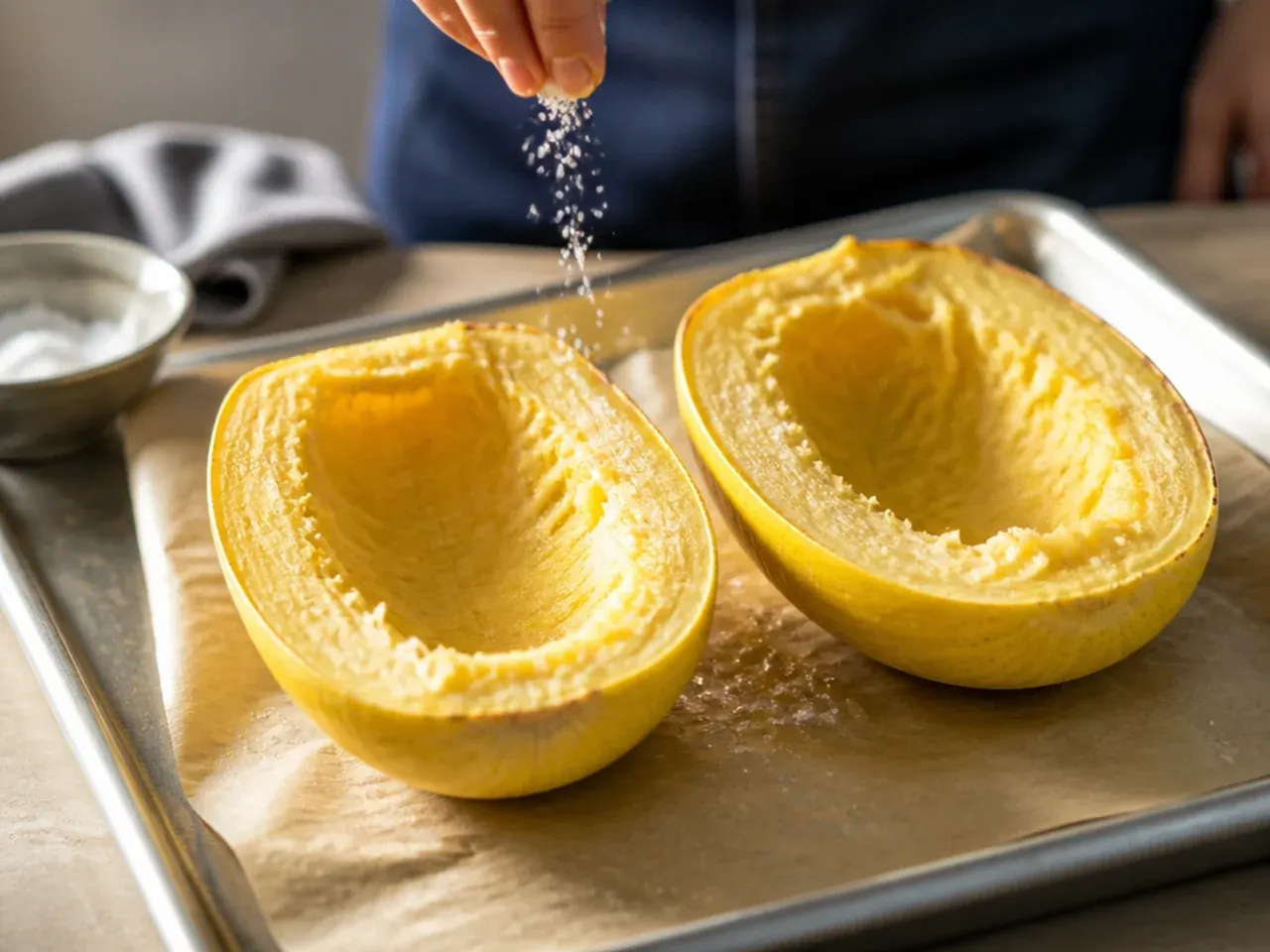
Sprinkle the cut sides evenly with the 5 g (1 tsp) fine sea salt and set the halves cut-side up on a wire rack or paper towels for 15-20 minutes; this pulls excess water to the surface so the roasted strands turn out firmer rather than watery. Pat the cut sides completely dry with a paper towel before moving on to the next step.
Step 3: Oil and season
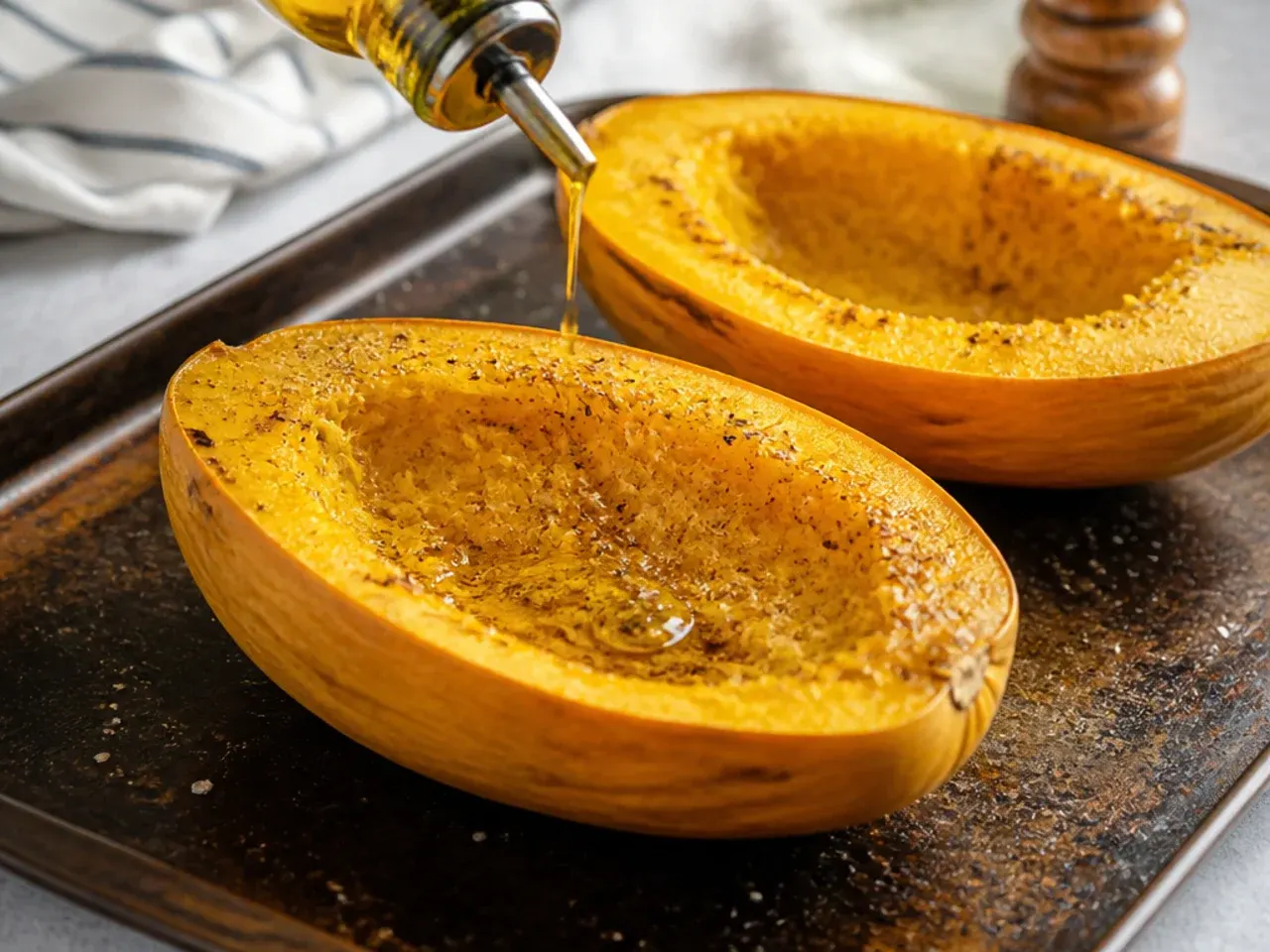
Brush the cut sides with the 30 ml (2 tbsp) olive oil, dividing it evenly between both halves, then season with the black pepper. Rub the oil right up to the edges so the rim caramelises in the oven rather than drying out.
Step 4: Roast cut-side down until fork-tender
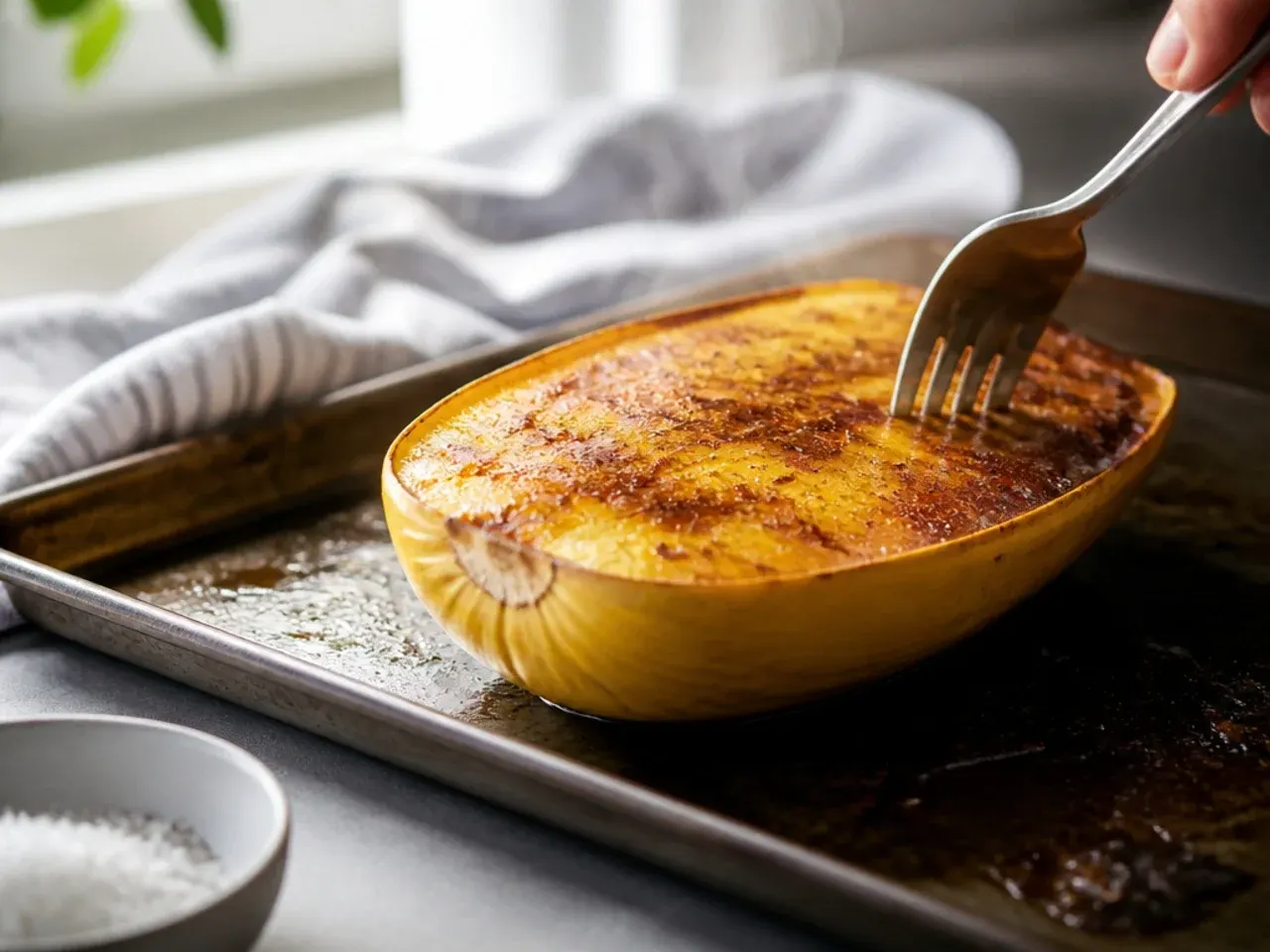
Place both halves cut-side down on the lined baking sheet and roast at 200°C (400°F) for 35-45 minutes, checking at the 35-minute mark. The squash is ready when a fork slides easily through the thickest part of the flesh and the edges look golden and slightly caramelised.
Step 5: Cool, then scrape into strands
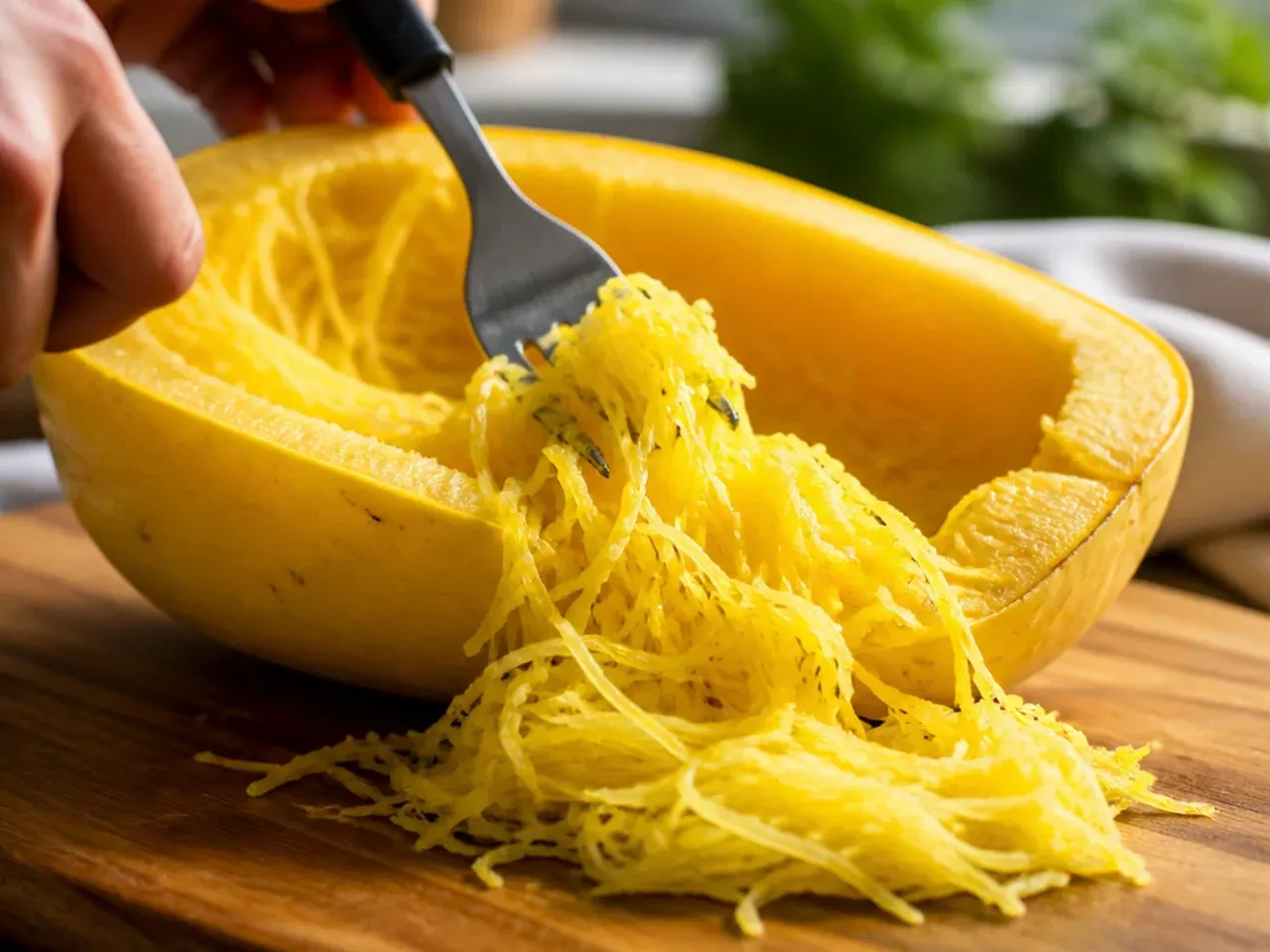
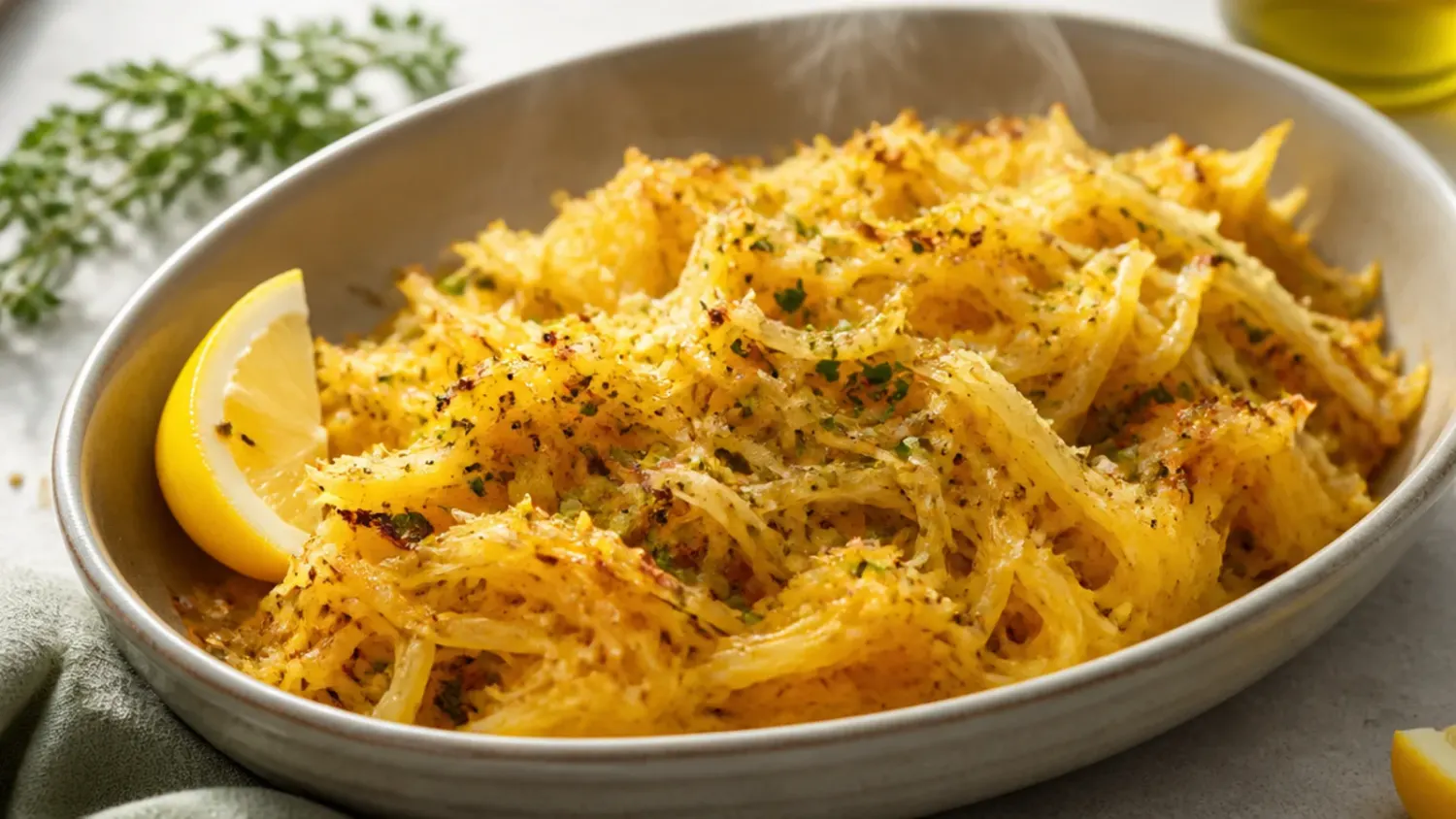
Let the squash rest for 5-10 minutes until cool enough to handle, since it holds heat well. Holding each half firmly, drag a fork lengthwise from stem to tip in long strokes, working from the outer edge inward, to shred the flesh into spaghetti-like strands directly in the shell.
Step 6: Make a quick garlic butter
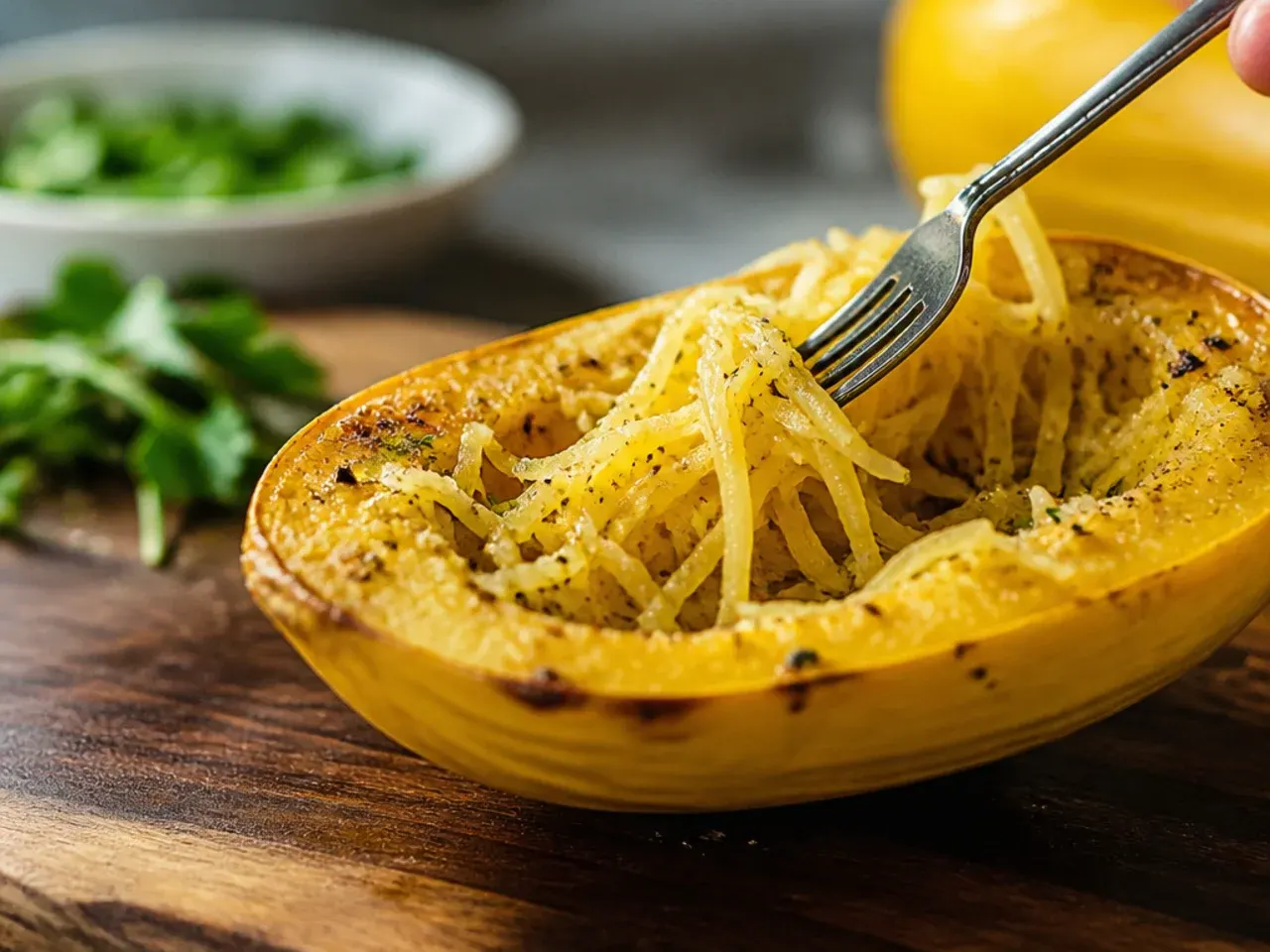
While the squash rests, melt the 30 g (2 tbsp) butter in a small pan over medium heat, add the 2 minced garlic cloves, and cook for 60-90 seconds, stirring constantly, until fragrant but not browned.
Step 7: Toss, finish, and serve
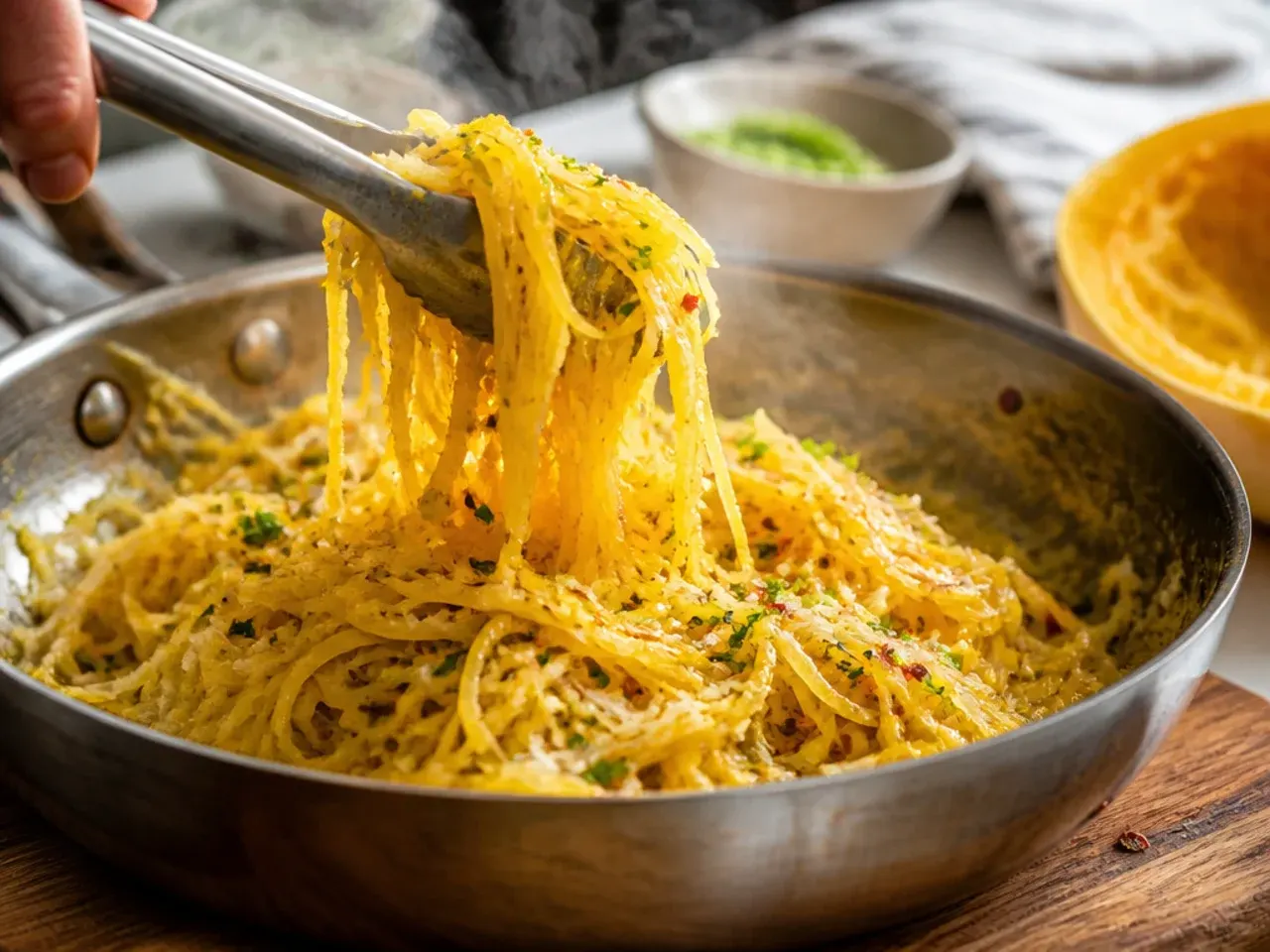
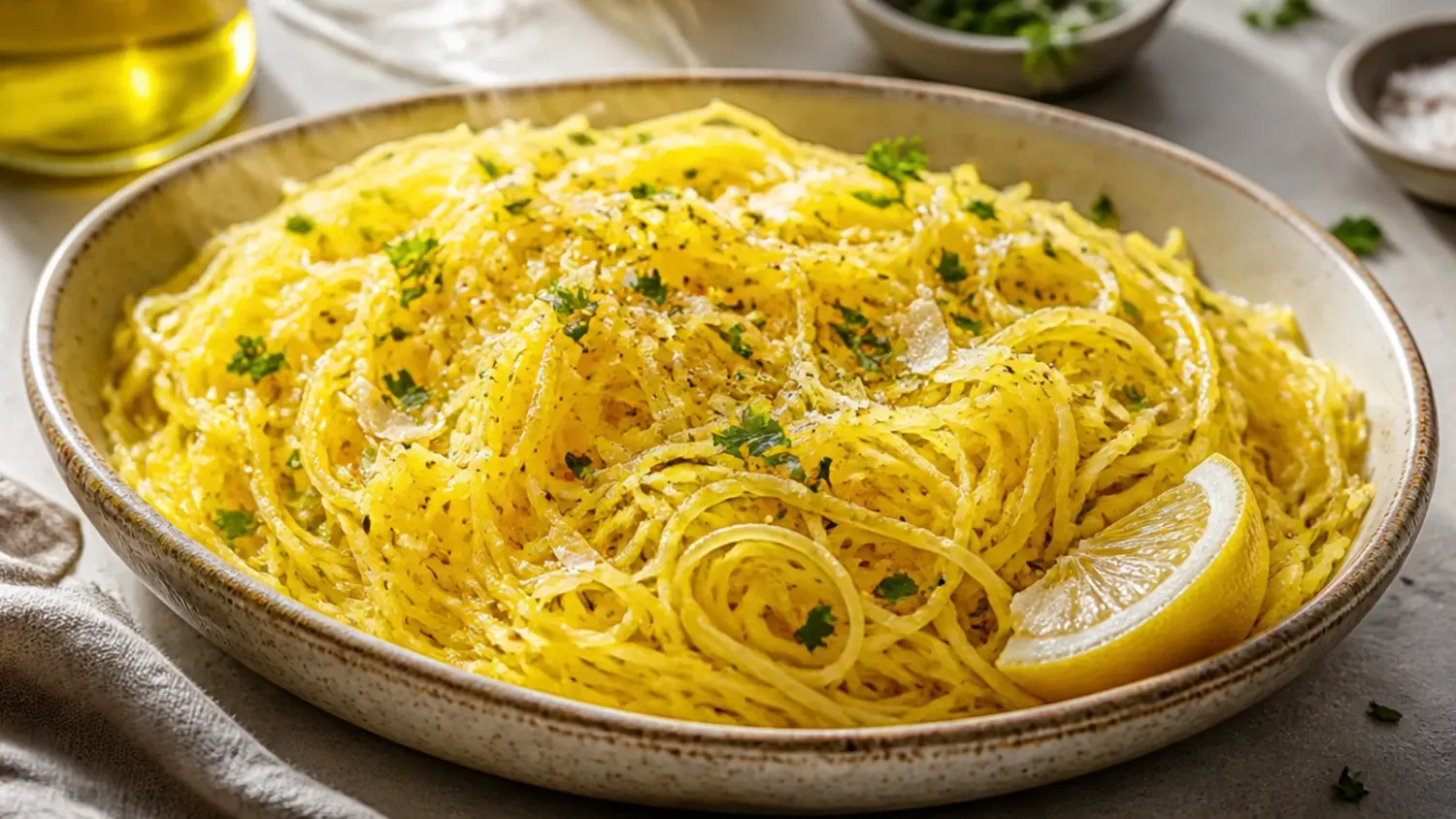
Transfer the squash strands to a bowl, pour over the garlic butter, and toss with the 30 g (1/3 cup) grated parmesan until evenly coated. Taste and adjust the seasoning, then scatter over the 10 g (2 tbsp) chopped parsley and serve immediately while warm.
Frequently Asked Questions
Yes — roast the squash up to 4-5 days ahead and keep the shredded strands in an airtight container in the fridge, but let them cool to room temperature first, since sealing warm squash traps steam and turns it soggy. For longer storage, drain the strands in a colander overnight in the fridge, squeeze out the excess water by hand, then freeze in portioned bags for up to 3 months. Reheat straight from the fridge in the microwave for 1-2 minutes, stirring halfway, or in a dry pan over medium heat to bring back some of the caramelised edges. Avoid saucing the strands until just before serving, as they'll keep releasing moisture in storage.
Save this for later 📌
Pin this article to your Pinterest board so the full list is one tap away when you need it.
Save on Pinterest