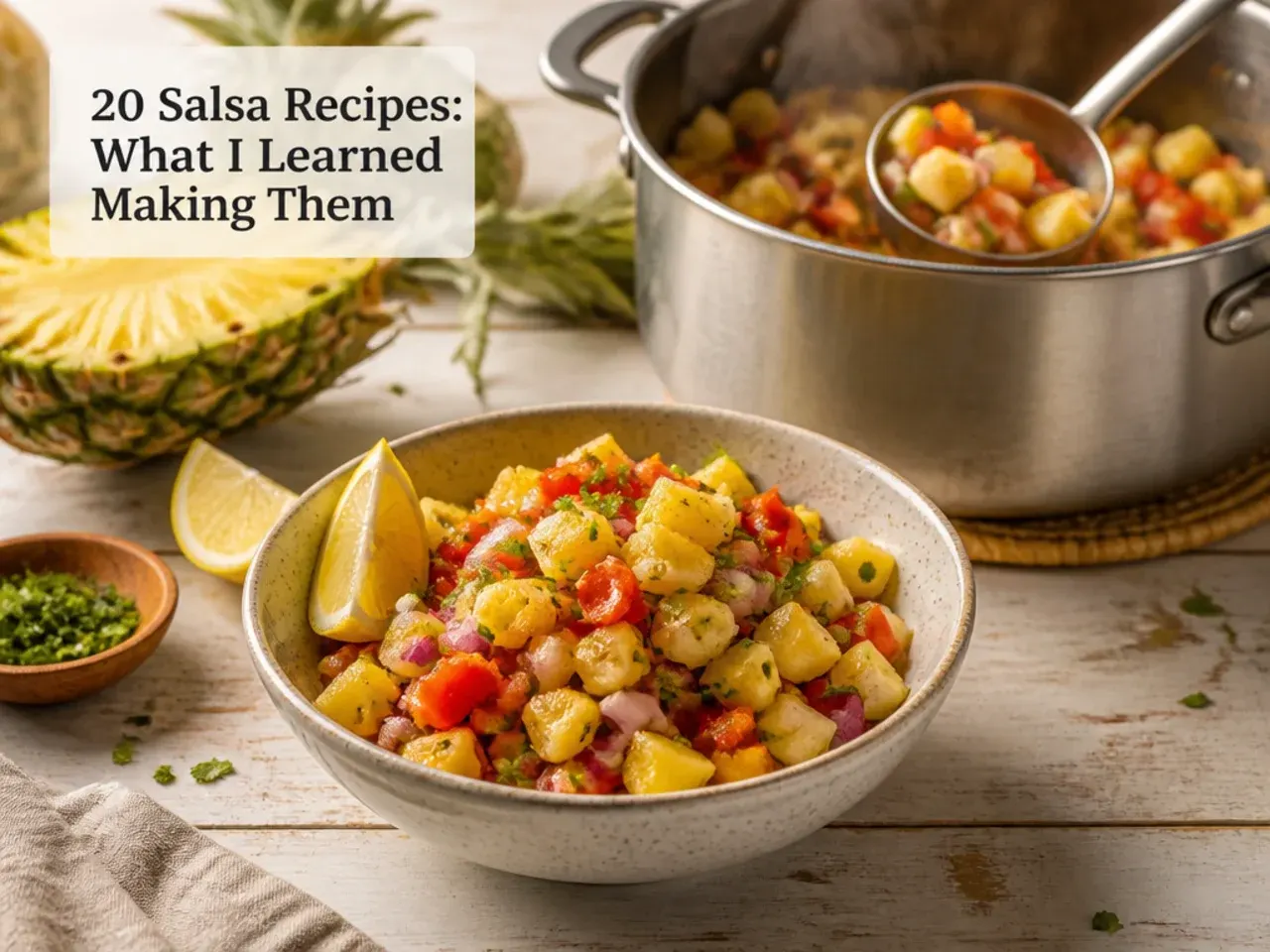
20 Salsa Recipes: What I Learned Making Them
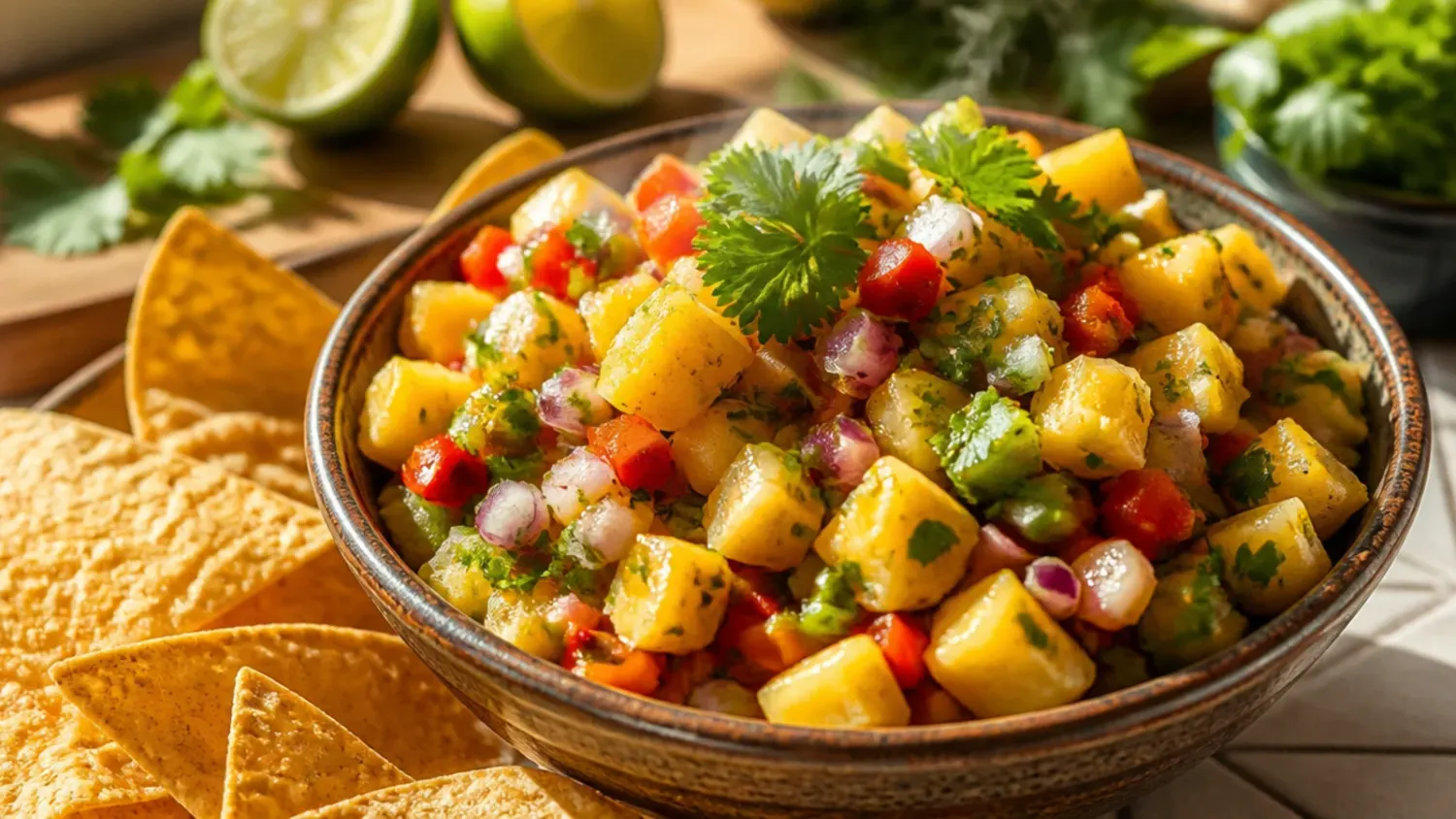
Twenty batches of this pineapple salsa recipe taught me why it turns watery, bland or too spicy - and the exact fixes for a bright, balanced bowl every time. If you love salsa recipe inspiration, start with our Salsa Recipes collection, then browse the full Sides, Dips & Snacks hub for more.

Save this for later 📌
Pin this article to your Pinterest board so the full list is one tap away when you need it.
Save on PinterestSides, Dips & Snacks
Beginner
Kitchen Journal
7 steps
Table of Contents
- Lesson 1: Fresh Pineapple Beats Canned, Every Time
- Lesson 2: Draining the Pineapple Is Not Optional
- Lesson 3: Dice Everything the Same Size
- Lesson 4: Too Fine a Dice Turns It to Mush
- Lesson 5: Always Remove the Jalapeño Seeds and Ribs
- Lesson 6: Don't Skip the Resting Time
- Lesson 7: Red Onion, Not White
- Lesson 8: Rinse the Onion If It Tastes Too Sharp
- Lesson 9: Add the Coriander Late, Not Early
- Lesson 10: Fresh Lime Juice Only
- Lesson 11: Salt Is What Makes It Taste Like Salsa
- Lesson 12: Taste Before You Trust the Recipe
- Lesson 13: Skip the Green Bell Pepper
- Lesson 14: Balance the Sweetness With Enough Acid
- Lesson 15: Serve the Heat on the Side for a Crowd
- Lesson 16: Use a Slotted Spoon When Topping Fish or Tacos
- Lesson 17: Store It in a Proper Airtight Container
- Lesson 18: Don't Make It at the Very Last Minute
- Lesson 19: Add Honey Only for Underripe Pineapple
- Lesson 20: Scale Up Salt and Lime Carefully When Doubling
- What I'd Tell a Friend Trying This
- The Recipe I Used
Lesson 1: Fresh Pineapple Beats Canned, Every Time
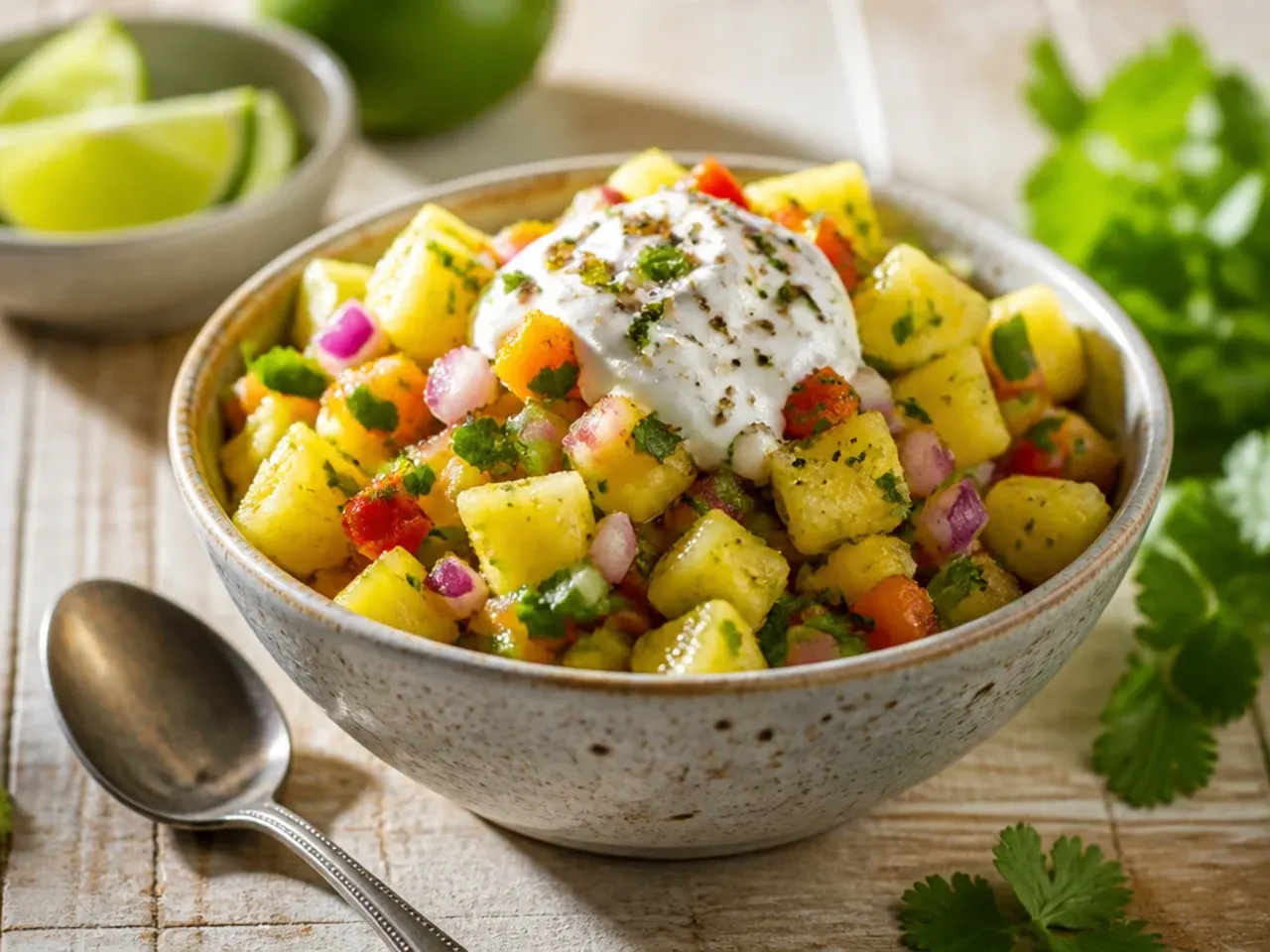
The first time I made this, I grabbed a tin of pineapple chunks because I was in a rush, and the salsa turned mushy and oddly sweet within an hour. Canned pineapple is packed in syrup and already soft, so it breaks down fast and leaves you with soup instead of salsa. Now I only use fresh - one pineapple gives about 500g (3 cups) of diced fruit that holds its shape and actual crunch. If fresh really isn't available, I drain canned chunks hard and pat them dry with kitchen paper first.
Lesson 2: Draining the Pineapple Is Not Optional
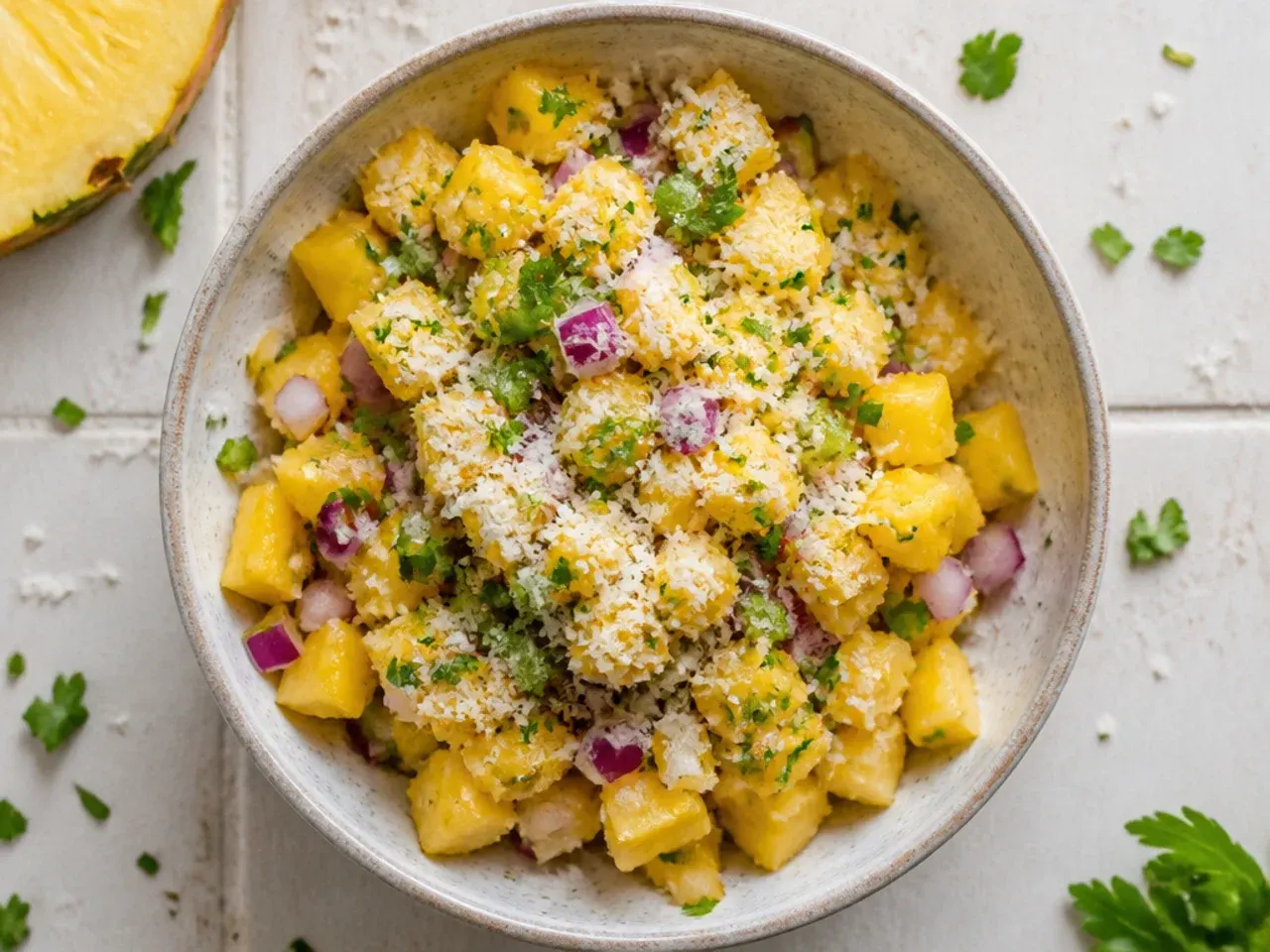
I used to toss diced pineapple straight into the bowl and wonder why my salsa was swimming in liquid by the time I served it. Fresh pineapple holds a surprising amount of juice, and if you don't drain it, that juice dilutes the lime and salt and waters down every other flavour. Now I always tip the diced fruit into a sieve over a bowl for five minutes before mixing, which usually drains off 2-3 tablespoons of juice I didn't even know was there. I keep that juice too - a splash loosens the salsa if it thickens in the fridge.
Lesson 3: Dice Everything the Same Size
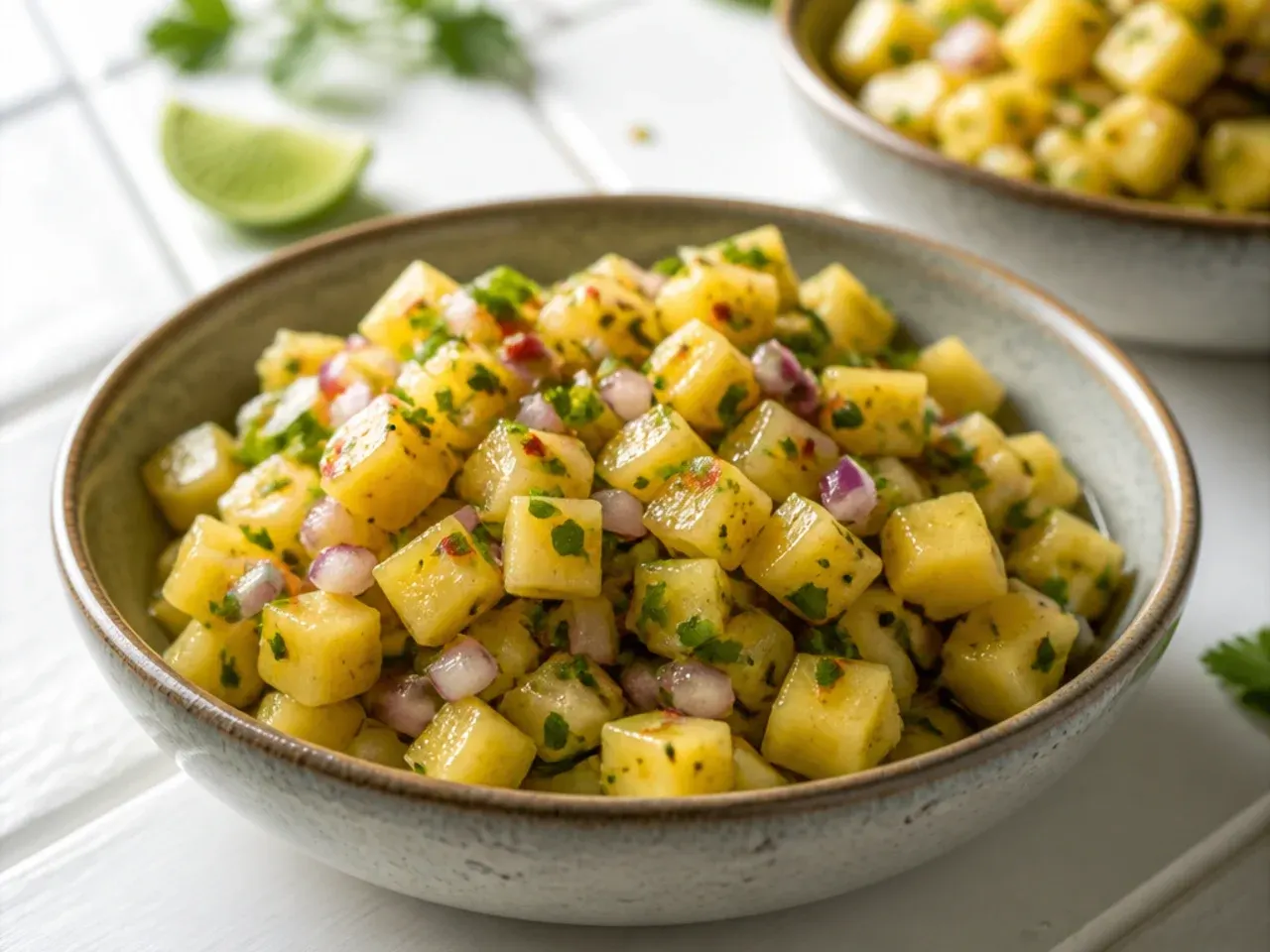
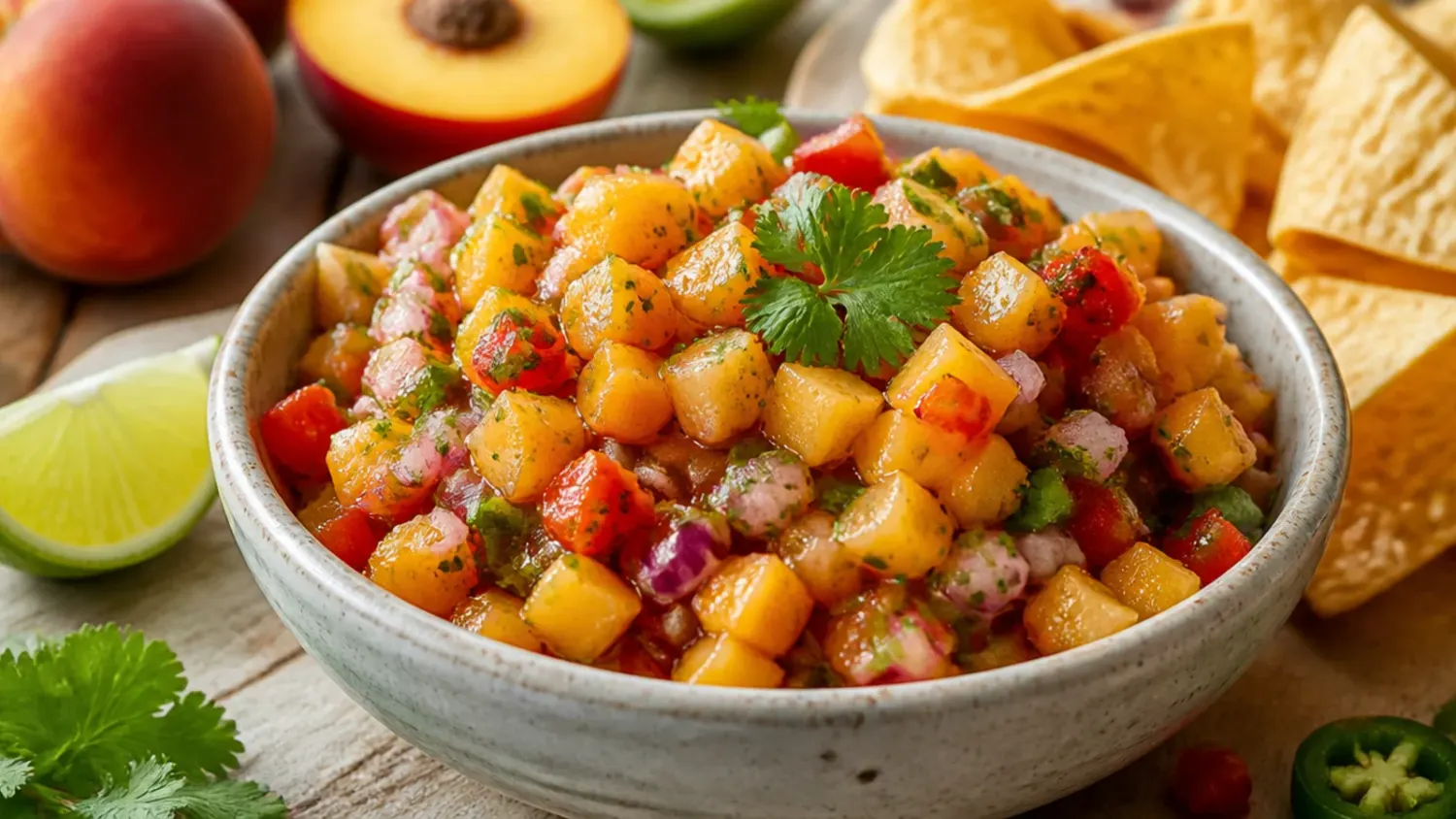
Early batches had huge chunks of pineapple next to tiny slivers of onion, and every scoop tasted completely different depending on what you happened to pick up. Consistency in the dice - roughly 1cm (½ in) pieces for the pineapple, pepper and onion - means every chip-load tastes balanced instead of like a lucky dip. I now line up the pineapple, red pepper and red onion and cut them to match before I even touch the jalapeño. It takes an extra two minutes and completely changes how the salsa eats.
Lesson 4: Too Fine a Dice Turns It to Mush
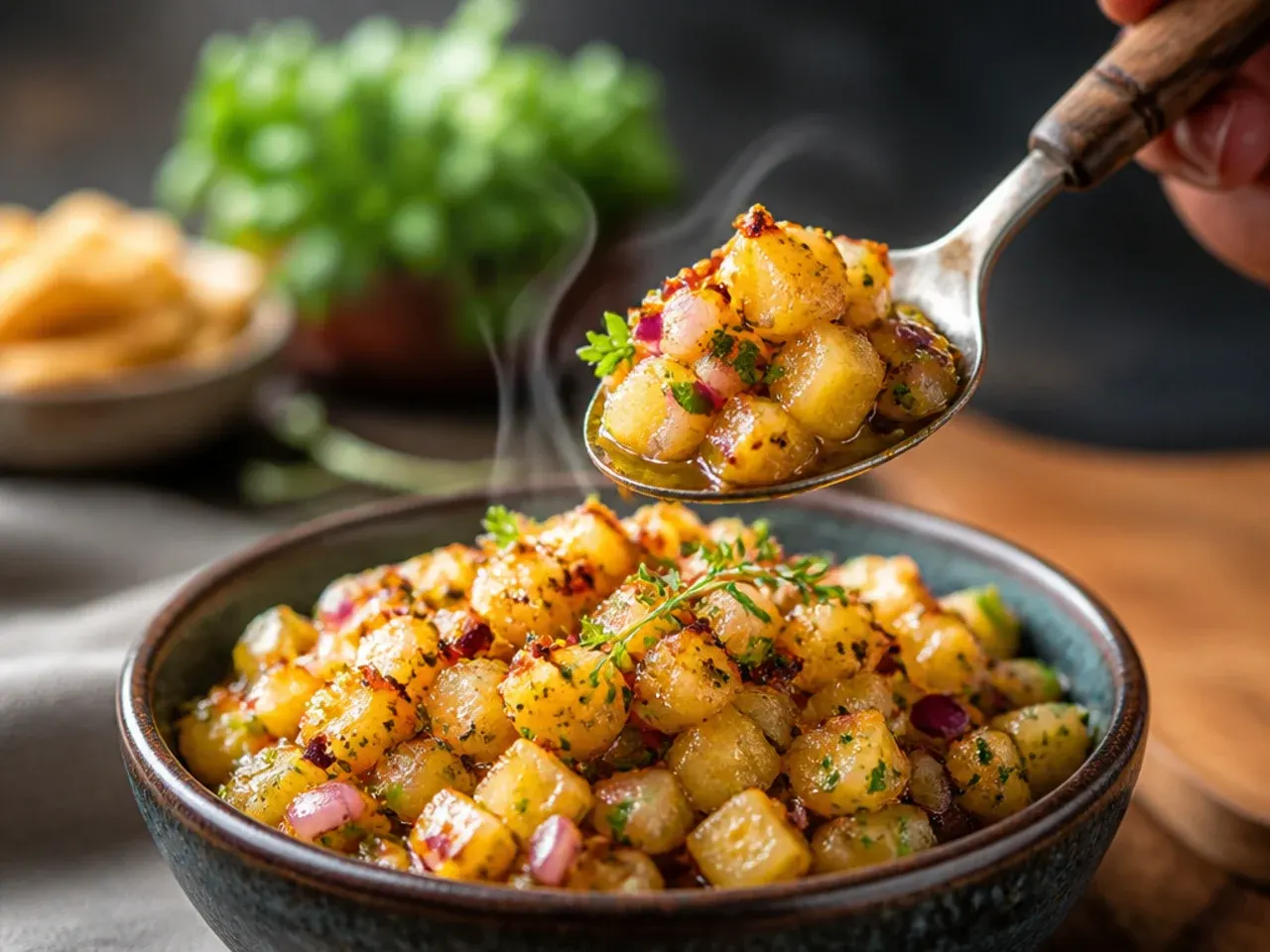
Chasing that same-size rule, I once over-corrected and diced everything almost to a mince, thinking finer meant more refined. Instead the pineapple broke down under its own weight within the hour and the salsa lost all texture, turning into something closer to a runny relish. About 1cm (½ in) is the sweet spot - small enough to scoop on a chip, big enough that the pineapple still has bite left after chilling. If a piece feels smaller than your fingernail, it's too small.
Lesson 5: Always Remove the Jalapeño Seeds and Ribs
I left the seeds and white ribs in a jalapeño once, thinking it would just add gentle warmth, and ended up with a salsa nobody but me could eat. The ribs actually carry more heat than the seeds, and both build up fast once the salsa sits and the capsaicin spreads through the fruit. Now I slice the jalapeño in half, scrape out the seeds and ribs with a small spoon, and dice just the flesh - about 15g (about ½ oz) from one medium chilli. If you want more kick, add it back gradually with a few reserved seeds rather than guessing upfront.
Lesson 6: Don't Skip the Resting Time
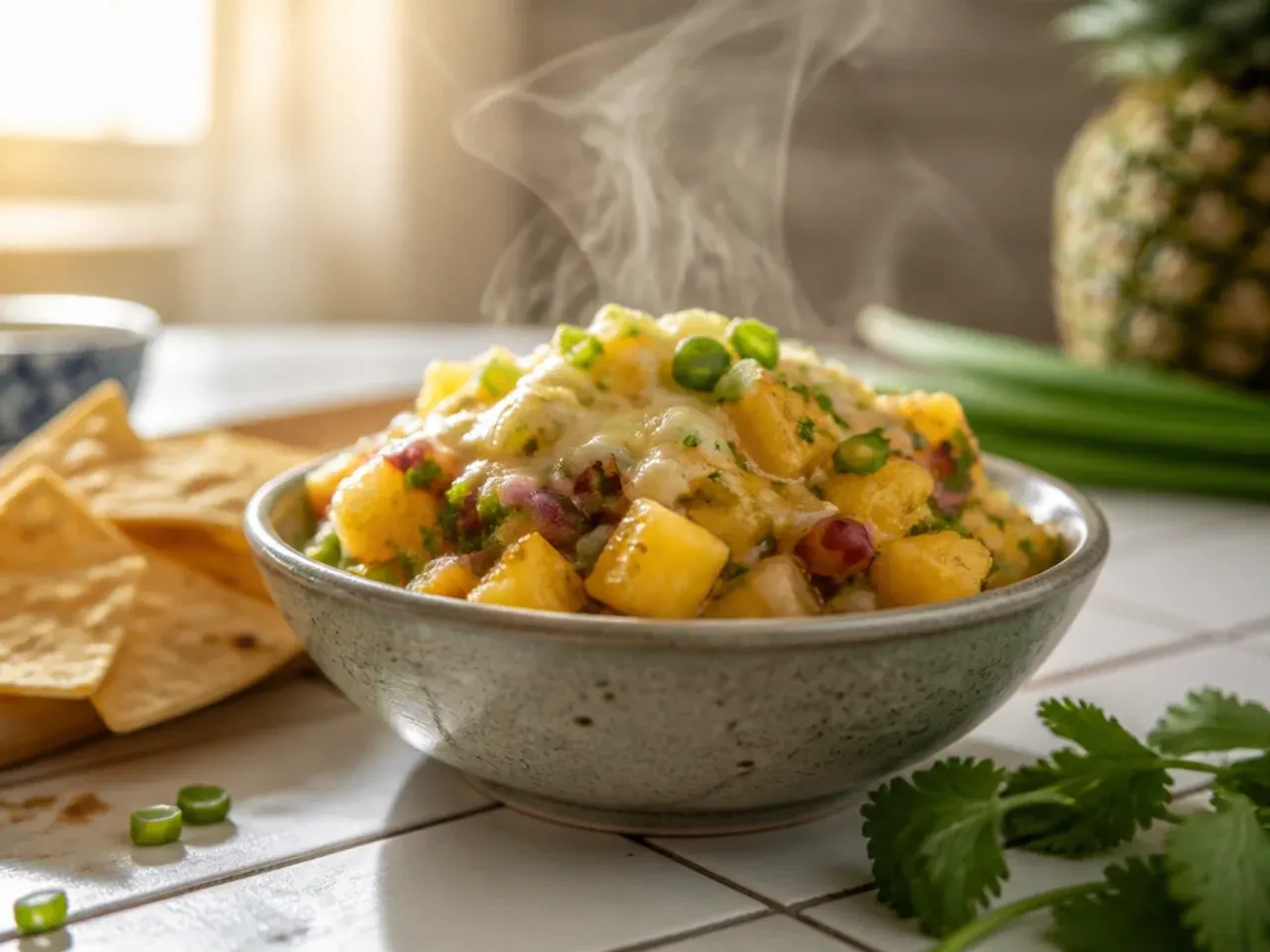
The first time I served this straight after mixing, it tasted like diced fruit with lime on it rather than actual salsa - the flavours just hadn't met yet. Giving it at least an hour in the fridge lets the salt draw a little juice out of the pineapple and onion, which carries the lime and chilli through every piece. Four hours gives the best texture, but this salsa also holds up well made a full day ahead if your schedule needs it - the flavour keeps improving, though the pineapple gradually releases more juice and softens a touch the longer it sits, so give it a stir and a quick drain with a slotted spoon before serving if it's been more than a few hours. Now this is the step I refuse to rush, even when I'm serving it in twenty minutes.
Lesson 7: Red Onion, Not White
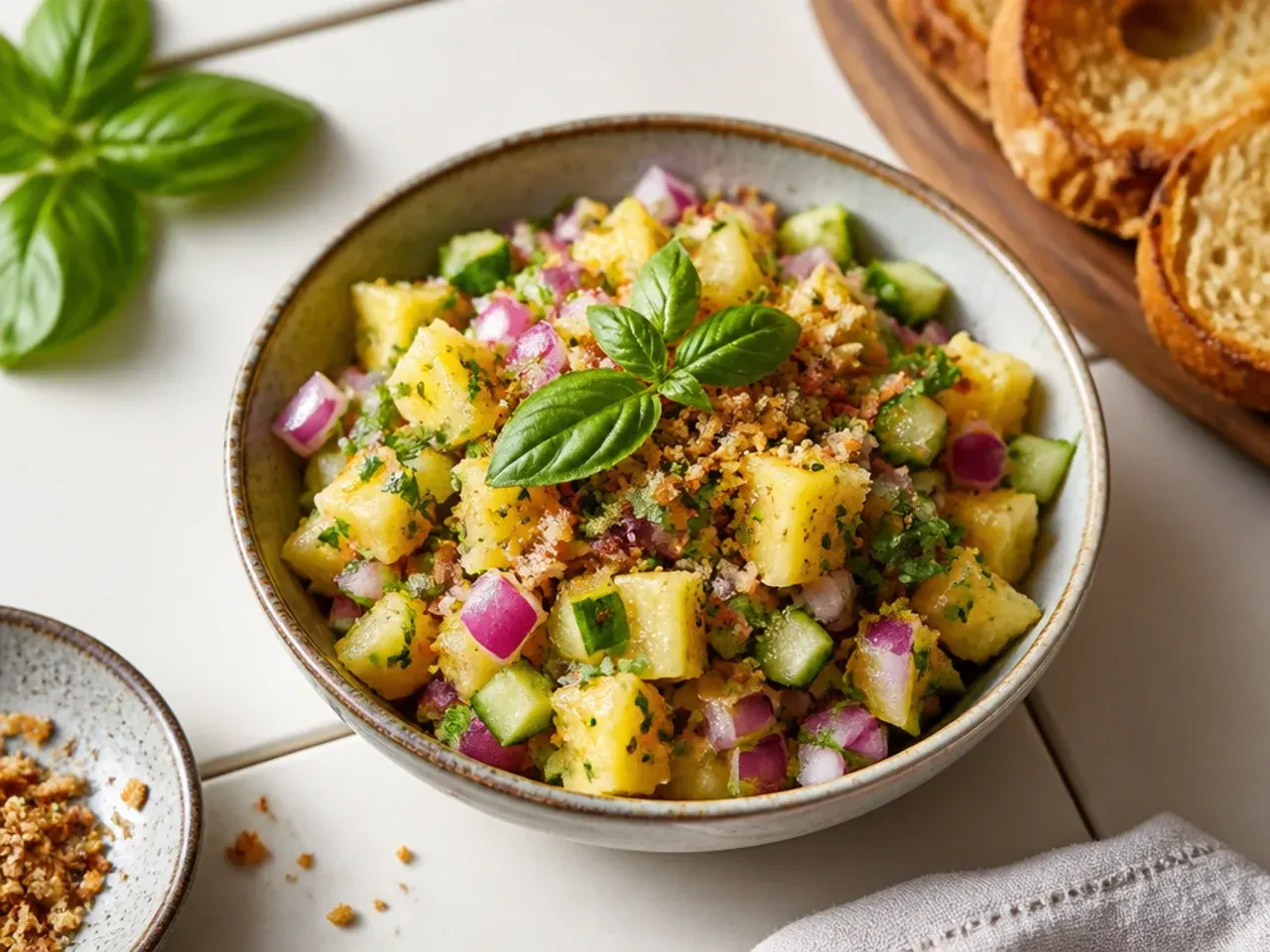
I used a white onion once because it was what I had, and its sharp, almost sulphurous bite completely overpowered the sweet pineapple. Red onion is milder and slightly sweet on its own, so it works with the fruit instead of fighting it, and it looks far better against the yellow pineapple too. I use about 75g (½ cup), finely diced, which is enough for flavour without turning every bite oniony. If red onion isn't available, a shallot is the closest substitute - white onion genuinely changes the character of the whole salsa.
Lesson 8: Rinse the Onion If It Tastes Too Sharp
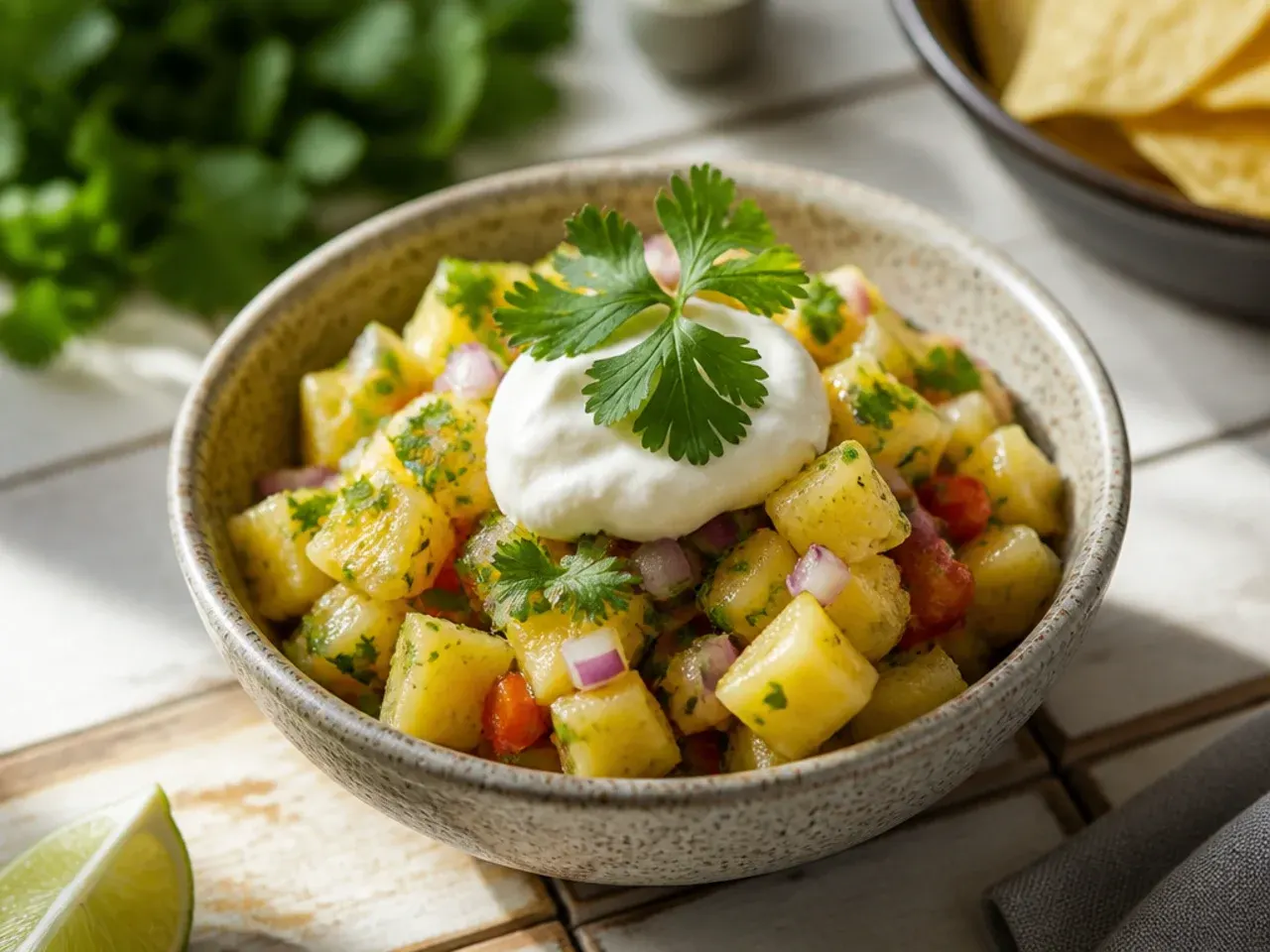
Even with red onion, I've had batches where the raw bite was still too strong, especially with onions that had been sitting in the fridge a while. Rinsing the diced onion briefly under cold water and patting it dry mellows that sharpness without washing away the flavour that matters. I only do this now if I'm serving the salsa within the hour, since the full chilling time softens raw onion on its own anyway. It's a small step but it's saved more than one batch from tasting harsh.
Lesson 9: Add the Coriander Late, Not Early
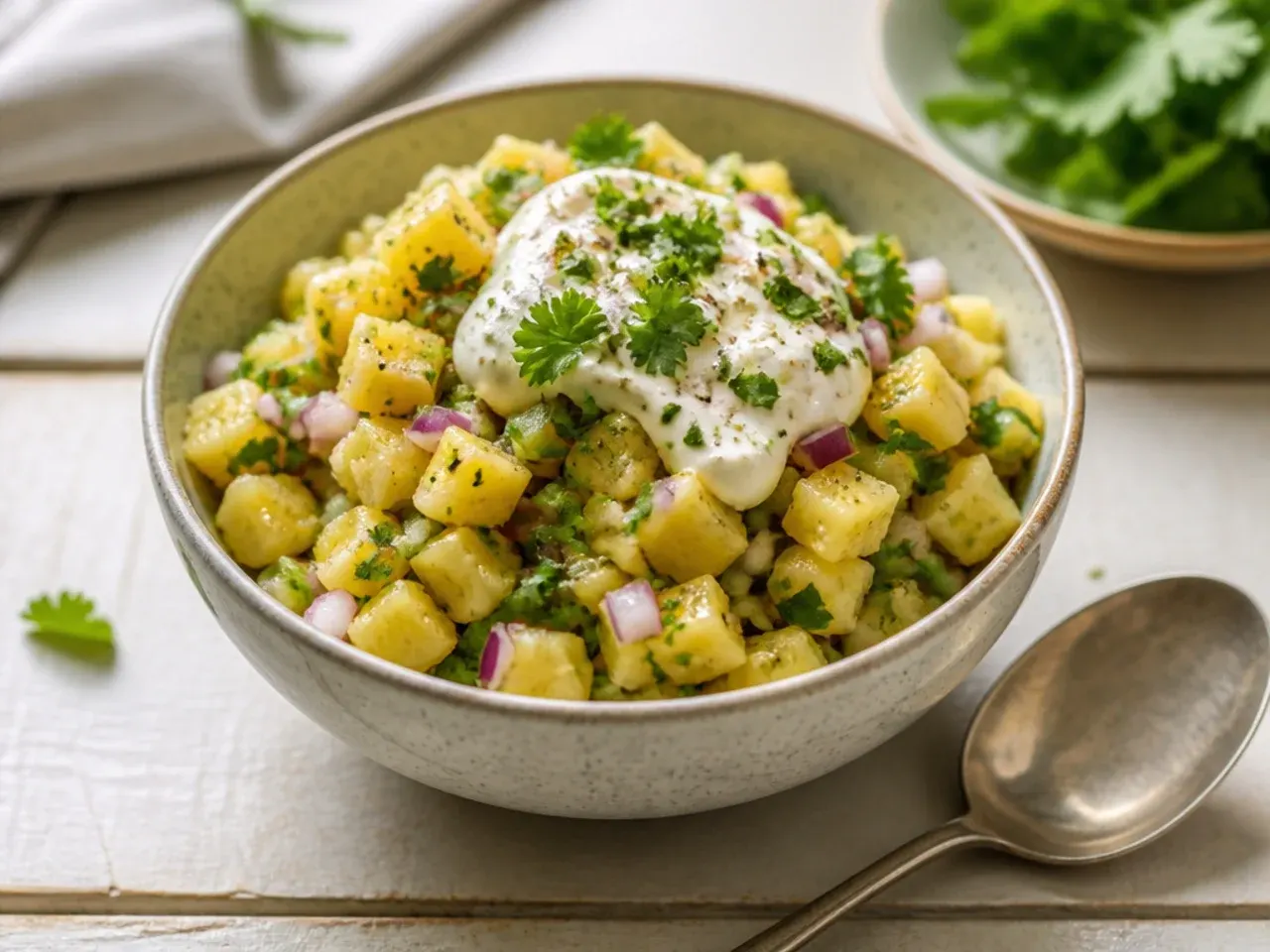
I made a big batch the night before a party and stirred in all the coriander straight away, and by the next day it had gone dark and slimy on top of the salsa. Fresh coriander (cilantro) wilts fast once it's cut and mixed with acid and salt, so it doesn't hold up over long chilling times the way the other ingredients do. Now if I'm making this more than a couple of hours ahead, I hold back the 10g (¼ cup) of chopped coriander and stir it in just before serving. It stays bright green and tastes noticeably fresher for it.
Lesson 10: Fresh Lime Juice Only
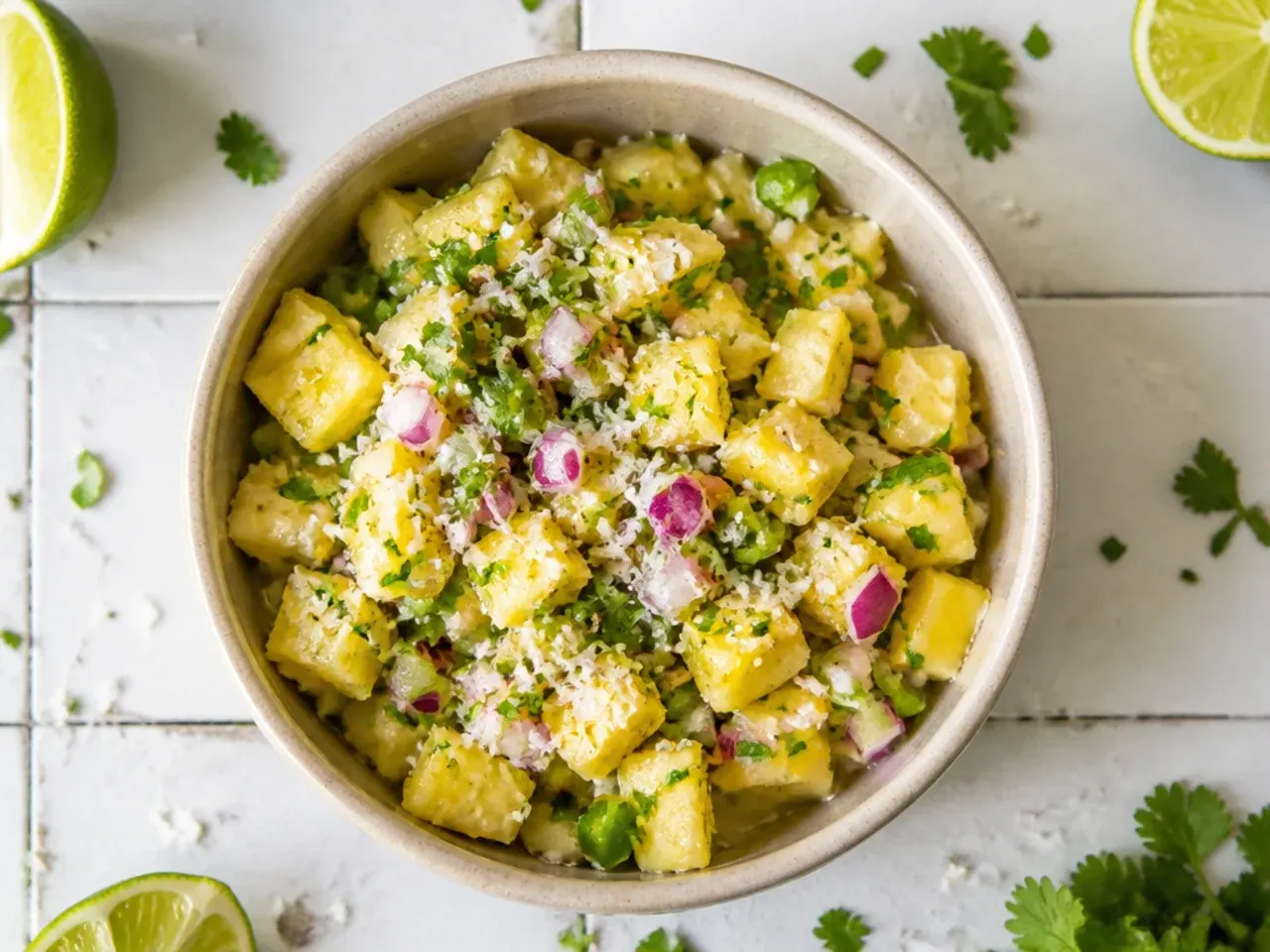
I tried bottled lime juice once when I was out of fresh limes, and the salsa tasted flat and slightly metallic compared to every other batch I'd made. Fresh lime has a brightness and a bit of natural sweetness that bottled juice loses somewhere in processing, and in a recipe this simple, that difference is obvious. Two limes give roughly 45ml (3 tbsp) of juice, plus zest if you want an extra hit of lime oil without more acidity. I keep a bag of limes just for this now - it's the one ingredient I won't substitute.
Lesson 11: Salt Is What Makes It Taste Like Salsa
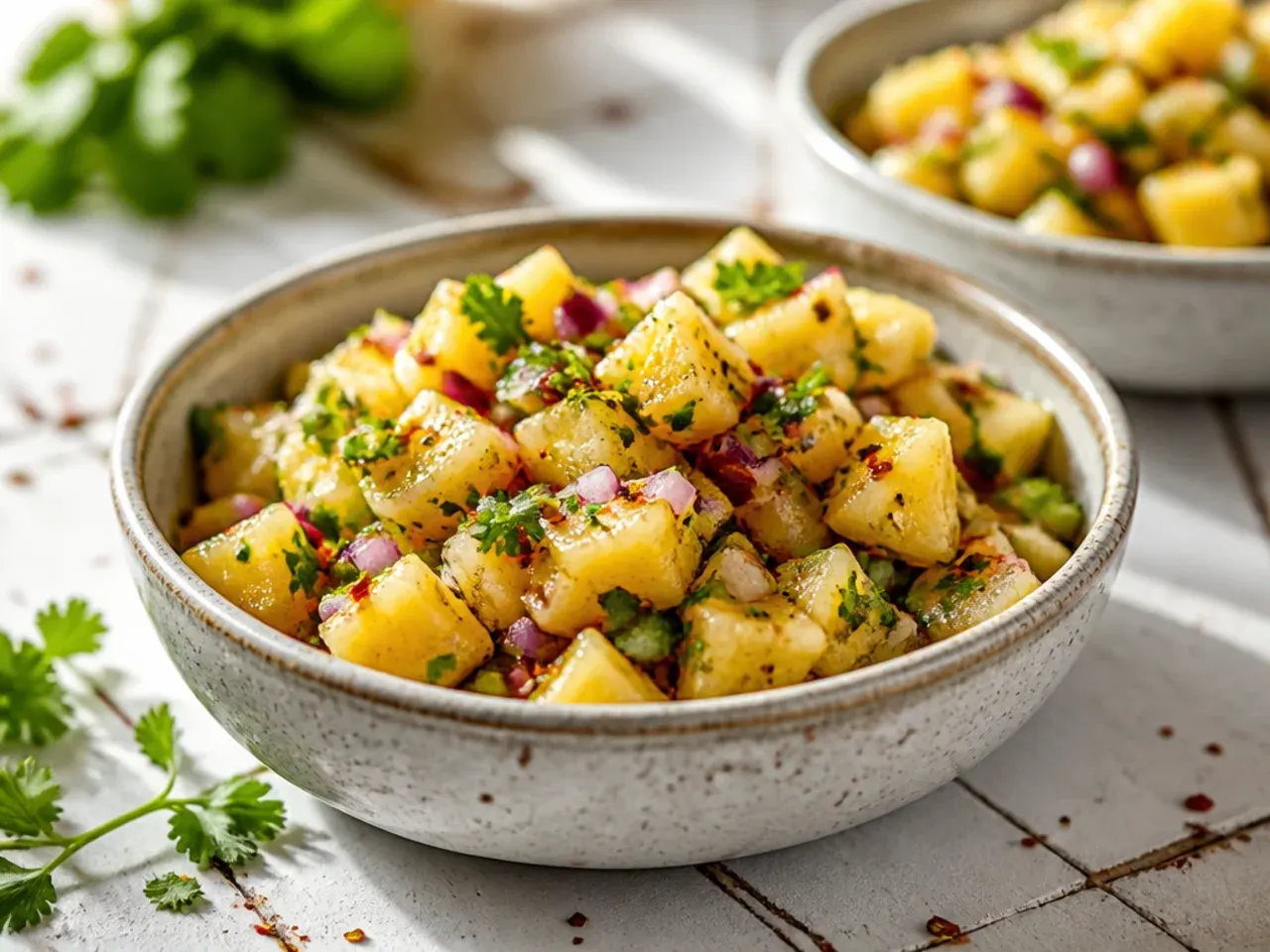
My earliest batches were under-salted because I was thinking of this as a fruit dish rather than a savoury one, and the result tasted pleasant but forgettable. A proper 3g (½ tsp) of salt is what pulls the pineapple, lime and chilli together into something you'd actually call salsa instead of fruit salad with a kick. I always taste after salting and add a pinch more if the flavours still feel muted rather than assuming the recipe amount is automatically right for my pineapple. Salt doesn't make it taste salty here - it makes everything else taste like more of itself.
Lesson 12: Taste Before You Trust the Recipe
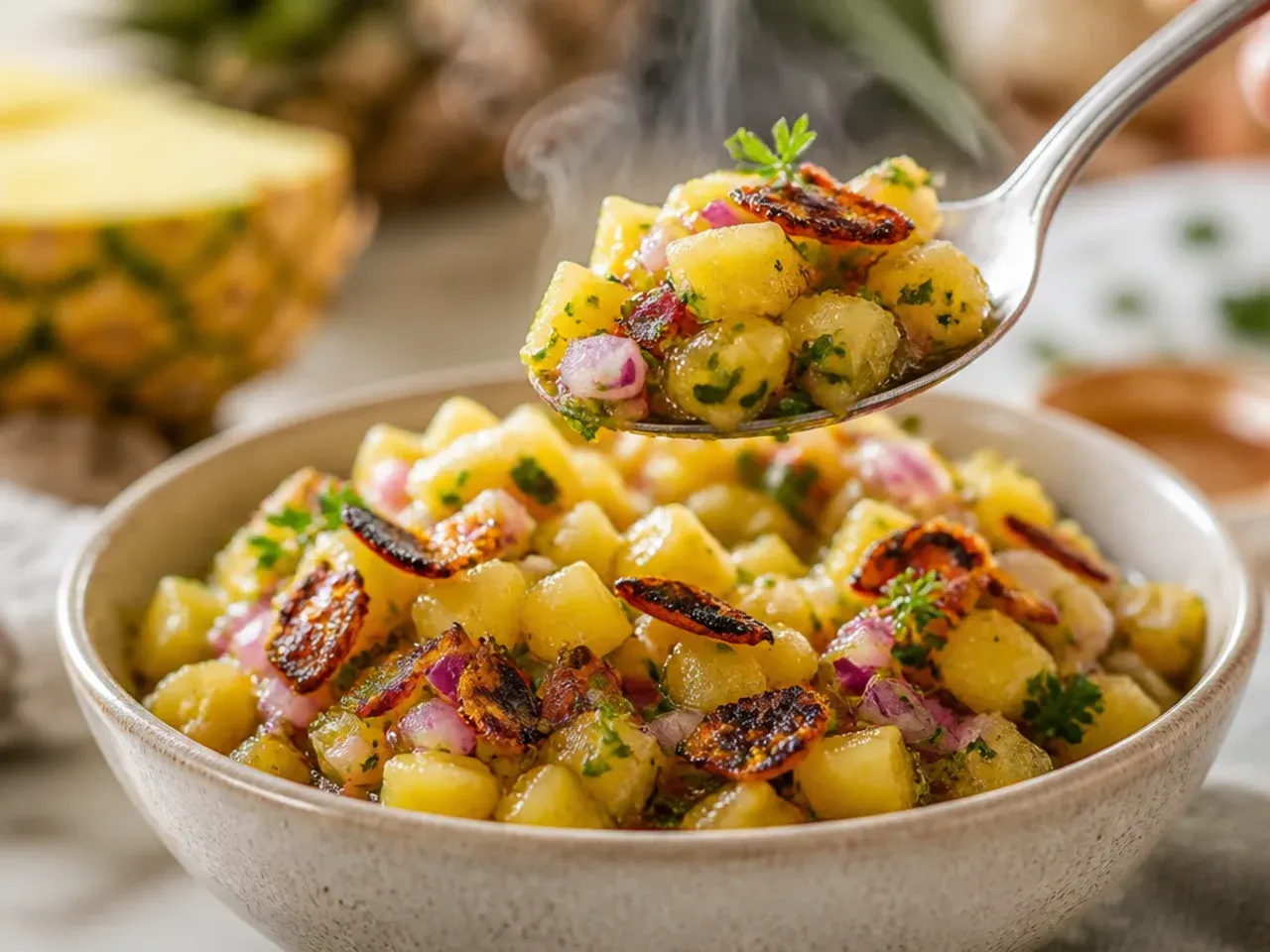
I learned the hard way that pineapples vary hugely - one can be syrupy sweet and the next almost tart, even at the same ripeness stage from the same shop. Following the recipe amounts exactly without tasting led to a batch that was far too sharp, because that particular pineapple had less natural sugar than usual. Now I always taste a piece of the raw pineapple before I even start dicing, so I know whether I'm working with a sweet or sharp one and can adjust lime and honey accordingly. It takes ten seconds and saves an entire batch.
Lesson 13: Skip the Green Bell Pepper
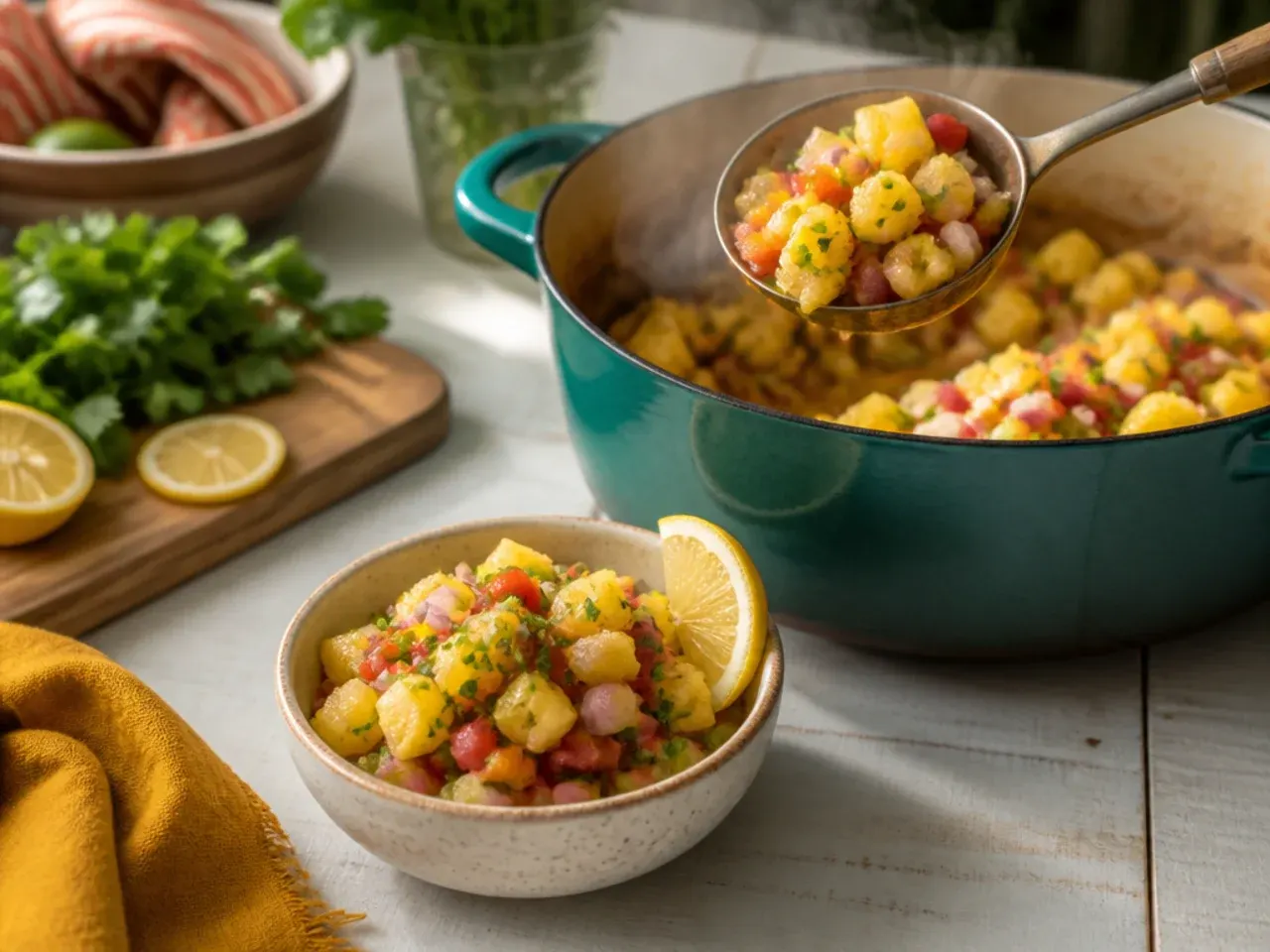
I used a green pepper once simply because it was in the fridge, and its slightly bitter, grassy flavour clashed badly with the sweet pineapple in a way I hadn't expected. Red bell pepper is fully ripened and much sweeter, which means it supports the pineapple instead of competing with it. I use about 120g (1 small), finely diced, and the colour also makes the finished salsa look far more vibrant on the plate. Yellow or orange pepper works as a substitute if you're out of red, but green is the one colour I'd actively avoid here.
Lesson 14: Balance the Sweetness With Enough Acid
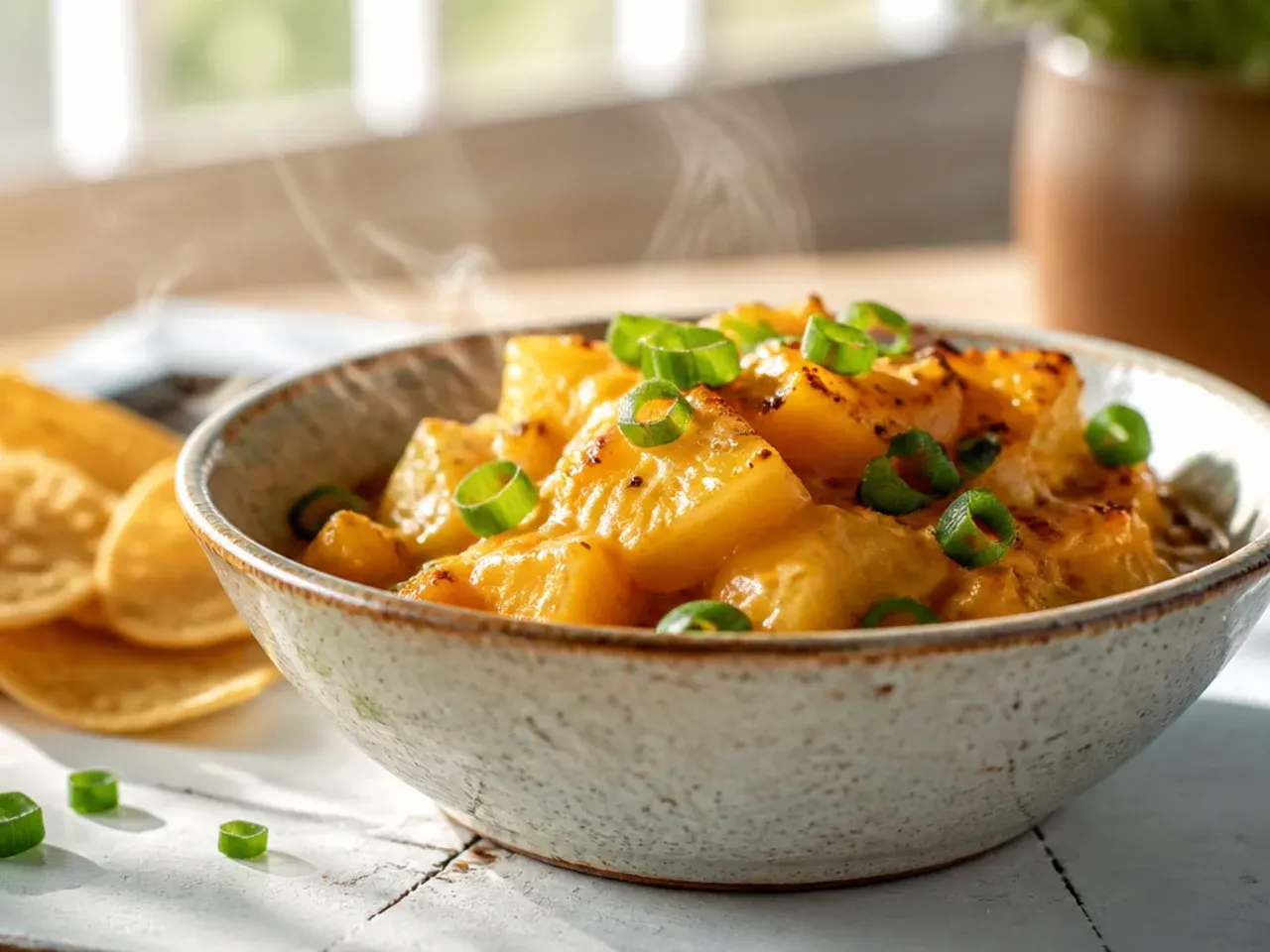
A batch made with an especially ripe, sugary pineapple once ended up tasting cloying, almost like dessert, because I hadn't adjusted the lime to match. When the pineapple tastes very sweet going in, I add the lime juice a tablespoon at a time and taste as I go rather than sticking rigidly to 45ml (3 tbsp). The goal is a salsa that tastes bright and savoury first, sweet second - if it tastes like fruit salad, it needs more acid or salt. This is the adjustment that turned my salsa from just nice into something people actually asked for the recipe for.
Lesson 15: Serve the Heat on the Side for a Crowd
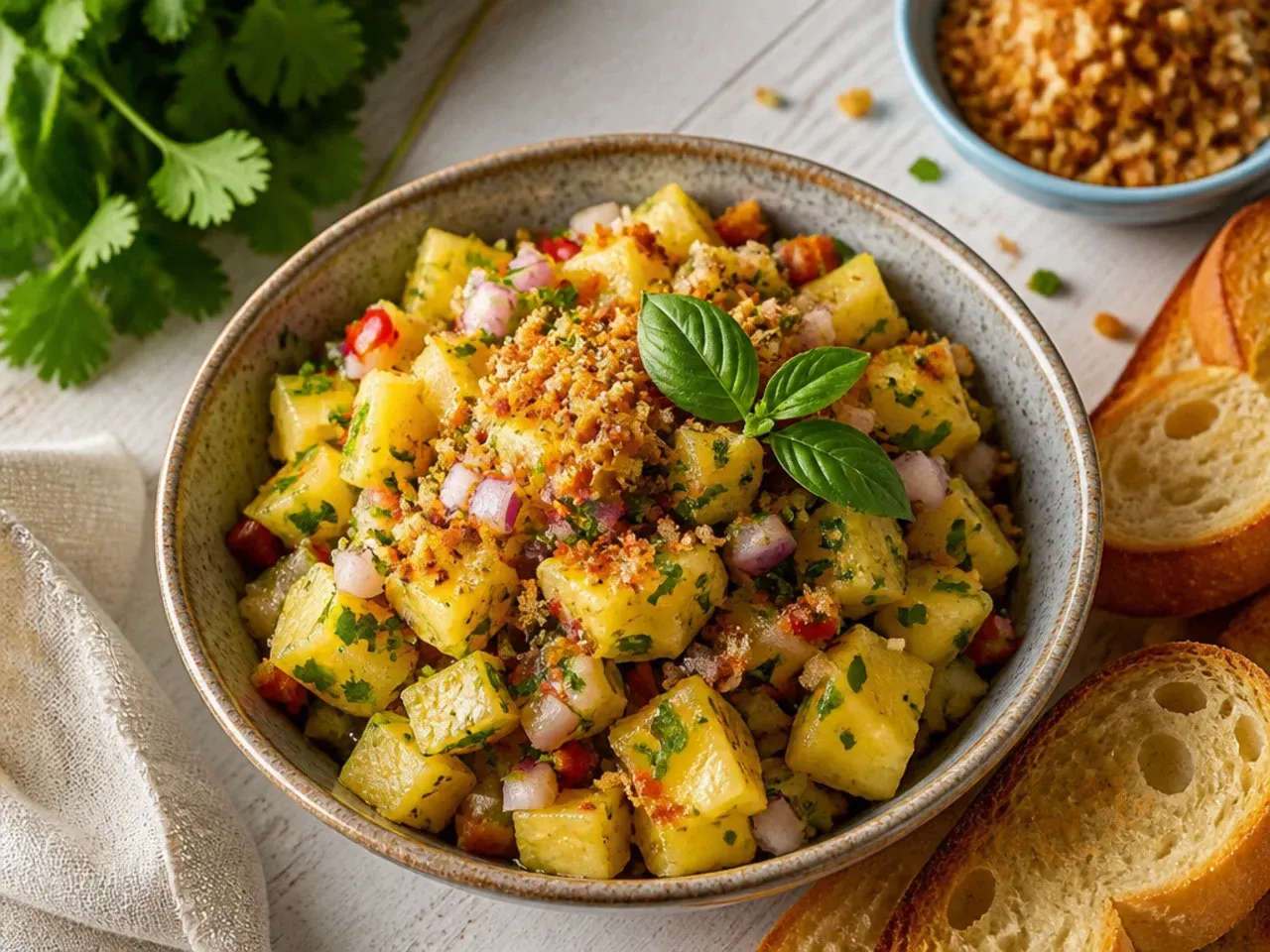
I made this properly spicy for a family gathering once, forgetting that not everyone likes chilli, and half the bowl went untouched. Now if I'm serving a mixed crowd, I make the base salsa mild with just a little jalapeño flesh and no seeds, then put a small dish of extra diced chilli or hot sauce alongside for anyone who wants more heat. This way everyone controls their own spice level instead of me guessing wrong for the whole table. It's a small change that means the bowl actually gets finished.
Lesson 16: Use a Slotted Spoon When Topping Fish or Tacos
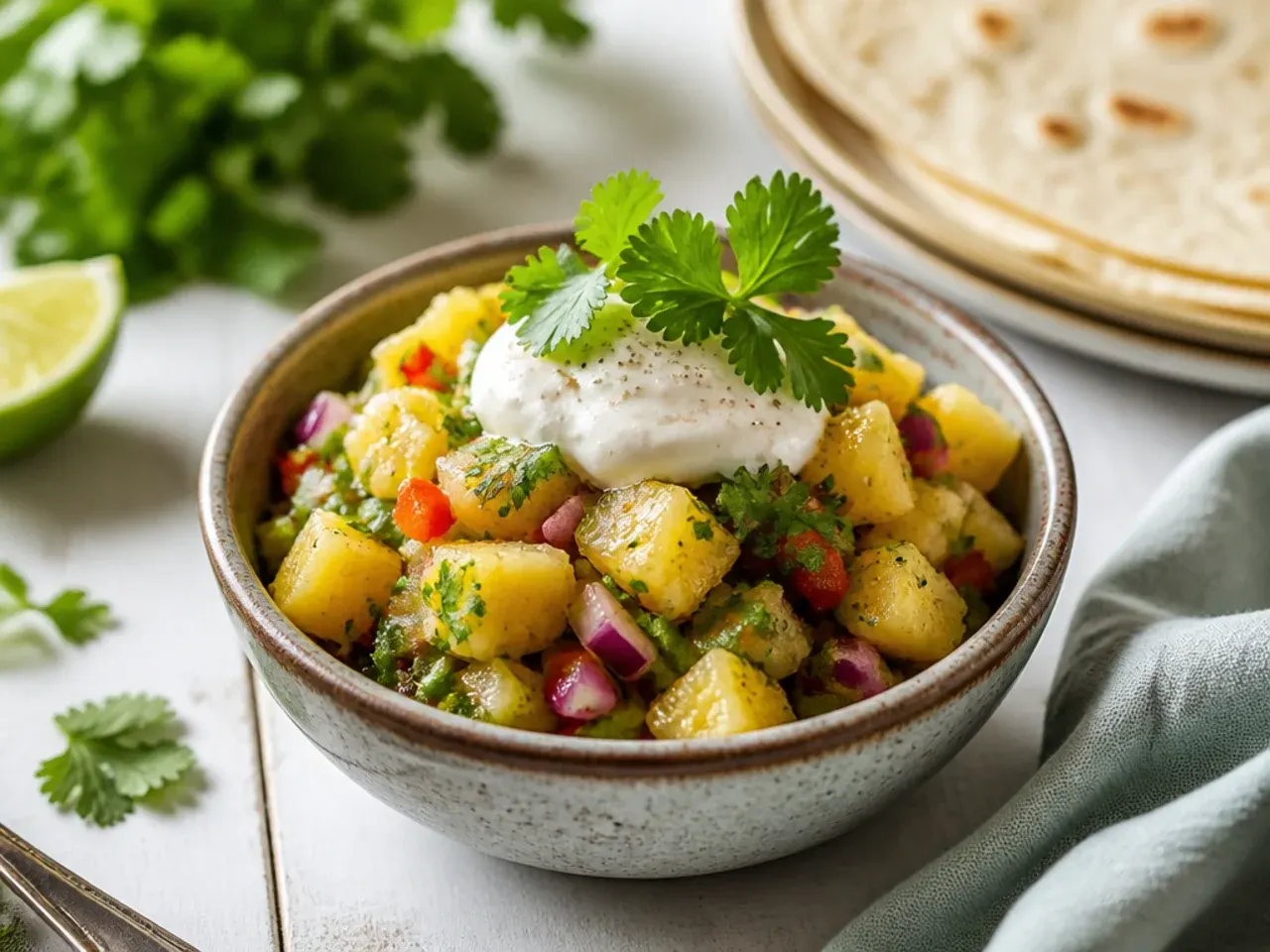
The first time I spooned this straight onto grilled fish, all the accumulated juice ran off the plate and made the whole dish soggy within minutes. Even well-drained pineapple salsa releases more liquid as it sits, so for tacos or fish I now lift it out with a slotted spoon rather than pouring the whole bowl, juice and all, on top. The juice left behind isn't wasted either - I stir it into a dressing or use it to loosen the salsa itself if it thickens in the fridge. It's a tiny habit that keeps the food underneath from turning into mush.
Lesson 17: Store It in a Proper Airtight Container
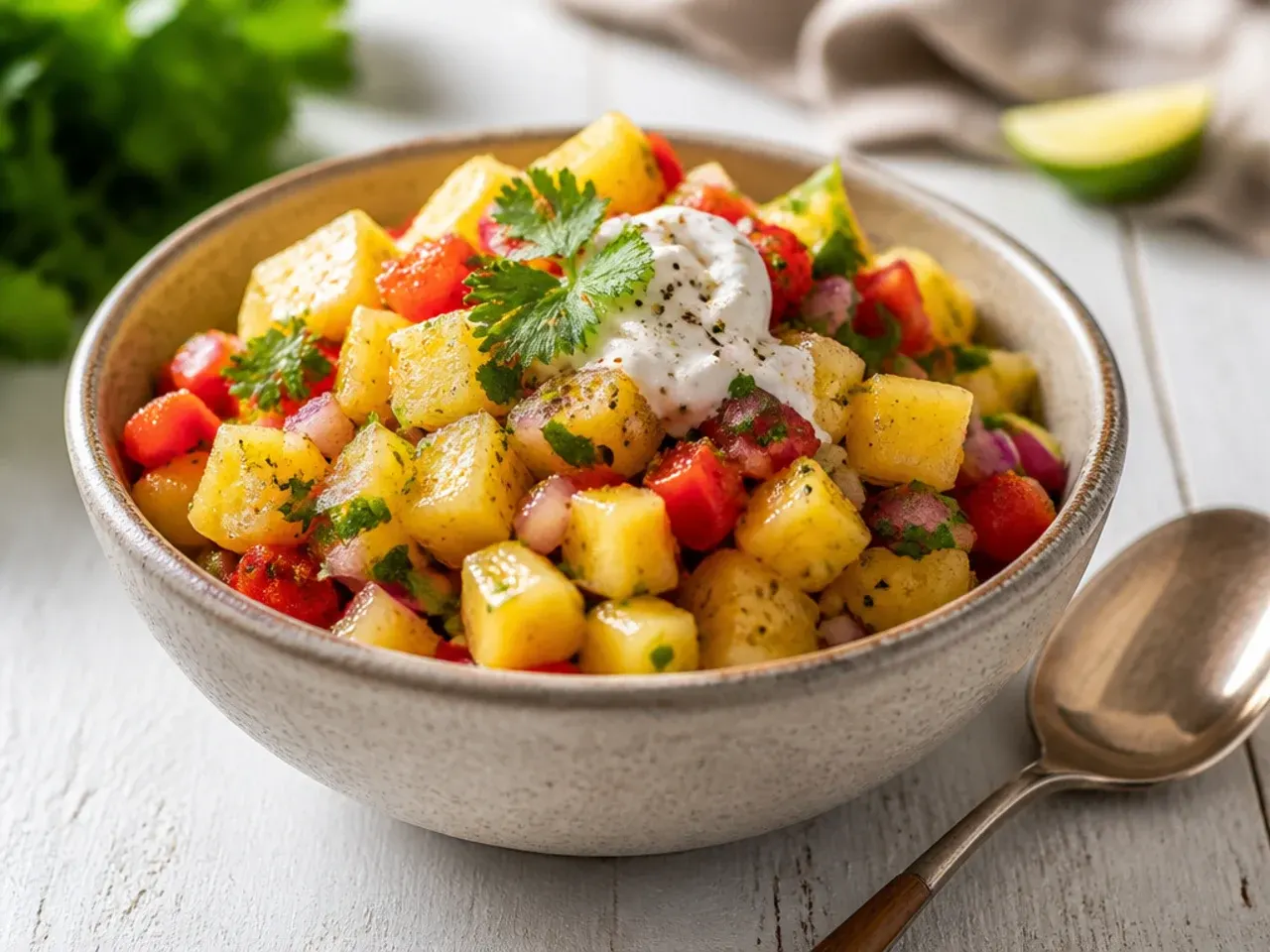
I once left a batch loosely covered with cling film overnight, and by morning it had picked up fridge odours and gone slightly soft on top from air exposure. An airtight container keeps the salsa tasting like itself and stops the acidity from reacting with anything else in the fridge. I also avoid reactive metal bowls for storage, since lime juice can pick up a faint metallic taste if it sits in one for more than an hour or two. A simple glass container with a lid has fixed both problems for good.
Lesson 18: Don't Make It at the Very Last Minute
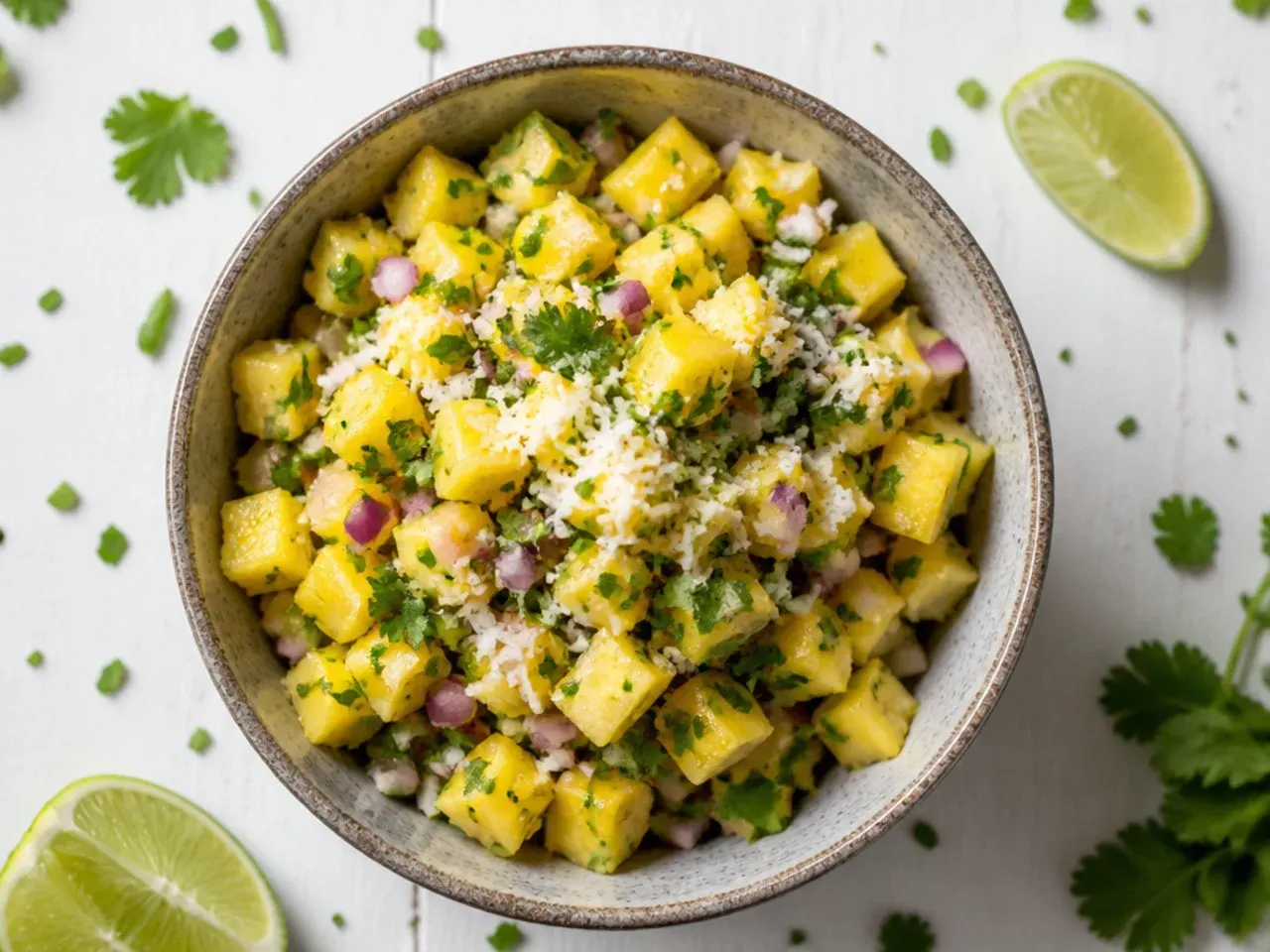
Rushing to mix this five minutes before guests arrived once meant serving a salsa that tasted flat and slightly warm, since it had no time to chill or for the flavours to combine. Now I treat the resting time as part of the recipe, not an optional extra, and plan to have it mixed at least an hour before I need it, ideally the morning of. If I'm genuinely short on time, even 20 minutes in the freezer, stirred once halfway, gets it cold enough to taste noticeably better than serving it warm. Planning ahead is the difference between a good salsa and a great one here.
Lesson 19: Add Honey Only for Underripe Pineapple
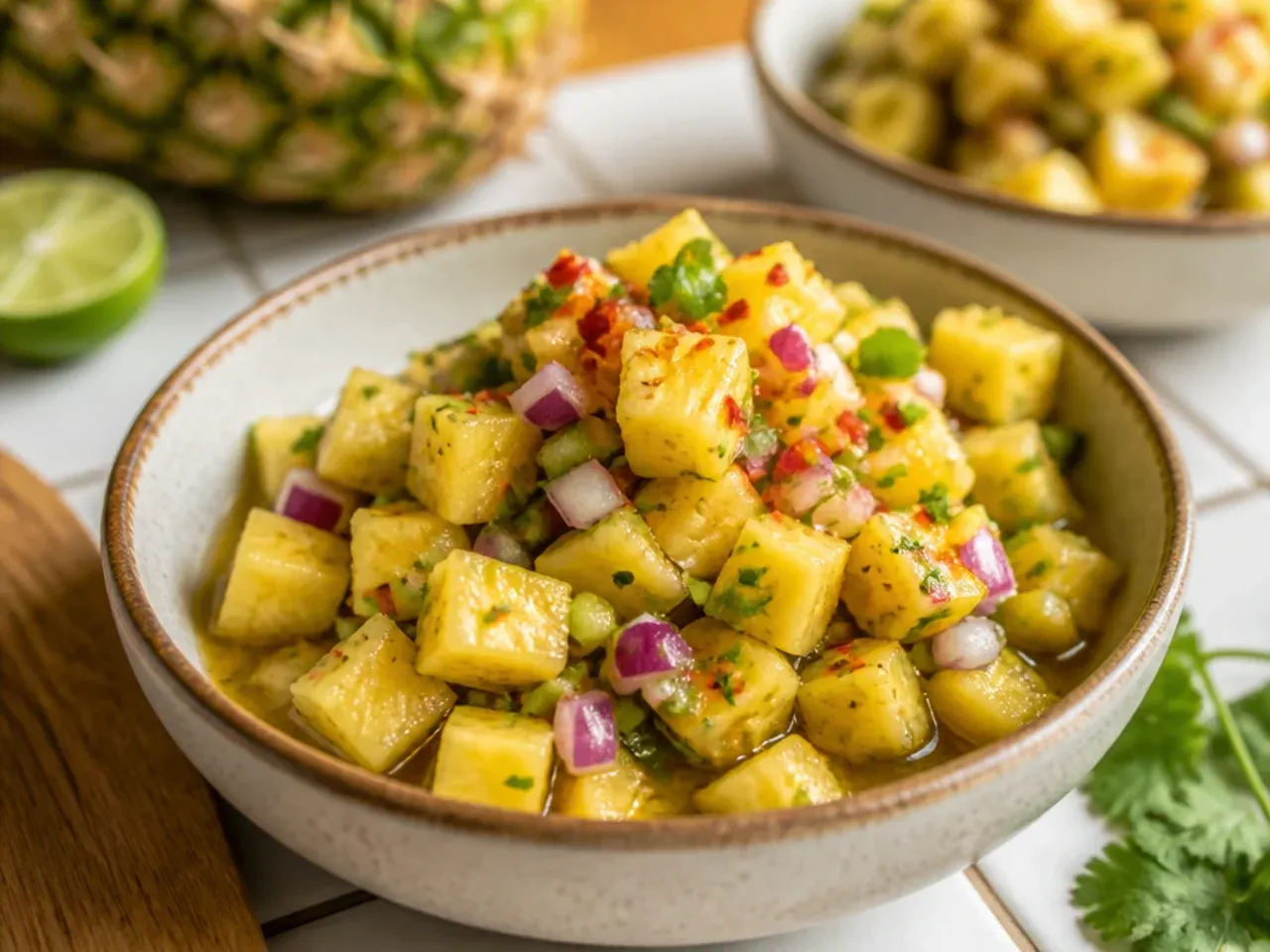
I added honey to every batch for a while out of habit, and with a really sweet pineapple it made the salsa taste sugary and unbalanced rather than fresh. Now I only reach for the 5ml (1 tsp) of honey when the pineapple tastes distinctly tart or underripe and needs a little help to round out the lime and chilli. With a properly ripe, sweet pineapple, I leave it out entirely and let the fruit do the work on its own. Tasting the raw pineapple first, as in an earlier lesson, tells me straight away whether honey is even needed.
Lesson 20: Scale Up Salt and Lime Carefully When Doubling
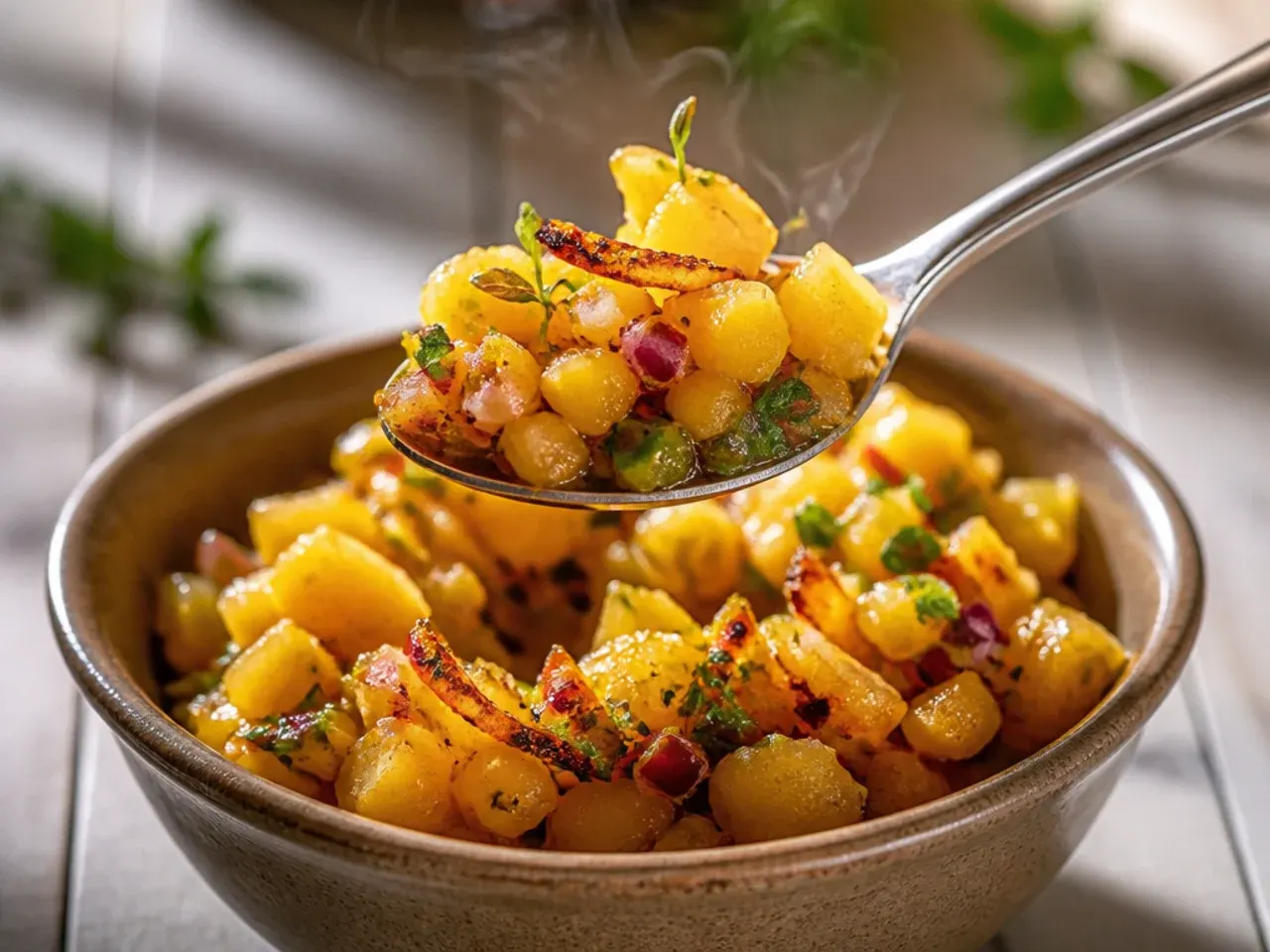
The first time I doubled this for a bigger party, I doubled every ingredient exactly and ended up with a salsa that tasted under-seasoned compared to the single batch. Salt and lime don't always need to double in a perfectly linear way, especially once you've got a bigger volume of pineapple releasing more juice to dilute them. Now when I scale up, I add the salt and lime in stages, tasting as I go, rather than dumping in double the amount upfront. It takes a bit longer, but the bigger batch actually tastes as good as the original.
What I'd Tell a Friend Trying This
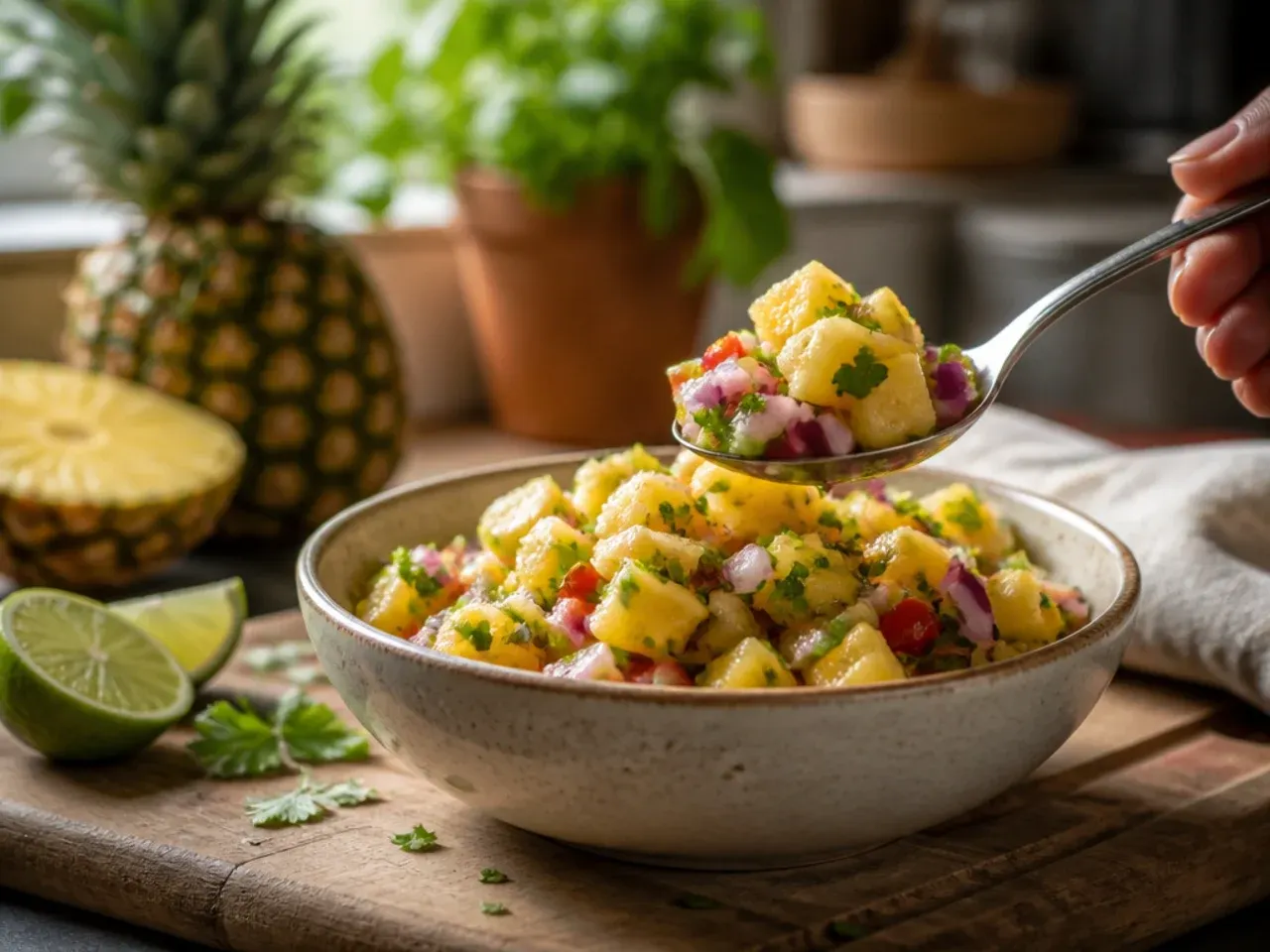
If you take nothing else from twenty batches, drain your pineapple, dice everything the same size, and don't skip the hour in the fridge - those three things fix almost every problem I've ever had with this salsa. Taste your pineapple before you start, since its sweetness changes everything else you'll need to add. Keep it simple, trust the resting time, and add the coriander last if you're making it ahead. Once you've made it two or three times, you'll know your own pineapple well enough to stop measuring and just taste as you go.
The Recipe
The Recipe I Used
20 min
0 min
1 hr 20 min
6
Beginner
Ingredients 6 Person(s)
Directions
Step 1: Prep the pineapple
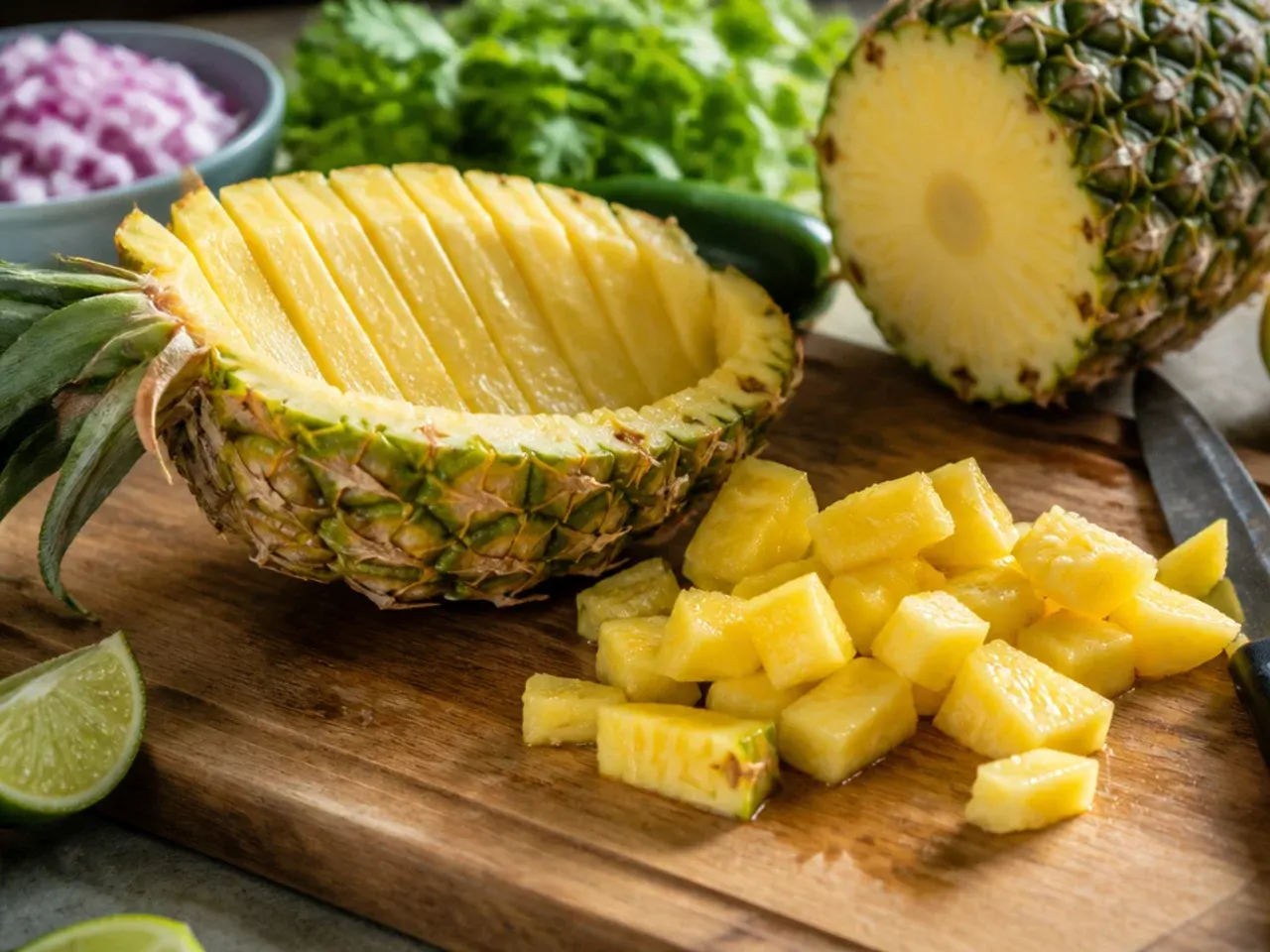
Peel and core a fresh pineapple, then slice it into planks before dicing into roughly 1cm (½ in) pieces so you get 500g (about 3 cups). Tip the diced fruit into a sieve set over a bowl for 5 minutes to drain off excess juice - skipping this is the single biggest reason pineapple salsa turns watery. Reserve a spoonful of the drained juice in case the salsa needs loosening later.
Step 2: Dice the pepper, onion and jalapeño
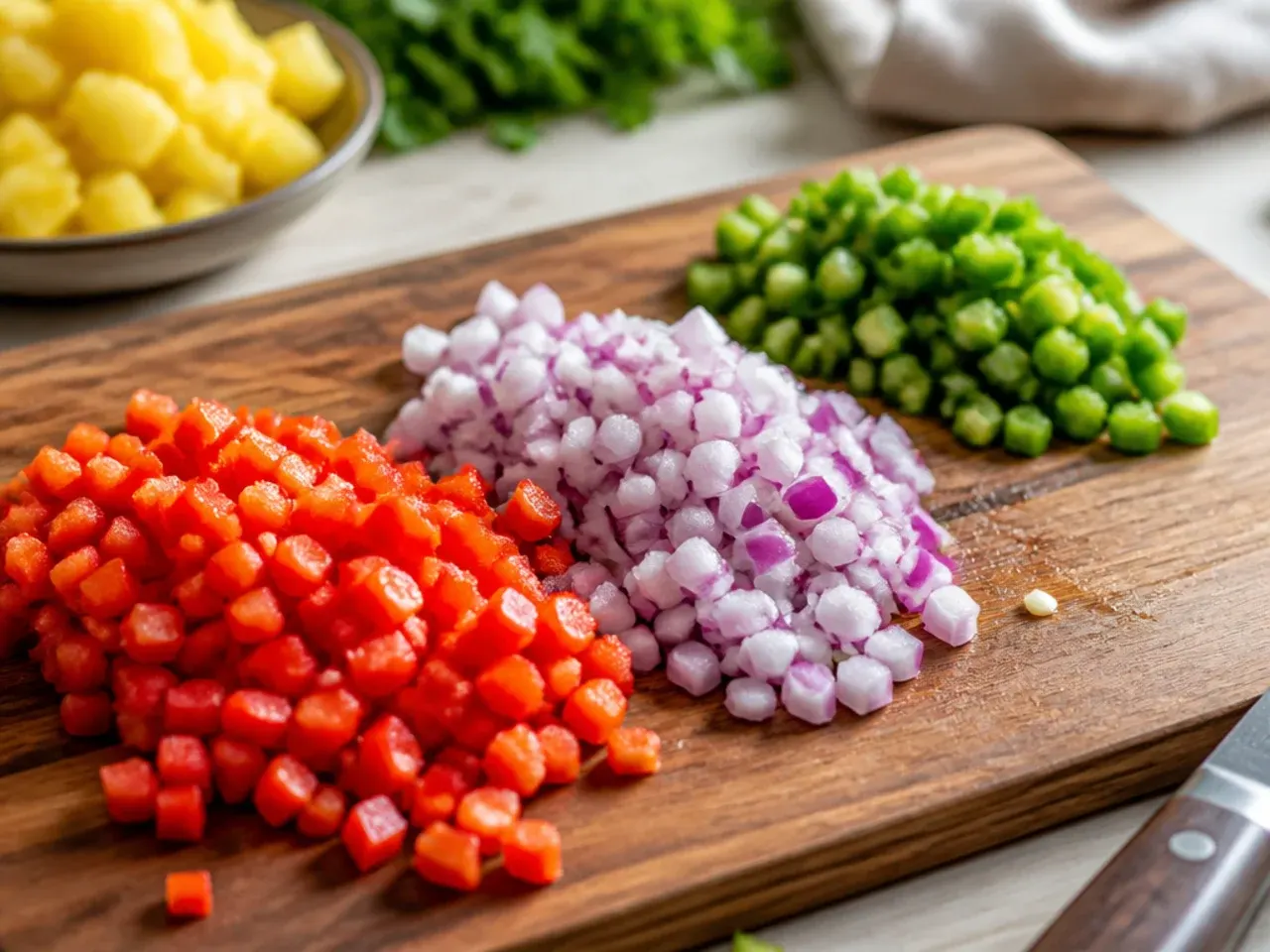
Finely dice 120g (1 small) red bell pepper and 75g (½ cup) red onion into pieces roughly the same size as the pineapple, about 1cm, so every spoonful has a bit of everything. Halve 1 jalapeño, scrape out the seeds and ribs, then finely dice the flesh - about 15g (about ½ oz) - unless you want real heat, in which case leave a few seeds in.
Step 3: Combine the fruit and vegetables
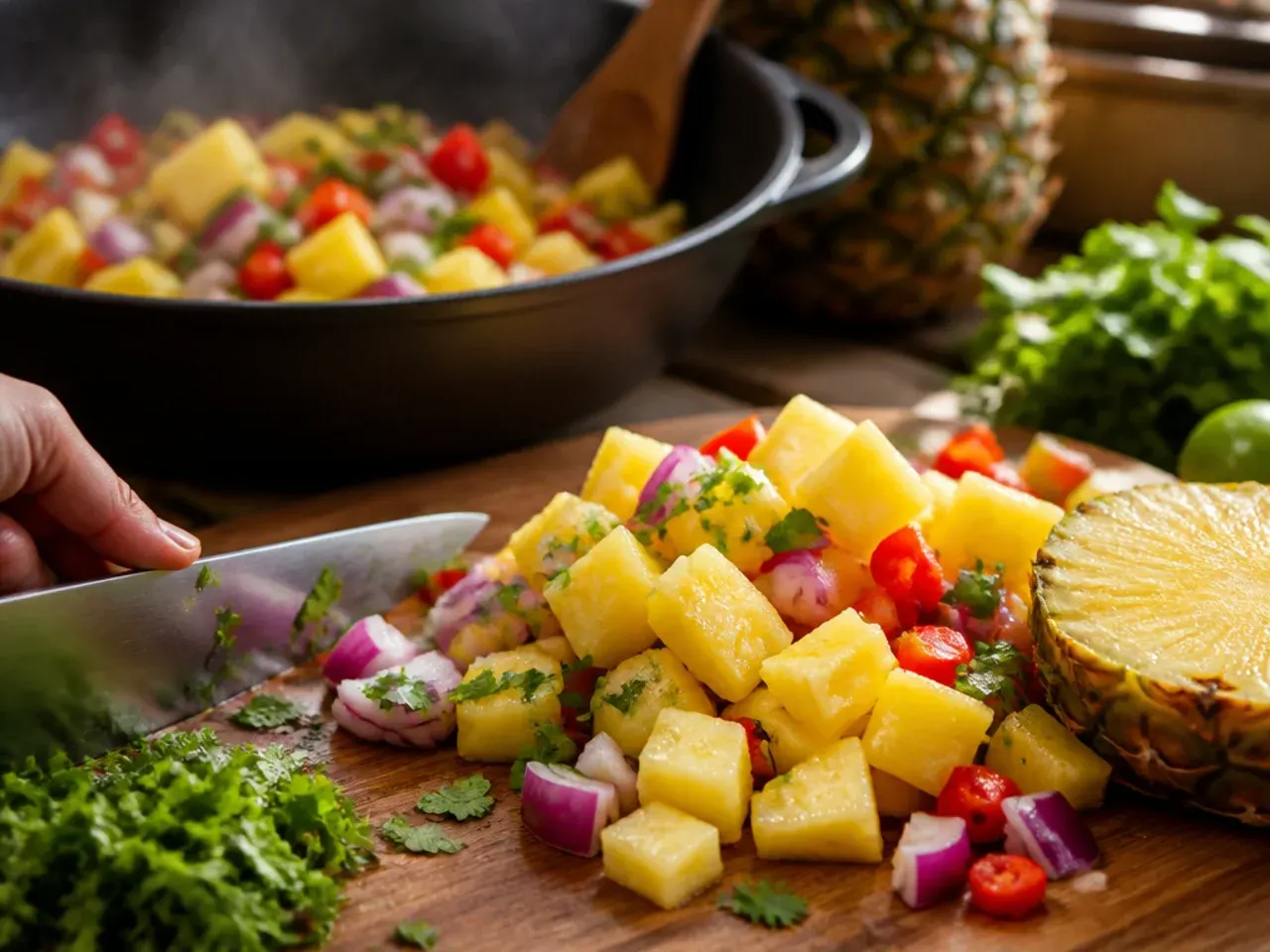
Tip the drained pineapple, bell pepper, onion and jalapeño into a large mixing bowl and toss gently with a spoon. Work gently rather than stirring hard, since pineapple bruises easily and you want distinct pieces, not mush, in the finished salsa.
Step 4: Add the aromatics
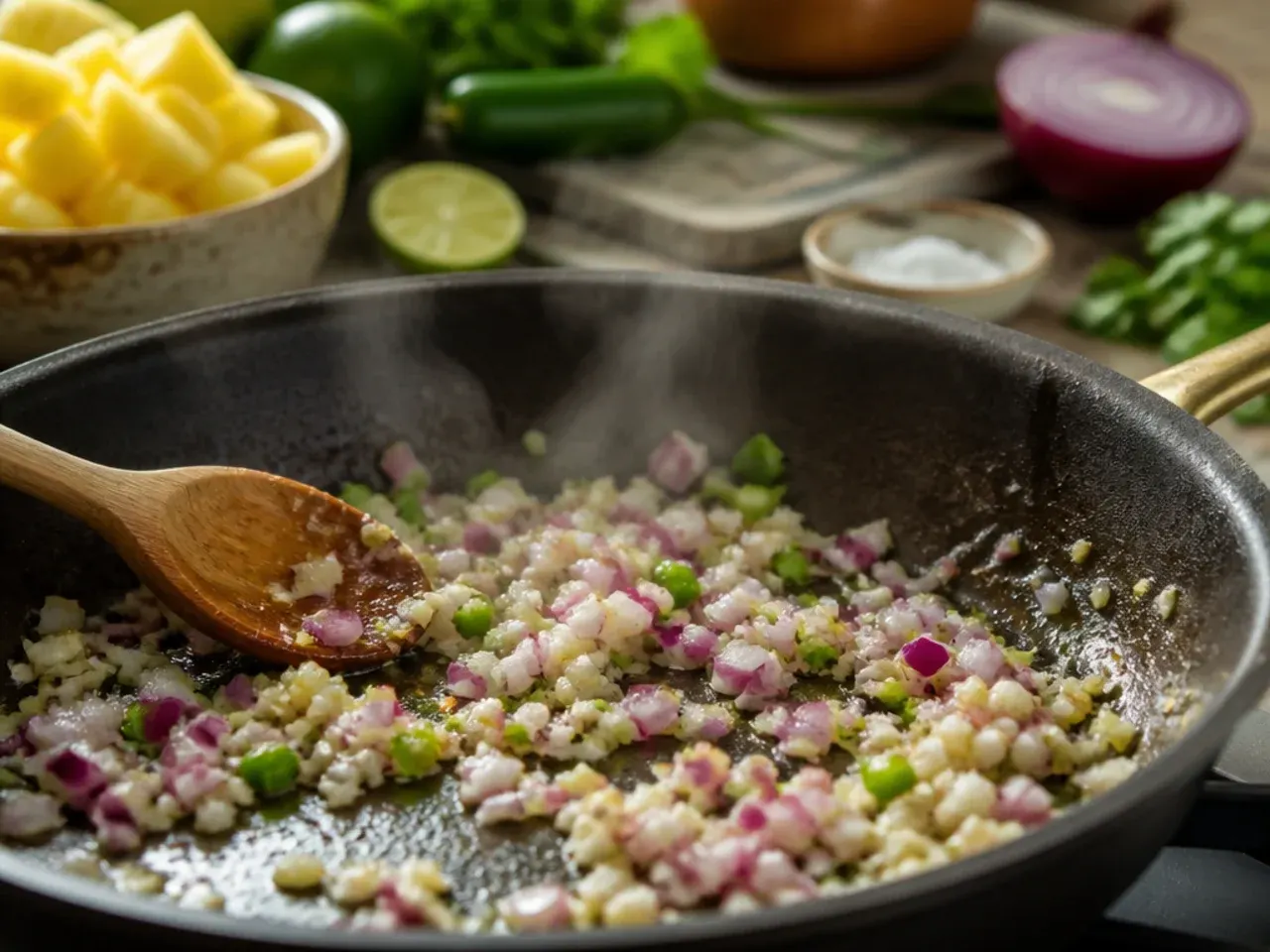
Stir in 2 minced garlic cloves and, if serving within the hour, 10g (¼ cup) chopped fresh coriander. If making this ahead, hold the coriander back and add it later, since it wilts and darkens within a few hours in the fridge.
Step 5: Season with lime, salt and pepper
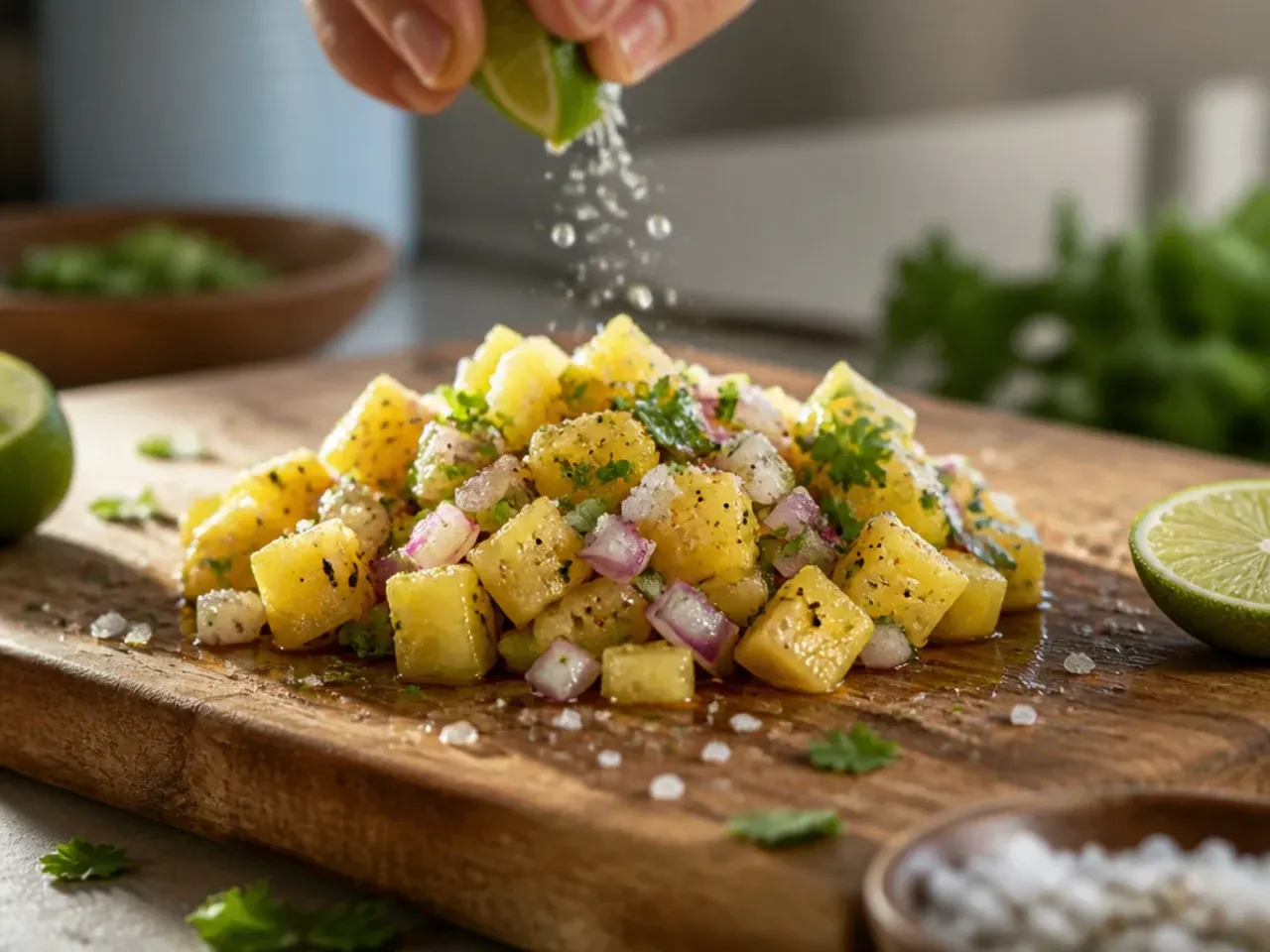
Squeeze in 45ml (3 tbsp) fresh lime juice and add 2g (½ tsp) finely grated lime zest, then season with 3g (½ tsp) fine sea salt and 1g (¼ tsp) black pepper. Toss well and taste - salt is what turns this from fruit salad into salsa, so don't be shy with it.
Step 6: Chill to let the flavours meld
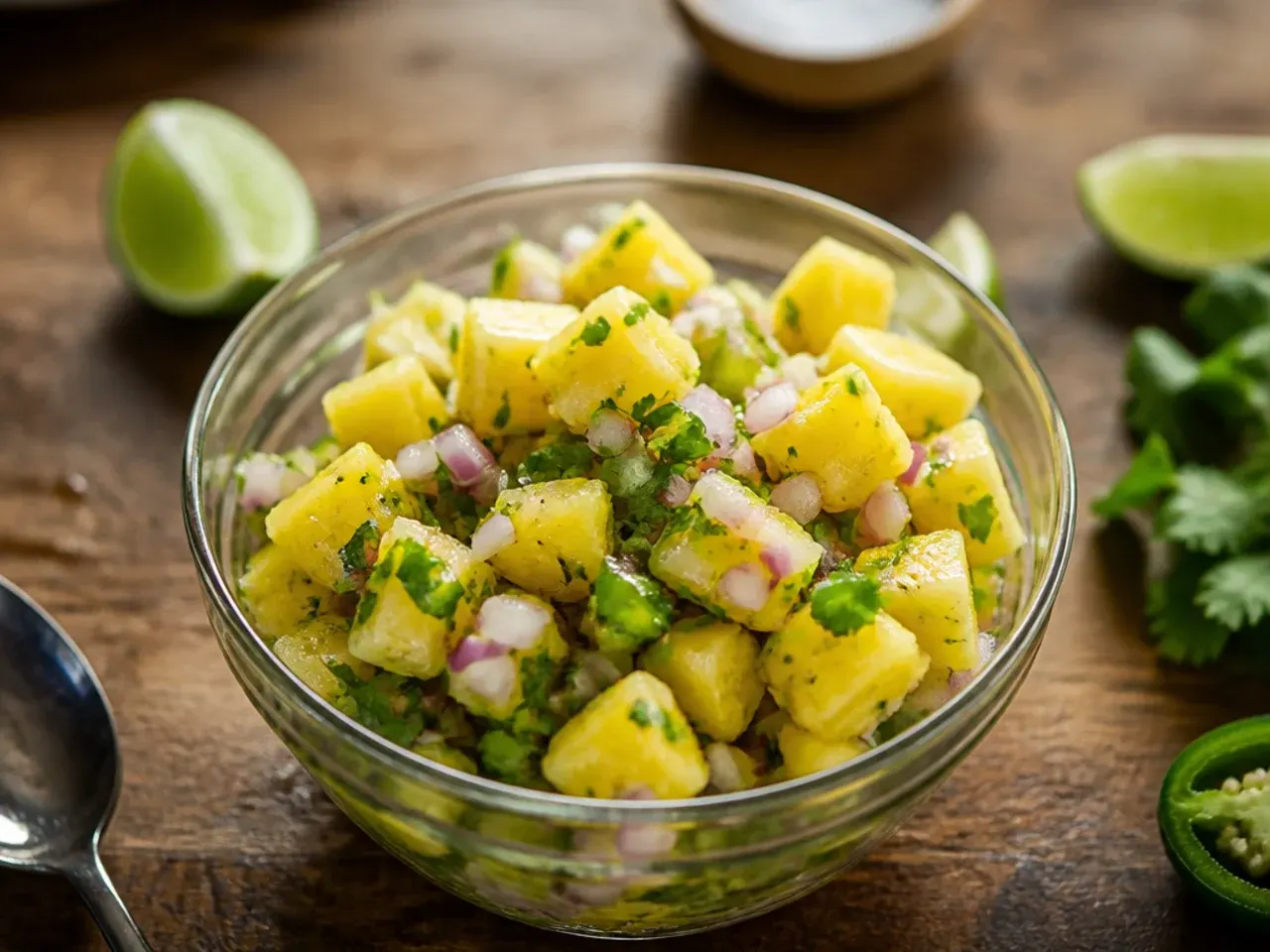
Cover the bowl and refrigerate for at least 1 hour, though 4 hours gives the best result, so the pineapple's sweetness has time to balance against the onion and chilli. Give it a stir before serving, since juices settle at the bottom.
Step 7: Taste, adjust and serve
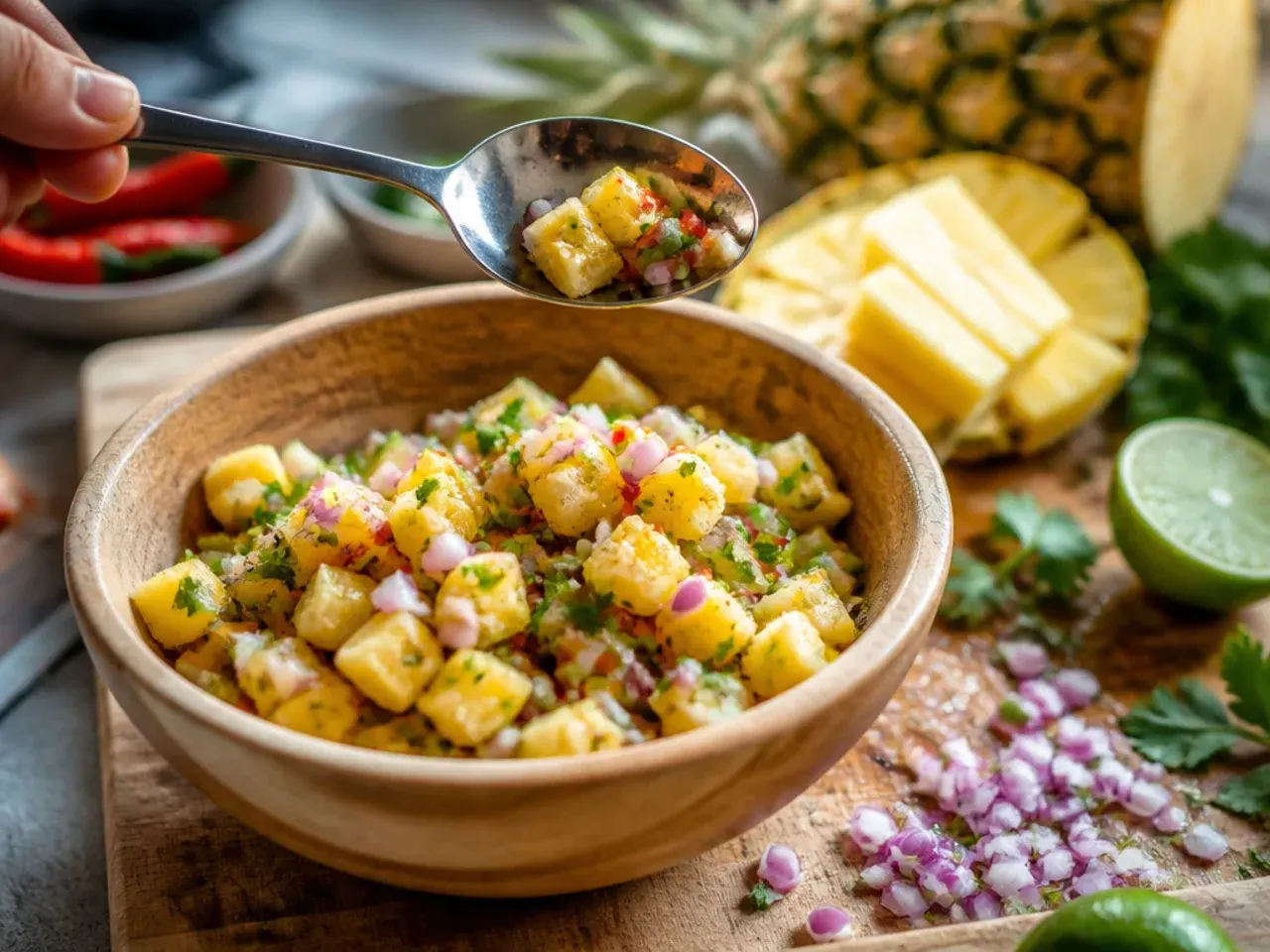
Taste a spoonful and adjust - a pinch more salt if it tastes flat, a squeeze more lime if it tastes dull, or 5ml (1 tsp) honey if the pineapple was underripe and sharp. If you held back the coriander, stir it in now, then serve chilled with tortilla chips, grilled fish or tacos, using a slotted spoon to leave excess liquid behind.
Frequently Asked Questions
You can, but fresh pineapple gives a firmer texture and brighter flavour that canned struggles to match, since canned fruit is packed in syrup and already partly softened. If canned is all you have, drain it very well in a sieve and pat it dry with kitchen paper before dicing, and taste for sweetness before adding any honey. Fresh pineapple also releases less residual sugar into the mix, so the salsa stays balanced rather than tasting like dessert. Whichever you use, draining thoroughly is the step that matters most for texture.
Save this for later 📌
Pin this article to your Pinterest board so the full list is one tap away when you need it.
Save on Pinterest