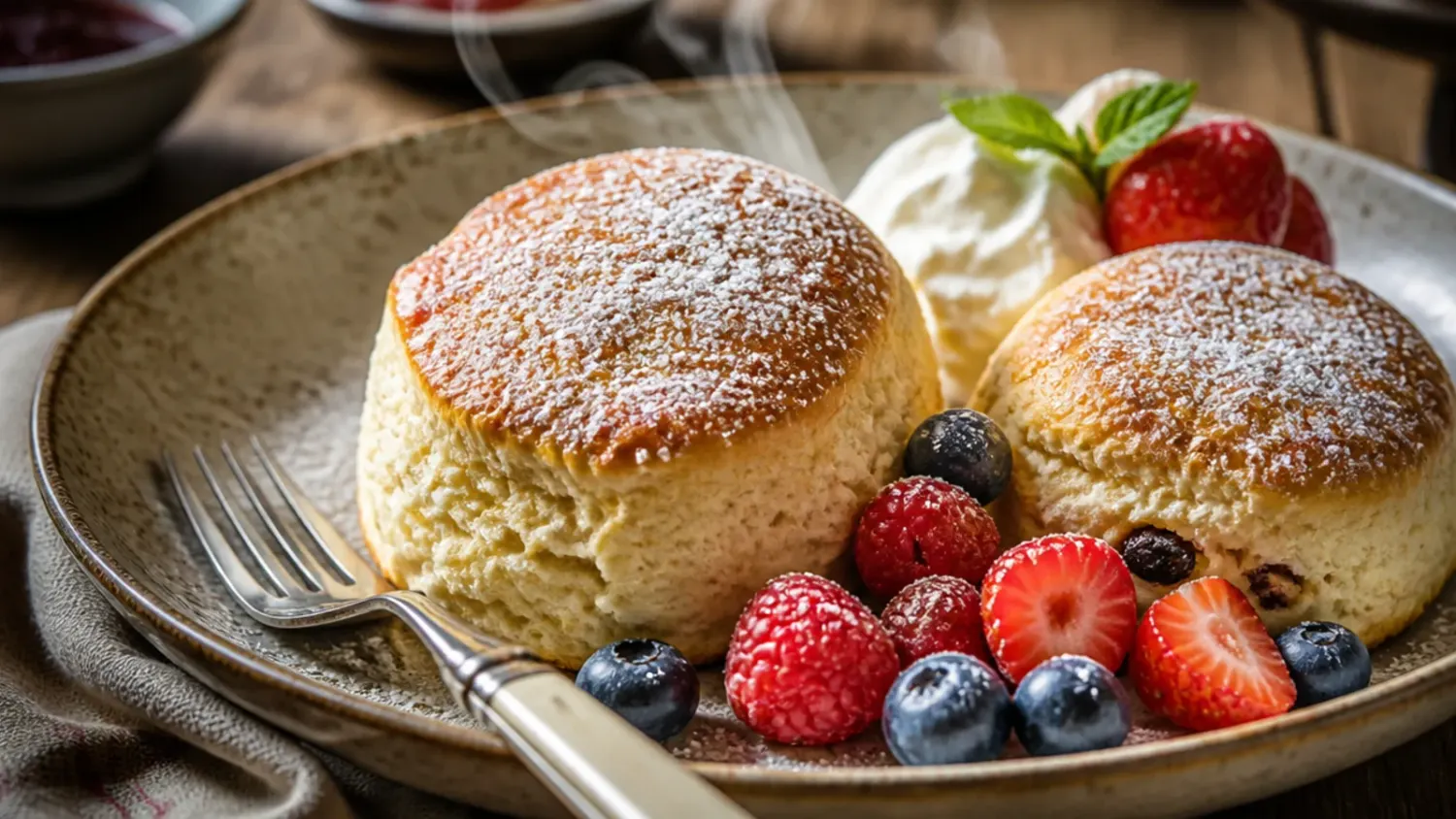
30 Scone Recipes That Are Just Stunning
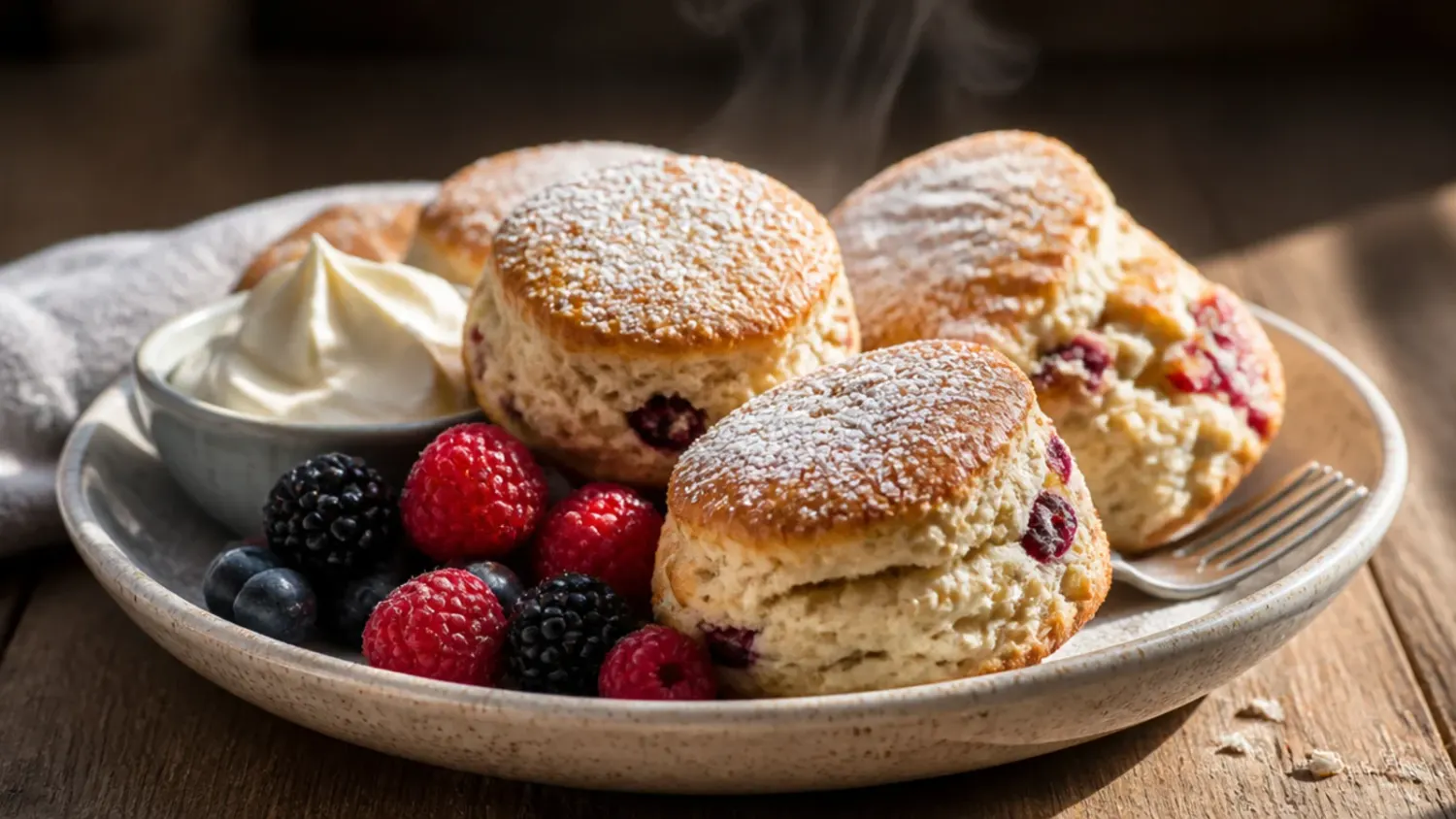
30 stunning scones recipes, from classic buttermilk to loaded cheddar and bacon, using the cold-butter method that guarantees a tall, tender rise every time. If you love scones inspiration, start with our Scone Recipes collection, then browse the full Desserts hub for more.

Save this for later 📌
Pin this article to your Pinterest board so the full list is one tap away when you need it.
Save on PinterestDesserts
Beginner
Recipes
30 ideas
Table of Contents
- Why You'll Love These
- 1. Classic Buttermilk Scones
- 2. 5-Ingredient Emergency Scones
- 3. Fresh Raspberry and White Chocolate
- 4. Cinnamon Spiced Apple
- 5. Clotted Cream Tea Scones
- 6. Plain Cream Scones (No Egg)
- 7. Lemon and Blueberry
- 8. Wholemeal and Oat
- 9. Store-Cupboard Basic
- 10. 20-Minute Drop Scones
- 11. Rustic Buttermilk Wedges
- 12. Loaded Cheddar and Bacon
- 13. Family-Size Sharing Scone
- 14. Best-Ever Bakery-Style
- 15. Quick Self-Raising Flour
- 16. Classic Cranberry Orange
- 17. Easy Chocolate Chip
- 18. Fresh Strawberries and Cream
- 19. Pumpkin Spice
- 20. Soured Cream and Chive Savoury
- 21. Simple Sultana (Fruit Scones)
- 22. Zesty Orange and Ginger
- 23. Gluten-Free
Why You'll Love These

Scones are the fastest way to get a warm, golden bake on the table in well under an hour, with no proving and no fuss. This collection covers 30 different directions, sweet, savoury, fruity, spiced and even gluten-free, all built on the same reliable cold-butter method so you only need to learn the technique once. Whether you want a classic Devonshire cream tea or a loaded cheddar-and-bacon wedge for lunch, there's a version here that suits what's in your fridge. Every recipe uses metric and imperial measures so the result is consistent no matter which scales you reach for.
1. Classic Buttermilk Scones

This is the base recipe the whole collection builds from: cold butter rubbed into flour, then bound with tangy buttermilk for a tender, slightly sharp crumb. Buttermilk's acidity reacts with the baking powder to give extra lift, so the scones rise tall rather than spreading flat. Brush the tops with a little extra buttermilk before baking for a deeper golden crust. Keep this version plain so it works equally well split with jam and cream or served alongside a savoury soup.
2. 5-Ingredient Emergency Scones

For a stripped-back version, use just self-raising flour, cold butter, a pinch of salt, sugar and milk, no egg, no buttermilk, no extras. Rub the butter into the flour until it looks like breadcrumbs, then stir in cold milk a splash at a time until the dough just comes together. Because there's no acid from buttermilk, add an extra 1/2 teaspoon of baking powder per 240g flour to keep the rise. These are the ones to make when you've run out of everything except the basics.
3. Fresh Raspberry and White Chocolate

Fold 100g (3/4 cup) fresh raspberries and 80g (1/2 cup) white chocolate chips into the dry mix before adding the wet ingredients, tossing them in a spoonful of flour first so they don't bleed colour through the dough. Handle the dough as little as possible once the berries go in, since raspberries collapse fast under pressure and can turn the crumb pink and wet. Bake on the top shelf if your oven runs hot underneath, as the melting white chocolate can catch before the centre is cooked. Best eaten the day they're made, while the chocolate is still soft.
4. Cinnamon Spiced Apple

Stir 2 teaspoons of ground cinnamon and 1/4 teaspoon of nutmeg into the dry ingredients, then fold through 150g (1 cup) of peeled, finely diced eating apple. Pat the diced apple dry with kitchen paper first so it doesn't add extra moisture that can make the dough sticky. A brown sugar and cinnamon sprinkle on top before baking gives a crackly, spiced crust that pairs well with a hot drink. These are particularly good served warm with a drizzle of salted caramel.
5. Clotted Cream Tea Scones

Swap the buttermilk for 200ml (3/4 cup plus 1 tbsp) double cream for a noticeably richer, softer crumb, and reduce the butter slightly since the cream already carries plenty of fat. This is the classic version for an afternoon cream tea, served split and warm with clotted cream first, then strawberry jam on top. Keep the dough slightly wetter than usual; cream-based scones are more forgiving of a soft dough than a dry one. Cut with a sharp 5cm (2in) cutter and avoid twisting it, which can seal the edges and stop the scone rising evenly.
Save this for later 📌
Pin this article to your Pinterest board so the full list is one tap away when you need it.
Save on Pinterest6. Plain Cream Scones (No Egg)

This version drops the egg entirely and uses only cold double cream and a splash of milk to bind the dough, giving an ultra-short, crumbly texture rather than a chewy one. Because there's no egg for structure, handle the dough gently and don't skip the chilling step before baking, or the scones will spread rather than rise. They're plainer in flavour than an egg-enriched dough, which makes them the better base for very sweet toppings like jam and cream. Expect a slightly paler top unless you brush with cream before baking.
7. Lemon and Blueberry

Rub the zest of 2 lemons into the sugar before mixing it into the flour; this releases the citrus oils far more effectively than adding zest at the end. Fold through 150g (1 cup) blueberries tossed in flour, then finish baked scones with a simple glaze of icing sugar loosened with fresh lemon juice. Frozen blueberries work too but add them to the dough while still frozen so they don't streak the crumb purple. This is one of the most requested variations in the collection for good reason, the tartness cuts through the richness of the butter.
8. Wholemeal and Oat
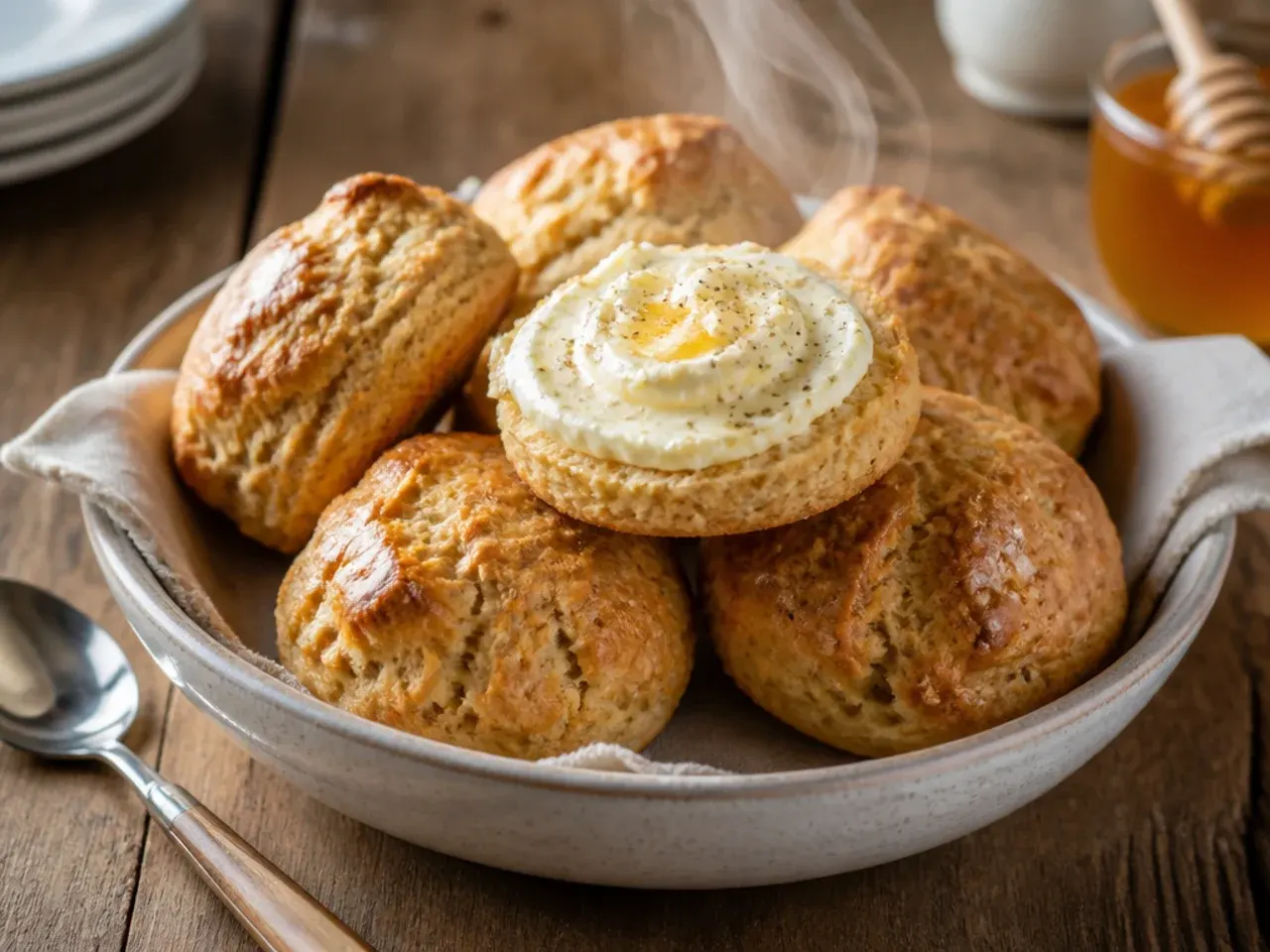
Replace half the plain flour with wholemeal (whole wheat) flour and stir 50g (1/2 cup) of rolled oats through the dry mix for a nuttier, more substantial scone. Wholemeal flour absorbs more liquid, so add an extra 1-2 tablespoons of buttermilk if the dough feels dry and won't come together. A scattering of oats on top before baking adds a pleasant bite to the crust. These pair particularly well with honey or a fruit compote rather than very sweet toppings.
9. Store-Cupboard Basic

Made entirely from long-life ingredients, plain flour, baking powder, powdered milk mixed with water, and margarine or vegetable fat in place of butter, this is the version to keep in mind when the fridge is bare. Margarine won't chill as firm as butter, so freeze it for 10 minutes before rubbing it into the flour to keep the same short, flaky result. The flavour is milder than a butter-based scone, so a generous pinch of salt and a spoonful of extra sugar helps it hold its own. Still bakes in the same 15-18 minutes at 220°C (425°F) as the classic version.
10. 20-Minute Drop Scones

Skip the rolling and cutting altogether: make the dough slightly wetter with an extra 30ml (2 tbsp) of buttermilk, then simply spoon rough mounds onto the tray rather than cutting neat rounds. This shaves several minutes off prep and gives a more rustic, craggy top that browns beautifully. There's no need to chill drop scones before baking since there are no cut edges to seal. Perfect for a weeknight when you want a warm bake with minimal washing-up.
Save this for later 📌
Pin this article to your Pinterest board so the full list is one tap away when you need it.
Save on Pinterest11. Rustic Buttermilk Wedges

Instead of cutting individual rounds, pat the whole batch of dough into one 20cm (8in) circle, score it into 8 wedges with a sharp knife, and bake it as a single large scone. This method avoids the waste and re-rolling that comes with cutting rounds, and re-rolled dough always bakes tougher than dough handled just once. Brush the whole top with buttermilk and sprinkle with a little extra flour for a floury, farmhouse finish. Pull the wedges apart along the scored lines once baked and cooled slightly.
12. Loaded Cheddar and Bacon

Fold 100g (1 cup) grated mature cheddar and 4 rashers of cooked, crumbled crispy bacon into the dry mix, cutting the sugar down to just a pinch since this version is savoury. Keep the cheese cold and grated rather than pre-shredded from a bag, which is often coated in anti-caking starch that stops it melting properly. Top each scone with a little extra cheese for the last 5 minutes of baking so it turns golden and slightly crisp. These are best served warm, split and buttered, alongside a bowl of soup.
13. Family-Size Sharing Scone
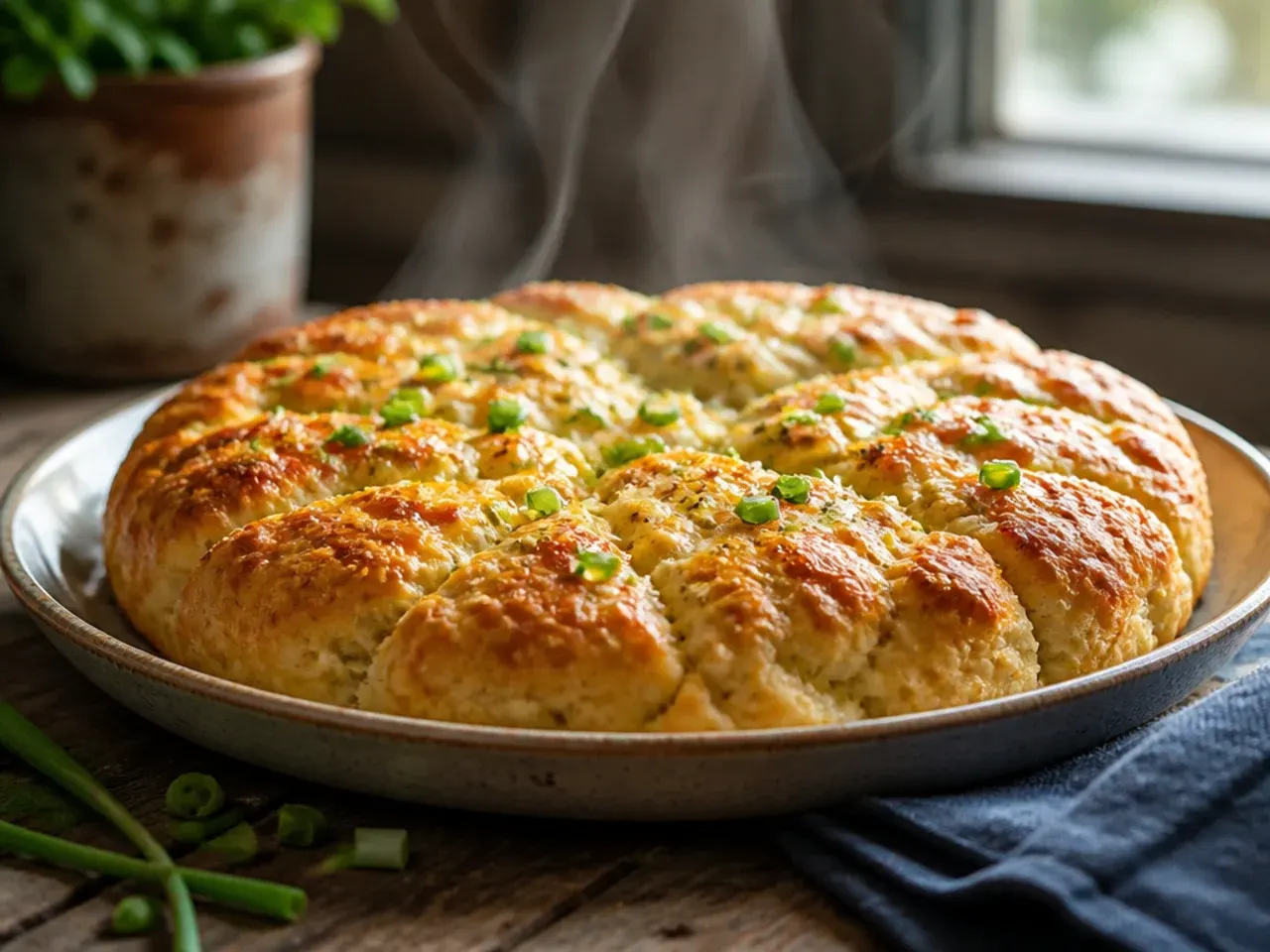
Double the classic recipe and bake it as one large 25cm (10in) round scored into 10 or 12 wedges, which feeds a crowd from a single tray without any extra fiddly cutting. Because the dough is thicker in the centre, add 3-4 extra minutes to the bake time and check the middle is fully risen and pale gold rather than doughy before removing it. This format is ideal for a Sunday table where everyone tears off their own piece. Serve straight from the tray with a big bowl of jam and cream for people to help themselves.
14. Best-Ever Bakery-Style

For scones that stand tall like a bakery counter, grate frozen butter directly into the flour instead of cubing and rubbing it, which keeps the fat colder for longer and creates more distinct buttery layers. Chill the shaped dough for a full 20 minutes in the freezer before it goes in the oven, and start the bake at a slightly higher 220°C (425°F) for the first 8 minutes before easing back if the tops are browning too fast. Use a sharp cutter and push straight down without twisting, which is one of the most common reasons homemade scones come out lopsided. The result is a scone with a distinct, flaky ledge around the middle.
15. Quick Self-Raising Flour

Using self-raising flour instead of plain flour with separate raising agents cuts prep to almost no thinking at all, just a pinch of extra baking powder if your flour is more than a few months old, since raising agents lose strength over time. This is the fastest route to a decent scone when you don't want to measure out multiple leaveners. Everything else in the method, cold butter, gentle mixing, hot oven, stays exactly the same. A reliable fallback recipe for busy mornings.
Save this for later 📌
Pin this article to your Pinterest board so the full list is one tap away when you need it.
Save on Pinterest16. Classic Cranberry Orange

Fold 75g (1/2 cup) dried cranberries and the zest of 1 orange through the dry ingredients, then use fresh orange juice in place of a couple of tablespoons of the buttermilk for a rounder citrus flavour. Dried cranberries can be tart on their own, so this version keeps the sugar at the higher end, around 60g (1/4 cup plus 1 tbsp). A simple orange glaze after baking makes these feel closer to a bakery treat than a plain breakfast bake. Excellent made ahead for a festive brunch table.
17. Easy Chocolate Chip

Stir 100g (2/3 cup) of milk or dark chocolate chips through the dry mix just before adding the wet ingredients, keeping the dough as cool as possible so the chips don't start melting into the crumb. This is consistently the variation kids ask for by name, and it needs nothing more than the classic base plus chocolate. A light sprinkle of demerara sugar on top before baking adds welcome crunch against the soft chocolate pockets inside. Best warm, within an hour of coming out of the oven, while the chocolate is still soft.
18. Fresh Strawberries and Cream

Fold 120g (1 cup) diced fresh strawberries into the dough at the very last stage, mixing only until just combined so the fruit doesn't turn the dough pink and wet. Strawberries release more juice than firmer berries, so pat the diced fruit dry and toss it in a tablespoon of the measured flour before folding it through. Serve split and filled with softly whipped cream and a spoonful of extra sliced strawberries rather than jam, which is one flavour too many alongside fresh fruit already in the crumb. Eat the same day, as fresh strawberries make the crumb go soft by the next morning.
19. Pumpkin Spice
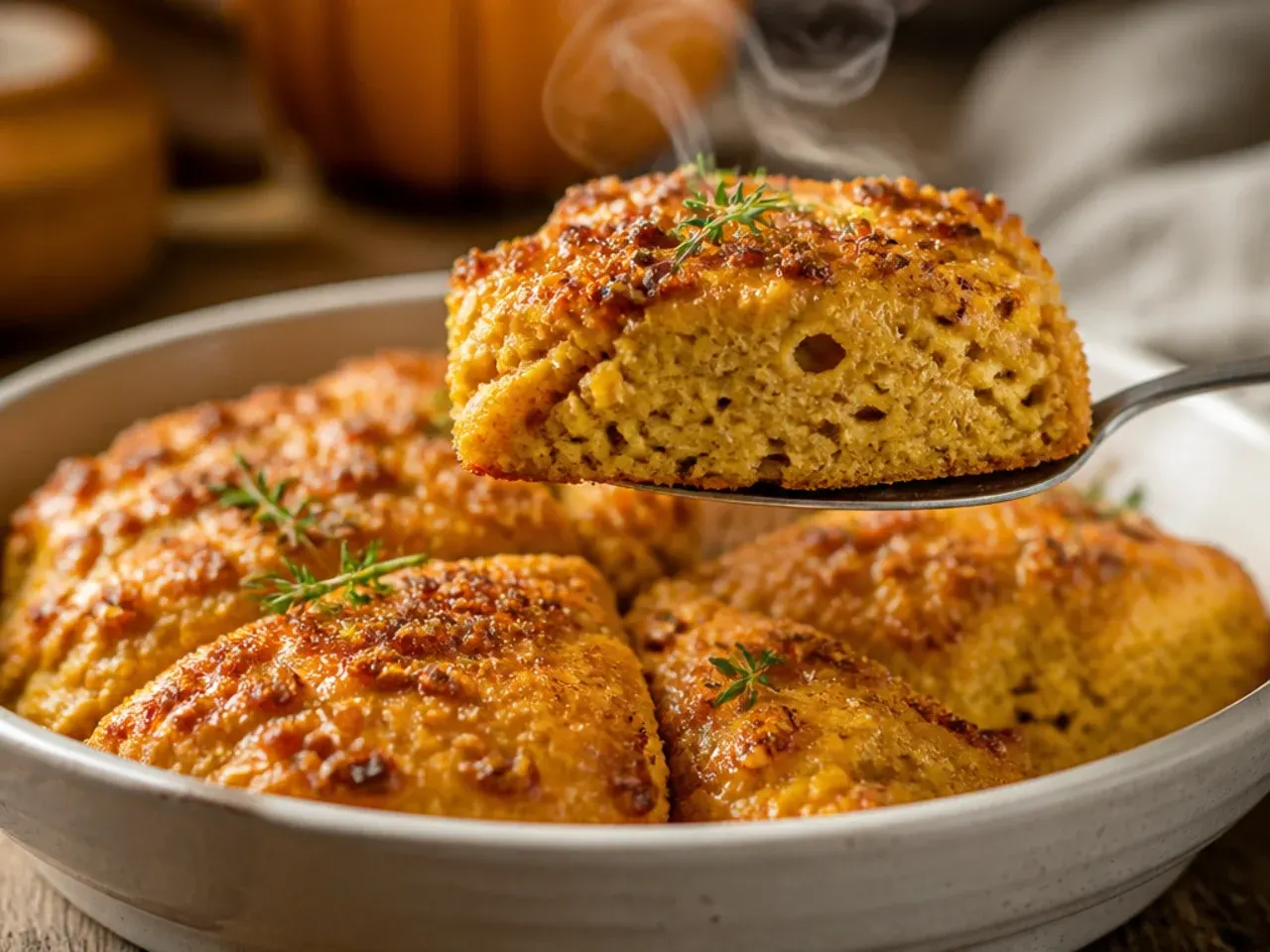
Replace the egg and 2 tablespoons of the buttermilk with 120g (1/2 cup) pumpkin purée, and add 1.5 teaspoons of pumpkin spice (or a mix of cinnamon, ginger, nutmeg and clove) to the dry ingredients. The purée adds moisture, so this dough needs a touch more flour, around 2 tablespoons, sprinkled in gradually until it's just short of sticky. A maple glaze drizzled over the cooled scones plays well with the warm spice notes. A seasonal favourite that still bakes in the same 15-18 minutes at 220°C (425°F).
20. Soured Cream and Chive Savoury

Swap the buttermilk for 200ml (3/4 cup plus 1 tbsp) soured cream for a denser, tangier crumb, and stir 2 tablespoons of finely chopped fresh chives through the dry mix along with a generous grind of black pepper. Drop the sugar entirely for this savoury version, since soured cream already brings enough richness and tang. These hold their shape particularly well thanks to the thicker cream, so they're a good choice if you want a neat, uniform bake for a buffet table. Serve warm with butter alongside soup or a cheese board.
Save this for later 📌
Pin this article to your Pinterest board so the full list is one tap away when you need it.
Save on Pinterest21. Simple Sultana (Fruit Scones)

Fold 100g (2/3 cup) sultanas through the dry ingredients before adding the wet mix, this is the traditional British fruit scone found in most cafés and bakeries. Soak the sultanas in warm water for 10 minutes and drain well first if they've gone hard in the packet, otherwise they can draw moisture out of the dough as they bake. Everything else stays identical to the classic recipe, making this the easiest variation to add to an already-familiar method. Serve split, warm, with butter or the classic jam-and-cream combination.
22. Zesty Orange and Ginger

Combine the zest of 1 orange with 40g (1/4 cup) finely chopped crystallised ginger folded through the dry mix, which gives a warm heat against the citrus without needing any extra spice. Chopped stem ginger in syrup works just as well and adds a touch more moisture, so hold back 1 tablespoon of buttermilk if using it. These have a noticeably bolder flavour than the plain lemon and blueberry version, so they're the one to reach for if you want something that stands out at a bake sale. A thin orange icing drizzle finishes them nicely once cooled.
23. Gluten-Free

Swap the plain flour for a 1:1 gluten-free blend that already contains xanthan gum, and add an extra 1 teaspoon of baking powder since gluten-free blends can bake denser without the structure regular gluten provides. The dough will feel wetter and stickier than a wheat-based dough, which is normal; resist the urge to add much extra flour or the scones will turn dry and crumbly rather than tender. Chilling the shaped dough for 15 minutes before baking matters even more here, as gluten-free doughs hold their shape less well in a hot oven. Check for doneness a couple of minutes earlier than the classic recipe, as gluten-free bakes can dry out if left in too long.
24. Vegan Coconut Oil
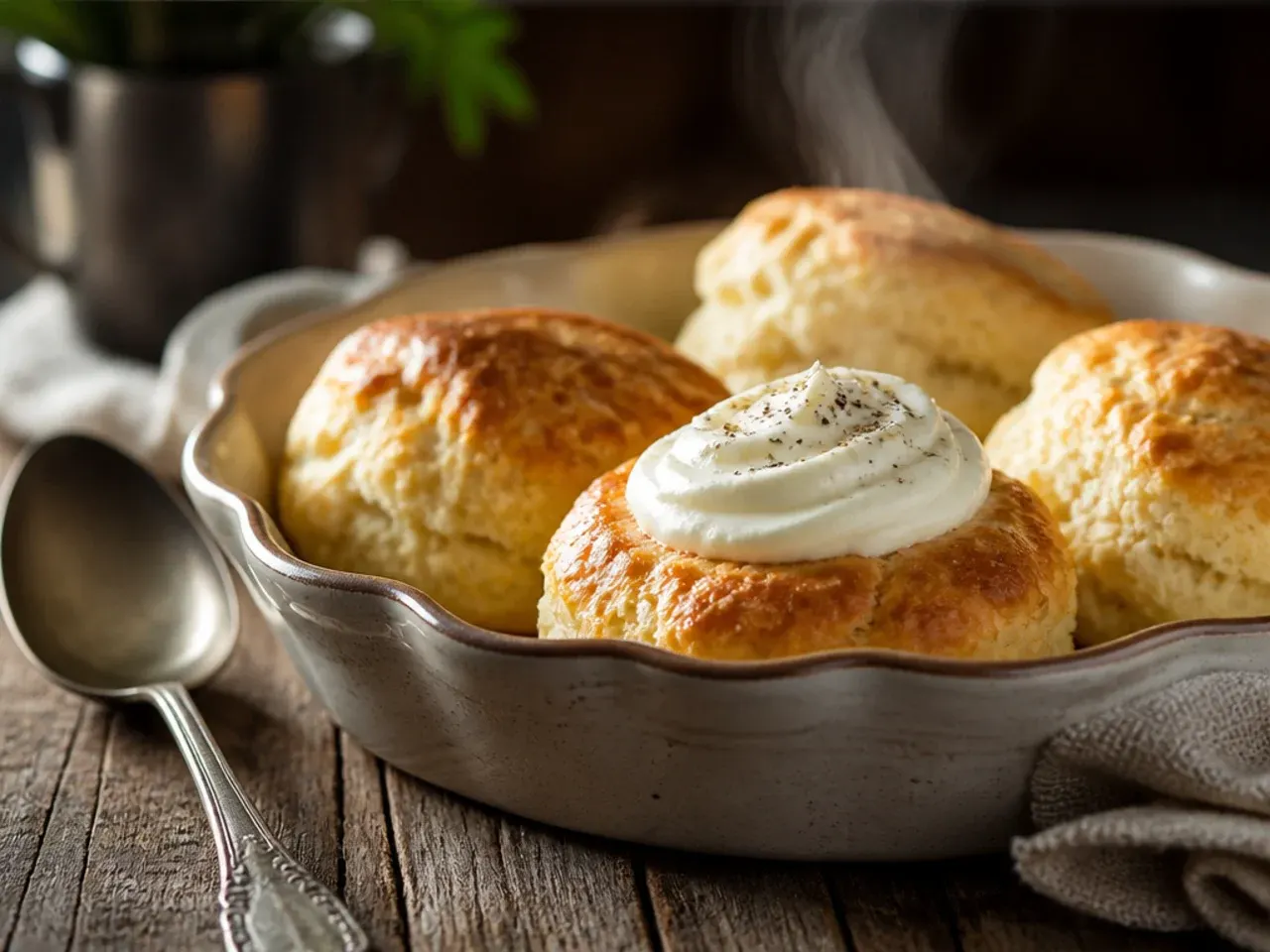
Replace the butter with 170g (3/4 cup) solid, cold coconut oil and use a plant-based buttermilk made from 240ml (1 cup) oat or soy milk mixed with 1 tablespoon of lemon juice, left to sit for 5 minutes until it thickens slightly. Skip the egg wash and brush the tops with a little extra plant milk instead for colour. Coconut oil melts faster than butter, so keep the dough cold and work quickly, popping it in the freezer for 10 minutes if your kitchen is warm. The coconut flavour is very mild once baked, so these taste close to a classic buttery scone.
25. Mini Bite-Size

Cut the dough with a 3.5cm (1.4in) cutter instead of the usual 5cm (2in) size to make roughly 20 small scones from one batch, perfect for a party platter or afternoon tea spread. Reduce the bake time to around 11-13 minutes at the same 220°C (425°F), since smaller scones cook through much faster and will dry out if left in for the full 18 minutes. These are the easiest variation to freeze in bulk, since the smaller size means they thaw and reheat in under 10 minutes. Serve piled on a tiered stand with small pots of jam and cream for dipping.
Save this for later 📌
Pin this article to your Pinterest board so the full list is one tap away when you need it.
Save on Pinterest26. Rustic Cheese and Herb Triangle

Cut the dough into a large round, then slice it into 8 triangles rather than using a round cutter, which suits a coarser, herby dough better than neat rounds. Fold 80g (3/4 cup) grated Parmesan or mature cheddar plus 2 tablespoons of chopped fresh rosemary or thyme through the dry mix, dropping the sugar to a pinch. A sprinkle of extra Parmesan over the top before baking gives a crisp, savoury crust. These are excellent served warm alongside a green salad or a bowl of tomato soup.
27. Loaded Bacon, Cheese and Spring Onion

Combine 100g (1 cup) grated mature cheddar, 4 rashers of cooked crispy bacon and 3 finely sliced spring onions through the dry mix for a fully loaded savoury scone that eats more like a light lunch than a teatime treat. Keep every ingredient cold, including the cooked bacon, so it doesn't warm the dough as it's folded through. A crack of black pepper in the dry mix rounds out the flavour without needing any added salt, since the bacon and cheese both bring plenty. Split and butter while still warm for the best melt from the cheese inside.
28. Sunday Family Cream Tea

This is the version to serve for a proper sit-down cream tea: classic buttermilk scones cut slightly larger at 6cm (2.5in), split while still warm, and layered with clotted cream and strawberry jam in the traditional Cornish order of jam first, cream on top, or cream first for the Devon way. Make a double batch since these disappear fast around a table, and keep the second tray of unbaked, cut scones chilled in the fridge so you can bake a fresh batch partway through if needed. Serve with a pot of tea rather than coffee, which is far too strong a flavour alongside the delicate crumb. Warm scones matter more than perfect presentation here.
29. Best-Ever Double Chocolate

Replace 30g (1/4 cup) of the flour with cocoa powder and fold through 100g (2/3 cup) dark chocolate chips for a rich, brownie-adjacent scone that still keeps the classic flaky texture. Cocoa powder dries out a dough more than flour does, so add an extra tablespoon of buttermilk to compensate and keep the crumb tender. These are noticeably sweeter and richer than the plain chocolate chip version, so they're best served on their own rather than with jam or cream. A dusting of icing sugar once cooled is all the finishing touch they need.
30. Quick No-Roll Freezer Scones
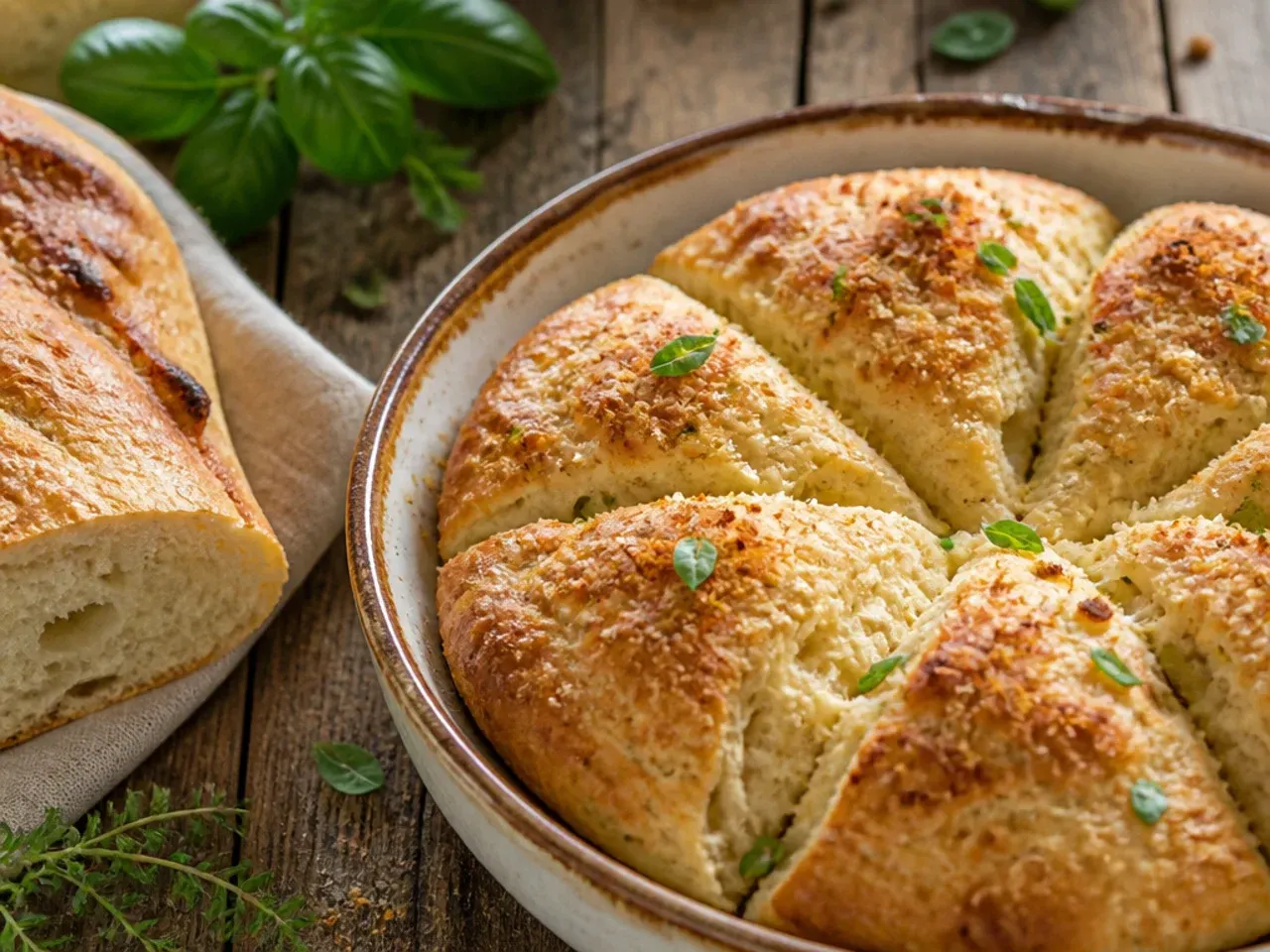
Shape the whole batch of dough into a log, wrap it tightly and freeze it whole, then slice off rounds straight from frozen and bake for an extra 3-4 minutes whenever you want a fresh scone without any rolling or cutting. This is the most convenient variation for portion control, since you only bake as many as you need at a time. Label the log with the bake date and use it within 6 weeks for the best rise. There's no need to thaw the slices first; they go straight from freezer to hot oven.
Pro Tips
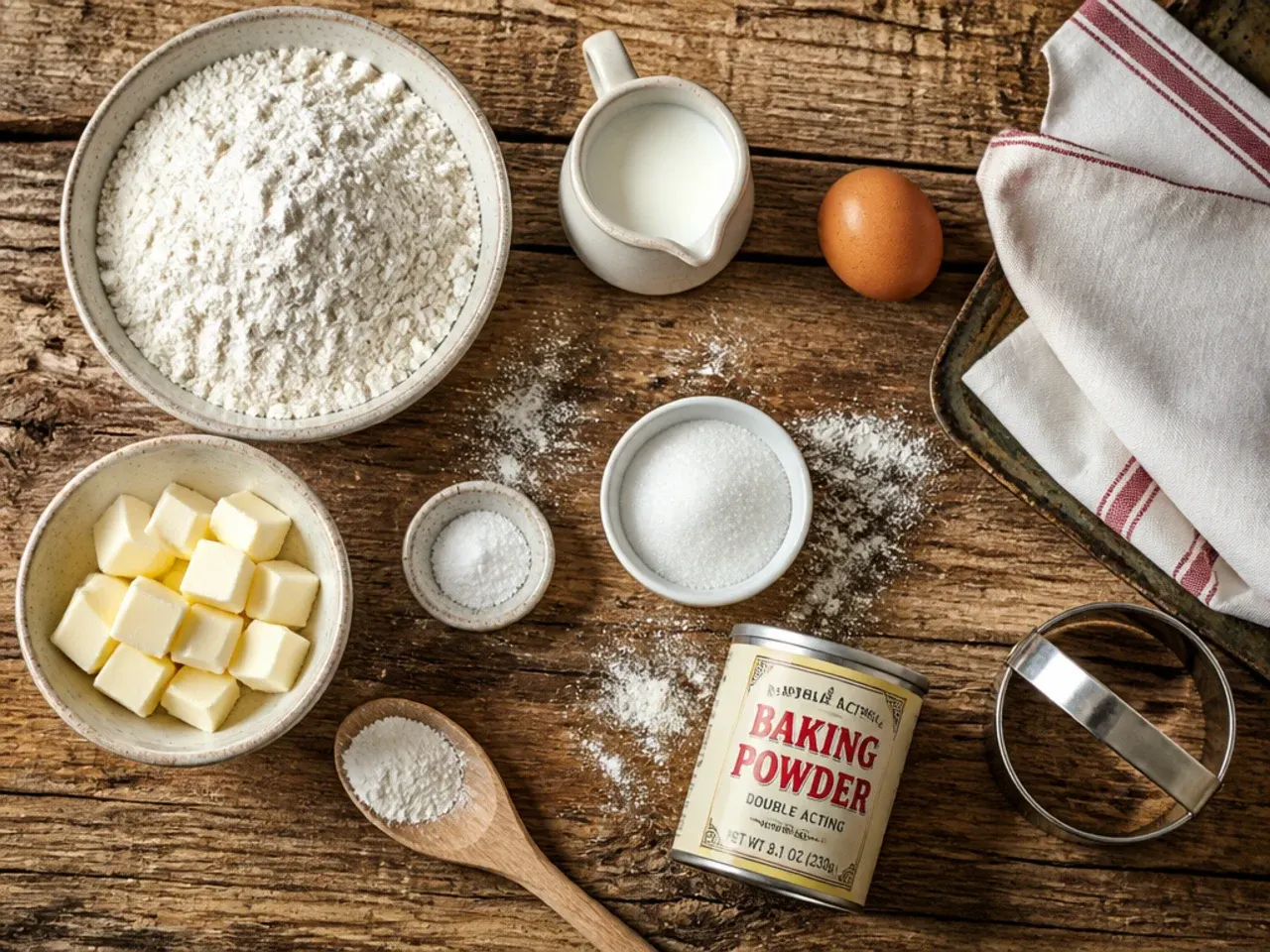
Keep every ingredient cold, including the bowl and your hands if the kitchen is warm, since warm butter is the single biggest reason homemade scones spread flat instead of rising tall. Handle the dough as little as possible; it should look shaggy and slightly rough right up until the moment it's cut, not smooth like bread dough. Always cut straight down with a sharp cutter and lift it away without twisting, because twisting seals the edges and can stop the scone rising evenly on one side. A brief 15-minute chill in the freezer after cutting, before the tray goes in the oven, firms the butter back up and noticeably improves the rise.
Serving Suggestions
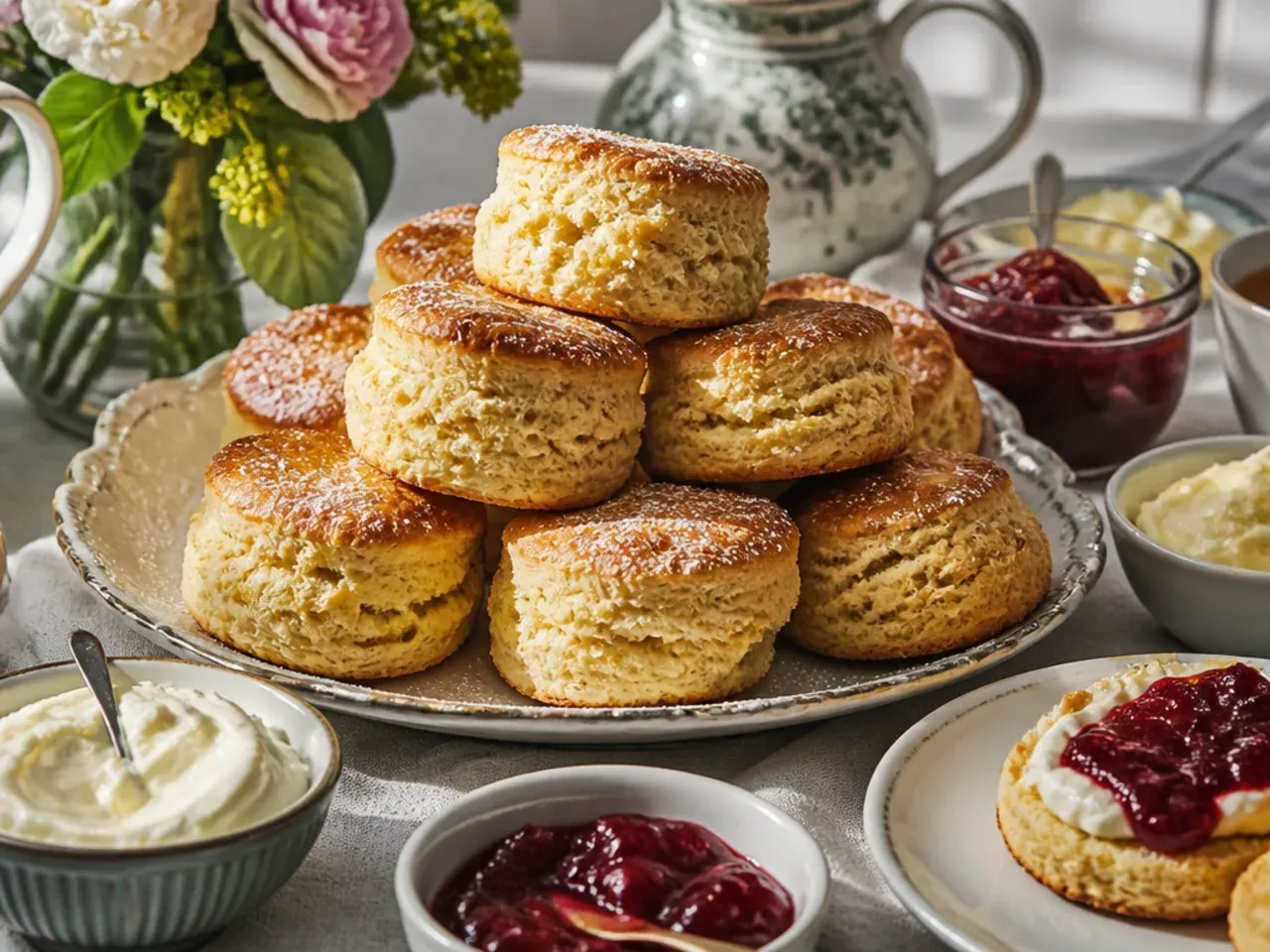
Serve sweet scones split and slightly warm with clotted cream and jam, or simply with salted butter if you want the flavour of the scone itself to lead. Savoury versions like the cheddar and bacon or herb triangle pair well with a bowl of soup, a cheese board, or scrambled eggs for a weekend brunch. A tiered stand works well for a party spread, mixing 2-3 different flavours so guests can compare a sweet and a savoury option side by side. Always let scones cool for at least 5 minutes before splitting them, as they finish setting slightly as they cool and can look raw in the middle if cut too soon.
Storage and Reheating
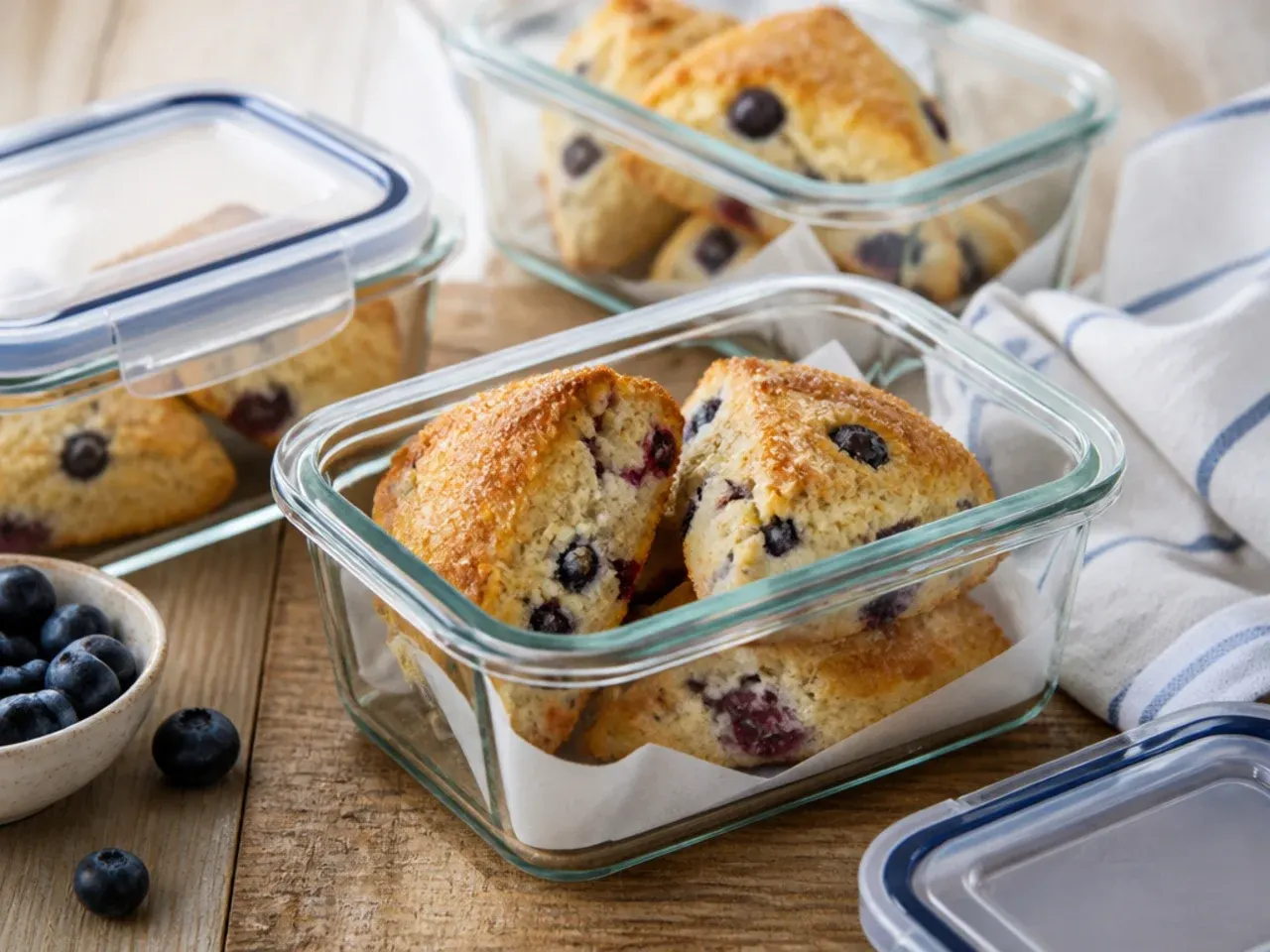
Baked scones keep well in an airtight container at room temperature for up to 2 days, or in the fridge for up to 5 days if the weather is warm. To refresh, warm them in a 160°C (325°F) oven for 6-8 minutes rather than the microwave, which turns the crumb soft and slightly rubbery instead of crisping the outside back up. For longer storage, freeze baked scones for up to 3 months in a labelled bag, then reheat straight from frozen at 160°C (325°F) for 12-15 minutes. Unbaked, cut dough also freezes well for up to 6 weeks and can go straight from the freezer into a hot oven with a few extra minutes added to the bake time.
The Recipe
The Master Recipe
35 min
18 min
53 min
8
Beginner
Ingredients 8 Person(s)
Directions
Step 1: Whisk the dry ingredients
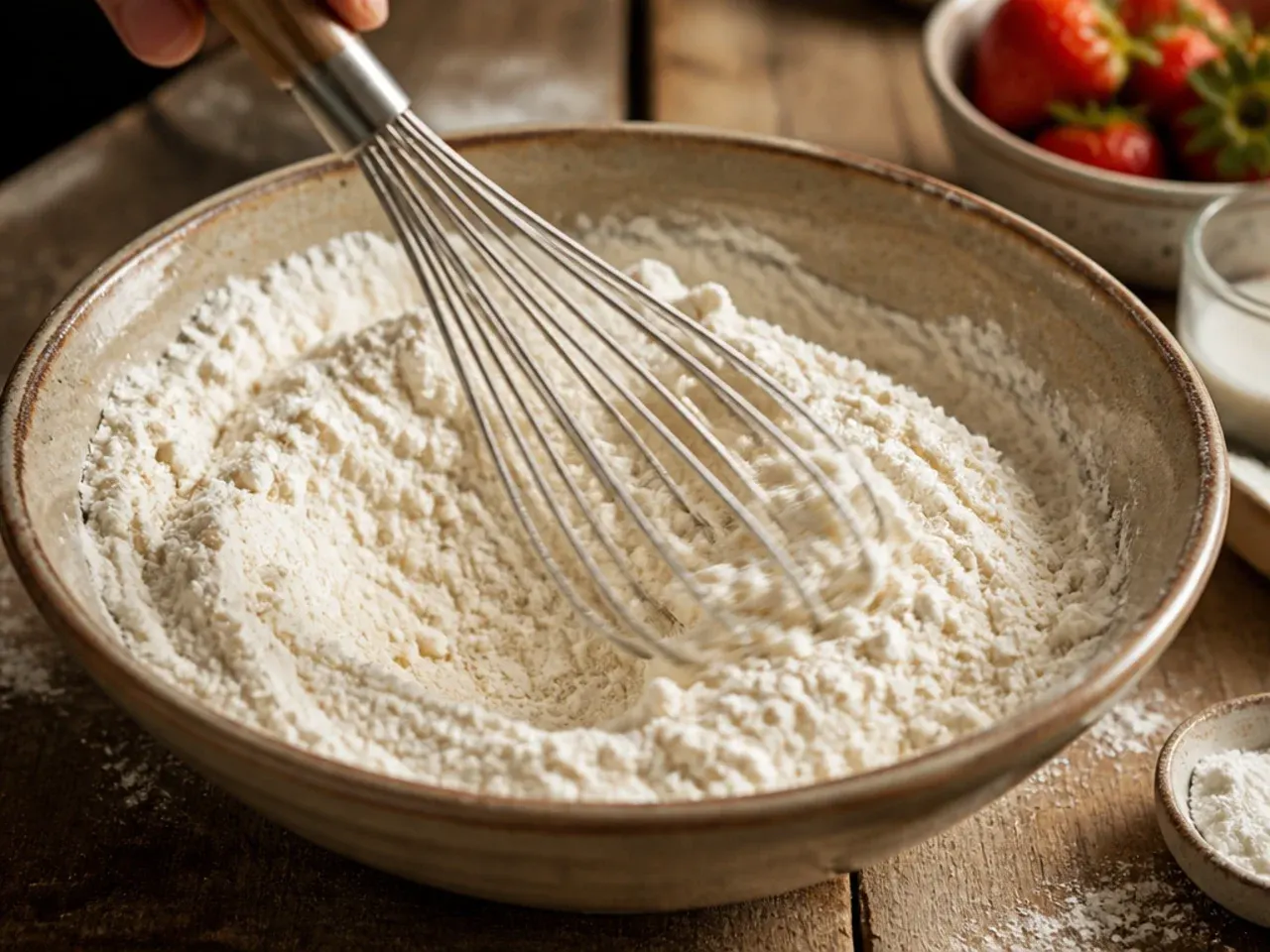
Whisk together 480g (3 3/4 cups) flour, 100g (1/2 cup) caster sugar, 2 tablespoons baking powder and 1/2 teaspoon salt in a large bowl until evenly combined. Spreading the baking powder through the flour at this stage helps the scones rise evenly rather than lopsided.
Step 2: Rub in the cold butter
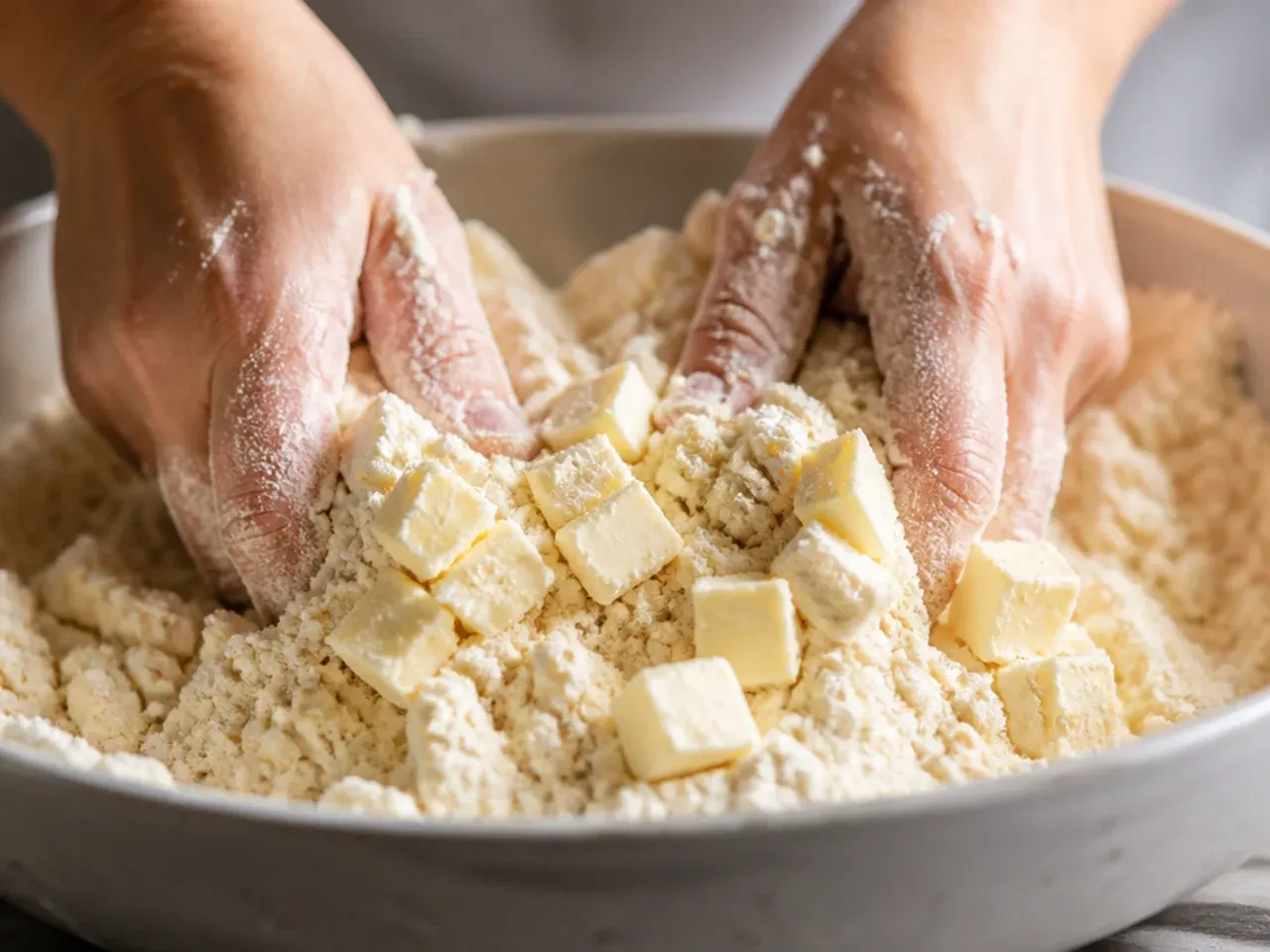
Add 170g (3/4 cup) cold, cubed butter and rub it into the flour with your fingertips, or pulse it in a food processor, until the mixture looks like coarse breadcrumbs with a few pea-sized lumps of butter remaining. Work quickly so the butter stays cold; if your kitchen is warm, chill the bowl for 5 minutes first.
Step 3: Combine the wet ingredients
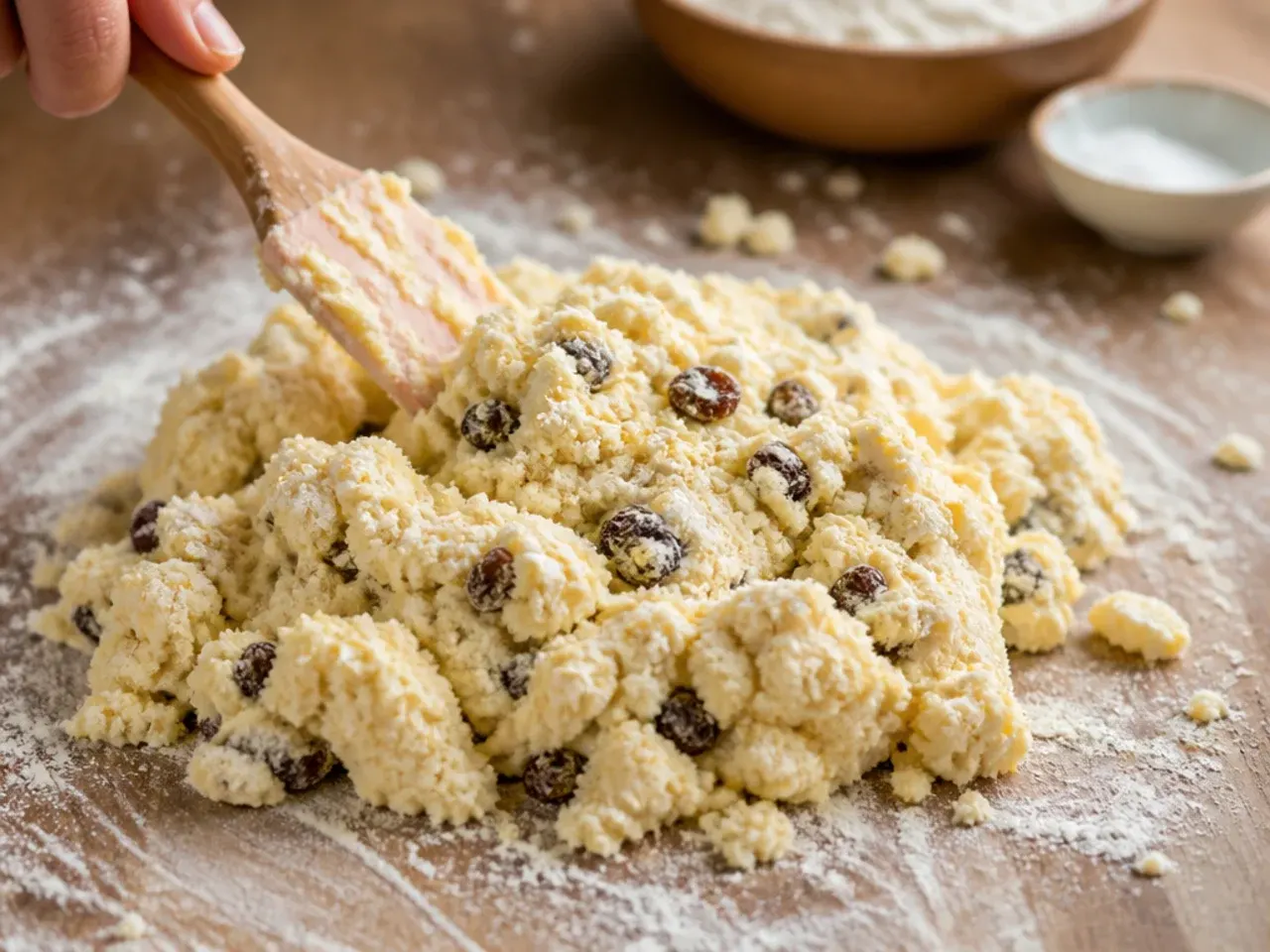
In a separate jug, whisk together 240ml (1 cup) cold buttermilk, 1 egg and 1 teaspoon vanilla extract until smooth and fully combined.
Step 4: Bring the dough together
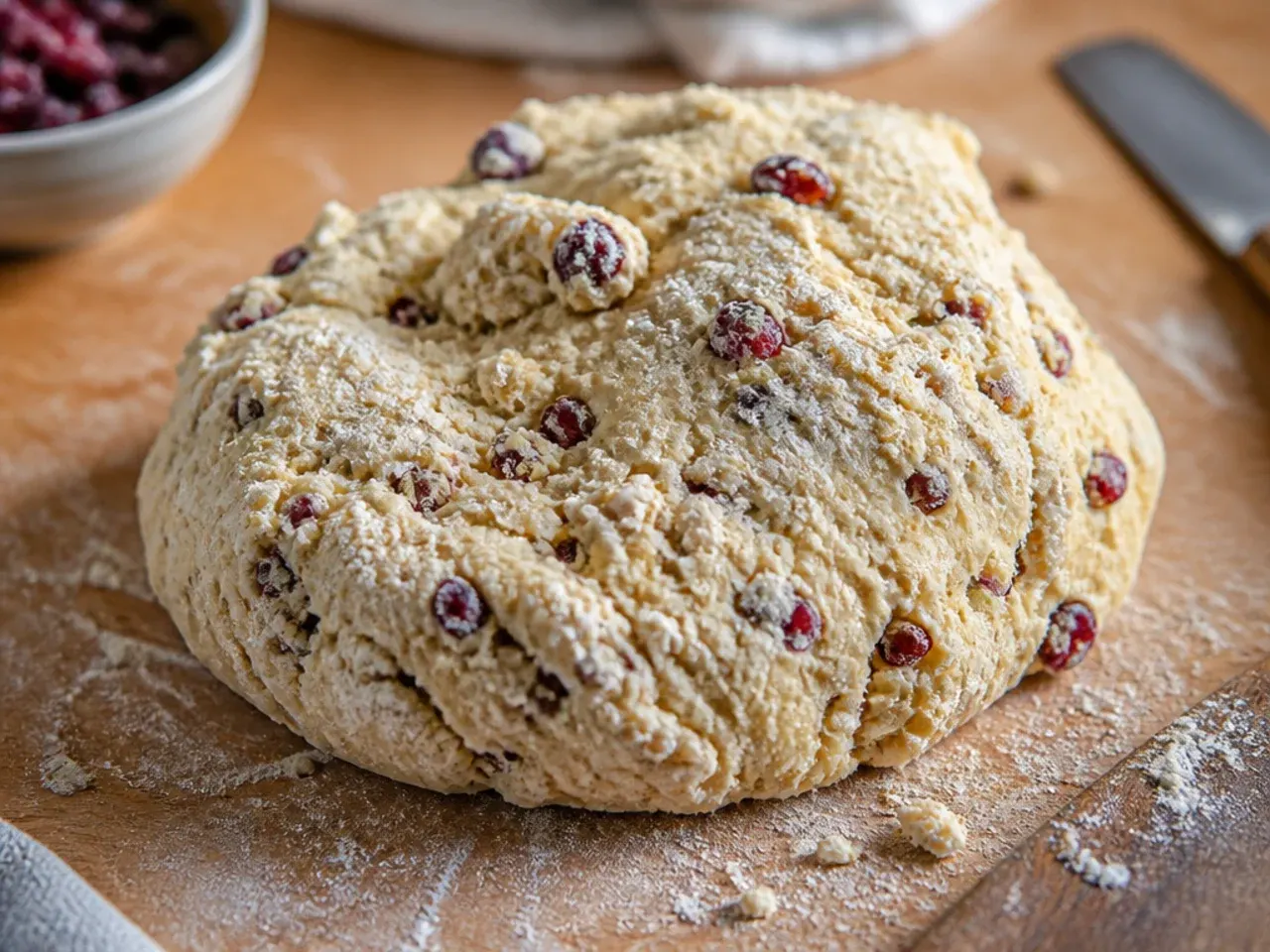
Make a well in the centre of the dry ingredients, pour in the wet mixture, and stir gently with a fork just until a shaggy, slightly sticky dough forms. Stop as soon as no dry flour remains visible; overmixing at this stage is the main cause of tough, dense scones.
Step 5: Shape and cut
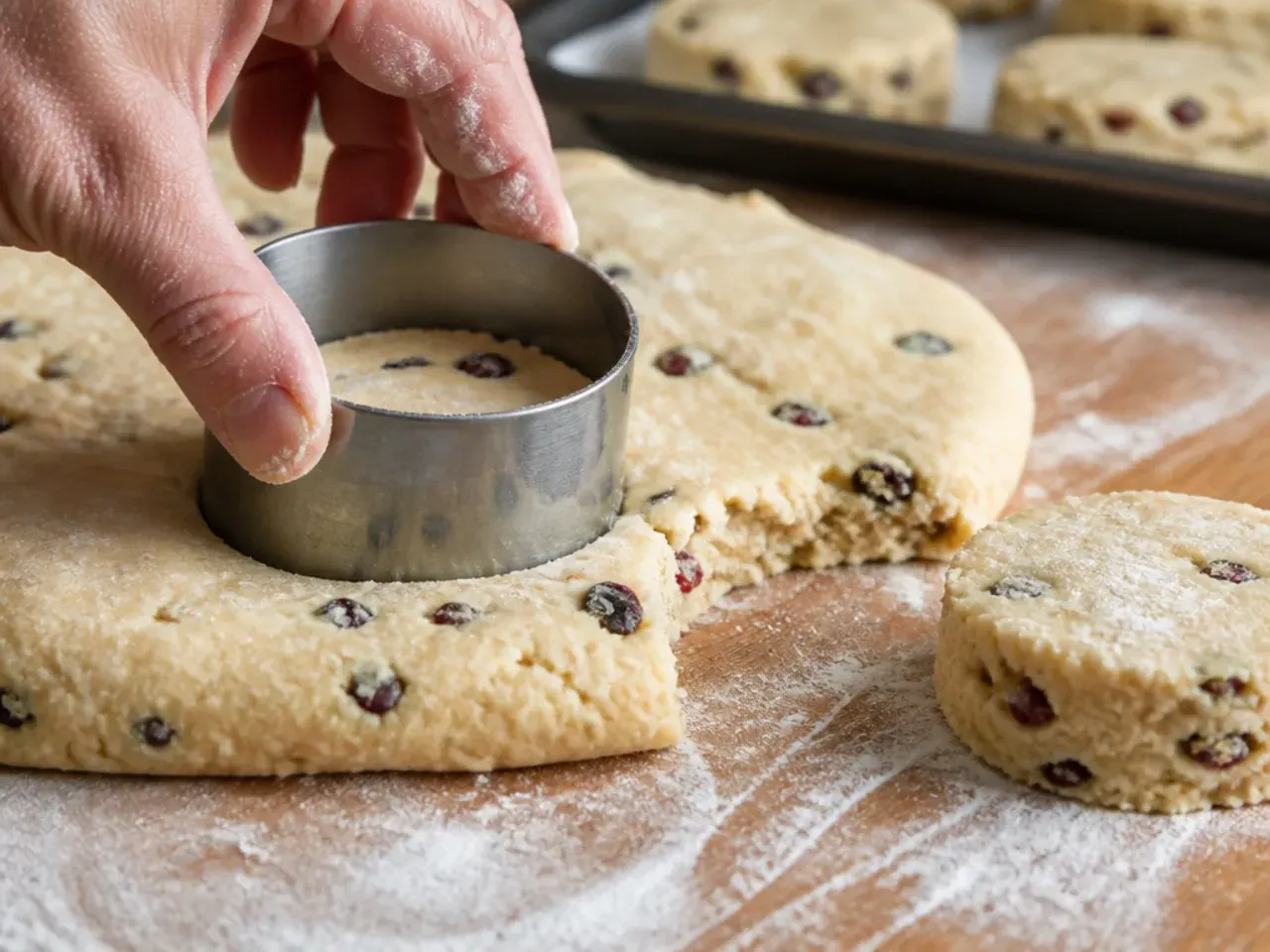
Turn the dough onto a lightly floured surface and pat gently into a 2.5cm (1in) thick round. Cut into 8 wedges, or stamp out rounds with a 5cm (2in) cutter pressed straight down without twisting, gathering scraps only once and re-patting rather than re-rolling repeatedly.
Step 6: Chill, then egg wash
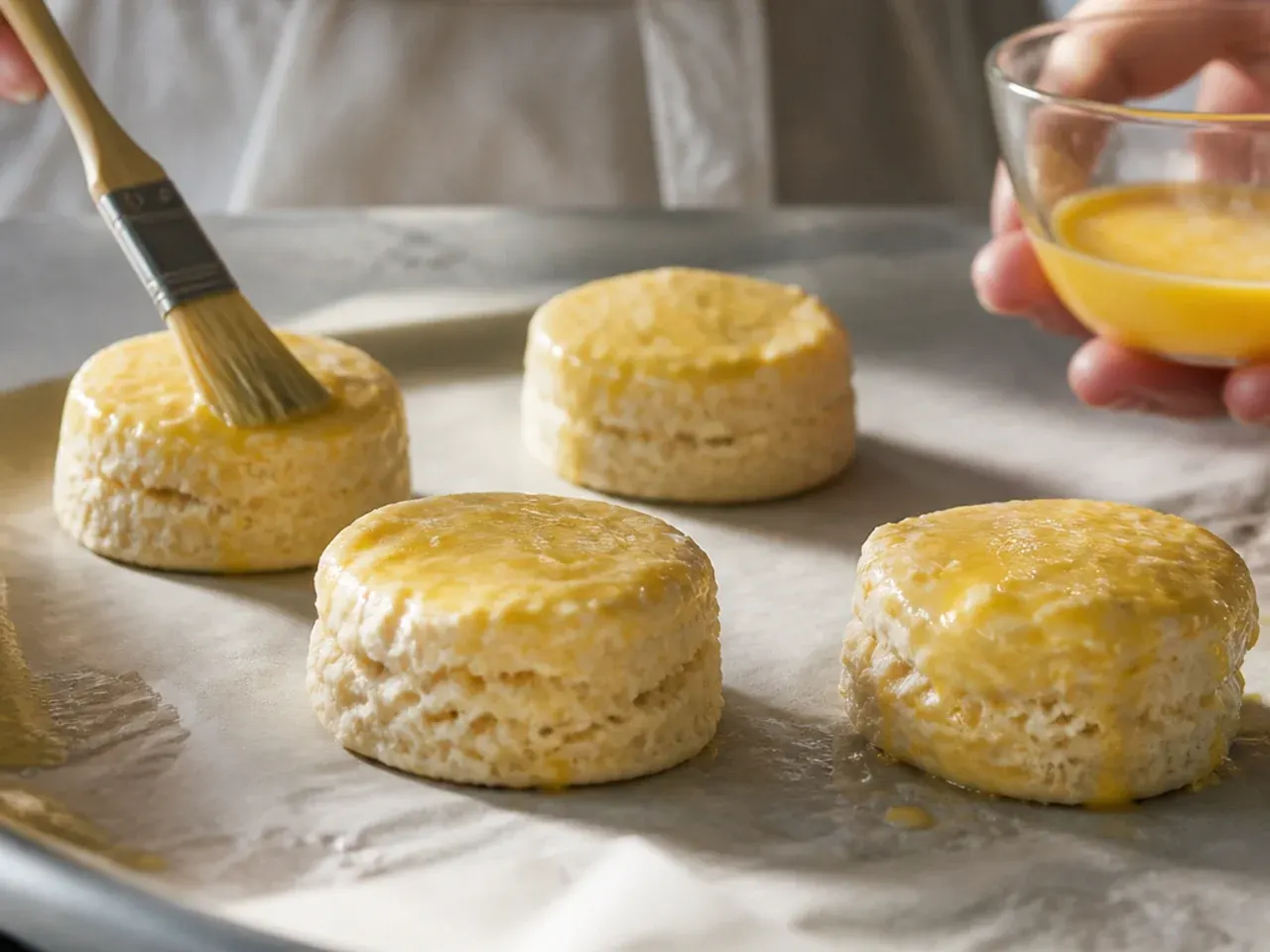
Transfer the cut scones to a lined baking tray, spaced 4cm (1.5in) apart, and freeze for 15 minutes to firm the butter back up. Brush the tops with the beaten egg and sprinkle with 2 tablespoons demerara sugar.
Step 7: Bake until golden

Bake at 220°C (425°F) for 15-18 minutes, until the tops are deep golden and well risen and a skewer inserted into the centre comes out clean. Cool on the tray for 5 minutes before transferring to a wire rack and serving warm.
Frequently Asked Questions
Yes, shape and cut the scones as normal, then cover the tray tightly and refrigerate for up to 24 hours before baking, adding 1-2 extra minutes to the bake time since the dough starts cold. You can also freeze the cut, unbaked scones on a tray until solid, then transfer them to a bag for up to 6 weeks. Bake straight from frozen at the same 220°C (425°F), adding around 4 extra minutes. This is the easiest way to have fresh, warm scones without any morning prep.
Save this for later 📌
Pin this article to your Pinterest board so the full list is one tap away when you need it.
Save on Pinterest