15 Fresh Tomato Recipes: What I Learned Making Them
15 real lessons from making tomato salad recipes again and again - the salting trick, dressing ratio, and timing fixes that stop a soggy bowl and keep every bite fresh. If you love tomato recipes inspiration, start with our Fresh Tomato Recipes collection, then browse the full Fresh & Garden hub for more.

Save this for later 📌
Pin this article to your Pinterest board so the full list is one tap away when you need it.
Save on PinterestFresh & Garden
Beginner
Kitchen Journal
7 steps
Table of Contents
- Lesson 1: Salt the Tomatoes Before You Do Anything Else
- Lesson 2: One Variety of Tomato Isn't Enough
- Lesson 3: Raw Red Onion Needs a Cold Water Soak First
- Lesson 4: The Oil-to-Vinegar Ratio Actually Matters
- Lesson 5: A Teaspoon of Dijon Makes the Dressing Cling
- Lesson 6: Dress It Too Early and It Turns to Soup
- Lesson 7: Fridge-Cold Tomatoes Taste Like Nothing
- Lesson 8: Cut Wedges, Not Thin Slices, for Better Bites
- Lesson 9: Tear the Basil at the Very Last Second
- Lesson 10: Swapping in Burrata Changes the Whole Salad
- Lesson 11: Stale Bread Turns This Into a Panzanella
- Lesson 12: Cucumber Needs the Same Salting Trick as the Tomatoes
- Lesson 13: Feta Needs to Go in Last, Not Marinated
- Lesson 14: Prepping Components Separately Is the Only Way to Make This Ahead
- Lesson 15: Leftovers Don't Keep Well, So Portion for What You'll Actually Eat
- What I'd Tell a Friend Trying This
- The Recipe I Used
Lesson 1: Salt the Tomatoes Before You Do Anything Else
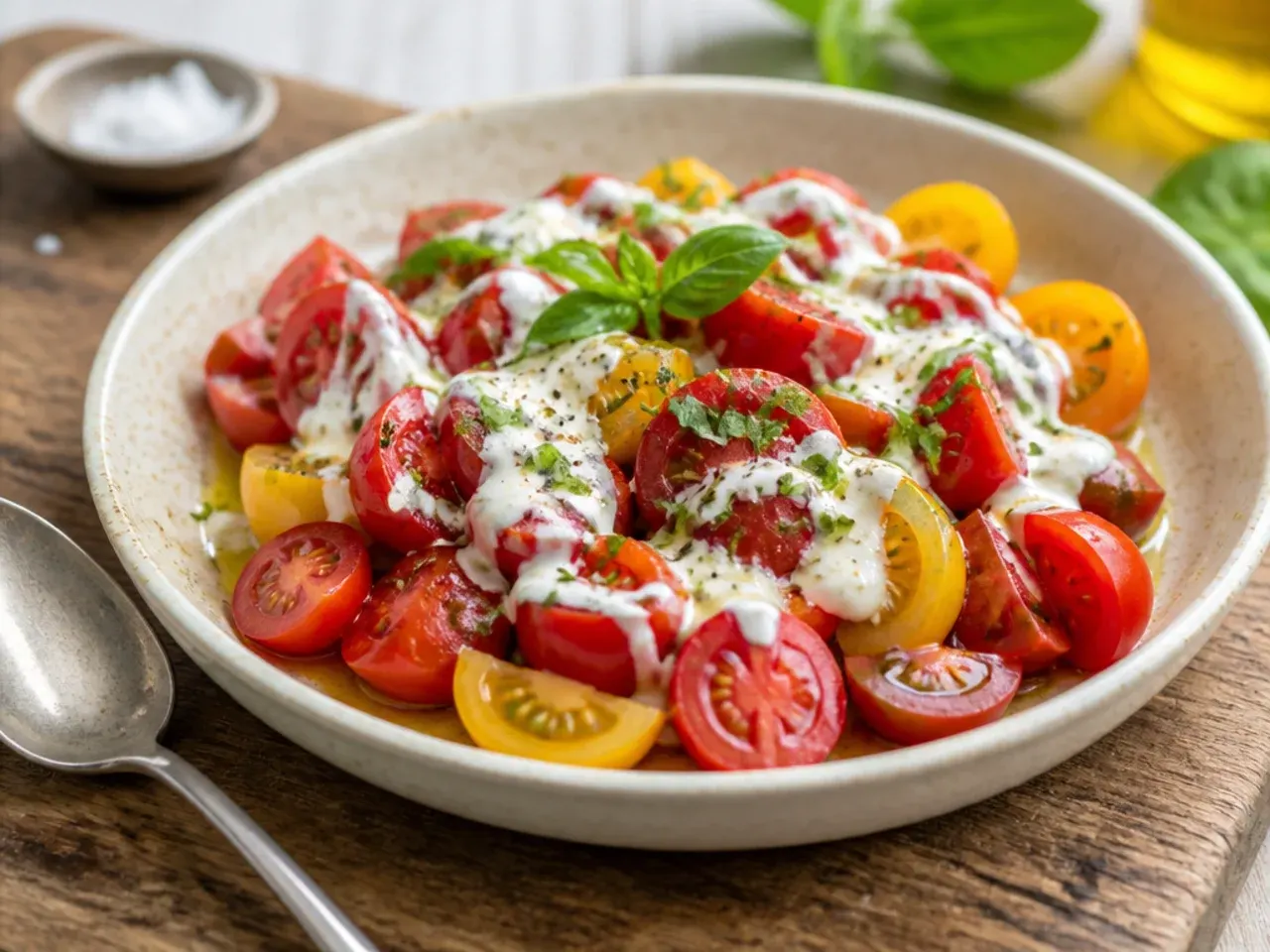
The first dozen times I made this salad I skipped salting the tomatoes first and couldn't work out why the plate ended up swimming in pink liquid within ten minutes. Now I toss 900 g (2 lb) of wedges with 6 g (1 tsp) fine sea salt and let them sit in a colander for 15-20 minutes before they go anywhere near the dressing. The salt pulls water out through osmosis, and pouring that liquid away concentrates the tomato flavour instead of diluting it on the plate. It's a two-minute step that fixed a problem I used to blame on "watery tomatoes" for years.
Lesson 2: One Variety of Tomato Isn't Enough
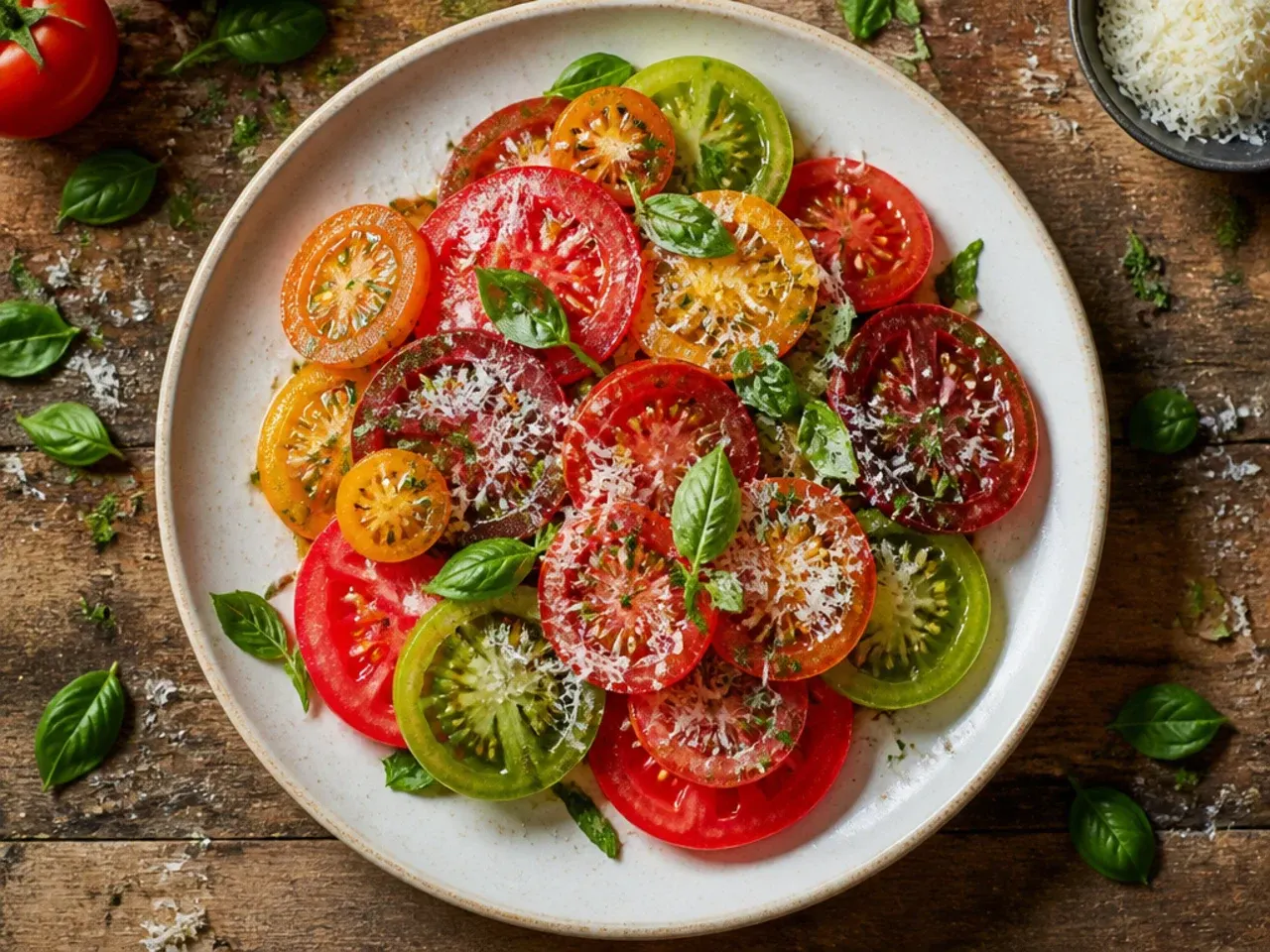
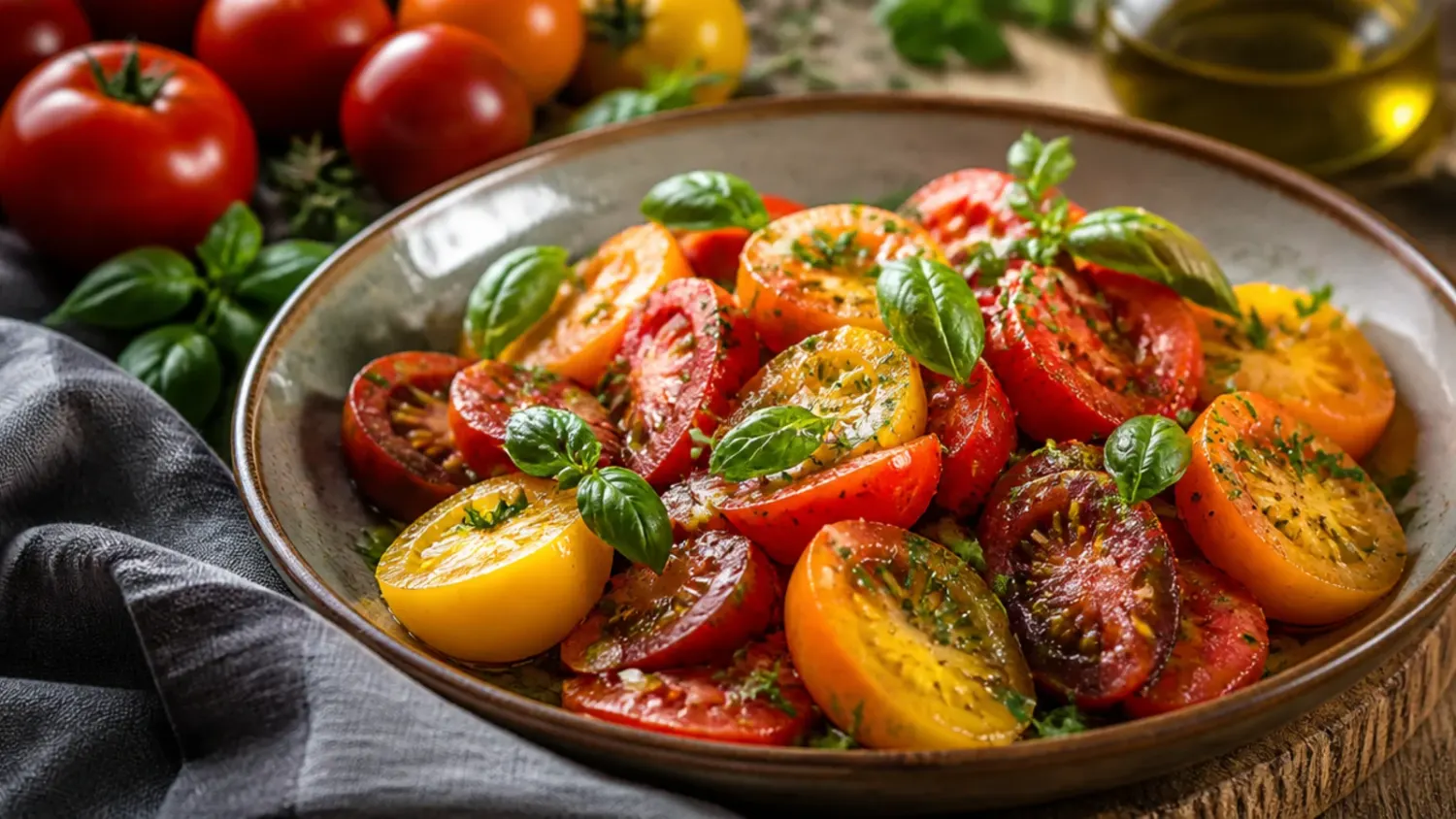
I used to grab a single punnet of cherry tomatoes and call it done, and the salad always tasted one-note, sweet and then sweet again. Mixing 900 g (2 lb) across at least two varieties, say a chunky beefsteak or heirloom for juicy bite plus a handful of cherry tomatoes halved for sweetness, gives the salad real texture and a range of acidity. The bigger tomatoes hold the dressing in their cut faces while the small ones add pops of concentrated flavour between bites. Now I treat "just tomatoes" as an ingredient list of its own, not a single item.
Lesson 3: Raw Red Onion Needs a Cold Water Soak First
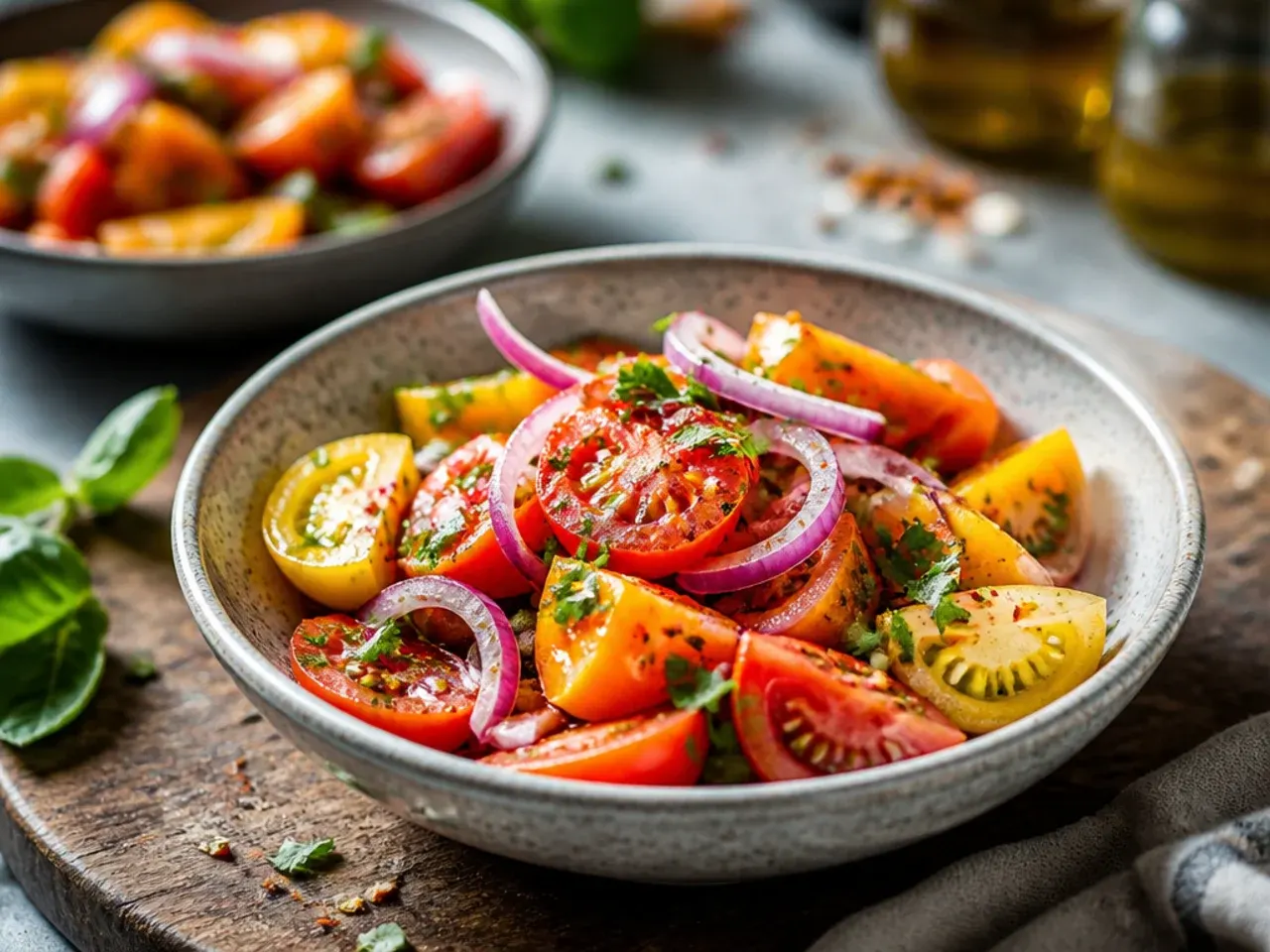
Sliced red onion straight off the board used to overpower every other ingredient in the bowl, and guests would visibly wince at the first bite. Now I thinly slice about 60 g (roughly half a small onion) and drop it into a bowl of cold water for 10 minutes while I deal with everything else, which mellows the sharp bite without losing the colour or crunch. Draining and patting it dry before it joins the tomatoes also stops it watering down the dressing. It's a small habit that turned "too much onion" complaints into requests for the recipe.
Lesson 4: The Oil-to-Vinegar Ratio Actually Matters
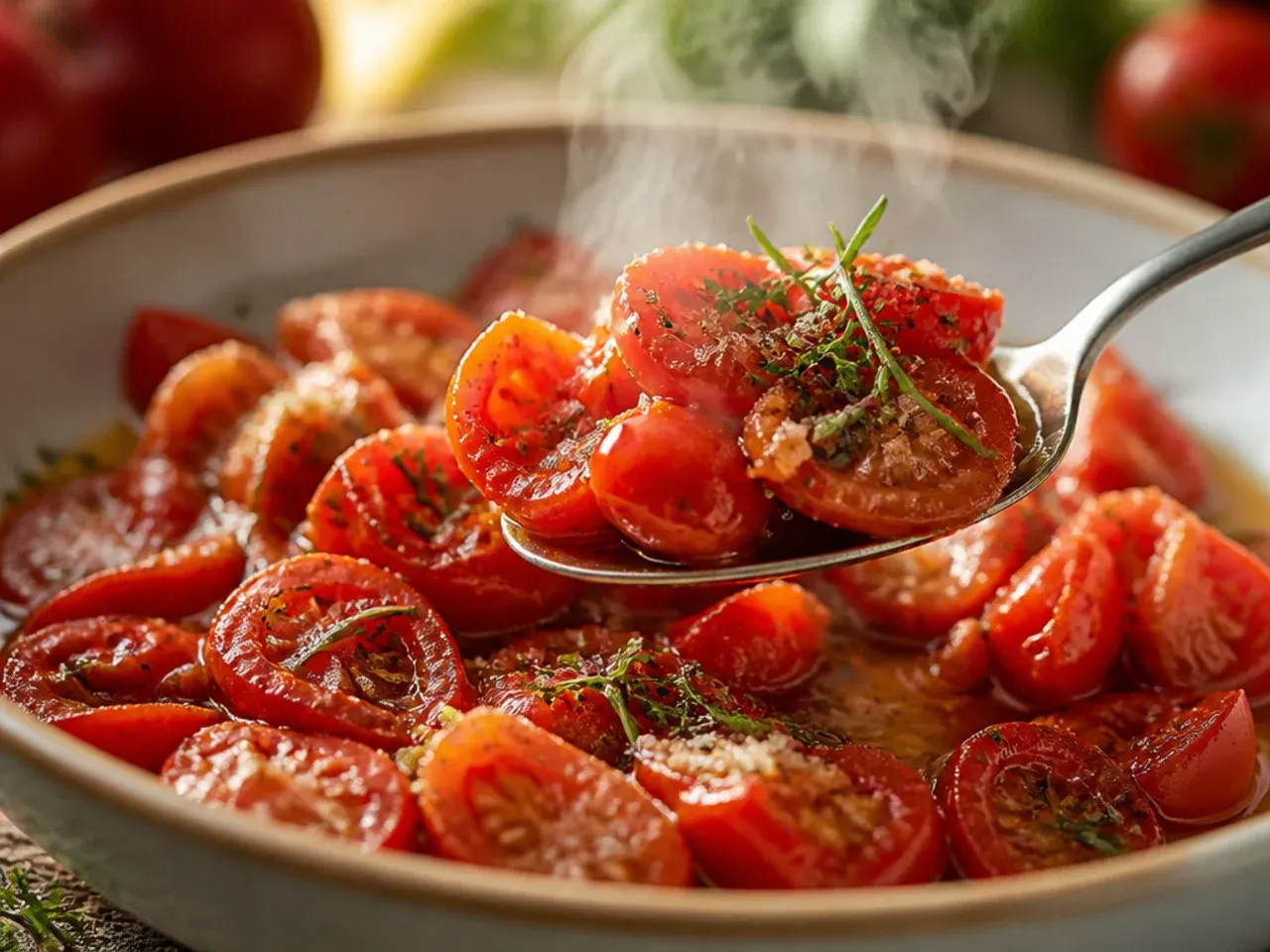
My early dressings were guesswork, and half the time the salad tasted either greasy or sharp enough to make my eyes water. Sticking to roughly 60 ml (1/4 cup) extra virgin olive oil to 20 ml (4 tsp) red wine vinegar, about a 3:1 ratio, gives enough acidity to cut through the tomatoes' sweetness without the oil coating everything in a slick. I whisk it in a jug first and taste it on its own with a spoon before it touches the tomatoes, since a dressing that's balanced by itself can taste bland once it's diluted by tomato juice. Getting the ratio right the first time saves a lot of last-minute salt-and-vinegar rescue attempts.
Lesson 5: A Teaspoon of Dijon Makes the Dressing Cling
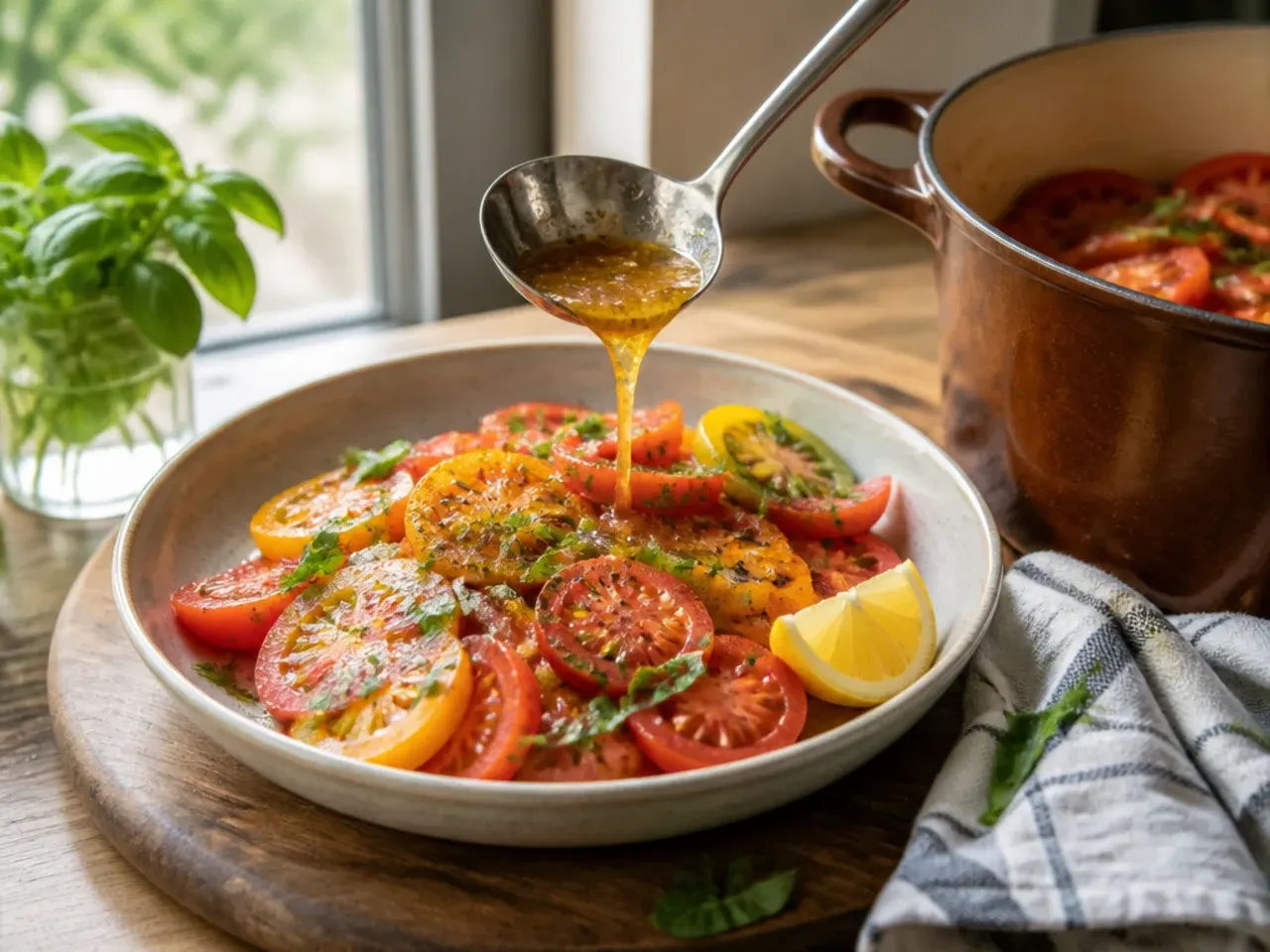
Without an emulsifier, my oil and vinegar used to separate in the bowl and pool at the bottom, leaving the top tomatoes bare and the bottom ones swimming. Whisking in 5 ml (1 tsp) Dijon mustard before adding the oil creates a stable emulsion that coats every wedge evenly and stays mixed for as long as the salad sits on the table. It also adds a faint background tang that rounds out the vinegar rather than just adding more sharpness. This one change did more for how the salad looks on the plate than any garnish I've tried.
Lesson 6: Dress It Too Early and It Turns to Soup
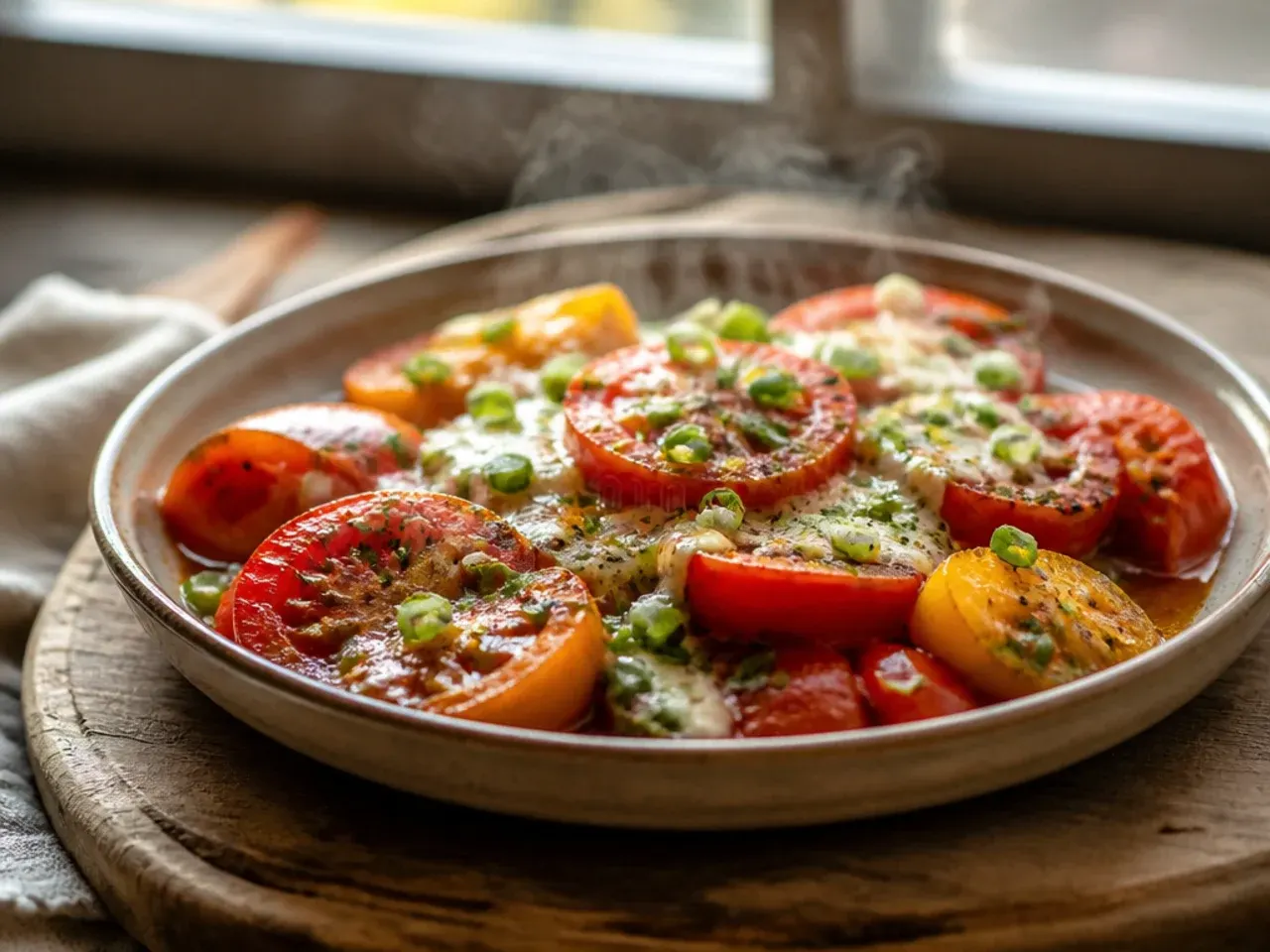
I once dressed the tomatoes a full two hours before a barbecue thinking I was being efficient, and by the time we ate, the bowl was a shallow tomato vinaigrette soup with limp basil floating in it. Tomatoes keep releasing liquid once salt and acid are on them, so now I only combine everything 10 to 15 minutes before serving, letting it rest just long enough for the flavours to meet without the texture collapsing. If I need to prep ahead, I keep the salted, drained tomatoes and the whisked dressing in separate containers until the last possible moment. That gap between "prepped" and "dressed" is the whole difference between a salad and a puddle.
Lesson 7: Fridge-Cold Tomatoes Taste Like Nothing
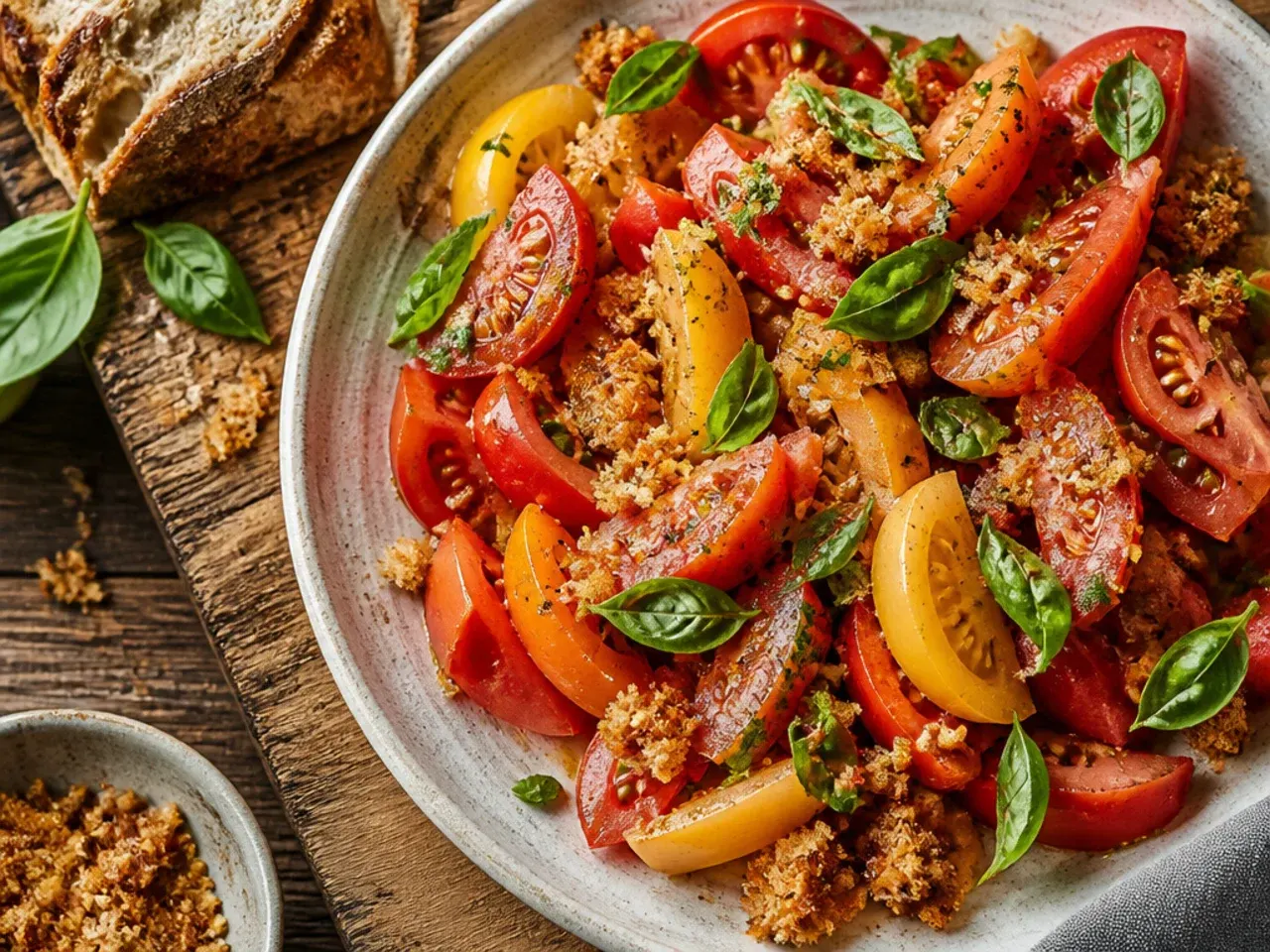
I used to store tomatoes in the fridge out of habit and pull them straight out to slice, and I couldn't work out why the salad tasted flat even with a good dressing. Cold temperatures mute the aromatic compounds that give tomatoes their flavour, so now I keep them on the counter and only chill them if they're at genuine risk of overripening. Letting 900 g (2 lb) of tomatoes sit at room temperature for even 30 minutes before cutting brings noticeably more flavour to the finished salad. It's the cheapest flavour upgrade I know and it costs nothing but patience.
Lesson 8: Cut Wedges, Not Thin Slices, for Better Bites
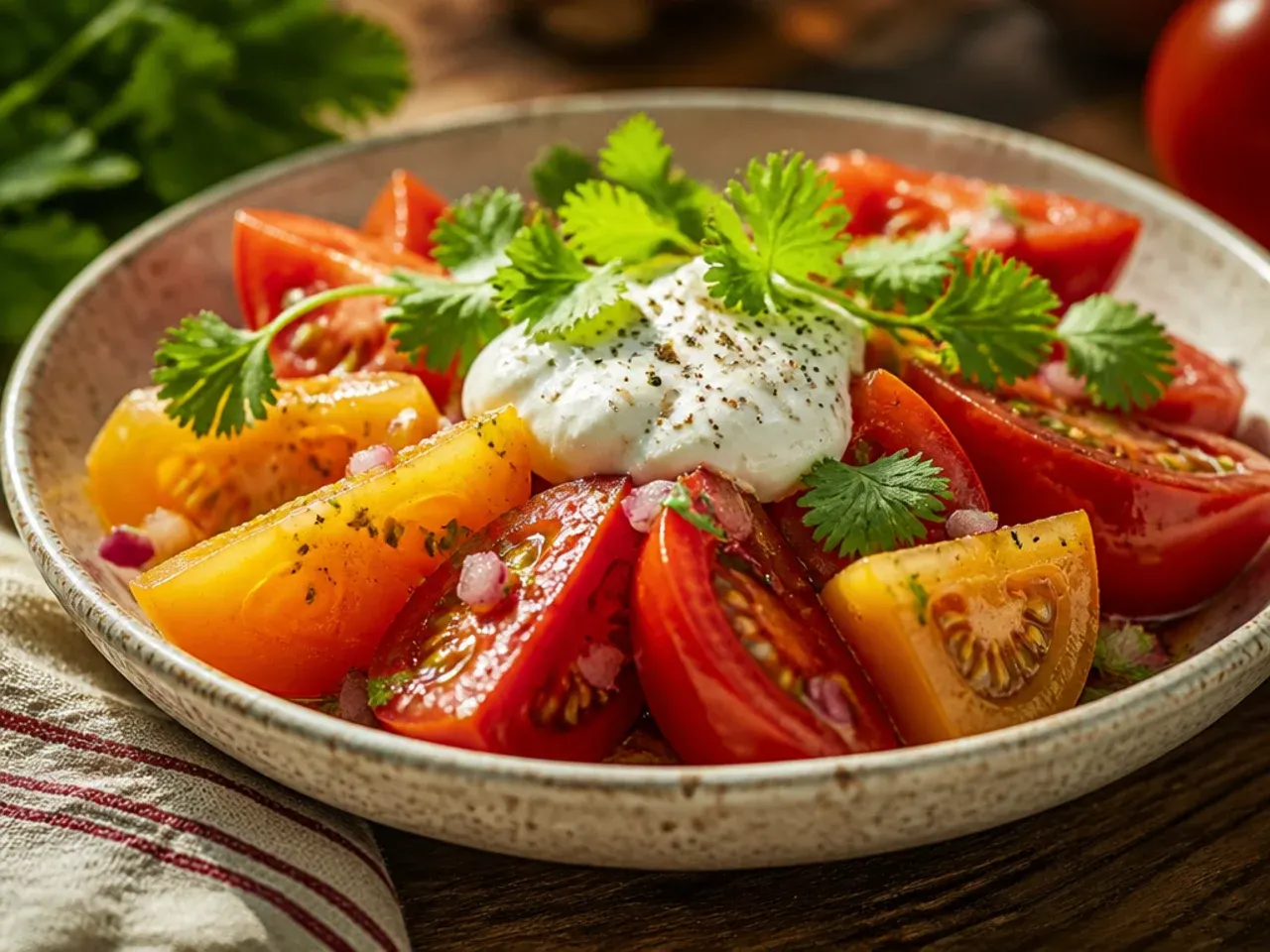
Thin tomato slices look elegant in photos but they slide around the plate and shed all their dressing, leaving a bald patch of tomato under a puddle of vinaigrette. Cutting the larger tomatoes into wedges, roughly 6-8 per medium tomato, gives more cut surface for the dressing to cling to and makes the salad easier to fork up without everything sliding off. A sharp serrated knife matters here too, since a dull blade crushes the flesh and pushes juice out before the tomato even reaches the bowl. Once I switched knives and cut shapes, the salad looked and ate better in the same afternoon.
Lesson 9: Tear the Basil at the Very Last Second
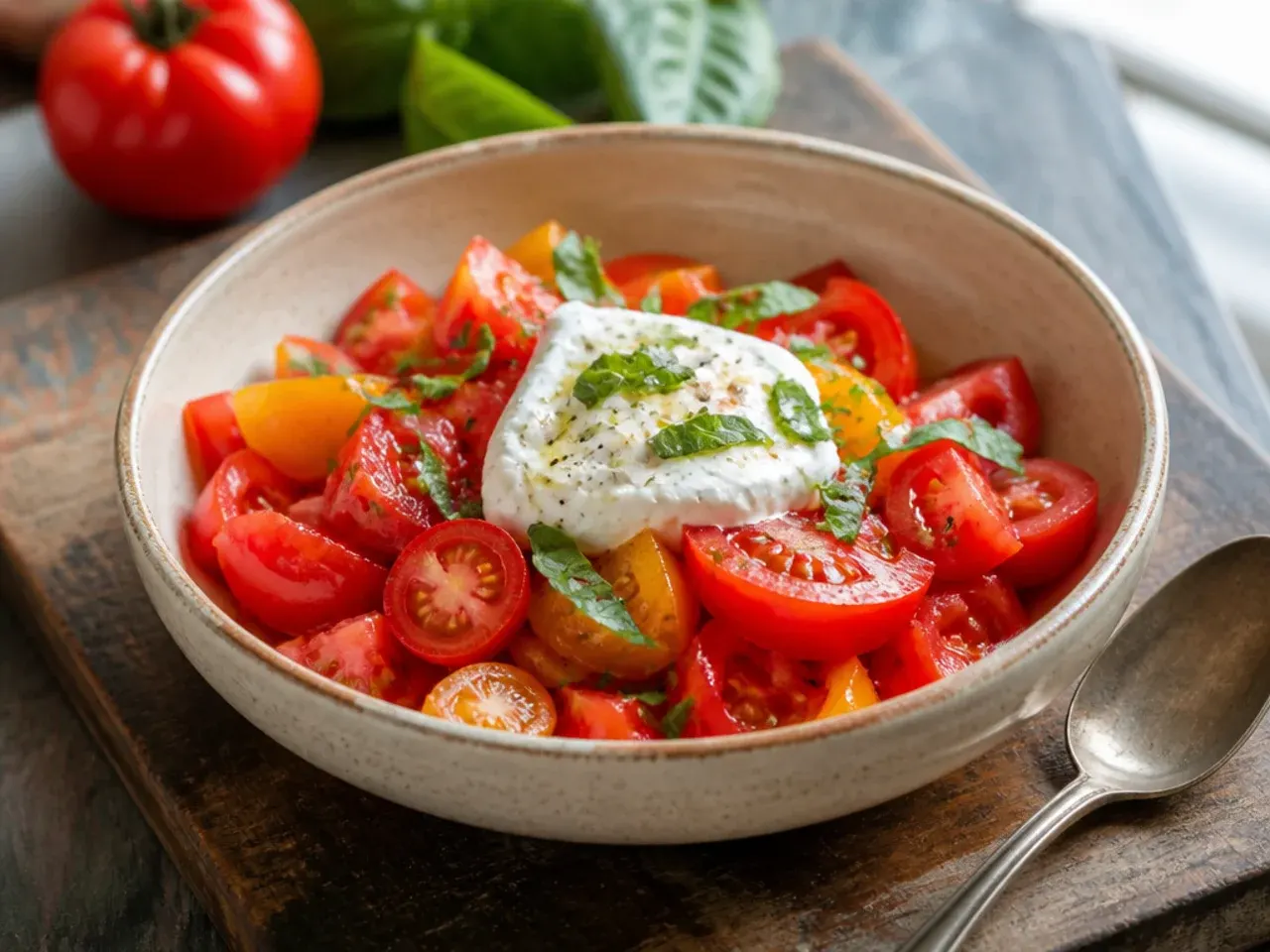
Chopping basil ahead of time with a knife used to leave me with black-edged, bruised leaves within twenty minutes, because the blade damages the cell walls and starts oxidation immediately. Now I tear roughly 15 g (1/4 cup loosely packed) of leaves by hand directly over the bowl right before serving, which bruises far less of the leaf surface. The colour and scent both hold up noticeably longer this way, especially if the salad is going to sit out at a barbecue for a while. It sounds fussy, but it's a ten-second change with a real payoff.
Lesson 10: Swapping in Burrata Changes the Whole Salad
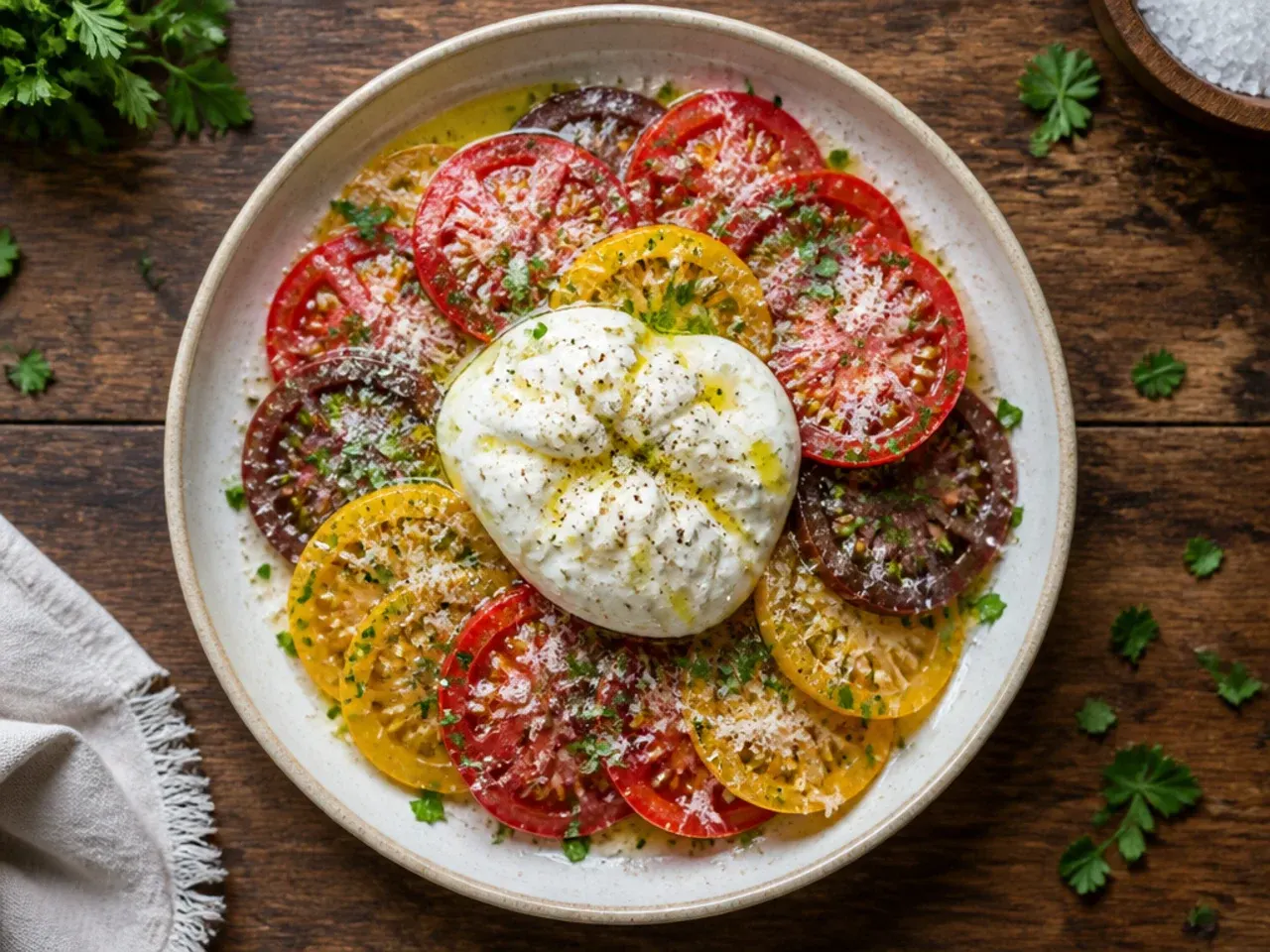
The first time I subbed 100 g (3.5 oz) of torn burrata in for the usual crumbled feta, I underestimated how much richer and creamier the result would be, and I ended up cutting back the olive oil in the dressing to compensate. Burrata's runny centre acts almost like a second dressing once it's torn open over the tomatoes, so a lighter hand with the oil keeps the salad from tasting heavy. Fresh mozzarella works as a firmer, milder middle ground if burrata isn't available. Knowing which cheese changes the balance of the whole dish saved me from an oil-slick dinner party.
Lesson 11: Stale Bread Turns This Into a Panzanella
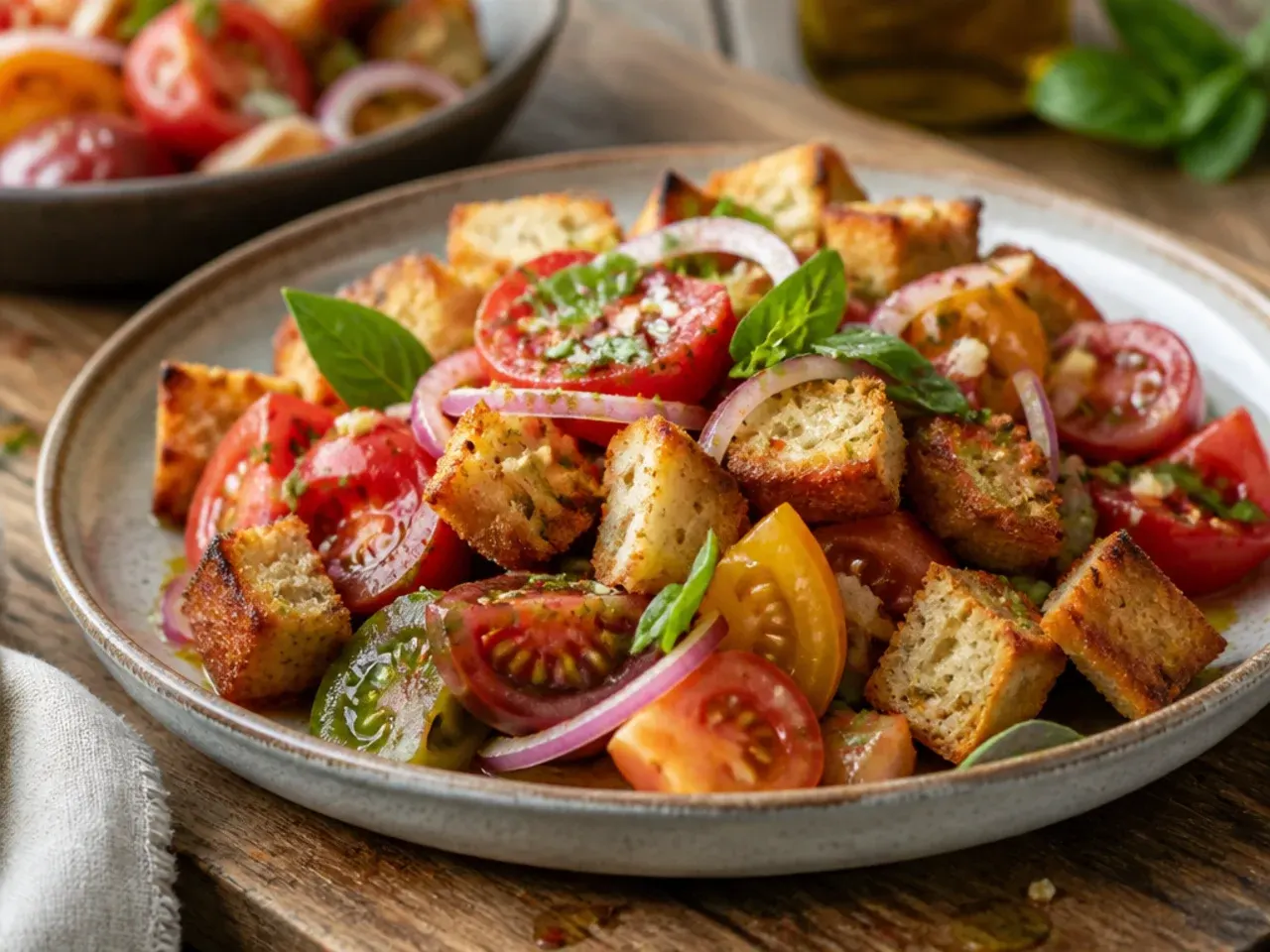
Adding torn day-old bread to soak up the tomato dressing turns the same base recipe into a Tuscan-style panzanella, but I learned the hard way that fresh bread just goes gluey and slick instead of absorbent. About 150 g (5 oz) of a rustic, slightly stale loaf, torn into rough chunks and tossed in 10 minutes before serving, soaks up the vinaigrette and tomato juice without disintegrating. Toasting the bread lightly first helps it hold its shape even longer if it isn't quite stale enough on its own. It's a great way to stretch the same tomatoes into a heartier lunch without buying anything new.
Lesson 12: Cucumber Needs the Same Salting Trick as the Tomatoes
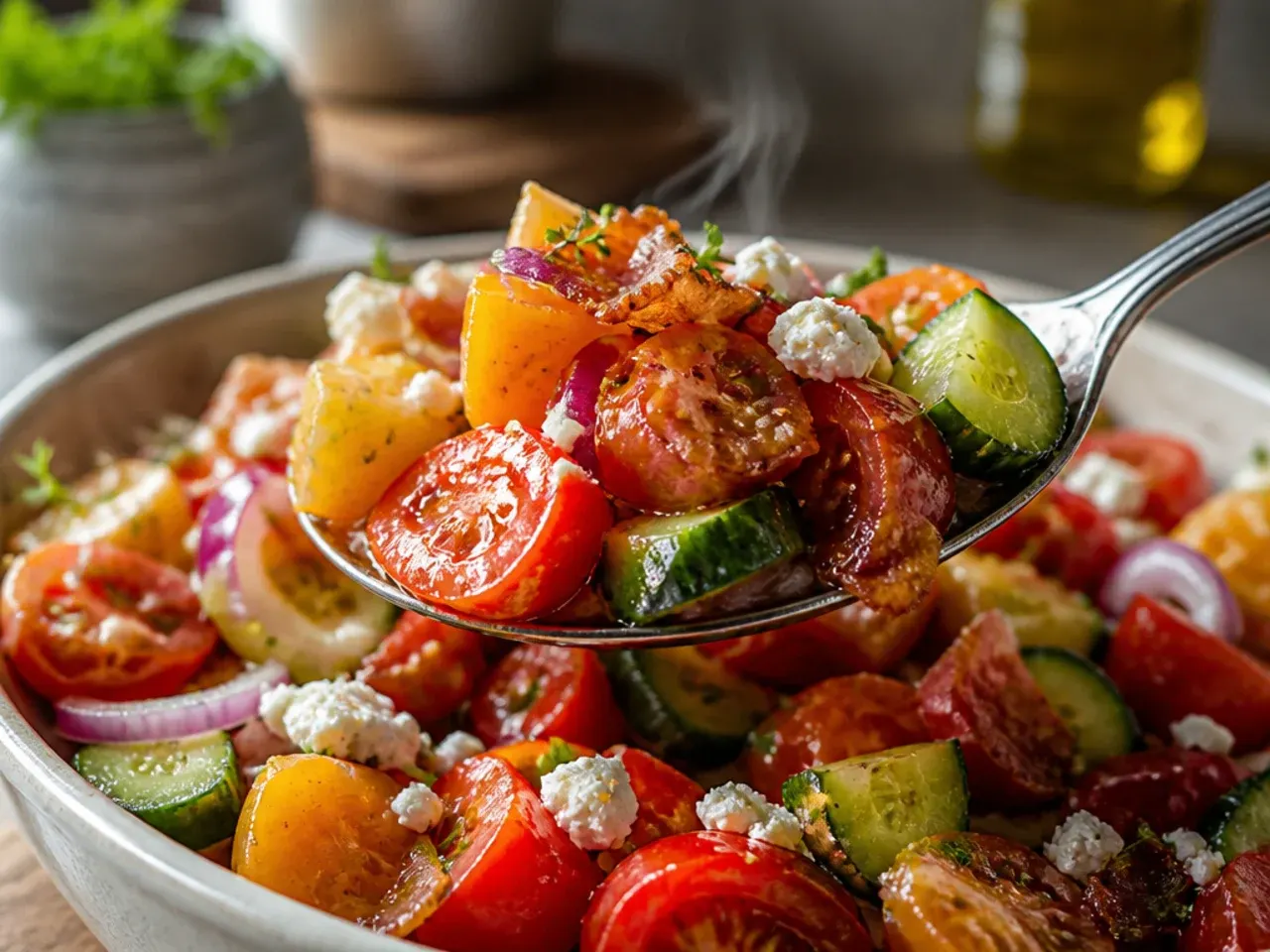
When I started adding diced cucumber for a Greek-style version, I skipped salting it because I'd already salted the tomatoes, and the extra vegetable water diluted the dressing all over again. Now roughly 150 g (5 oz) of diced cucumber gets the same brief salt-and-drain treatment in its own colander before it joins the bowl. Treating every watery vegetable the same way, not just the tomatoes, keeps the whole salad from turning soupy regardless of what I add to it. It's a small rule that scales to pretty much any juicy add-in.
Lesson 13: Feta Needs to Go in Last, Not Marinated
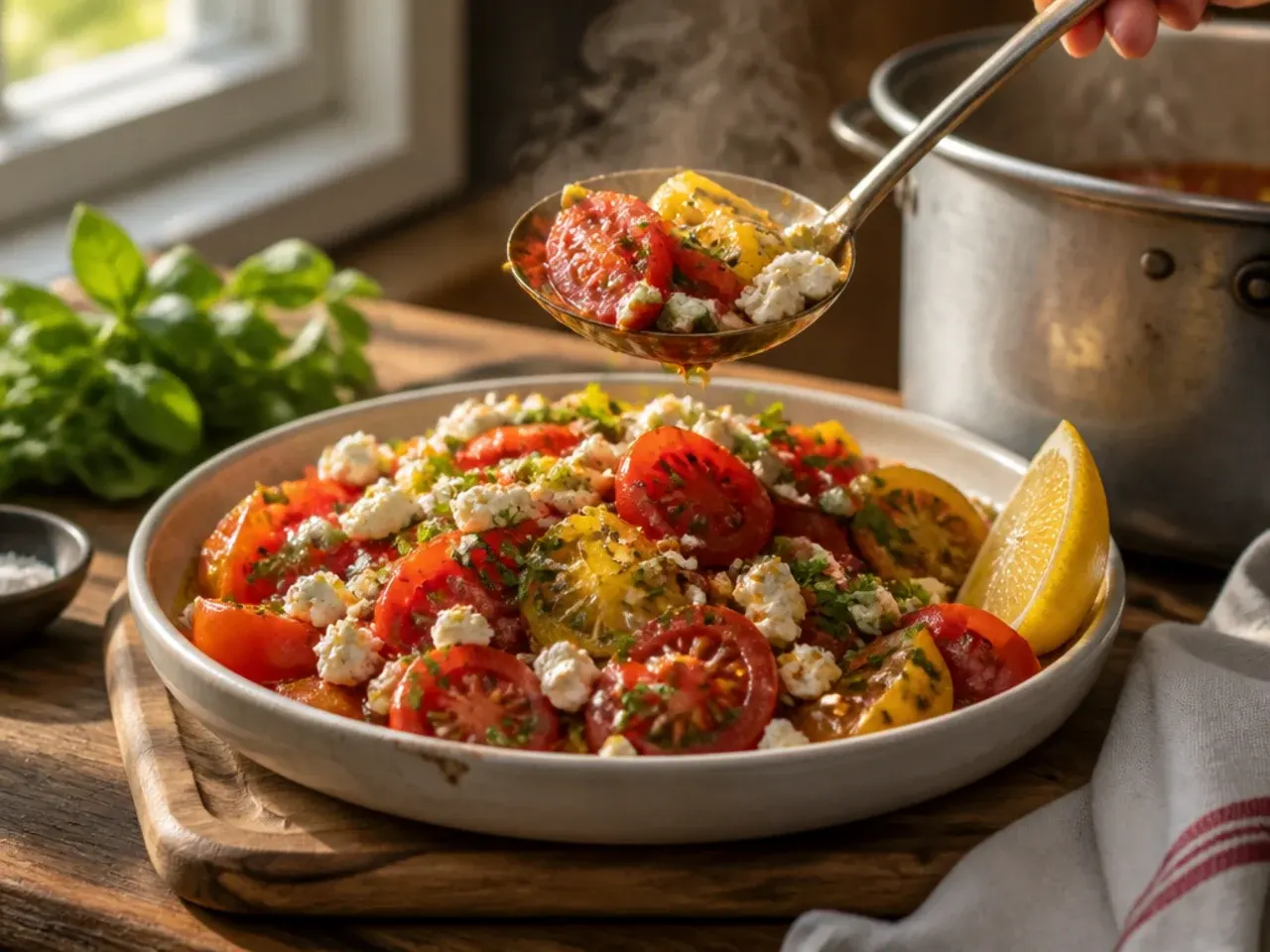
I once let crumbled feta sit in the dressing with the tomatoes for half an hour, thinking it would soak up flavour, and instead it broke down into a chalky, salty mush that clouded the dressing. Now I crumble around 100 g (3.5 oz) of feta over the top only in the last minute or two before serving, so it keeps its crumbly texture and sharp bite as a garnish rather than a mixed-in ingredient. Because feta already carries a lot of salt, I also cut back slightly on the finishing salt whenever it's in the mix. Treating cheese as a garnish rather than a component saved several batches from turning into a briny paste.
Lesson 14: Prepping Components Separately Is the Only Way to Make This Ahead
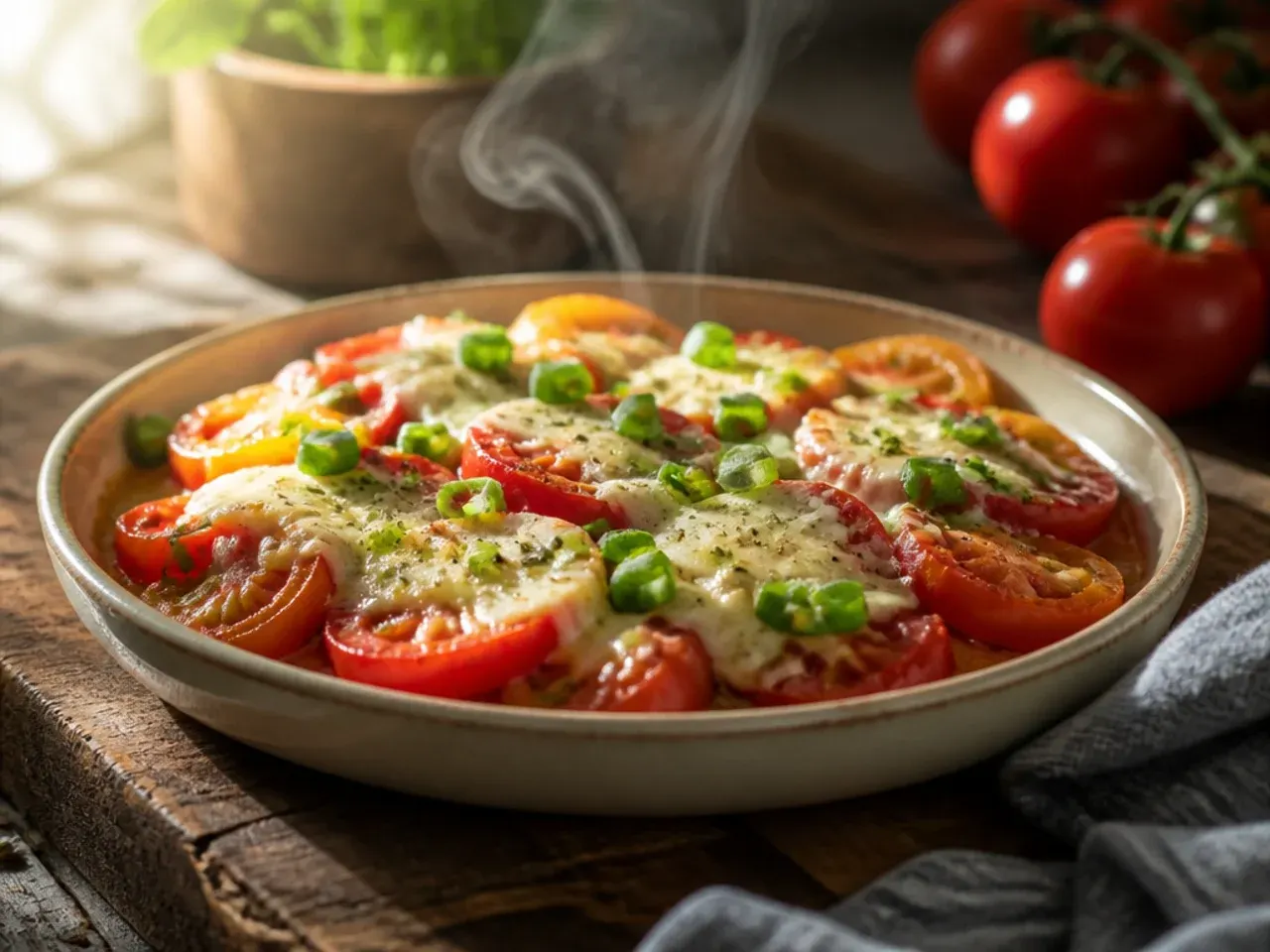
My first attempt at prepping the night before a party meant fully dressing the salad and refrigerating it, and it was unrecognisable and grey-looking by the time guests arrived. Now if I need a head start, I salt and drain the tomatoes, slice and soak the onion, and whisk the dressing, storing each in its own airtight container in the fridge for up to a day. Everything only comes together, plus the fresh basil and cheese, in the 10 to 15 minutes before serving. Keeping the components apart is the entire trick to "making it ahead" without actually making the finished salad ahead.
Lesson 15: Leftovers Don't Keep Well, So Portion for What You'll Actually Eat
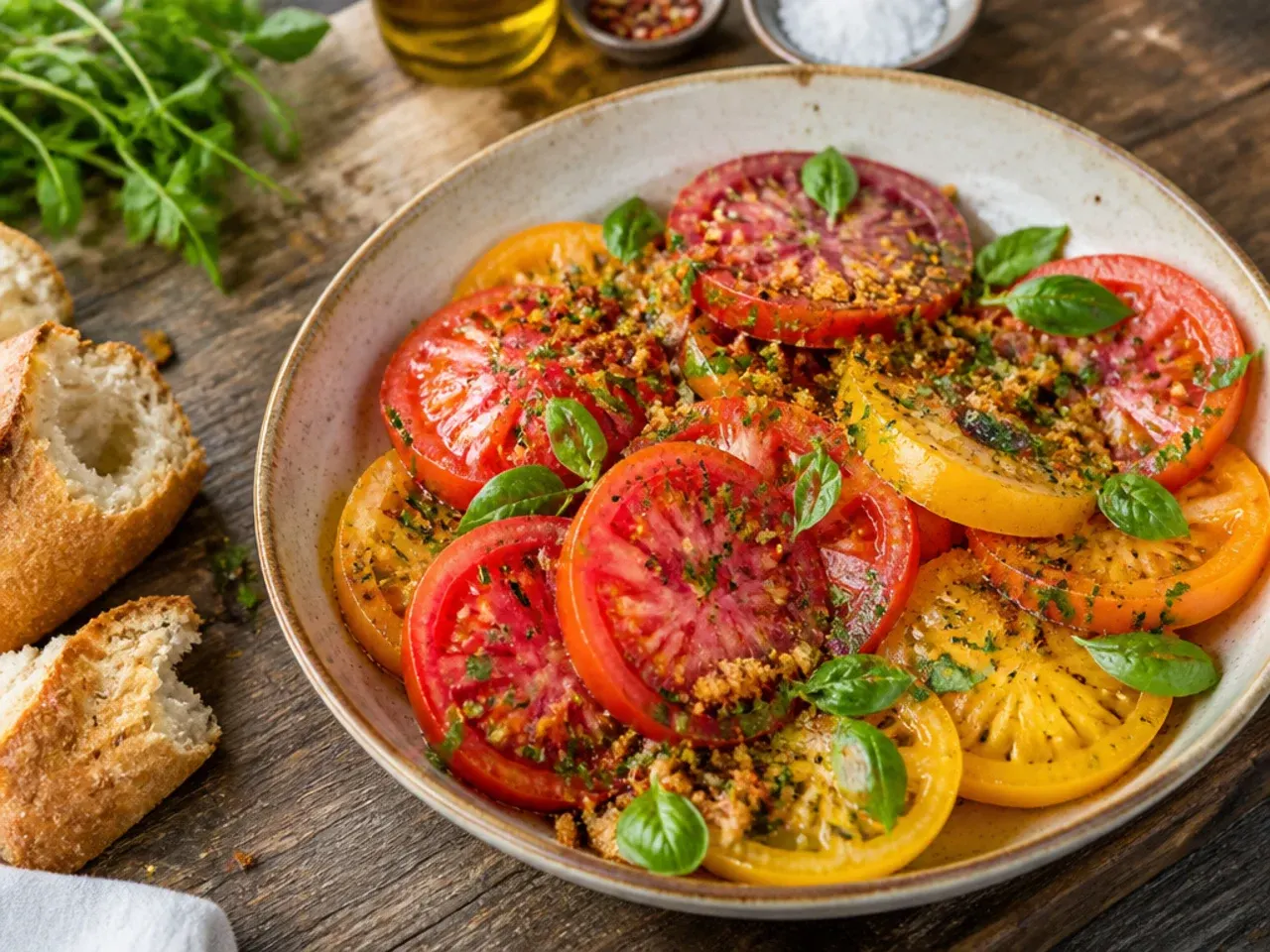
I used to make a full 900 g (2 lb) batch out of habit even for two people, and by day two the leftovers sitting in the fridge had turned watery and limp, the tomatoes gone mushy from sitting in their own dressing. Now I only dress what I know will be eaten within an hour or two, and I store any undressed extra tomatoes separately, since dressed tomato salad really only holds up in an airtight container in the fridge for about a day before the texture suffers. If I do have dressed leftovers, I drain off the pooled liquid and serve it over toast rather than as a salad again. Sizing the batch to the meal solved more waste than any storage container ever did.
What I'd Tell a Friend Trying This
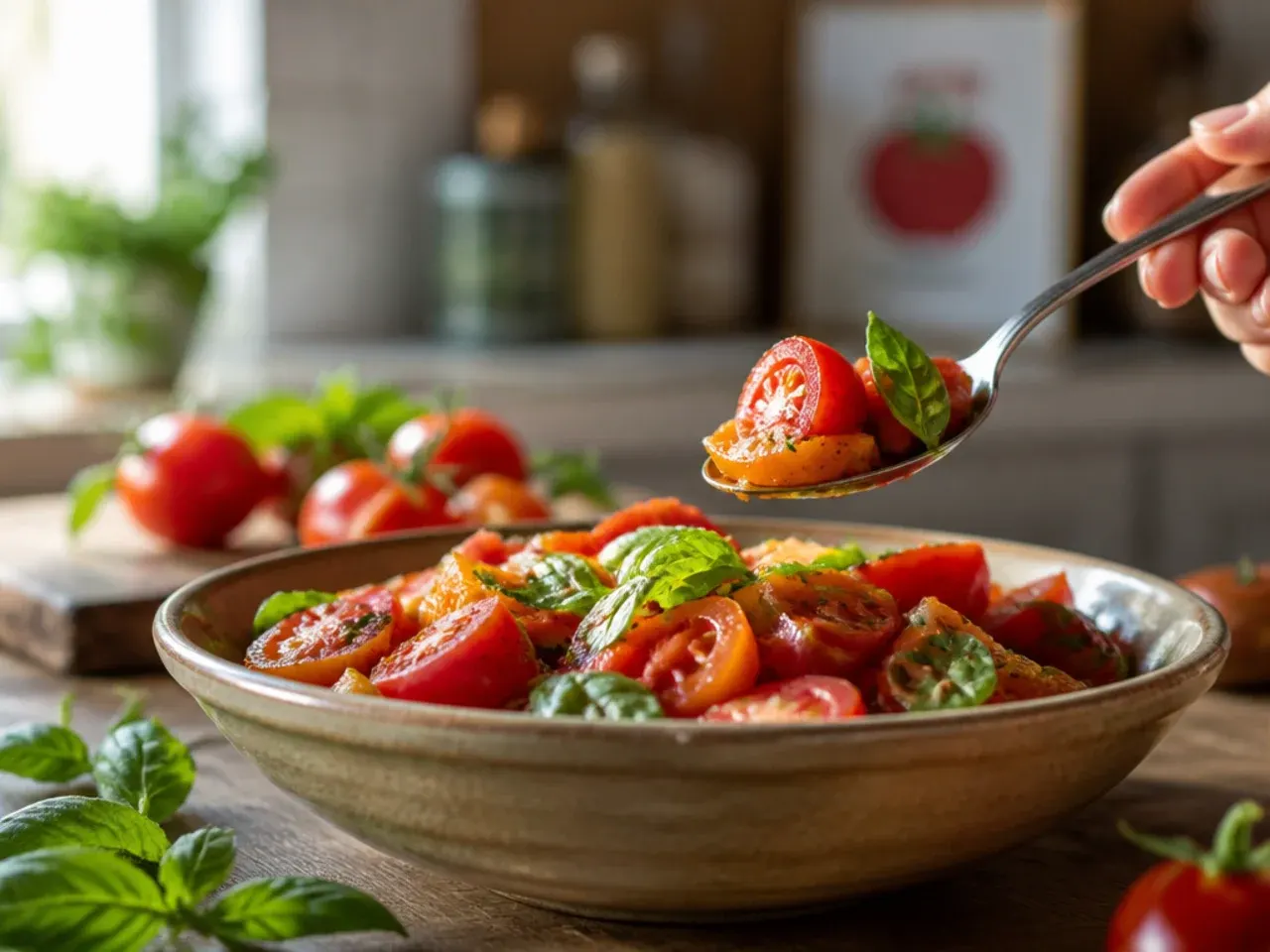
Salt your tomatoes first, dress them last, and don't let the finished salad sit around any longer than it takes people to reach the table. Buy a genuinely ripe mix of tomatoes rather than whatever's cheapest, because this recipe has almost nowhere to hide a bland one. Keep your add-ins, cheese, bread, cucumber, separate until the very end so nothing goes soggy before it's served. Get those few habits right and a tomato salad recipe this simple starts tasting like it came from somewhere far fancier than your own kitchen.
The Recipe
The Recipe I Used
35 min
0 min
35 min
6
Beginner
Ingredients 6 Person(s)
Directions
Step 1: Salt and drain the tomatoes
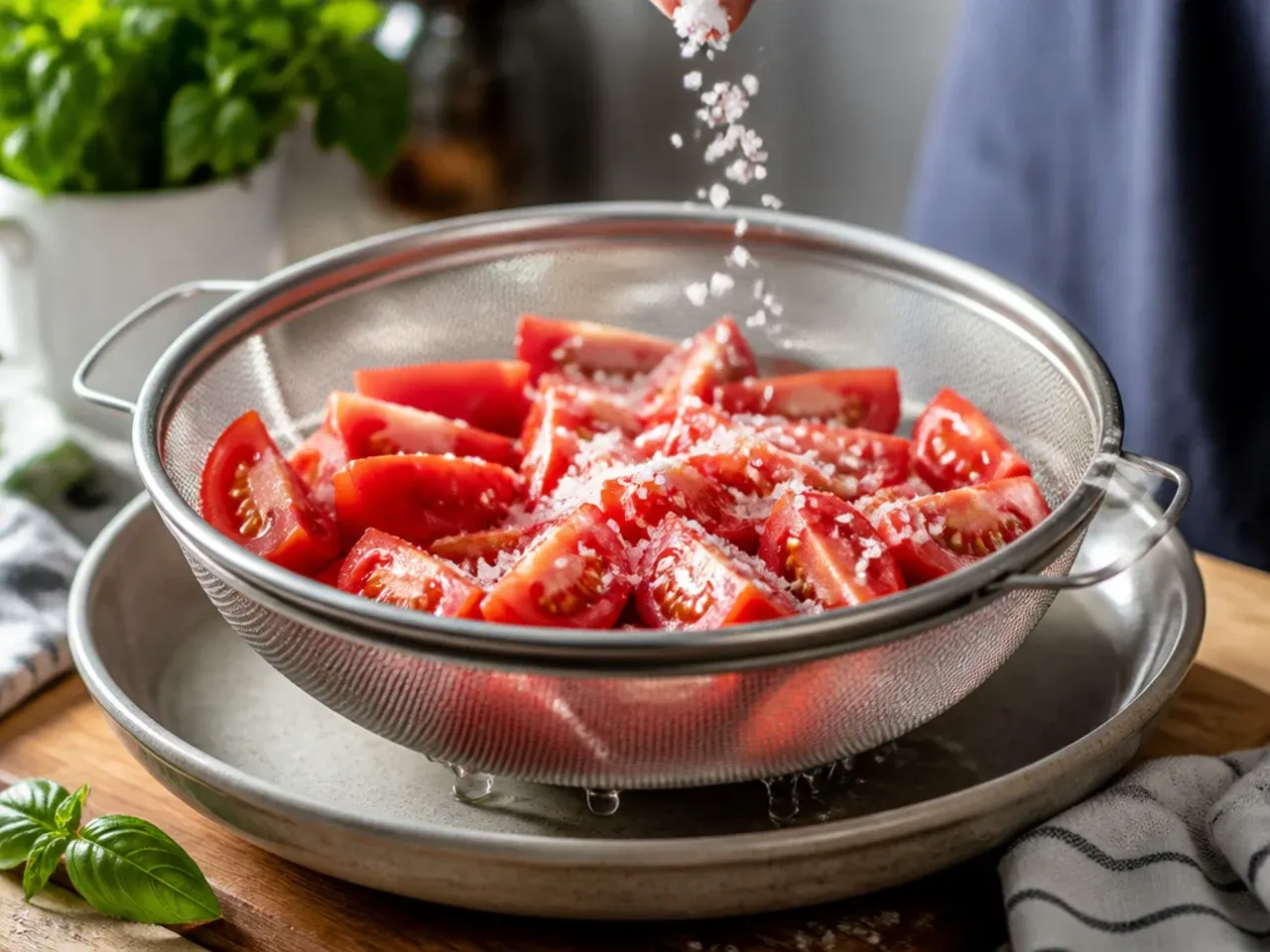
Cut 900 g (2 lb) of mixed tomatoes into wedges or halves and tip them into a colander set over a bowl. Sprinkle with 6 g (1 tsp) fine sea salt, toss gently, and leave to drain for 15-20 minutes until you can see liquid pooling underneath. Discard that liquid rather than adding it back - it's the excess water that would otherwise dilute your dressing.
Step 2: Soften the red onion
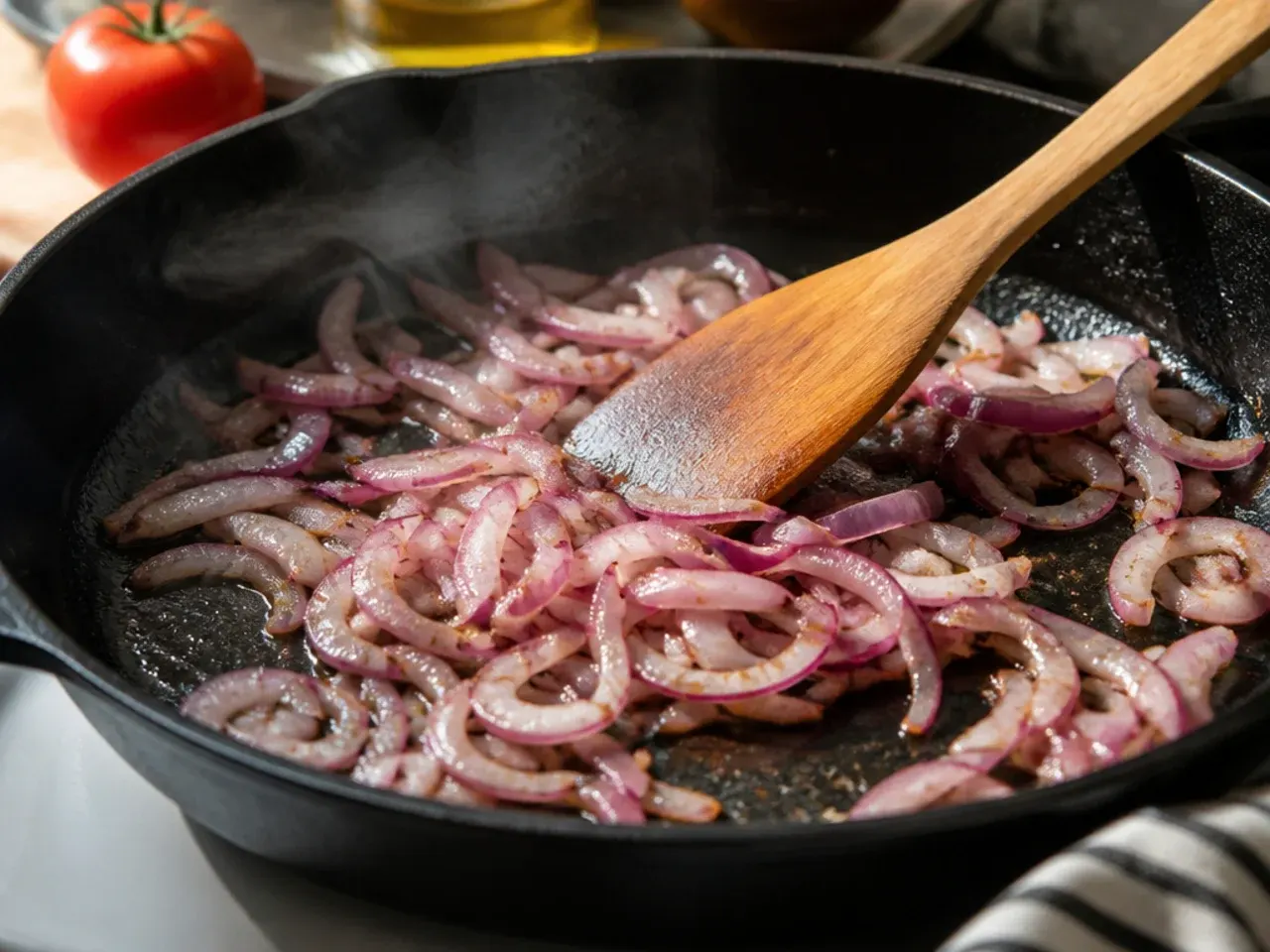
While the tomatoes drain, thinly slice 60 g of red onion and drop the slices into a small bowl of cold water. Let them sit for 10 minutes to mellow their sharp bite, then drain well and pat dry with a clean tea towel. This keeps the crunch and colour but removes the raw harshness that can overpower the salad.
Step 3: Whisk the vinaigrette
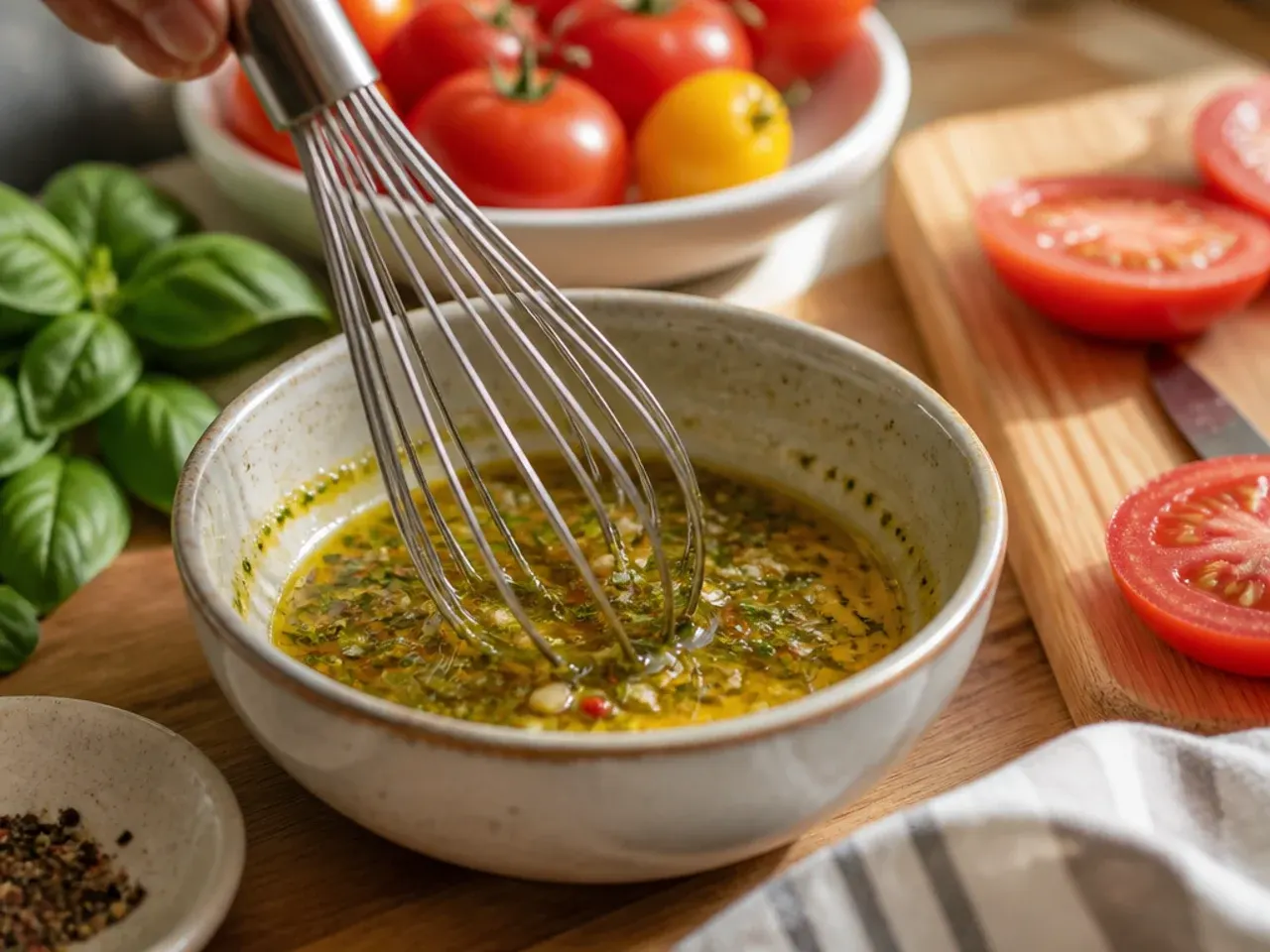
In a small jug, whisk 5 ml (1 tsp) Dijon mustard with 20 ml (4 tsp) red wine vinegar until combined. Slowly stream in 60 ml (1/4 cup) extra virgin olive oil while whisking constantly until the dressing looks thick and glossy rather than separated. Add the minced garlic and taste it on a spoon - it should taste balanced and slightly punchy on its own.
Step 4: Combine tomatoes and onion
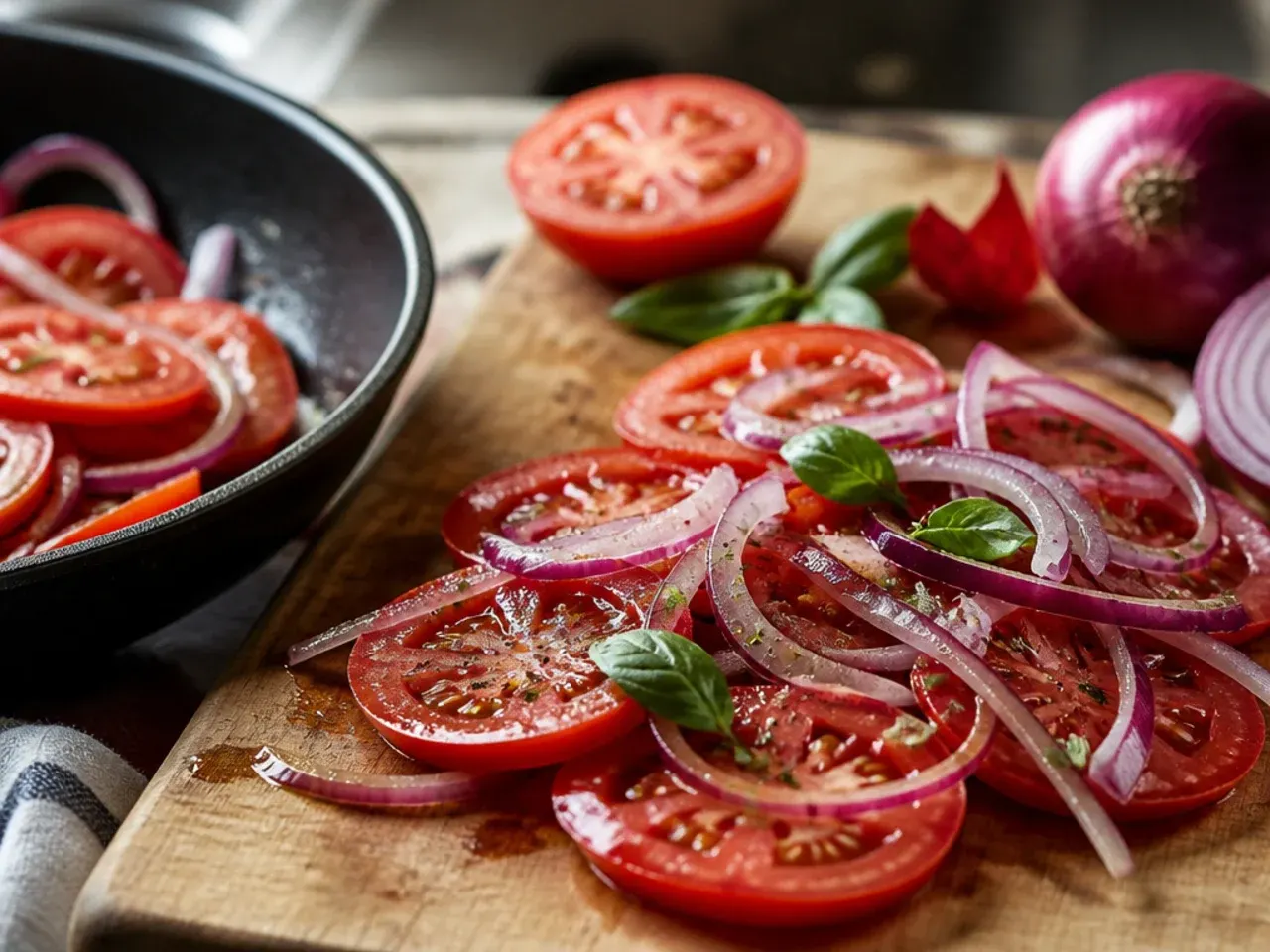
Tip the drained tomatoes and dried onion slices into a large serving bowl. Toss them gently with your hands or two spoons so the onion is distributed evenly through the tomatoes without crushing the wedges.
Step 5: Dress and toss
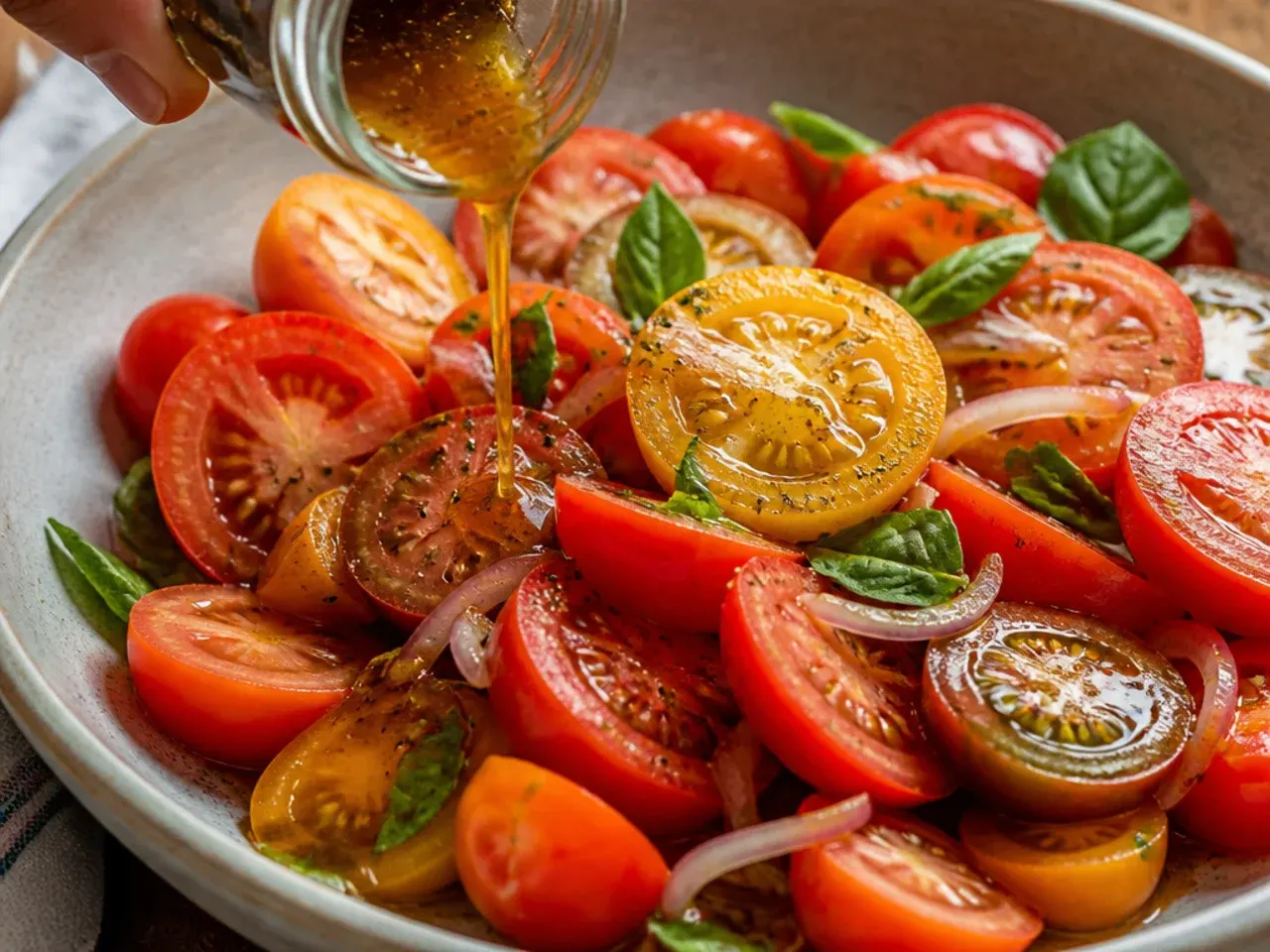
Pour the vinaigrette over the tomatoes and onion and toss gently but thoroughly, making sure every wedge picks up some dressing. Do this no more than 10-15 minutes before you plan to serve, since dressing any earlier lets the tomatoes release even more liquid and turns the bowl watery.
Step 6: Rest briefly
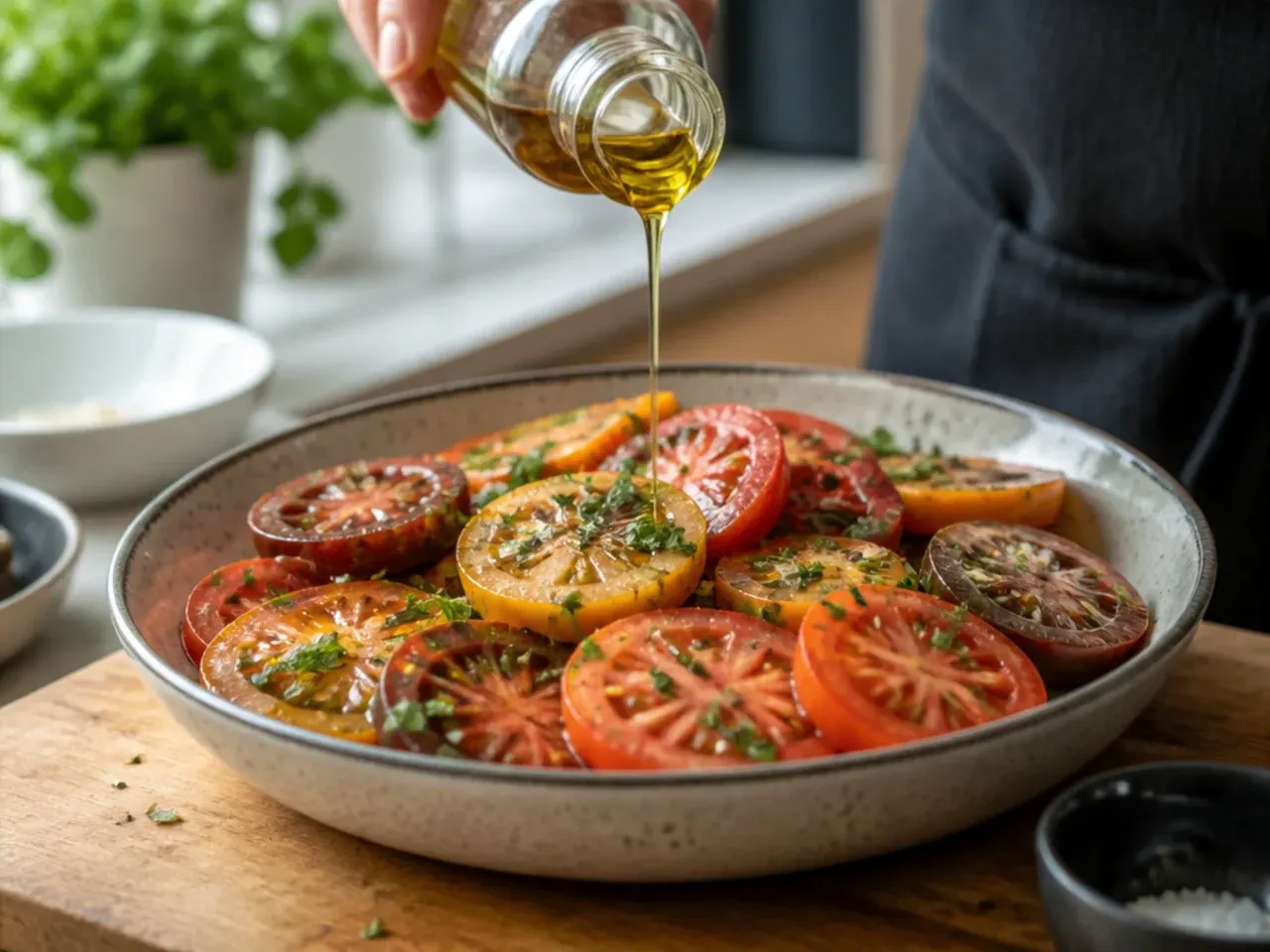
Let the dressed salad sit at room temperature for 10 minutes so the flavours meld and the tomatoes soften just slightly at the edges. Resist the urge to refrigerate it during this rest, since cold temperatures mute the tomatoes' flavour right when you want it most.
Step 7: Finish and serve
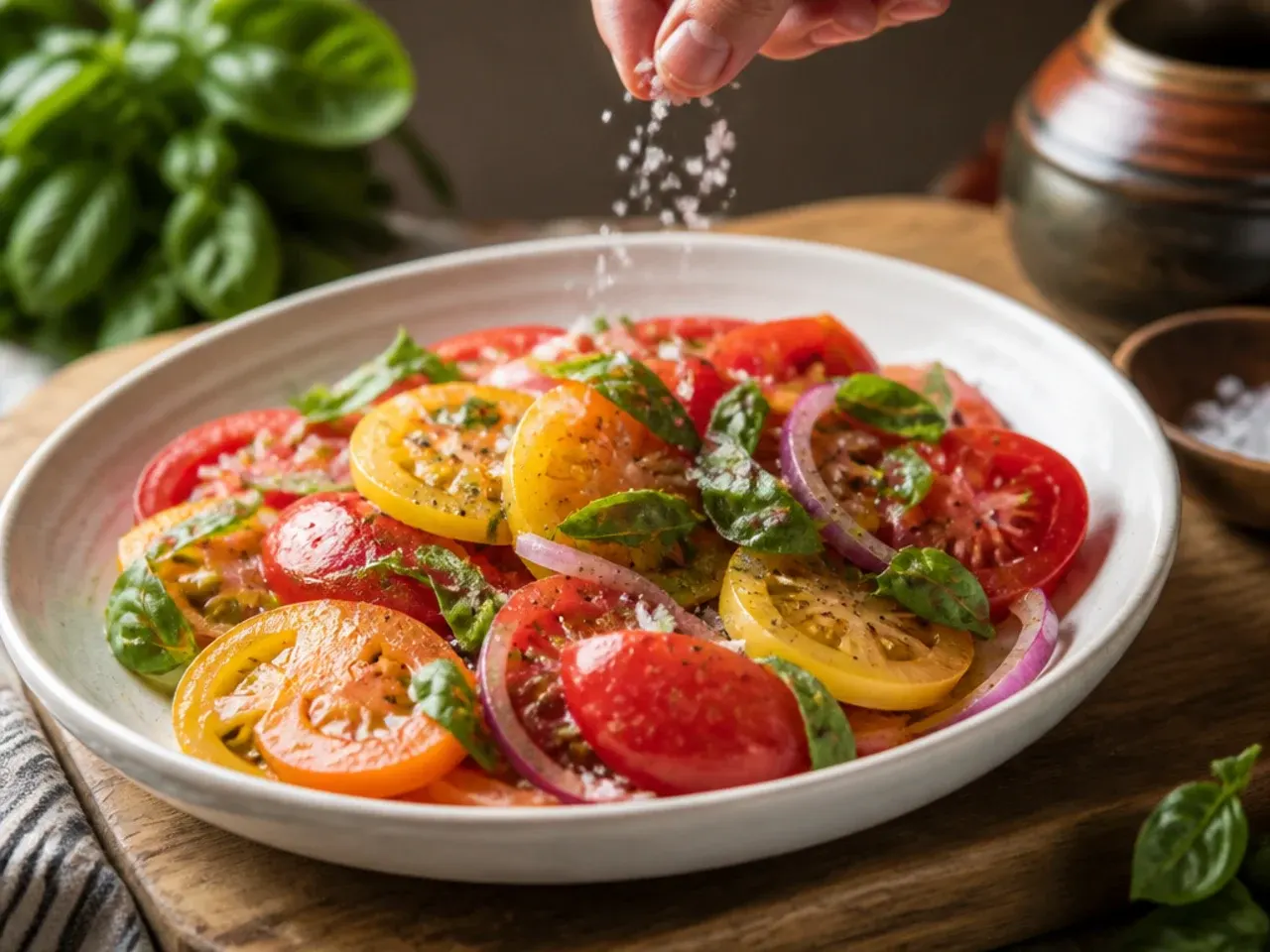
Just before serving, tear over 15 g (1/4 cup) fresh basil leaves by hand rather than chopping them, then scatter 100 g (3.5 oz) crumbled feta on top. Finish with a pinch of flaky sea salt and freshly ground black pepper, and serve immediately while the tomatoes are at their best.
Frequently Asked Questions
Yes, but keep the components separate rather than fully dressing the salad in advance. Salt and drain the tomatoes, slice and soak the onion, and whisk the dressing up to a day ahead, storing each in its own airtight container in the fridge. Combine everything, along with the fresh basil and cheese, in the 10-15 minutes before you plan to serve. Dressing the tomatoes any earlier lets them release liquid and turns the salad watery and limp by the time guests arrive.
Save this for later 📌
Pin this article to your Pinterest board so the full list is one tap away when you need it.
Save on Pinterest