20 Easy Black Cake Recipes to Try
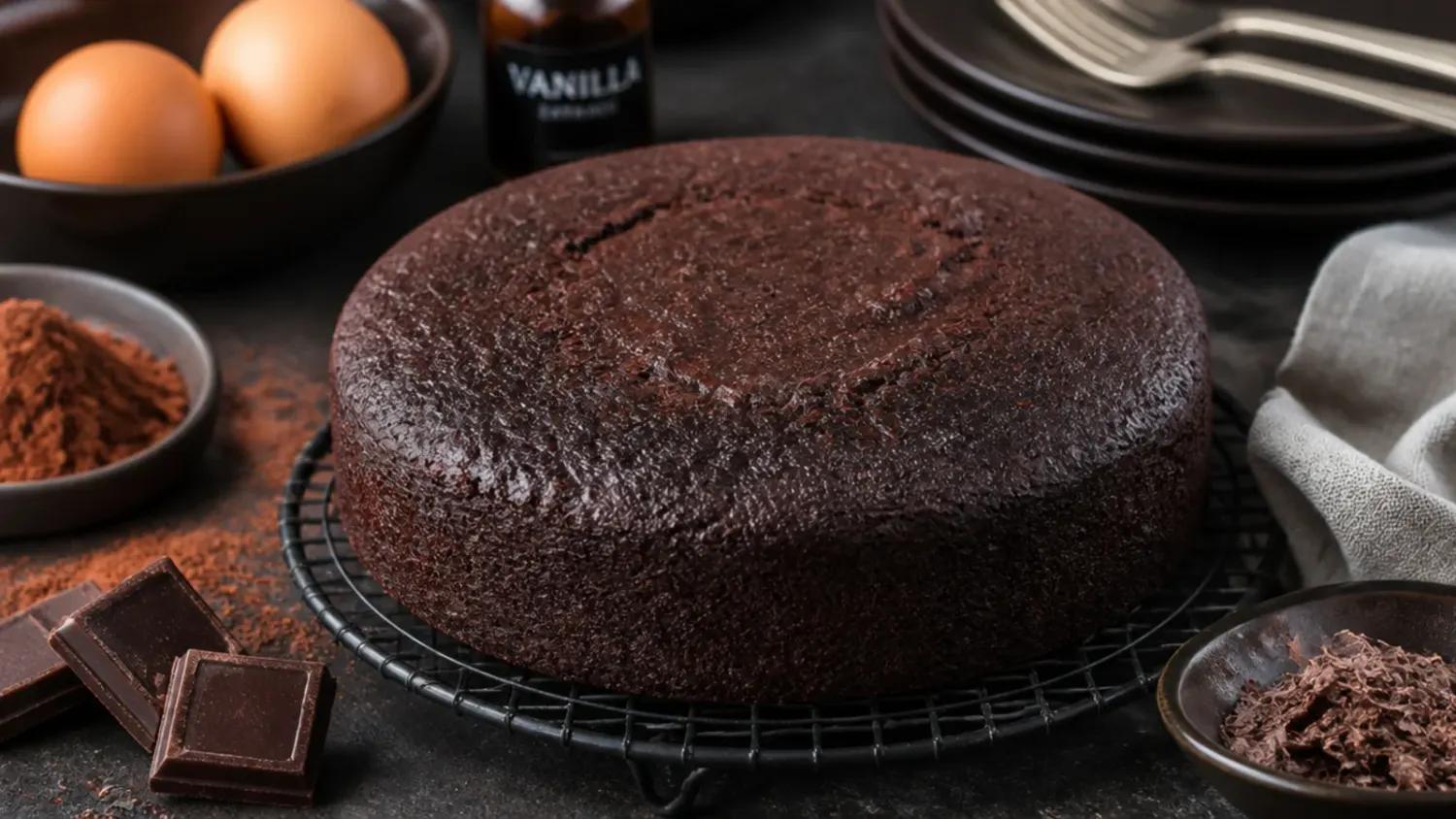
Find 20 easy black cake recipe ideas, from classic Trinidadian rum-soaked fruit cake to quick overnight soaks, plus a step-by-step base recipe. If you love black cake inspiration, start with our Black Cake Recipes & Ideas collection, then browse the full Cake Ideas hub for more.

Save this for later 📌
Pin this article to your Pinterest board so the full list is one tap away when you need it.
Save on PinterestCake Ideas
Intermediate
Ideas
20 ideas
Table of Contents
- 1. Classic Trinidadian Burnt Sugar Black Cake
- 2. Overnight Quick-Soak Black Cake
- 3. Jamaican Wedding Black Cake with Royal Icing
- 4. Mini Black Cake Cupcakes with Rum Buttercream
- 5. Alcohol-Free Black Cake for the Whole Family
- 6. Guyanese Black Cake with Homemade Browning
- 7. Cherry and Candied Peel Topped Black Cake
- 8. Naked Black Cake with Apricot Glaze
- 9. Christmas Black Cake with Spiced Rum Butter Glaze
- 10. Black Cake Trifle with Rum Custard
- 11. Espresso and Stout Black Cake
- 12. Light-Crumb Black Cake with Breadcrumbs
- 13. Heirloom Loaf-Tin Black Cake Aged in Rum Cloth
- 14. Black Cake Rum Truffles
- 15. Individual Black Cake Gift Jars
- 16. Bajan Great Cake with Falernum
- 17. One-Bowl Food Processor Black Cake
- 18. Two-Tier Celebration Black Cake with Gold Leaf
- 19. Black Cake Cake Pops
- 20. Gluten-Free Black Cake
- Tips to Make These Ideas Easier
- Common Mistakes to Avoid
- The Base Recipe — Make Any of These Ideas
1. Classic Trinidadian Burnt Sugar Black Cake
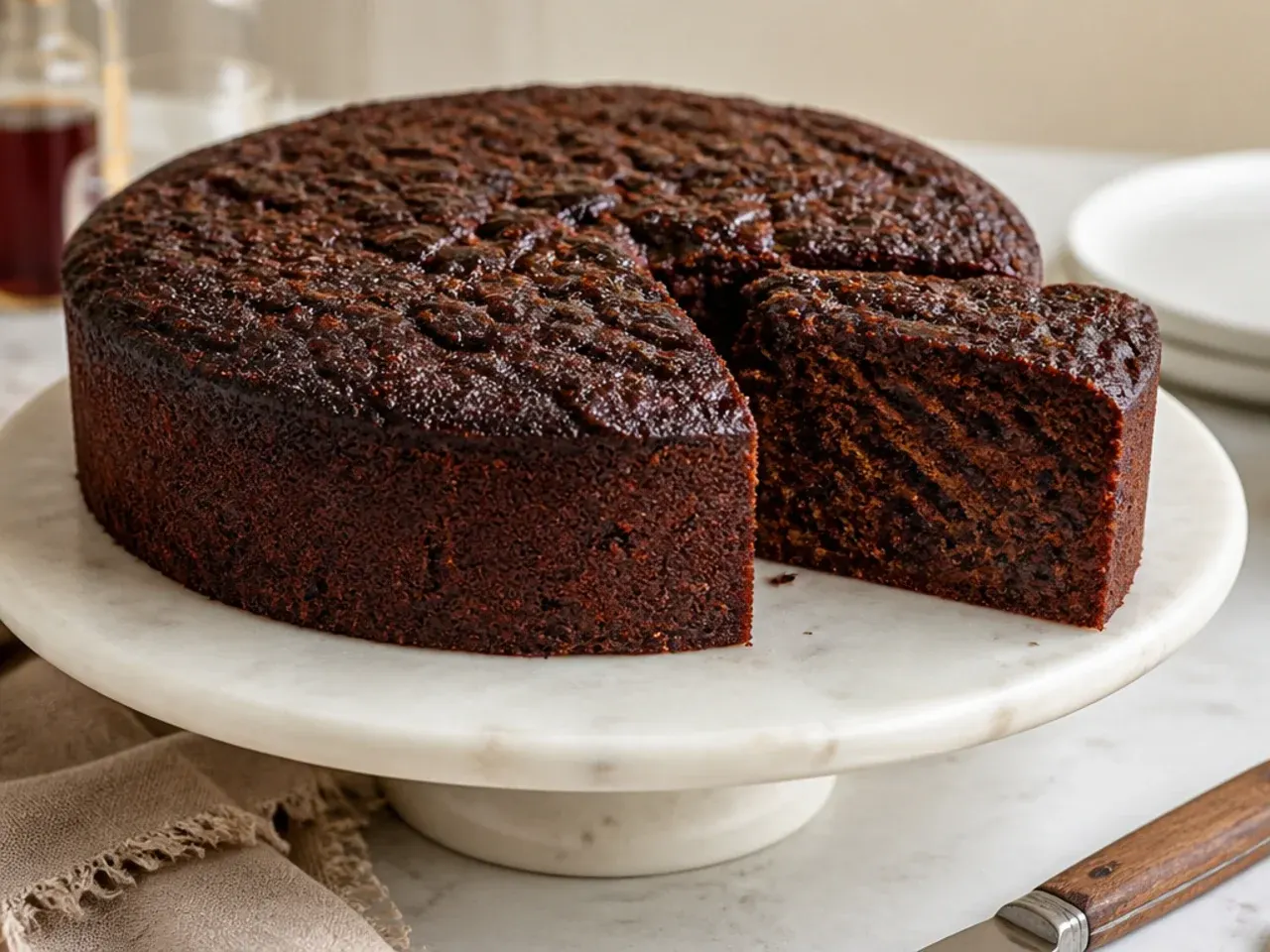
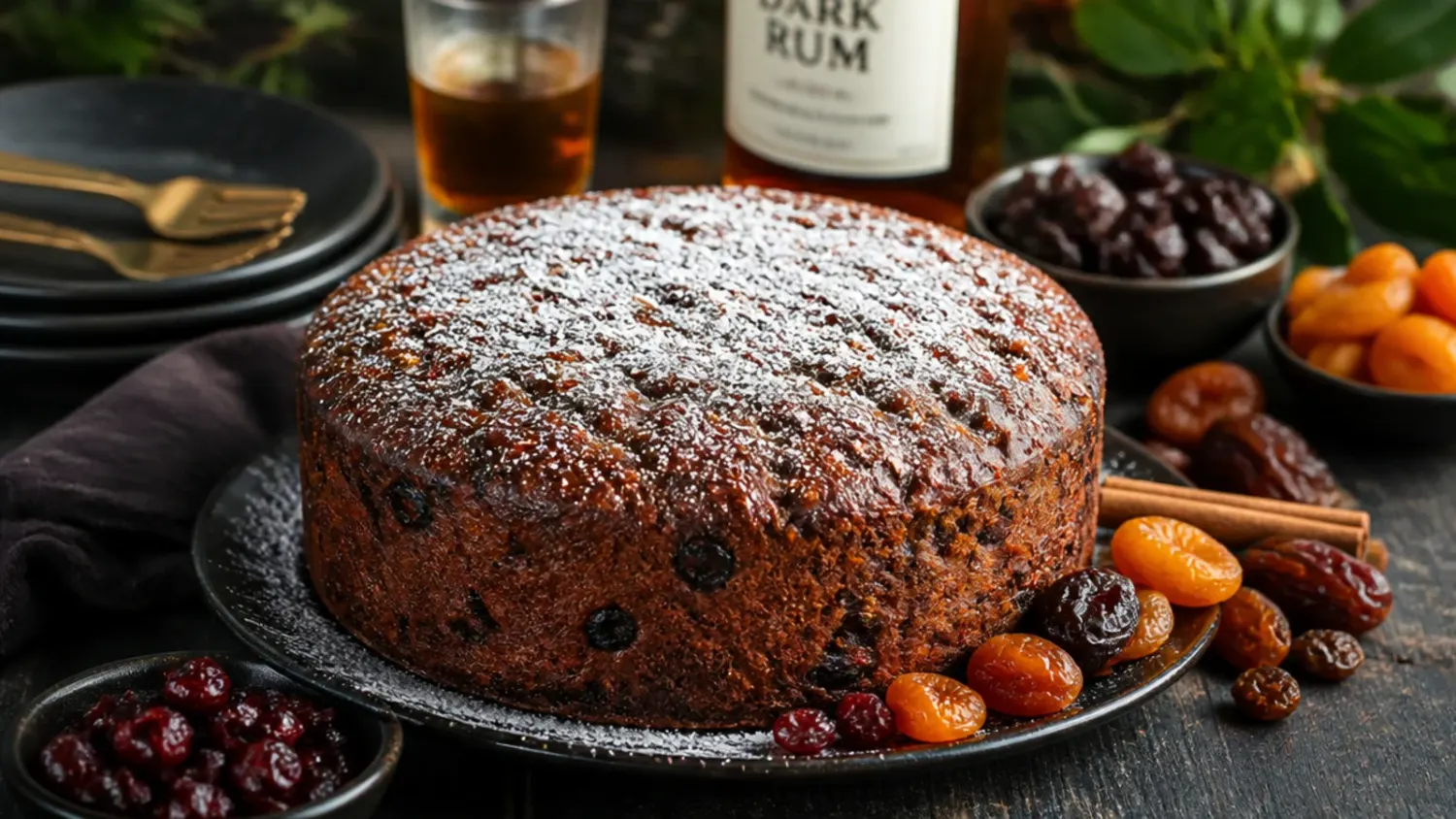
This is the black cake most Caribbean families serve at Christmas: dried prunes, raisins, currants and cherries soaked in dark rum and cherry brandy, bound in a spiced batter darkened with burnt sugar. The long soak is what sets it apart, so give the fruit at least one week in the alcohol, and up to three months if you plan ahead. To make the burnt sugar, melt 200 g granulated sugar in a heavy pan over medium heat until it turns almost black and just starts to smoke, then carefully stir in 120 ml boiling water off the heat. Add a dash of Angostura bitters and 1 tablespoon of lime zest to the batter for the authentic Trini flavor. Bake in two 20 cm (8 inch) round tins at 135°C (275°F) for 60 to 80 minutes, then brush the hot cakes with a mix of rum and cherry brandy.
2. Overnight Quick-Soak Black Cake
No months-old jar of soaked fruit? Simmer 450 g of chopped dried fruit in 240 ml rum and 240 ml port over low heat for 15 to 20 minutes, cover, and let it sit overnight, and the fruit will plump up almost as well as a long soak. This is the shortcut behind the base recipe further down this page, and it means you can decide to bake black cake on Friday and serve it Sunday. The gentle heat opens up the dried fruit so it absorbs the alcohol fast instead of over weeks. Bake it at 150°C (300°F) in a 23 cm (9 inch) tin for about 1 hour 30 minutes. The flavor still deepens noticeably if you wrap the baked cake and wait two days before cutting.
3. Jamaican Wedding Black Cake with Royal Icing
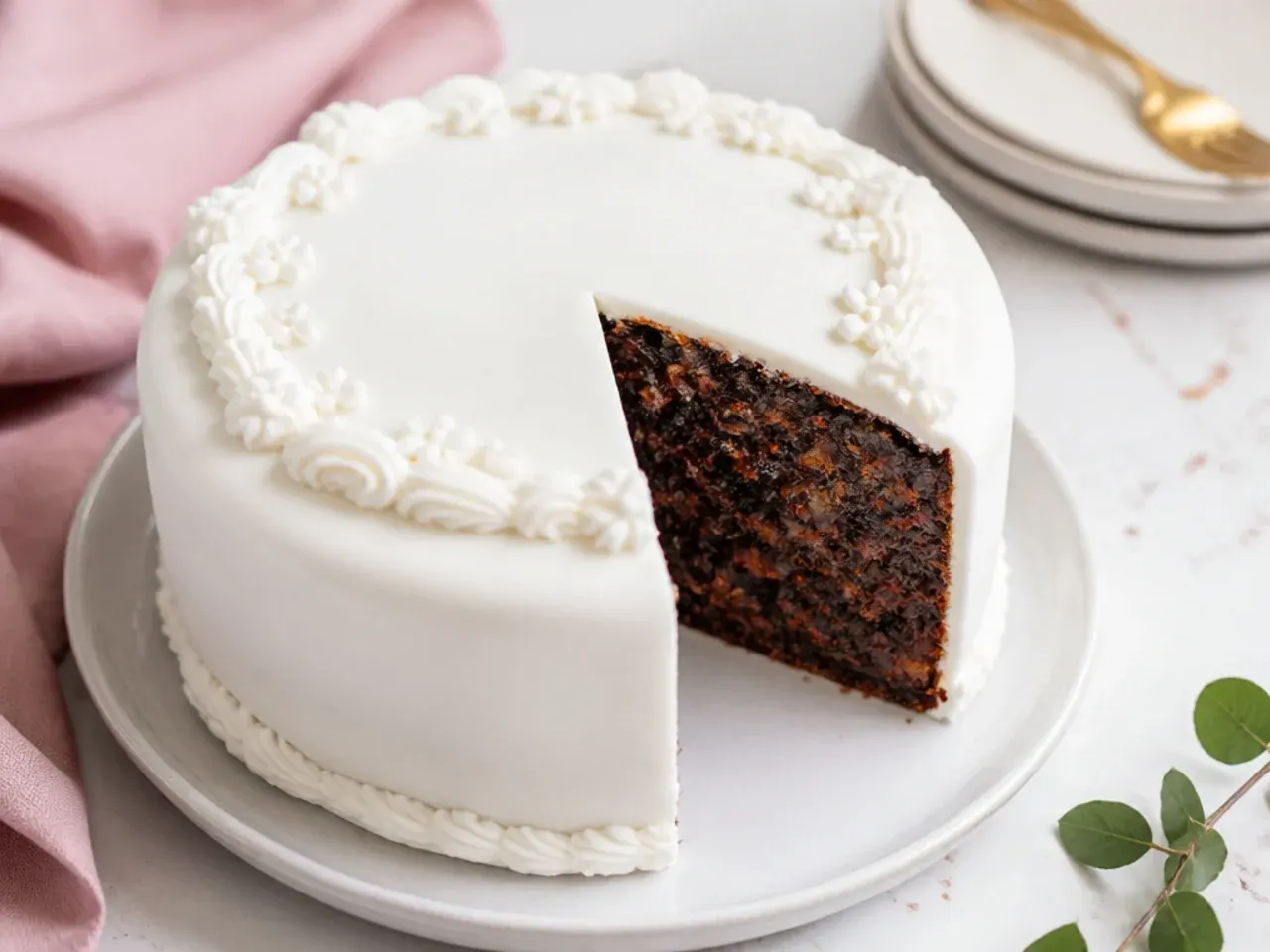
Across the Caribbean, black cake is the traditional wedding cake, finished with a smooth white shell of marzipan and royal icing. Brush the cooled cake with 3 tablespoons of warm, sieved apricot jam, then roll 500 g marzipan to 5 mm thick and smooth it over the top and sides. Let the marzipan dry for 24 hours so the oils do not stain the icing, then spread on two thin coats of royal icing (2 egg whites or 15 g meringue powder beaten with 400 g icing sugar), letting each coat dry before the next. The bright white against the near-black crumb is what makes the first slice so dramatic. Finish with a ribbon around the base or piped snail-trail borders using a Wilton #5 round tip.
4. Mini Black Cake Cupcakes with Rum Buttercream
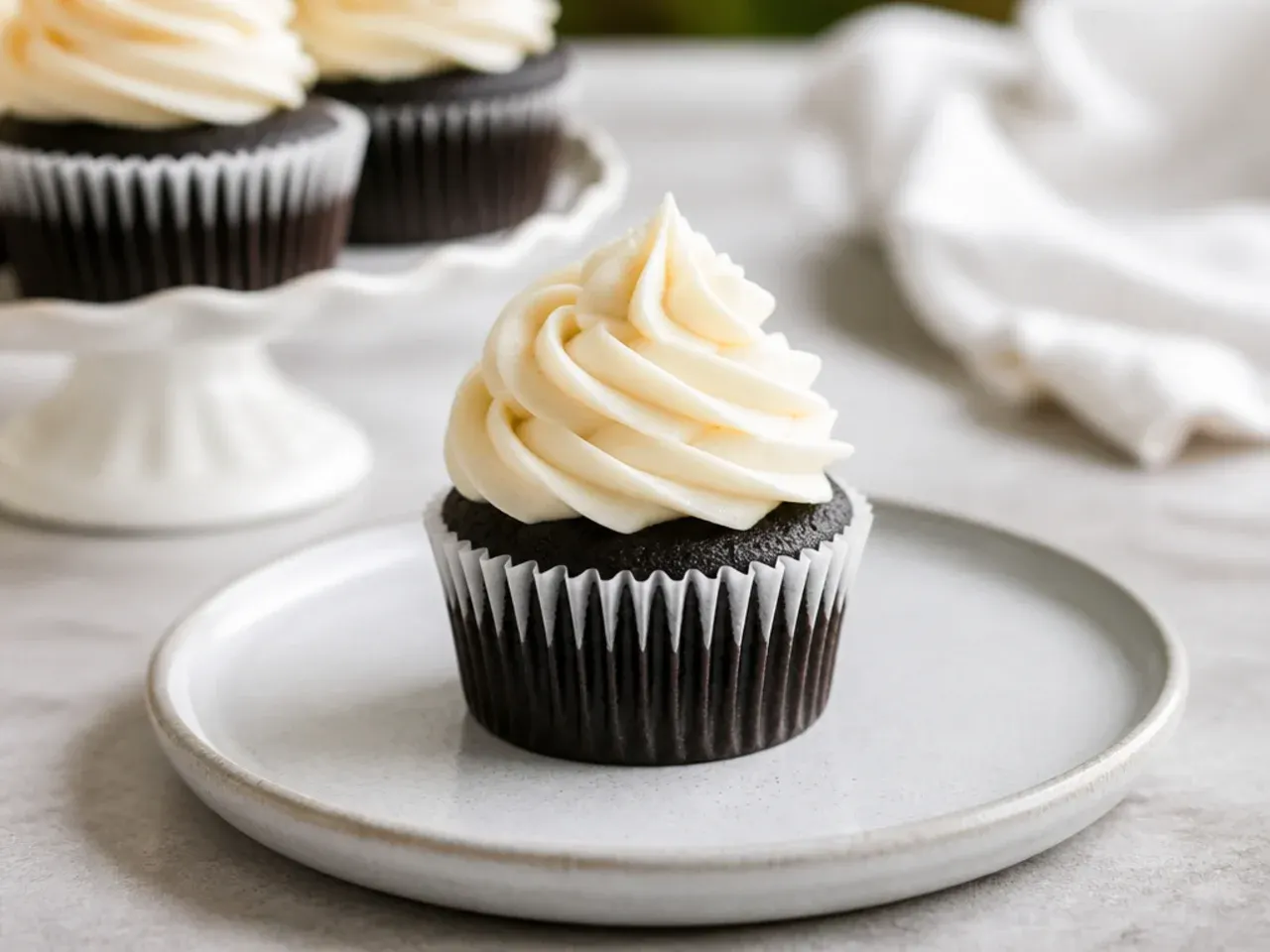
Portion the base batter into a paper-lined 12-hole muffin tin, filling each case two-thirds full, and bake at 160°C (325°F) for 22 to 25 minutes. Cupcakes solve the biggest black cake problem at parties: slicing a sticky, dense cake neatly for a crowd. Top each one with a swirl of rum buttercream made from 250 g softened butter, 500 g icing sugar and 2 tablespoons dark rum, piped with a Wilton 1M tip in one continuous spiral. A single glacé cherry or a curl of candied orange peel on each swirl keeps decorating fast. They also freeze well un-iced for up to two months, so you can bake ahead for a party.
5. Alcohol-Free Black Cake for the Whole Family
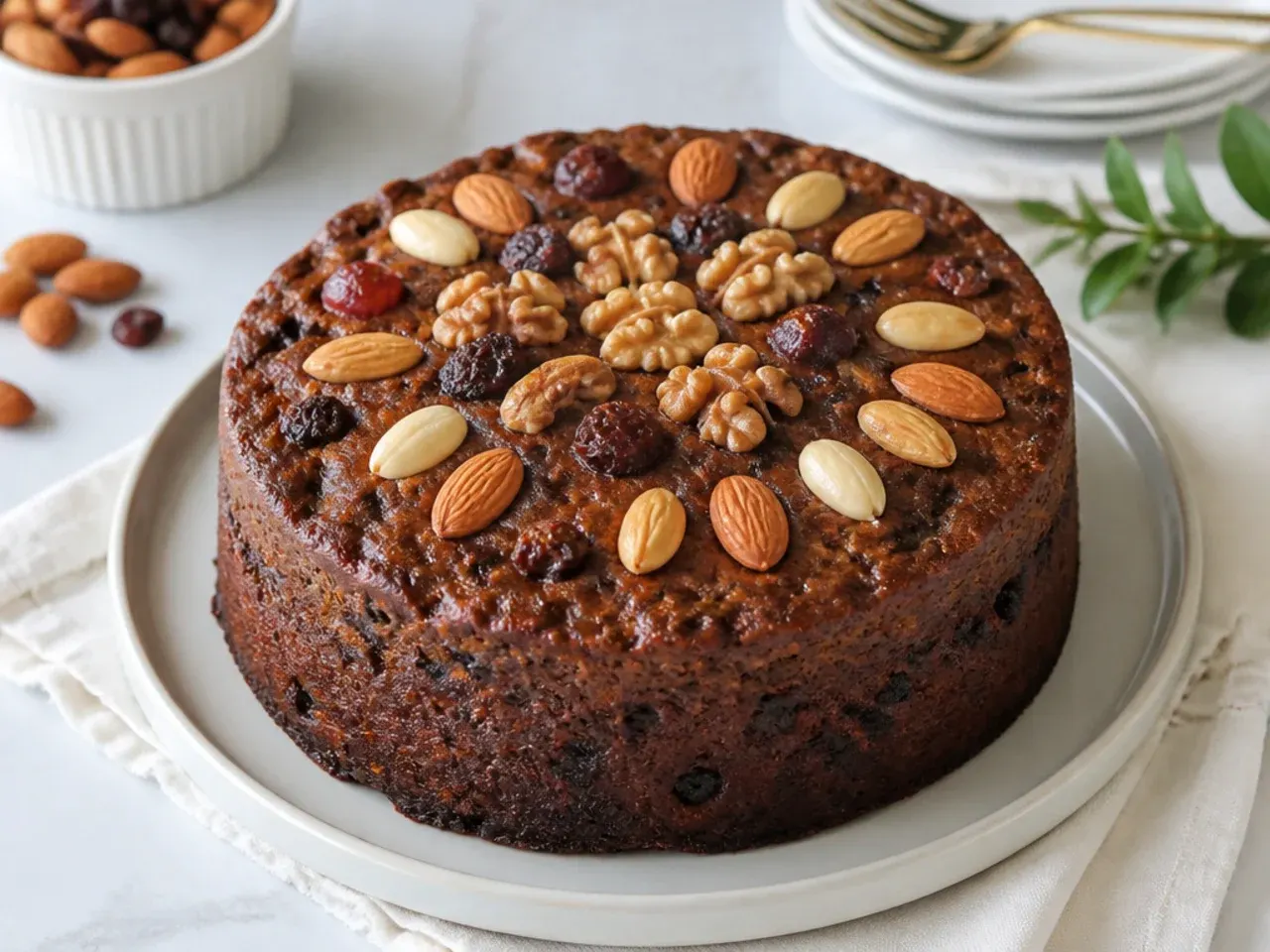
You can keep all the depth of a black cake recipe without any rum, which most traditional recipes never address. Soak the 450 g of dried fruit in 240 ml red grape juice and 240 ml orange juice with 1 teaspoon of mixed essence or vanilla, refrigerated for 24 to 48 hours. A tablespoon of lime juice in the soak adds the sharp edge that alcohol normally provides. Bake exactly as the base recipe at 150°C (300°F), then brush the warm cake with a syrup of 3 tablespoons grape juice simmered with 1 tablespoon brown sugar instead of rum. Because there is no alcohol to preserve it, store this version wrapped in the fridge and eat it within a week.
Save this for later 📌
Pin this article to your Pinterest board so the full list is one tap away when you need it.
Save on Pinterest6. Guyanese Black Cake with Homemade Browning
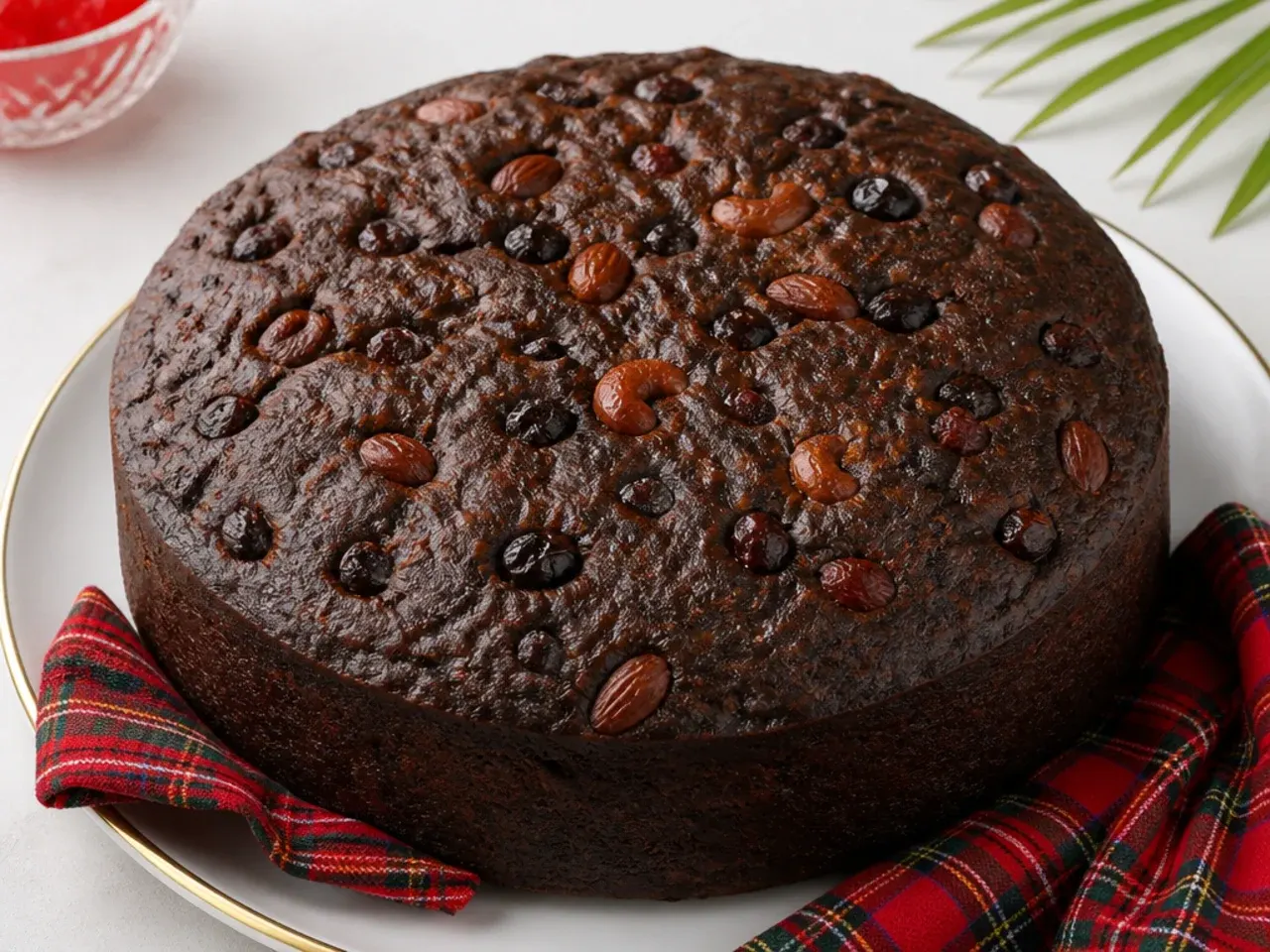
Guyanese-style black cake leans darker and firmer than the Trini version, and the key is making your own browning rather than using a bottle. Melt 200 g demerara sugar in a heavy-bottomed pot over medium heat, stirring with a wooden spoon as it goes from amber to deep mahogany to nearly black with thin wisps of smoke, then remove from the heat and slowly stir in 120 ml boiling water, standing back because it spits. The result should taste bittersweet, not acrid; if it tastes burnt and harsh, start again, because that bitterness goes straight into the cake. Use 3 to 4 tablespoons in the batter, folding it in last until the color is even. Homemade browning keeps in a jar at room temperature for months, so make a double batch.
7. Cherry and Candied Peel Topped Black Cake
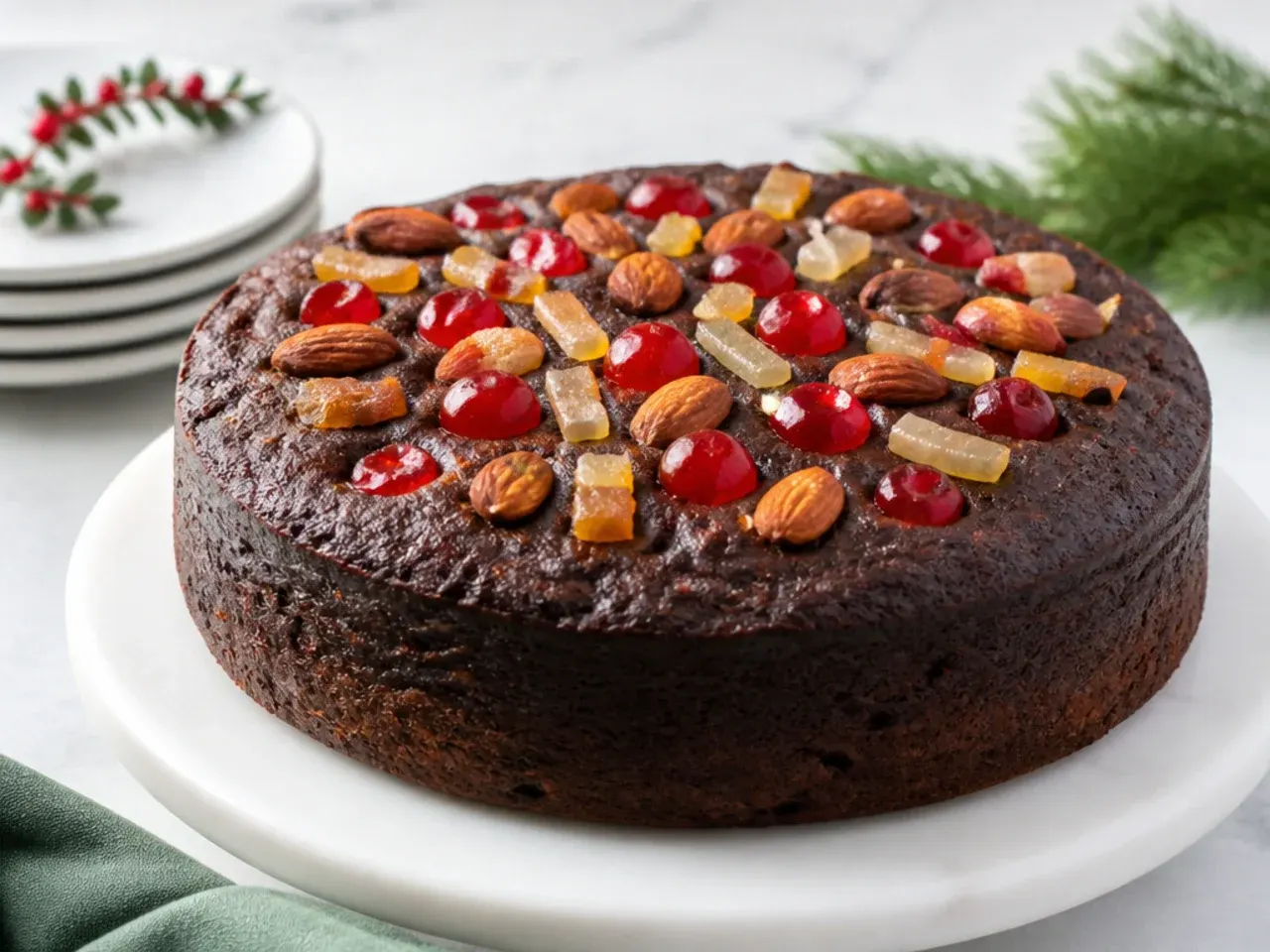
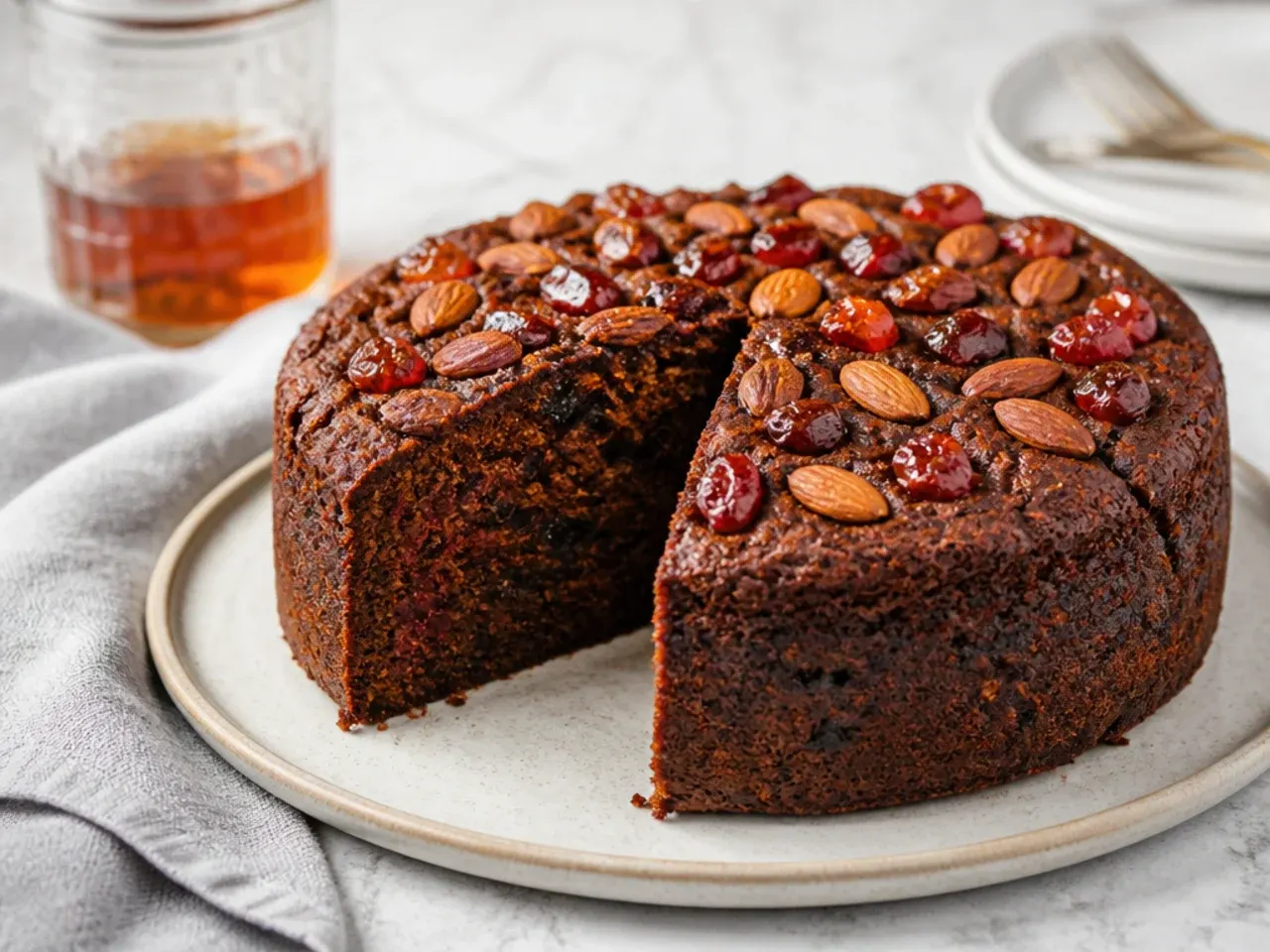
For a cake that needs zero piping skill, decorate the top with the same fruit that went into it. Arrange halved red and green glacé cherries, strips of candied orange peel and whole blanched almonds in concentric rings over the batter just before baking, or glue them onto the cooled cake with 2 tablespoons of warm apricot jam. Brush the finished top with a glaze of 1 tablespoon honey warmed with 1 tablespoon rum so the fruit gleams under the light. The jewel colors against the dark crumb read as festive without a single gram of icing sugar. This style also travels well because there is no frosting to smudge in the tin.
8. Naked Black Cake with Apricot Glaze
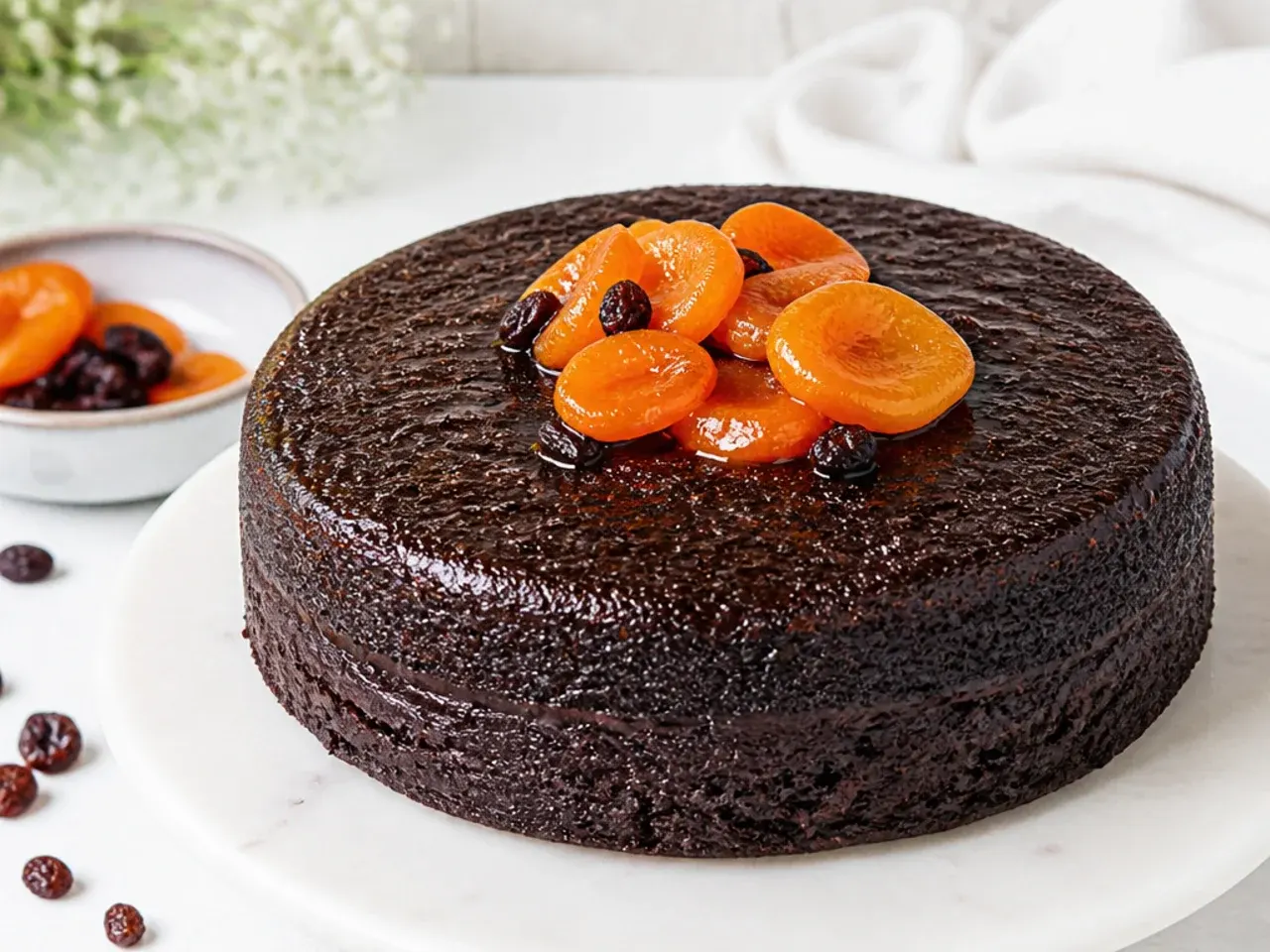
Black cake is rich enough that it genuinely does not need frosting, so this minimal version just gets a thin shine. Warm 3 tablespoons of apricot jam with 1 tablespoon of rum, push it through a sieve, and brush it over the top and sides of the cooled cake for a clean, glassy finish. If you want one decorative touch, lay a paper doily on top and dust icing sugar through it, then lift the doily straight up for a lace pattern. Serve slices with softly whipped, unsweetened double cream, which balances the sweetness of the fruit. This is the easiest idea on the list to pull off on a busy week, taking under five minutes after baking.
9. Christmas Black Cake with Spiced Rum Butter Glaze
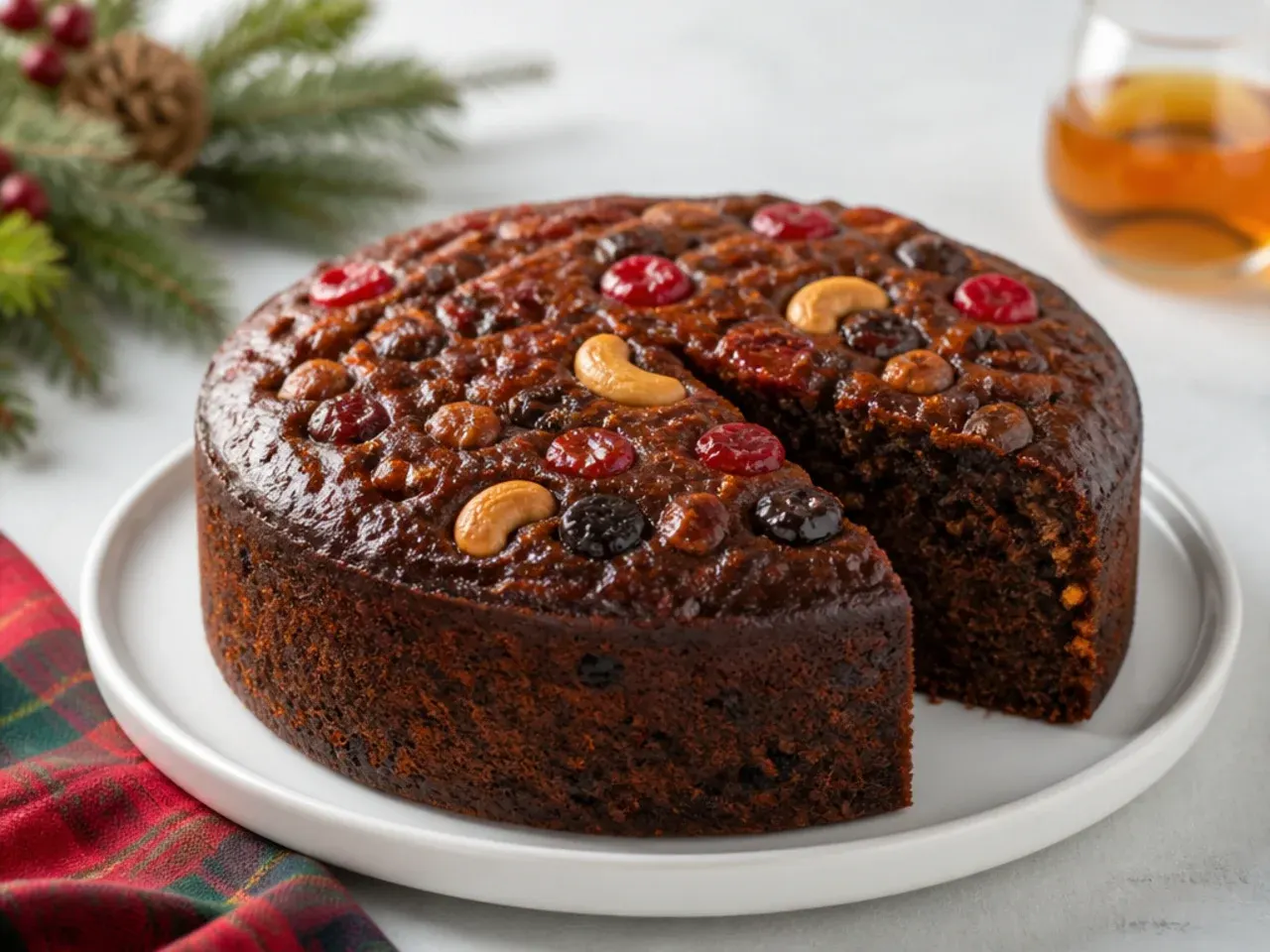
This is the version to make in December, finished with a hot poured glaze instead of icing. Simmer 115 g butter, 100 g brown sugar, 60 ml dark rum, 60 ml port and 1 teaspoon vanilla for 3 to 4 minutes until slightly syrupy. Poke the hot, just-baked cake all over with a skewer and pour the warm glaze slowly over the top so it soaks into the holes rather than pooling. Add an extra ½ teaspoon of cinnamon and the zest of an orange to the base batter to push it further into Christmas territory. Wrapped well, the glazed cake keeps for weeks and actually improves, so bake it in late November and serve on the day.
10. Black Cake Trifle with Rum Custard
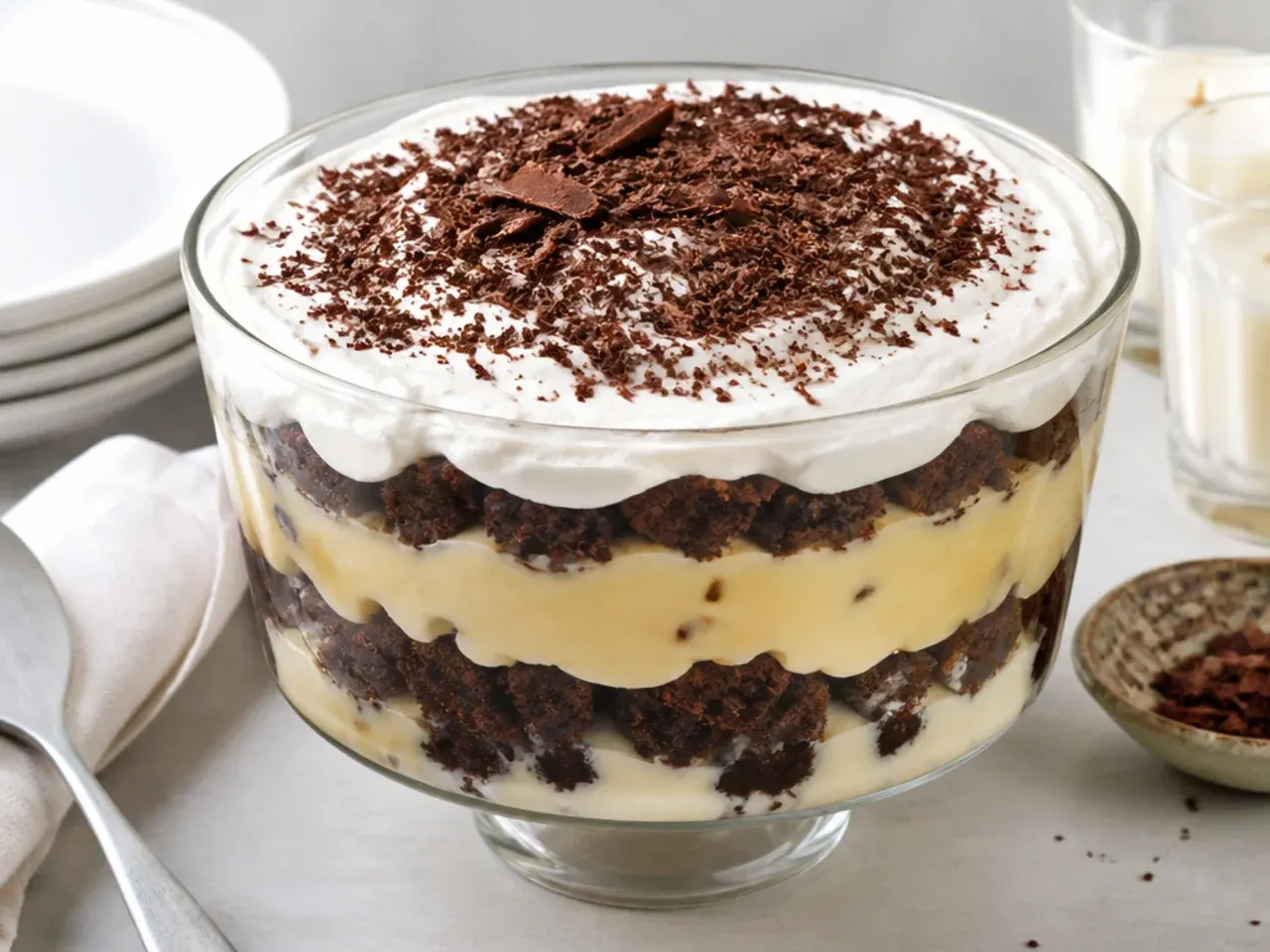
A trifle is the smartest use for black cake trimmings, a slightly over-baked cake, or one that crumbled coming out of the tin. Cut about 400 g of cake into 2 cm cubes and layer them in a glass bowl with 500 ml of thick vanilla custard spiked with 1 tablespoon of rum, 300 ml of softly whipped cream, and a handful of halved cherries. Repeat the layers twice, finishing with cream and a grating of nutmeg, then chill for at least 4 hours so the cake softens into the custard. The dark cake cubes striped against pale custard look striking through the glass. It stretches one modest cake into a dessert for 10 to 12 people.
Save this for later 📌
Pin this article to your Pinterest board so the full list is one tap away when you need it.
Save on Pinterest11. Espresso and Stout Black Cake
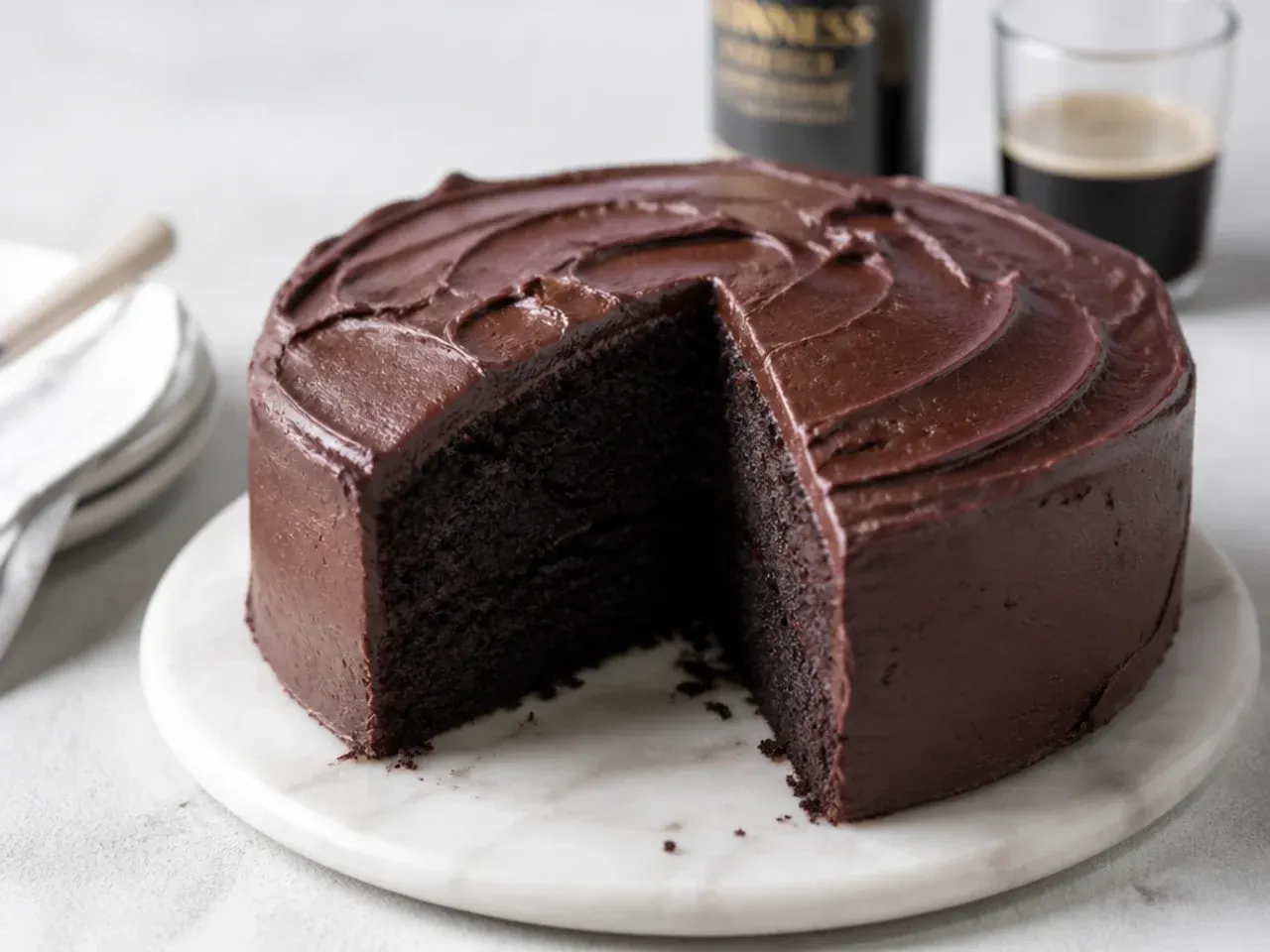
For an even deeper, less sweet cake, bring coffee and dark beer into the soak. Replace 60 ml of the port with a double shot of cooled espresso, and use 180 ml of stout such as Guinness or Dragon Stout as part of the soaking liquid alongside the rum. Both add roasted, bitter notes that echo the burnt sugar, so you can cut the browning back to 2 tablespoons and still get a near-black crumb. The malty stout also keeps the crumb noticeably moist. Bake as the base recipe at 150°C (300°F), and serve slices with strong coffee, which this version was built for.
12. Light-Crumb Black Cake with Breadcrumbs
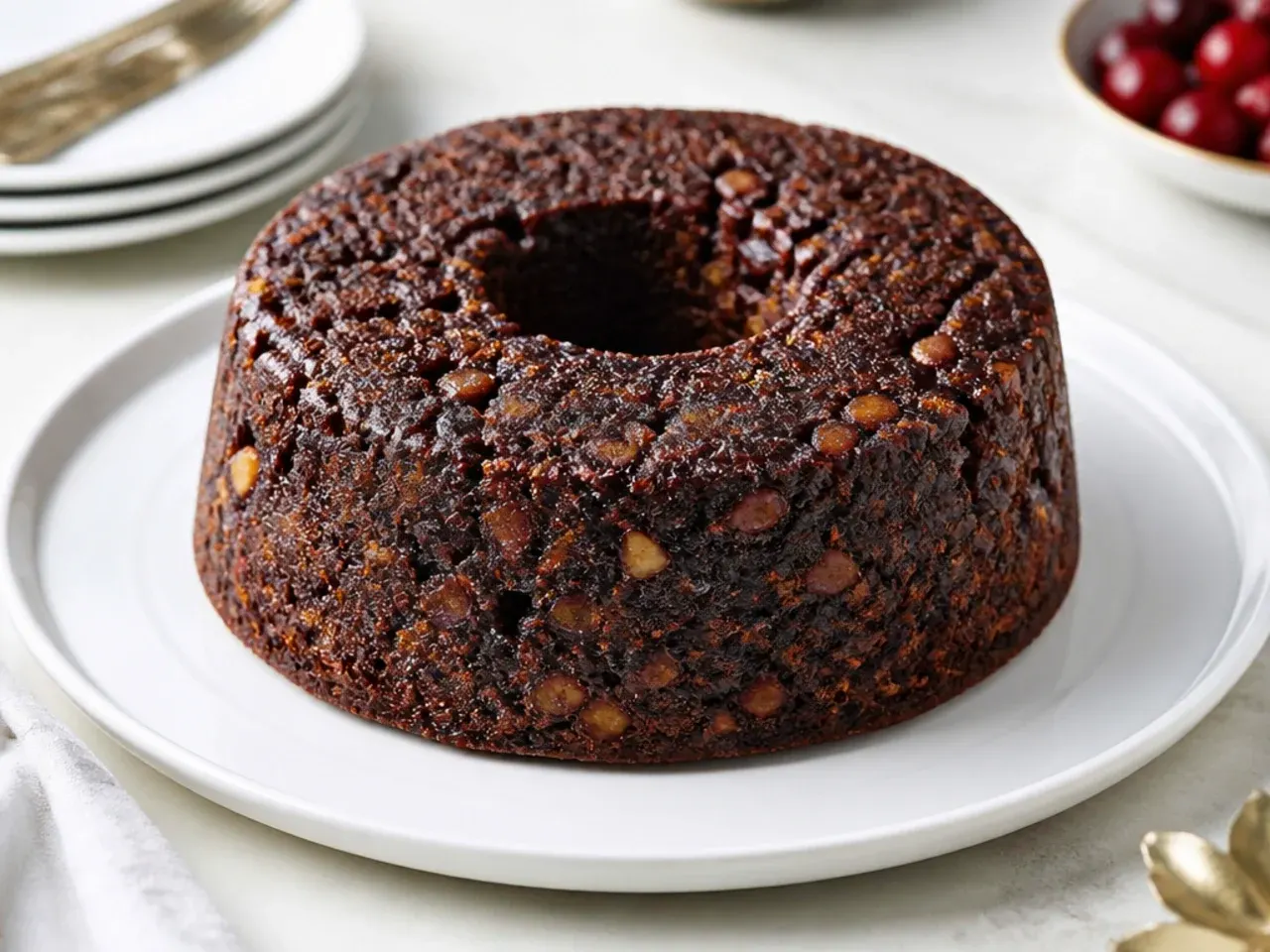
If dense fruit cake is not your thing, borrow the Jamaican trick of cutting the flour with fine dry breadcrumbs. Use 125 g plain flour plus 125 g unseasoned fine breadcrumbs in place of the 250 g flour in the base recipe, keeping the 2 teaspoons of baking powder. Breadcrumbs absorb the fruit's moisture without building gluten, so the crumb bakes up softer and more open while staying moist. Cream the butter and sugar a full 5 minutes for extra lift before adding the eggs. The result slices cleanly but eats closer to a soft pudding cake, which makes it a good gateway black cake for skeptics.
13. Heirloom Loaf-Tin Black Cake Aged in Rum Cloth
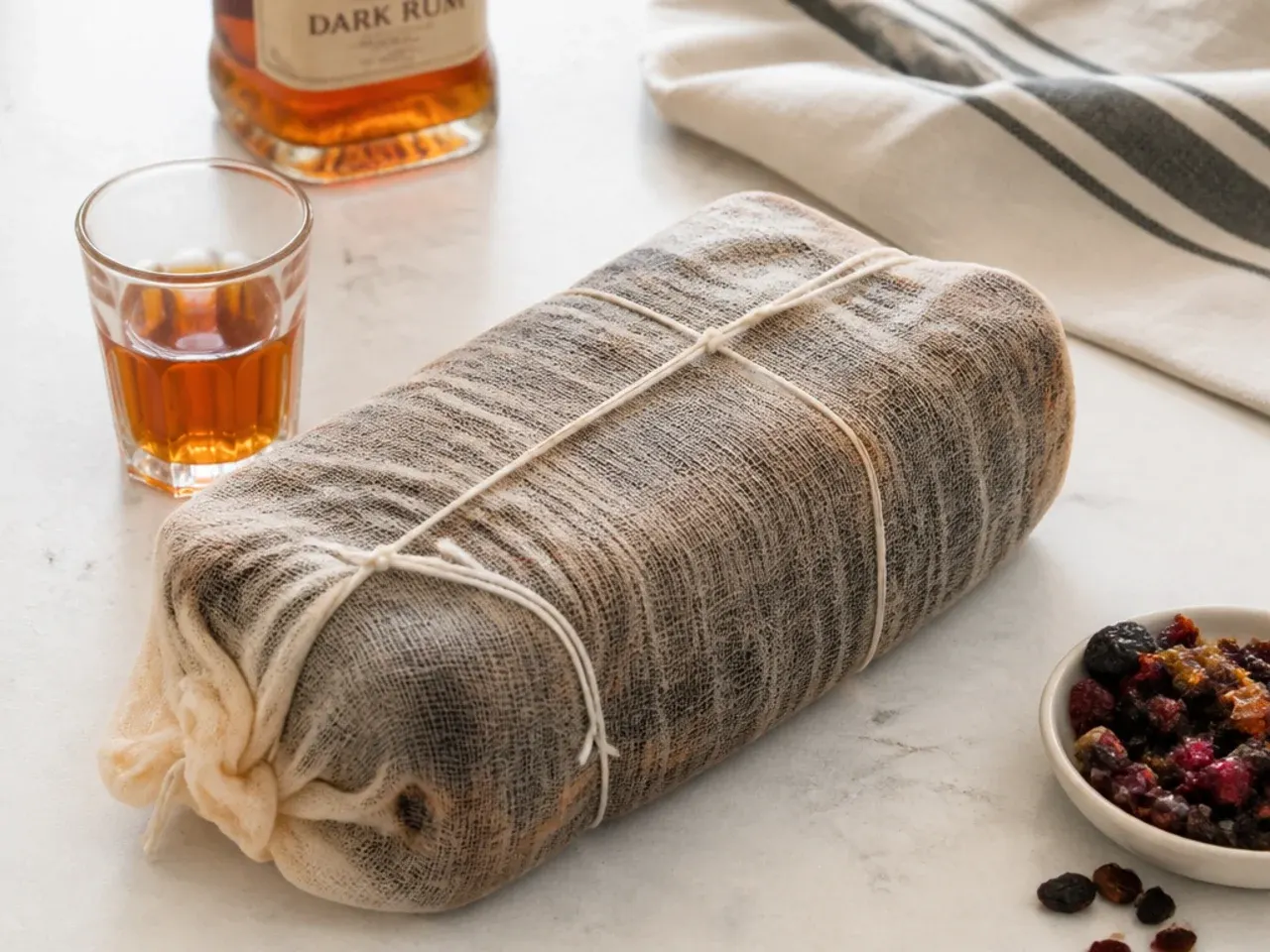
This is how older generations matured their cakes for weddings and Christmas, and it still works beautifully. Divide the base batter between two greased and lined 900 g (2 lb) loaf tins and bake at 140°C (285°F) for 75 to 90 minutes, until a skewer comes out with moist crumbs. Once cool, wrap each loaf in muslin soaked in dark rum, then in baking parchment and foil, and store in a tin in a cool cupboard. Unwrap once a week, brush with 1 tablespoon of rum, and rewrap; after three to four weeks the texture turns dense, sticky and deeply aromatic. Loaves also slice thinner and neater than rounds, which is exactly what you want with a cake this rich.
14. Black Cake Rum Truffles
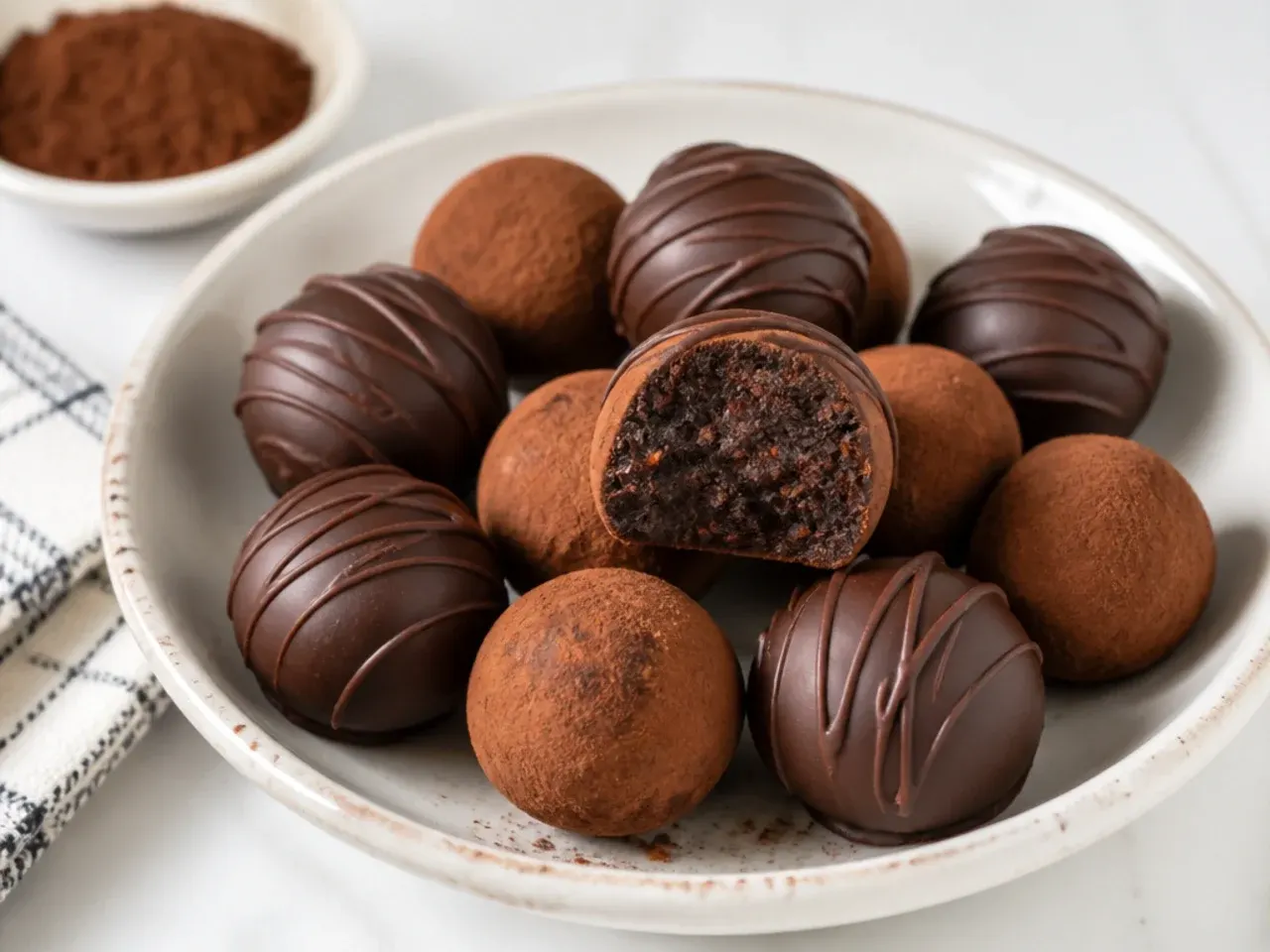
Turn leftover cake into an edible gift nobody else will be handing out. Crumble 300 g of black cake finely, work in 2 tablespoons of melted dark chocolate and 1 tablespoon of rum, and roll the mixture into 25 g balls, about the size of a walnut. Chill for 30 minutes, then either roll them in cocoa powder or dip them in 200 g of melted 70% dark chocolate and let them set on parchment. The soaked fruit means the centers stay fudgy for up to two weeks in an airtight tin. Box six in a small gift box with a ribbon and you have a Christmas or hostess gift from one batch of trimmings.
15. Individual Black Cake Gift Jars
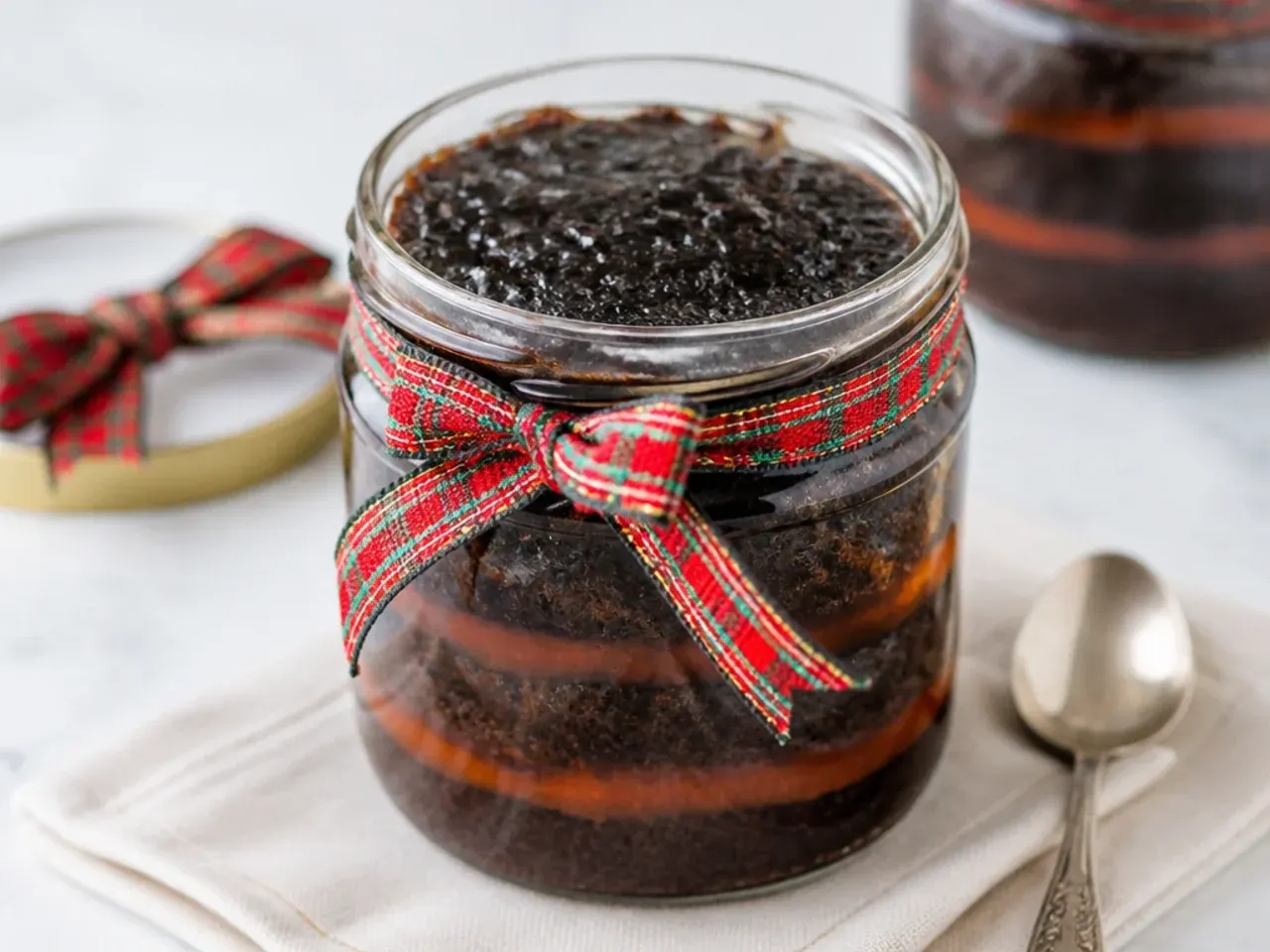
For teachers, neighbors and postal gifts, layer black cake into small jars instead of wrapping slices. Use a round cutter to stamp discs from a sheet of cake baked in a 23 x 33 cm (9 x 13 inch) tray at 150°C (300°F) for about 45 minutes, then stack two or three discs in clean 250 ml wide-mouth jars. Spoon 1 teaspoon of rum syrup (equal parts rum and simple syrup) over each layer before sealing the lid. The sealed jar keeps the cake moist for up to two weeks at room temperature, and it survives a courier bag far better than a frosted slice. Tie a spoon and a label to the jar and it is ready to give.
Save this for later 📌
Pin this article to your Pinterest board so the full list is one tap away when you need it.
Save on Pinterest16. Bajan Great Cake with Falernum
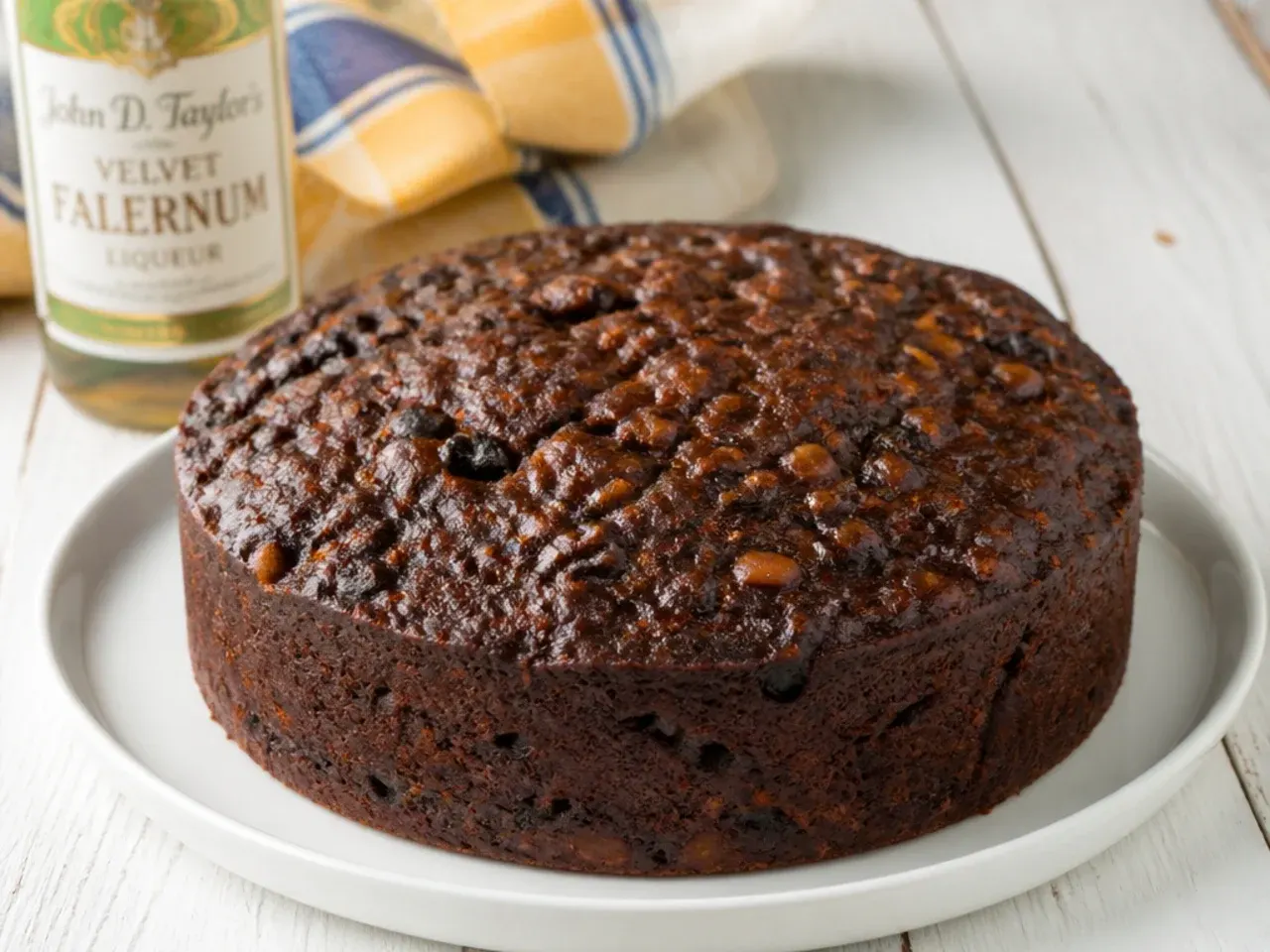
Barbados calls its version great cake, and the signature move is falernum, the island's lime, almond and clove syrup. Add 60 ml of falernum to the fruit soak alongside the rum, and reduce the mixed spice to 1 teaspoon since the syrup carries its own clove. No falernum in the shops? Stir together 2 tablespoons lime juice, 1 tablespoon sugar syrup, ¼ teaspoon almond extract and a small pinch of ground cloves as a stand-in. The result is slightly brighter and more citrusy than Trini or Guyanese black cake, with the same dark, dense crumb. Bake it exactly like the base recipe and brush the warm cake with a spoonful more falernum.
17. One-Bowl Food Processor Black Cake
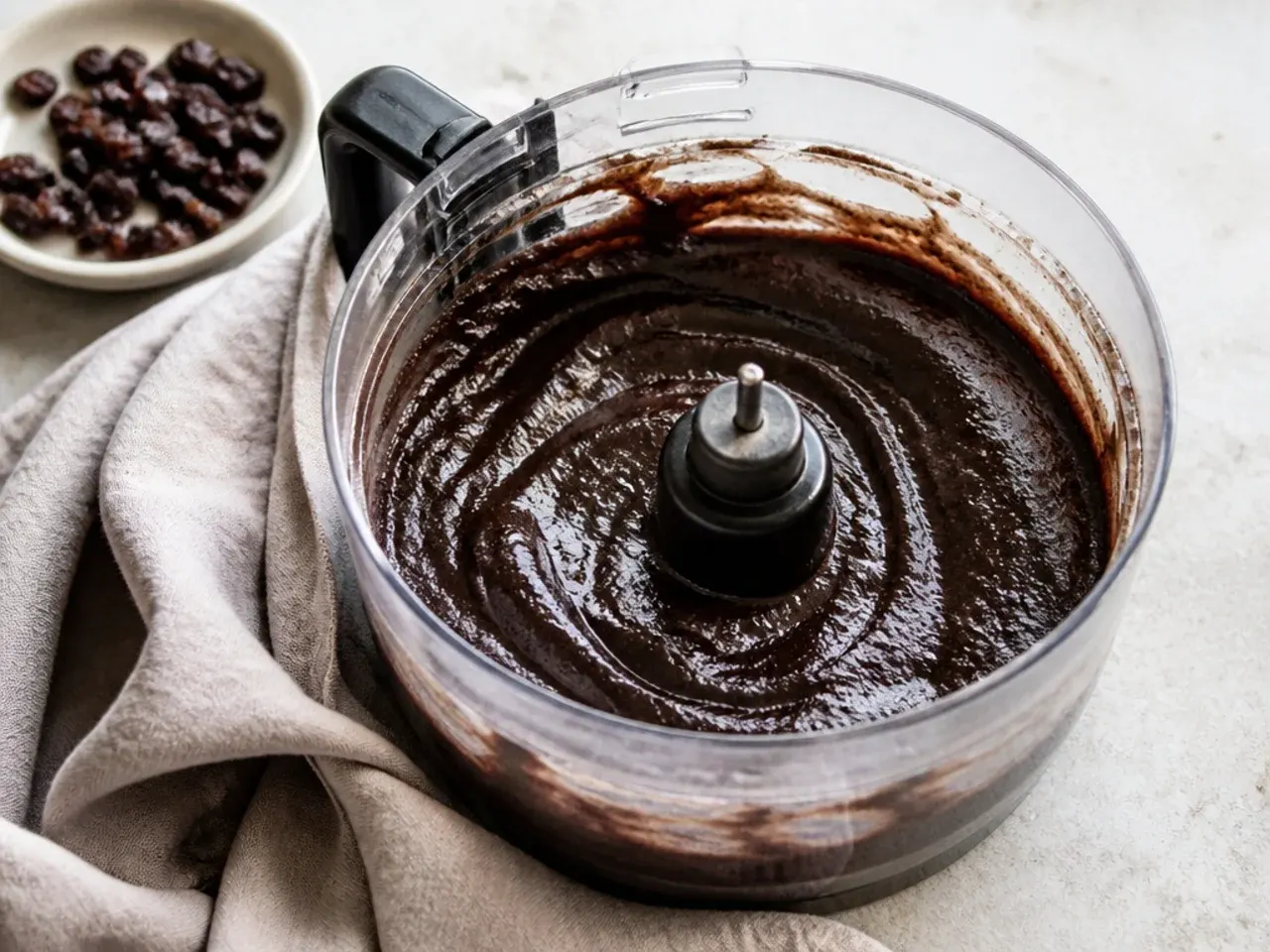
If the stand mixer feels like too much on a school night, the food processor can do the entire job in about 10 minutes of hands-on time. Blitz the soaked fruit to a chunky paste first and scrape it into a bowl, then, without washing the processor, blend the softened butter and sugar for 1 minute, pulse in the eggs one at a time, and pulse in the flour, baking powder and spice just until combined. Stir the fruit paste and browning back in by hand so you do not over-process the fruit. The crumb comes out slightly denser than the creamed version, which honestly suits black cake. Same tin, same 150°C (300°F), same bake time as the base recipe.
18. Two-Tier Celebration Black Cake with Gold Leaf
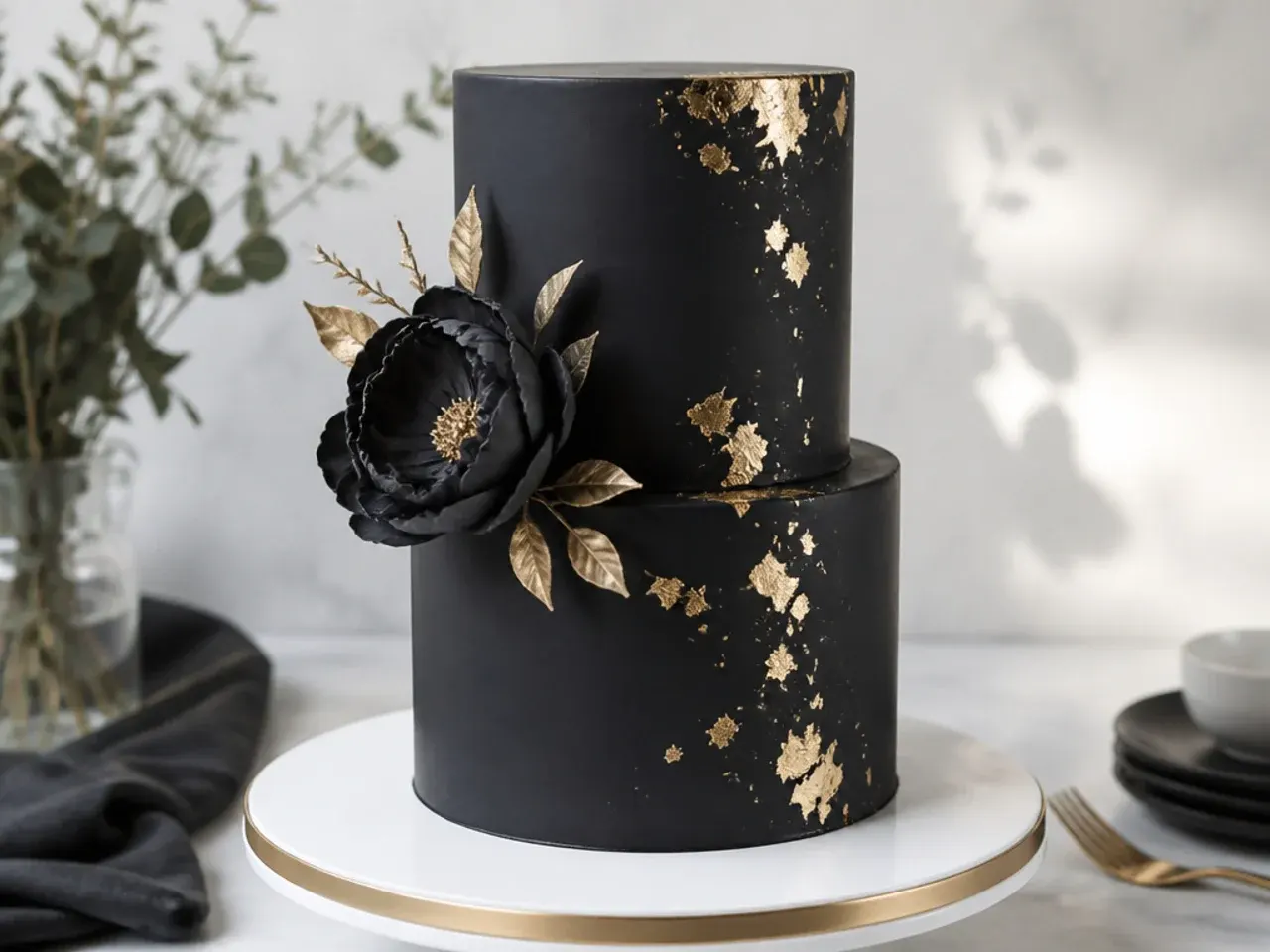
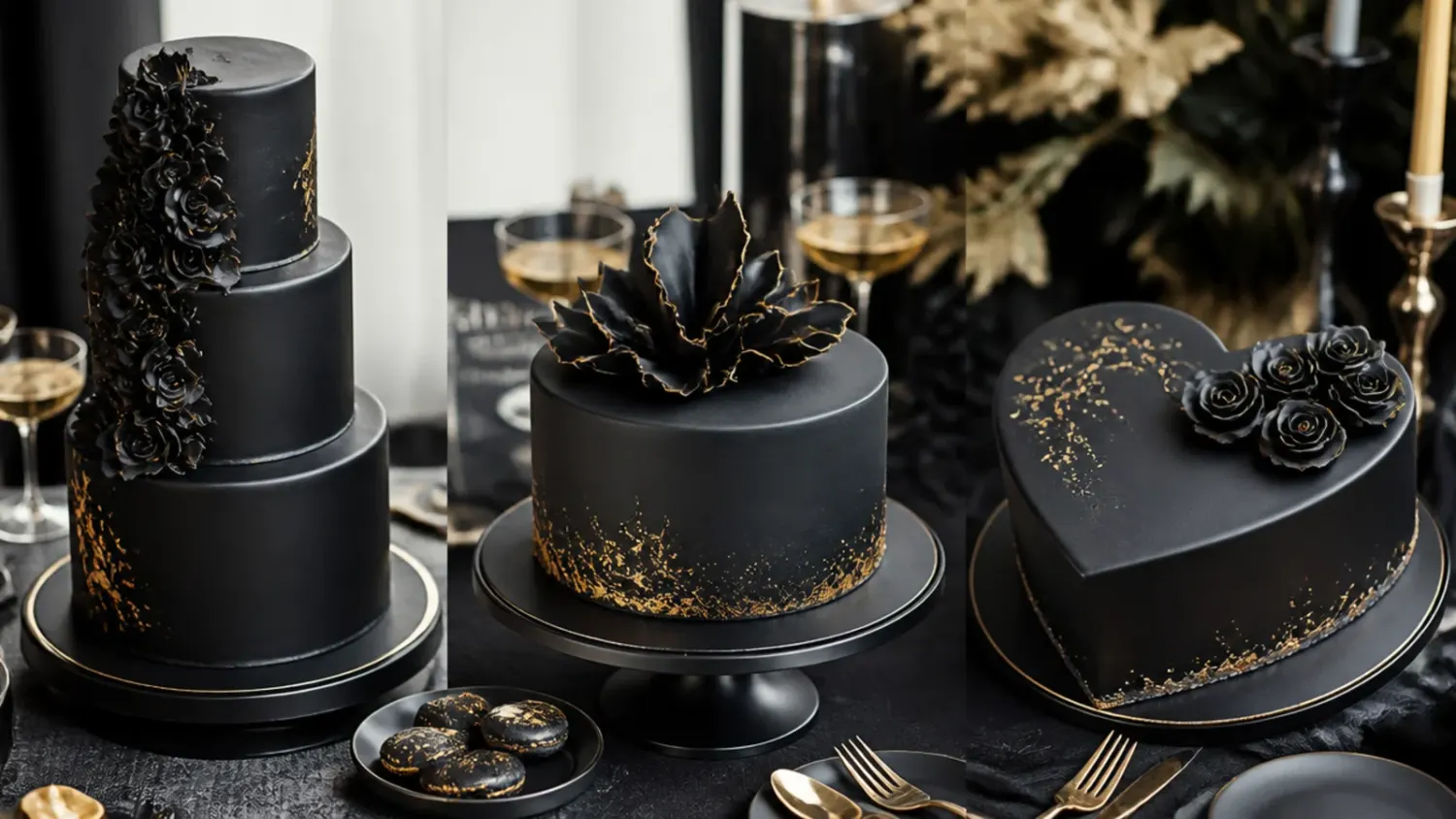
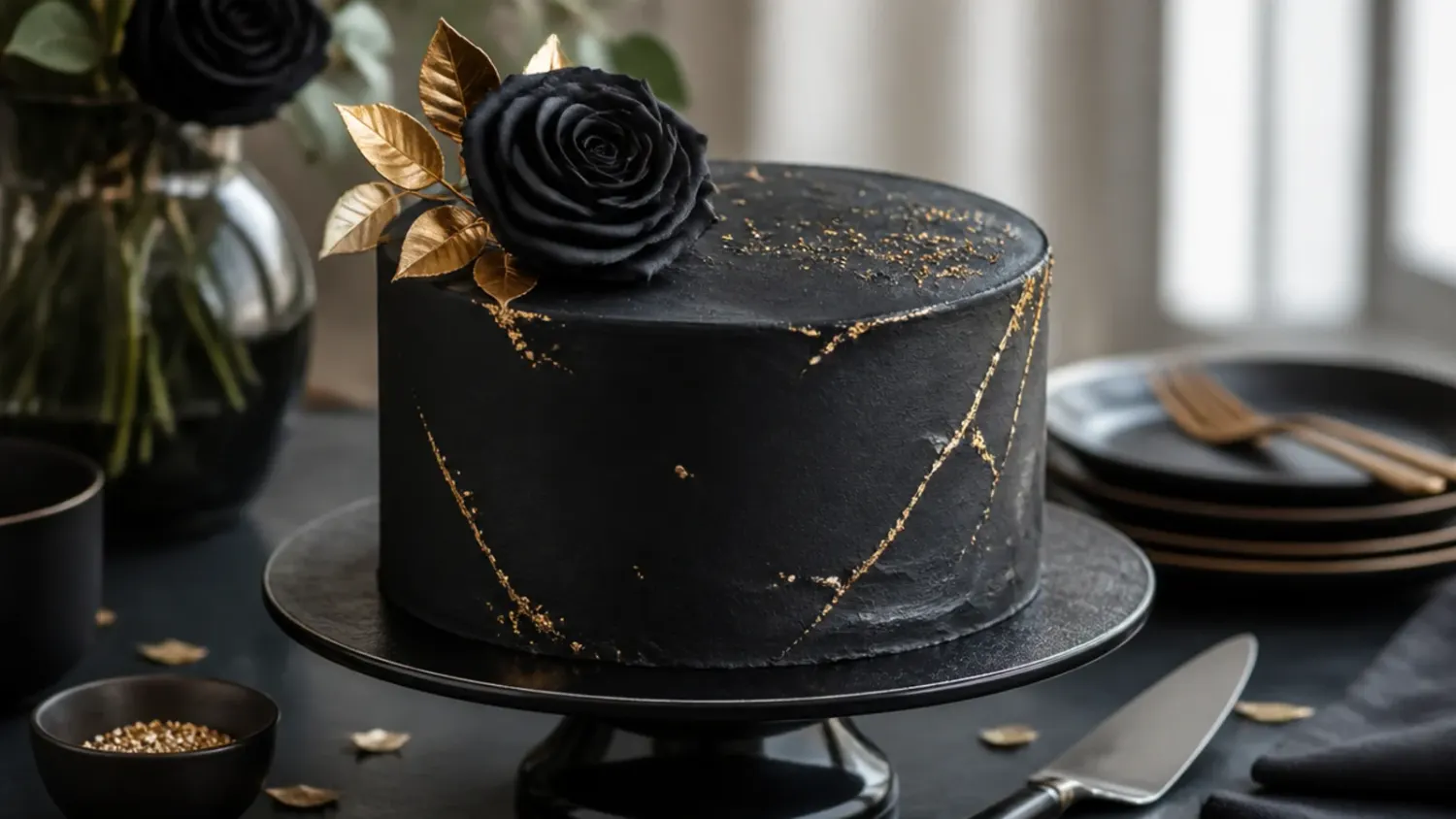
Black cake is dense and sturdy, which is exactly why it has carried Caribbean wedding tiers for generations, so it stacks far more safely than a sponge. Bake a 15 cm (6 inch) and a 23 cm (9 inch) round, cover each with marzipan and then ivory fondant, and push four bubble tea straws or dowels into the lower tier, trimmed level, before setting the top tier on a thin cake board. Brush small patches of edible gold leaf onto the fondant with a dry brush for an anniversary or engagement finish. Because the cake keeps for weeks, you can assemble it two or three days before the event with zero stress. A 6-and-9-inch stack serves 35 to 40 party slices.
19. Black Cake Cake Pops
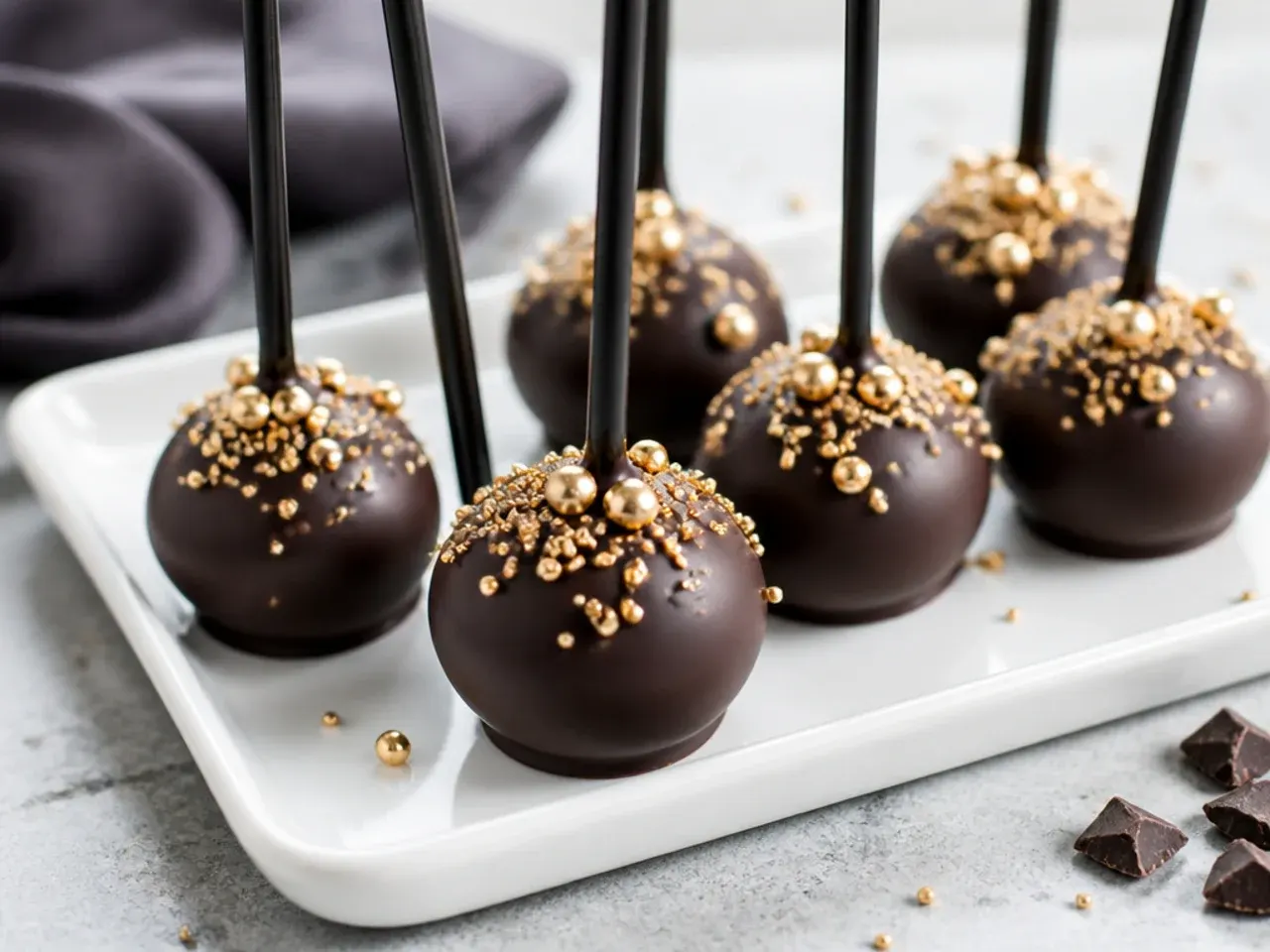
Kids' parties and black cake do mix, as long as you start from the alcohol-free version in idea 5. Crumble 400 g of cake, work in 2 tablespoons of cream cheese until it holds together, and roll 30 g balls. Chill for 30 minutes, dip the tip of each stick in melted candy melts, insert, then dip the whole pop in 300 g of melted dark chocolate candy melts and stand them in a foam block to set. A pinch of gold sanding sugar on the wet chocolate dresses them up in seconds. The fruit-heavy crumb is naturally moist, so these need less binder than regular cake pops and hold their shape well.
20. Gluten-Free Black Cake
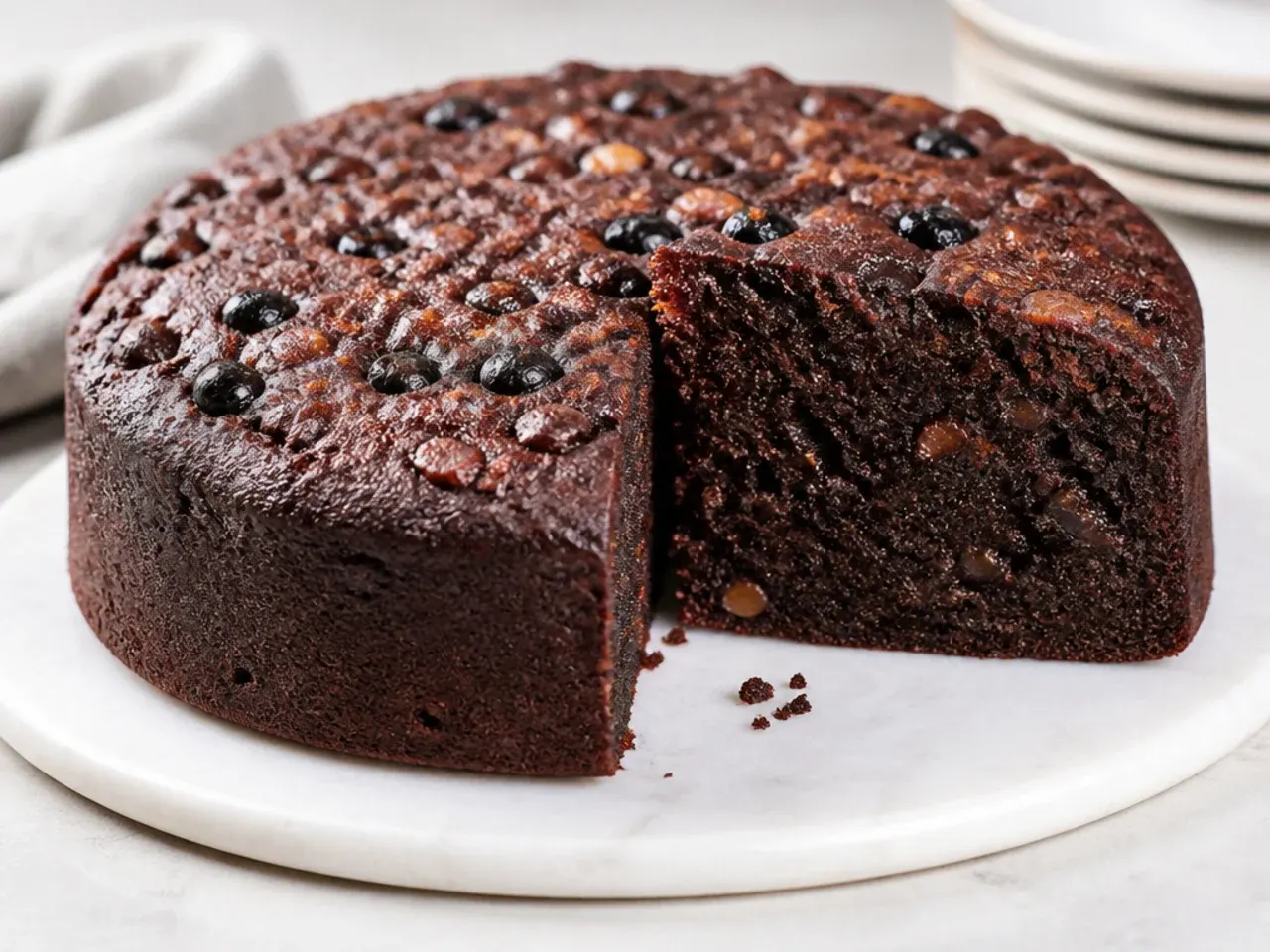
Black cake converts to gluten-free better than almost any other cake, because the fruit paste, butter and eggs do most of the structural work. Swap the 250 g of plain flour for a 1:1 gluten-free blend that contains xanthan gum, such as Doves Farm Freee or Bob's Red Mill 1-to-1, and keep every other quantity the same. Let the finished batter rest for 15 minutes before it goes in the tin so the blend can hydrate, which prevents grittiness. Bake at 150°C (300°F) and start testing 10 minutes early, since gluten-free blends can set sooner. Wrapped well, it stays moist for just as long as the wheat version.
Tips to Make These Ideas Easier
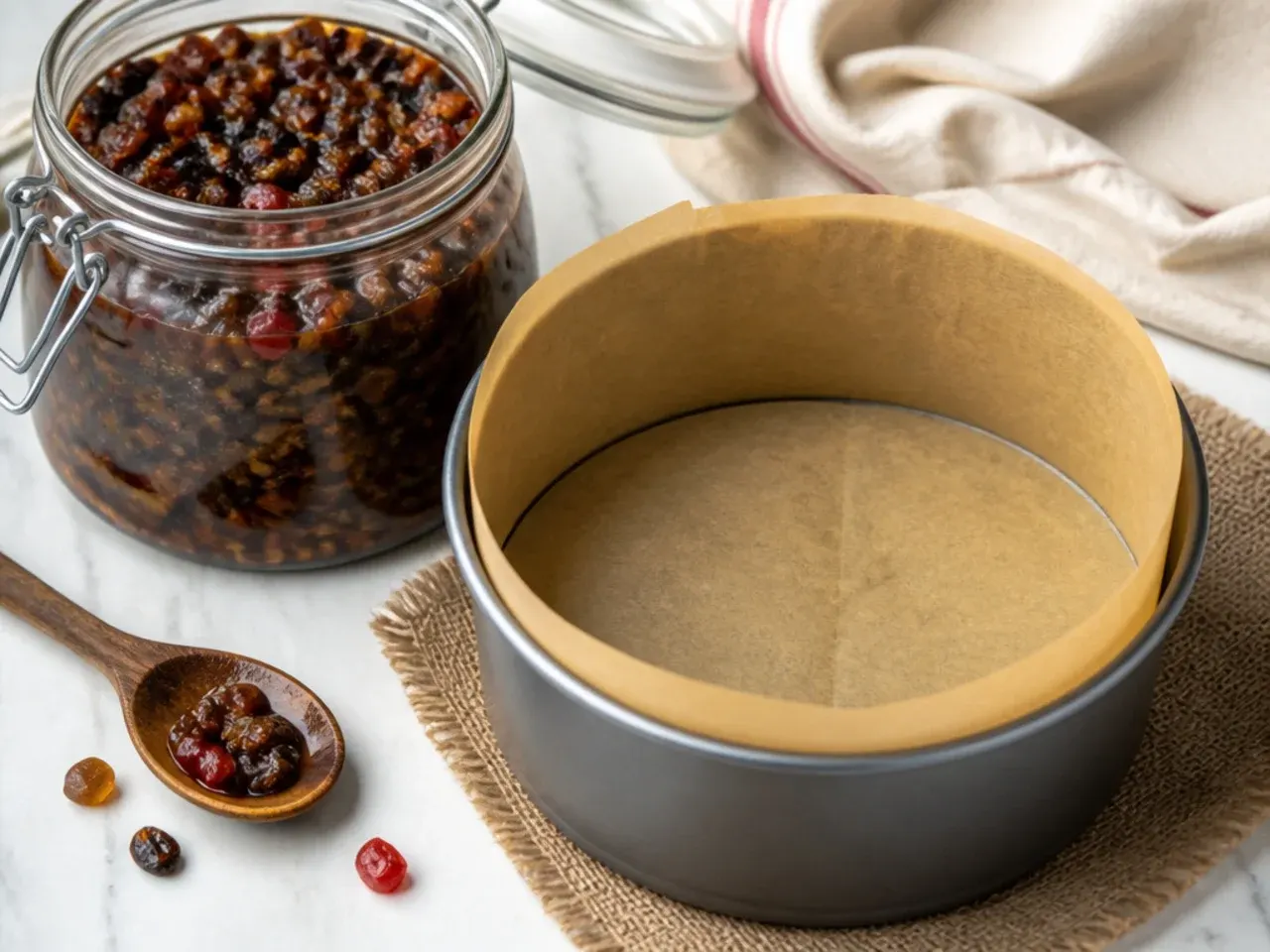
Start a soaking jar today even if you are not baking yet: fruit covered in rum and port in a sealed jar keeps for a year in a cool cupboard, so future you always has black cake fruit ready. Weigh ingredients rather than using cups, because a dense batter like this punishes a 20% flour error far more than a sponge does. Line your tin with a double layer of parchment that stands 5 cm above the rim, which insulates the edges during the long, slow bake. Use an oven thermometer, since the difference between a true 150°C (300°F) and a hot-running 165°C (330°F) is the difference between a moist cake and a scorched crust. Finally, blitz the fruit in a food processor rather than chopping by hand; a 30-second pulse gives the classic paste-with-chunks texture in a fraction of the time.
Common Mistakes to Avoid
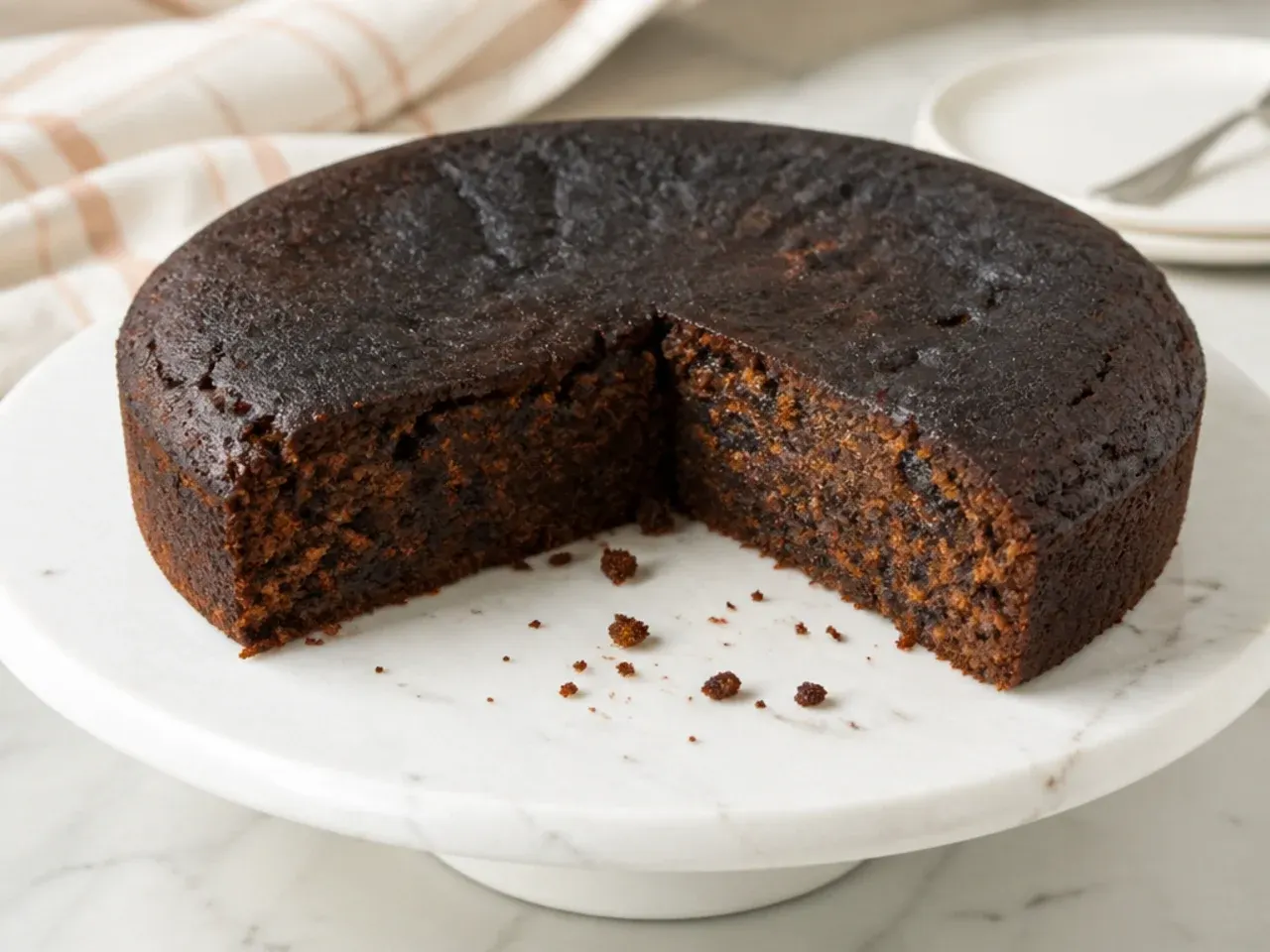
The number one failure is baking too hot: anything above 160°C (325°F) burns the sugary crust while the middle stays wet, so hold the oven at 135 to 150°C (275 to 300°F) and accept the long bake. When making browning, sugar taken past nearly-black into fully burnt turns acrid, and that bitterness cannot be fixed later, so pour in the boiling water the moment you see thin smoke. Do not drown the fruit paste; if there is a puddle of free liquid after soaking, blend only the fruit and add the extra liquid a spoonful at a time or the cake may never set. Resist opening the oven before the 75-minute mark, because the dense batter will sink in the middle. And never test doneness by color alone, since the cake is already dark going in; trust a skewer that comes out with moist crumbs but no wet batter.
The Recipe
The Base Recipe — Make Any of These Ideas
30 min (plus overnight fruit soak)
1 hr 40 min
2 hr 10 min (plus soaking)
16
Intermediate
Ingredients 16 Person(s)
Directions
Step 1: Soak the fruit
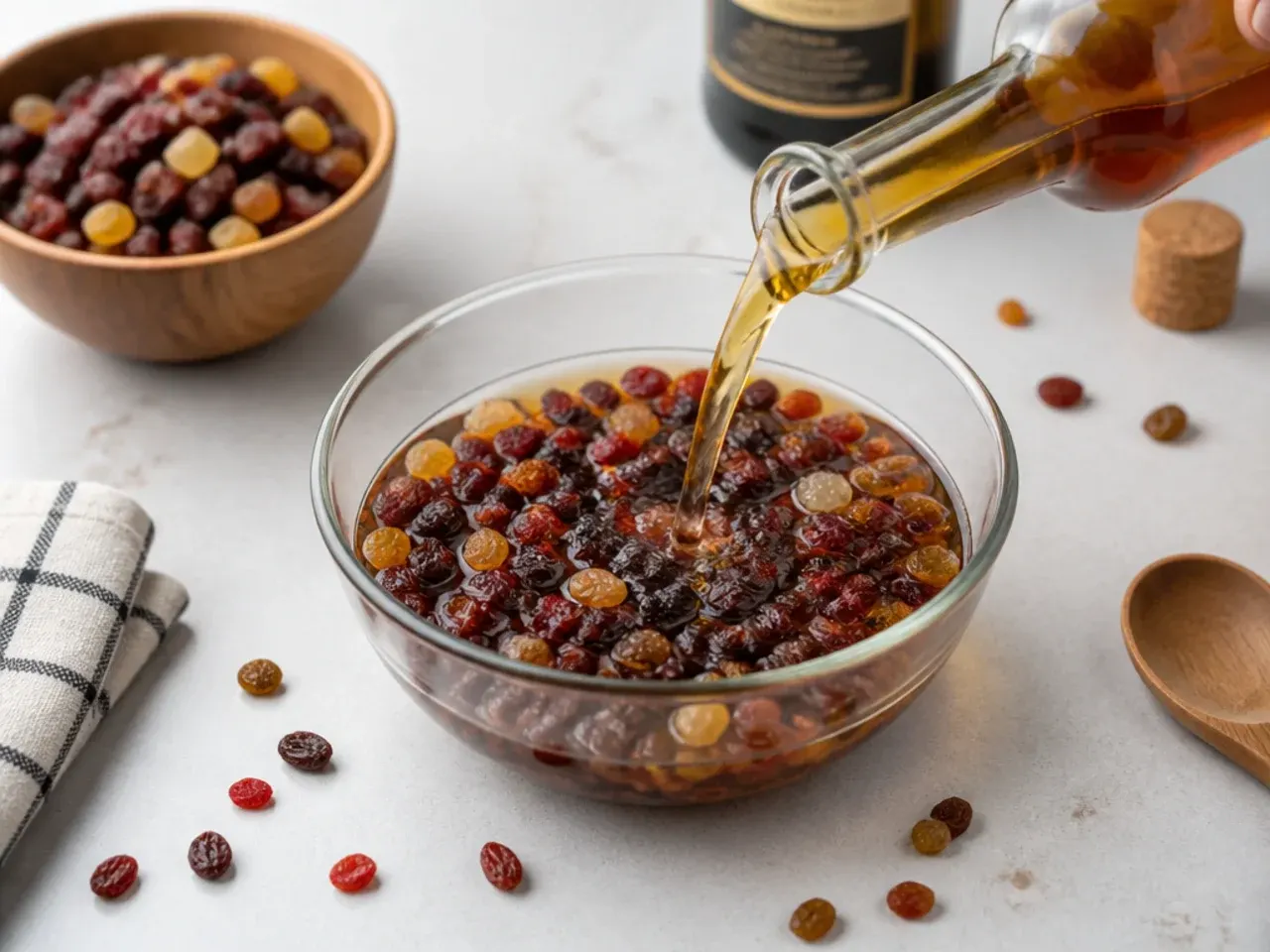
Put the 450 g of chopped dried fruit in a saucepan with 240 ml dark rum and 240 ml port. For the quick method, bring it to a bare simmer over low heat, cook gently for 15 to 20 minutes, then cover and leave at room temperature overnight. If you have time, skip the simmer and soak the fruit in a sealed jar for 1 week to 3 months instead. Either way, the fruit is ready when it is plump and glossy and most of the liquid has been absorbed.
Step 2: Prepare the tin and oven
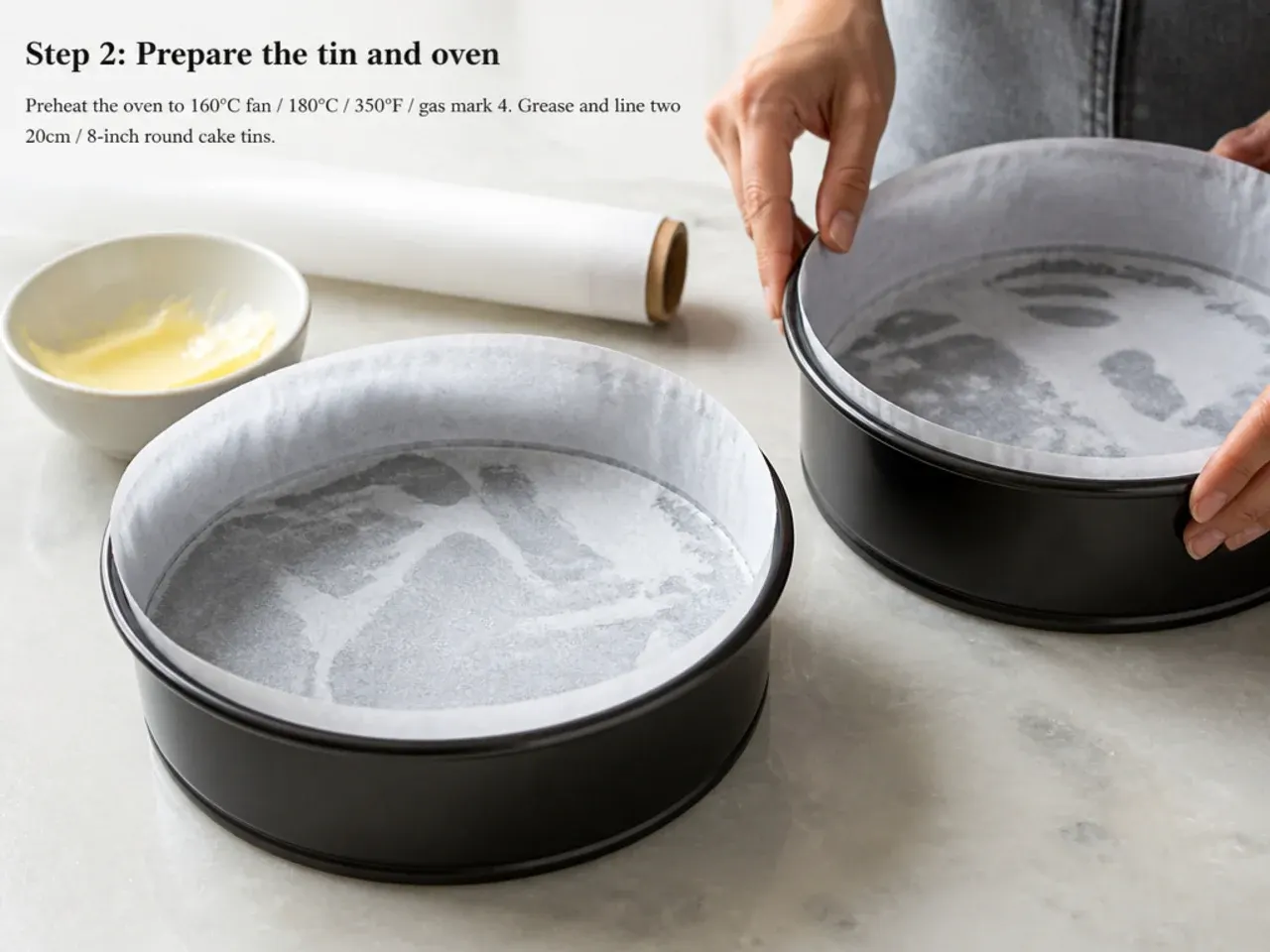
Heat the oven to 150°C (300°F) with a shelf in the lower third. Grease a deep 23 cm (9 inch) round cake tin and line the base and sides with a double layer of baking parchment that stands about 5 cm above the rim. The double lining shields the edges during the long bake so they do not dry out or scorch before the center cooks.
Step 3: Blend the fruit to a paste
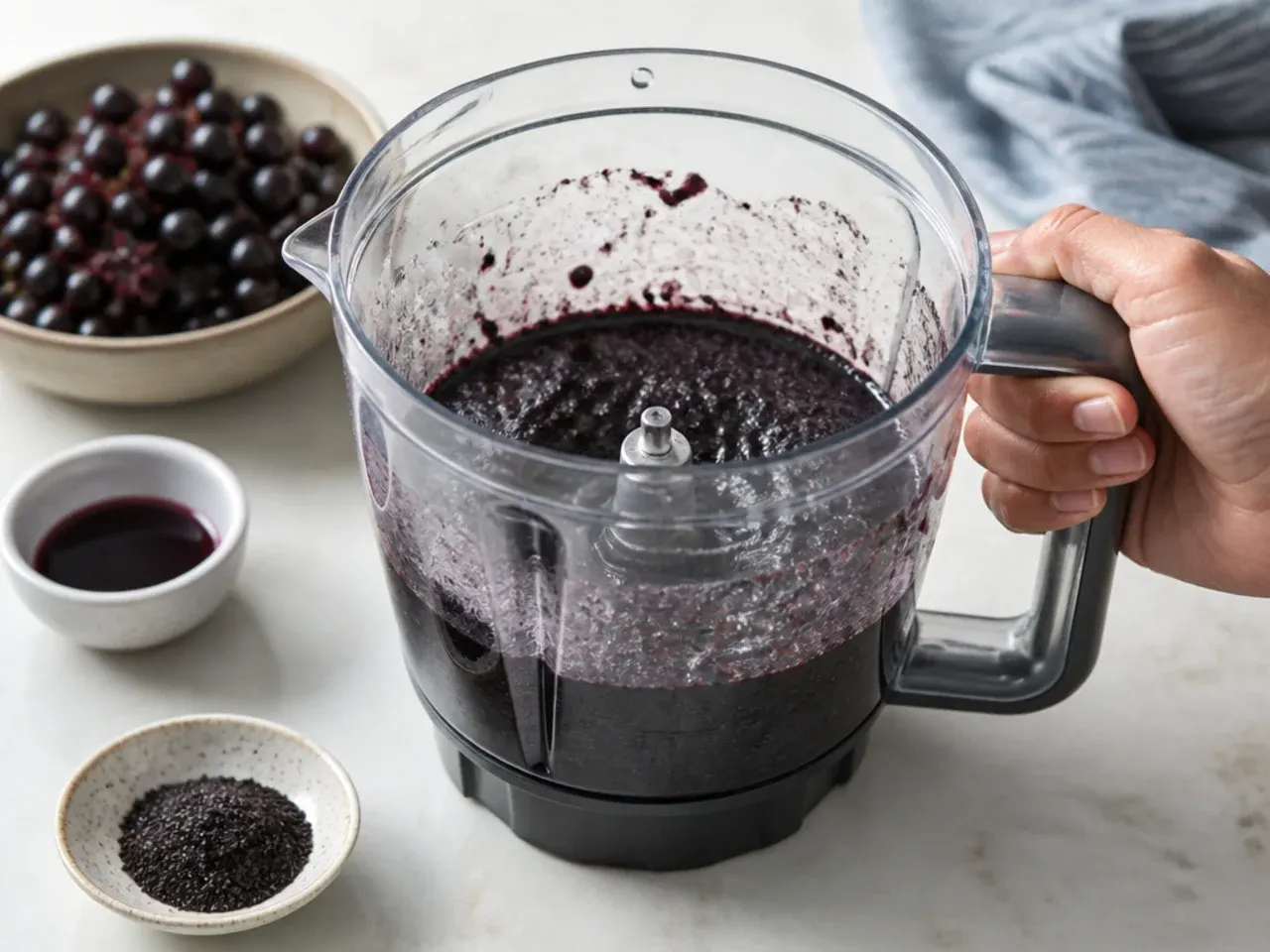
Tip the soaked fruit and any unabsorbed liquid into a food processor and pulse in 5-second bursts until you have a thick, chunky paste, about the texture of coarse jam with a few pea-sized pieces left for bite. Do not purée it completely smooth. Scrape the paste into a bowl and set it aside; you should have roughly 600 g.
Step 4: Cream the butter, sugar and eggs
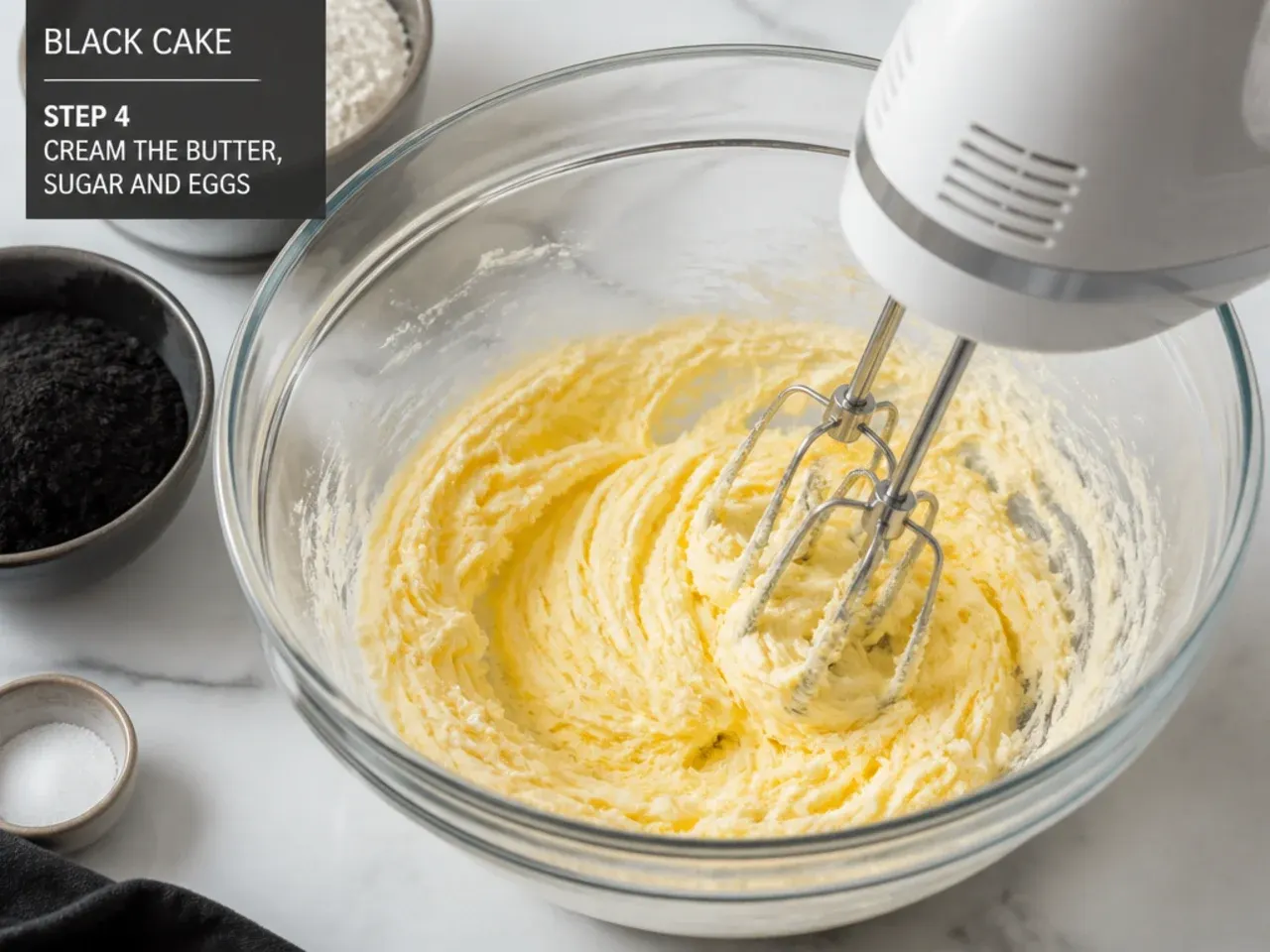
In a large bowl, beat 225 g softened butter with 225 g dark brown sugar using an electric mixer on medium for 3 to 5 minutes, until the mixture is noticeably lighter in color and fluffy. Add the 5 eggs one at a time, beating for about 30 seconds after each, then beat in the vanilla, almond extract and lime zest. If the mixture starts to look curdled, beat in 1 tablespoon of the measured flour and carry on.
Step 5: Fold in the dry ingredients
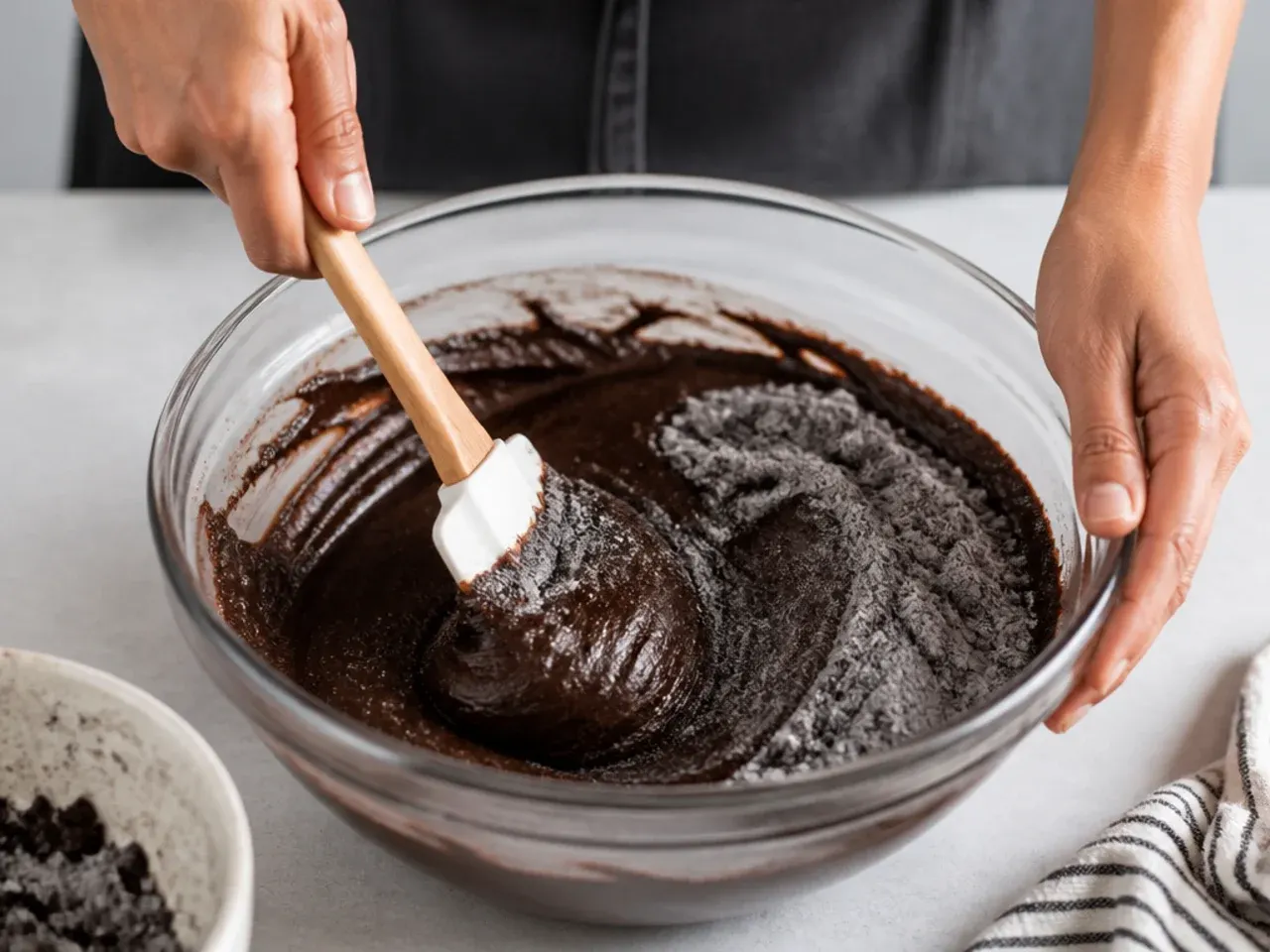
Whisk the 250 g flour, 2 teaspoons baking powder and 2 teaspoons mixed spice together in a separate bowl. Add them to the butter mixture in two additions, folding with a spatula just until no dry streaks remain. Stop as soon as it comes together; overmixing at this stage makes the finished crumb tough.
Step 6: Add the fruit paste and browning
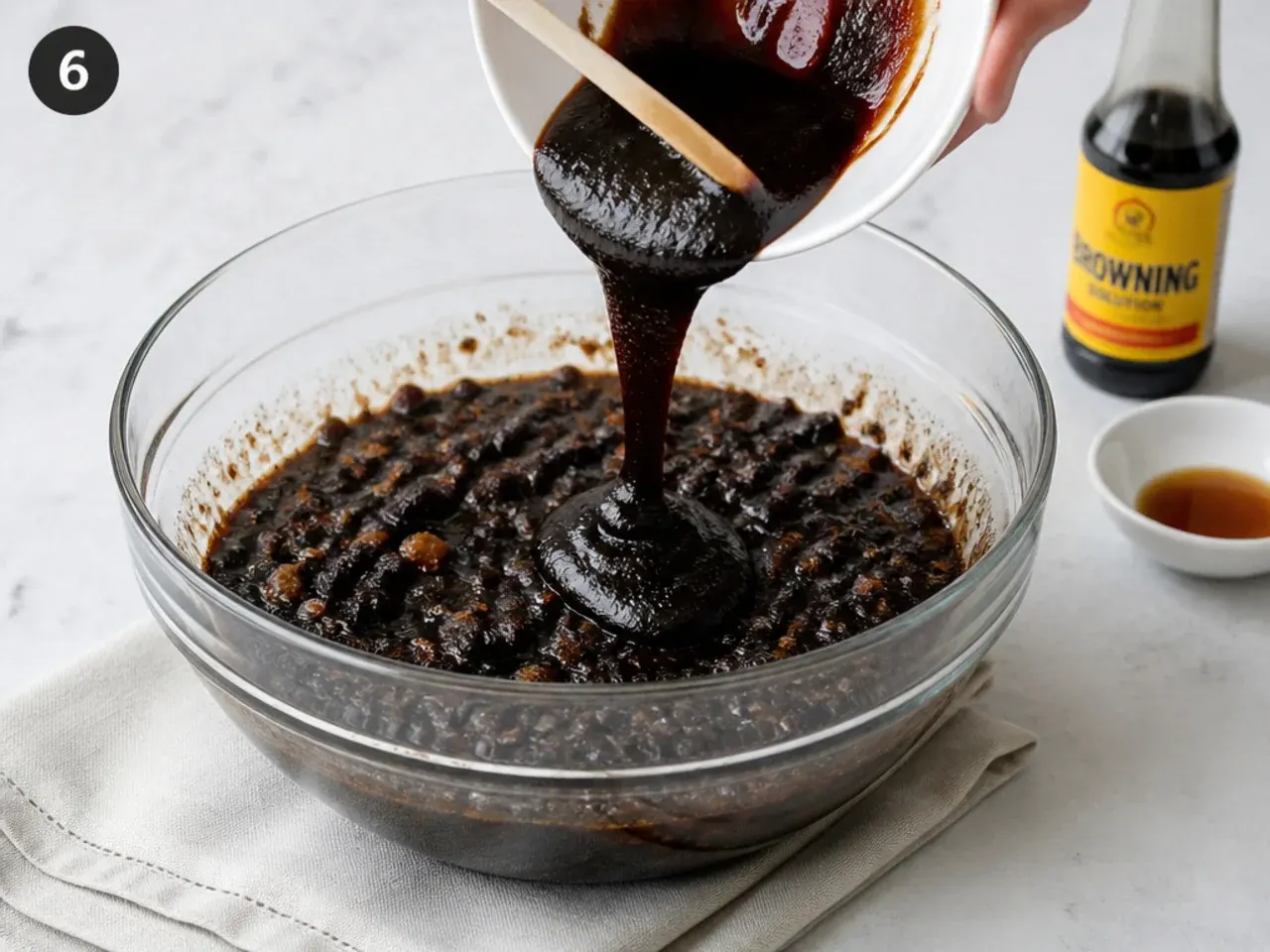
Fold the fruit paste into the batter until evenly distributed, then add 3 tablespoons of browning and fold until the batter is a uniform deep brown-black with no pale streaks. The finished batter should be thick and drop reluctantly from the spatula. Scrape it into the prepared tin, level the top, and give the tin one firm tap on the counter to knock out large air pockets.
Step 7: Bake, brush and rest
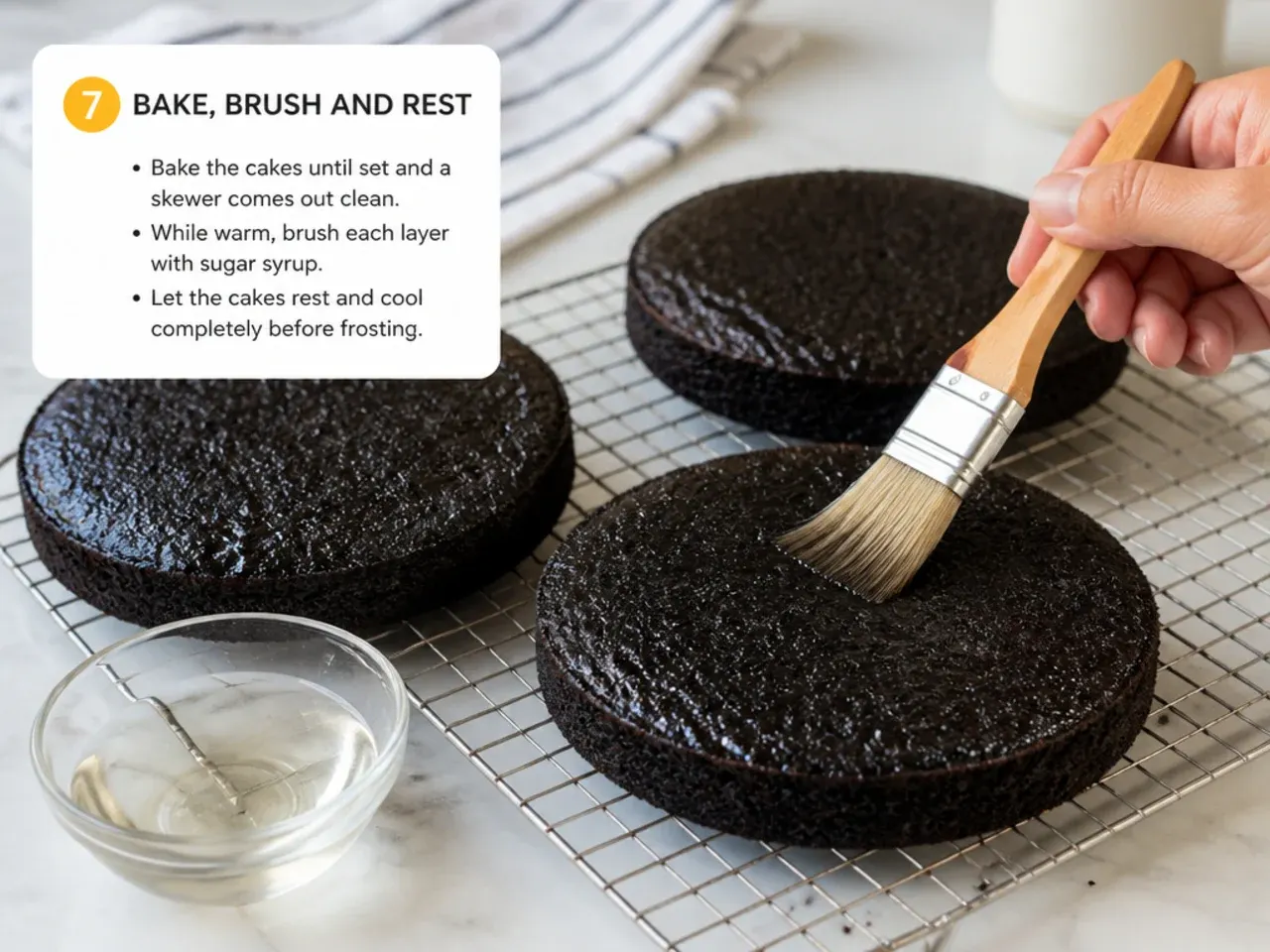
Bake at 150°C (300°F) for 1 hour 30 minutes to 1 hour 45 minutes, without opening the oven for the first 75 minutes. The cake is done when the top is set and springs back lightly and a skewer pushed into the center comes out with moist crumbs but no wet batter. While the cake is still hot in the tin, brush the top with the extra 3 tablespoons of rum, then cool completely in the tin. Wrap in parchment and foil and, if you can, wait 2 to 3 days before slicing; the flavor and texture improve dramatically.
Frequently Asked Questions
At minimum, simmer the fruit in the rum and wine for 15 to 20 minutes and rest it overnight. Traditionally, the fruit soaks in a sealed jar for anywhere from one week to a year, and one to three months is the sweet spot for deep flavor. Keep the jar in a cool, dark cupboard or the fridge and top it up with more rum if the fruit ever looks dry; properly covered soaked fruit keeps almost indefinitely.
Save this for later 📌
Pin this article to your Pinterest board so the full list is one tap away when you need it.
Save on Pinterest