3 Biscoff vs Oreo Cheesecake Recipes
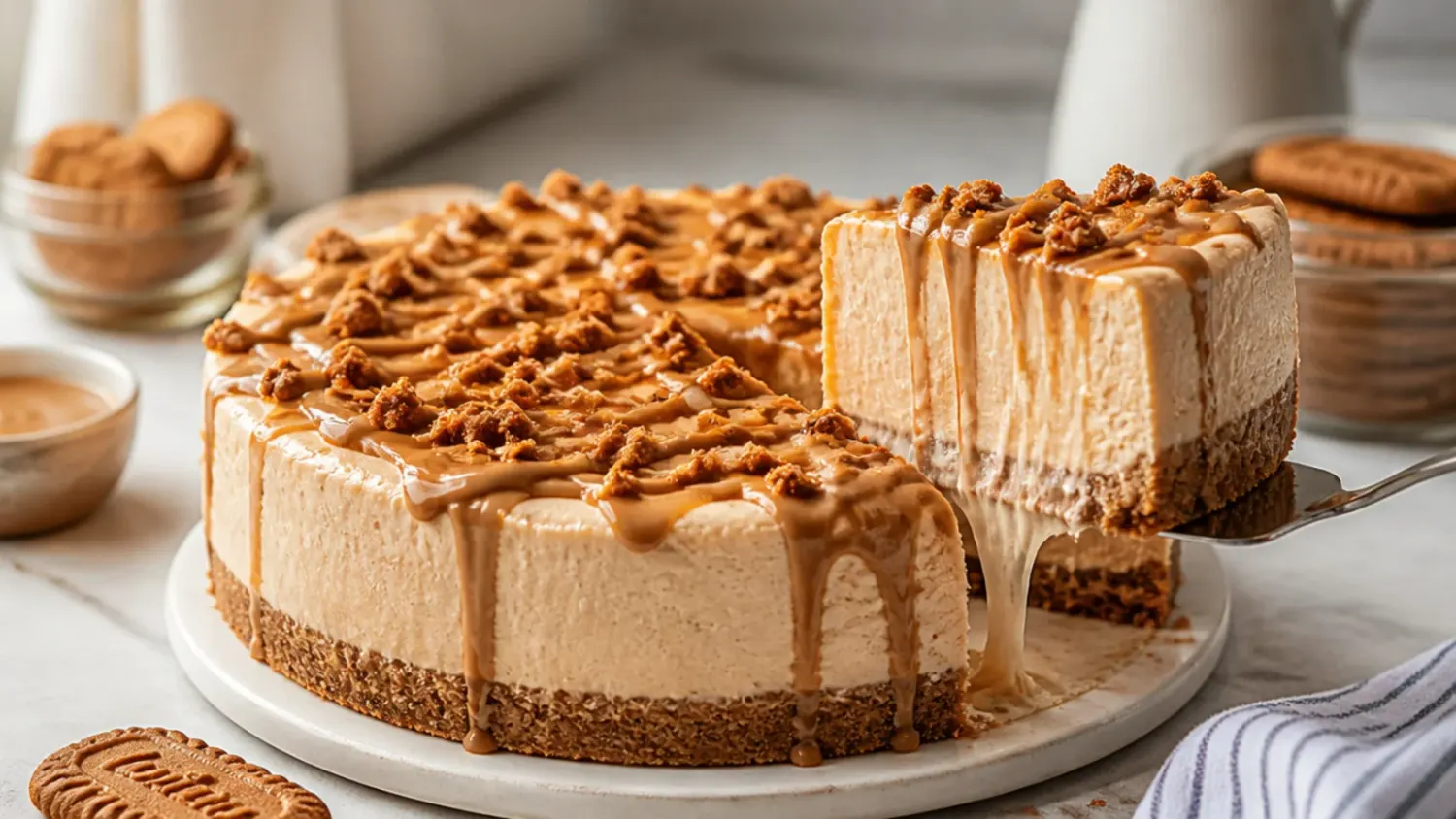
Torn between a biscoff vs oreo cheesecake? Here's an honest head-to-head on cost, taste, and effort, plus the easy no-bake recipe I'd make every time. If you love biscoff cheesecake inspiration, start with our Biscoff Cheesecake Recipes collection, then browse the full Desserts hub for more.
Save this for later 📌
Pin this article to your Pinterest board so the full list is one tap away when you need it.
Save on PinterestDesserts
Beginner
Comparison
3 compared
Table of Contents
Option 1: The No-Bake Biscoff Cheesecake
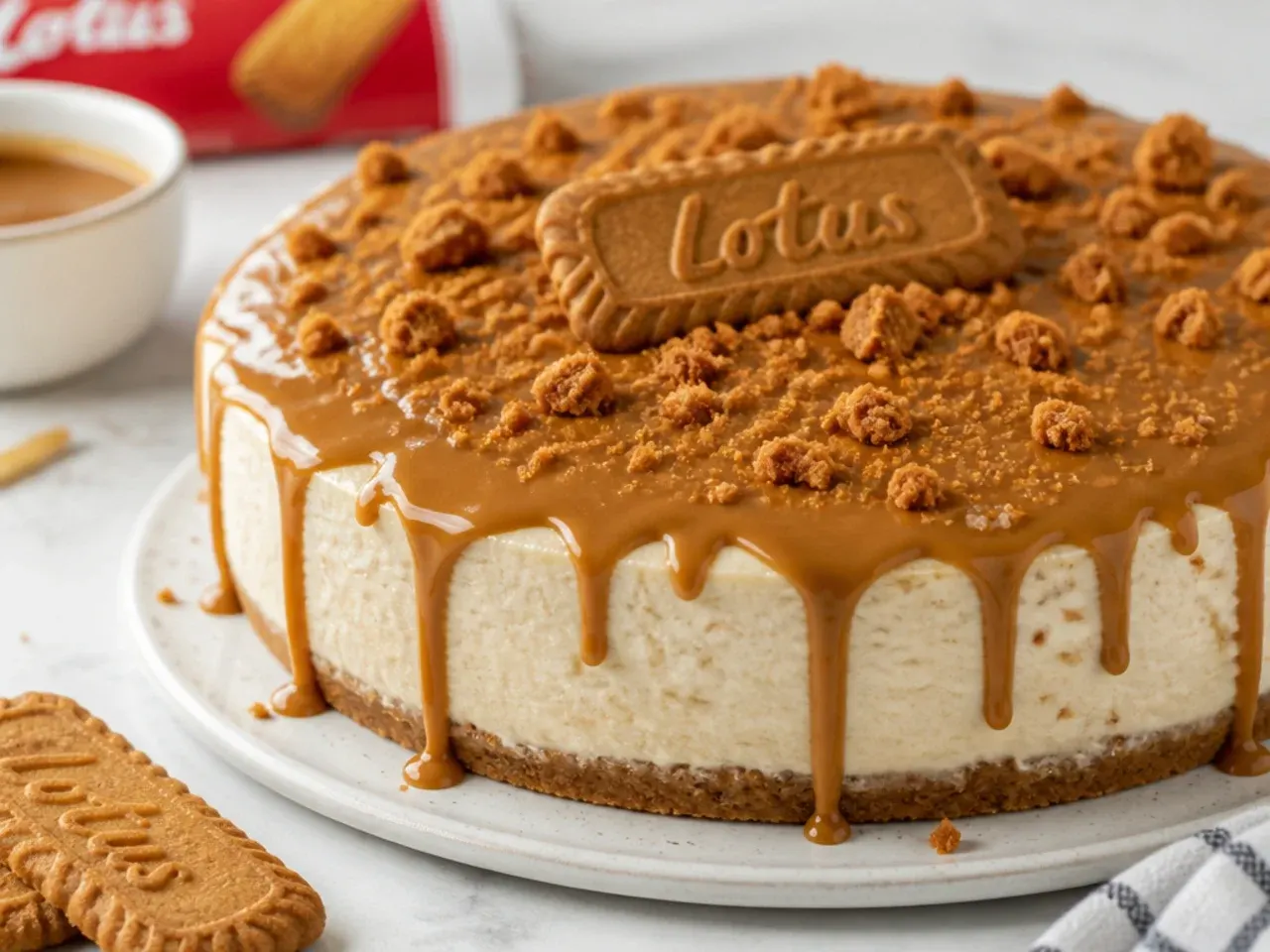
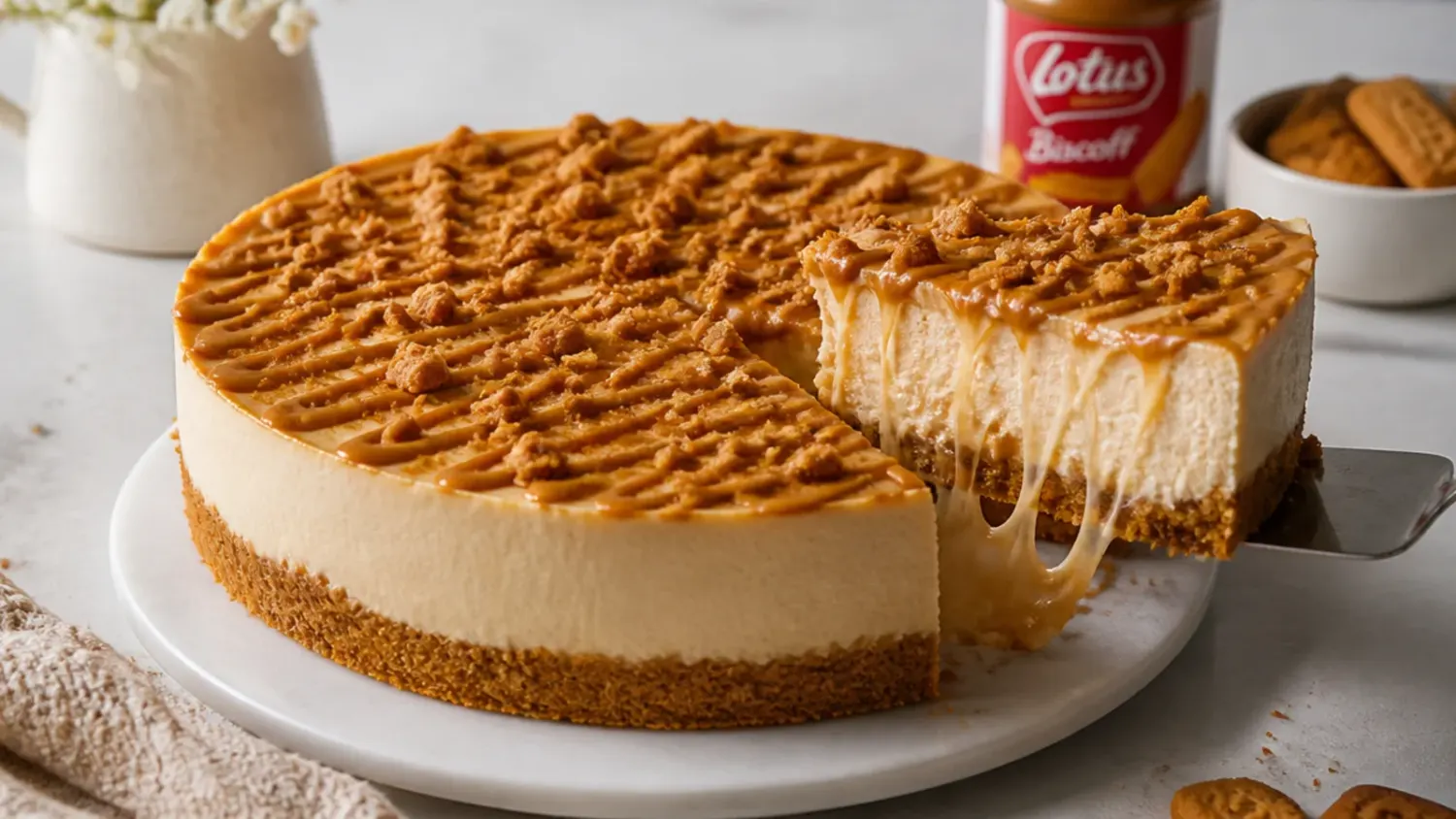
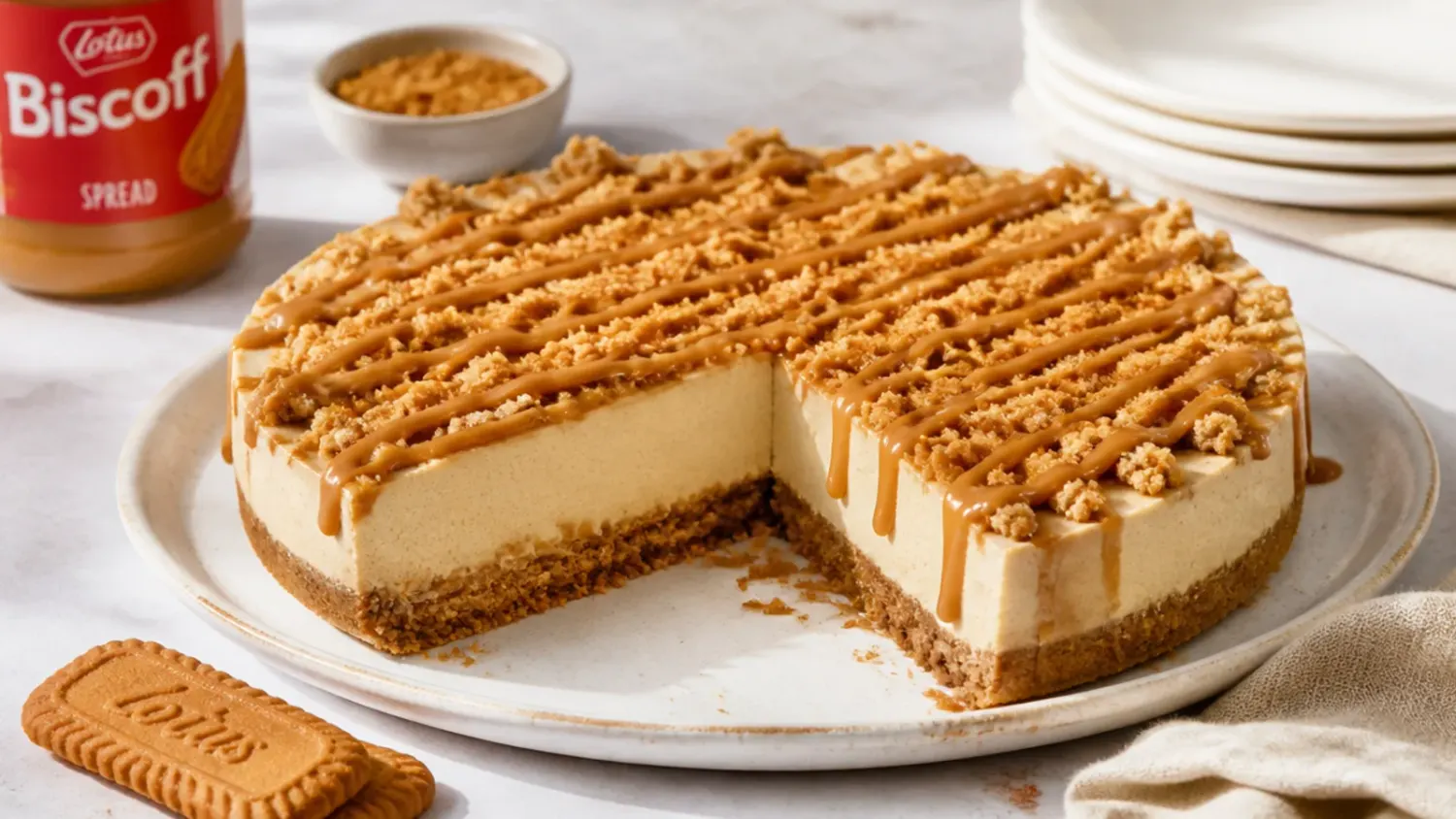
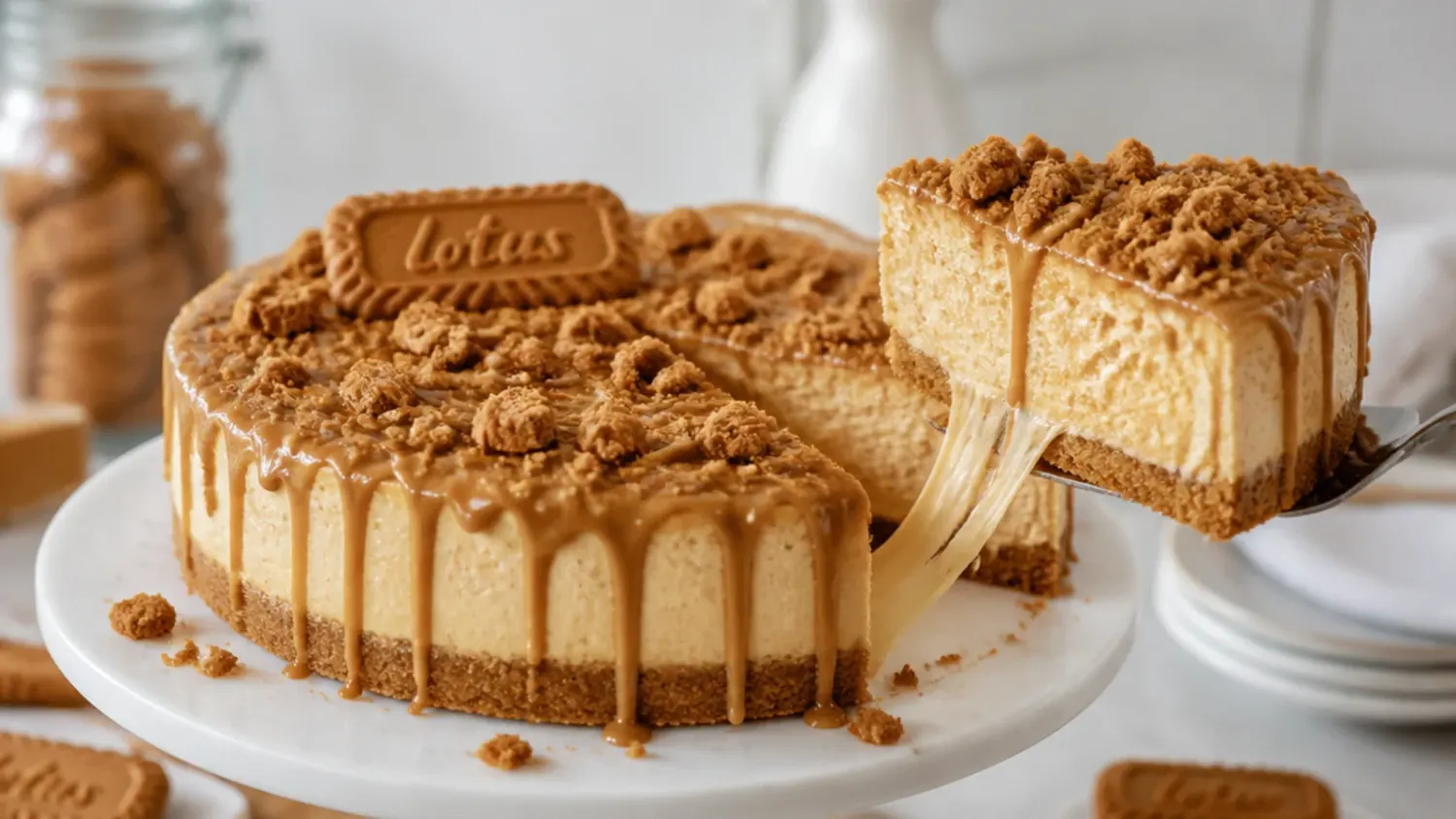
The Biscoff cheesecake leans on Lotus Biscoff biscuits and Biscoff spread for a warm, caramelised flavour with hints of cinnamon and brown sugar, closer to a spiced shortbread than anything chocolatey. The base is 200g crushed Biscoff biscuits bound with 80g melted butter, pressed into an 18cm (7 inch) springform tin. The filling whips 300ml cold double cream into 400g full-fat cream cheese and 200g Biscoff spread until it holds like soft-serve ice cream, then it chills for at least 5-6 hours or overnight. Finish with 150g gently melted Biscoff spread poured over the top for a glossy, mirror-smooth finish and a scatter of crushed biscuits around the edge. This is the option I recommend and the full recipe below, because the spread does double duty as both flavour and topping with no extra work.
Option 2: The Classic Oreo Cheesecake
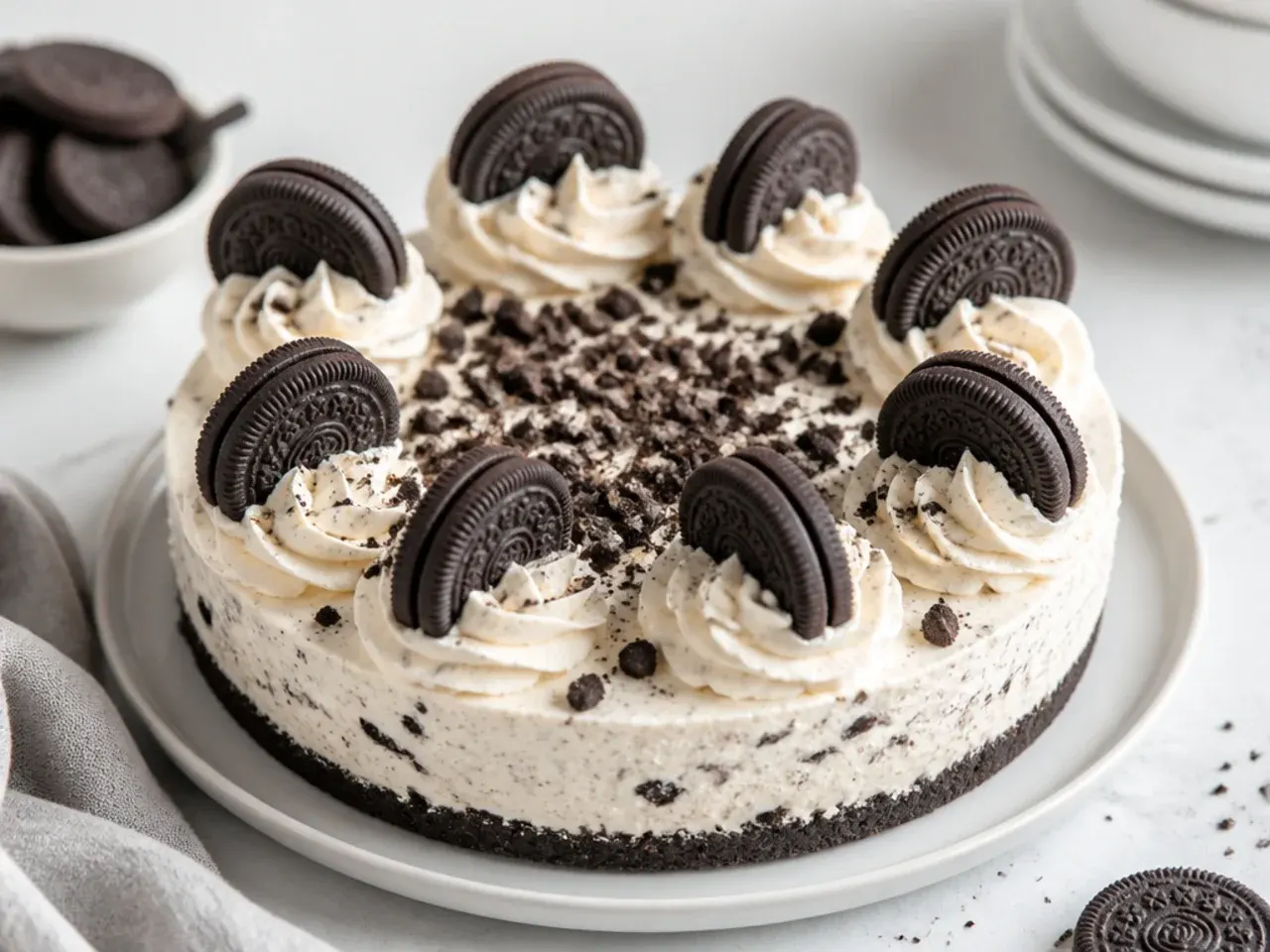
The Oreo cheesecake swaps in cookies and cream for that nostalgic chocolate-and-vanilla flavour, and it stays no-bake so the two are a fair fight. Use the same 18cm tin: blitz 200g Oreos (keep the cream filling in for the base) with 80g melted butter and press firm. For the filling, fold 200g roughly chopped Oreos through the whipped cream cheese mixture (400g cream cheese, 300ml double cream, 100g icing sugar) so you get visible cookie chunks in every slice. Because Oreos have no equivalent to Biscoff spread, you skip the poured topping and instead finish with whipped cream swirls and whole or halved Oreos pressed around the edge. It sets in the same 5-6 hours, and the flavour is more crowd-familiar, which matters if you're feeding kids or a big mixed group.
Cost Comparison
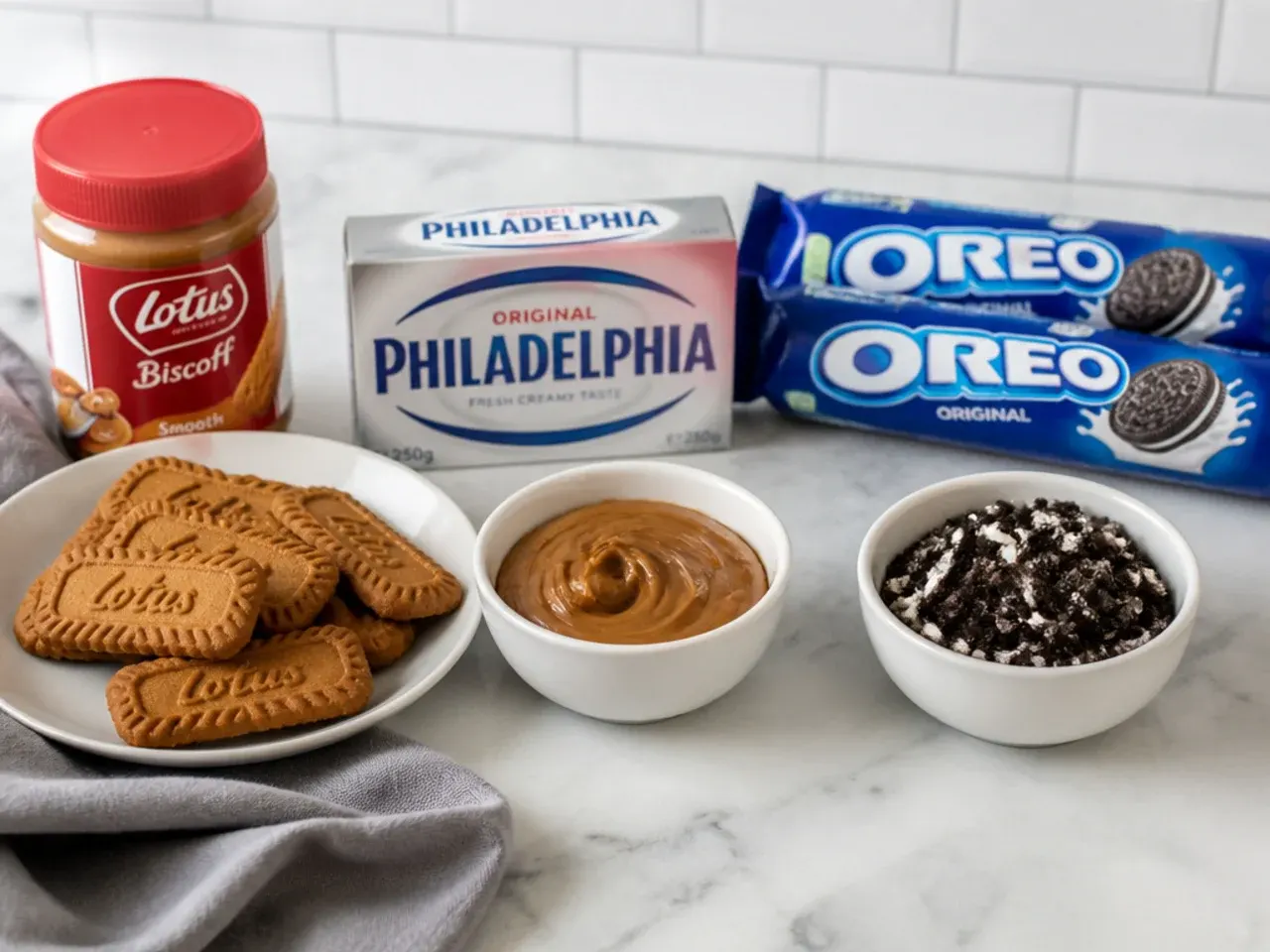
Priced at UK supermarkets in 2026, the Biscoff version runs a little dearer because the spread is the expensive part: a 400g jar of Lotus Biscoff spread is around £3.50-£4.00, plus a 250g pack of biscuits at roughly £1.75. The Oreo version needs about two 154g packs of Oreos (around £1.30 each) and no pricey spread, so its cookie cost is lower. Both share the same dairy: 400g full-fat cream cheese (about £2.00 for own-brand) and 300ml double cream (around £1.20). All in, expect roughly £9-£10 for the Biscoff cheesecake versus £7-£8 for the Oreo, and across 12 slices that's about 80p per slice versus 65p. If budget is the deciding factor, Oreo wins by a small margin; if you already have a jar of Biscoff in the cupboard, the gap disappears.
Taste and Texture
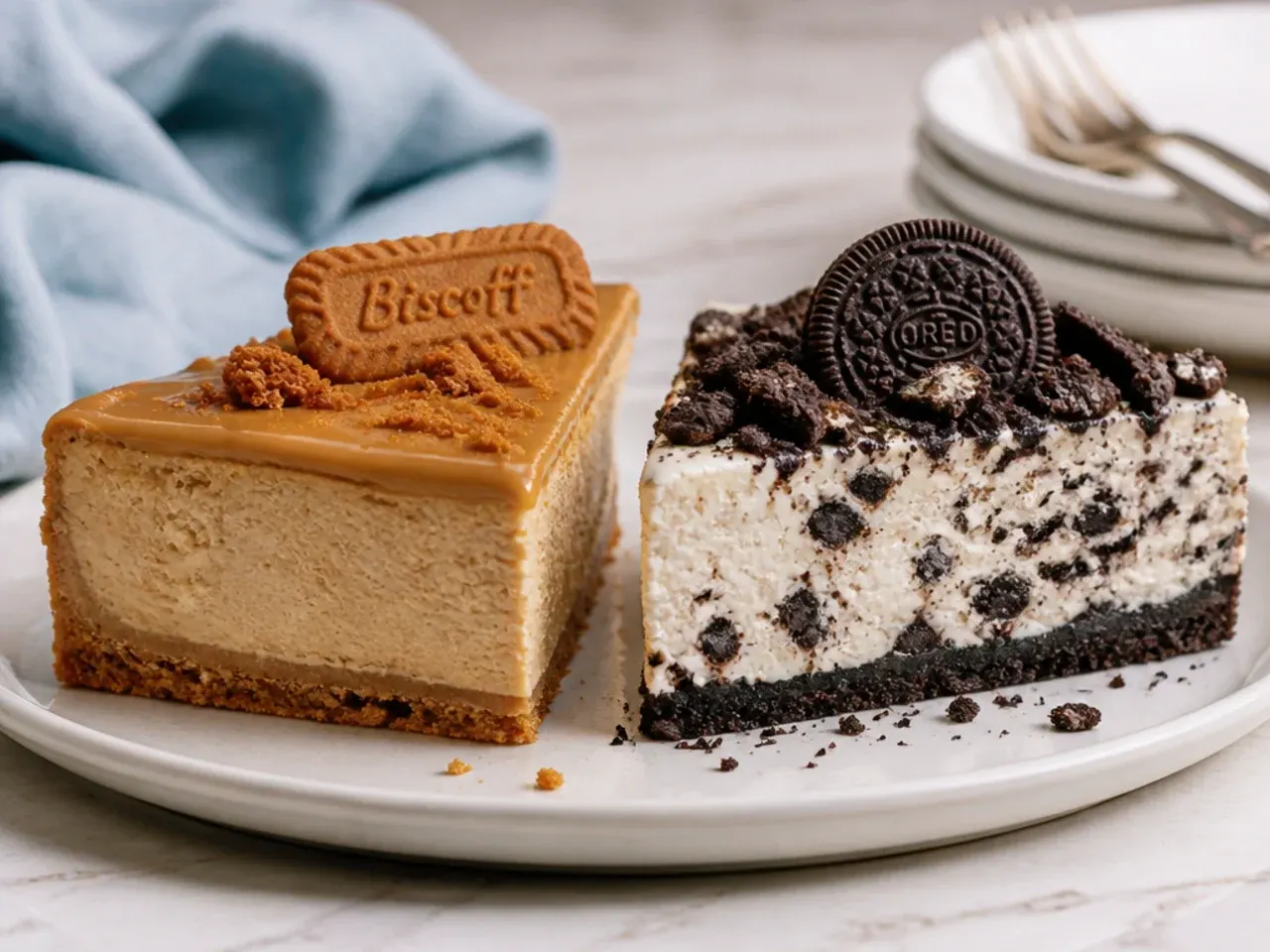
Biscoff tastes like caramelised, lightly spiced shortbread, cinnamon, brown sugar and warm buttery speculoos, and blended into cheesecake it reads as caramel plus cheesecake in one bite, with a silky mousse-like set thanks to the whipped cream. The melted-spread topping adds a soft fudgy layer that most Oreo cheesecakes can't match. Oreo delivers the familiar chocolate-vanilla cookies-and-cream flavour with actual cookie chunks that give a pleasant chew against the creamy filling, so its texture is more varied while Biscoff is smoother and more uniform. Biscoff also holds a cleaner slice because the filling is denser and the topping seals the surface; Oreo can look messier where the chunks meet the knife. For a grown-up, dinner-party flavour go Biscoff; for pure nostalgic comfort go Oreo.
Time and Effort
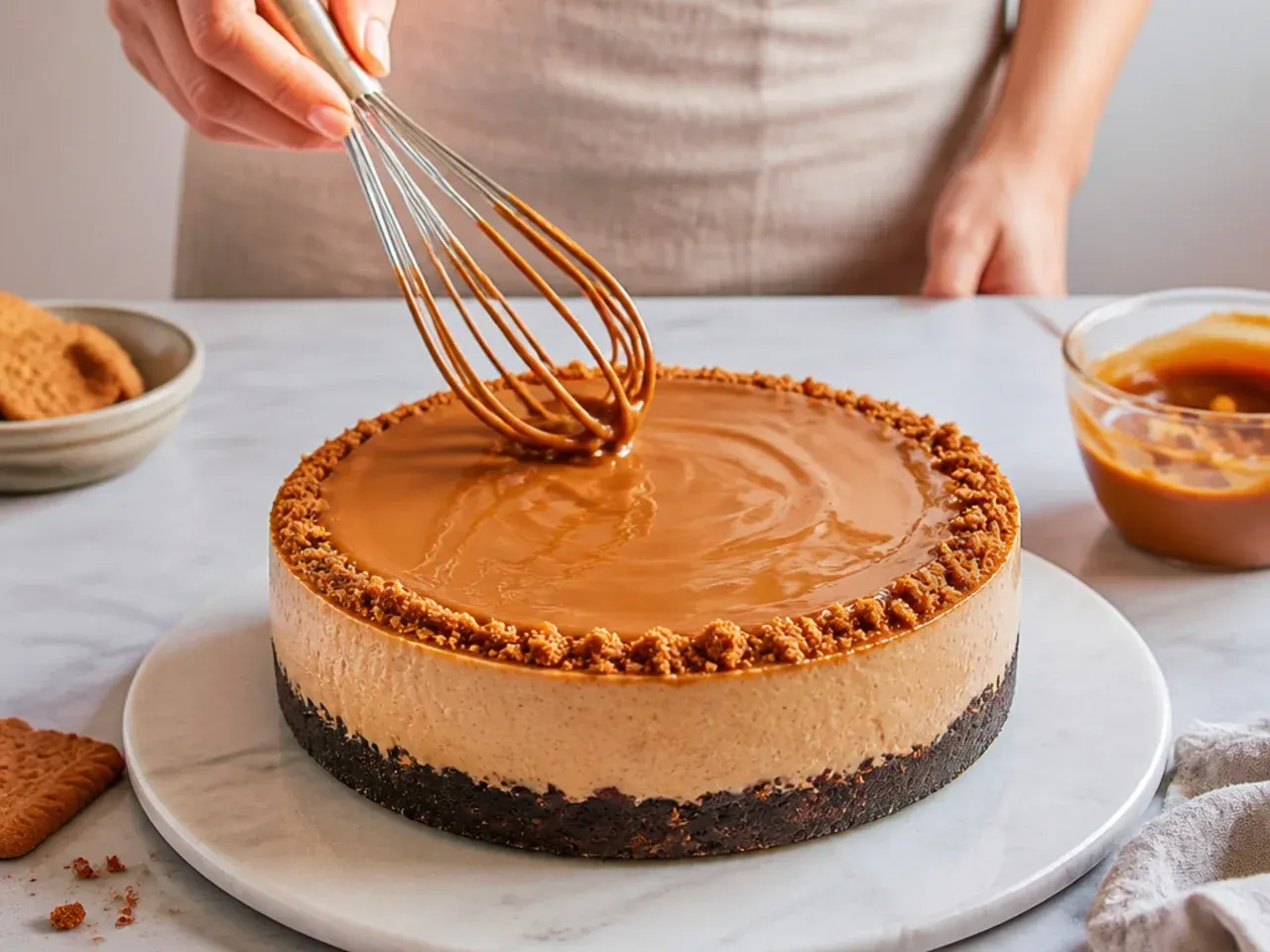
Active prep is nearly identical at 20-25 minutes for both, and neither uses the oven, so the real cost is chilling time: a minimum of 5-6 hours and ideally overnight for either one to set firm enough to slice cleanly. Biscoff has one extra step, gently melting 150g spread (30-45 seconds in the microwave, stirred until pourable) and glazing the top, which adds maybe five minutes plus a short 20-30 minute freezer firm-up before glazing so the warm spread doesn't sink in. Oreo skips the glaze but you spend that time chopping cookies for the filling and piping whipped cream to decorate, so it evens out. Difficulty is Beginner for both; the only skill is whipping the cream and cream cheese to the right thick, ice-cream-like consistency before it goes in the tin. Plan a day ahead for either and you'll never be caught with a runny centre.
Best Choice by Situation
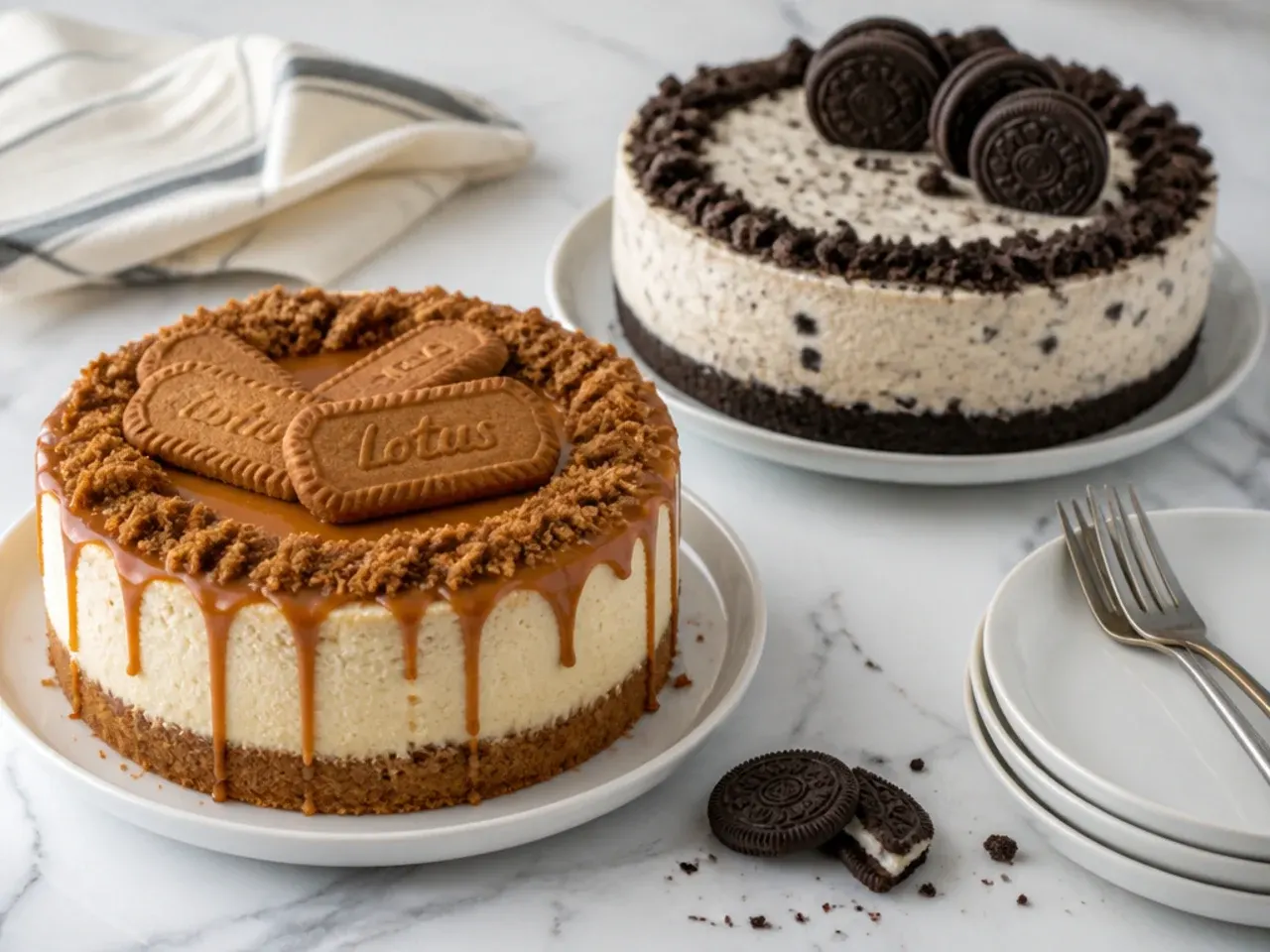
Choose the Biscoff cheesecake when you want a showstopper: the glossy poured topping photographs beautifully and the warm-spiced flavour feels special for dinner parties, birthdays and anyone bored of chocolate. Choose the Oreo cheesecake for kids' parties, school fetes and mixed crowds, because cookies and cream is an easy universal crowd-pleaser and it costs a touch less to make in bulk. If you genuinely can't decide, do a marbled hybrid: fold chopped Oreos through the Biscoff filling and glaze with melted Biscoff spread for the best of both, a trick the popular no-bake versions online lean on. For a make-ahead dessert you'll assemble the night before, either works, but Biscoff is the more forgiving slicer if presentation matters. My overall pick is Biscoff for flavour and finish, and the recipe below is the one I'd hand to a first-time cook.
The Recipe
The Recipe We Recommend
25 min
0 min
6 hr 25 min (includes chilling)
12
Beginner
Ingredients 12 Person(s)
Directions
Step 1: Make the biscuit base
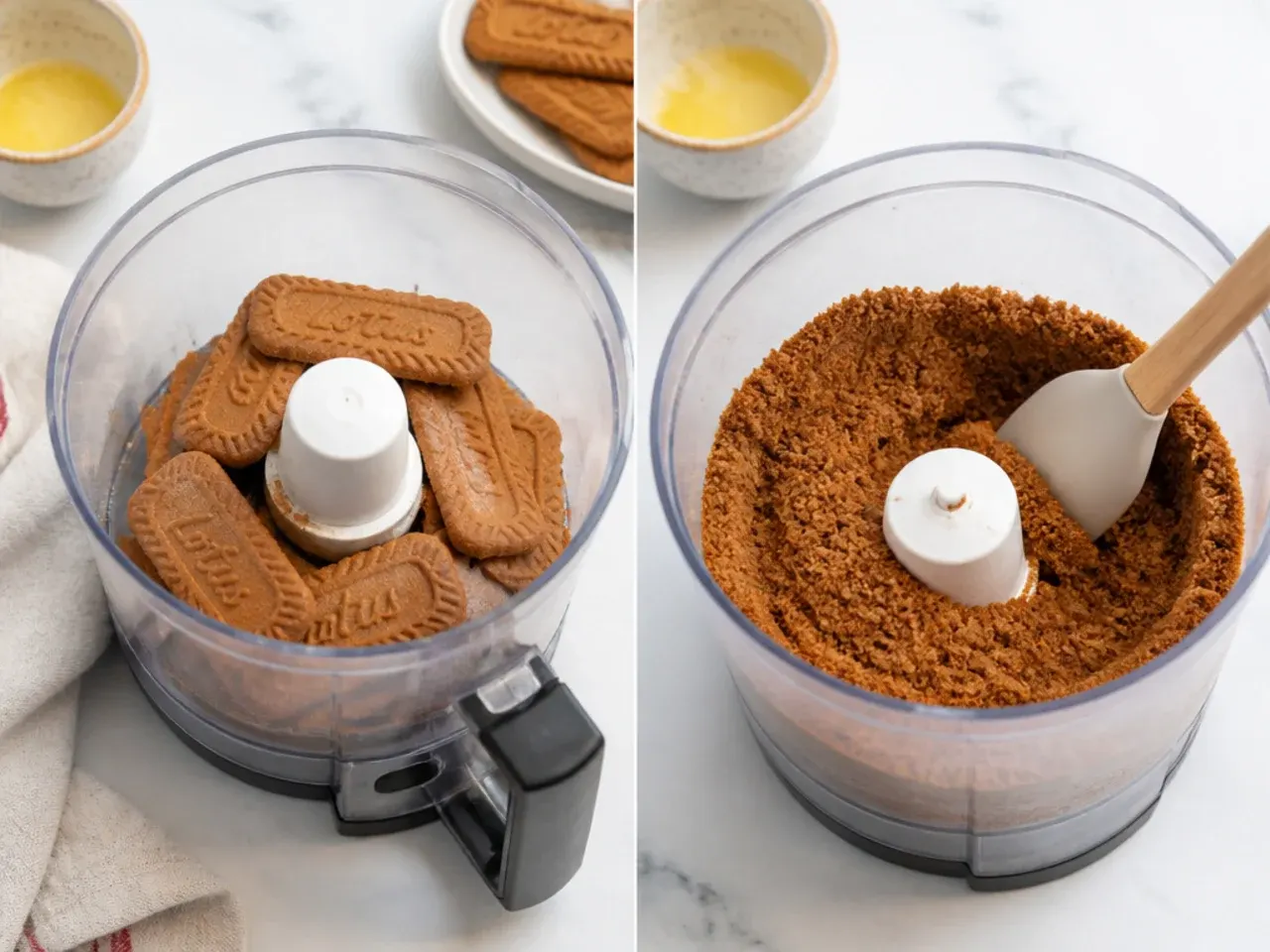
Blitz 200g Biscoff biscuits to fine crumbs in a food processor, or bash them in a sealed bag with a rolling pin. Stir in the 80g melted butter until the crumbs look like wet sand. Tip into an 18cm (7 inch) springform or loose-bottomed tin and press down firmly and evenly with the back of a spoon, pushing a little up the sides if you like. Chill in the fridge while you make the filling.
Step 2: Whip the cream
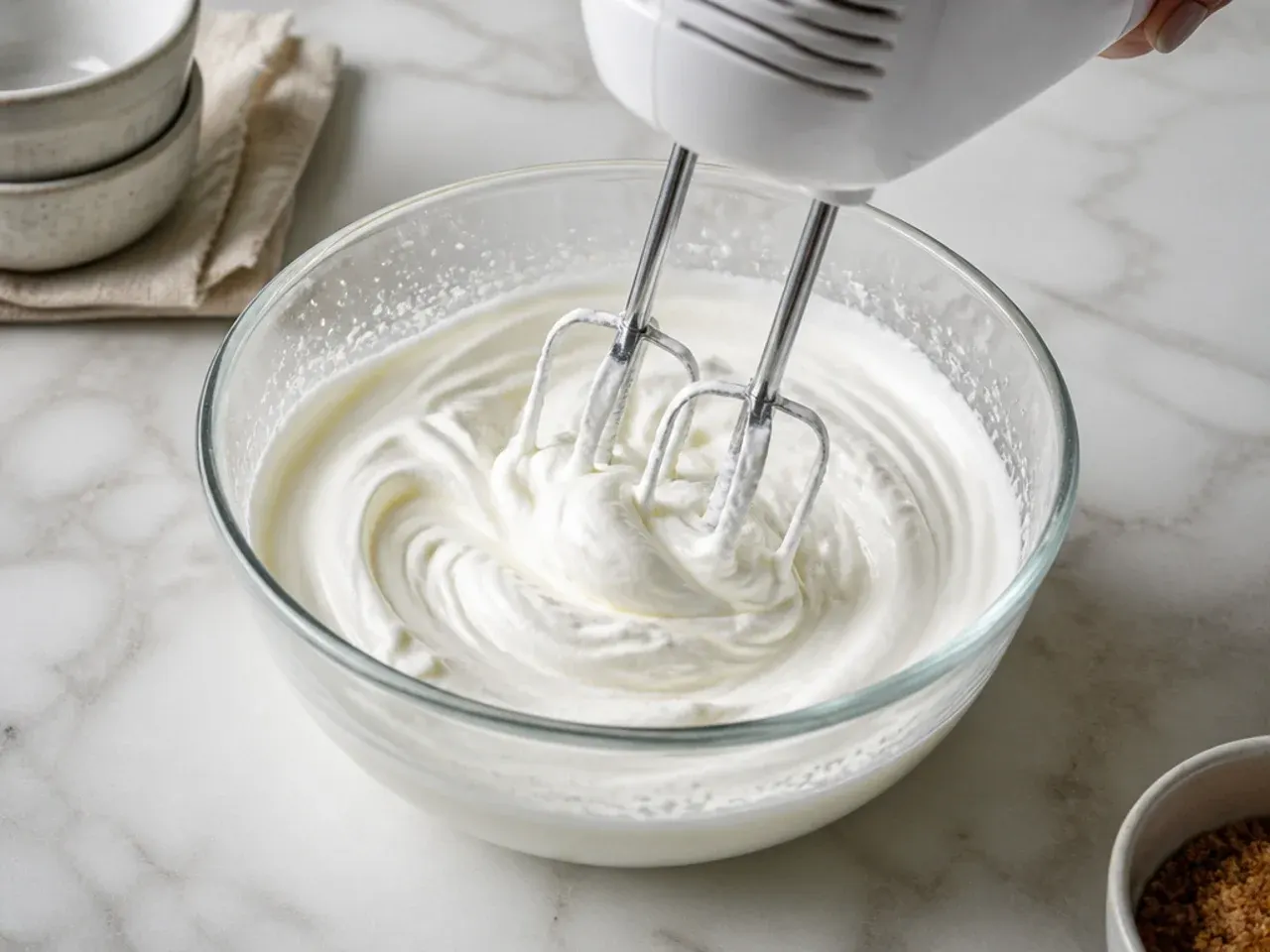
Pour the 300ml very cold double cream into a large bowl and whisk with an electric mixer until it just holds soft peaks, about 2-3 minutes. Stop the moment it forms peaks that flop over slightly, as over-whipping turns it grainy. Keeping the cream cold is the single biggest factor in a filling that sets firm, so whisk it straight from the fridge.
Step 3: Beat the cream cheese base
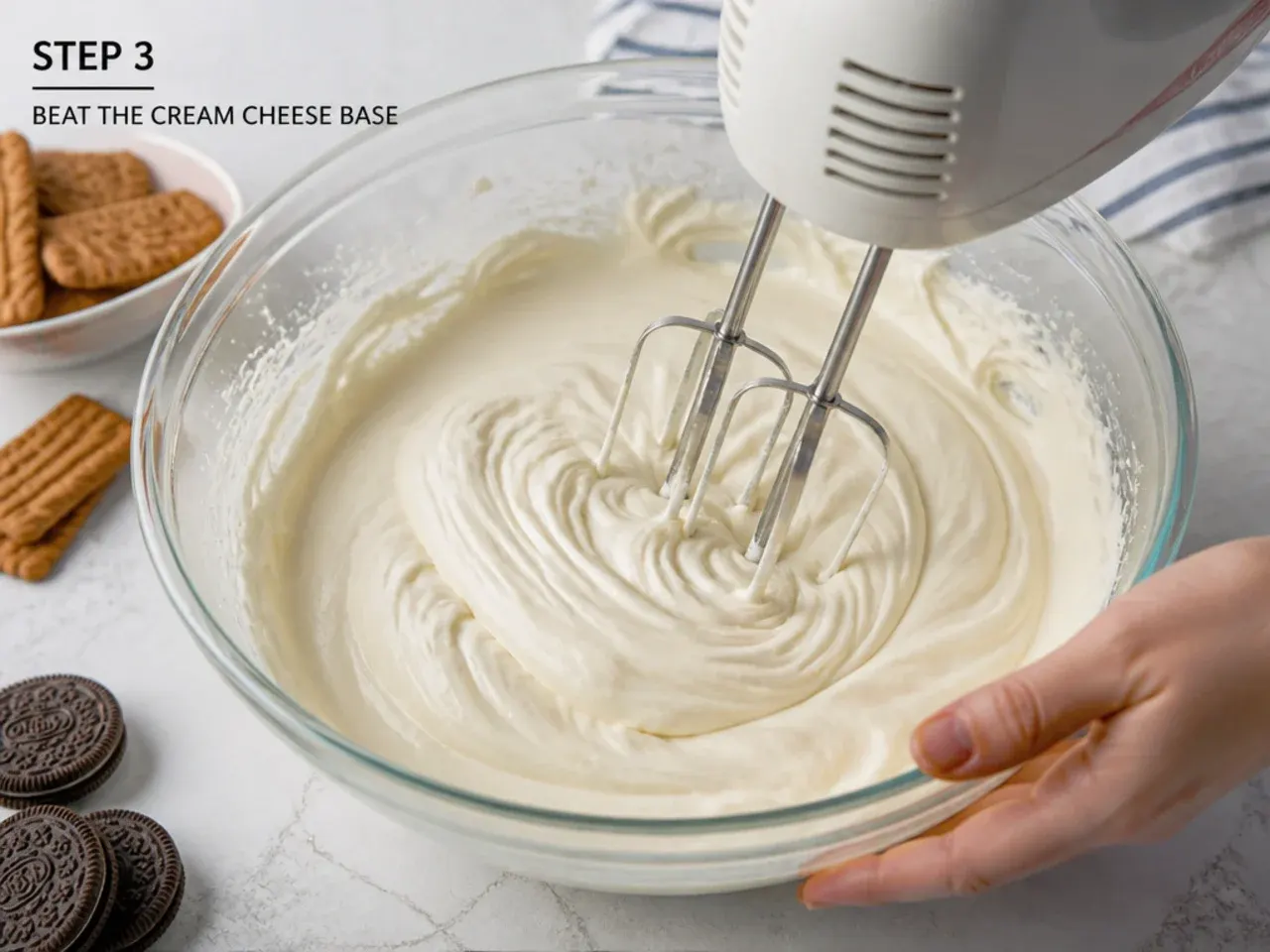
In a separate large bowl, beat the 400g full-fat cream cheese, 75g sifted icing sugar and 1 tsp vanilla until completely smooth with no lumps, about 1 minute on medium. Add the 200g Biscoff spread and beat again just until combined and glossy. Use full-fat cream cheese only, as low-fat versions release water and will leave you with a runny centre.
Step 4: Fold it all together
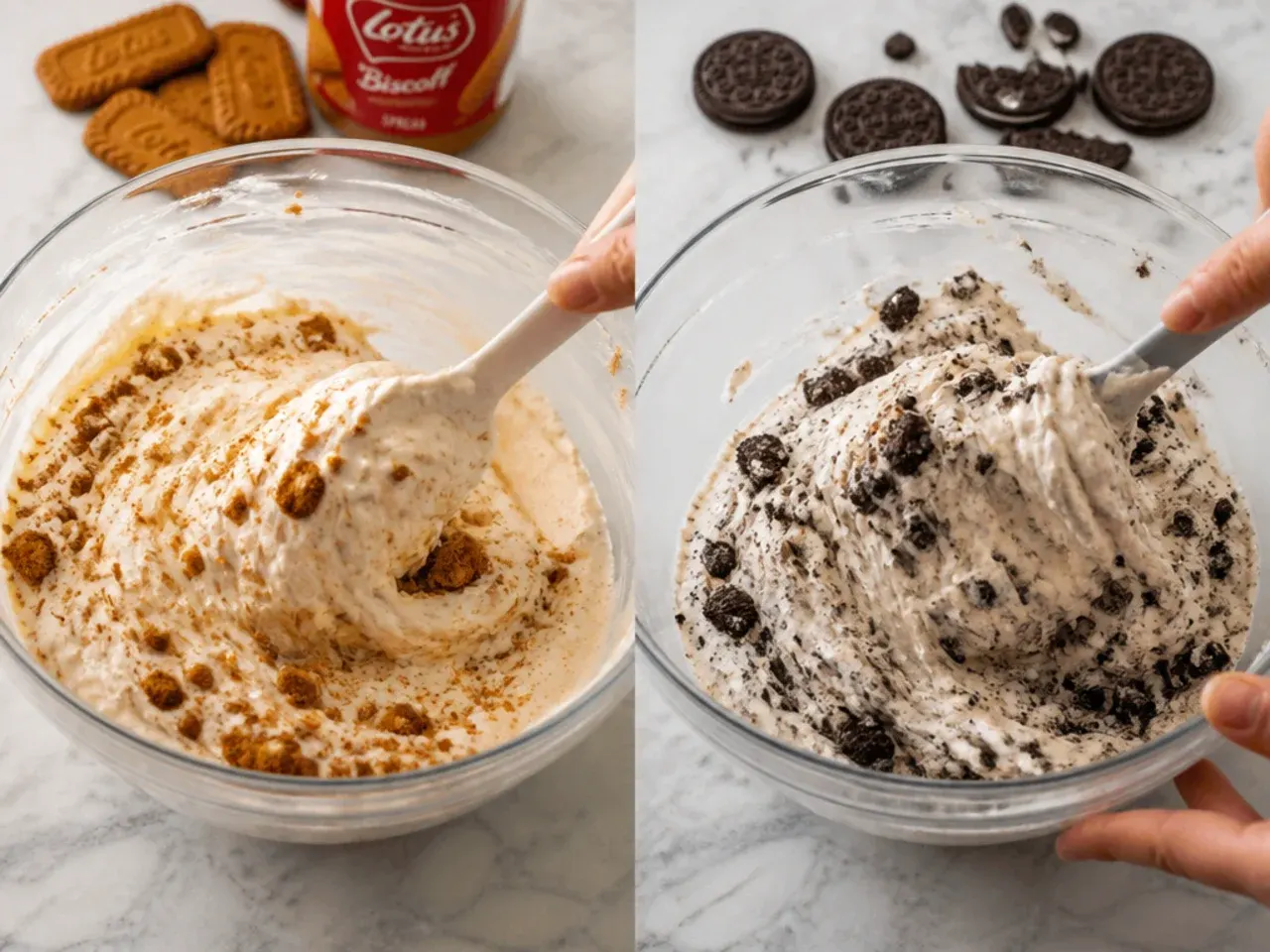
Add the whipped cream to the cream cheese mixture in two additions, folding gently with a spatula to keep the air in. The finished mixture should be thick, moussey and hold its shape like soft-serve ice cream. If it looks loose, whisk on low for 20-30 seconds until it thickens, but don't overdo it.
Step 5: Fill the tin and chill
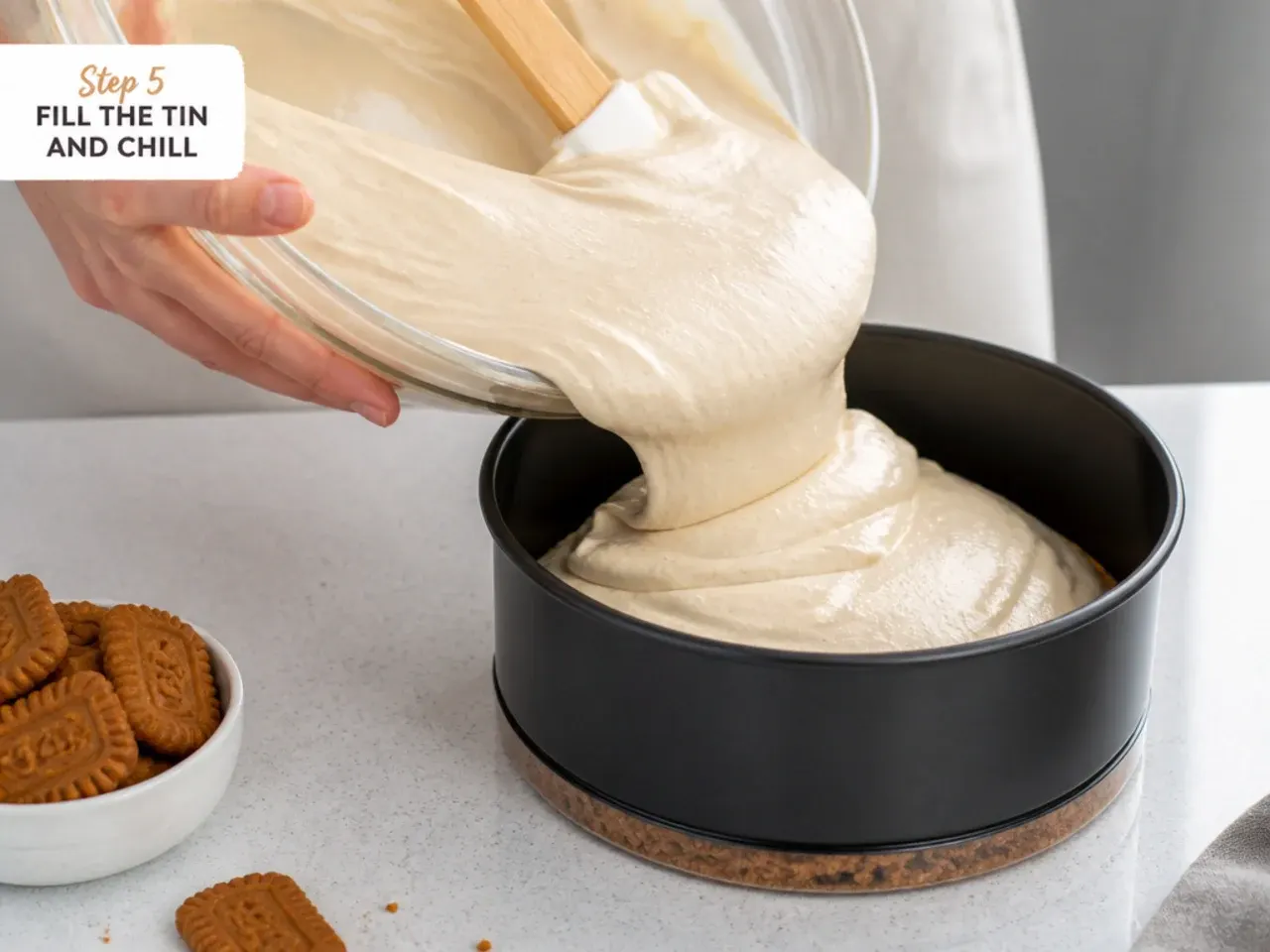
Spoon the filling onto the chilled base and smooth the top level with a palette knife or the back of a spoon. Tap the tin gently on the worktop to knock out any air pockets. Cover and refrigerate for at least 5-6 hours, or overnight for the cleanest slices. Do not rush this step, as an under-chilled cheesecake will slump when you release the tin.
Step 6: Add the Biscoff topping
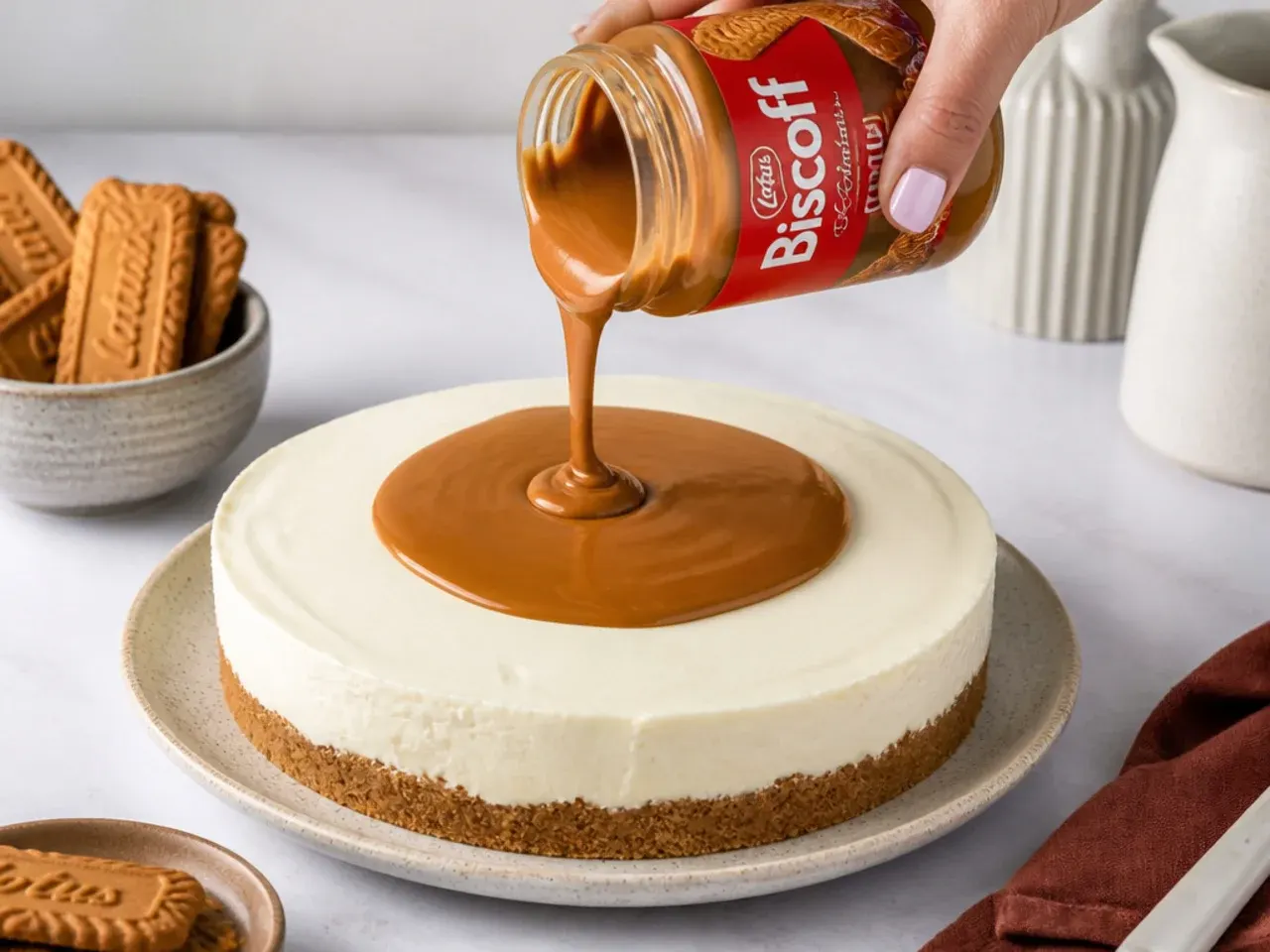
Once set, firm the cheesecake in the freezer for 20-30 minutes so the warm topping won't melt it. Microwave the 150g topping Biscoff spread for 30-45 seconds, stirring until smooth and just pourable. Pour it over the centre and tilt the tin so it flows to the edges in a glossy, even mirror layer. Return to the fridge for 10-15 minutes to set the topping.
Step 7: Decorate and serve
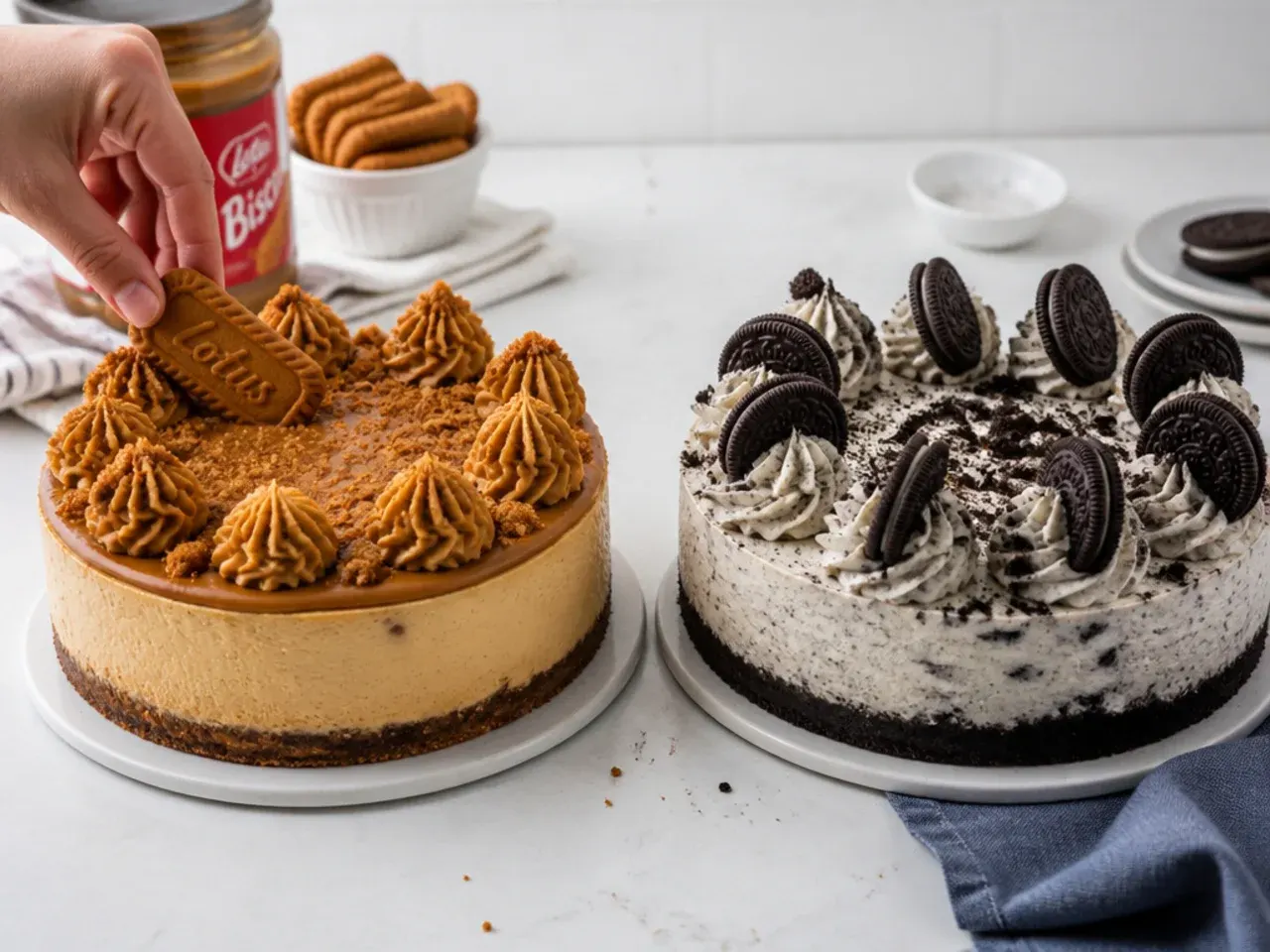
Release the springform: run a warm, dry knife around the inside edge, then unclip and lift the ring away. Scatter the 4 crushed Biscoff biscuits around the edge or centre. For picture-perfect slices, dip a sharp knife in hot water and wipe it dry between every cut. Serve chilled straight from the fridge.
Frequently Asked Questions
It depends on your crowd. Biscoff gives a warm, caramelised, lightly spiced flavour and a smoother mousse-like set with a glossy poured topping, which suits dinner parties and anyone bored of chocolate. Oreo gives nostalgic cookies-and-cream with chewy cookie chunks and costs a little less, which makes it the safer bet for kids and big mixed groups. For flavour and finish I pick Biscoff; for universal appeal and budget, Oreo edges ahead.
Save this for later 📌
Pin this article to your Pinterest board so the full list is one tap away when you need it.
Save on Pinterest