3 Black Cake vs Fruit Cake Recipes Compared
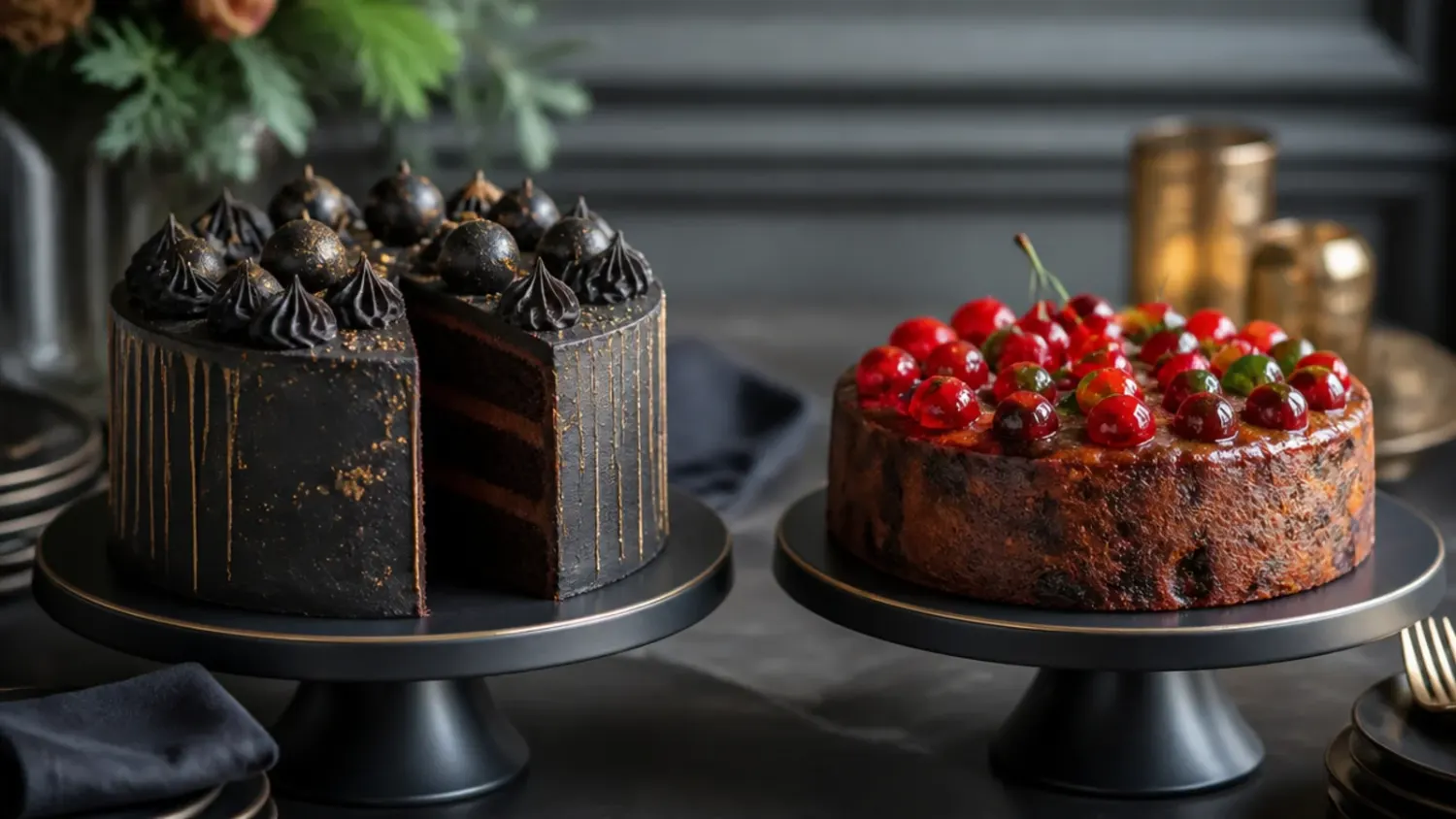
Black cake vs fruit cake compared on cost, taste, texture and time, plus a tested Caribbean black cake recipe with rum-soaked fruit and browning. If you love black cake inspiration, start with our Black Cake Recipes & Ideas collection, then browse the full Cake Ideas hub for more.
Save this for later 📌
Pin this article to your Pinterest board so the full list is one tap away when you need it.
Save on PinterestCake Ideas
Intermediate
Comparison
3 compared
Table of Contents
Option 1: Caribbean Black Cake
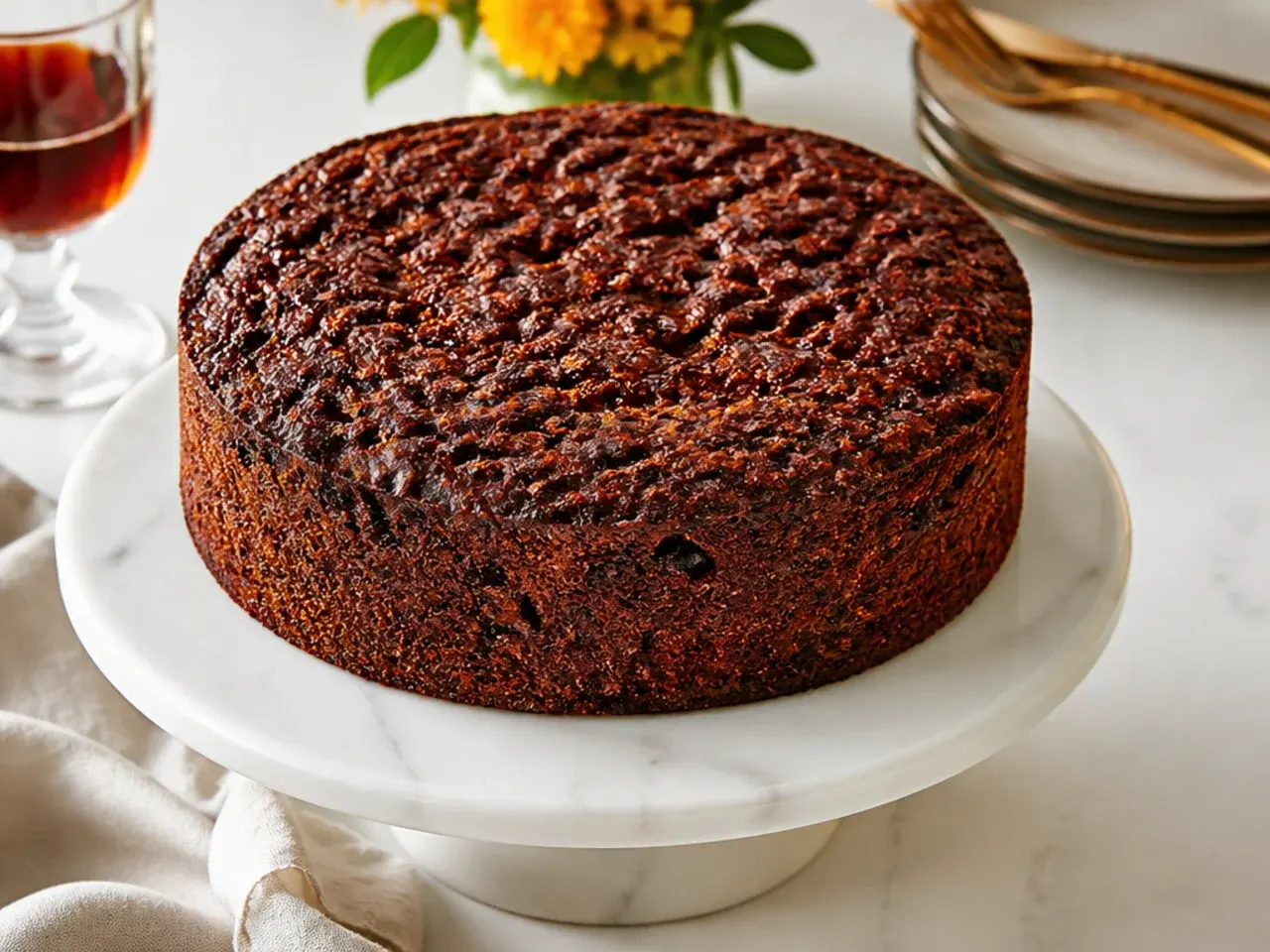
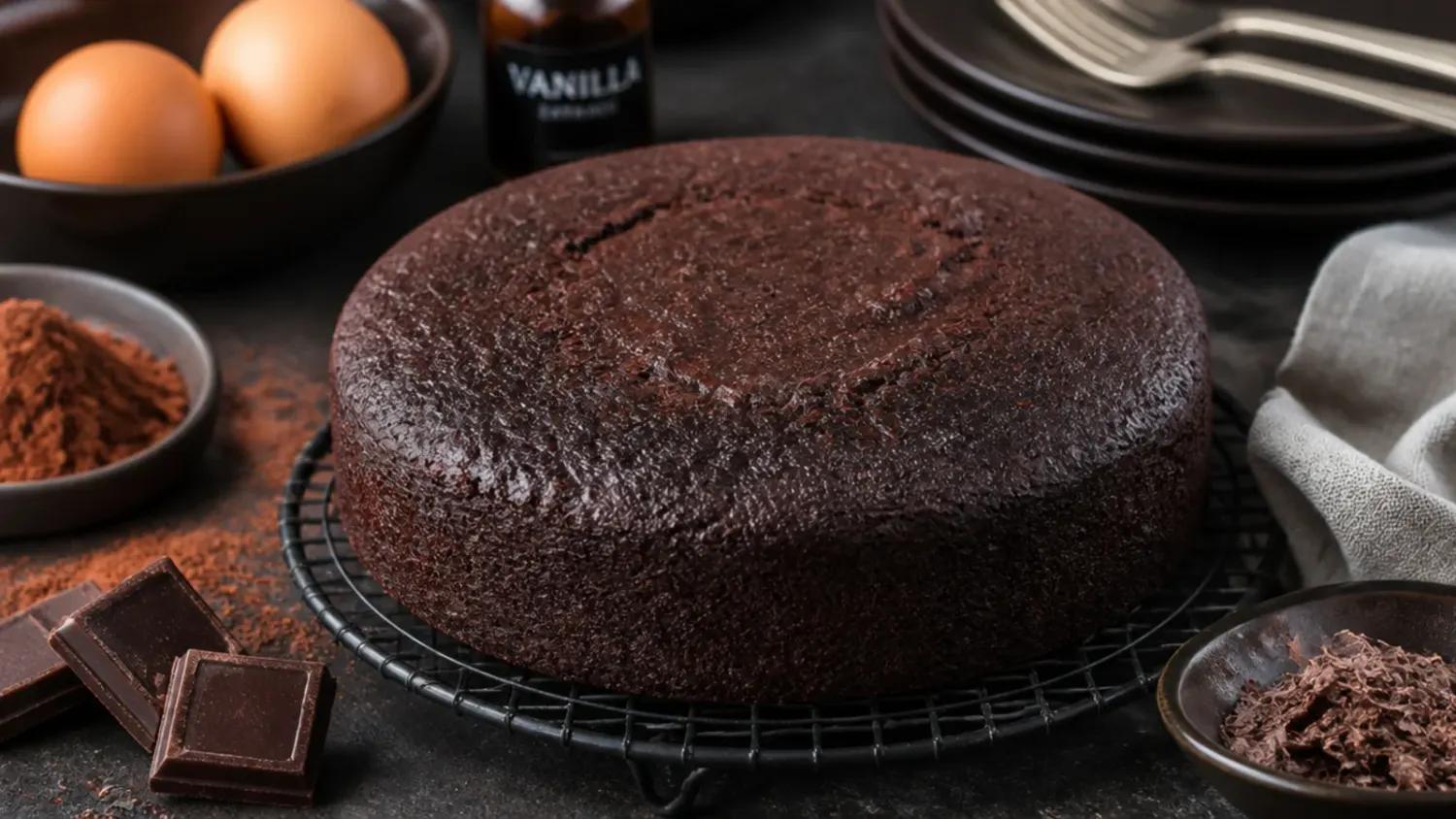
Black cake is the Caribbean's Christmas and wedding centrepiece, made by soaking prunes, raisins, currants and dried cherries in sweet red wine and dark rum for anywhere from 5 days to a full year. The soaked fruit is then blended into a smooth paste, which is why a slice shows no fruit chunks at all, just a dense, near-black crumb. The colour comes from browning (burnt sugar syrup), stirred into a batter of creamed butter, dark brown sugar, eggs, flour, breadcrumbs and warm spices. It bakes low and slow at 120C (250F) for about 2.5 hours in a 10-inch (25 cm) pan, which keeps the texture moist and pudding-like rather than cakey. Straight out of the oven it gets doused with more wine or rum, then rests for 1 to 3 days before serving so the flavours settle.
Option 2: Traditional British Fruit Cake
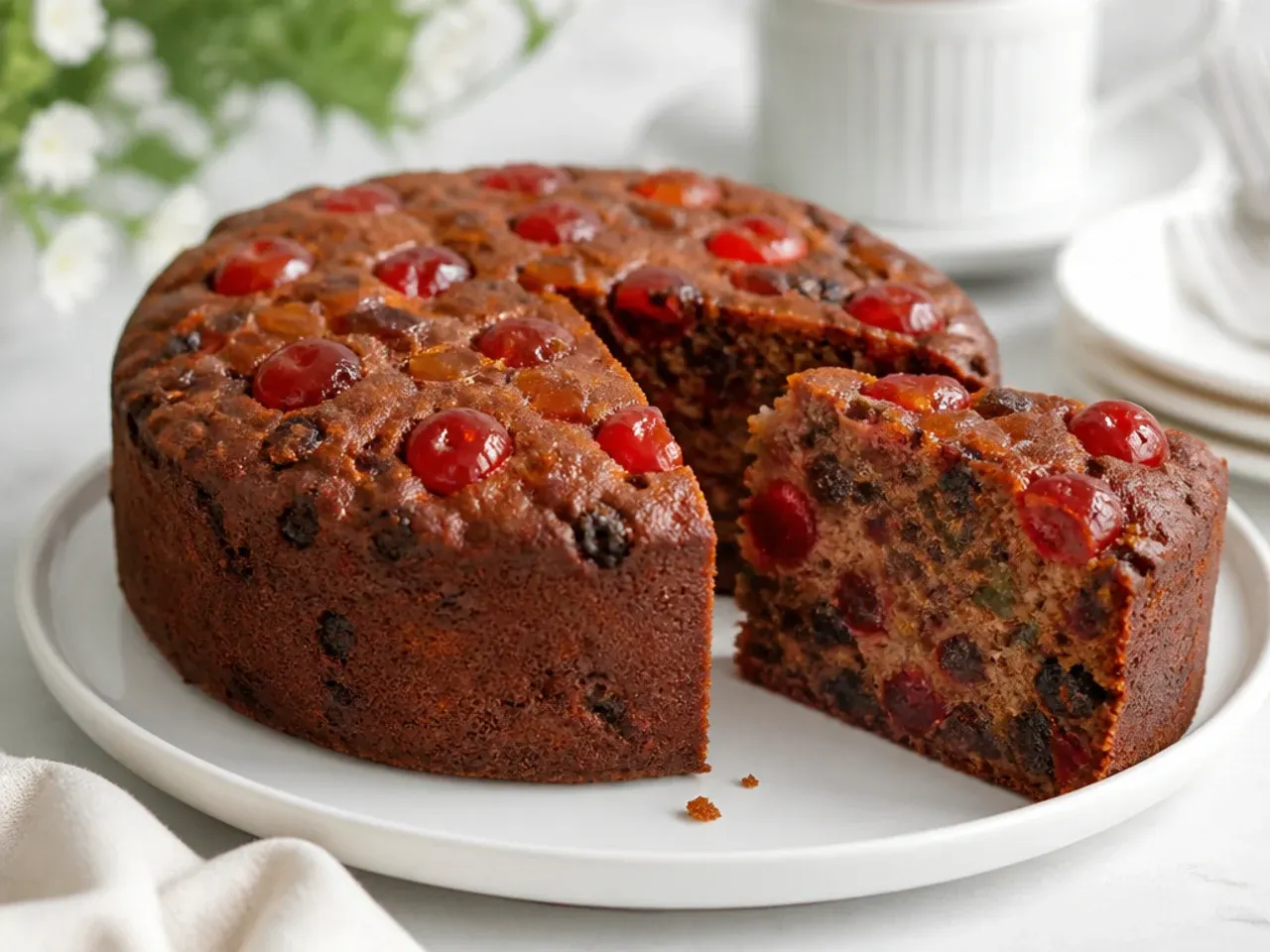
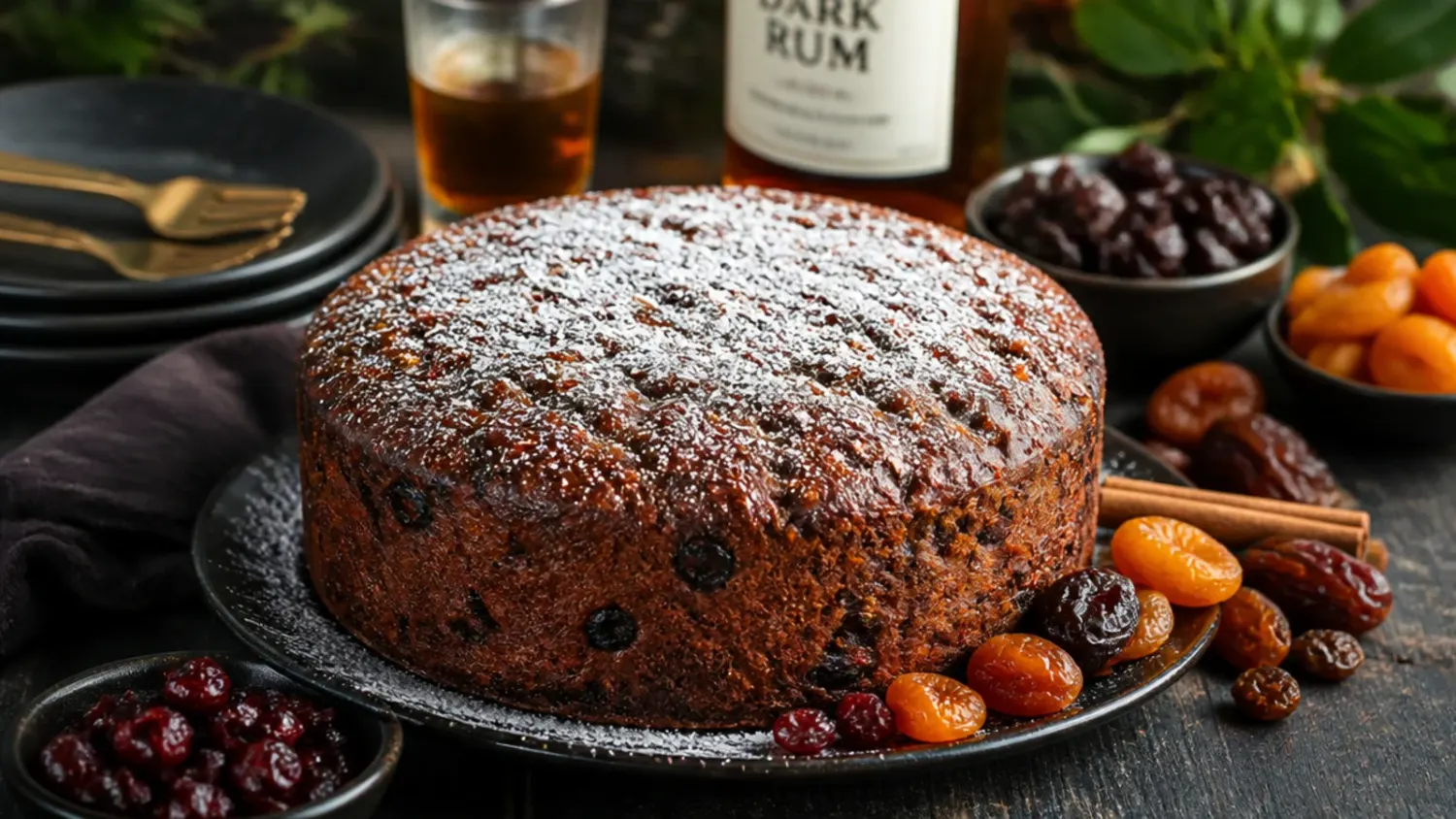
A classic British fruit cake keeps its fruit whole: sultanas, raisins, currants, glace cherries and candied peel are soaked overnight in brandy, then folded through a spiced butter batter so every slice is studded with visible jewels of fruit. It bakes in a deep 20 cm (8-inch) round tin at 140-150C (280-300F) for 2.5 to 4 hours, giving a firm, golden-brown crumb that slices cleanly. After baking, the cake is fed with 1-2 tablespoons of brandy every week and matured for 4 to 8 weeks wrapped in baking paper and foil. That sturdy structure is exactly why it is the traditional base for marzipan and royal icing at Christmas and on wedding cakes. Ground almonds and chopped walnuts are common additions, giving it a nuttier, brighter profile than black cake.
Cost Comparison
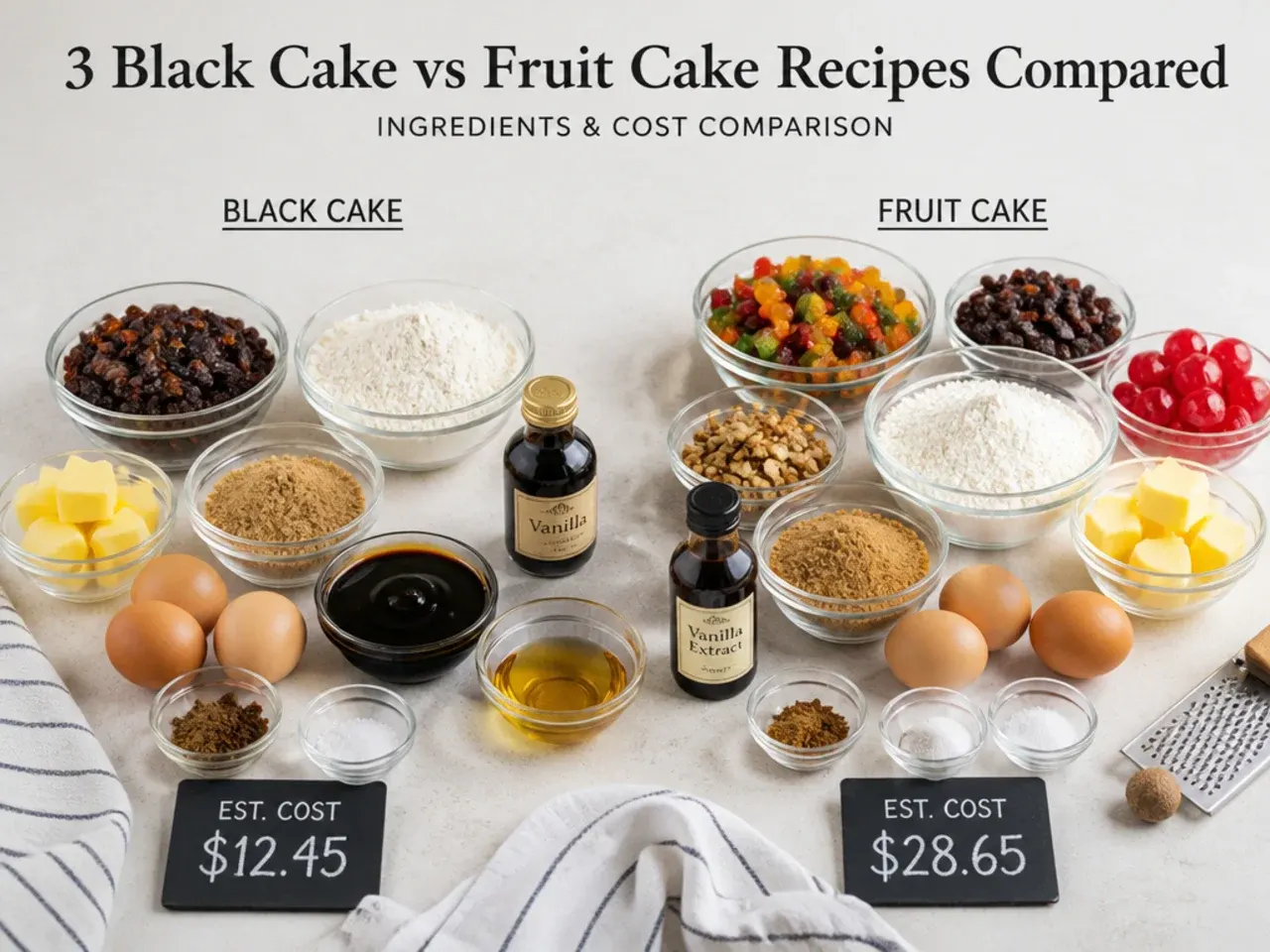
Black cake is the pricier of the two, mostly because of the alcohol. Expect around 3 to 4 GBP for 450 g of mixed dried fruit and prunes, 6 to 8 GBP for a bottle of sweet red wine or ruby port, about 1.50 GBP worth of dark rum from a bottle you already own, 1.50 GBP for browning, and 5 to 6 GBP for butter, eggs and dark brown sugar, so roughly 17 to 21 GBP (about 22 to 27 USD) for one 10-inch cake, or 1.40 to 1.75 GBP per slice across 12 slices. A traditional fruit cake comes in around 11 to 14 GBP (14 to 18 USD): 5 to 6 GBP for 1 kg of mixed fruit, cherries and peel, about 4 GBP worth of brandy for the soak and weekly feeds, and 3 to 4 GBP for the butter, flour, sugar and eggs. Because a 20 cm fruit cake cuts into 16 thinner slices, it works out nearer 0.70 to 0.90 GBP per slice. If you already keep rum and port at home, the gap narrows to just a couple of pounds.
Taste and Texture
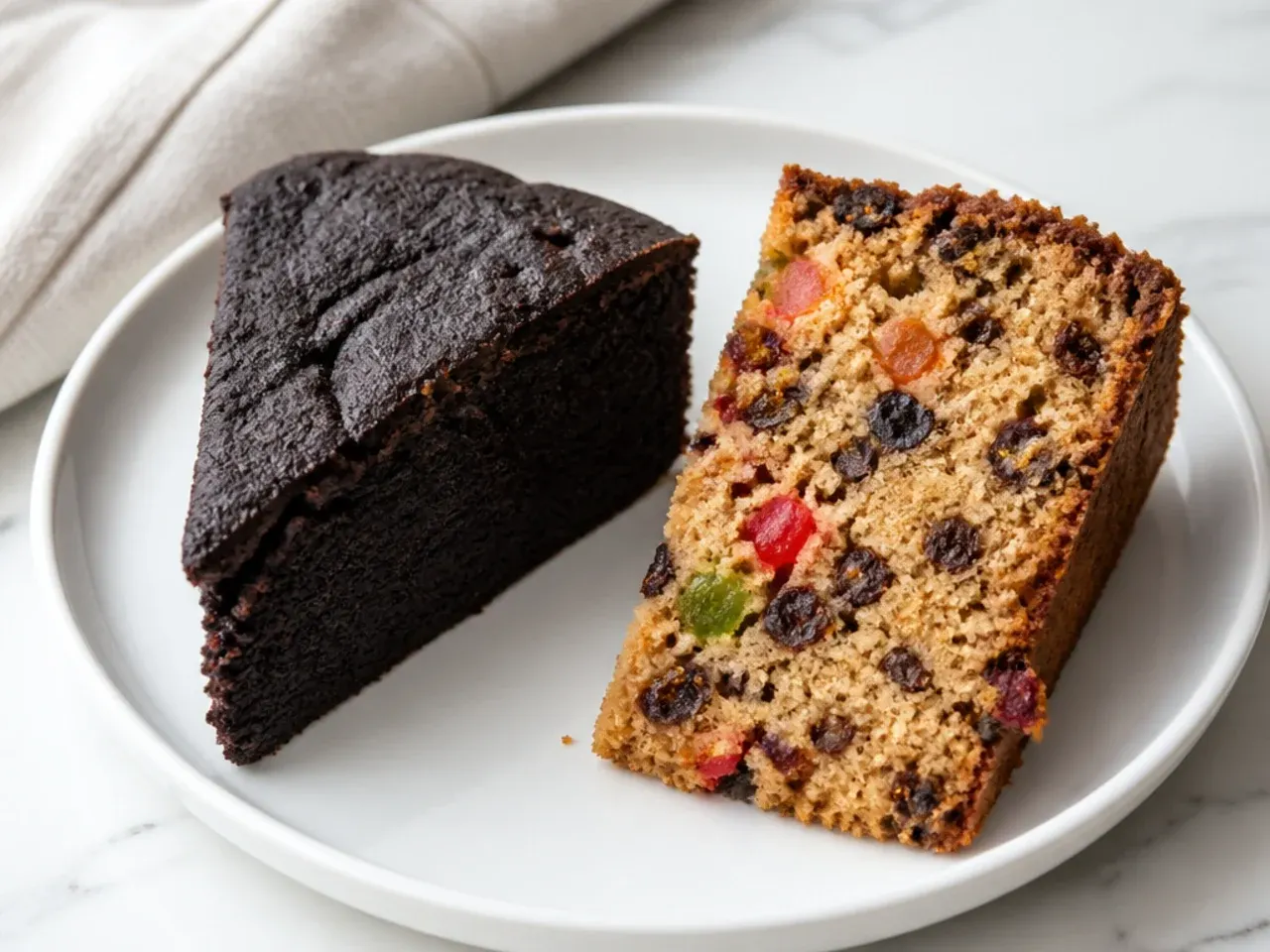
Black cake tastes deep and bittersweet: the browning adds a burnt-caramel edge, the blended prunes and wine bring a dark, almost sticky-toffee richness, and cinnamon, nutmeg and allspice sit underneath it all. Its texture is closer to a steamed pudding than a sponge, so moist it can look underbaked, and it is meant to be that way. Fruit cake is sweeter and brighter, with pops of tangy cherry and citrus peel in every bite and a firm, slightly crumbly texture that holds a clean edge when sliced. That firmness matters if you plan to decorate: fruit cake carries the weight of marzipan and royal icing without sagging, while black cake is too soft and is traditionally served bare or with a thin almond-paste layer at weddings. If you like tasting distinct pieces of fruit, choose fruit cake; if you want one unified, boozy, spiced flavour, black cake wins.
Time and Effort
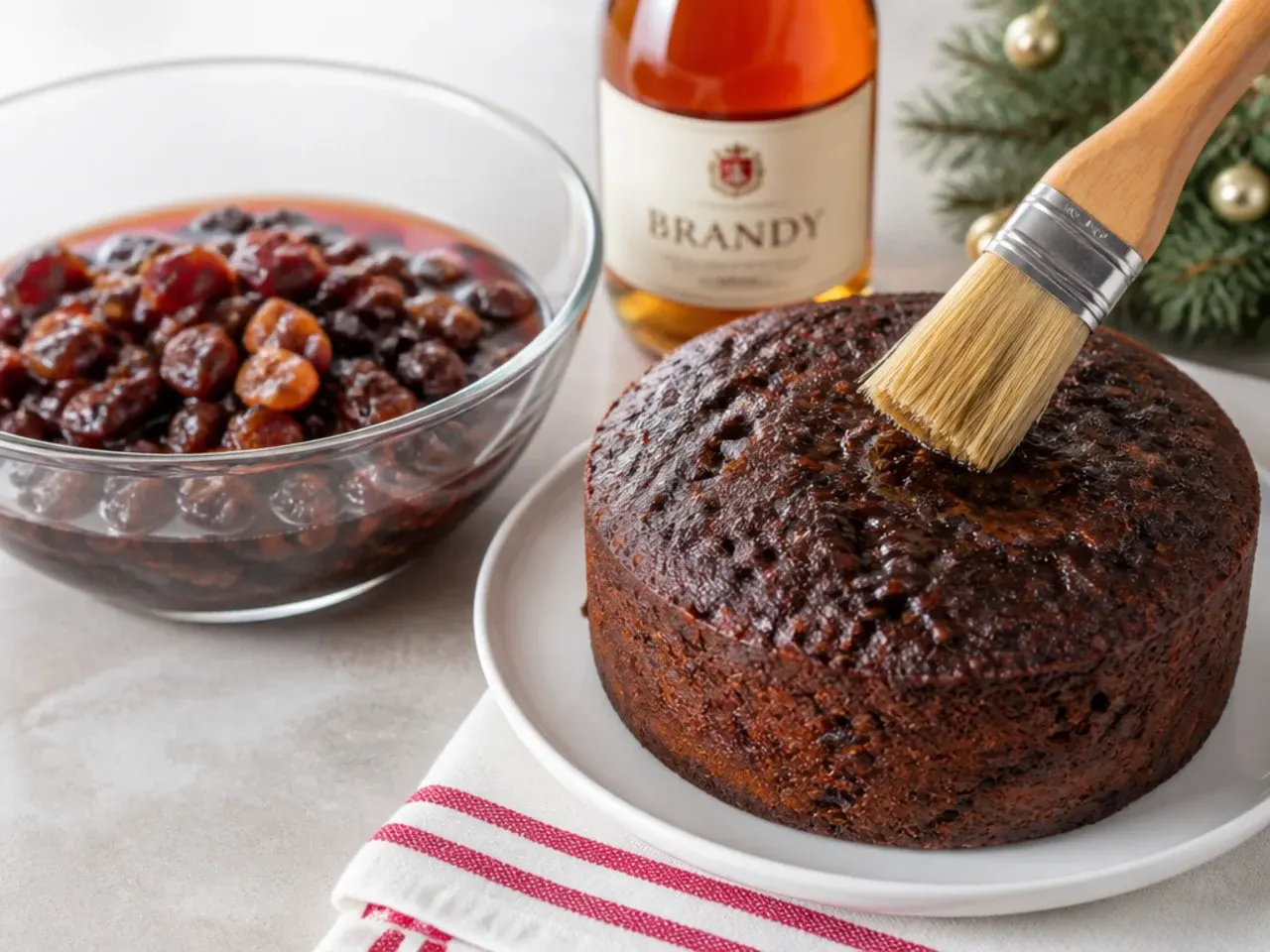
Black cake demands planning at the start: the fruit needs a minimum of 5 days soaking in wine and rum, and many Caribbean bakers soak for 3 to 12 months for the deepest flavour. Active work is about 45 minutes (blending the fruit, creaming the batter), then a 2.5 hour bake at 120C (250F), and the cake is at its best just 1 to 3 days after baking. Fruit cake flips that timeline: only an overnight brandy soak and 30 minutes of mixing before a 2.5 to 4 hour bake at 140-150C (280-300F), but it then wants 4 to 8 weeks of maturing with weekly brandy feeds before it hits peak flavour. In a genuine hurry, black cake is actually faster overall if you use the quick soak, simmering the fruit in the wine for 15 to 20 minutes and cooling it before blending. So the real question is which end of the calendar you can commit to: soaking ahead, or maturing after.
Best Choice by Situation
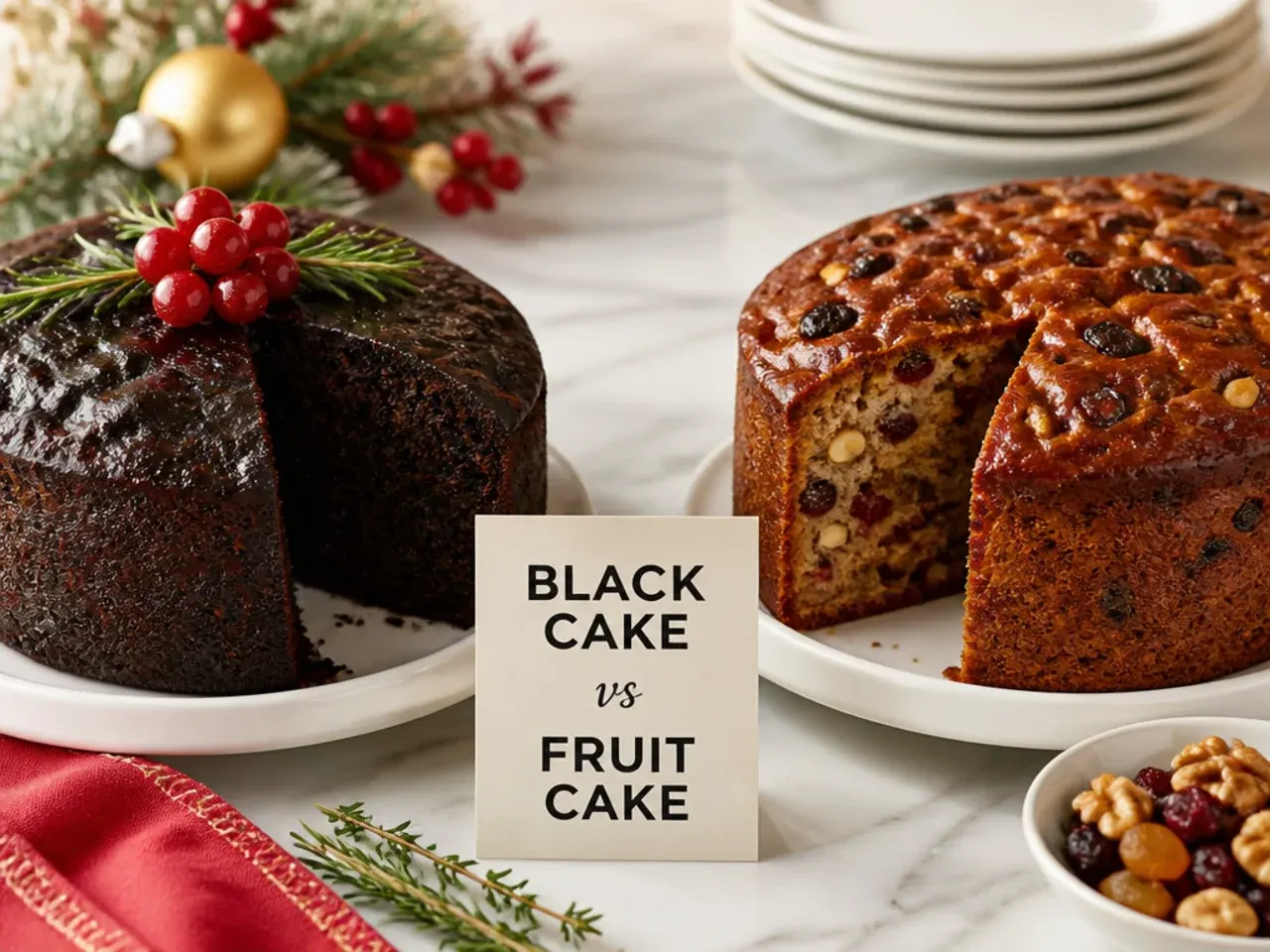
For a Caribbean Christmas, a wedding cake with heritage, or anyone who loves sticky-toffee and steamed-pudding textures, make black cake, and start the soak today even if the event is months away. For a classic British Christmas centrepiece under marzipan and royal icing, or a cake to post to relatives, choose fruit cake, since its firm crumb travels well and it only improves over 6 to 8 weeks in a tin. Short on notice, say a week or less, black cake with the 20-minute simmer soak is the better bet because it is table-ready 1 to 3 days after baking. If you are baking alcohol-free, both work with grape juice in place of wine or brandy, but eat within a week and store in the fridge since the alcohol is what preserves these cakes. And if you simply cannot decide, bake the black cake below and set aside a cup of the soaked fruit unblended to fold in whole, a genuine best-of-both hybrid.
The Recipe
The Recipe We Recommend
45 min (plus 5-day fruit soak)
2 hr 30 min
3 hr 15 min
12
Intermediate
Ingredients 12 Person(s)
Directions
Step 1: Soak the Fruit
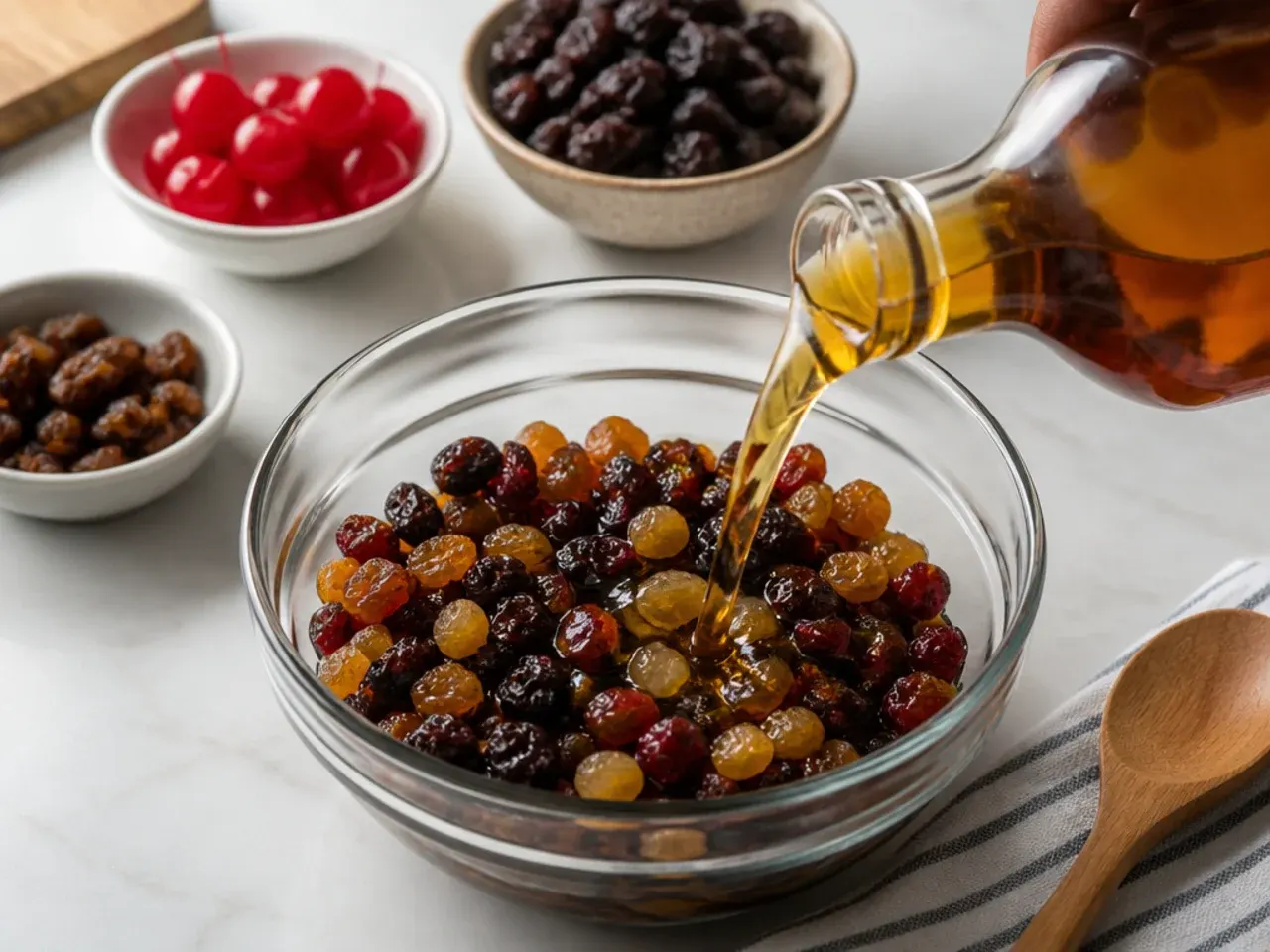
Combine the prunes, raisins, currants and dried cherries in a large airtight jar with 500 ml of the sweet red wine and the 60 ml dark rum. Seal and leave at room temperature for at least 5 days, and up to several months, shaking the jar every few days and topping up with wine if the fruit drinks it all. Short on time? Simmer the fruit and wine gently in a covered saucepan for 15 to 20 minutes, then cool completely before using.
Step 2: Blend the Fruit to a Paste
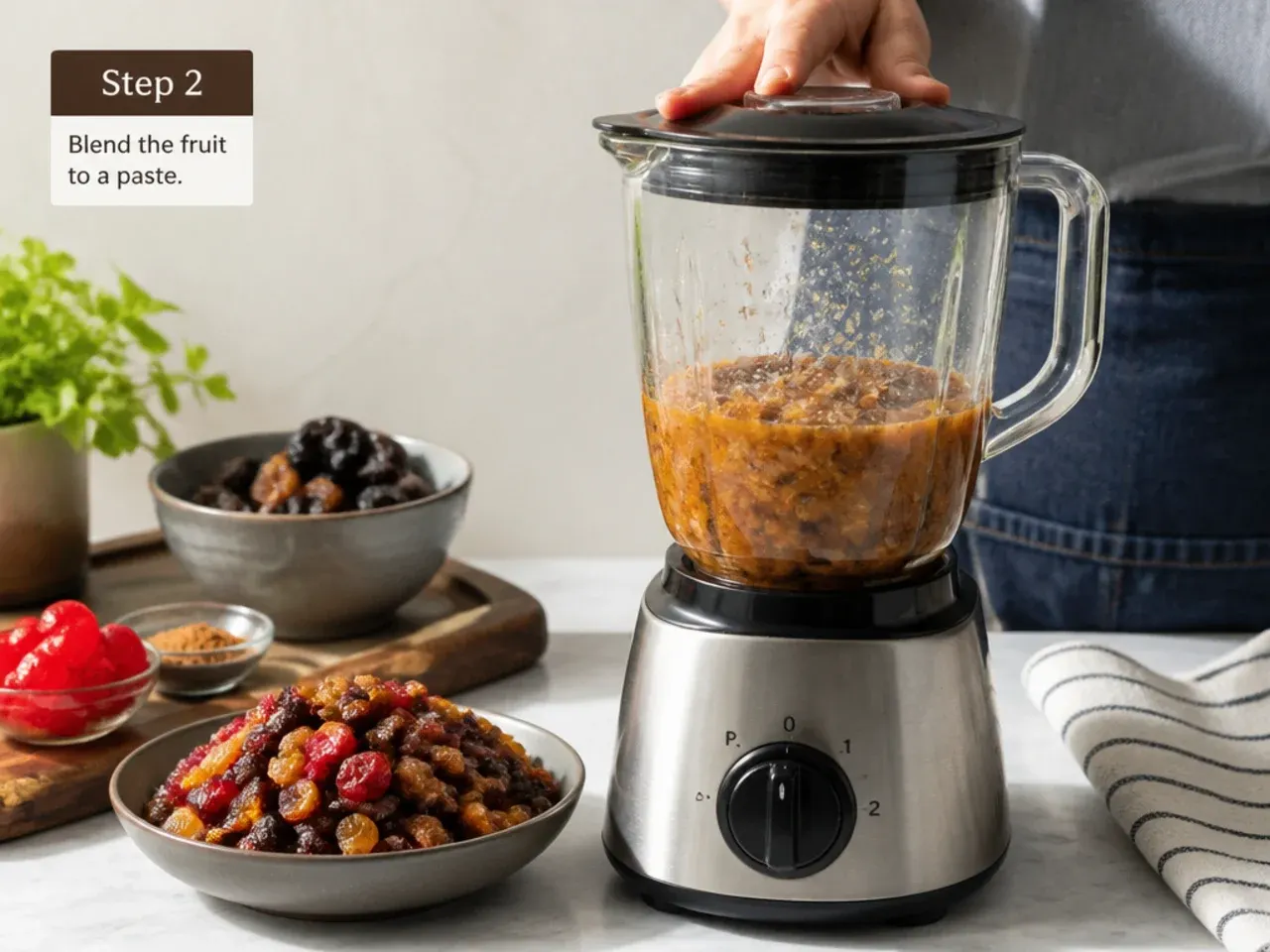
Tip the soaked fruit and its liquid into a blender or food processor and blitz until you have a thick, mostly smooth paste with no large lumps, about 1 to 2 minutes. You should end up with roughly 3 cups of dark fruit paste. Add a splash more wine if the blades struggle, but keep it paste-like, not watery.
Step 3: Prepare the Pan and Oven
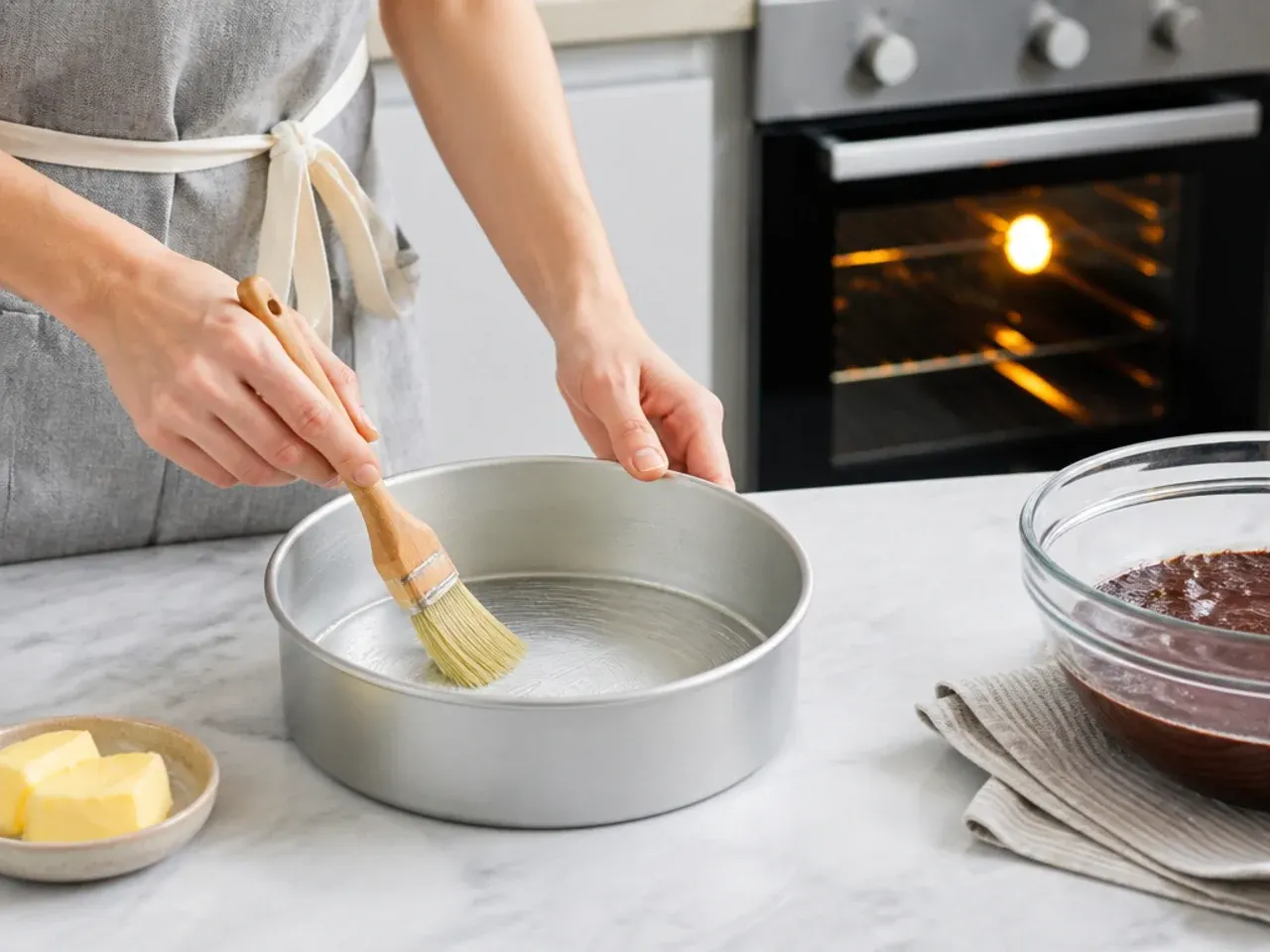
Heat the oven to 120C (250F). Grease a deep 10-inch (25 cm) round cake pan and line the base and sides with a double layer of baking parchment, which insulates the cake through its long bake and keeps the edges from drying out. Set the pan aside while you mix the batter.
Step 4: Cream the Butter and Sugar
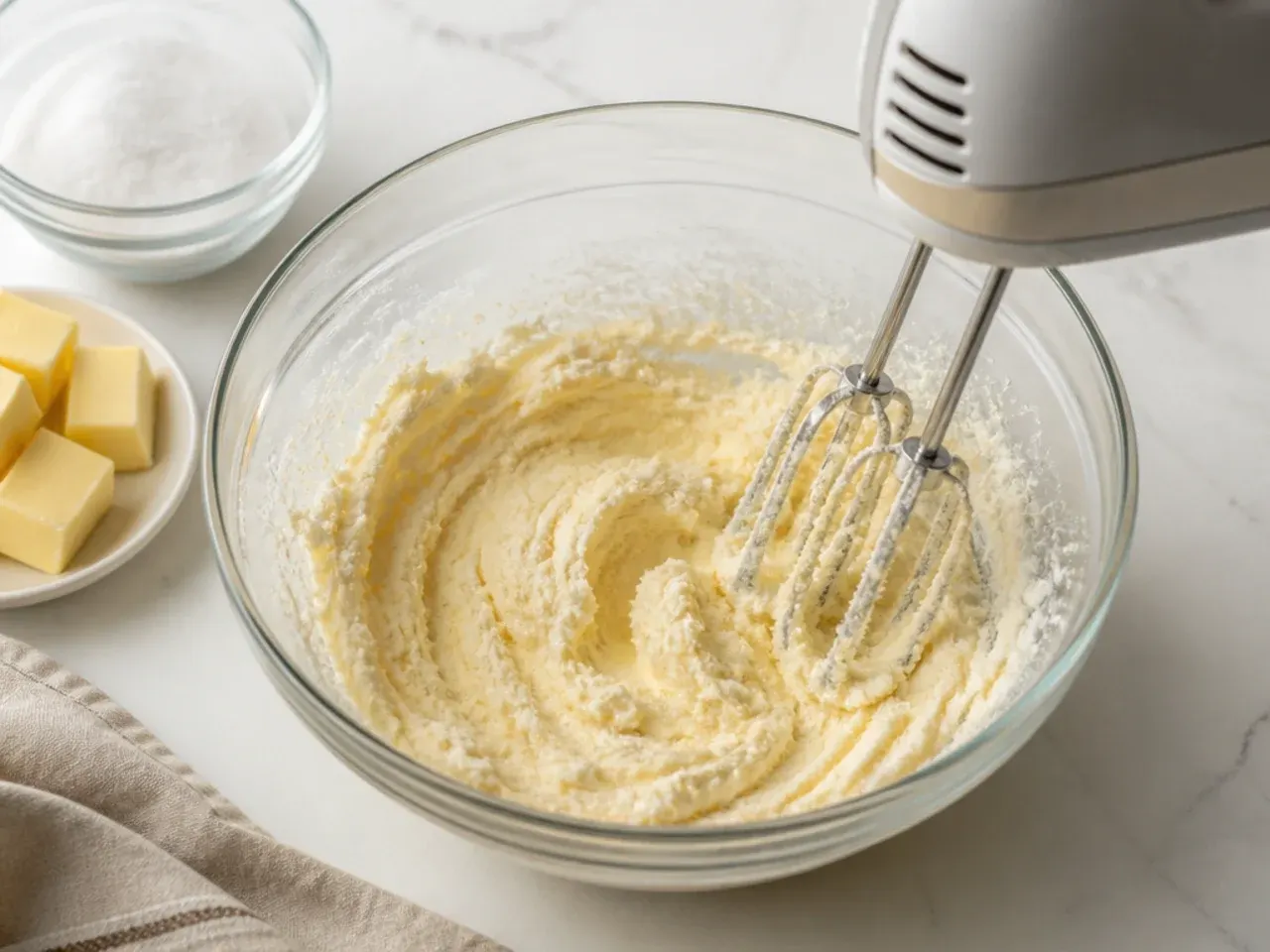
Beat the softened butter and dark brown sugar with an electric mixer on medium for 3 to 5 minutes, until pale and fluffy. Add the eggs one at a time, beating well after each, then mix in the vanilla, almond extract and lime zest. If the mixture looks slightly curdled after the eggs, keep going; the flour will bring it back together.
Step 5: Add the Fruit Paste and Browning
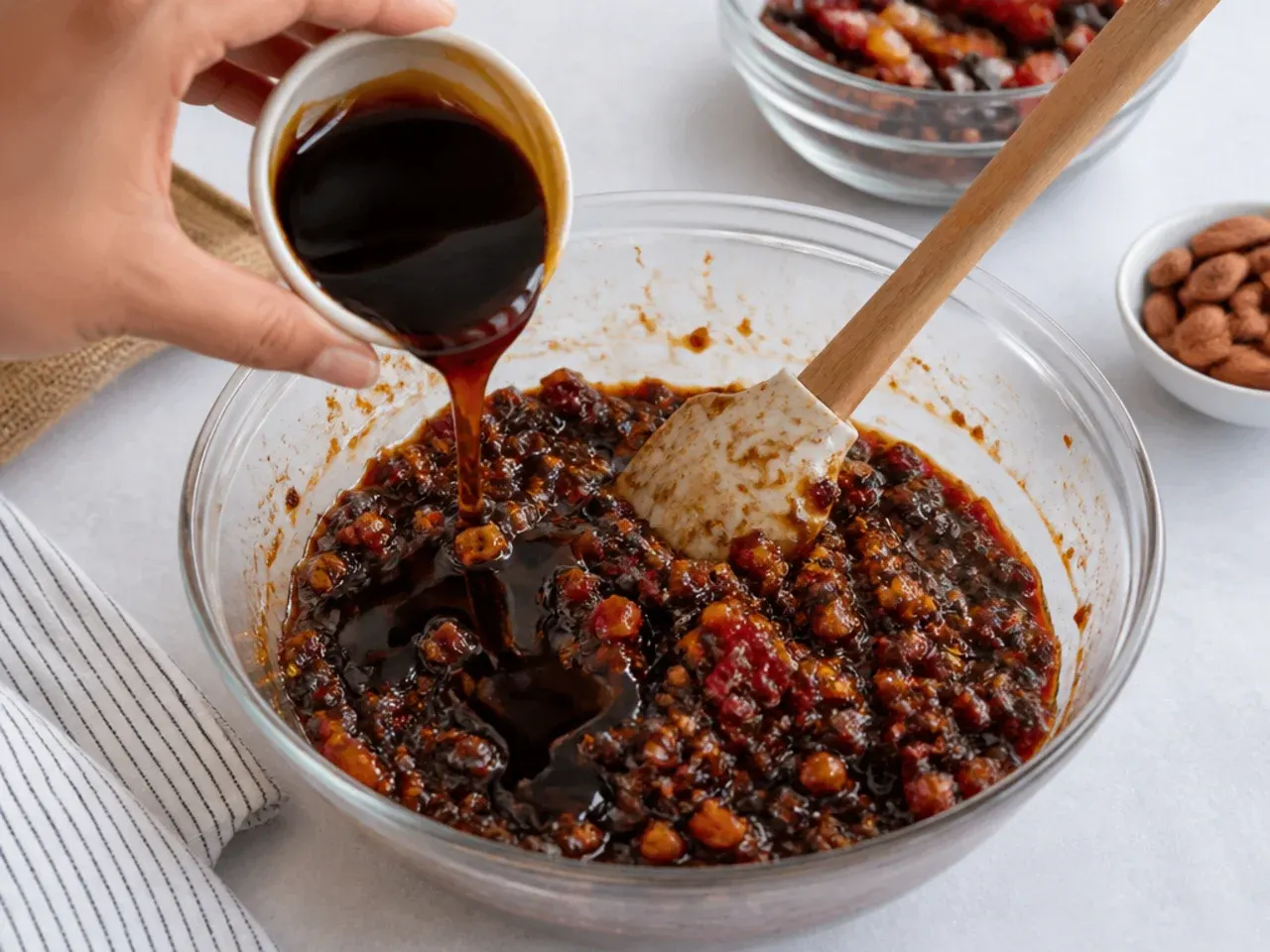
Fold the blended fruit paste into the batter with a spatula, then stir in the 4 tablespoons of browning until the batter is an even, deep brown-black with no streaks. Taste-check the colour here: if you want a truly black cake, add up to 1 extra tablespoon of browning. No browning on hand? Melt 4 tablespoons of sugar in a dry pan until nearly black and smoking, then carefully whisk in 4 tablespoons of hot water off the heat.
Step 6: Fold in the Dry Ingredients
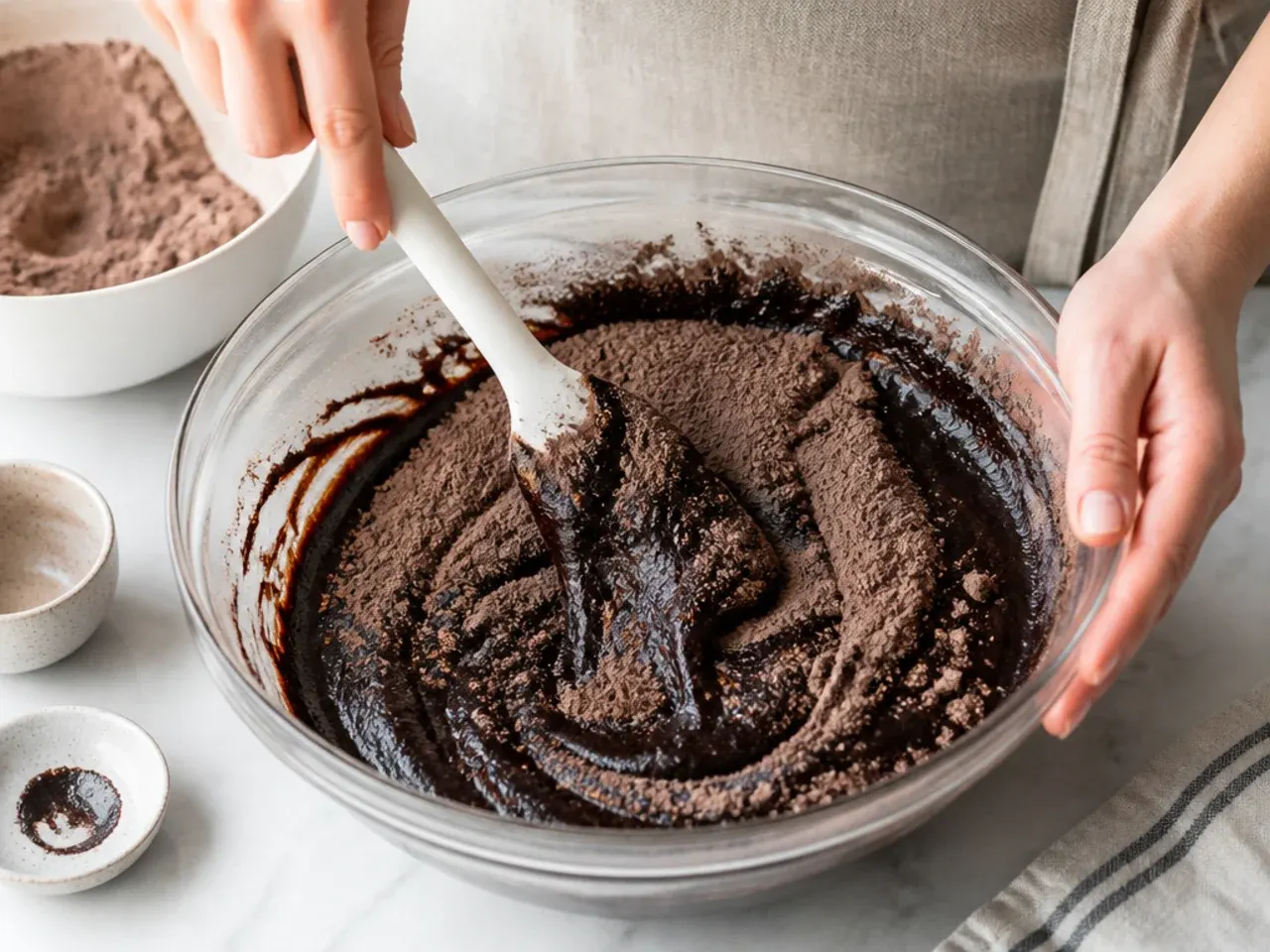
Whisk the flour, breadcrumbs, baking powder, cinnamon, nutmeg, allspice and salt together in a separate bowl. Fold the dry mix into the wet batter in two additions, stopping as soon as no dry pockets remain; overmixing makes the cake tough. The finished batter should be thick but drop slowly off the spatula.
Step 7: Bake Low, Then Soak the Cake
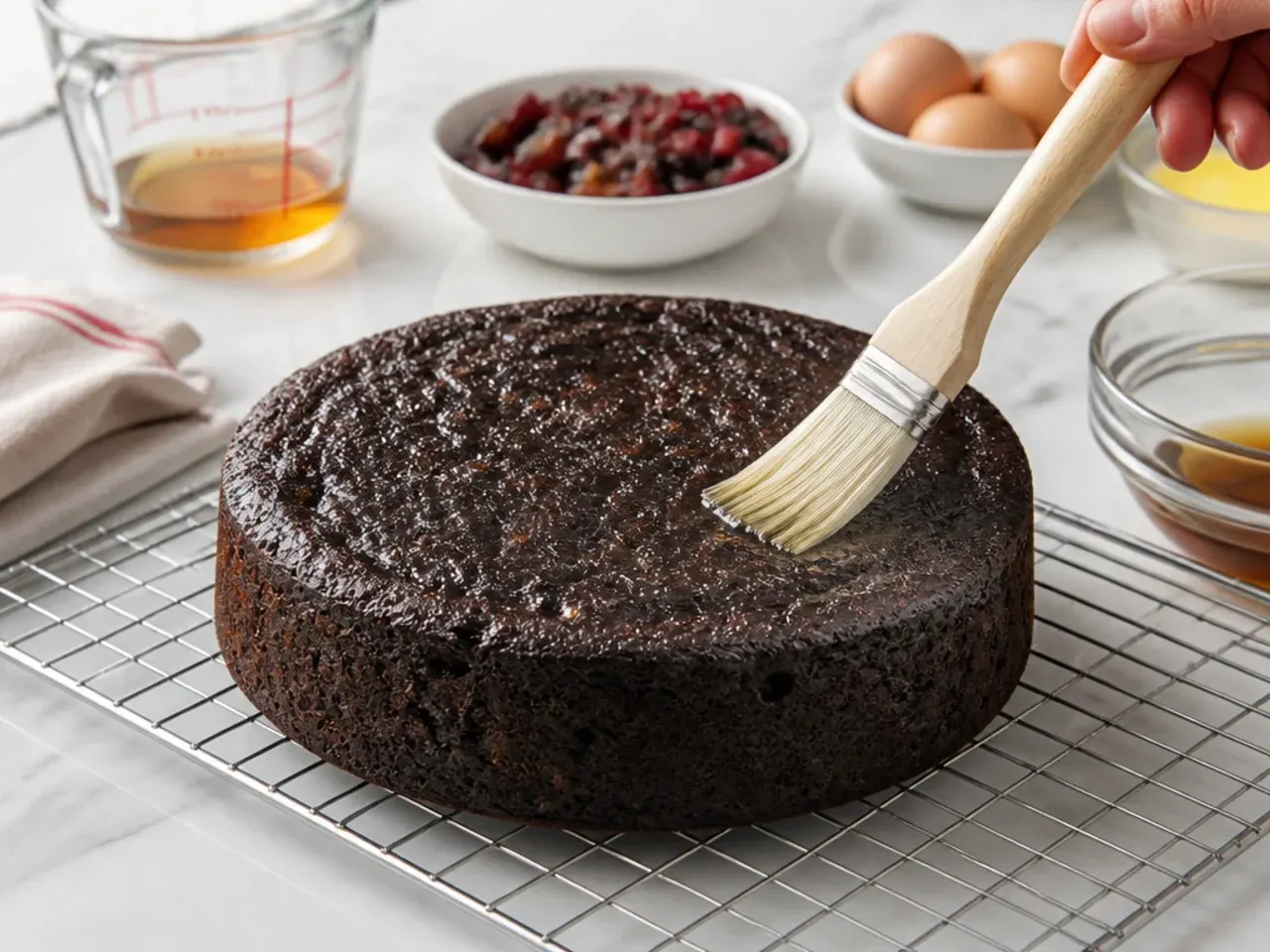
Scrape the batter into the lined pan, level the top and bake at 120C (250F) for about 2 hours 30 minutes, checking from 2 hours; a skewer should come out with moist crumbs but no wet batter. Rest the cake in its pan for 20 minutes, then slowly pour the remaining 60 ml wine (or rum) over the hot surface and let it soak in. Cool overnight in the pan, then wrap tightly in plastic wrap; the flavour peaks 1 to 3 days after baking, and you can brush on extra rum every few days to keep it moist for weeks.
Frequently Asked Questions
They are relatives, not twins. Black cake descends from the British fruit cakes and plum puddings brought to the Caribbean during the colonial era, but it evolved its own identity: the dried fruit is soaked in wine and rum for weeks or months and then blended into a smooth paste, and burnt sugar browning turns the crumb nearly black. A British fruit cake keeps its fruit whole and visible, bakes up firmer, and is usually finished with marzipan and icing.
Save this for later 📌
Pin this article to your Pinterest board so the full list is one tap away when you need it.
Save on Pinterest