5 Things I Learned Baking Black Cake
Five honest lessons from baking homemade black cake for the first time — soaking fruit, taming burnt sugar, and the low, slow bake that makes it work. If you love black cake inspiration, start with our Black Cake Recipes & Ideas collection, then browse the full Cake Ideas hub for more.

Save this for later 📌
Pin this article to your Pinterest board so the full list is one tap away when you need it.
Save on PinterestCake Ideas
Intermediate
Kitchen Journal
5 steps
Table of Contents
- Lesson 1: Start Soaking the Fruit Weeks Before You Bake
- Lesson 2: Blend the Soaked Fruit to a Paste, Not Chunks
- Lesson 3: Burnt Sugar Goes from Perfect to Bitter in Seconds
- Lesson 4: Bake It at 135°C (275°F) and Don't Negotiate
- Lesson 5: Feed the Cake While It's Hot, Then Make Yourself Wait
- What I'd Tell a Friend Trying This
- The Recipe I Used
Lesson 1: Start Soaking the Fruit Weeks Before You Bake
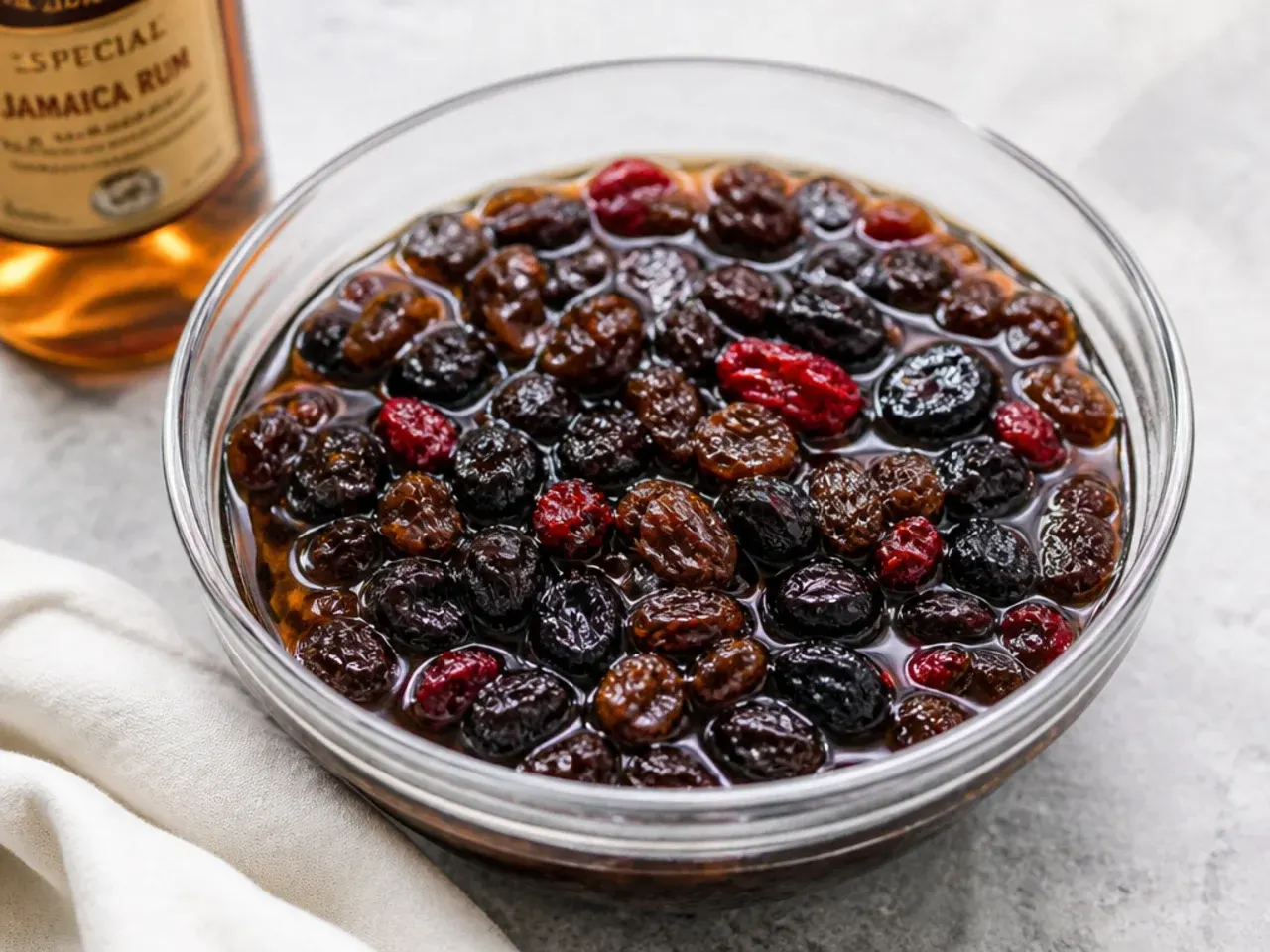
My first homemade black cake was made with fruit that soaked for only three days, and it was good — but the second bake, with fruit that sat in alcohol for four weeks, tasted noticeably deeper and more like the black cake I remembered from a friend's Trinidadian grandmother. I now keep 450g of mixed prunes, raisins, currants and dried cherries in a sealed glass jar covered with 240ml dark rum and 240ml cherry brandy, shaking it every few days and topping up as the fruit drinks the liquid. Caribbean bakers soak for months, even a full year, and honestly the fruit only gets better. If you want to bake this week, use the shortcut I tested: simmer the fruit and alcohol gently for 20 minutes, then cool it completely before using. It works, but the long soak wins on flavor every time.
Lesson 2: Blend the Soaked Fruit to a Paste, Not Chunks
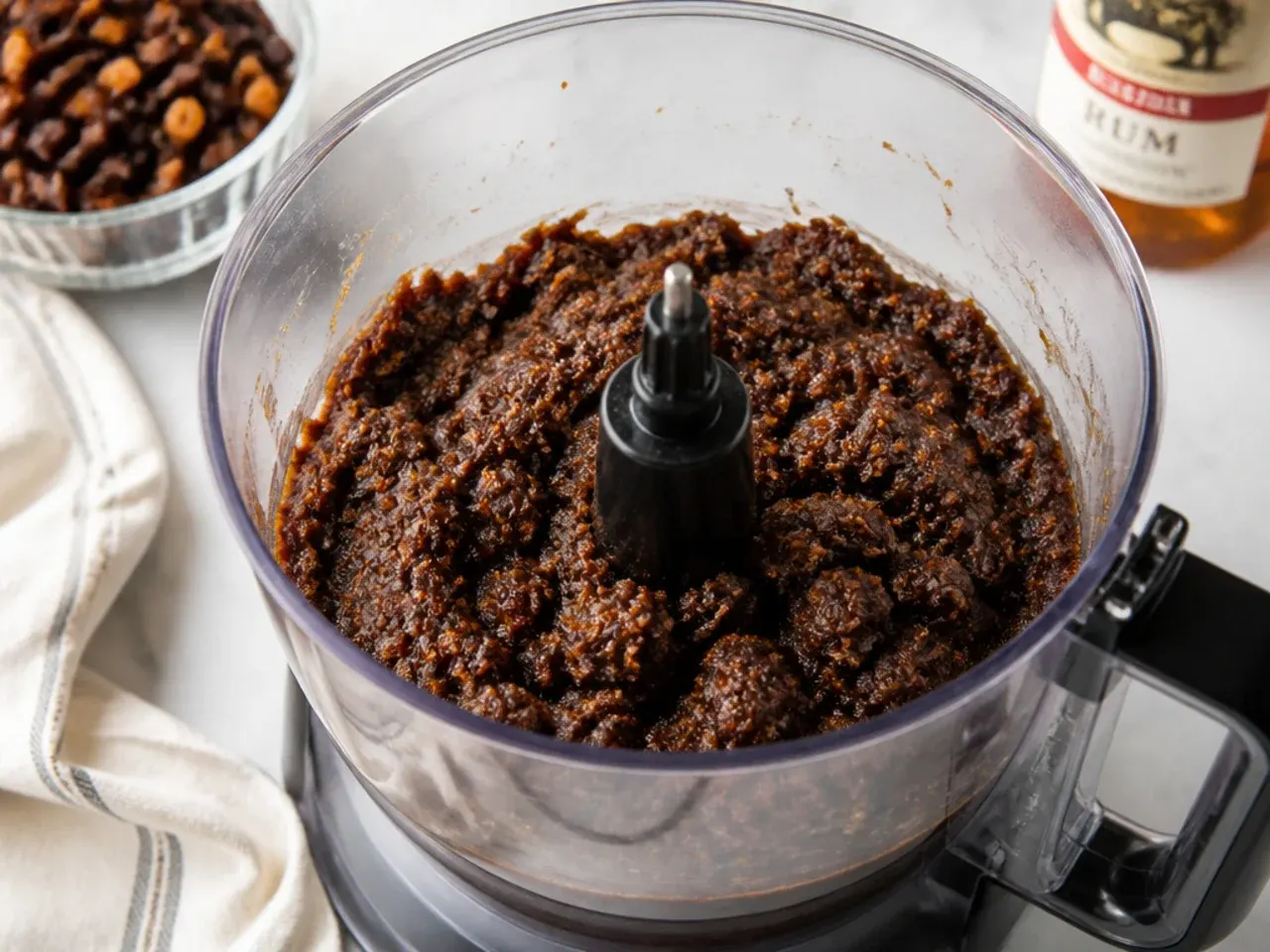
My first attempt had whole raisins scattered through it, and it ate like an ordinary fruitcake instead of the dense, almost pudding-like crumb black cake is famous for. The fix is simple: tip the soaked fruit and its liquid into a food processor and blitz for one to two minutes until it looks like thick, dark jam with only small flecks of fruit visible. That paste melts into the batter so every bite is uniformly rich and moist, which is exactly the texture you're after. Scrape the bowl down once or twice, and add a splash of extra rum if the blades struggle. Don't puree it baby-food smooth, though — a few tiny fruit bits give the slice character.
Lesson 3: Burnt Sugar Goes from Perfect to Bitter in Seconds
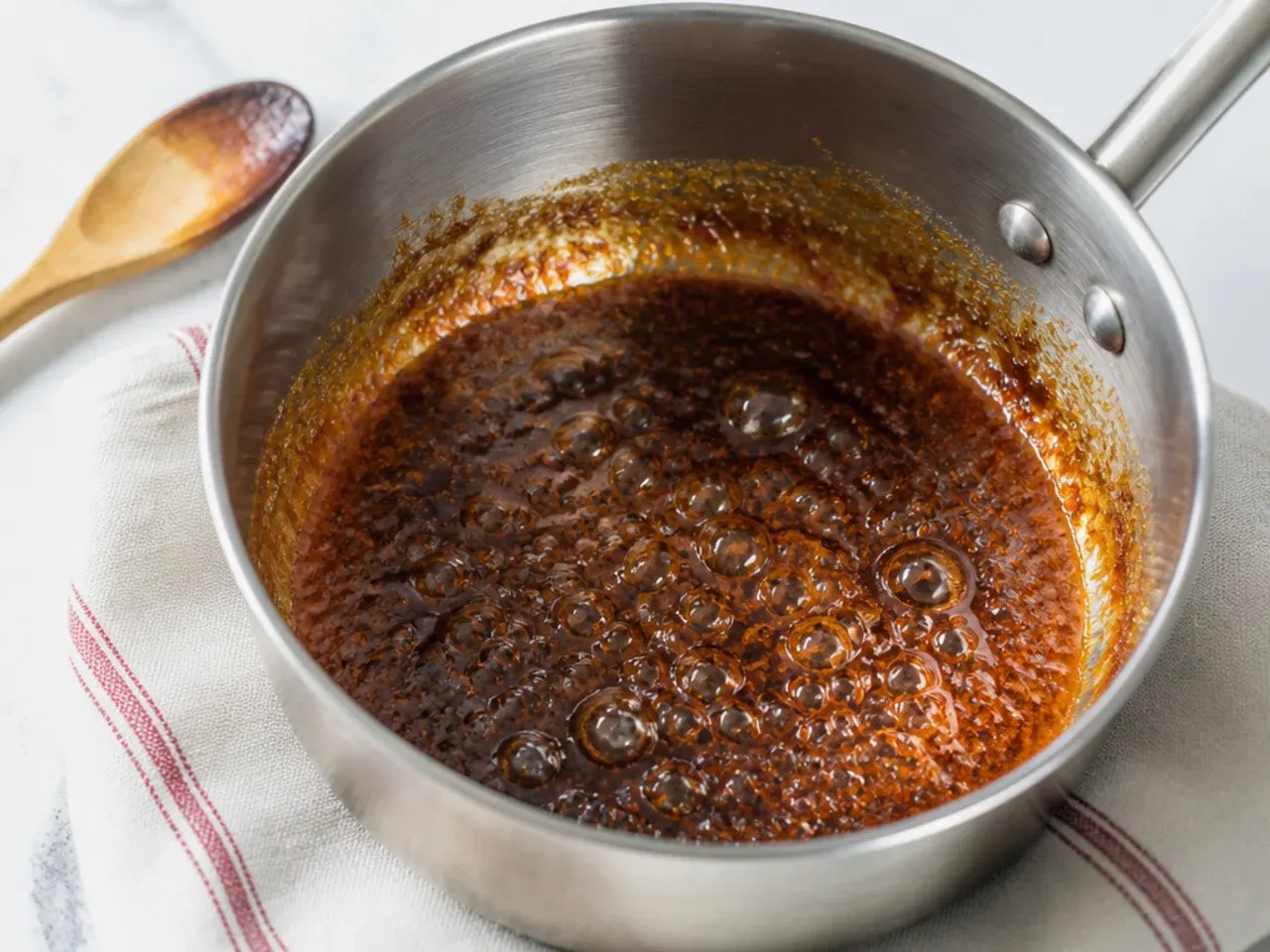
The signature near-black color comes from burnt sugar, and I ruined my first batch by walking away from the pan. Melt 4 tablespoons of sugar in a heavy saucepan over medium-low heat, stirring as it liquefies, and pull it off the heat the moment it turns a deep mahogany that's almost black — about ten seconds separates that stage from acrid and bitter. Standing back, carefully stir in 3 tablespoons of hot water until it becomes a smooth, pourable syrup; it will spit, so use a long spoon. My bitter batch made the whole test cake taste scorched, so taste a cooled drop before it goes anywhere near your batter. If that sounds stressful, a bottle of store-bought browning (Grace is the brand my local Caribbean shop stocks) does the same job — start with 2 tablespoons and add more until the batter is a deep brown-black.
Lesson 4: Bake It at 135°C (275°F) and Don't Negotiate
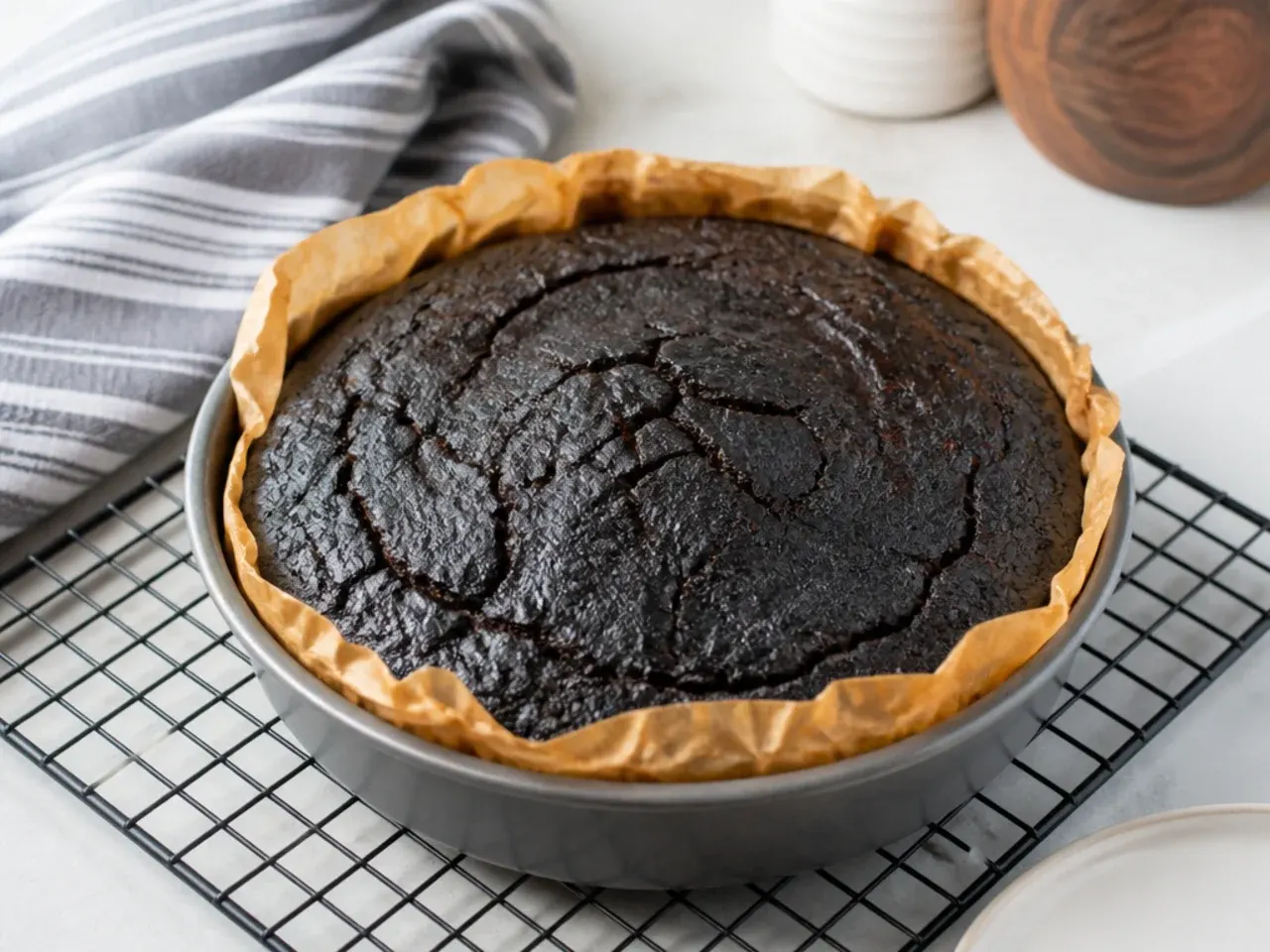
I baked my trial cake at a normal cake temperature of 160°C (325°F) and got a cracked, domed top with dry edges and a gummy middle. Black cake is so dense and moist that it needs a low, slow bake: 135°C (275°F) for 75 to 90 minutes in a deep 23cm (9-inch) round pan lined with a double layer of baking parchment. The parchment matters — it insulates the edges so they don't dry out before the center sets. Test with a skewer: moist crumbs are fine, wet batter is not, and a slightly soft, jiggly center will firm up as it cools. Whatever you do, resist turning the oven up to speed things along; every published recipe I cross-checked warns against it, and my cracked first cake proves why.
Lesson 5: Feed the Cake While It's Hot, Then Make Yourself Wait
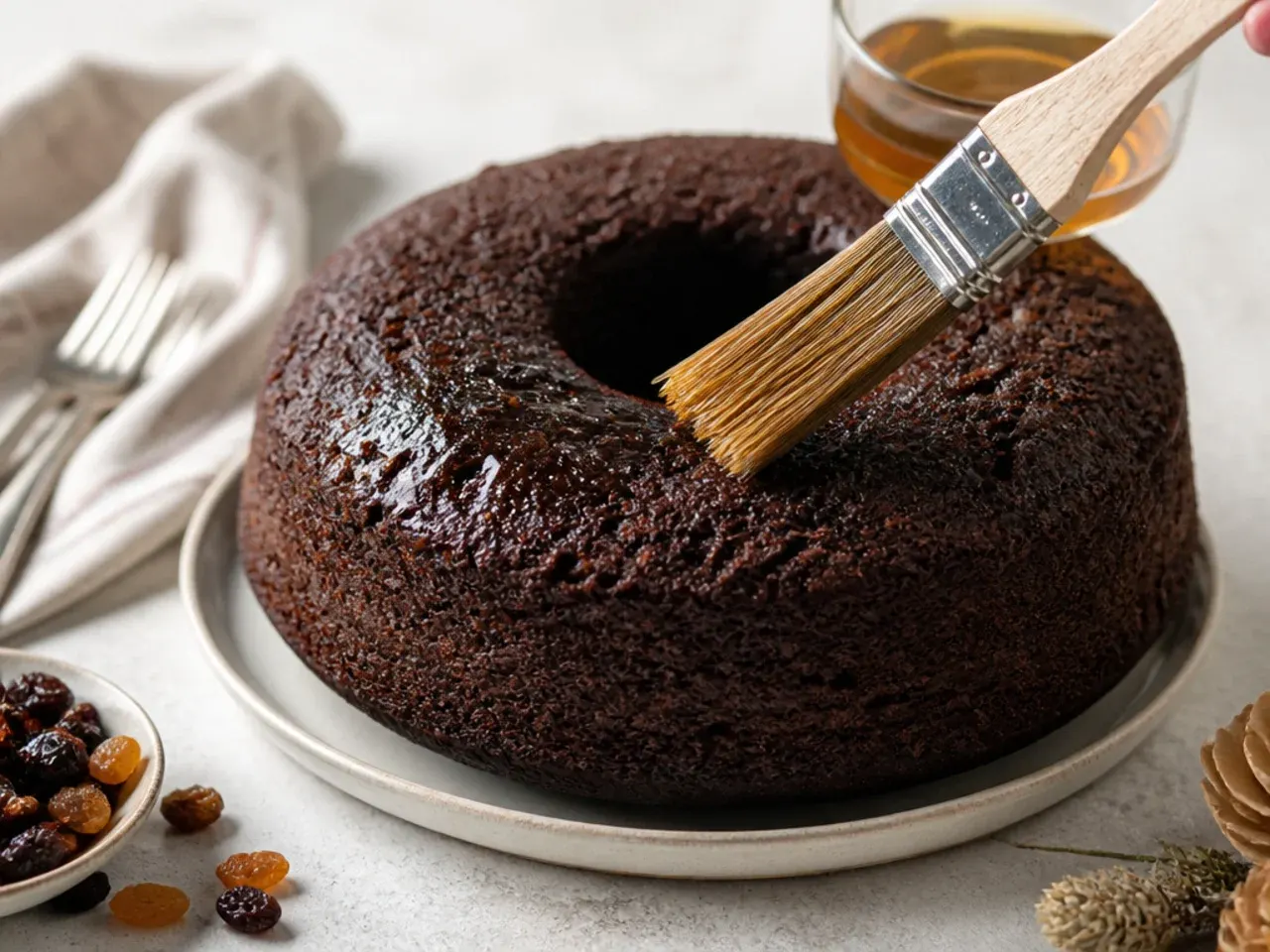
The moment the cake comes out of the oven, spoon a mix of 3 tablespoons dark rum and 3 tablespoons cherry brandy slowly over the hot surface and watch it disappear into the crumb. Once it's completely cool, wrap it with plastic wrap pressed right against the cake, and then comes the hard part: leave it alone for at least three days before cutting. I sliced my first cake the same evening and it tasted boozy and harsh; by day four the alcohol had mellowed into the fruit and the texture had settled into that dense, sliceable richness. If you're baking for Christmas or a wedding, feed it another tablespoon of rum every week and it genuinely improves for a month or more. Room temperature is fine — the alcohol is the preservative, so no fridge needed.
What I'd Tell a Friend Trying This
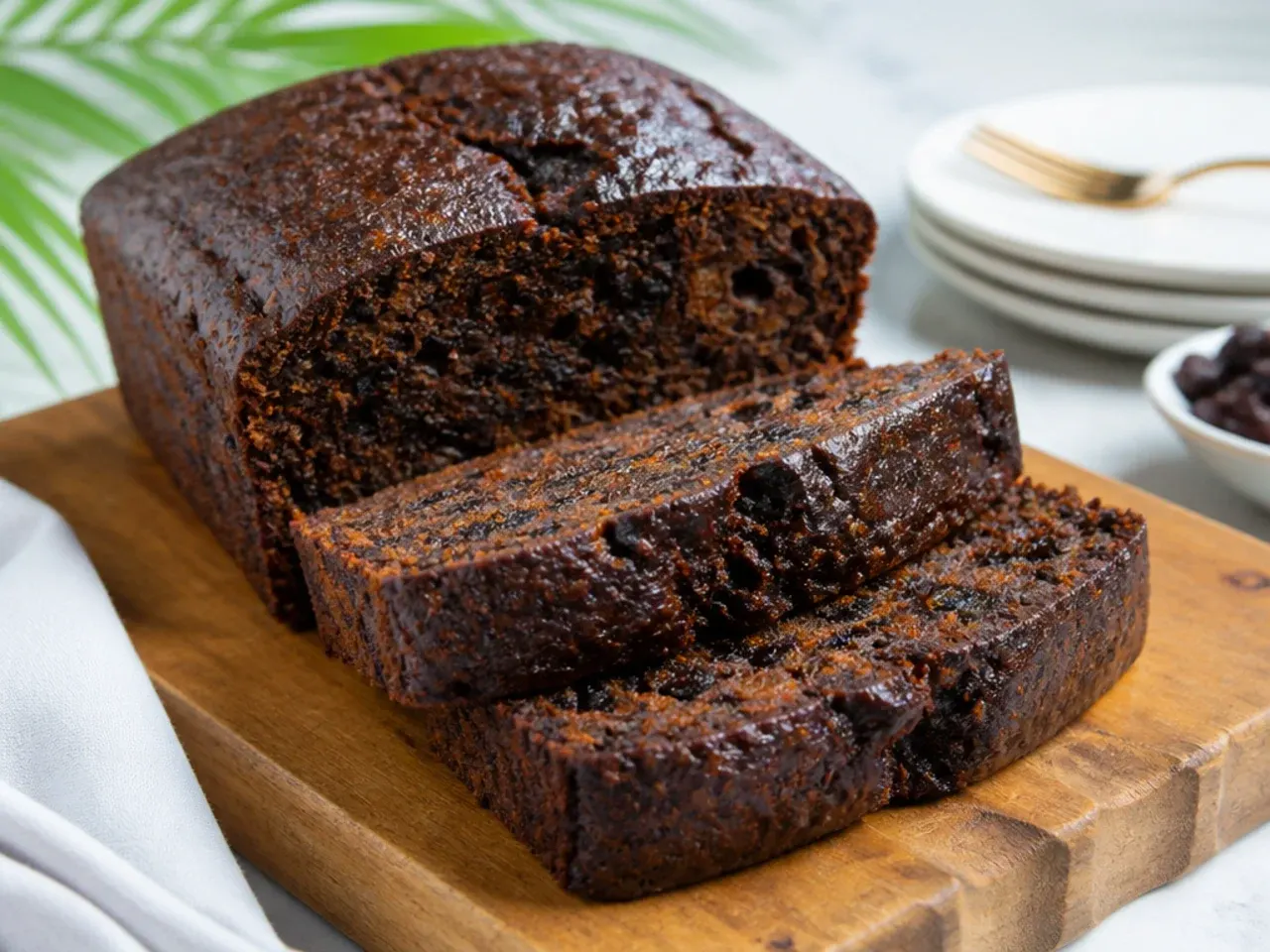
Start the fruit soak today, even if you don't plan to bake for a month — it's ten minutes of work and it's the single biggest flavor decision in the whole recipe. Buy a decent mid-shelf dark rum and real cherry brandy or port, not cooking wine, because the alcohol never fully bakes out and you will taste it. Have your butter and eggs at room temperature before creaming or the batter can split, and don't panic when the batter looks almost muddy after the browning goes in — that's correct. Bake it at least three or four days before you need it, keep feeding it rum, and hide a slice for yourself, because a homemade black cake disappears fast once people realize what it is.
The Recipe
The Recipe I Used
40 min
1 hr 30 min
2 hr 10 min
12
Intermediate
Ingredients 12 Person(s)
Directions
Step 1: Soak the Fruit
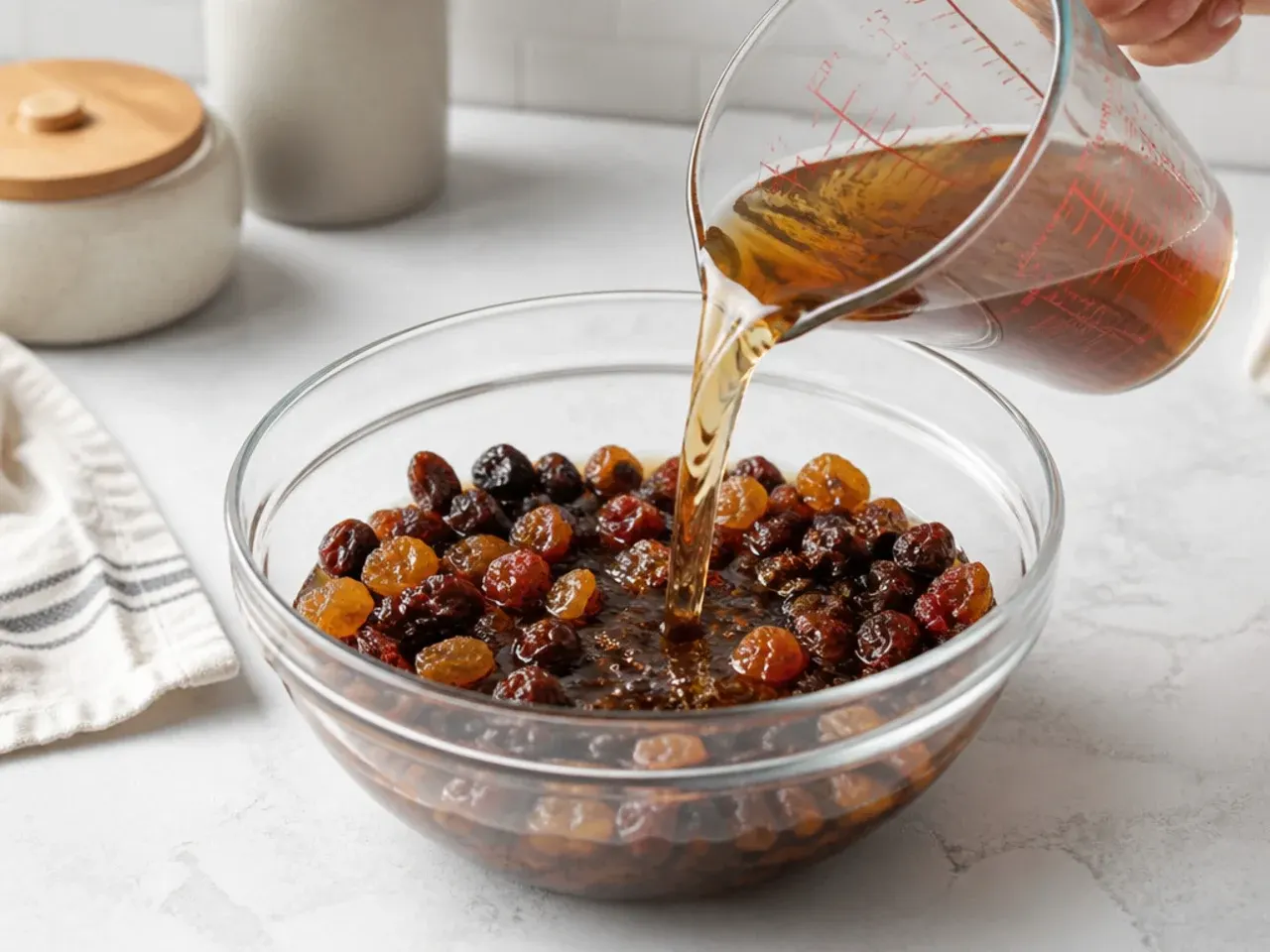
Combine 450g mixed dried fruit (prunes, raisins, currants and dried cherries) in a clean glass jar and pour over 240ml dark rum and 240ml cherry brandy or port. Seal and leave at room temperature in a dark cupboard for at least 3 days, ideally 2 to 4 weeks, shaking every few days and topping up with rum if the fruit absorbs the liquid. Short on time? Simmer the fruit and alcohol in a covered saucepan over low heat for 20 minutes, then cool completely before using.
Step 2: Blend the Fruit to a Paste
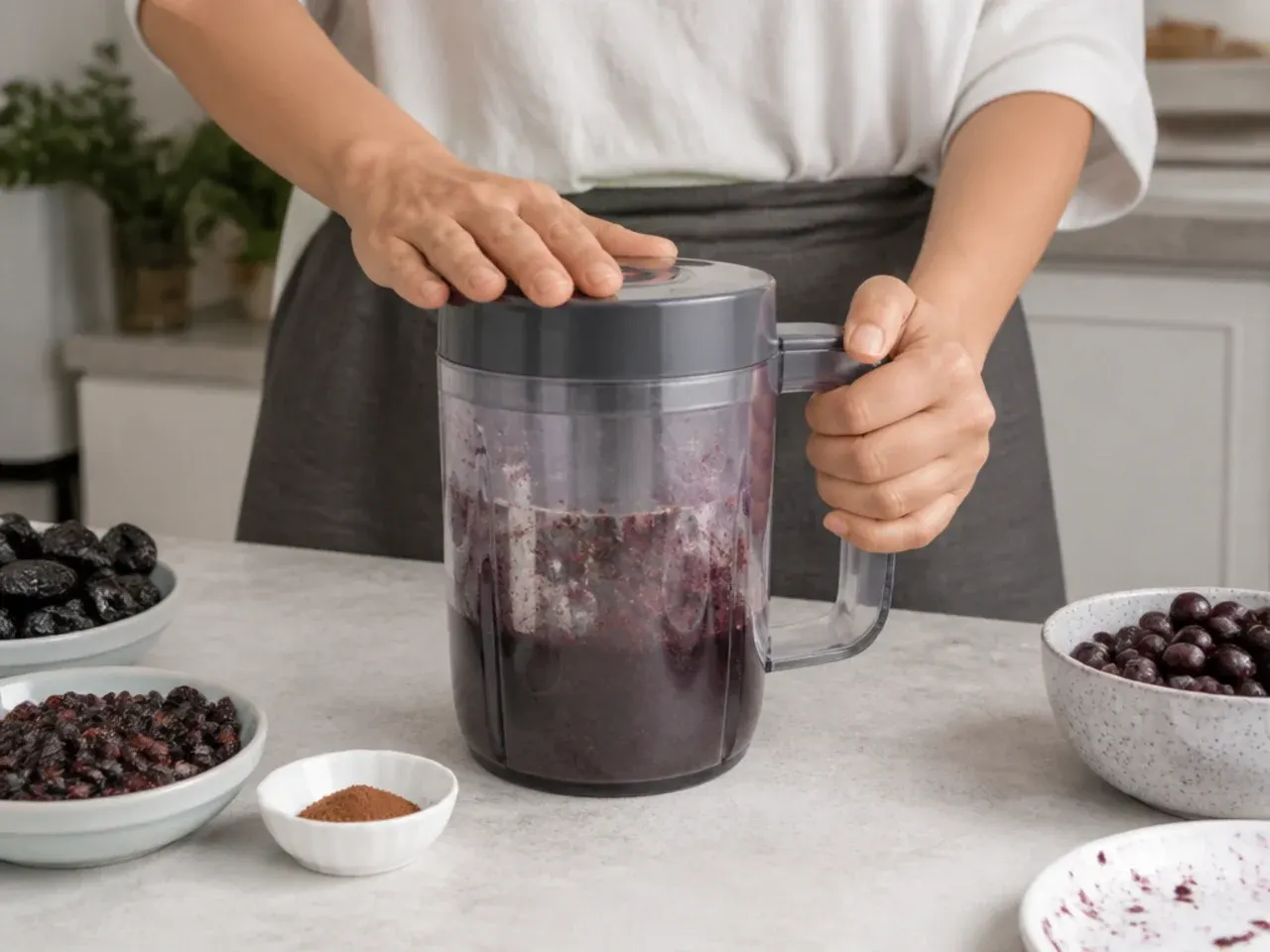
Tip the soaked fruit and any remaining soaking liquid into a food processor and blend for 1 to 2 minutes, scraping down once, until it forms a thick, dark paste like chunky jam with small flecks of fruit. Add a splash of rum if the mixture is too stiff to blend. Set aside.
Step 3: Prep the Pan and Oven
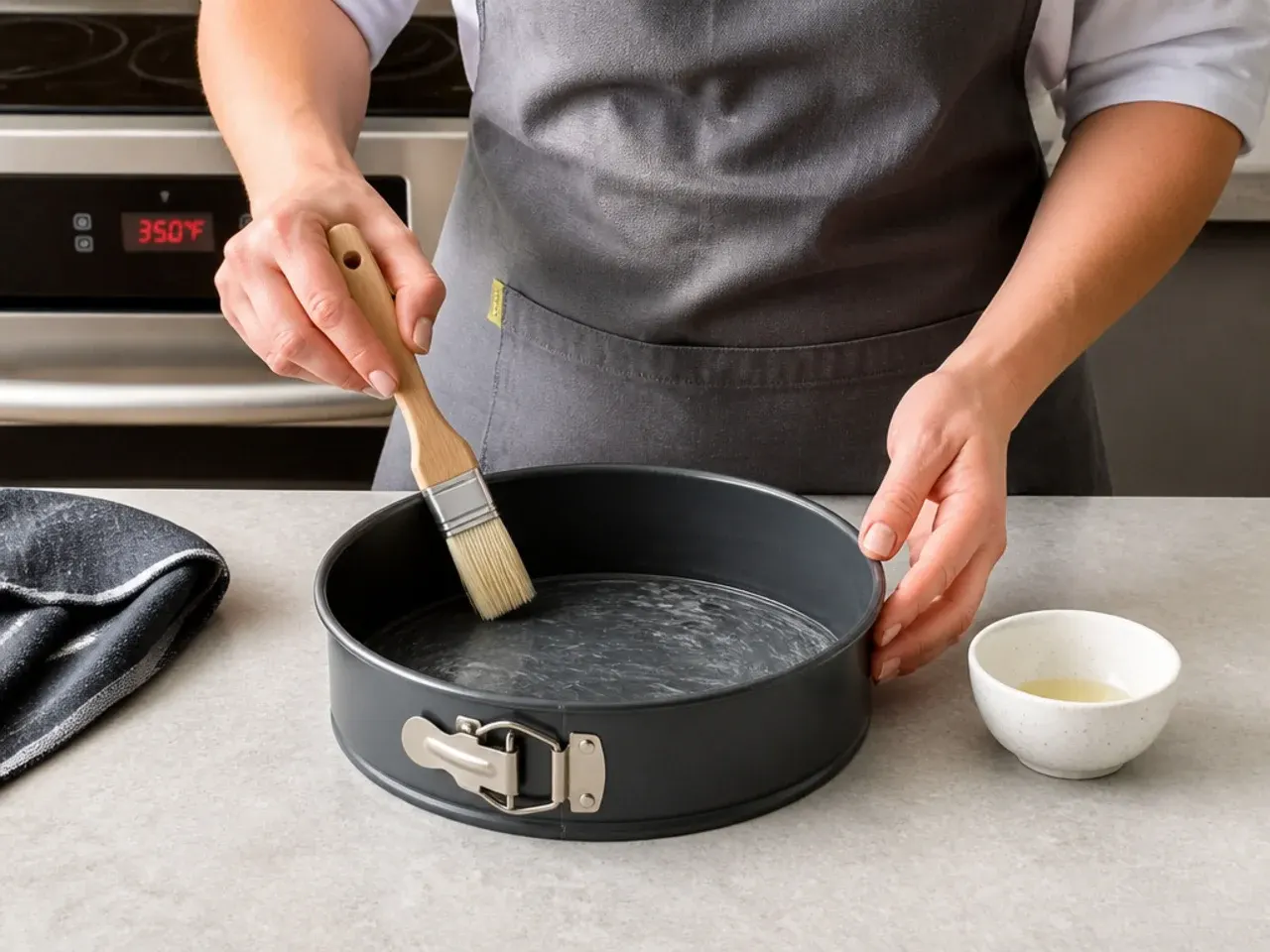
Heat the oven to 135°C (275°F), or 120°C fan. Line the base and sides of a deep 23cm (9-inch) round cake pan with a double layer of baking parchment — the double layer protects the edges during the long, slow bake. If making burnt sugar from scratch, melt 4 tbsp sugar in a heavy saucepan over medium-low heat until deep mahogany, remove from the heat, carefully stir in 3 tbsp hot water and cool.
Step 4: Cream the Butter and Add the Eggs
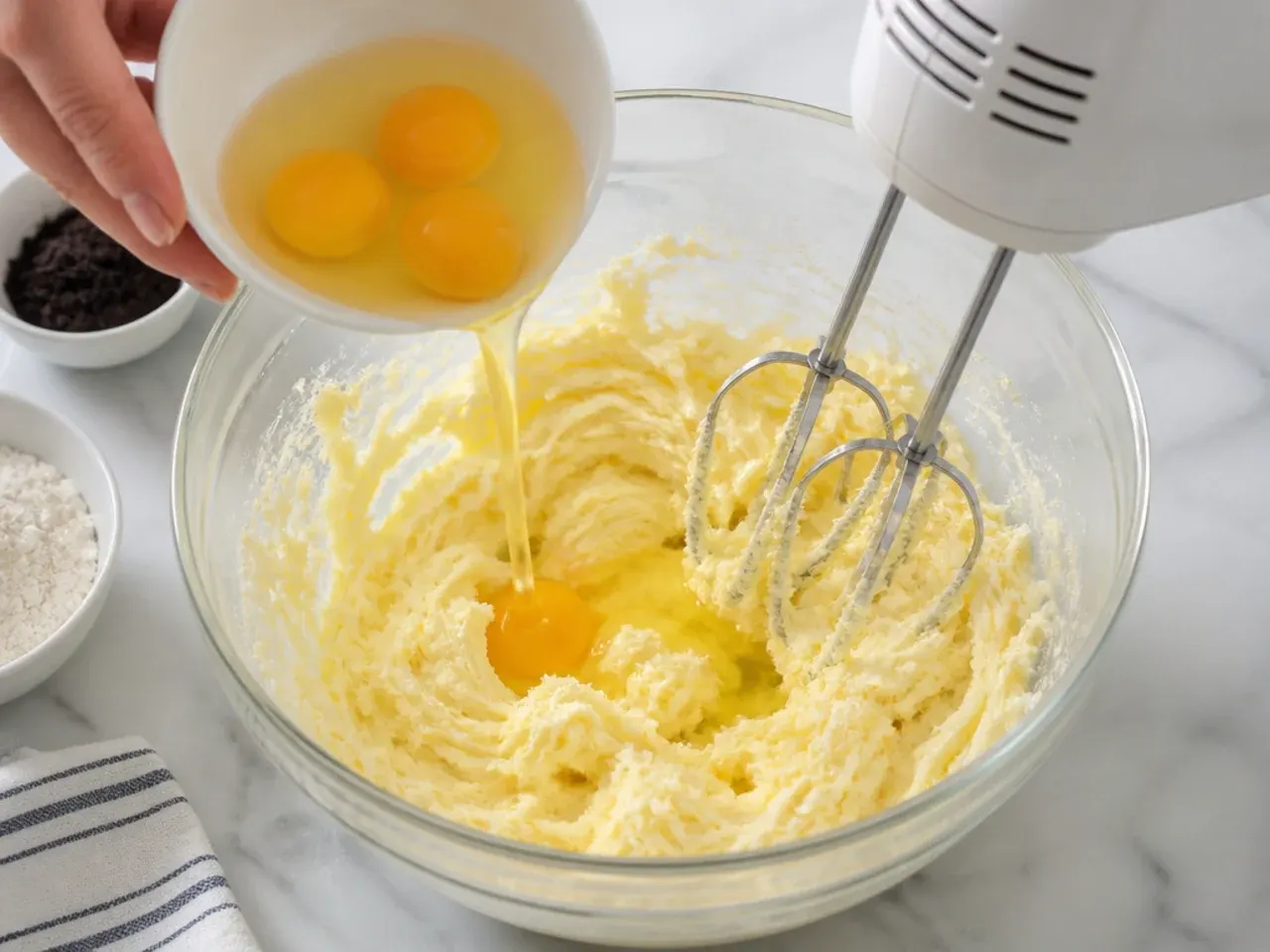
Beat 225g softened butter with 225g dark brown sugar in a stand mixer or with electric beaters for 3 to 4 minutes until pale and fluffy. Add the 5 eggs one at a time, beating well after each, then mix in the vanilla, almond extract and citrus zest. If the mixture looks slightly curdled, beat in a spoonful of the flour and carry on.
Step 5: Fold in the Fruit, Flour and Browning
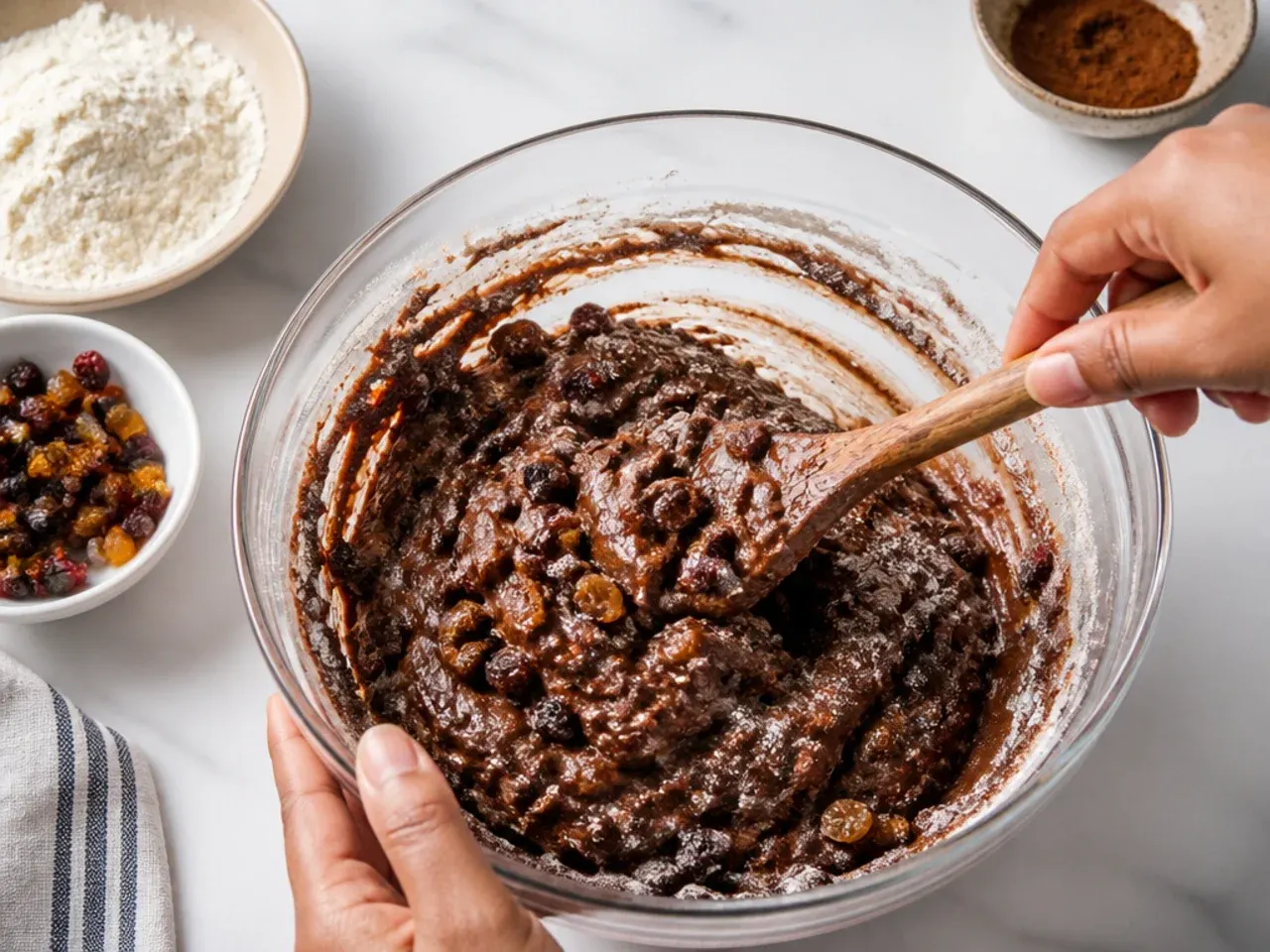
Fold the fruit paste into the butter mixture in two or three additions. Sift the 175g flour, 1 tsp baking powder and 2 tsp mixed spice together, then fold in gently until no dry streaks remain — don't overmix. Stir in the browning or burnt sugar 1 tablespoon at a time until the batter is a deep brown-black; 2 to 3 tablespoons is usually right.
Step 6: Bake Low and Slow
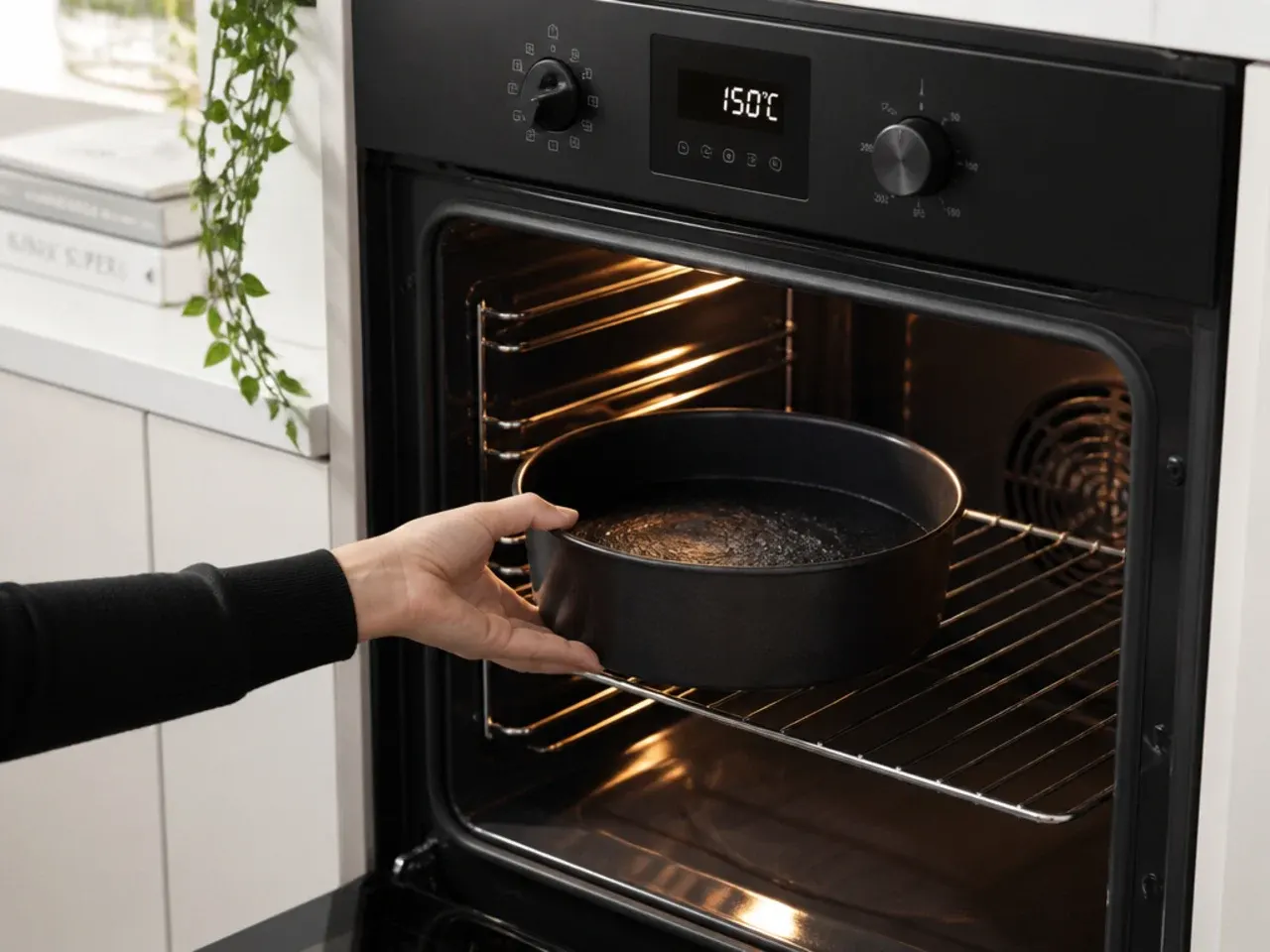
Scrape the batter into the lined pan, level the top and bake at 135°C (275°F) for 75 to 90 minutes. The cake is done when a skewer inserted in the center comes out with moist crumbs but no wet batter; a slightly soft, jiggly center is normal and will firm as it cools. Do not raise the temperature to speed it up — the top will crack and the edges will dry out before the middle sets.
Step 7: Feed, Wrap and Age
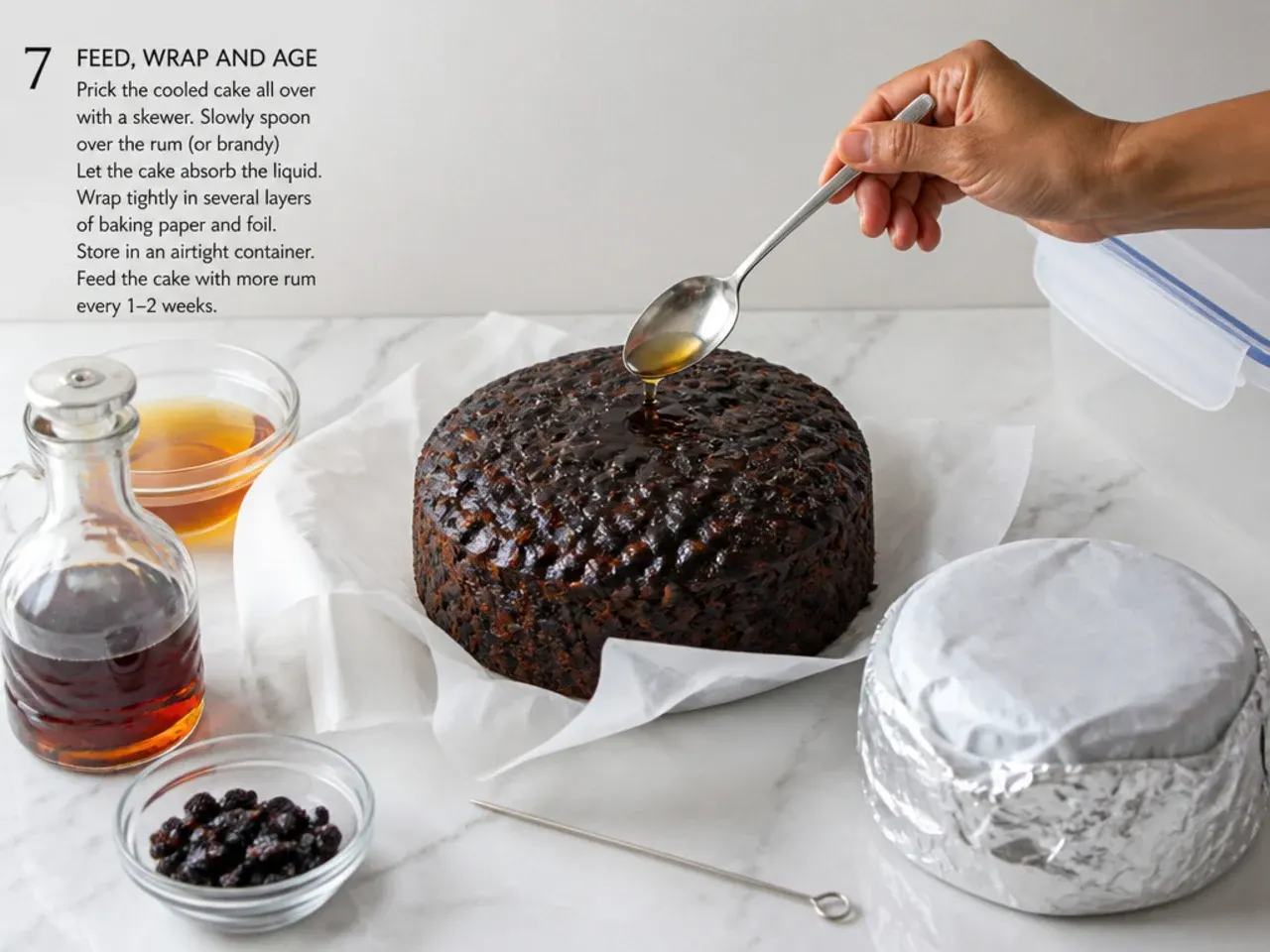
While the cake is still hot in its pan, slowly spoon over 3 tbsp dark rum mixed with 3 tbsp cherry brandy and let it soak in. Cool completely in the pan, then wrap tightly in plastic wrap pressed against the surface and store at room temperature. Wait at least 3 days before slicing, and feed with 1 tbsp rum every week if keeping longer — the flavor keeps improving for a month or more.
Frequently Asked Questions
A minimum of 3 days gives a decent result, but 2 to 4 weeks is noticeably better, and traditional Caribbean bakers soak their fruit in rum and wine for months — some keep a jar going all year. If you need to bake today, simmer the fruit in the alcohol for about 20 minutes and cool it completely; it's a well-established shortcut used across published black cake recipes.
Save this for later 📌
Pin this article to your Pinterest board so the full list is one tap away when you need it.
Save on Pinterest