5 Things I Learned Making Mongolian Beef
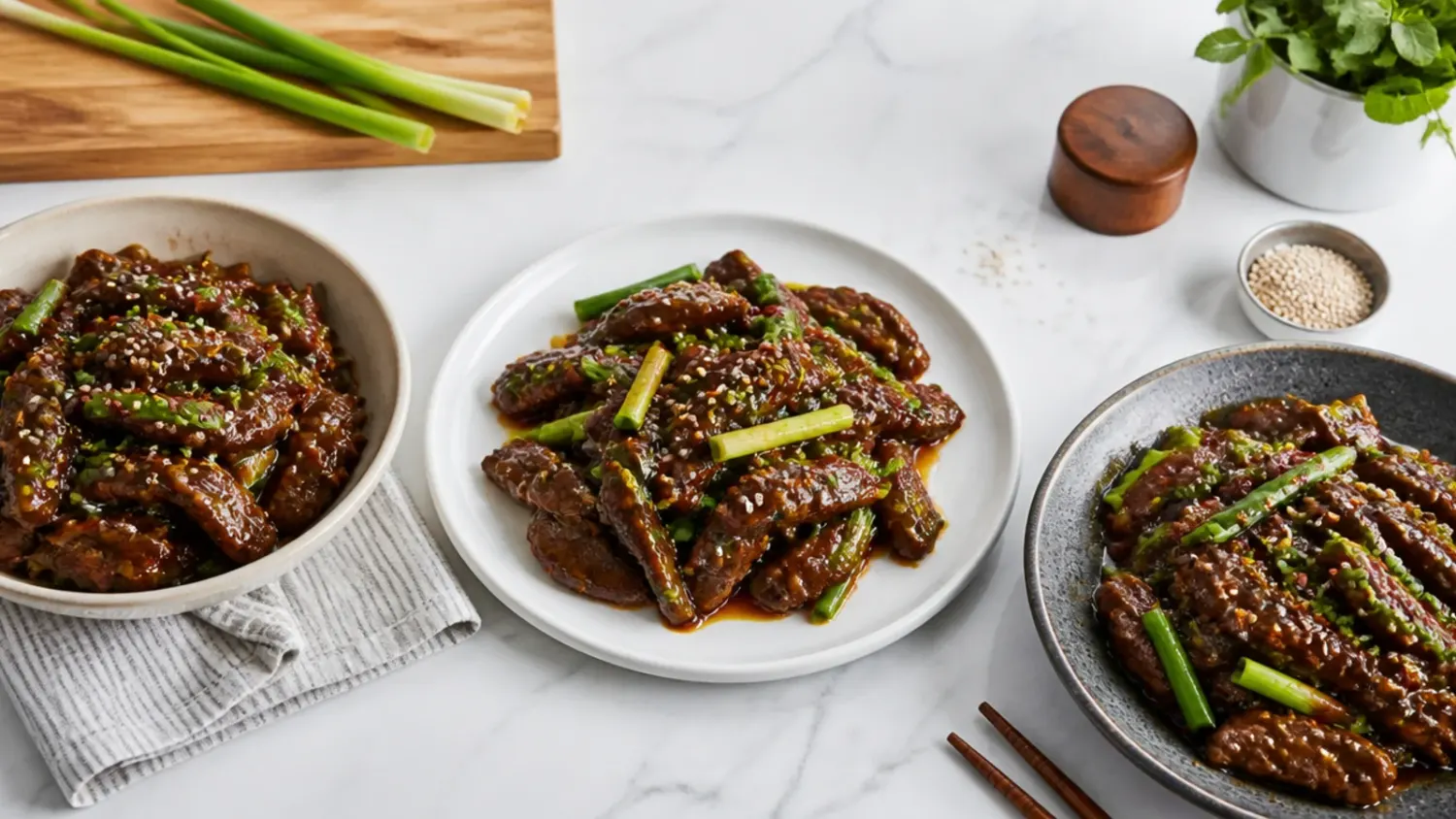
I made homemade Mongolian beef five times before it was right. Here are the honest lessons that finally got me sticky, tender, better-than-takeout beef. If you love mongolian beef recipe inspiration, start with our Mongolian Beef Recipes collection, then browse the full Dinner Recipes hub for more.

Save this for later 📌
Pin this article to your Pinterest board so the full list is one tap away when you need it.
Save on PinterestDinner Recipes
Intermediate
Kitchen Journal
5 steps
Table of Contents
- Lesson 1: Freeze and Slice Thin Against the Grain, or Nothing Else Matters
- Lesson 2: A Pinch of Baking Soda in the Marinade Is the Real Takeout Secret
- Lesson 3: Dredge in Cornstarch and Sear Hot in Batches for That Crisp Edge
- Lesson 4: Reduce the Sauce Until It Coats a Spoon Instead of Drowning the Beef
- Lesson 5: Add Garlic, Ginger, and Scallions at the Right Moments, Not All at Once
- What I'd Tell a Friend Trying This
- The Recipe I Used
Lesson 1: Freeze and Slice Thin Against the Grain, or Nothing Else Matters
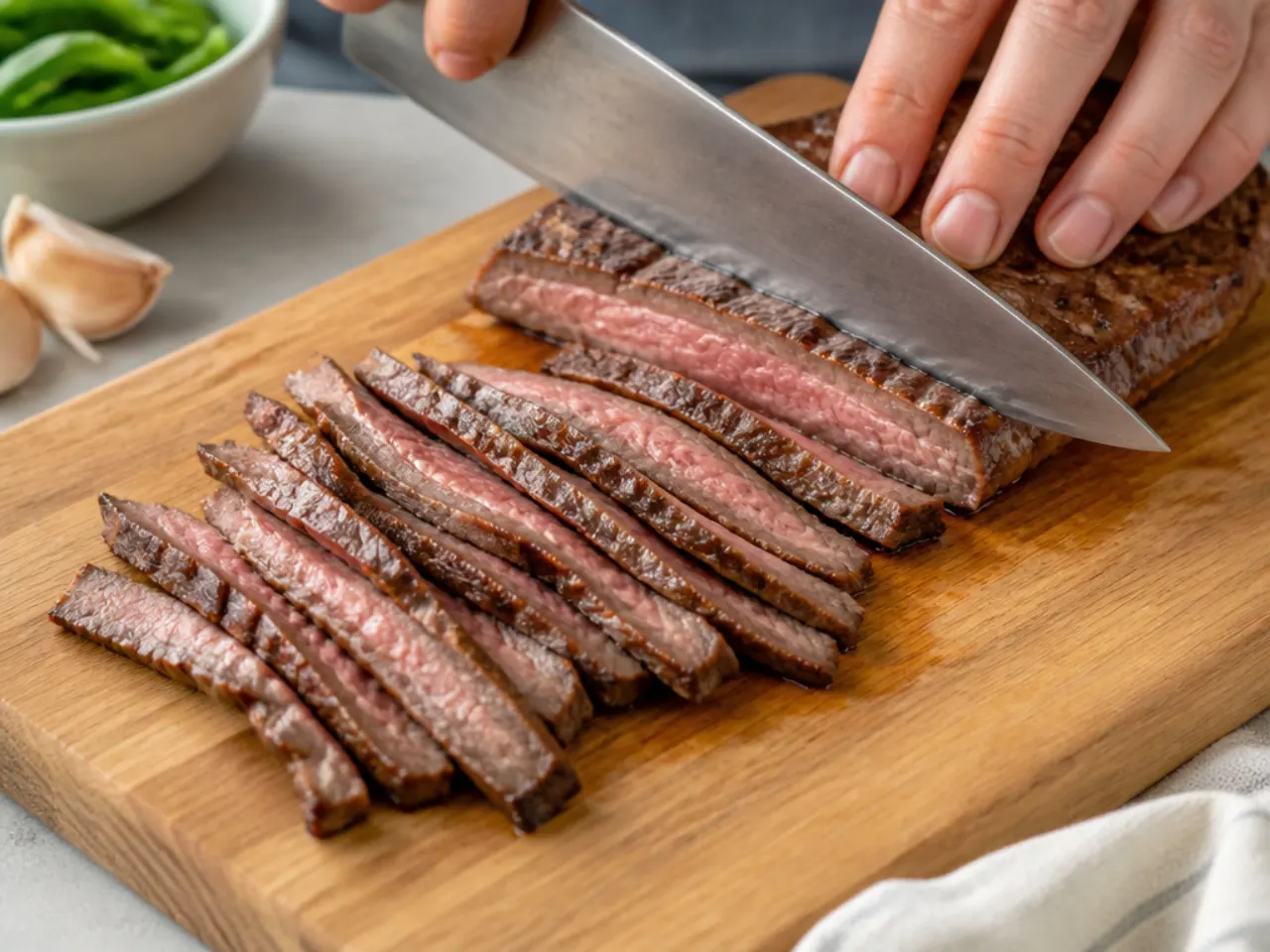
My first batch was chewy and I blamed the cut, but the real problem was how I sliced it. Flank steak has long, obvious muscle fibers, and if you cut along them you get stringy, tough strips no sauce can save. Pop the steak in the freezer for 20 to 30 minutes first so it firms up, then slice straight across those fibers into 1/4-inch (6mm) strips holding your knife at a slight angle. Once I did this, the same cut of beef went from rubbery to fork-tender, and I stopped buying more expensive steak thinking that was the fix.
Lesson 2: A Pinch of Baking Soda in the Marinade Is the Real Takeout Secret
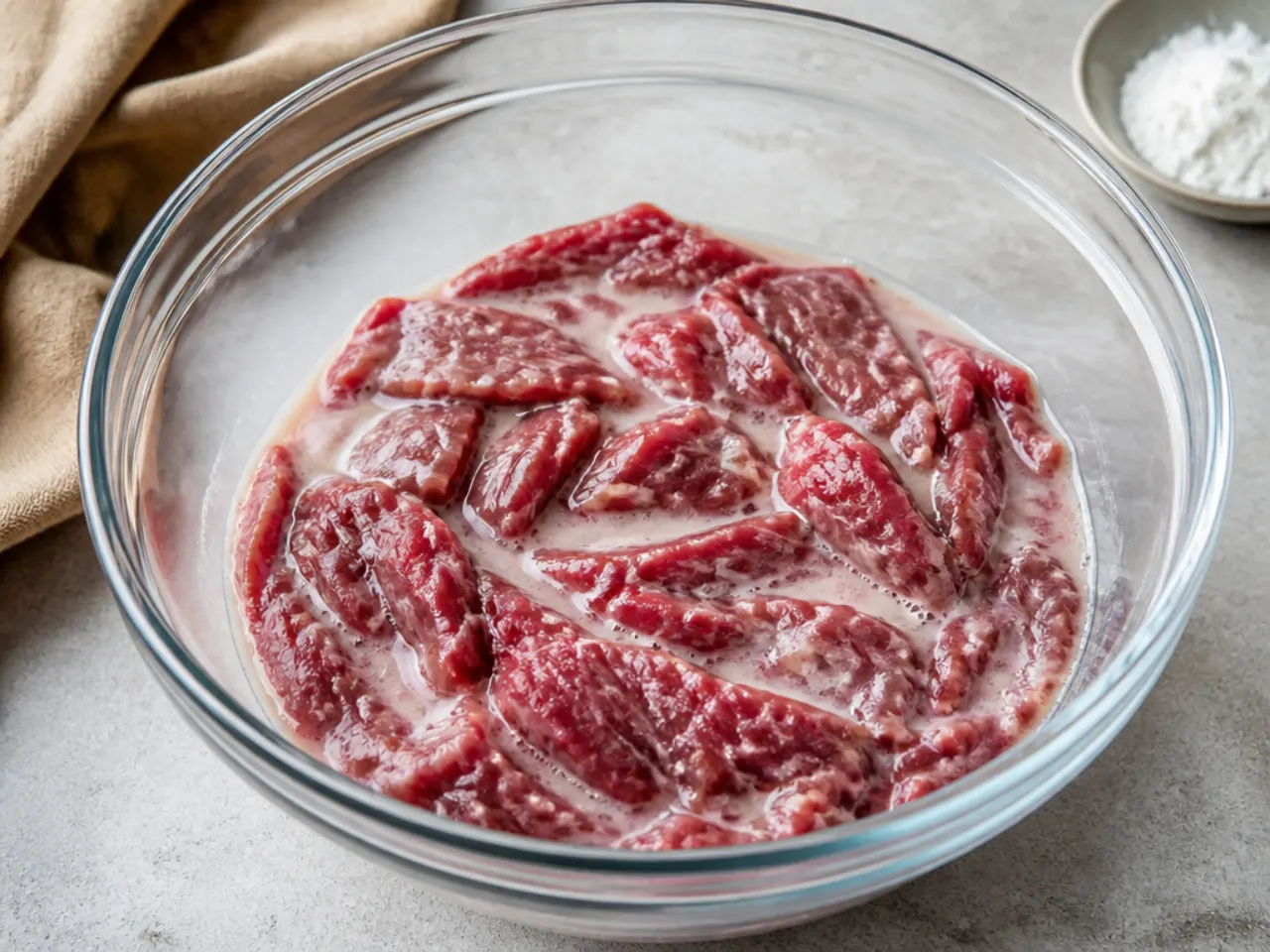
For three tries I couldn't figure out why restaurant Mongolian beef was so silky and mine wasn't, and the answer was velveting. Toss your sliced beef with 1/4 teaspoon baking soda, 2 teaspoons soy sauce, and 1 tablespoon cornstarch, then let it sit 30 to 60 minutes. The baking soda gently raises the pH on the meat's surface so the fibers can't seize up and toughen when they hit the hot pan. Do not overdo it or leave it much past an hour, because too much makes the beef mushy and slightly soapy; a scant quarter teaspoon per pound is plenty. This one step did more for my texture than anything else on the list.
Lesson 3: Dredge in Cornstarch and Sear Hot in Batches for That Crisp Edge
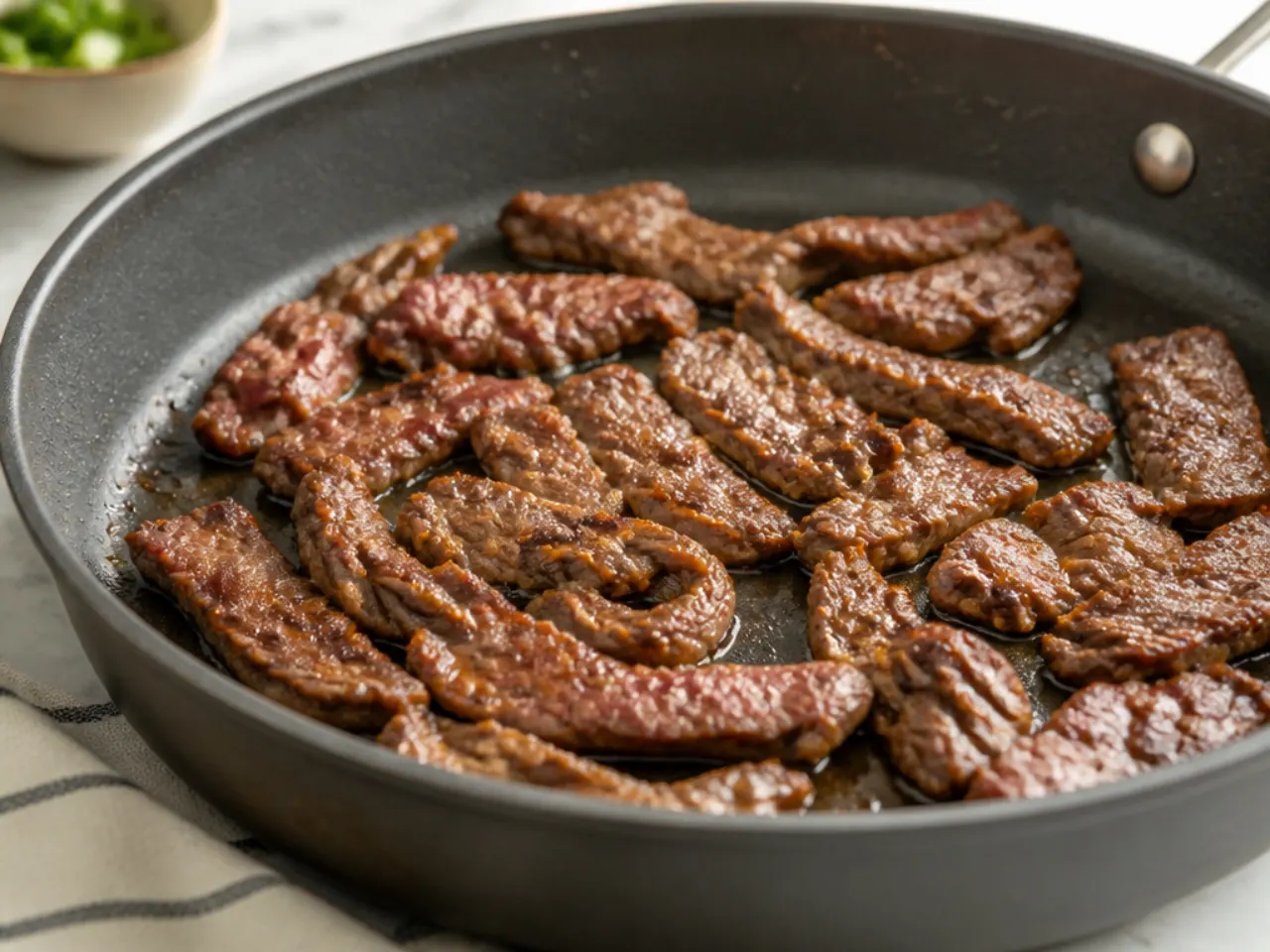
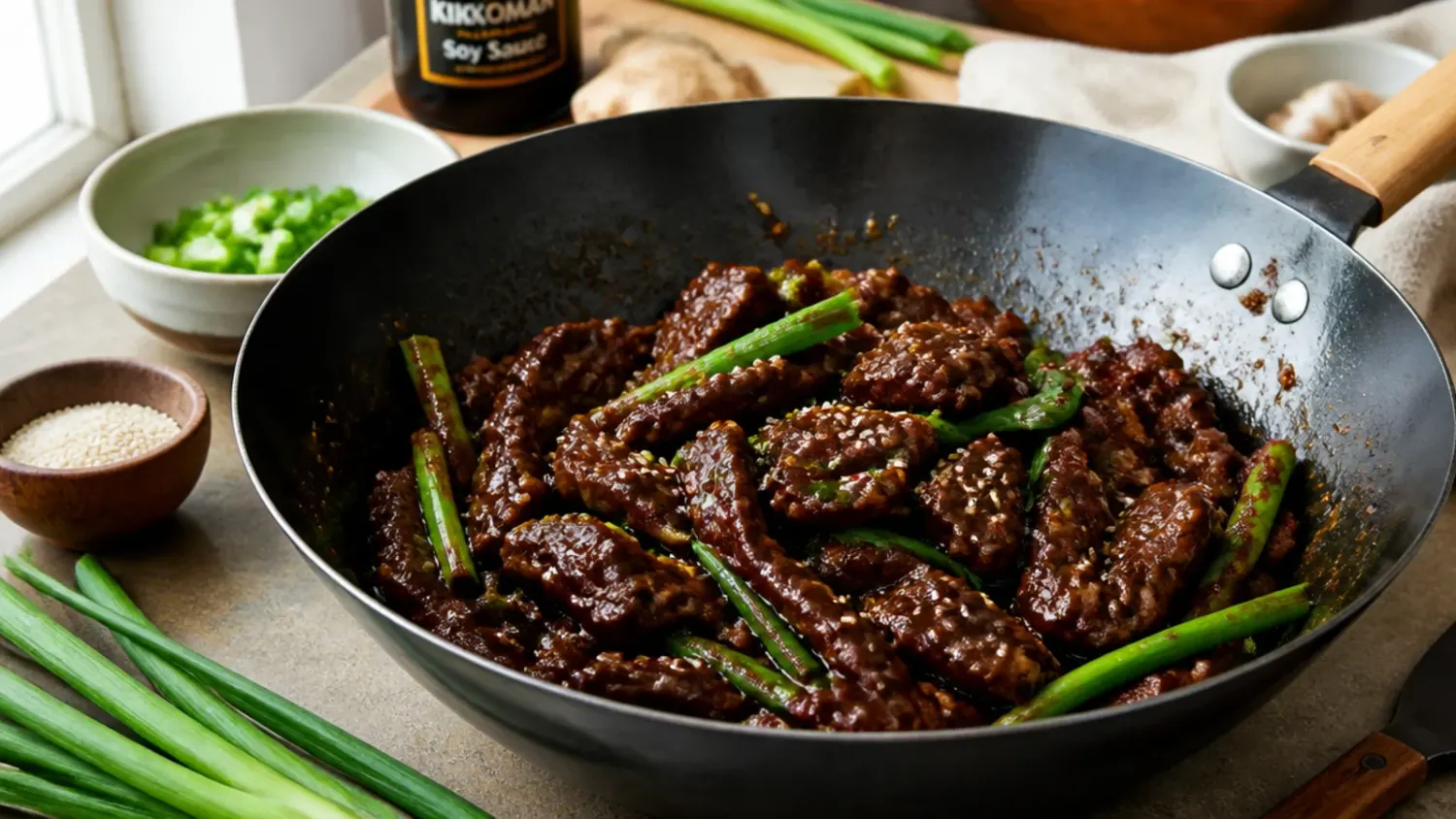
My early batches were pale and saucy in a bad way because I dumped all the beef in a lukewarm pan at once, so it steamed instead of searing. Right before cooking, toss the marinated strips in about 1/4 cup cornstarch until lightly coated, shaking off the excess. Get 3 tablespoons of neutral oil ripping hot over high heat, then lay the beef out in a single layer and sear about 1 minute per side until the edges brown and crisp. Work in two or three batches so the pan stays hot and never crowds, and set each batch aside while the next cooks. Crowding drops the temperature fast, and that is the difference between crispy, lacquered beef and a gray, soggy pile.
Lesson 4: Reduce the Sauce Until It Coats a Spoon Instead of Drowning the Beef
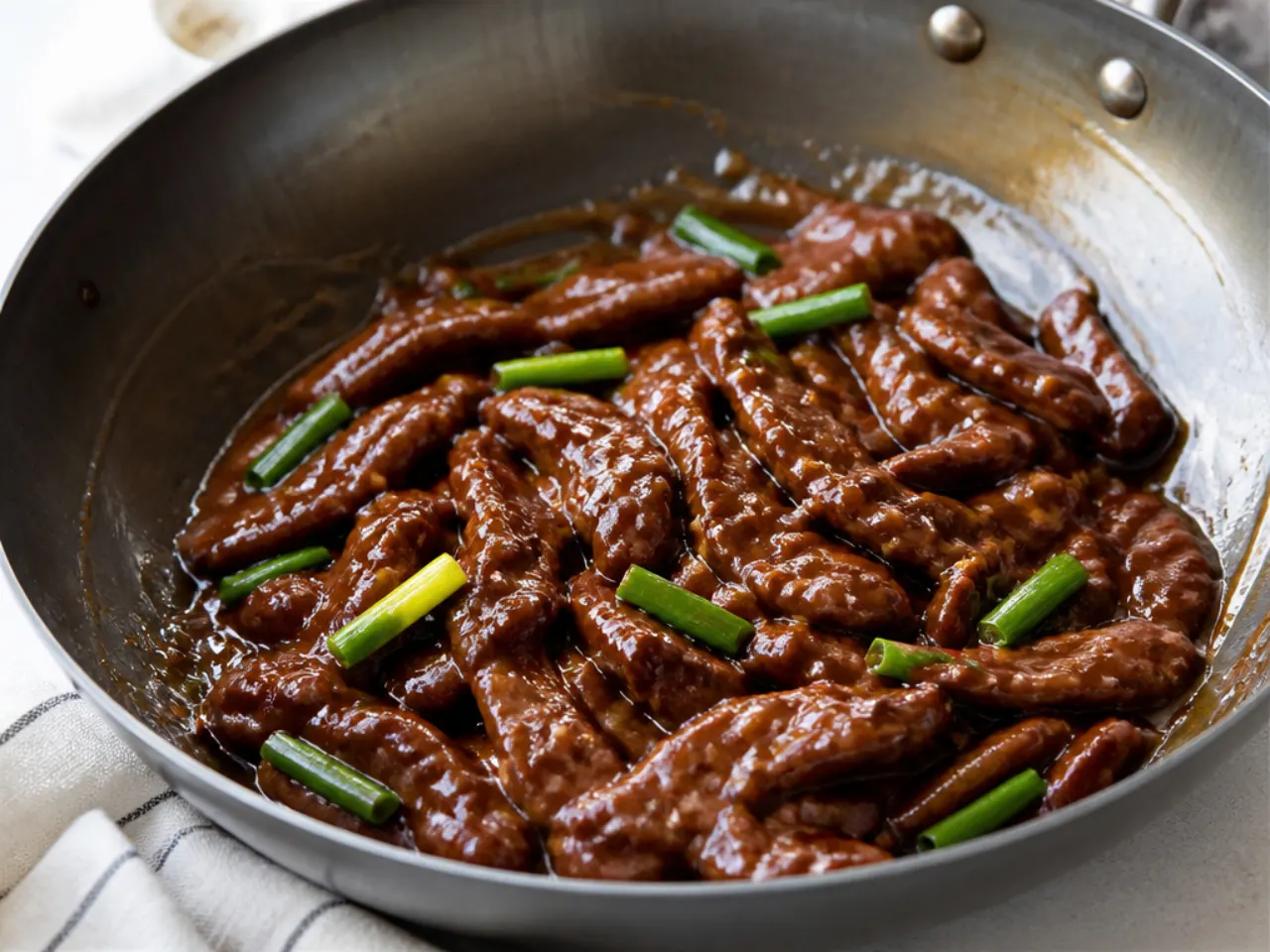
I used to pour the sauce in and serve it the second it was warm, which left a thin, watery puddle that slid right off the meat. Mongolian beef sauce needs to actually reduce: after the garlic and ginger go in, add your soy sauce, brown sugar, and water and let it bubble a full 2 to 3 minutes so the sugar caramelizes and it turns glossy. If it is still loose, stir in a slurry of 1 tablespoon cornstarch mixed with 2 tablespoons water, a little at a time, until it coats the back of a spoon. You want just enough sauce to cling to every strip, not to pool on the plate. When I finally let it cook down, the beef went sticky and shiny exactly like the takeout box.
Lesson 5: Add Garlic, Ginger, and Scallions at the Right Moments, Not All at Once
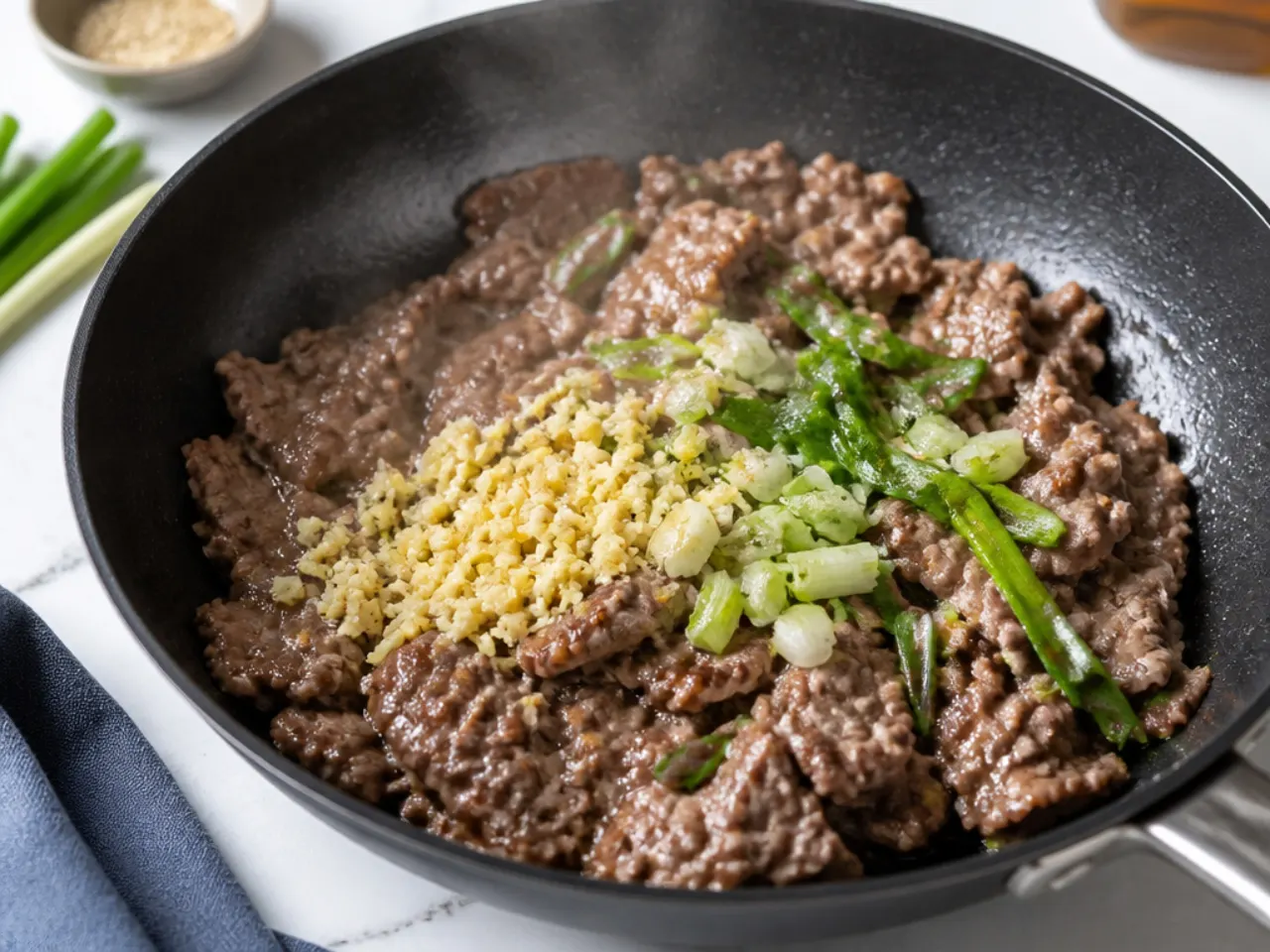
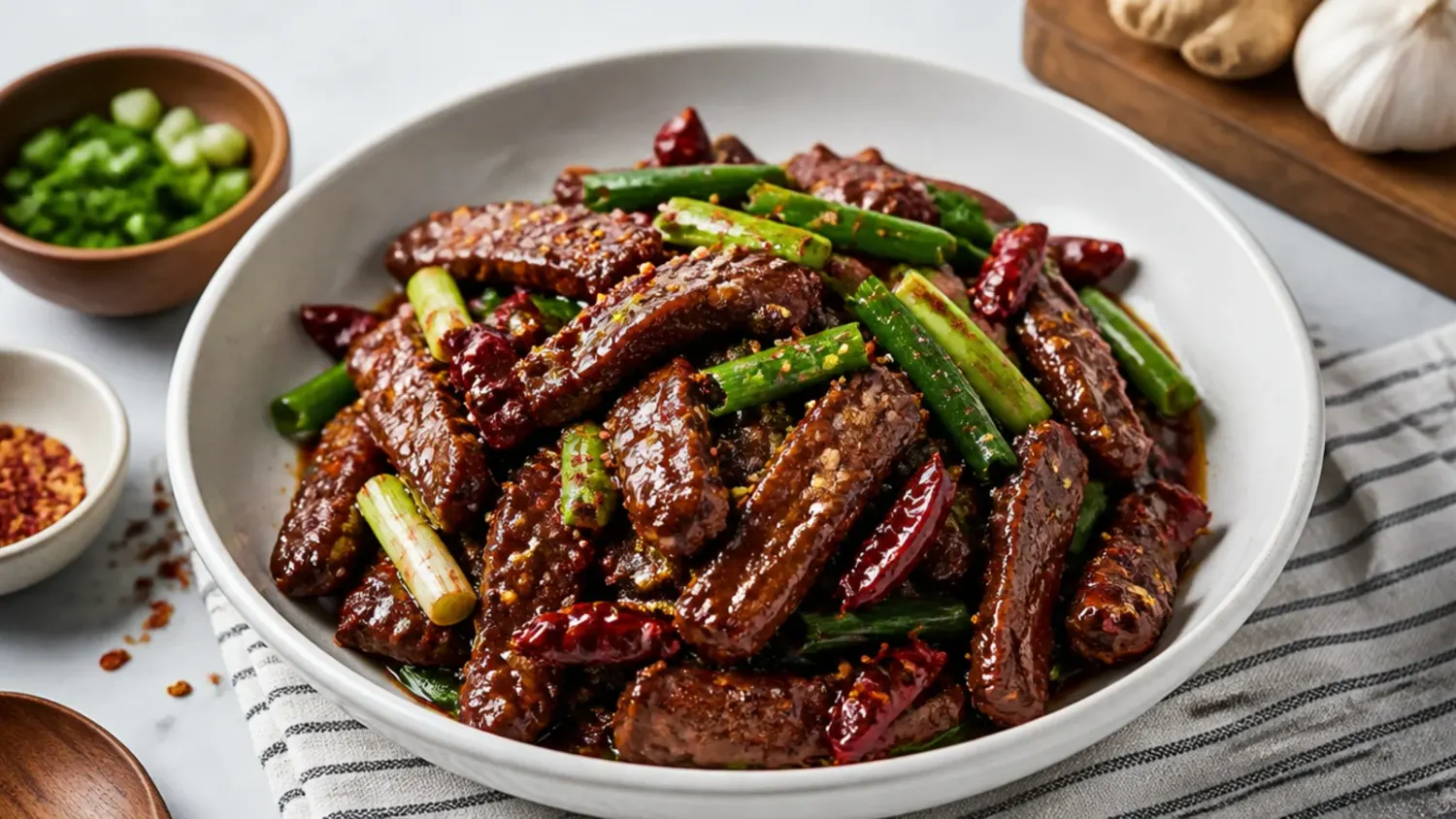
The first time, I threw the garlic in with cold oil and it burned bitter before the beef was even done. Aromatics and greens each have their own timing: after searing the beef, lower the heat to medium-high, then cook 1 teaspoon minced ginger and 3 cloves of minced garlic for just 15 to 30 seconds until fragrant, right before the liquid goes in so they can't scorch. Split your scallions too, adding the white parts with the garlic for depth and tossing the green tops in during the last 30 seconds so they stay bright. A pinch of red pepper flakes or a couple of dried chilies at the aromatic stage adds gentle heat without overpowering. Getting the order right made the whole dish taste layered instead of one-note sweet.
What I'd Tell a Friend Trying This
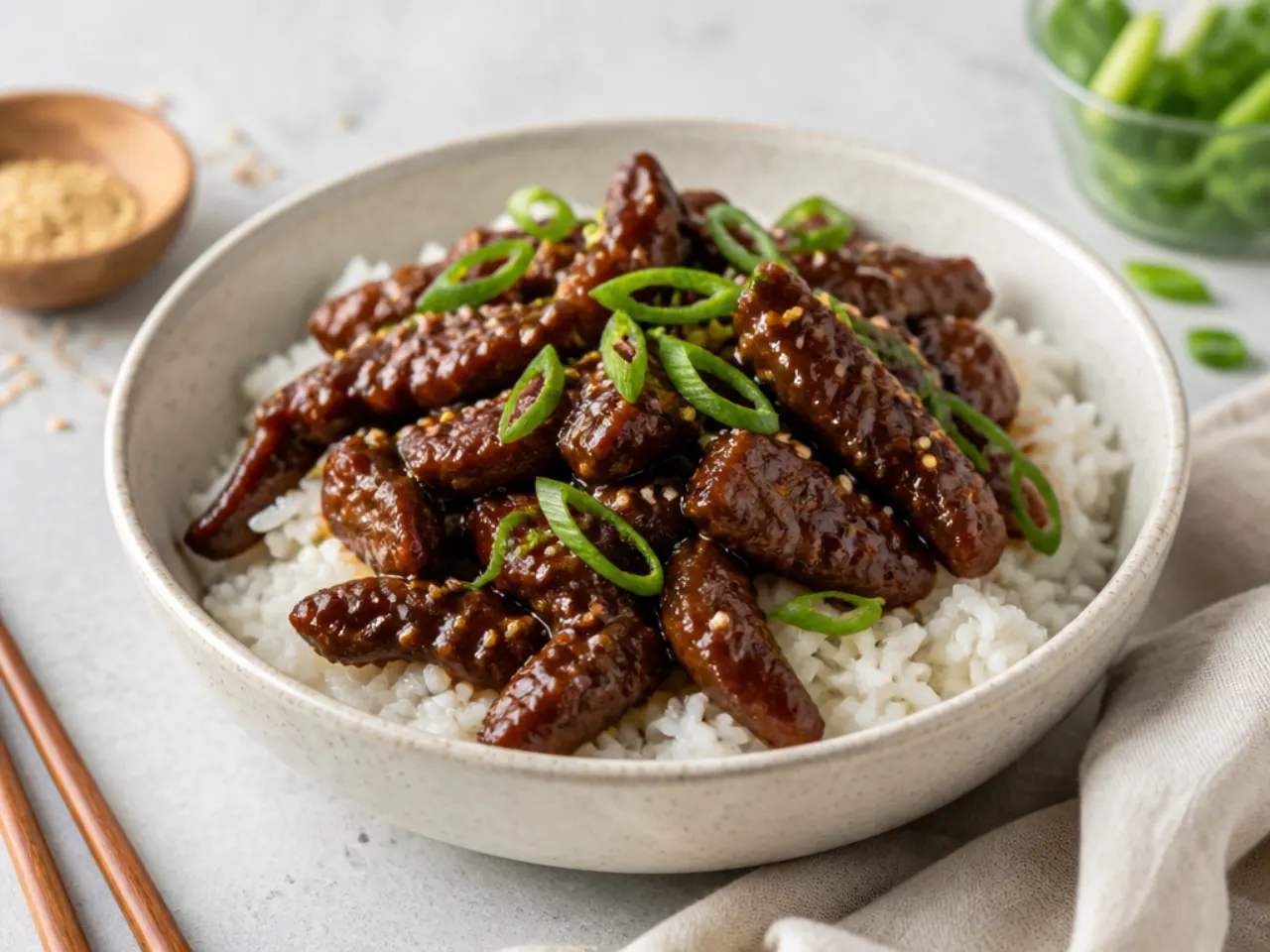
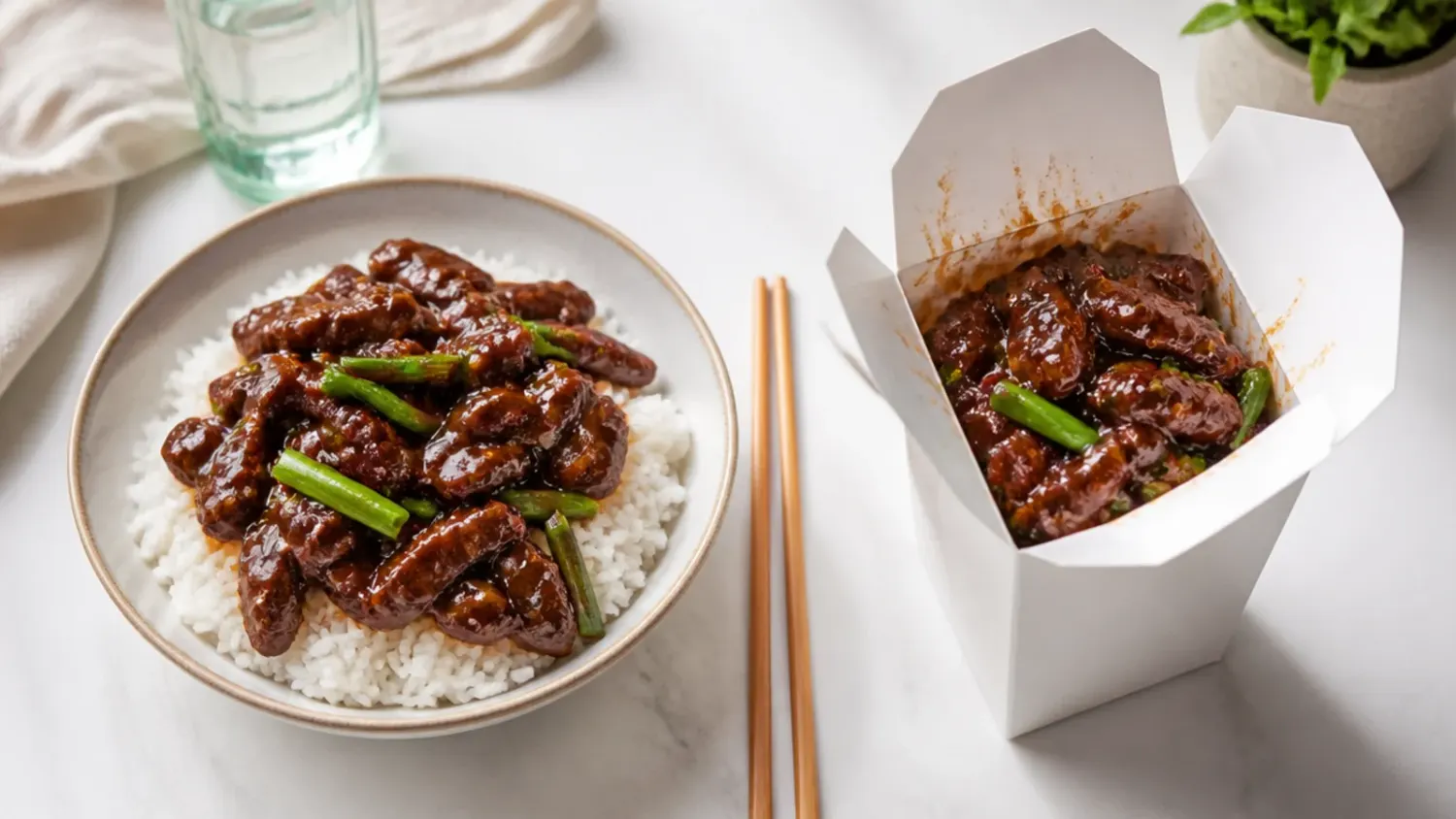
Do not skip the freeze-then-slice step or the pinch of baking soda; those two alone are what separate sad, chewy beef from the real thing, and they cost you nothing. Have everything prepped and lined up before you turn on the heat, because from the first sear to plating this moves fast, maybe 10 minutes of actual cooking, and you cannot chop garlic while beef is searing. Taste the sauce before it reduces and adjust: a splash more water if it is too salty, an extra teaspoon of brown sugar if you like it sweeter and stickier. Serve it immediately over hot steamed jasmine rice with the scallion greens on top, because it is best the moment it is glossy and hot. If mine looked wrong the first few times, yours will look right the first time now, so relax and enjoy it.
The Recipe
The Recipe I Used
45 min
10 min
55 min
4
Intermediate
Ingredients 4 Person(s)
Directions
Step 1: Freeze and slice the beef
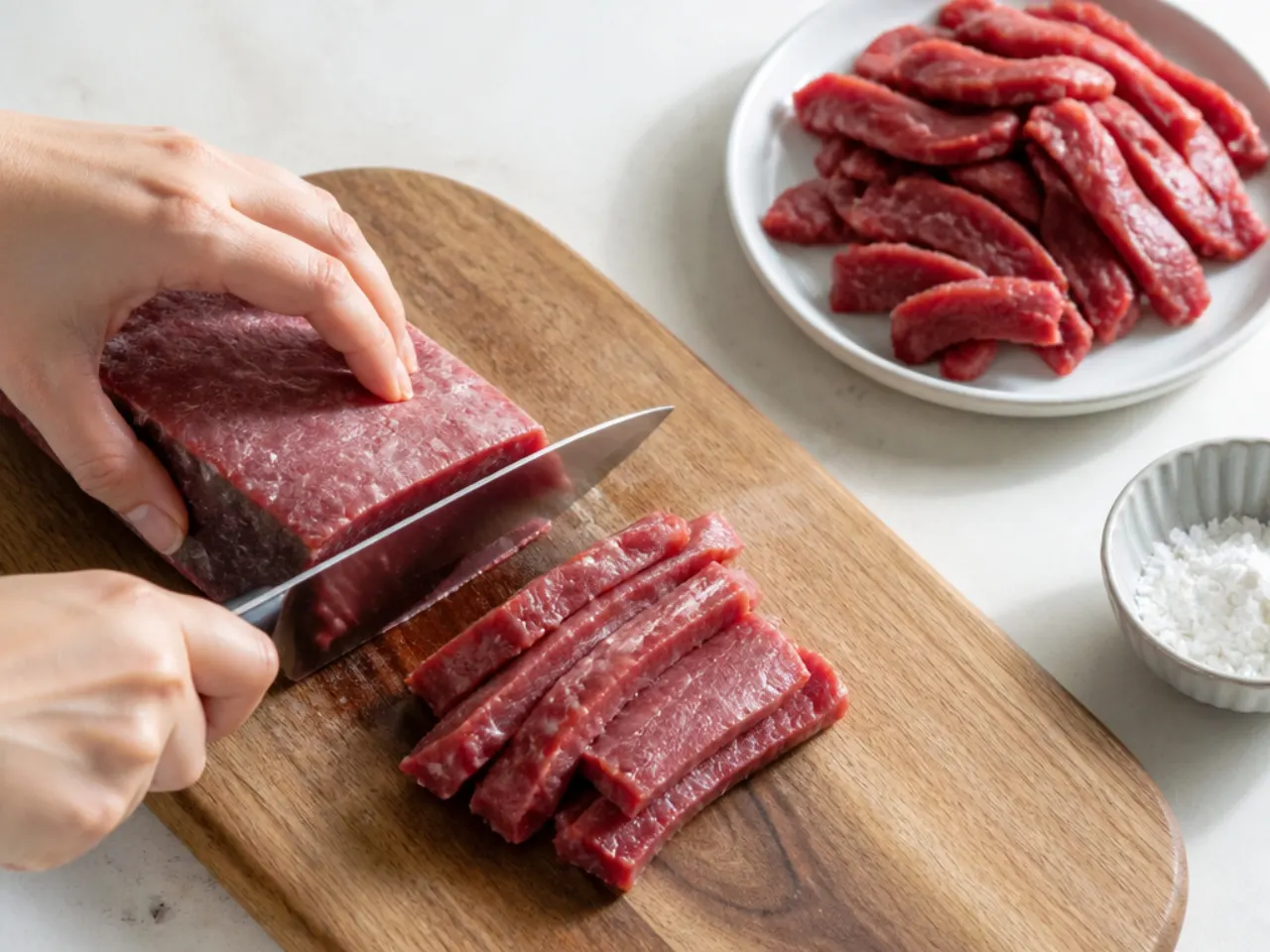
Put the flank steak in the freezer for 20 to 30 minutes until firm but not frozen solid. Find the direction of the muscle fibers, then slice straight across them (against the grain) into thin 1/4-inch (6mm) strips, angling your knife slightly for wider pieces. This is the single most important step for tender beef, so take your time here.
Step 2: Velvet and marinate
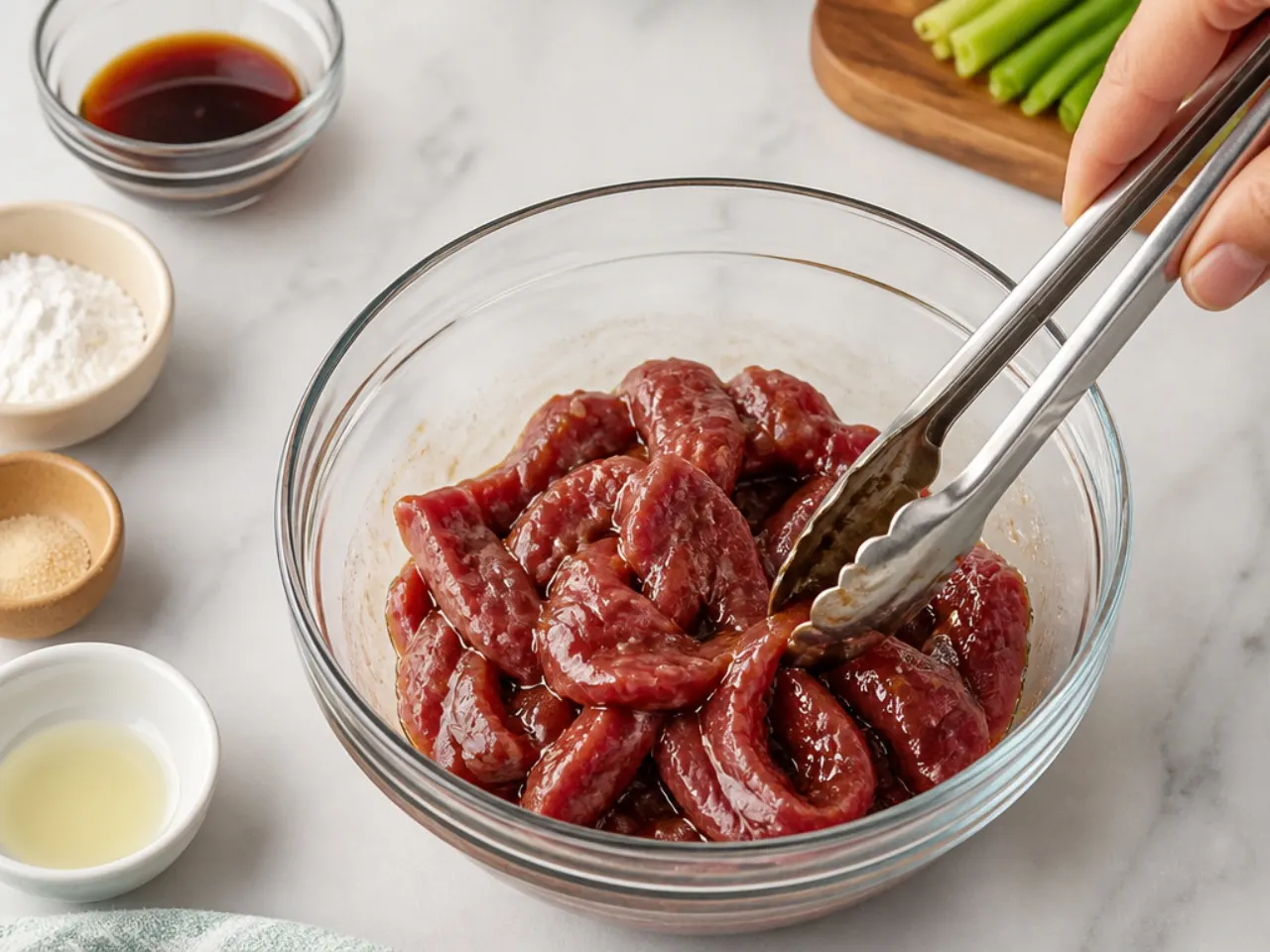
In a bowl, toss the sliced beef with the baking soda and 2 teaspoons of the soy sauce (borrowed from the 1/2 cup), plus 1 tablespoon of the cornstarch. Massage it in and let it sit 30 to 60 minutes at room temperature. The baking soda tenderizes the surface so the beef stays silky; do not marinate much longer or it turns mushy.
Step 3: Mix the sauce
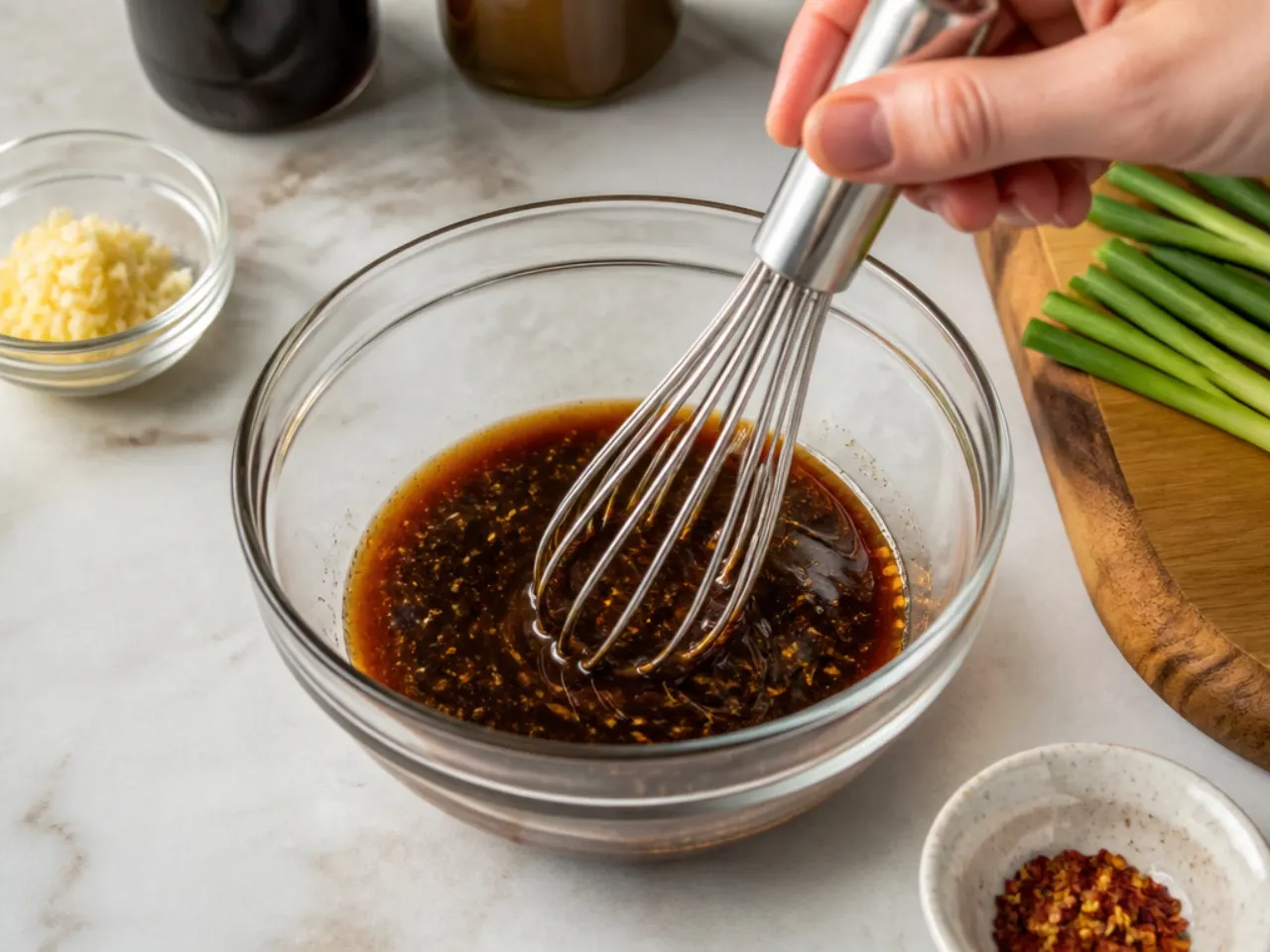
In a separate bowl, stir together the remaining soy sauce, the brown sugar, and the water until the sugar dissolves. In a small cup, make a slurry by whisking the extra 1 tablespoon cornstarch into 2 tablespoons cold water and set it aside. Having the sauce and slurry ready before you start cooking is essential, because the cooking goes very fast.
Step 4: Dredge and sear the beef
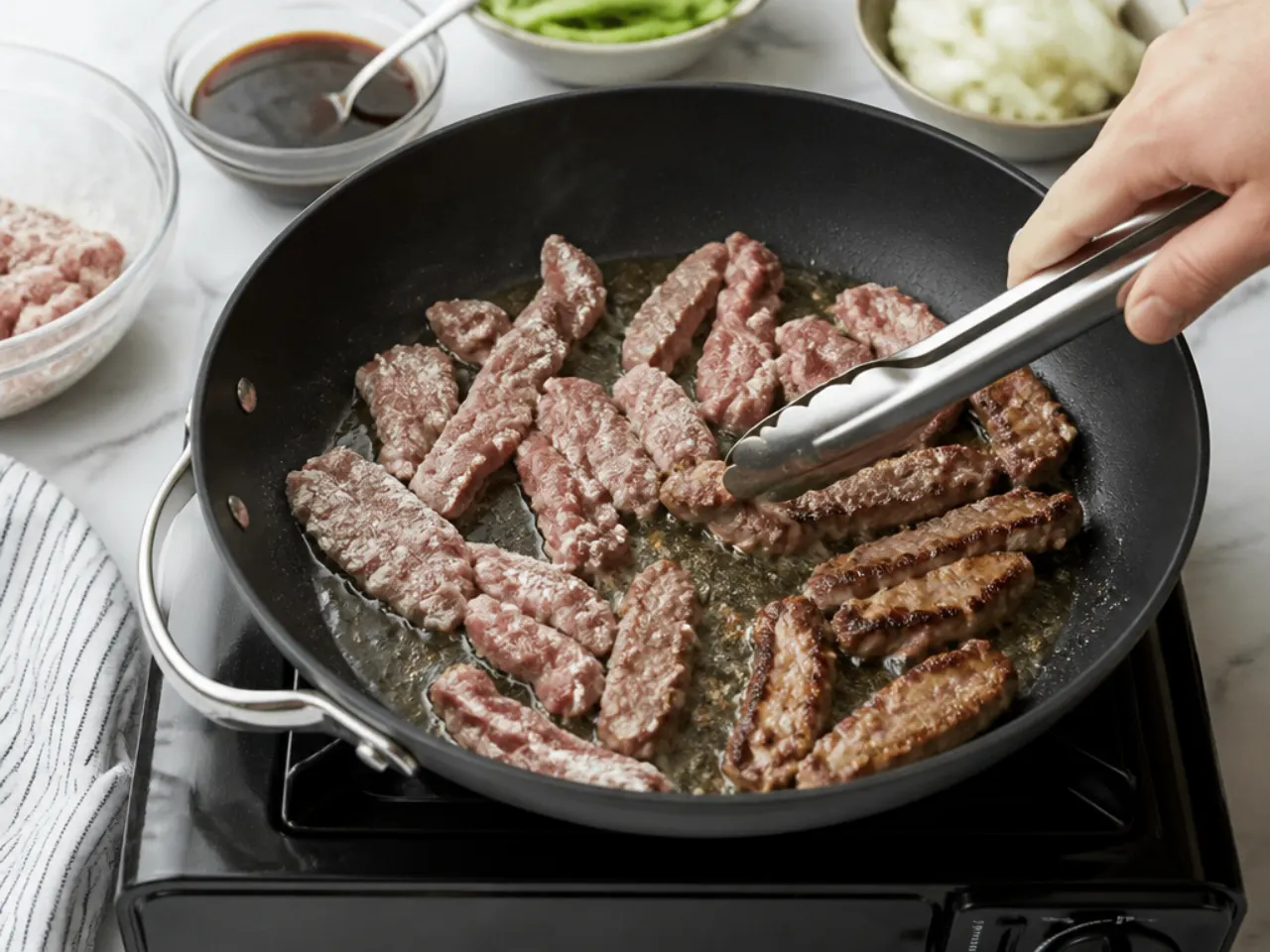
Right before cooking, toss the marinated beef in the remaining cornstarch until lightly coated, shaking off the excess. Heat the oil in a large wok or skillet over high heat until shimmering and nearly smoking. Sear the beef in 2 to 3 single-layer batches, about 1 minute per side, until the edges are browned and crisp, then transfer each batch to a plate. Do not crowd the pan or the beef will steam instead of crisping.
Step 5: Cook the aromatics
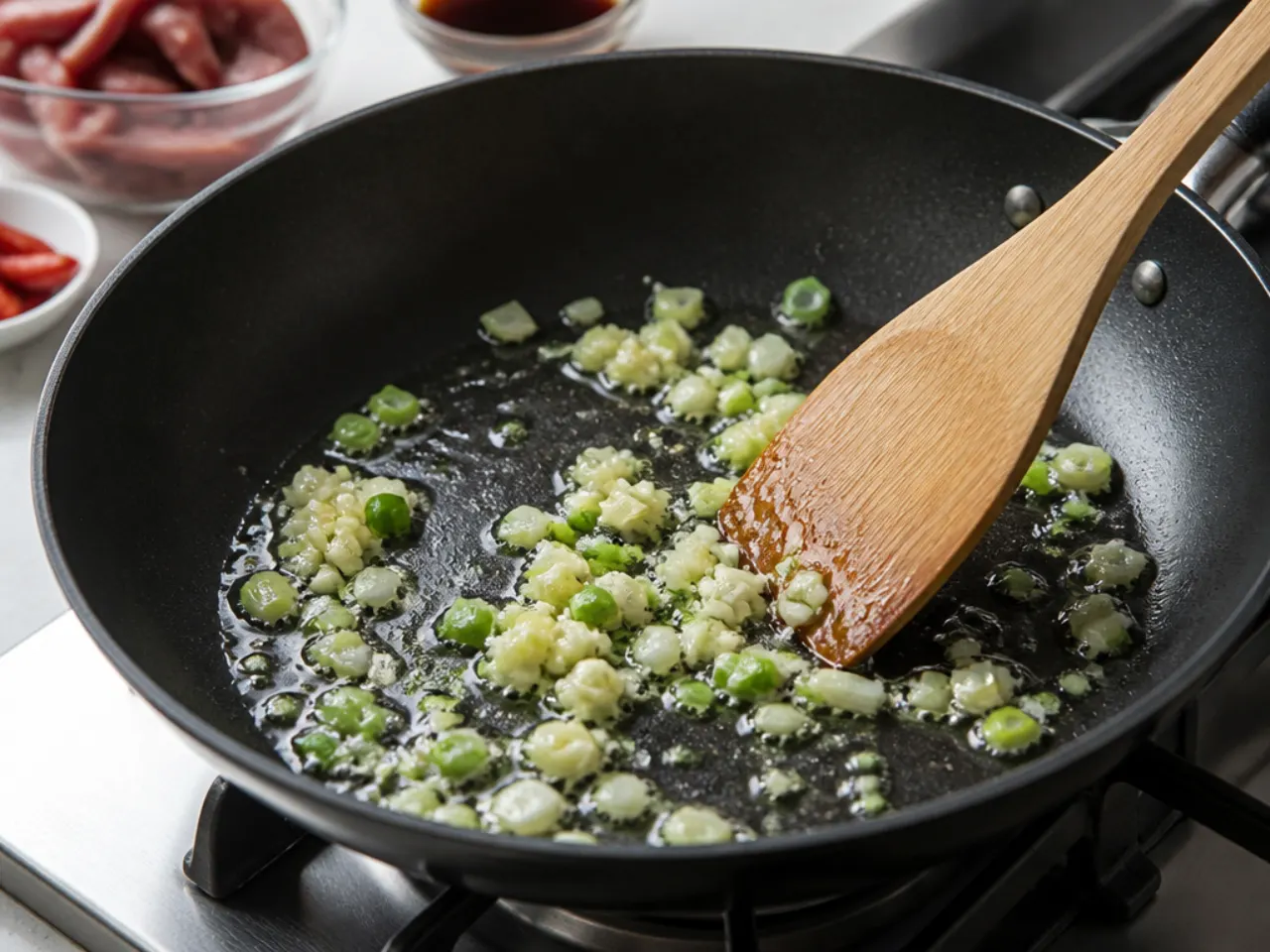
Pour off all but about 1 tablespoon of oil from the pan and reduce the heat to medium-high. Add the ginger, garlic, scallion whites, and red pepper flakes if using, and stir constantly for 15 to 30 seconds until fragrant. Watch closely so the garlic does not burn, which happens fast and turns the sauce bitter.
Step 6: Build and thicken the sauce
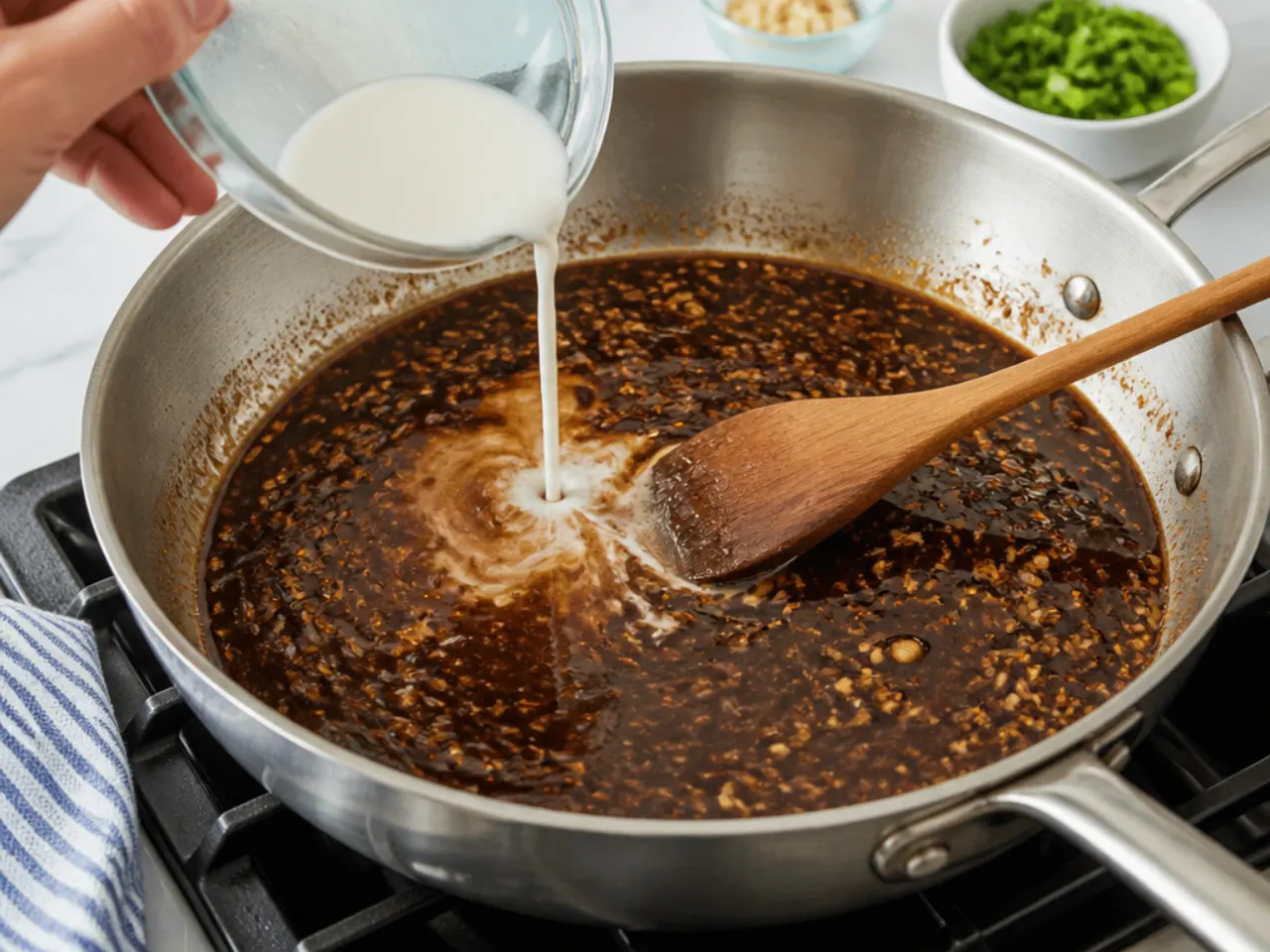
Pour in the soy-brown sugar mixture and bring it to a simmer, letting it bubble 2 to 3 minutes so the sugar caramelizes and the sauce turns glossy. Stir the reserved slurry and drizzle it in a little at a time, stirring, until the sauce thickens enough to coat the back of a spoon. If it gets too thick, loosen it with a splash of water; if too thin, let it bubble a little longer.
Step 7: Toss, finish, and serve
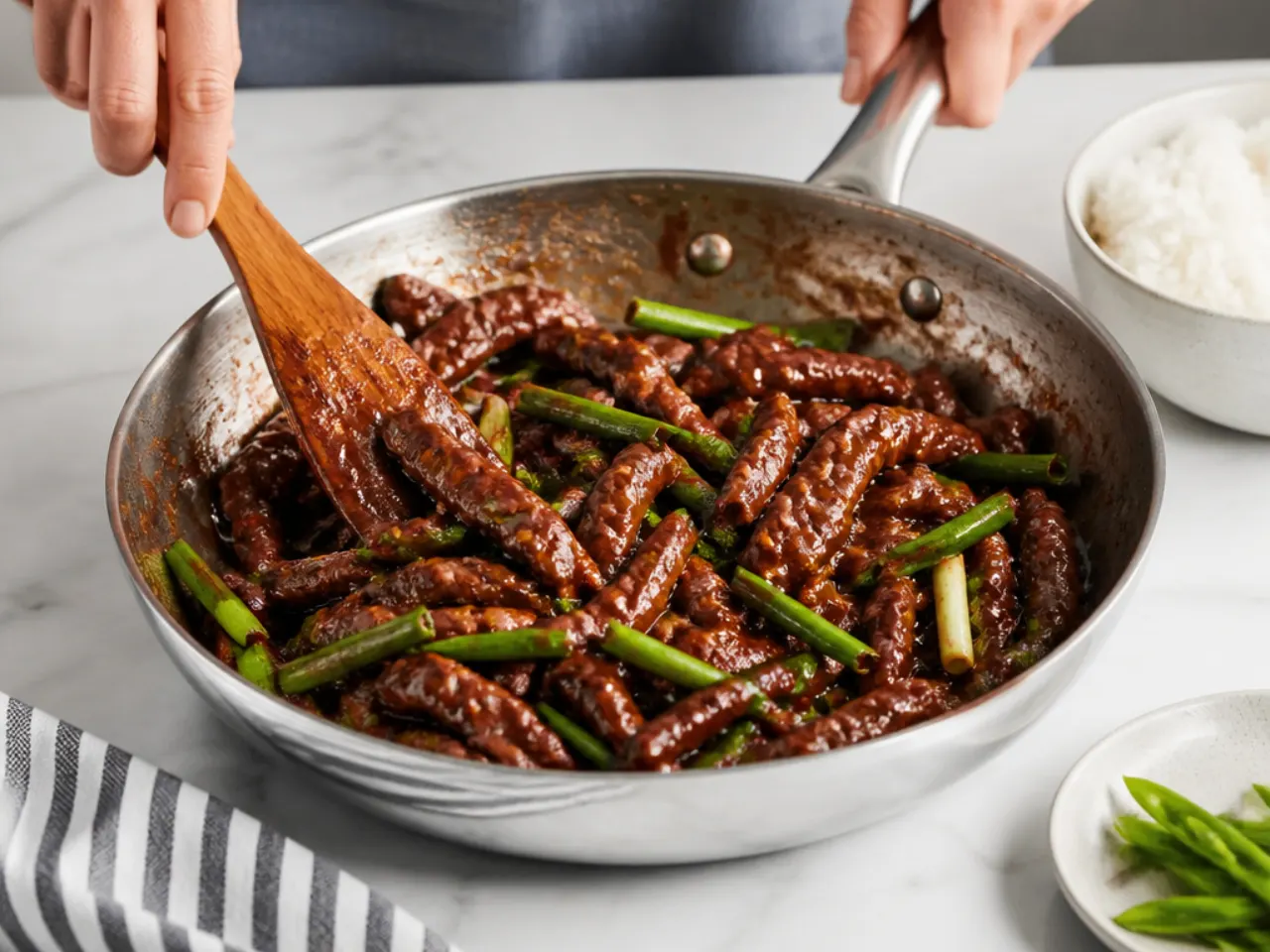
Return the seared beef and any juices to the pan and toss for about 30 seconds until every strip is coated and glossy with minimal loose liquid. Add the scallion greens and toss just until wilted. Serve immediately over hot steamed jasmine rice, spooning the sticky sauce over the top.
Frequently Asked Questions
Flank steak is the classic choice because it is lean, flavorful, and quick-cooking. Skirt steak or sirloin also work well as long as you slice thin and against the grain. Whatever you use, freeze it for 20 to 30 minutes first so you can cut clean 1/4-inch strips.
Save this for later 📌
Pin this article to your Pinterest board so the full list is one tap away when you need it.
Save on Pinterest