3 Homemade vs Bakery Unicorn Cakes Compared
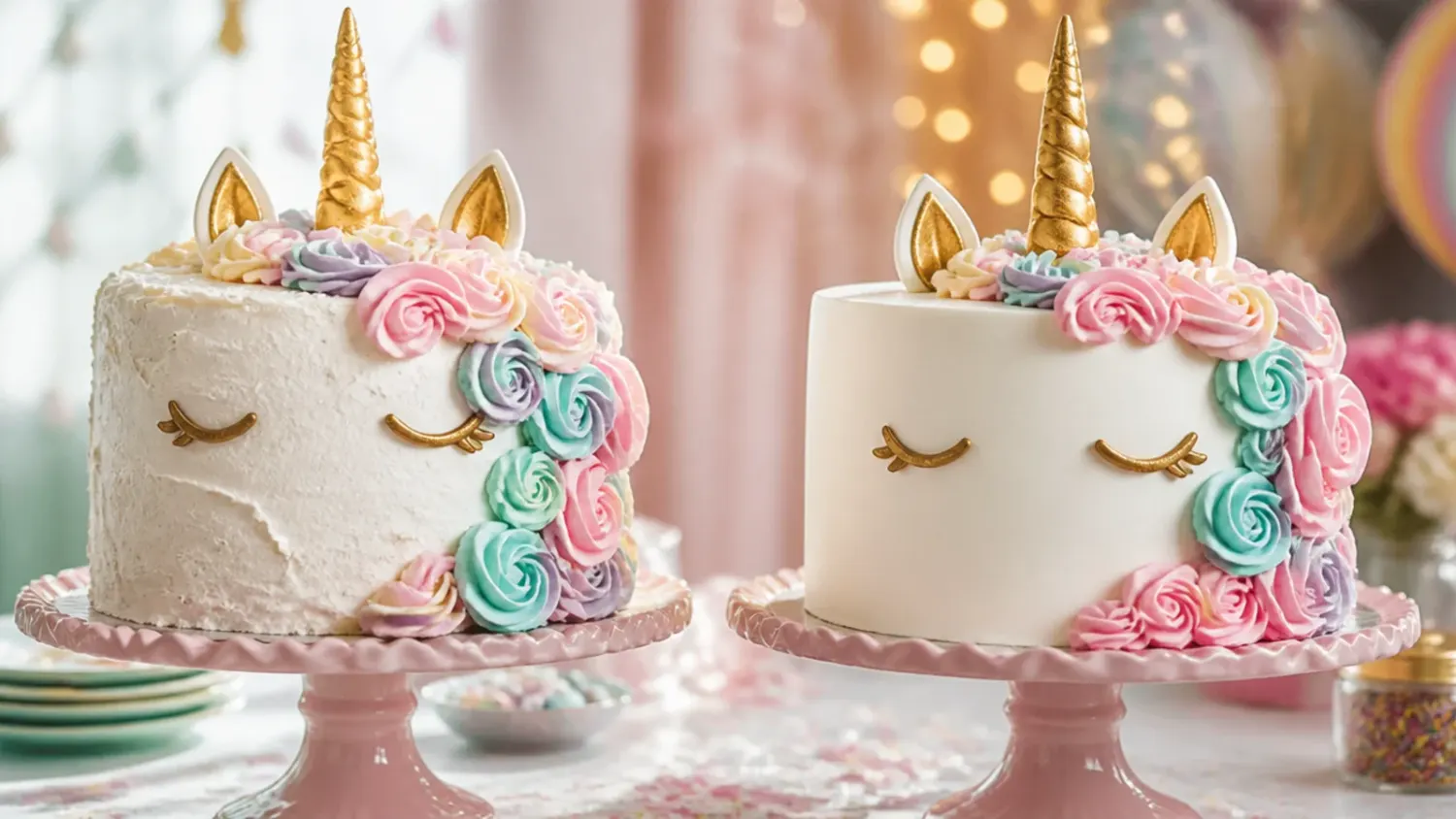
Unicorn cake vs store bought: we compare real costs, taste, texture and effort so you know exactly when to bake one at home and when to just buy. If you love unicorn cake inspiration, start with our Unicorn Cake Ideas collection, then browse the full Cake Ideas hub for more.
Save this for later 📌
Pin this article to your Pinterest board so the full list is one tap away when you need it.
Save on PinterestCake Ideas
Intermediate
Comparison
3 compared
Table of Contents
Option 1: Homemade Unicorn Cake
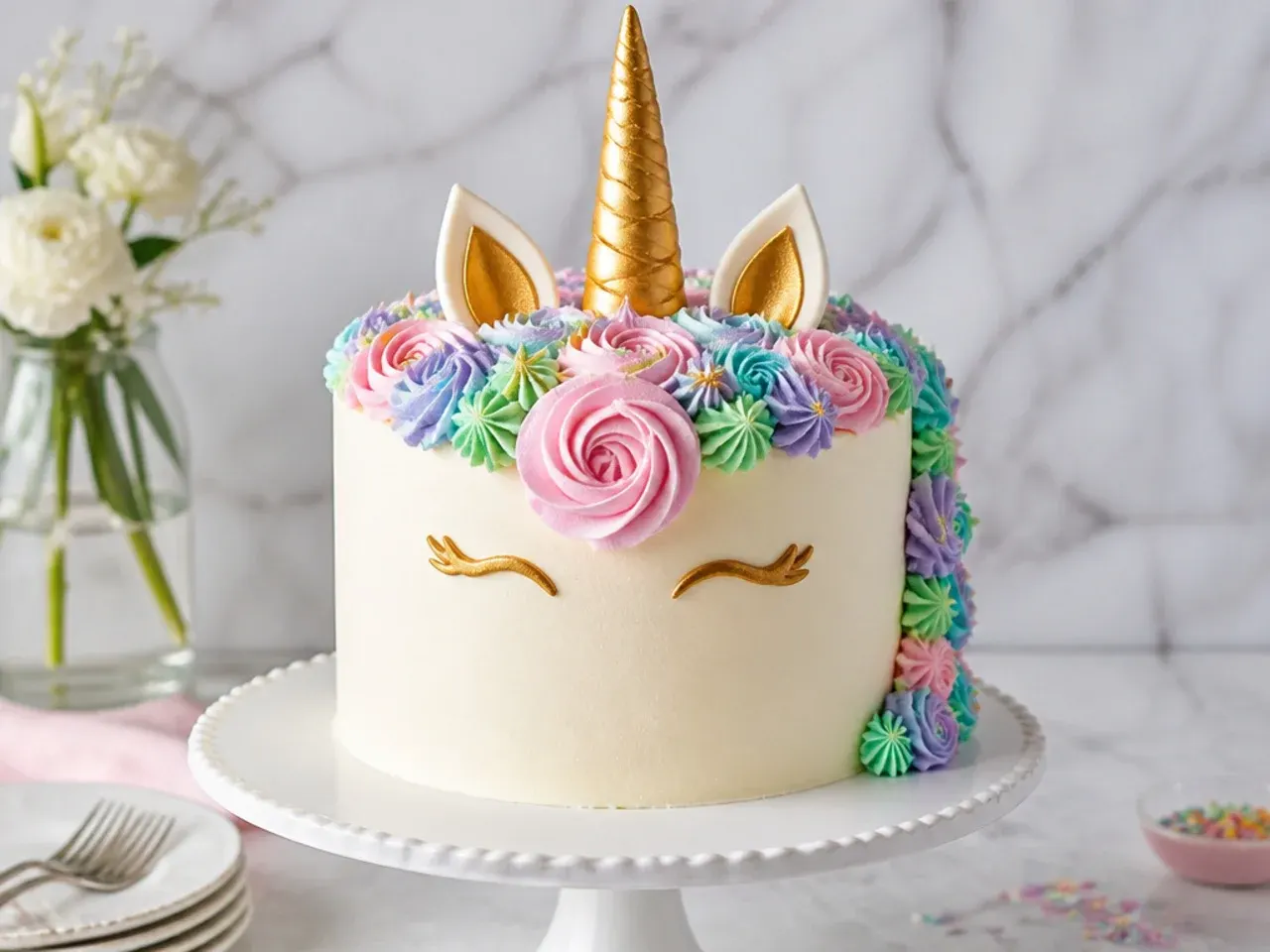
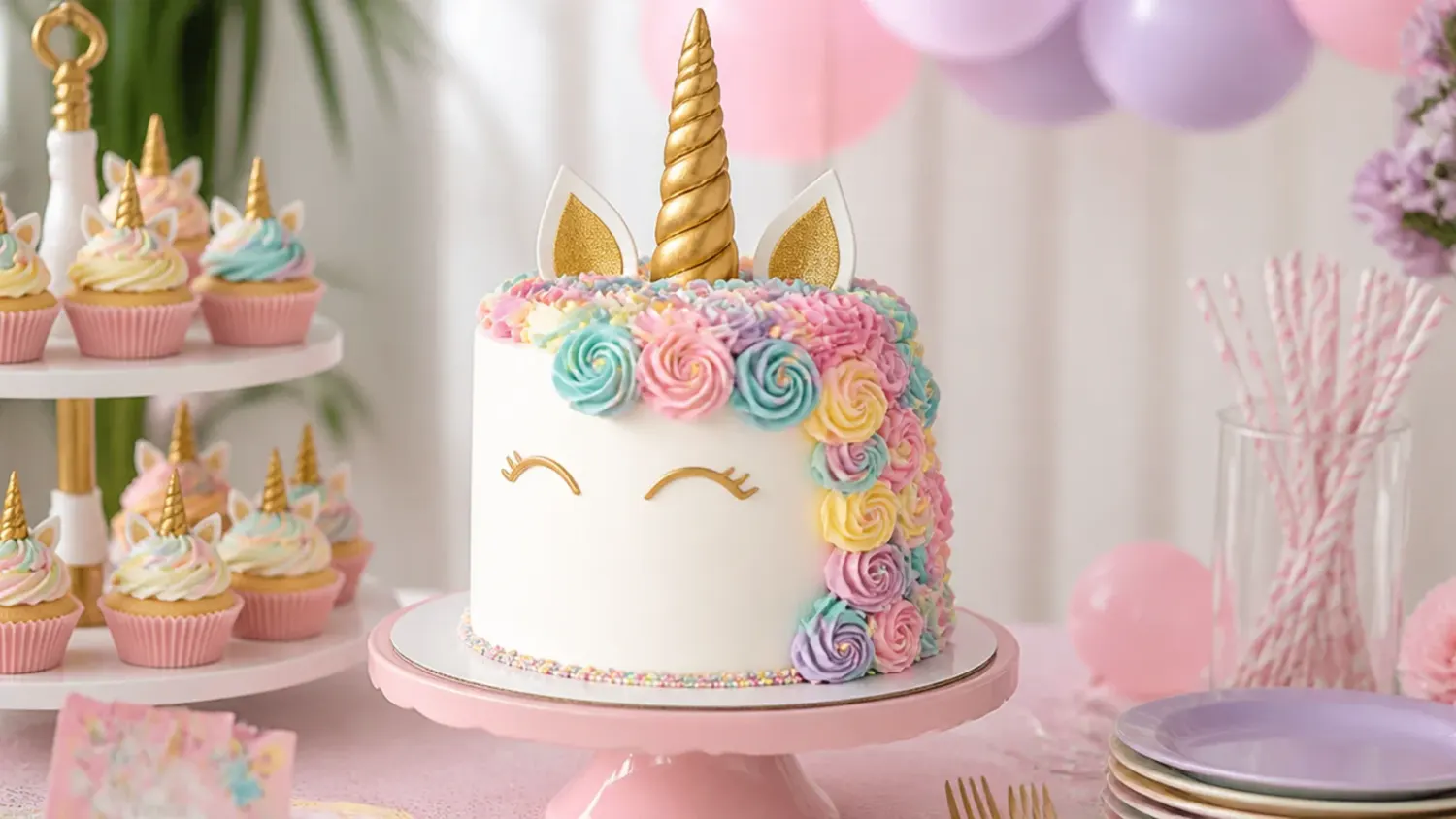
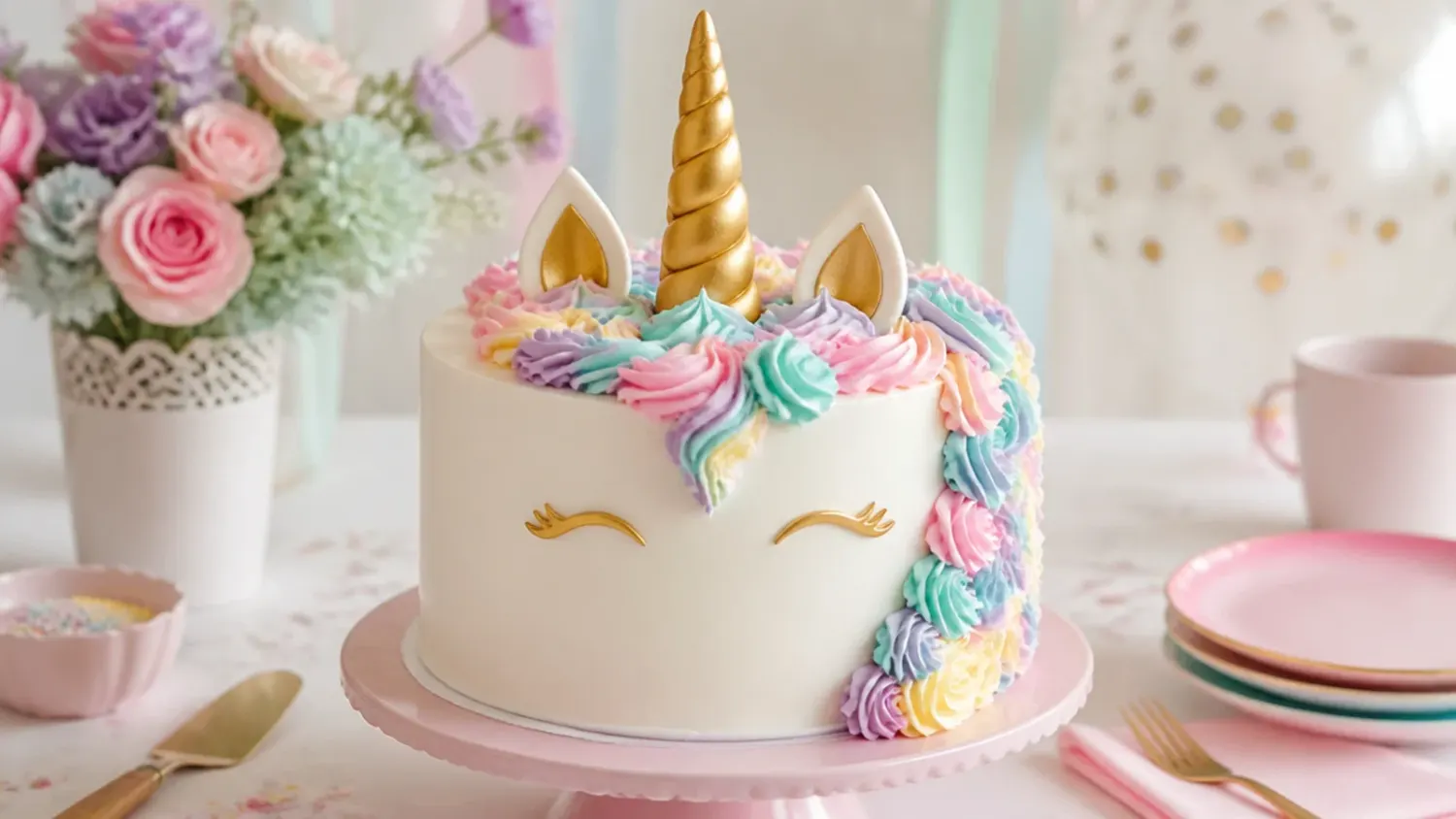
A homemade unicorn cake is a stacked vanilla sponge covered in pastel buttercream, finished with a rainbow rosette mane, a gold horn, ears and lashes. You bake three 7 or 8 inch layers at 180°C (350°F), stack them with vanilla buttercream, crumb coat, then pipe the mane with a 1M open star tip in four gel-tinted colors. The huge advantage is control: you choose real butter buttercream instead of the greasy shortening frosting most grocery cakes use, and you can dial the sweetness down to taste. It takes real time (about 3-4 hours spread over a day) but costs roughly £15-25 in ingredients plus a £5-8 horn-and-ears topper kit. For anyone who enjoys a project, this is where you get bakery looks without the bakery bill.
Option 2: Store Bought Unicorn Cake
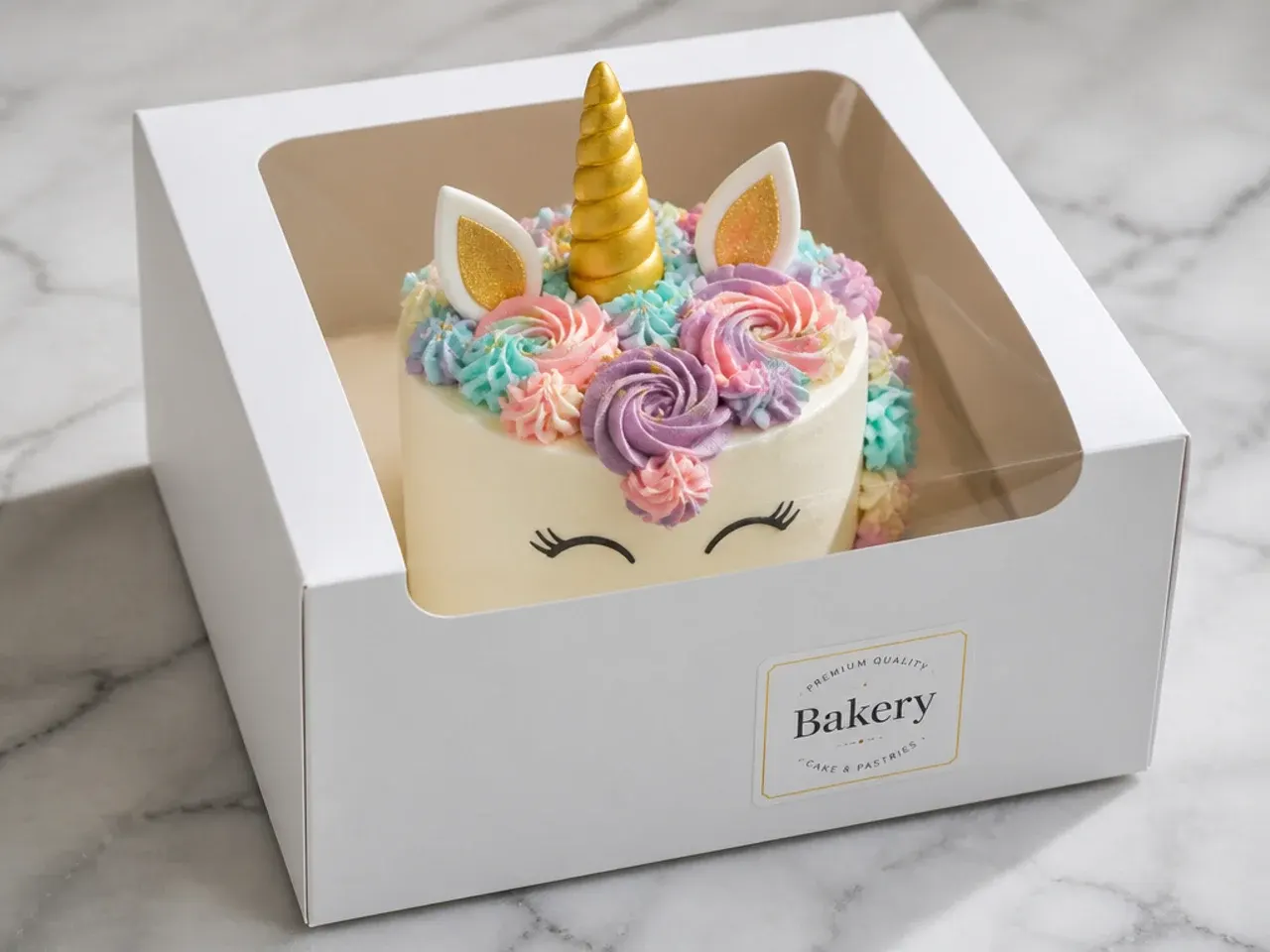
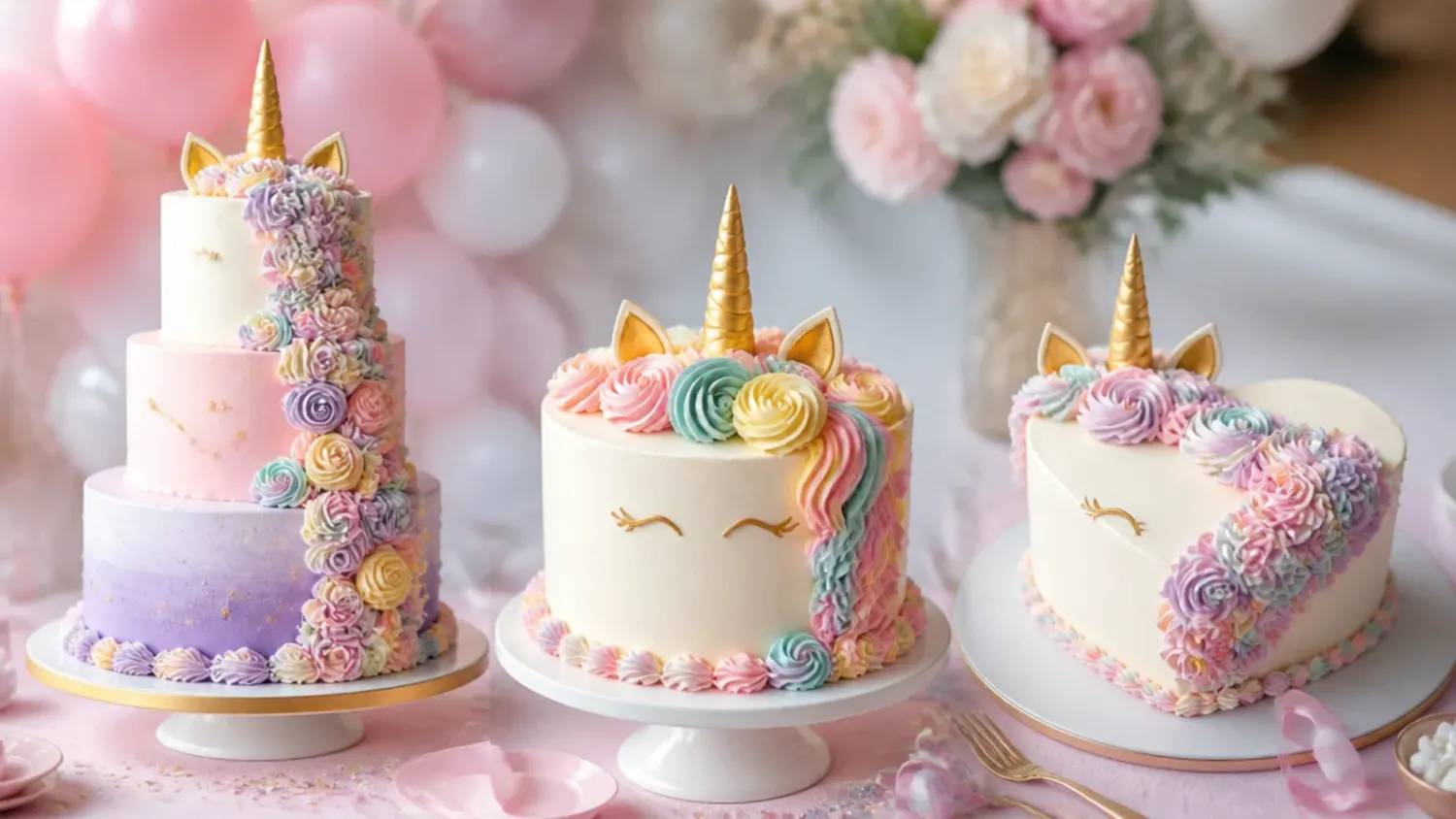
Store bought splits into two very different products. A grocery-chain unicorn cake (think supermarket bakery counter) costs about £15-25 and is ready in minutes, but reviewers consistently flag overly sweet, shortening-based frosting and a dry crumb. A custom bakery unicorn cake is a genuine showpiece with fondant details, real buttercream and edible glitter, but it runs £90-£170+ (US bakeries commonly quote $100-200 and up), needs ordering 1-2 weeks ahead, and may add a per-mile delivery fee. The store-bought win is pure convenience and zero cleanup. The trade-off is either lower quality (grocery) or a steep price plus lead time (custom bakery).
Cost Comparison
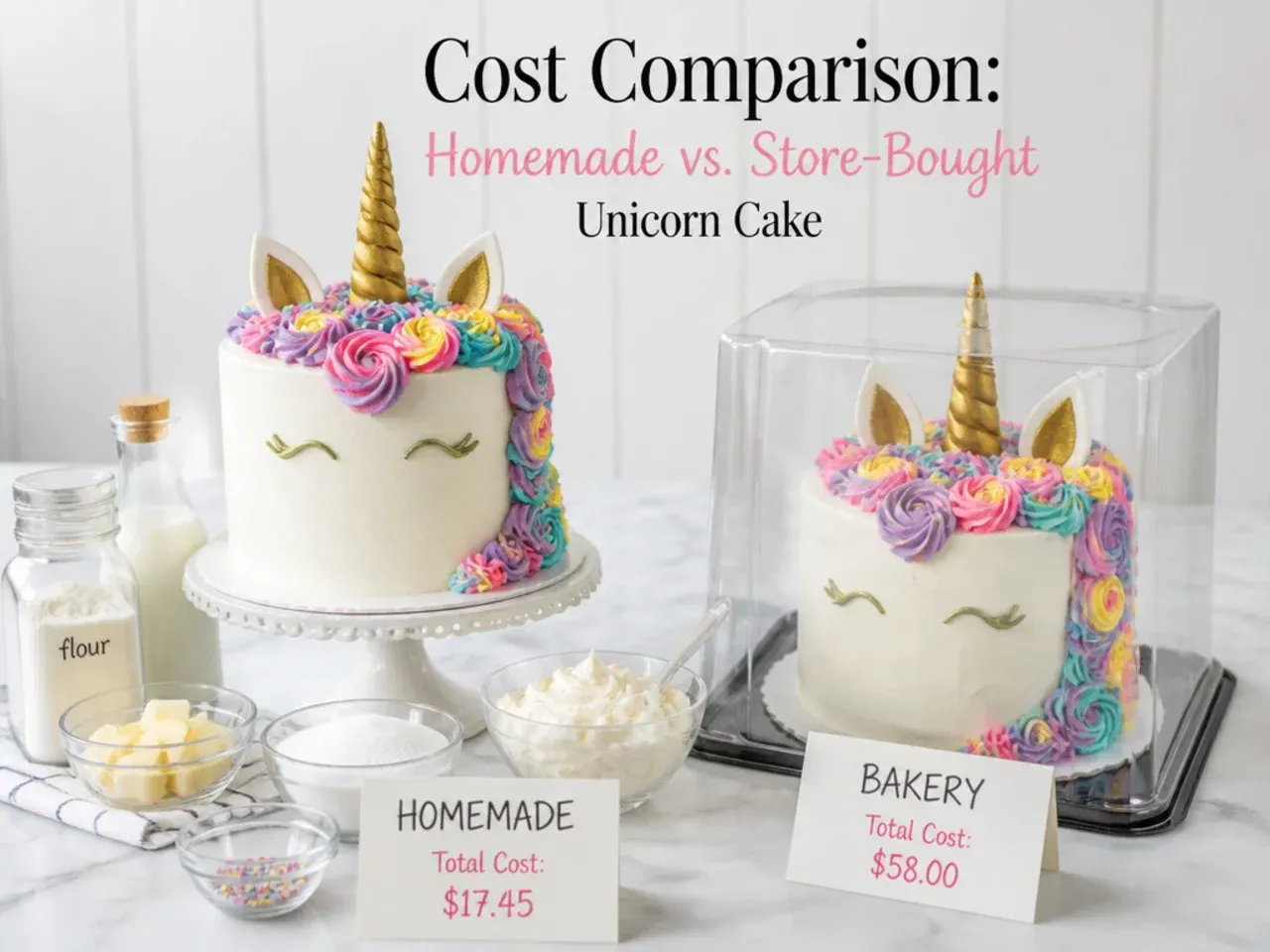
Homemade is the clear budget winner. From-scratch ingredients for a three-layer 7-inch cake land around £15-25: roughly £4-6 butter, £2-3 sugar, £2 flour, £2-3 eggs, £3-4 gel colors, plus a reusable £5-8 horn-and-ears topper set. Add about 70p of oven energy and you are still under £26 total. A grocery unicorn cake is comparable at £15-25 but you sacrifice quality, while a custom bakery version at £90-£170+ costs three to seven times more than baking it yourself. If you already own piping bags, tips and gel colors, your second homemade unicorn cake drops closer to £12-15 because those tools are reusable. Verdict: bake it yourself to save the most money, or buy grocery only if time matters more than taste.
Taste and Texture
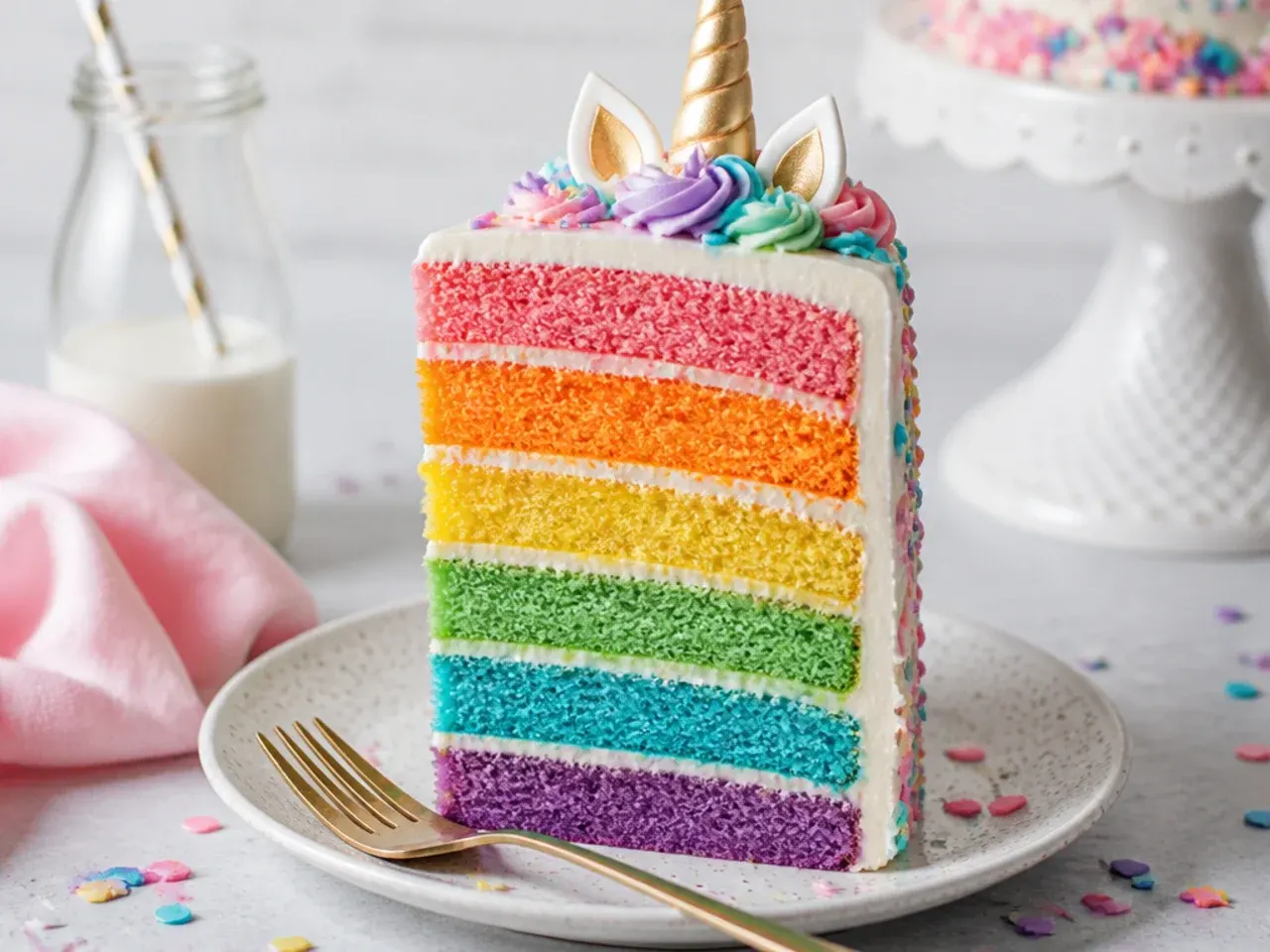
This is where homemade pulls decisively ahead. A scratch vanilla sponge made with creamed butter and buttermilk is tender and moist, and a real American buttercream (roughly 1 cup butter to 3.5 cups icing sugar, softened with 2 tbsp milk or cream) tastes of vanilla and butter rather than pure sugar. Grocery unicorn cakes typically use shortening frosting that coats the mouth and reads as cloyingly sweet, and the sponge is often dry from sitting in a display case. Custom bakery cakes can match or beat homemade on texture, but the flavor is baker-dependent and you cannot taste before you buy. If flavor is the priority, homemade wins; if you must buy, a custom bakery beats a grocery cake every time.
Time and Effort
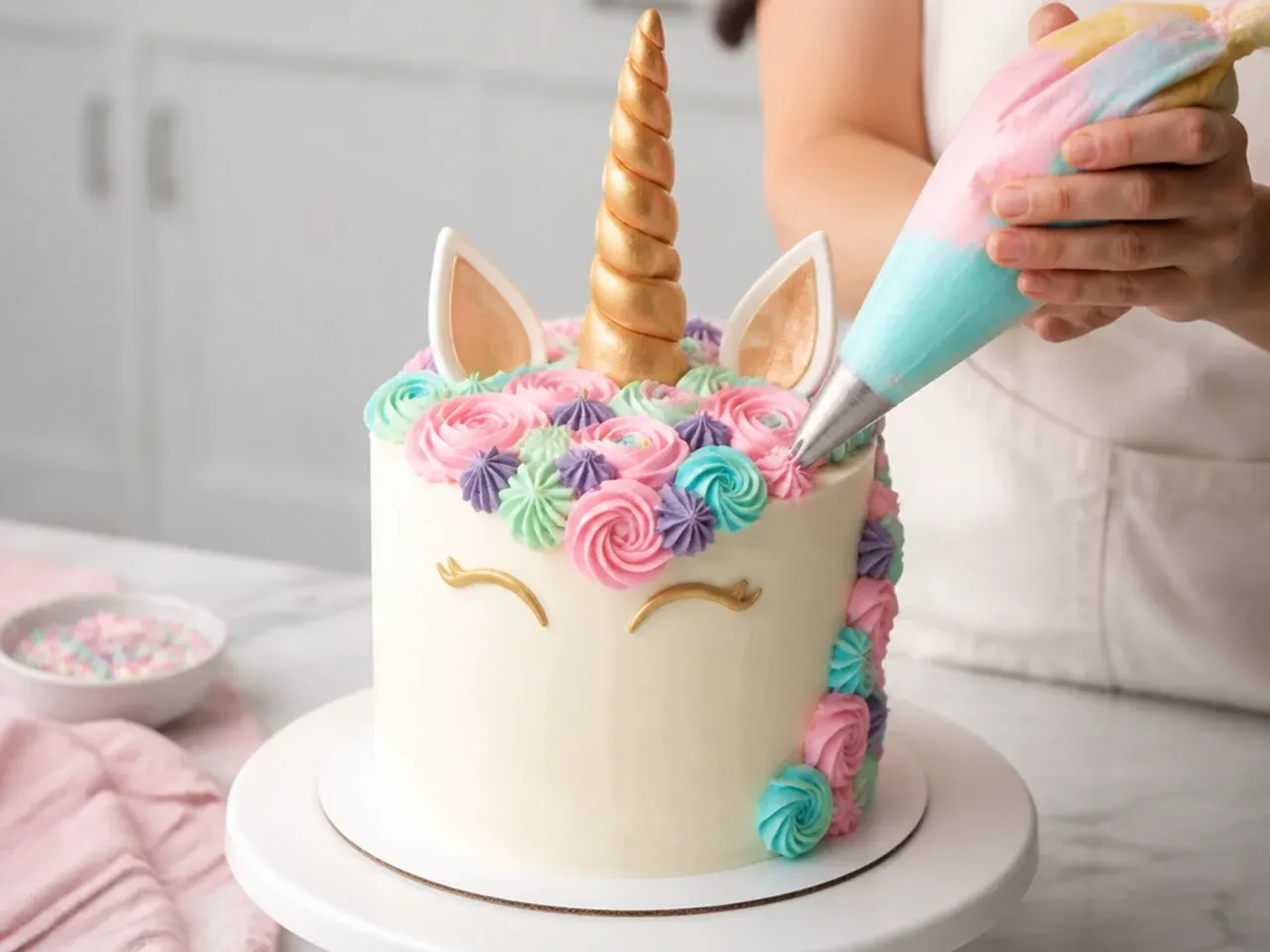
Store bought wins convenience hands down: a grocery cake is a five-minute pickup, and a custom order takes one phone call plus a 1-2 week wait. Homemade is the effort-heavy option at roughly 3-4 active hours, but it splits neatly across days, which removes most of the stress. Make the fondant horn and ears up to a week ahead (they store airtight), bake and wrap the sponges up to 3 days ahead, and make the buttercream 2-3 days ahead (rewhip before piping). That leaves only stacking, crumb coating and piping the mane on the final day, about 90 minutes. Chilling the crumb-coated cake for 20 minutes before the final coat is the single step that makes home decorating far easier.
Best Choice by Situation
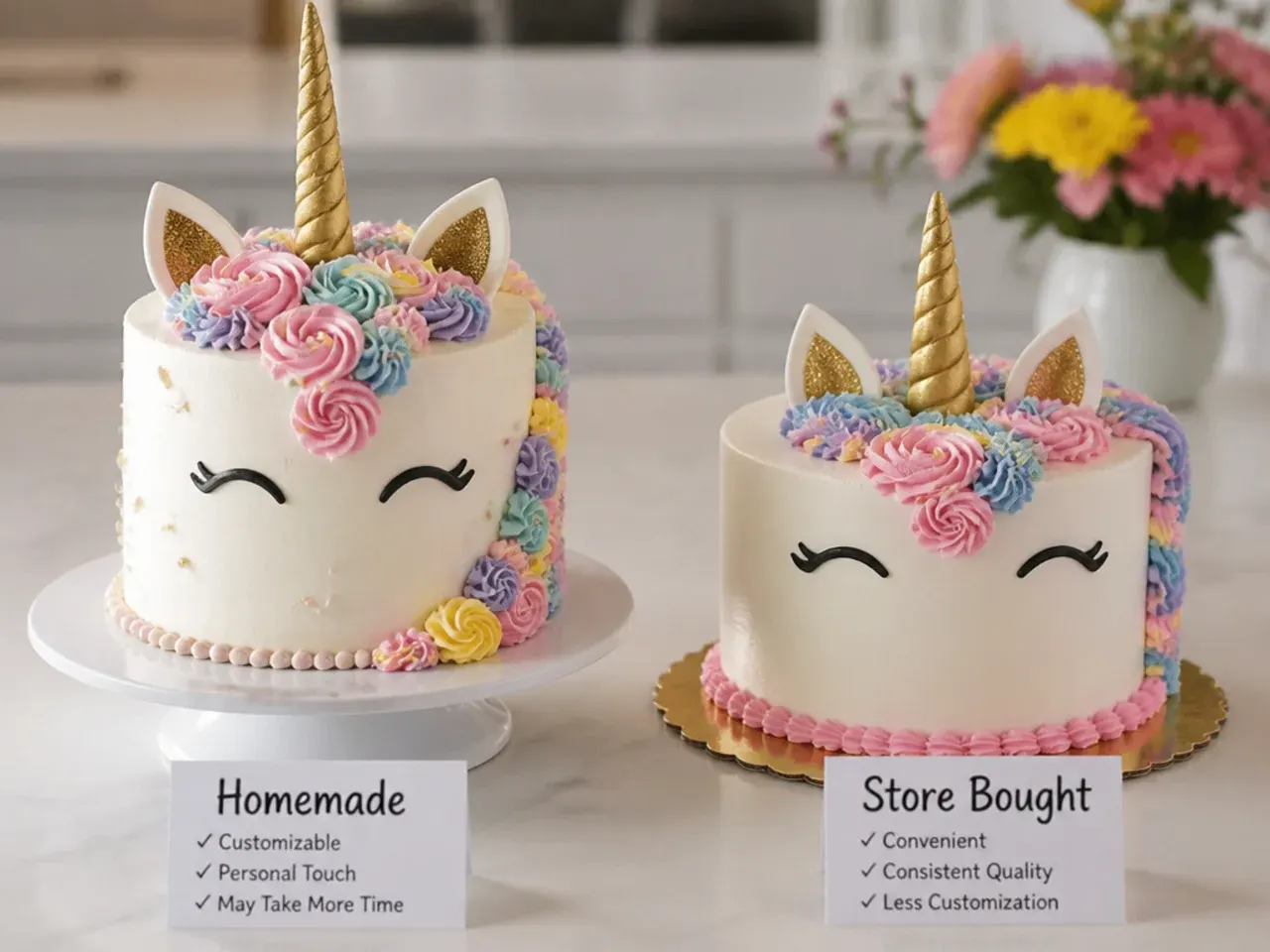
Choose homemade when you have a free afternoon (or two evenings), want the best flavor, and want to save money, it is ideal for family birthdays where the effort is part of the fun. Choose a grocery store-bought cake when you are short on time, on a tight budget, and just need something themed and cheerful for a casual party, accept that the frosting will be sweet. Choose a custom bakery cake when the event is high-stakes (a big milestone or a party you are hosting for others), you want a flawless finish, and budget is not the deciding factor, just order 1-2 weeks out. Our overall recommendation for most home cooks is to bake it: the recipe below gives you a bakery-worthy unicorn cake at grocery-cake prices.
The Recipe
The Recipe We Recommend
45 min
30 min
3 hr 30 min (with chilling and decorating)
16
Intermediate
Ingredients 16 Person(s)
Directions
Step 1: Prep pans and oven
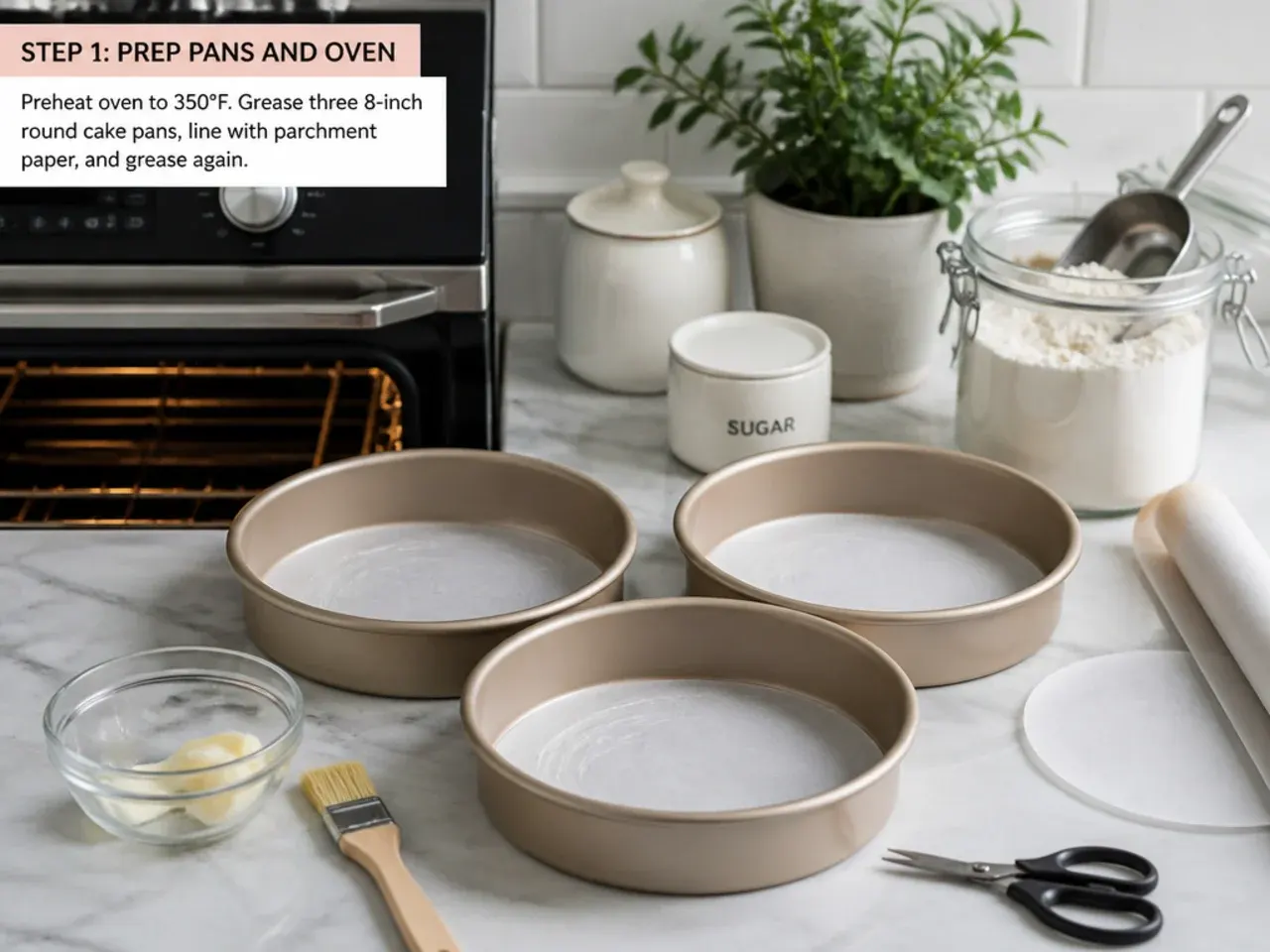
Preheat the oven to 180°C (350°F), or 160°C fan. Grease three 7-inch (18cm) round cake pans with butter and line the bases with parchment. If you only have two pans, bake in batches. Bring your eggs, buttermilk and butter to room temperature so the batter emulsifies smoothly.
Step 2: Make the sponge batter
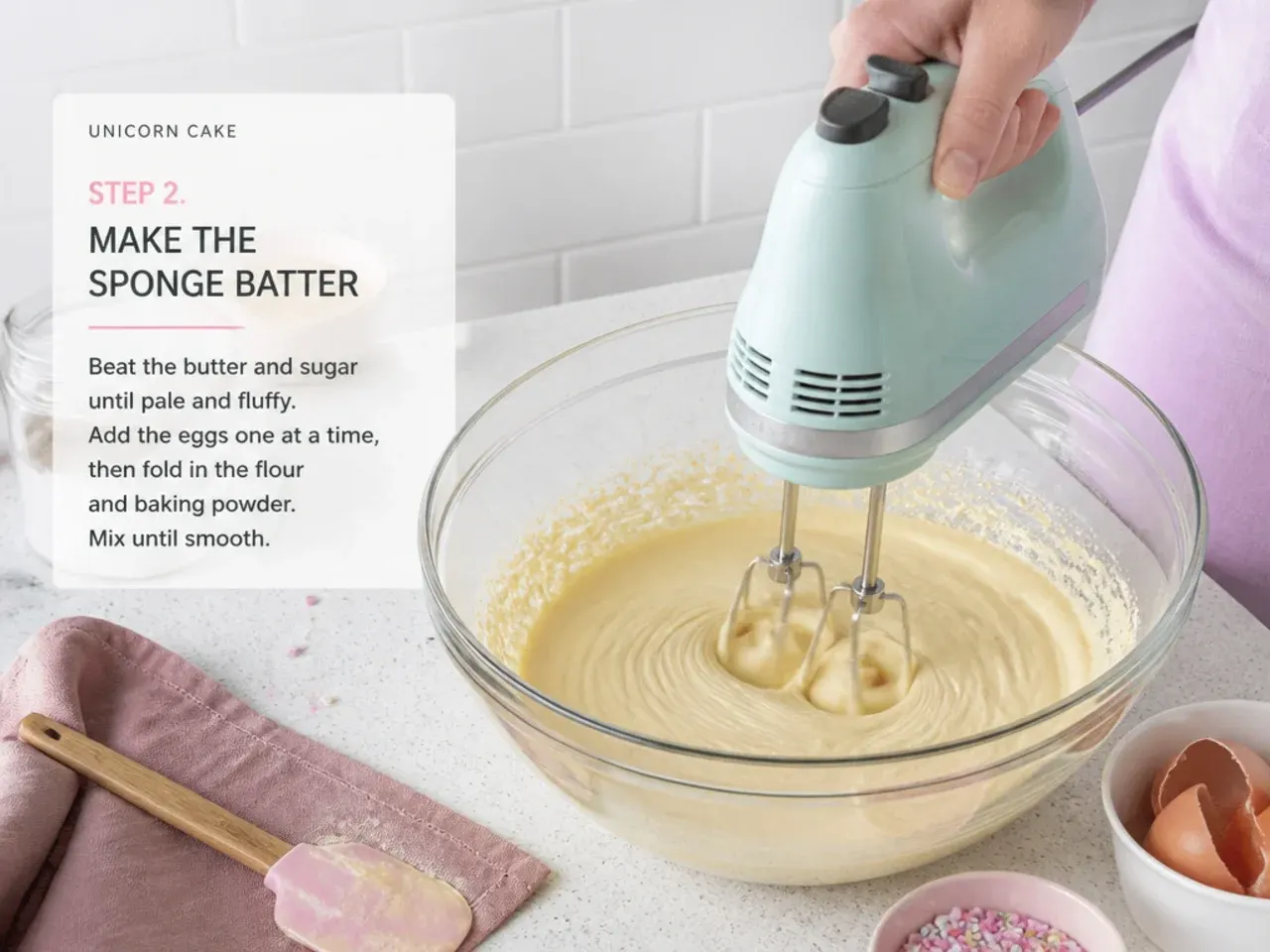
Whisk together the flour, baking powder and salt in one bowl. In a large bowl, beat the 230g softened butter with the caster sugar on medium-high for a full 5 minutes until pale and fluffy. Beat in the eggs and egg white one at a time, then the vanilla. Add the flour mixture and buttermilk alternately in three additions, mixing on low and scraping the bowl, just until combined, do not overmix.
Step 3: Bake and cool
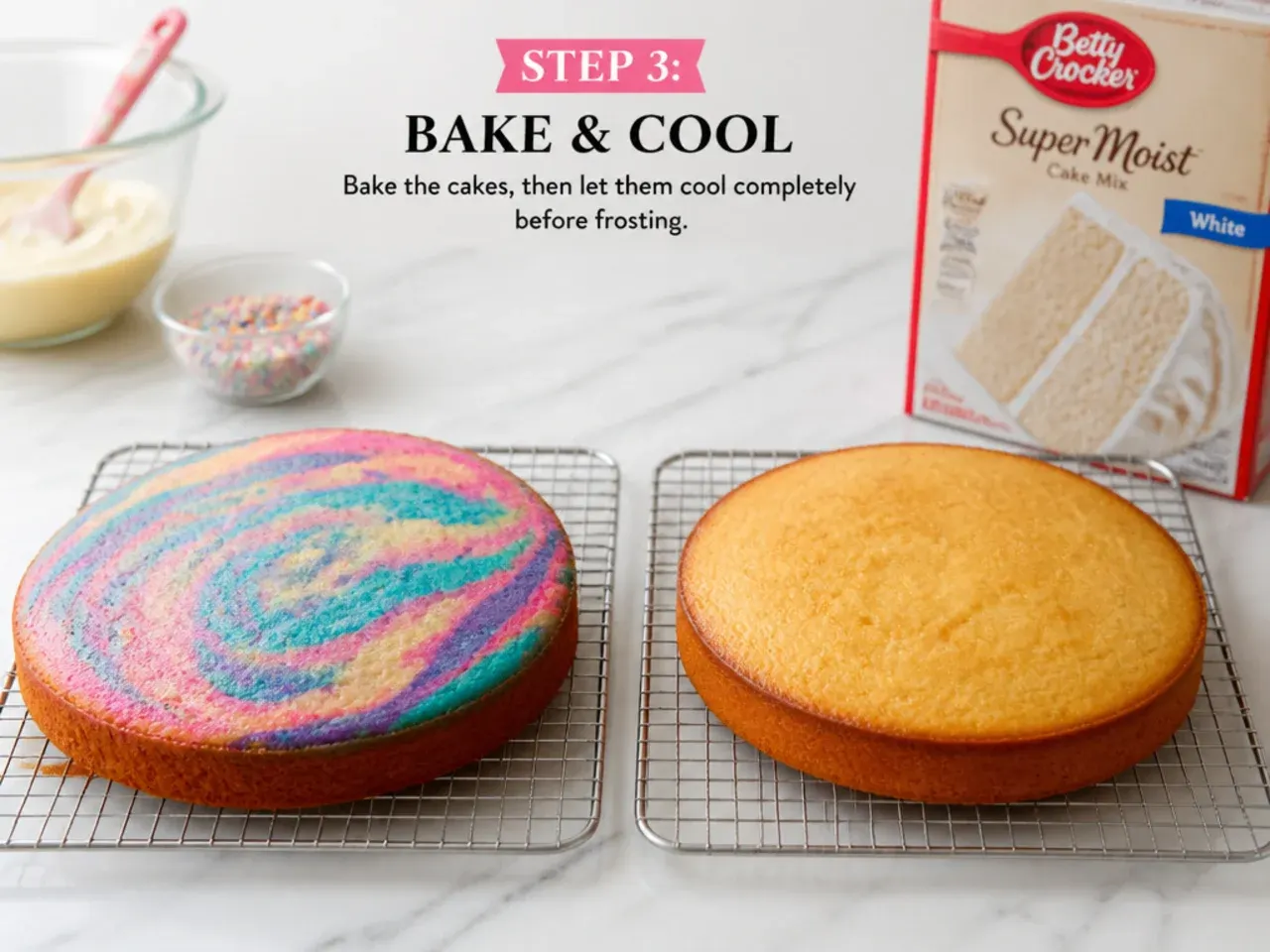
Divide the batter evenly between the three pans and level the tops. Bake for 25-30 minutes, until a skewer inserted in the center comes out clean and the sponges spring back when pressed. Cool in the pans for 10 minutes, then turn out onto a wire rack to cool completely. Do not frost warm layers or the buttercream will melt.
Step 4: Make the buttercream
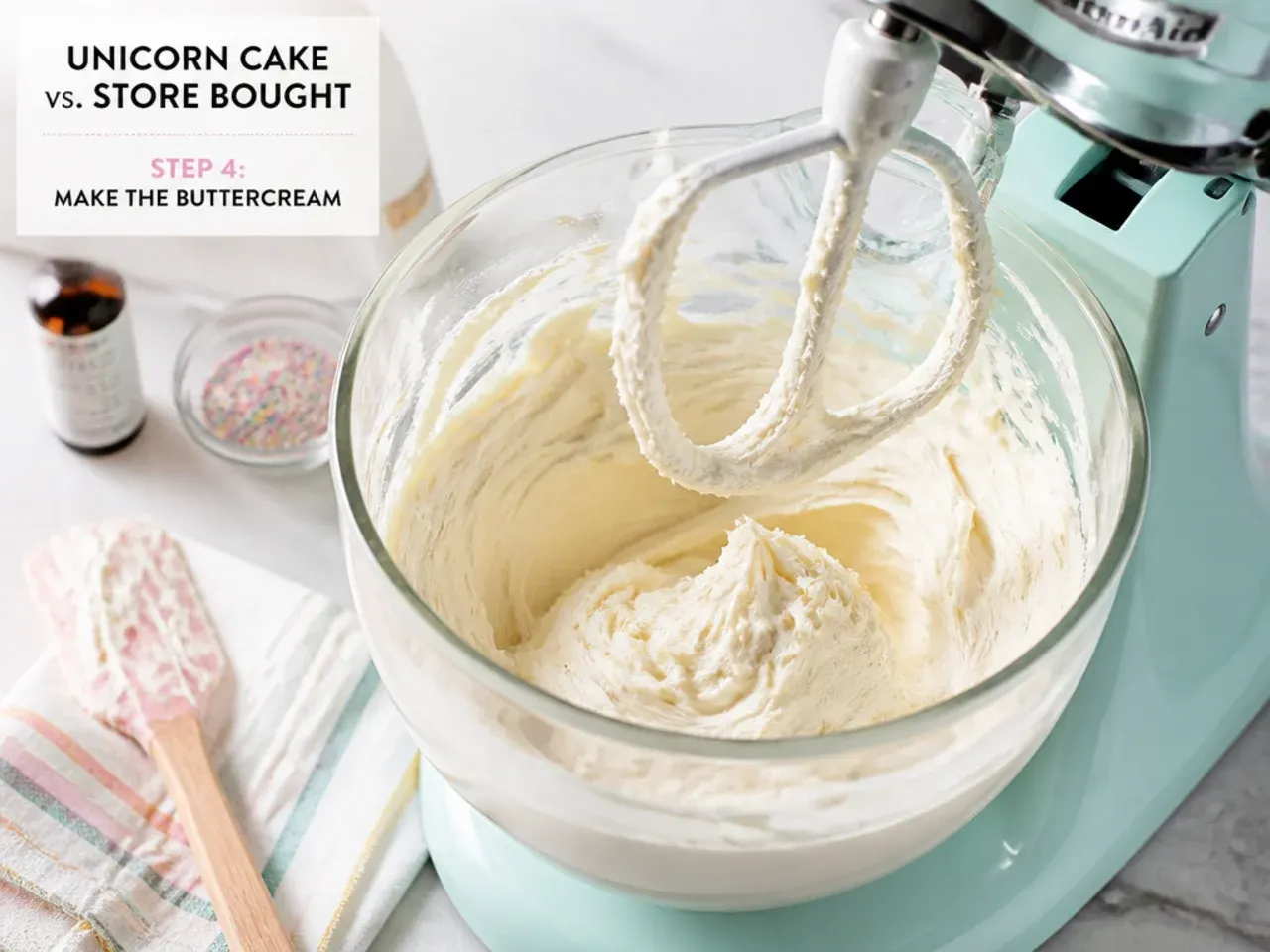
Beat the 450g softened butter on high for 5 minutes until pale and creamy. Add the sifted icing sugar in two batches, mixing on low first so it does not fly out, then on medium until smooth. Beat in the vanilla and the milk or cream and whip for 2-3 minutes until light and fluffy. Set aside about a third for stacking and the crumb coat; keep the rest for tinting the mane.
Step 5: Stack and crumb coat
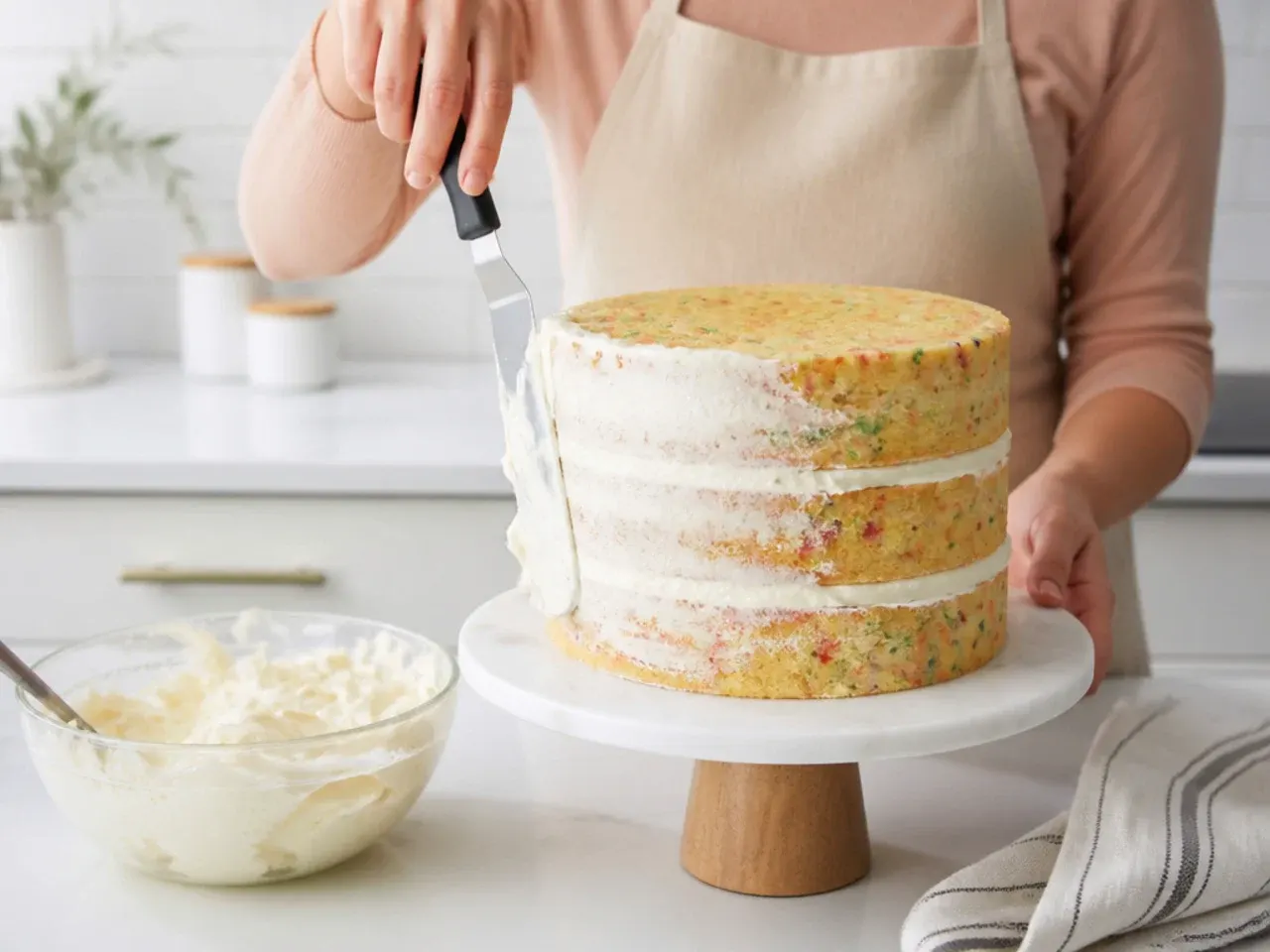
Level any domed tops with a serrated knife. Place the first layer on a board, spread with buttercream, and repeat with the remaining layers. Cover the whole cake in a thin crumb coat, a see-through layer that traps stray crumbs, using an offset spatula. Chill the crumb-coated cake in the fridge for 20 minutes to set the base before decorating.
Step 6: Tint and pipe the mane
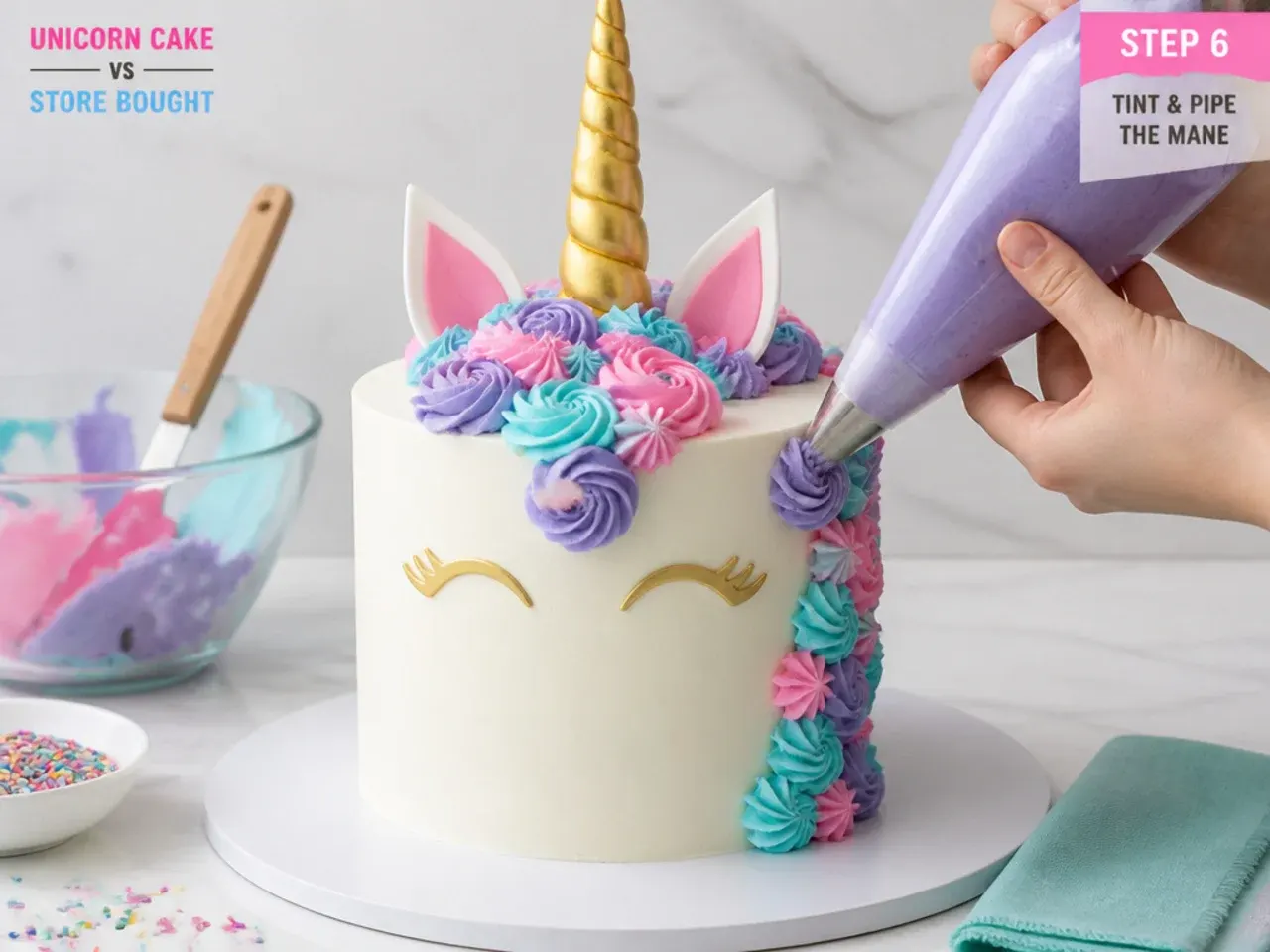
Divide the reserved buttercream into four bowls and tint each with pink, purple, blue and yellow gel coloring. Apply a smooth white or pale outer coat to the chilled cake, then fit piping bags with 1M open star tips. Starting at the top front and cascading down one side, pipe a mix of rosettes (swirl in a tight circle) and star dollops in alternating colors to build a flowing mane.
Step 7: Add horn, ears and face
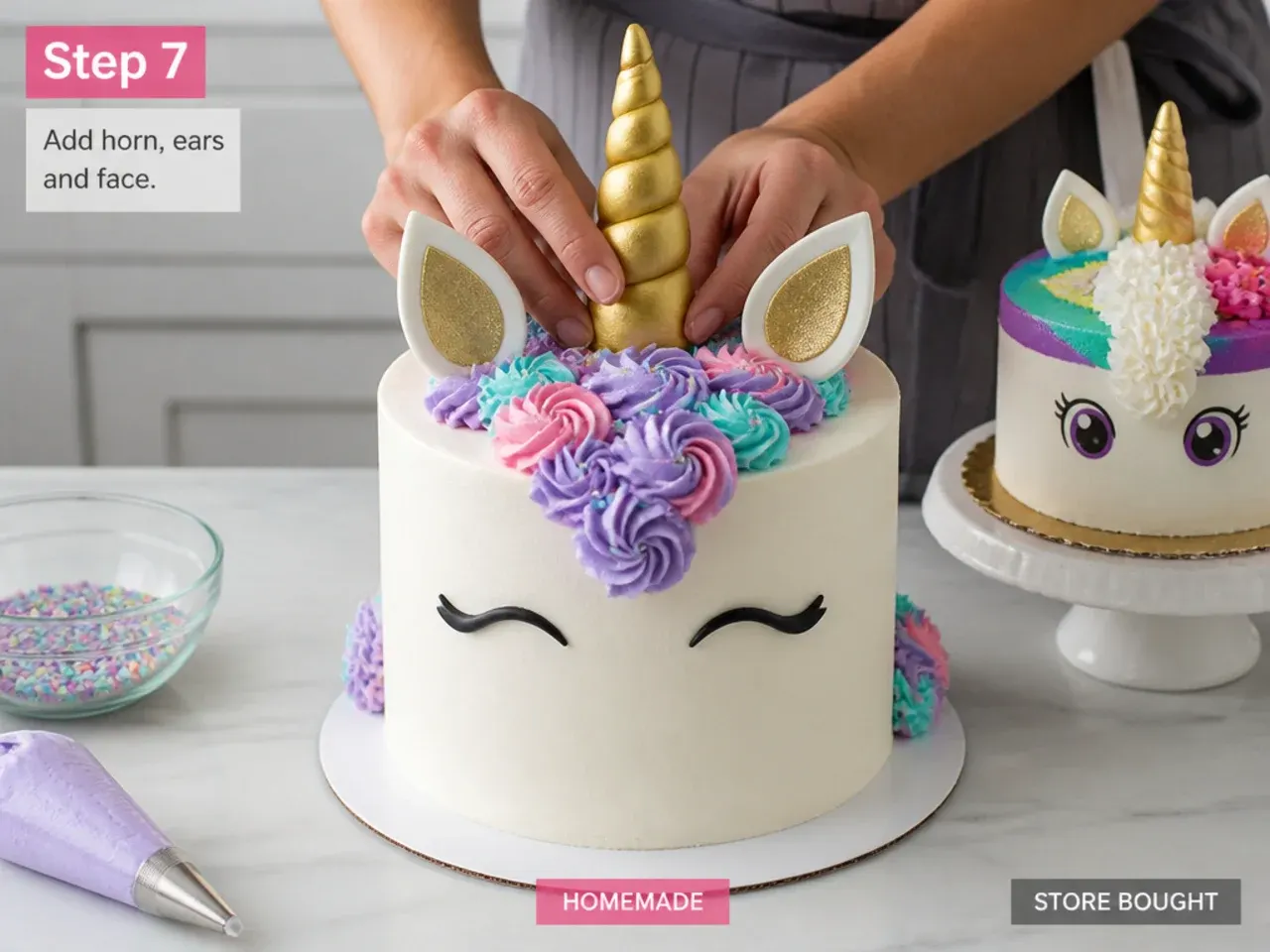
Push the gold horn into the top center of the cake and set the ears just behind it. Stick the edible lashes on the front with a dab of buttercream to suggest closed, happy eyes, or pipe simple curved lashes with a fine round tip and black gel. Scatter edible glitter or sprinkles over the mane. Chill until 2-3 hours before serving, then bring to room temperature so the sponge and buttercream are soft.
Frequently Asked Questions
Making it yourself is by far the cheapest. From-scratch ingredients cost about £15-25 plus a reusable £5-8 horn-and-ears topper. A grocery unicorn cake is similar in price but lower quality, while a custom bakery unicorn cake runs £90-£170+, three to seven times the cost of baking it at home.
Save this for later 📌
Pin this article to your Pinterest board so the full list is one tap away when you need it.
Save on Pinterest